

Wildfire Prep in Emergency Prep




























About Wildfire Prep in Emergency Prep - Walmart.com
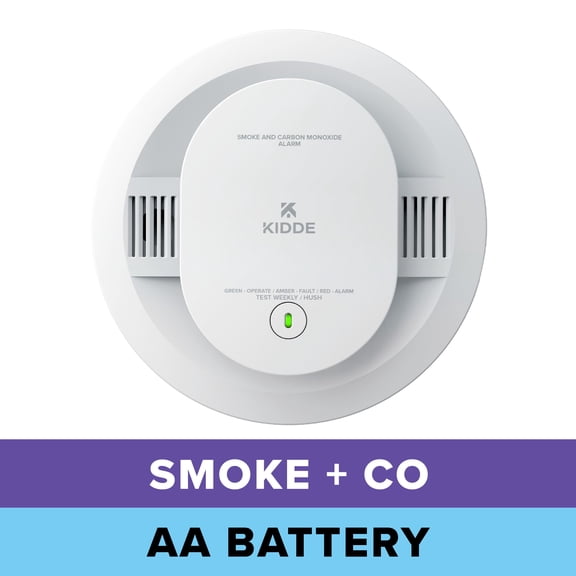
Wildfire prep helps you organize critical supplies before smoke, outages, and evacuation pressure disrupt your routine. You can compare filtration, backup power, fire resistance, and kit capacity in one focused category.
How to choose wildfire prep supplies
When you plan wildfire prep, you should start with the conditions you may face at home, in transit, or at a temporary stop. You can narrow choices faster when you match supplies to smoke exposure, power access, and document protection.
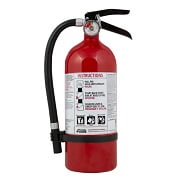
You'll want a mix of air purifiers, respirator masks, fire extinguishers, emergency radios, and document safes. You can build a more complete setup when each item covers a different preparedness need.
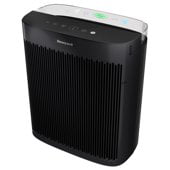
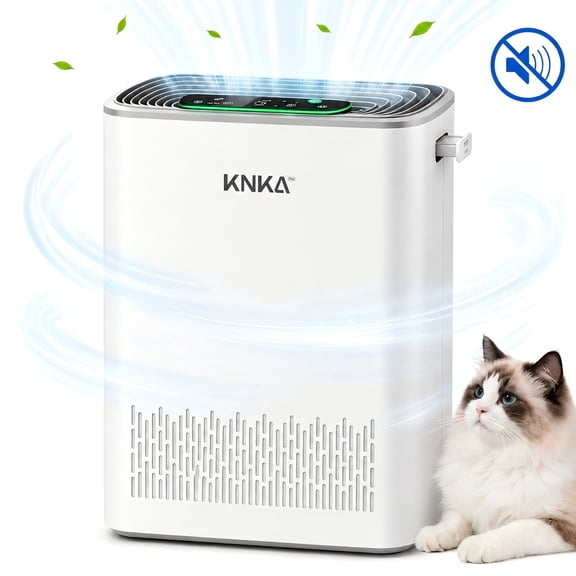
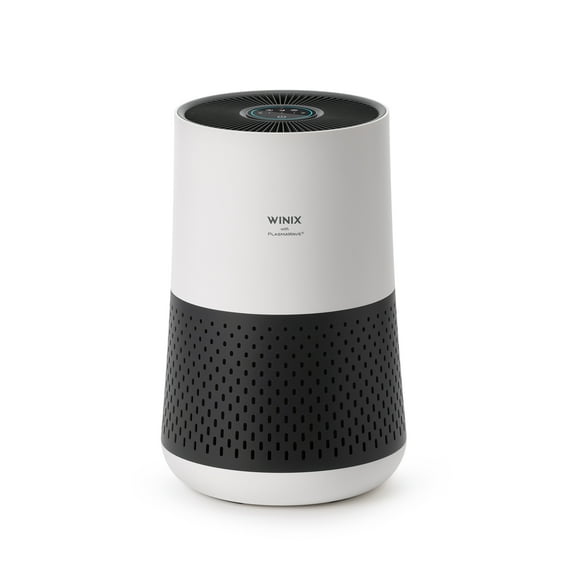
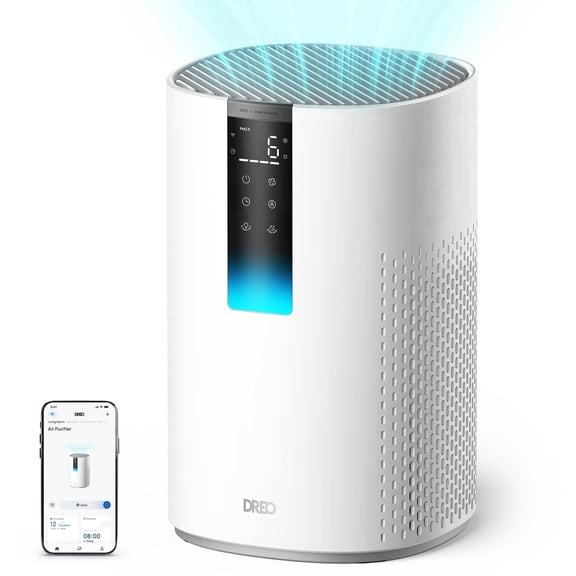
- You can filter smoky indoor air with an air purifier sized for your room.
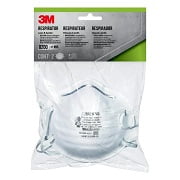
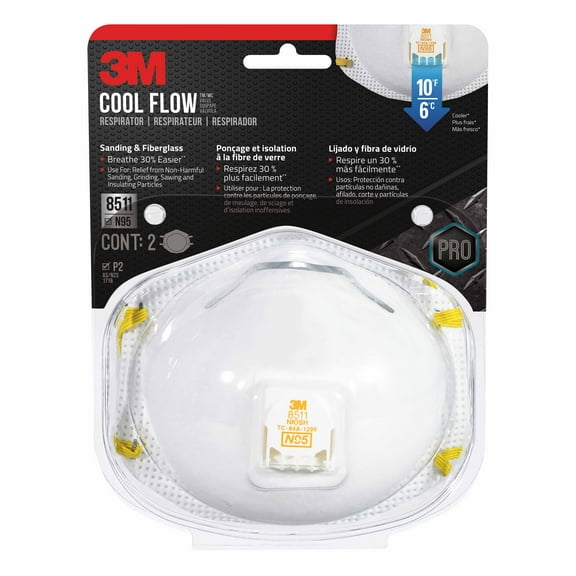
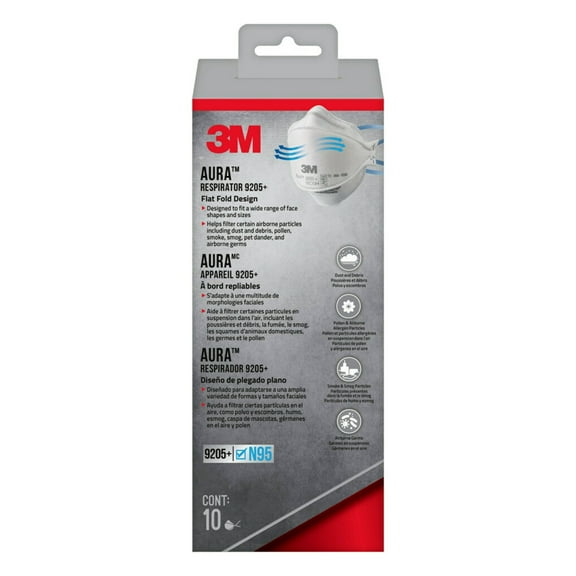
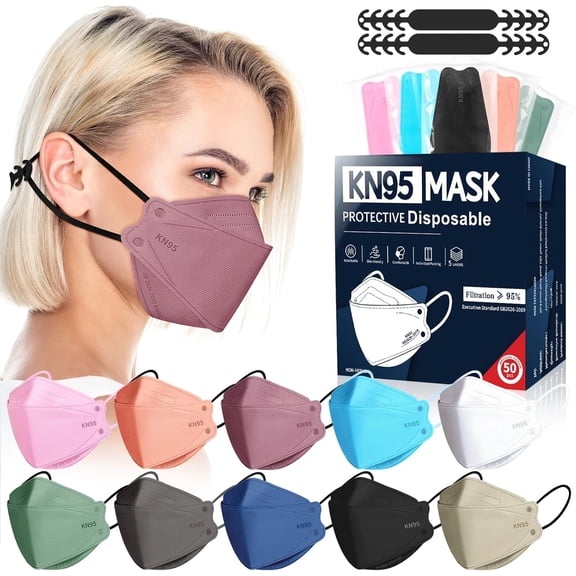
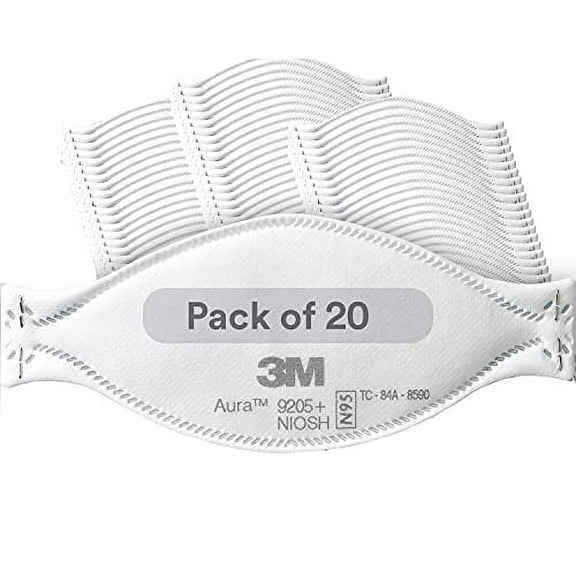
- You can add a smoke protection mask with an N95 rated design for grab-and-go use.
- You can keep updates available with an emergency weather radio and backup charging options.
- You can store papers in a fire-resistant, waterproof document safe for quick access.
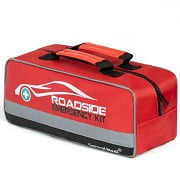
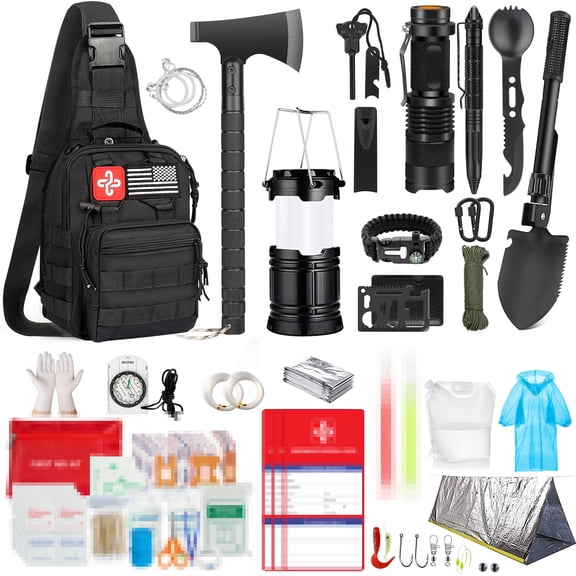
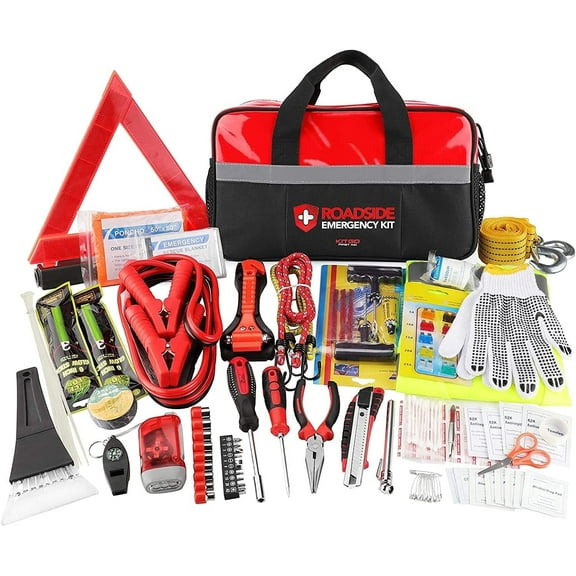
- You can choose a wildfire emergency kit sized for one person or a four-person family.
If you compare these categories together, you can avoid gaps that leave part of your plan unfinished. You'll also know which items belong by the door, in a vehicle, or in a safer indoor room.
Choosing a wildfire emergency kit
When you compare a wildfire emergency kit, you should first check who needs to use it. You can pick a one-person kit for solo travel or a four-person family kit for shared essentials.
A compact emergency bag works well when you want lighter carry weight and faster storage. You can use that format in a car trunk, entry closet, or office cabinet.
You should look for room layouts that keep small tools, food packs, light sources, and papers easy to sort. You can move faster during an evacuation when your kit stays organized.
If you already own some supplies, you can use kit capacity as a simple way to avoid duplicates. You'll know whether you need a full setup or just a refill-friendly bag.
What to look for in smoke protection and air quality
Smoke can affect both the air you breathe indoors and the air you face outside. You should compare a smoke protection mask and an air purifier as separate parts of the same plan.
For masks, you can look for an N95 rated design when you want decision-ready filtration guidance. You'll recognize that rating as a common benchmark for filtering fine airborne particles.
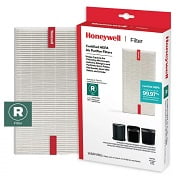
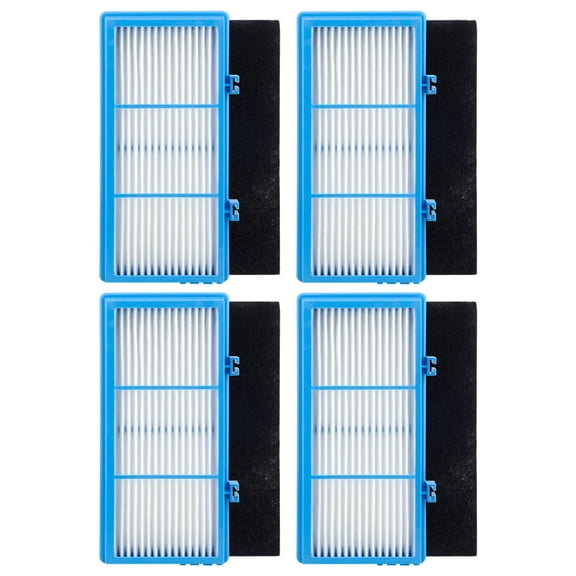
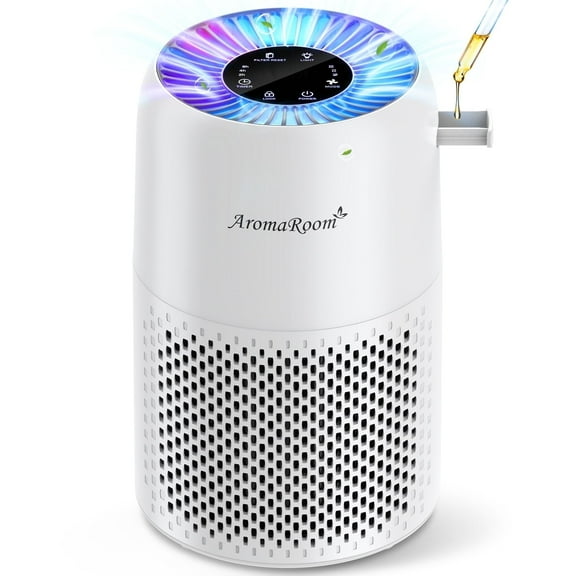
For room cleaning, you should compare HEPA grade filtration and square footage coverage before you choose. You can get more useful performance when the purifier fits your bedroom, living room, or office size.
An undersized purifier may run constantly without matching the room's needs. You can check coverage details and CADR information to estimate how quickly air cycles through the unit.
If smoke lingers across several rooms, you can place one purifier in the room where you spend the most time. You'll often want a second unit for sleep spaces or nursery areas.
Comparing emergency weather radio power options
An emergency weather radio gives you another source of updates when power or mobile service becomes unreliable. You should compare battery operated, solar powered, hand crank, and dual power formats.
Battery operated models can fit easily into kits and drawers when you want quick setup. You should keep extra batteries nearby so your radio stays ready with the rest of your supplies.
Solar powered options can support longer outdoor use when sunlight is available. Hand crank models let you create power manually, which helps when charging access is limited.
Dual power designs give you flexible backup paths in changing conditions. You can choose them when you want one radio for home storage, vehicle use, and temporary shelter stops.
Checking fire-resistant document safe features
Your papers can be hard to replace during a fast departure, so a document safe deserves careful review. You should compare fire-resistant construction, waterproof details, and interior size before you decide.
Some shoppers also check UL class ratings because those ratings explain tested fire exposure levels. You can use that information to compare models with a clearer standard.
You'll want to measure folders, passports, insurance papers, and digital media before choosing interior dimensions. You can avoid cramped storage when the safe fits documents flat and easy to grab.
If you expect frequent moves between rooms or vehicles, you should also consider carry handles and overall weight. You can balance portability with the protection level you need.
Using wildfire safety supplies in real situations
If you stay home during smoky days, you can pair a HEPA grade air purifier with a smoke protection mask for short outdoor trips. You'll create a cleaner indoor room while keeping a mask ready by the exit.
If you live with children or a larger household, you can choose a four-person family kit and a dual power radio. You should also keep a document safe near your planned exit path.
If you commute or travel often, you can keep a compact emergency bag and battery operated radio in your vehicle. You'll have core supplies together without taking much cargo space.
If you manage important records from home, you can combine a fire extinguisher, document safe, and purifier for one work area. You can protect papers, improve room air, and keep response tools close.
With wildfire prep, you can build a clearer plan around filtration, backup power, document storage, and kit size. You'll feel more prepared when each supply matches your space, routine, and evacuation plan.