

Window Hardware in Windows & Window Supplies


























About Window Hardware in Windows & Window Supplies - Walmart.com
When you need window replacement hardware, you can restore smooth operation without replacing the full window unit. You can match the right part by checking window style, hole spacing, and handing before you install.
If your crank skips, your lock won't catch, or your sash lift feels loose, you need parts built for that exact job. You can compare component types, finishes, and mounting styles to narrow your fit faster.
How to choose window replacement hardware
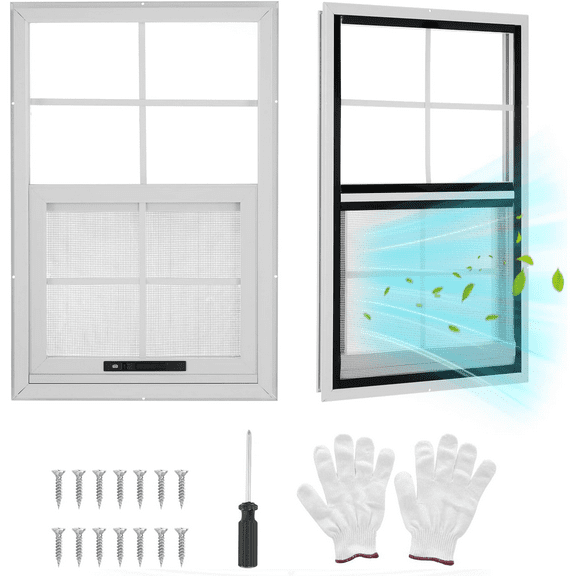
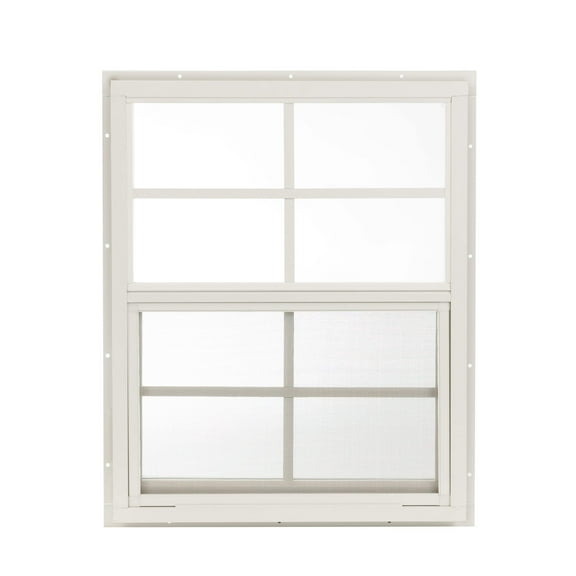
You should start with your window style because casement, double-hung, sliding, awning, and single-hung windows use different parts. You can avoid guesswork when you match the hardware to the way your window opens.
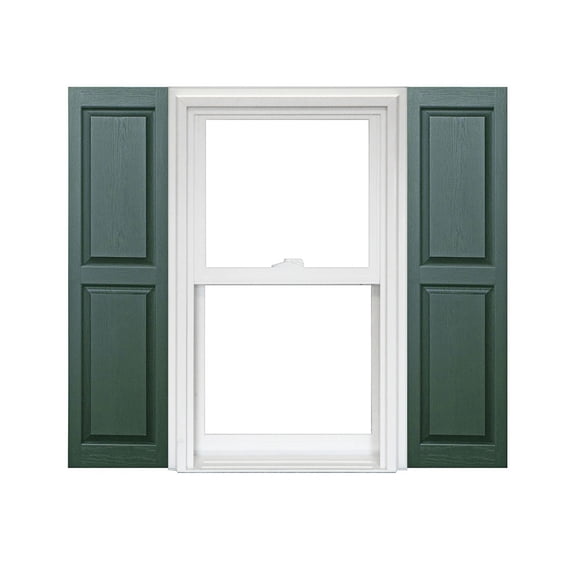
For casement windows, you may need cranks or operators that move the sash outward with a turning handle. For double-hung windows, you may look for sash lifts or locks that line up across the meeting rail.
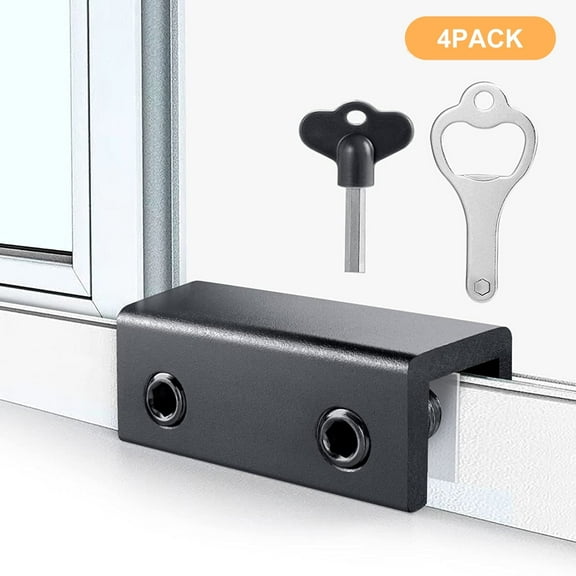
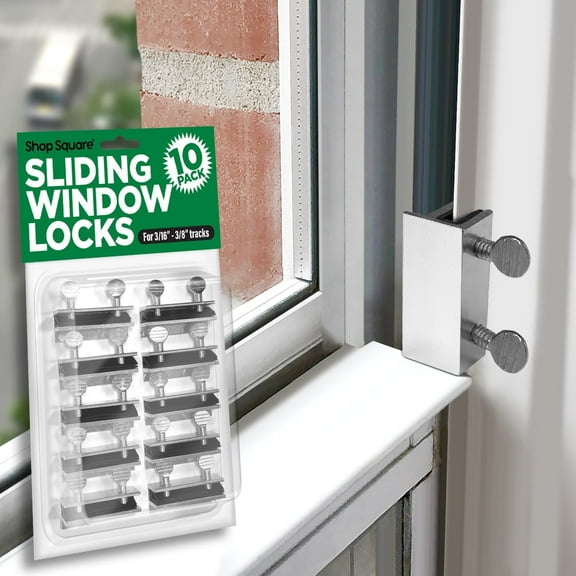
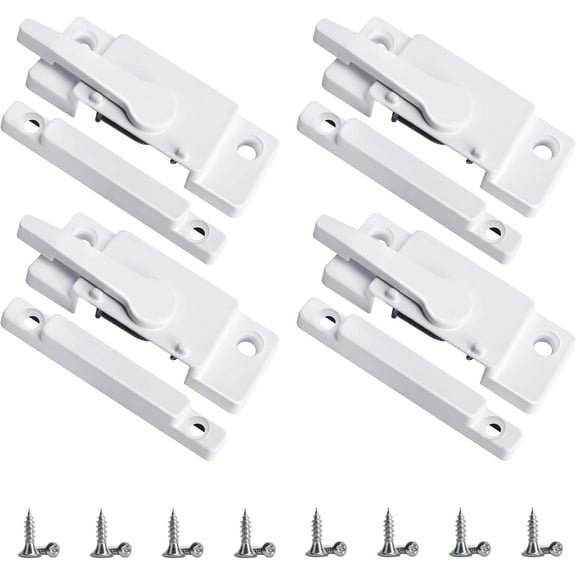
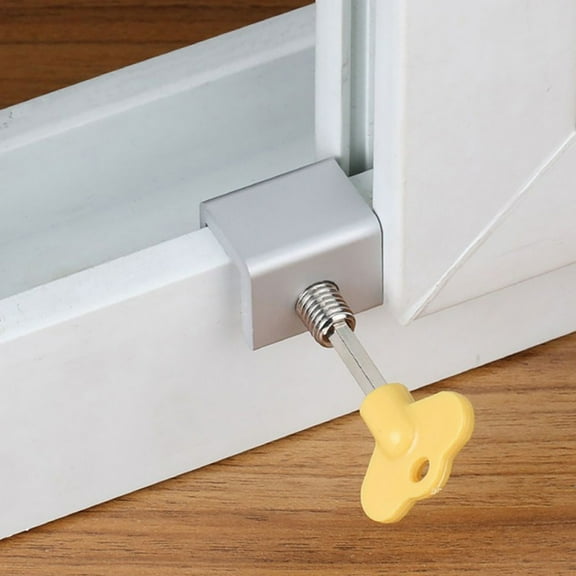
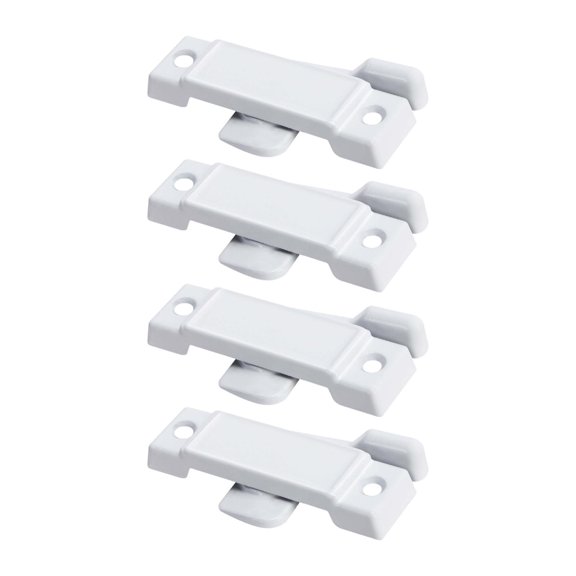
Sliding windows often use latches and locks shaped for horizontal movement and slim frame profiles. Awning windows usually need operators with arm designs that match top-hinged opening motion.
- You can identify the hardware component type before you compare finishes or mounting details.
- You should measure center-to-center hole spacing so your new part lines up with existing screw holes.
- You can check left-handed or right-handed orientation when you replace operators or cranks.
- You should match the finish to nearby handles, locks, and room hardware for a coordinated look.
You can make a stronger match when you remove the old part and compare its shape with the replacement style. You should also note whether your piece mounts on the surface, inside a mortise, or with a snap-in design.
Choosing component types and compatibility
You can narrow your options quickly when you know whether you need cranks, locks, latches, hinges, sash lifts, or operators. Each part serves a specific movement or closure point on your window.
Cranks and operators matter when you open casement or awning windows with a rotating handle. You should compare arm length, spline shape, and handed orientation so the mechanism moves correctly.
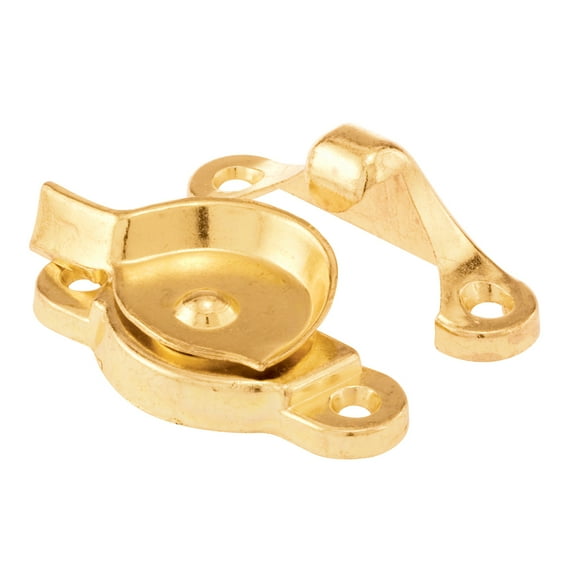
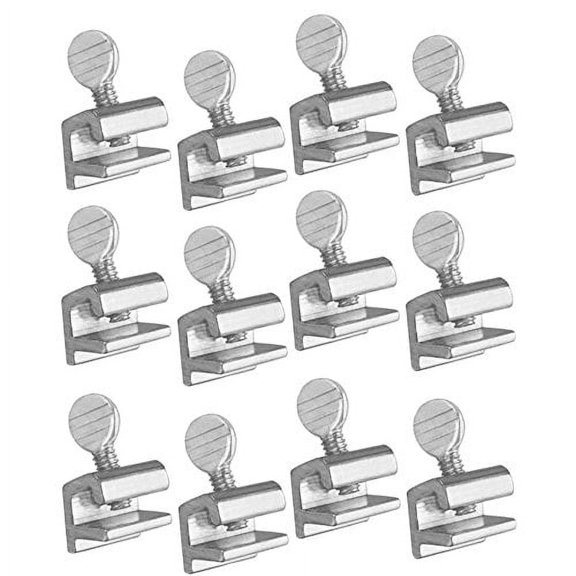
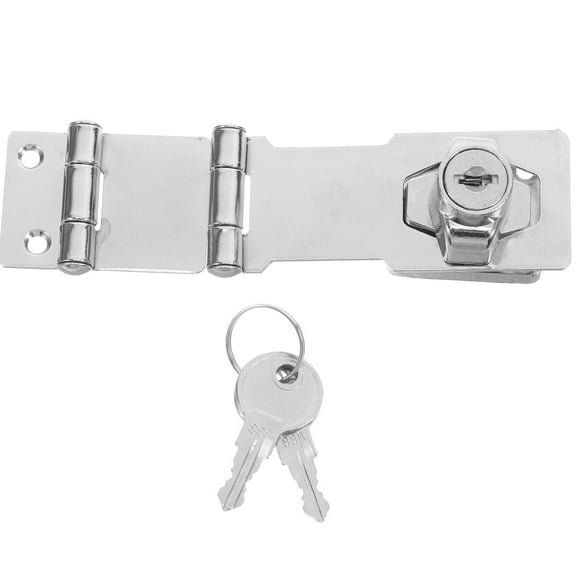
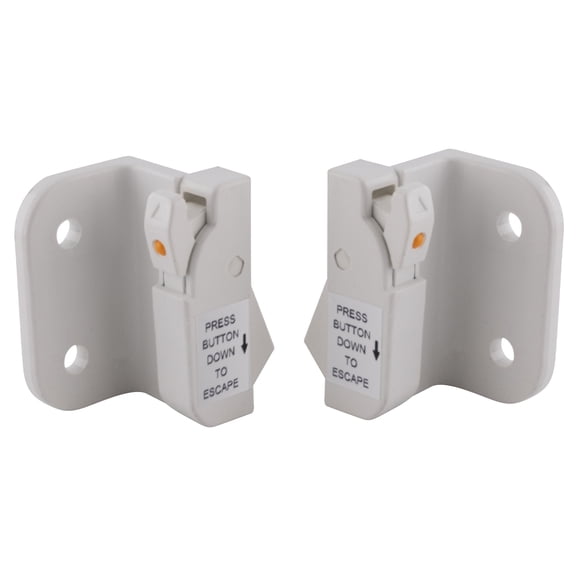
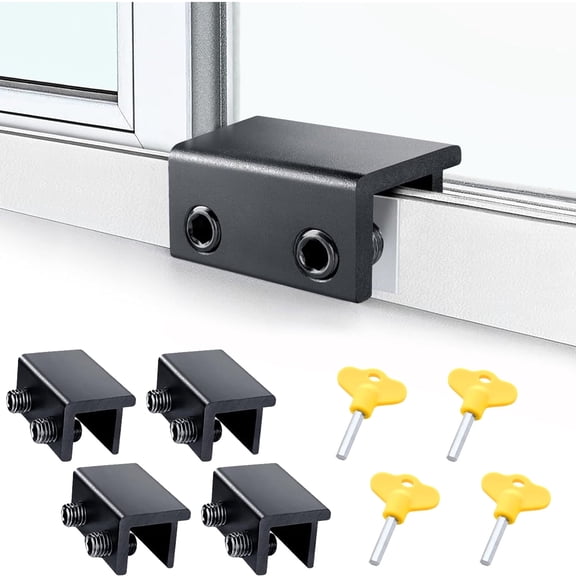
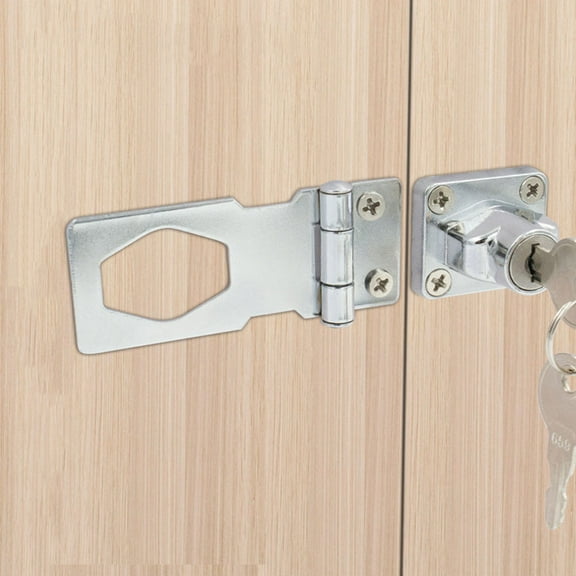
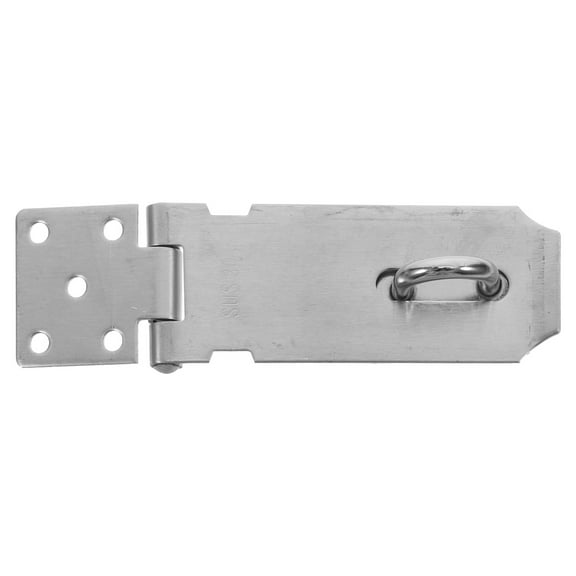
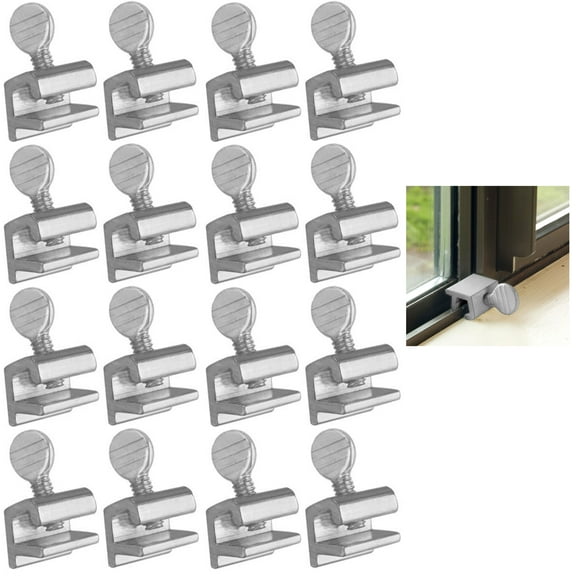
Locks and latches help you secure meeting rails and keep the sash aligned during everyday use. You can compare keeper shape, hole spacing, and profile height for a cleaner replacement fit.
Hinges support the swing path on certain window styles, so you should check length, width, and mount pattern. You can avoid extra drilling when your new hinge matches the original footprint.
Sash lifts give you a clear grip point on double-hung or single-hung windows. You may want a shape that feels comfortable in your hand and matches your existing trim style.
What to look for in measurements and installation
You should treat dimensions as a key decision point because a small mismatch can affect alignment and operation. You can start with exact center-to-center measurements between screw holes on the old part.
For operators, you should check overall body length, arm reach, and the position of each mounting point. You can also compare left-handed and right-handed versions by looking at the hinge side and crank direction.
Surface mount parts attach where you can see the hardware on the frame or sash. Mortise styles fit into a recessed pocket, so you should measure depth and outline carefully.
Screw-in designs work well when your existing holes remain usable and properly spaced. Snap-in pieces can simplify certain replacements, but you should still compare clip shape and surrounding frame dimensions.
You can finish a DIY project with less trial and error when you keep your old screws, note the mount style, and verify the base shape. You should also compare handle clearance if blinds, screens, or trim sit close to the window.
How finishes and materials affect your choice
You may want your replacement part to blend with nearby fixtures, trim, and existing window pieces. You can choose finishes like brass, bronze, white vinyl, brushed chrome, or zinc alloy to coordinate the look.
Brass and bronze finishes can suit traditional rooms and warmer-toned trim. White vinyl can pair neatly with common white window frames for a cleaner visual match.
Brushed chrome can fit modern spaces where you already use cool-toned knobs, pulls, or bath hardware. Zinc alloy can give you a practical option when you want a familiar metallic appearance.
You should think about finish matching as a room-level detail, not just a single part choice. You can create a more consistent look when your sash lock or crank handle echoes nearby hardware.
Using window replacement hardware in real projects
You can use window replacement hardware when a casement window opens unevenly and you want to replace only the operator. You should verify arm style, handing, and mounting holes before you begin.
If your double-hung window won't align at the meeting rail, you may need a new lock or sash lift. You can measure spacing and compare the catch profile to restore a cleaner close.
When your sliding window latch no longer matches the frame opening, you should compare body width and latch position. You can avoid visible gaps when the new part follows the original shape.
You may also replace hinges on awning windows when you want smoother movement and a closer visual match. You should compare hinge length and screw pattern so the sash sits correctly in the frame.
For older rooms, you can refresh the look by swapping worn handles and locks in a matching finish. You can keep the window's original style while updating the parts you touch every day.
With the right window replacement hardware, you can restore fit, function, and a coordinated finish across your windows. You can complete repairs with more confidence when your measurements and compatibility details line up from the start.