




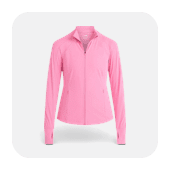
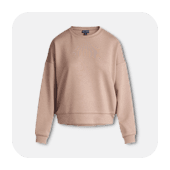
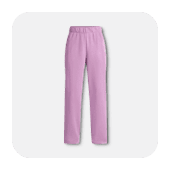
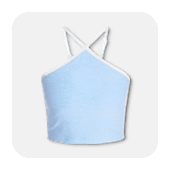

Womens Workout Bottoms in Womens Workout Bottoms



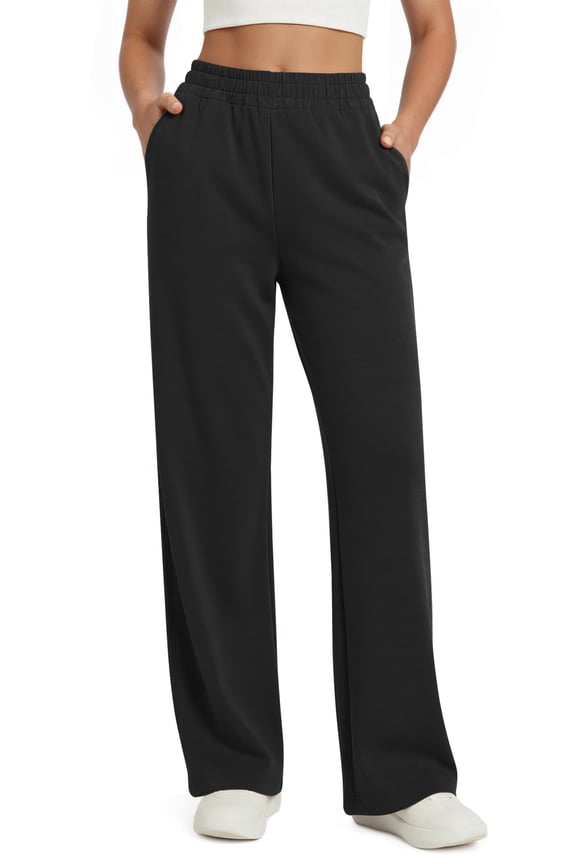


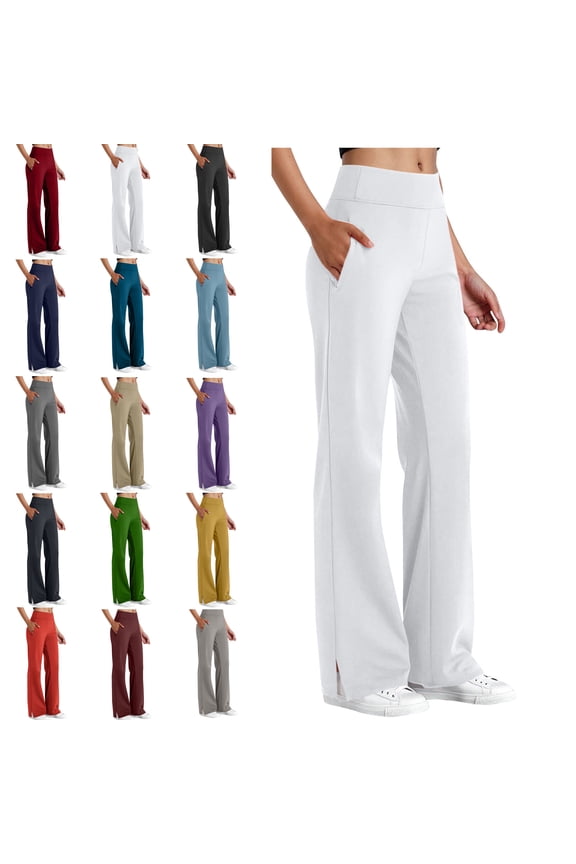


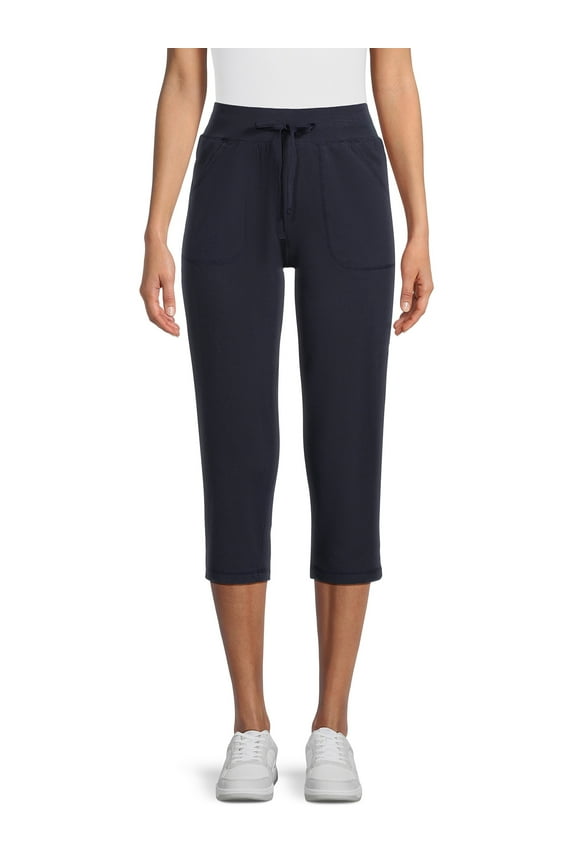


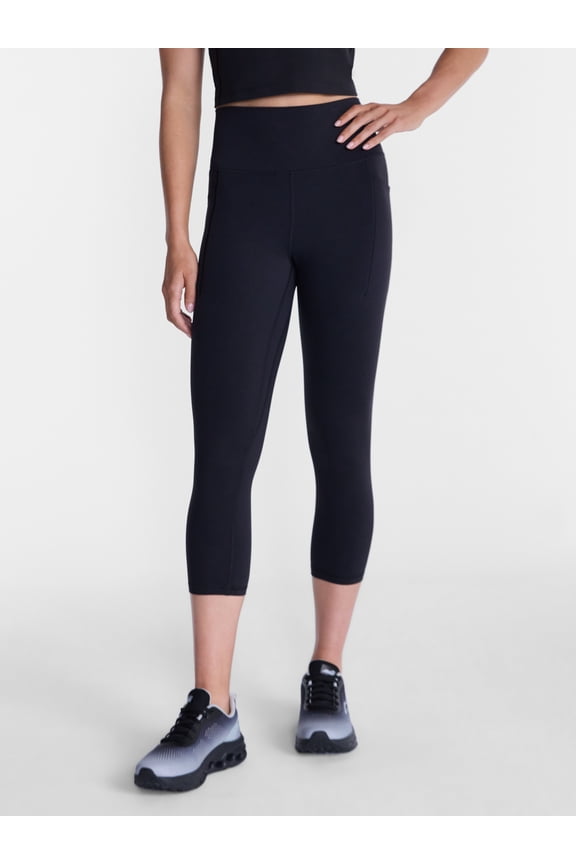


















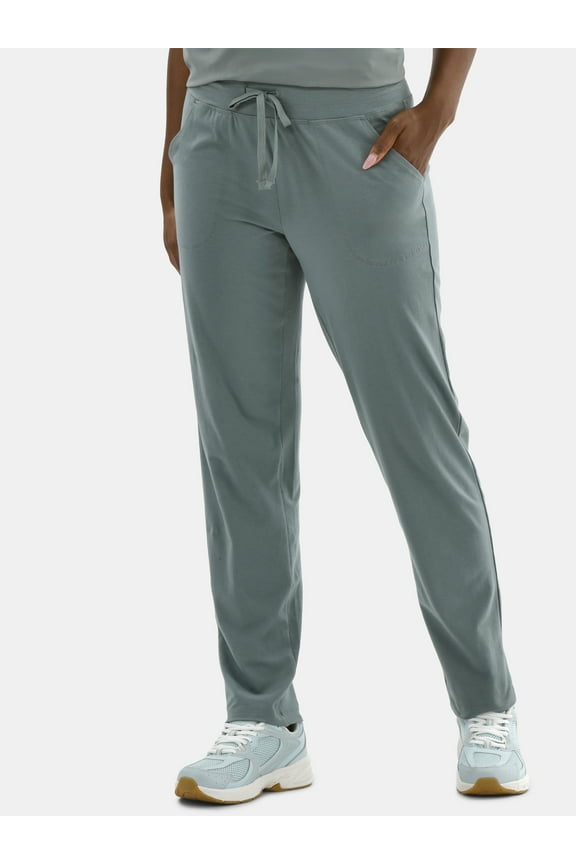
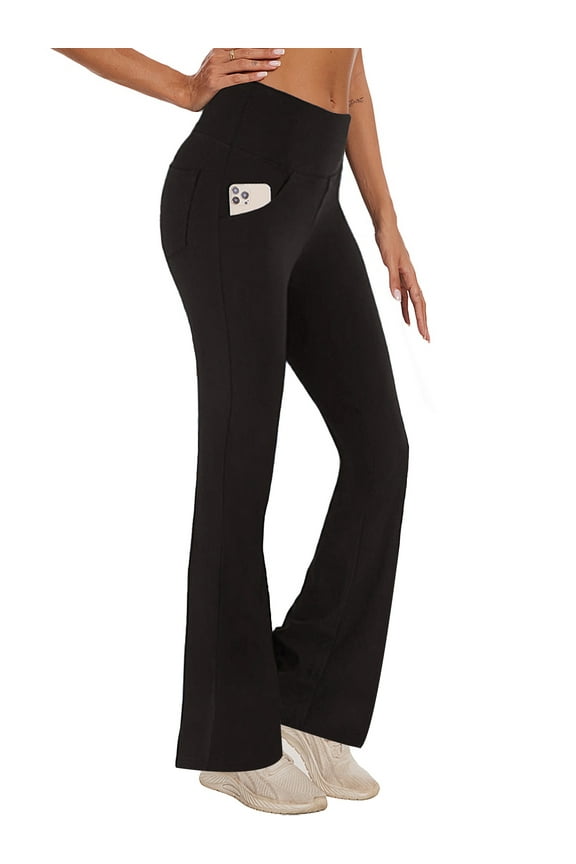


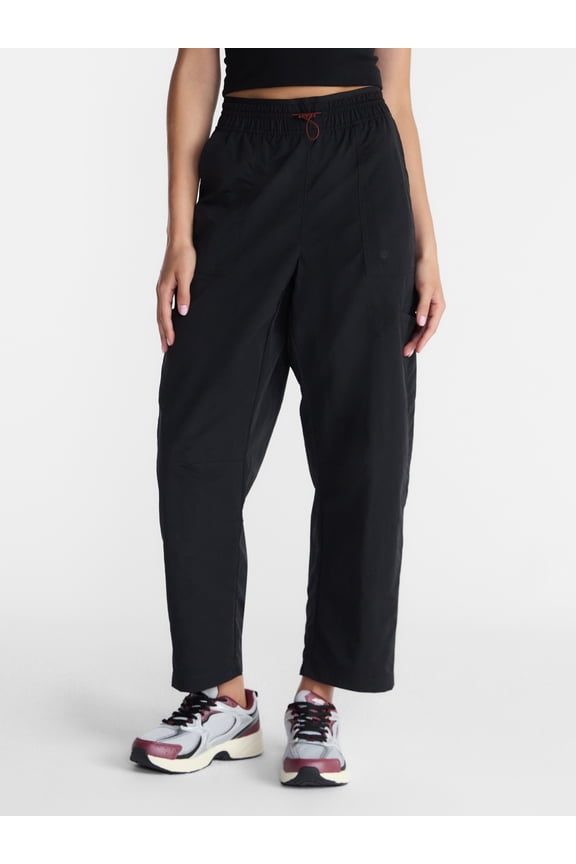


About Womens Workout Bottoms in Womens Workout Bottoms - Walmart.com
Men's workout shirts help you stay comfortable through training, runs, and rest days. You can compare fabric performance, fit, sleeve length, and activity needs before you choose.
When you want fewer distractions, you can look for lightweight knits, smooth seams, and stretch that moves with you. You can also find options that work for lifting sessions, cardio circuits, and casual wear.
How to choose men's workout shirts by fabric
Fabric performance shapes how your shirt feels once your pace picks up. You should compare moisture-wicking, quick-dry, compression, and breathable designs based on how you train.
If you sweat through long sessions, you may prefer moisture wicking shirts for men that pull sweat away from your skin. If you rotate between machines and mats, you may like quick-dry fabrics that feel ready sooner.
For a closer feel, you can consider compression tops that sit snug against your body. For a lighter feel, you can choose breathable mesh panels or open-knit zones that let air move.
- You can use moisture-wicking fabric when you want a drier feel during runs and circuits.
- You can choose quick-dry material when you want easier transitions from training to errands.
- You can pick compression styles when you want a close fit under tanks, hoodies, or jerseys.
- You can look for breathable panels when you train indoors or in warmer conditions.
Choosing fit in men's athletic shirts
Fit changes how easily you move through presses, squats, and sprints. You should compare compression, slim, regular, and loose silhouettes with your training style.
If you want a held-in feel, you may choose compression tops that stay close during fast movement. If you want a cleaner outline without extra fabric, you can consider slim fit styles.
Regular fit options give you balanced room through the chest and waist. Loose fit men's athletic shirts give you extra airflow and a relaxed feel for lifting or everyday wear.
You should also check stretch and cut lines around the shoulders. When you reach overhead or row, you want fabric that moves without pulling across your back.
Picking sleeve length for men's gym shirts
Sleeve length affects coverage, layering, and the way your shirt feels during specific workouts. You can narrow your options quickly by comparing short sleeve, sleeveless, and long sleeve styles.
Short sleeve men's gym shirts work well when you want all-around versatility. You can wear them for treadmill runs, strength training, or daily routines without changing your look.
Sleeveless tops give you an open feel through the arms and shoulders. You may prefer that cut when you want less fabric during weightlifting or high-heat studio sessions.
Long sleeve options give you added coverage for outdoor runs and cool gyms. You can also layer them under jackets or over compression tops when your schedule includes changing conditions.
What to look for in men's dry fit shirts
Technical details matter when you want comfort that lasts beyond the first set. You should look at knit weight, ventilation zones, stretch, and seams before you choose men's dry fit shirts.
Lighter knits usually feel easier during cardio and fast intervals. Heavier jerseys may suit you when you want a more substantial feel for training and daily wear.
Mesh underarm panels and back vents can help air circulate where heat builds. Flat seams can feel smoother when you repeat pressing, pulling, and arm swings.
You may also want hem length and neckline shape that match your routine. A slightly longer hem can stay put during lifts, while crew and V-neck styles change your layering options.
Matching men's activewear tops to your routine
Your routine should guide which men's activewear tops make the most sense. You can match fabric, fit, and sleeve length to running, weightlifting, cross-training, or casual wear.
For running, you may want lightweight fabric, breathable zones, and a regular or slim fit. That combination can feel streamlined when you pick up speed or layer for outdoor miles.
For weightlifting, you might choose sleeveless or short sleeve styles with shoulder mobility and stretch. You can also consider a longer hem if you want coverage through rows and overhead presses.
For cross-training, you may need quick-dry fabric and a fit that handles jumping, lunges, and machine work. You can benefit from shirts that balance airflow with enough structure for varied movement.
For casual wear, you may lean toward softer knits and regular or loose cuts. You can wear the same shirt after training when you want an athletic look that still feels easy.
You can also connect your apparel choices across categories for a more complete setup. You may pair these tops with men's activewear, men's athletic shorts, and men's running shoes for coordinated training outfits.
When you compare performance fabric, fit, sleeve length, and activity needs, choosing gets simpler. You can land on men's workout shirts that feel right for your pace, movement, and daily routine.