


Work Benches in Tool Storage



















About Work Benches in Tool Storage - Walmart.com
Work benches help you create a steadier, more organized workspace for repairs, building, and hobby projects. You can compare garage workbenches by load rating, surface material, storage layout, and mobility before choosing your setup.
How to choose work benches for your space
Start by measuring your floor area, wall clearance, and working height before you compare sizes. You’ll want enough room for tool access, stool placement, and longer boards or pipes.
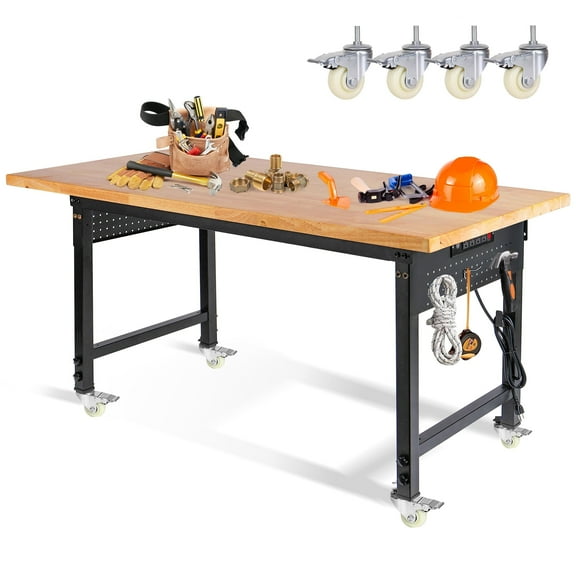
Consider where you’ll use the bench most often and how permanent the setup should feel. You may prefer stationary models for dedicated shops, or rolling work benches for flexible garage layouts.
Check the listed static load rating and dynamic load rating when you compare build strength. You’ll typically use static load for resting equipment, while dynamic load matters when you move a loaded bench.
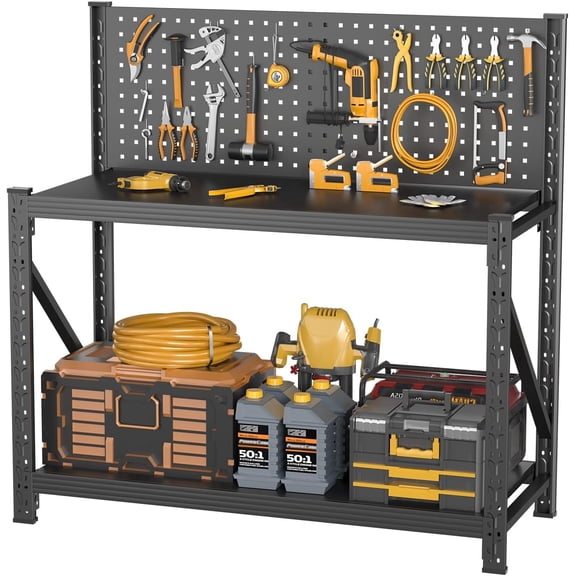
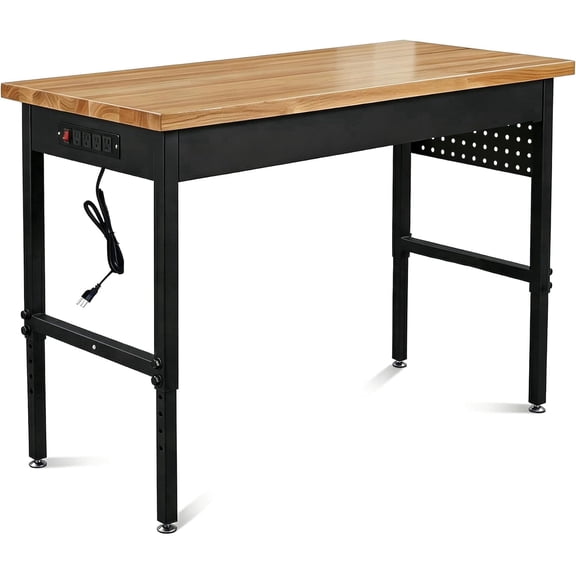
- You can choose steel or heavy-duty metal frames when your projects involve heavier tools and repeated daily use.
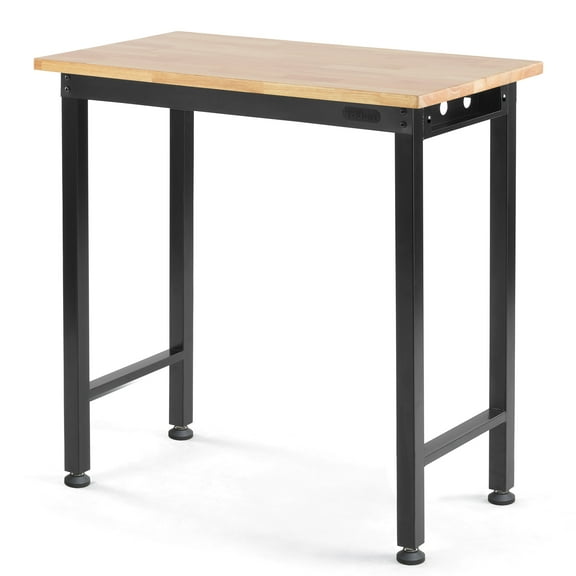
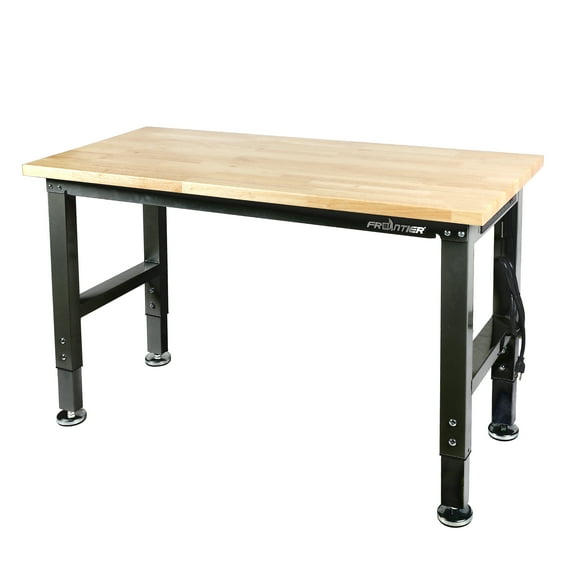
- You may prefer wood frames or wooden work benches when you want a classic workshop look and a warmer surface feel.
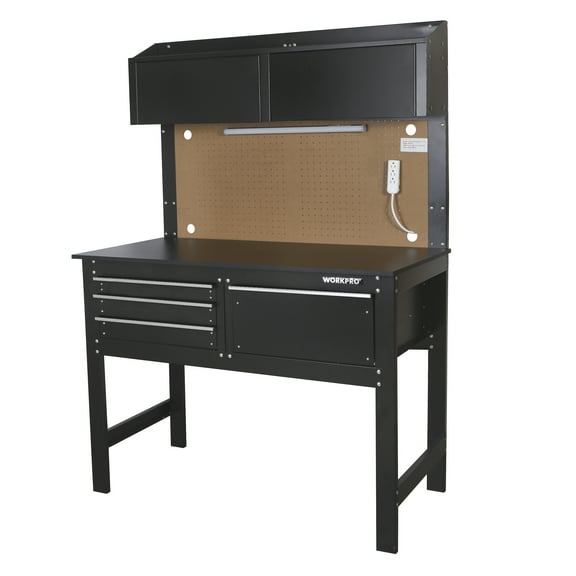
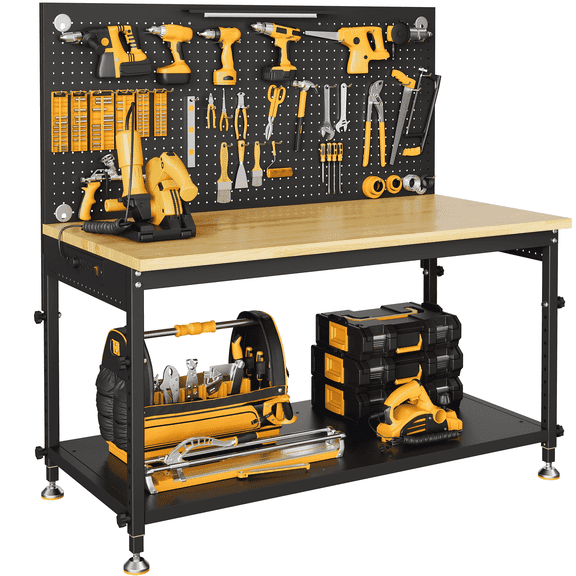
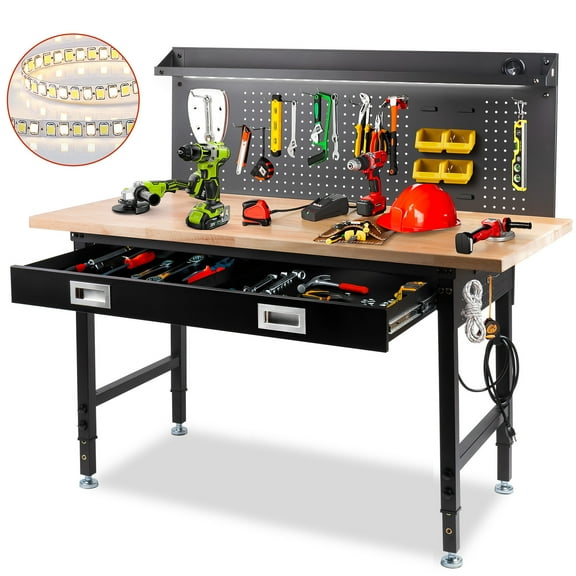
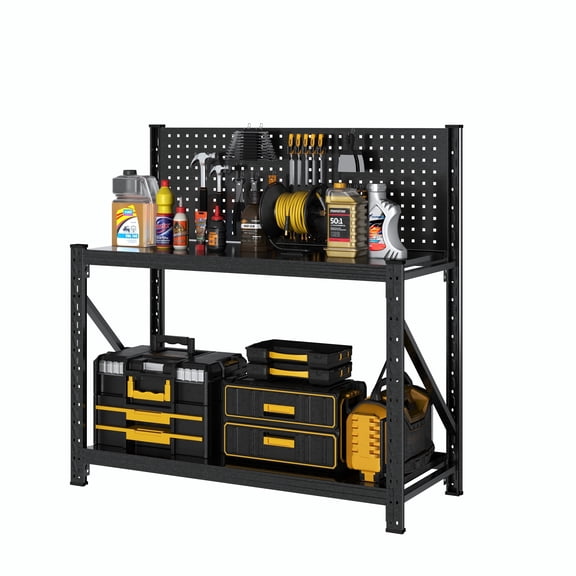
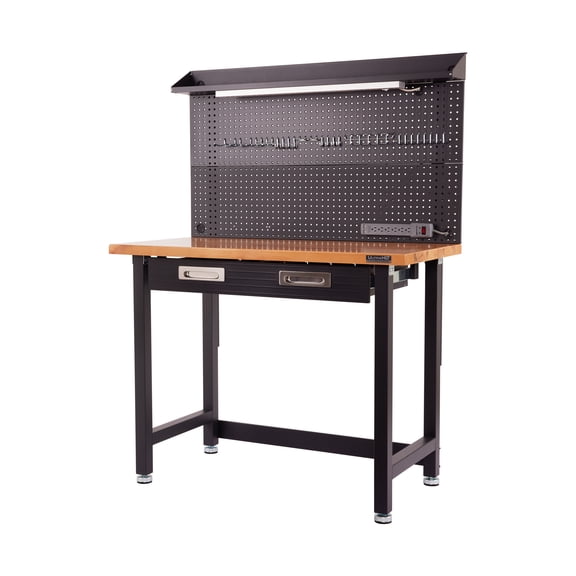
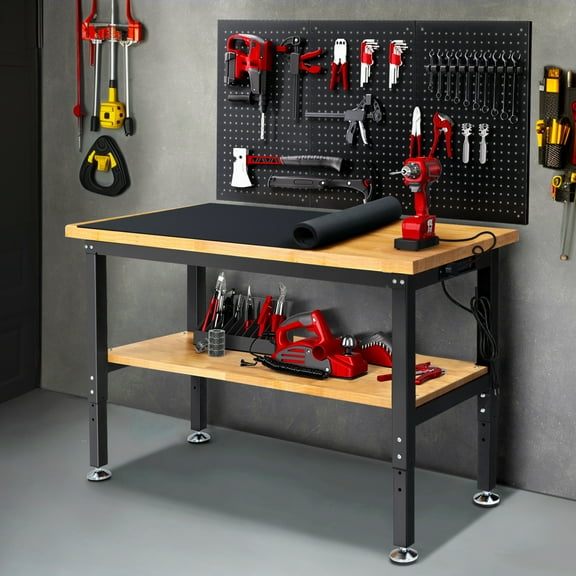
- You can pick workbenches with drawers, cabinets, or pegboards when you need fast access to hand tools and small parts.
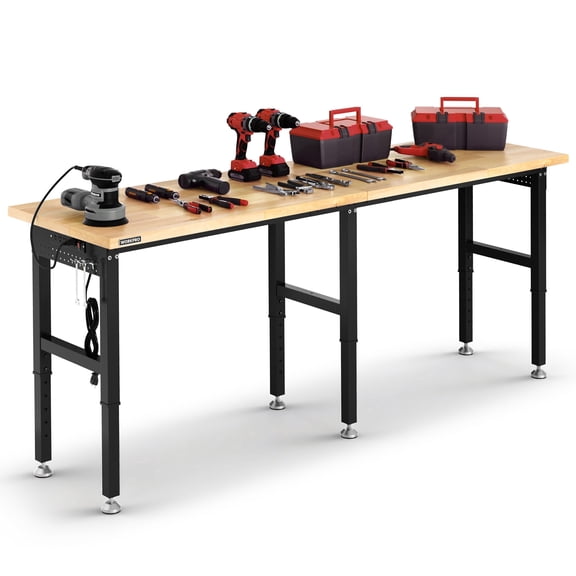
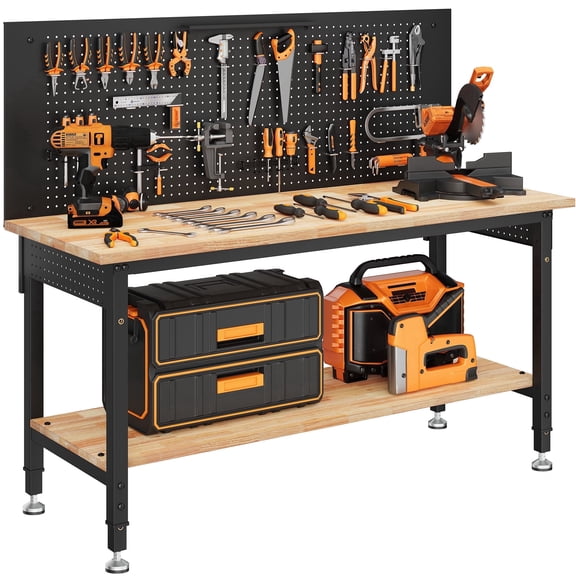
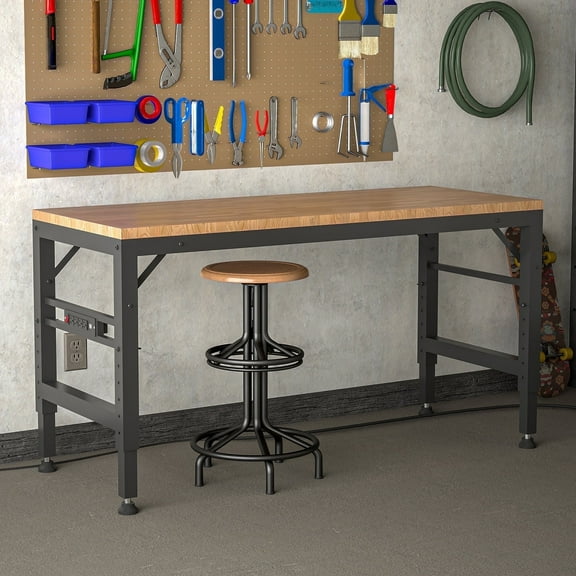
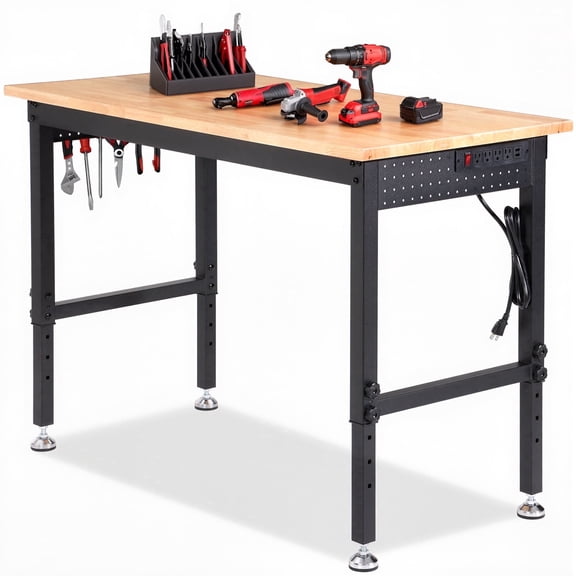
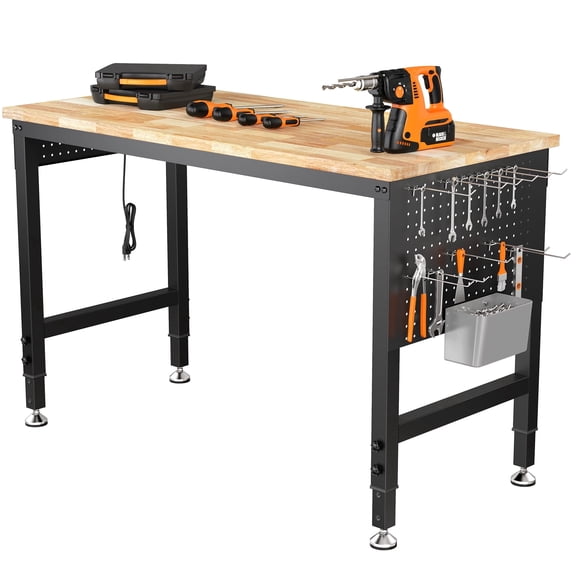
- You may want adjustable height work benches when your tasks change between detailed assembly and standing project work.
Choosing frame and top materials
Frame material affects how solid your bench feels during sanding, fastening, and repeated tool use. You’ll often find steel frames suited to heavier loads, while wood can suit lighter workshop routines.
Top surface material changes how your workspace handles impact, cleanup, and everyday wear. You can compare hardwood, bamboo, stainless steel, and MDF based on the type of projects you complete.
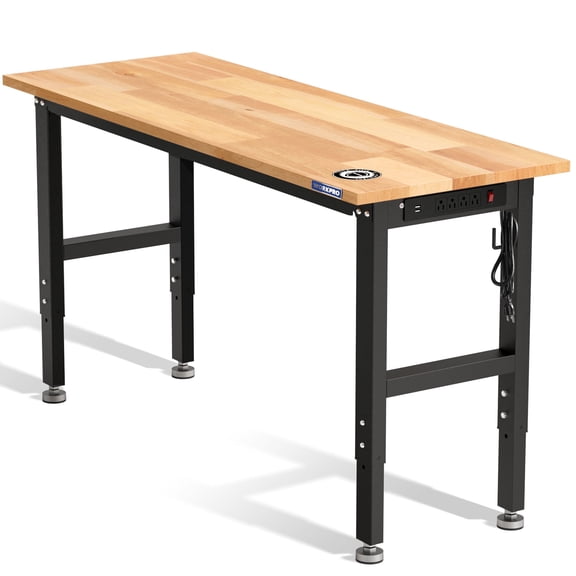
Hardwood tops give you a sturdy surface for clamping, measuring, and general assembly tasks. You’ll also get a traditional bench feel that fits many home workshops and garage workbenches.
Bamboo tops can give you a smooth work area with a furniture-like appearance. You may like bamboo when your workspace doubles as a hobby zone or organized craft station.
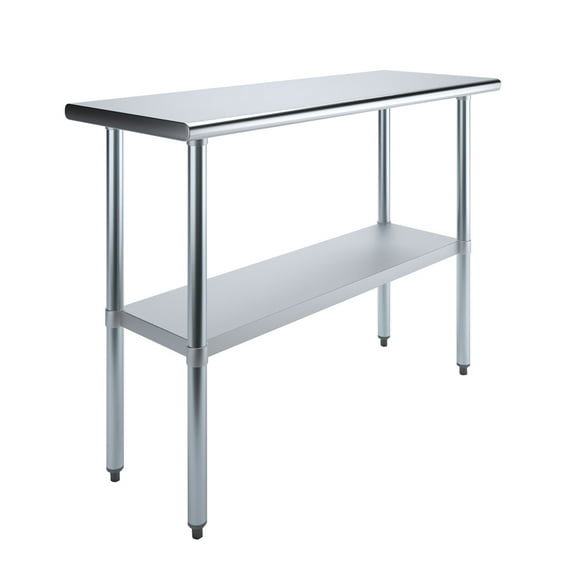
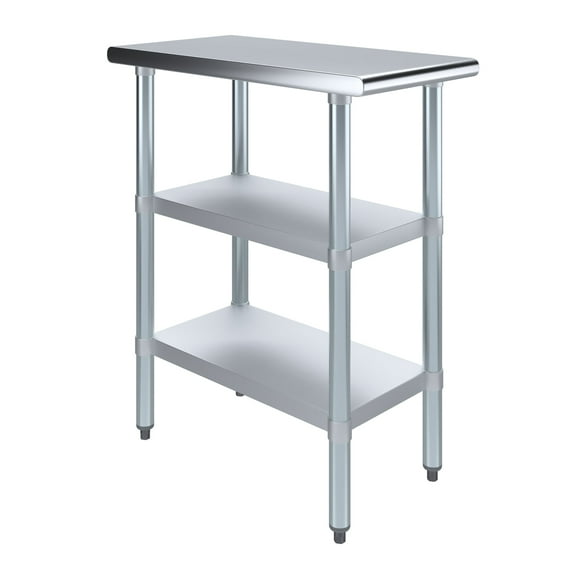
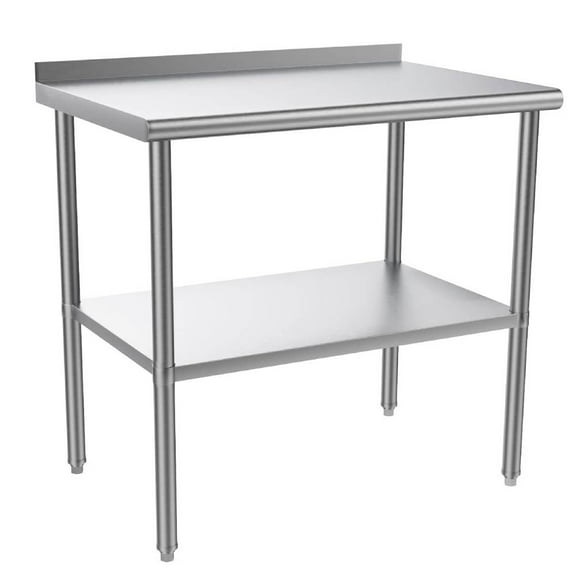
Stainless steel tops make cleanup easier when your projects involve grease, finishes, or frequent wiping. You’ll often choose this surface when you want a sleek look and simple maintenance.
MDF tops can suit lighter-duty jobs like sorting hardware, packing orders, or handling household repairs. You should compare the listed use case carefully if you plan to hammer or clamp often.
Comparing heavy duty workbenches and height options
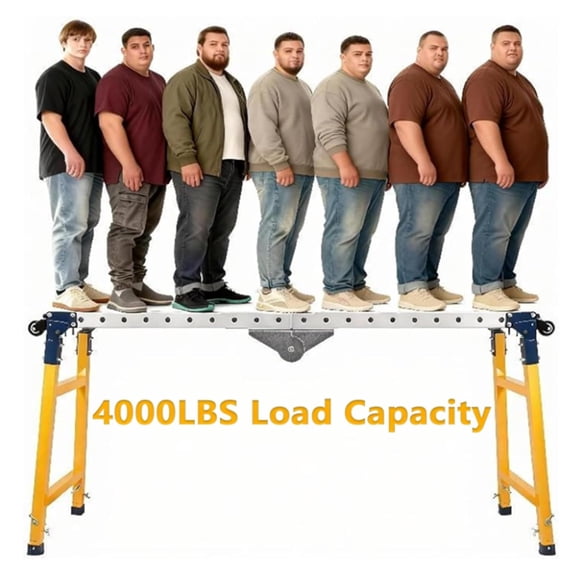
Heavy duty workbenches usually focus on stronger frames, thicker tops, and higher load ratings. You should compare the published capacity with the weight of your vise, tools, and stored materials.
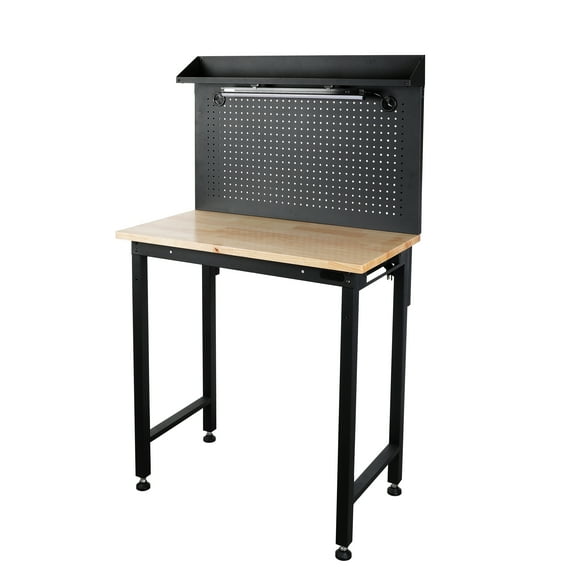
Fixed height models can work well when you already know your preferred working position. You may like this option if your bench stays in one place for repeated tasks.
Adjustable height work benches help you change positions between detailed work and larger projects. You can raise or lower the surface to match standing tasks, seated tasks, or shared spaces.
Crank adjustable designs let you fine-tune height without relying on a fixed setting. You’ll want to check the adjustment range so your bench matches your body height and project type.
Assembly details matter when you’re planning setup time and tool needs. You should look for plain-language instructions, hardware lists, and included tools so you know what the build requires.
Deciding on storage features and mobility
Storage features shape how quickly you can move from setup to project work. You may want drawers for small hardware, pegboards for visible tools, or cabinets for bulkier supplies.
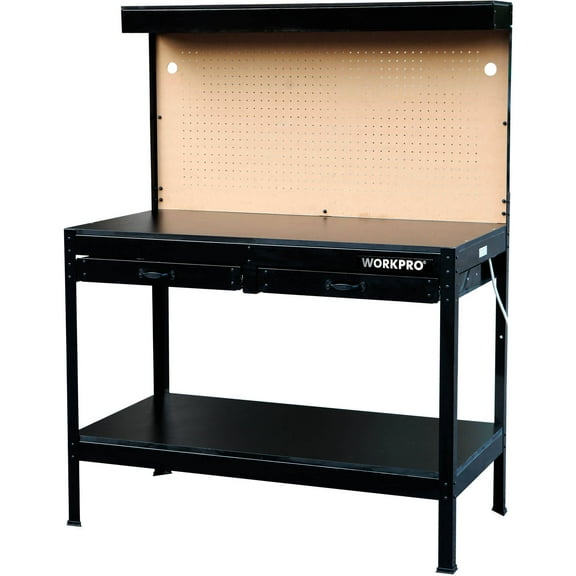
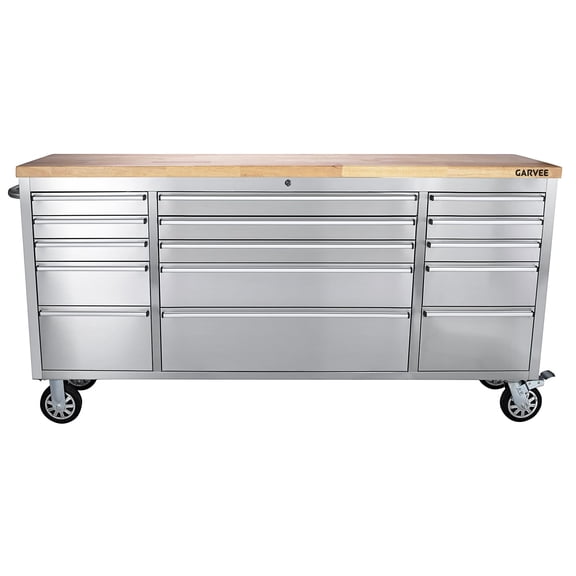
Workbenches with drawers help you separate fasteners, measuring tools, and accessories by task. You’ll spend less time searching when each item has a dedicated place near your work surface.
Pegboard-backed designs keep frequently used tools within easy reach at eye level. You can spot pliers, screwdrivers, and tape measures faster during repetitive repair or assembly tasks.
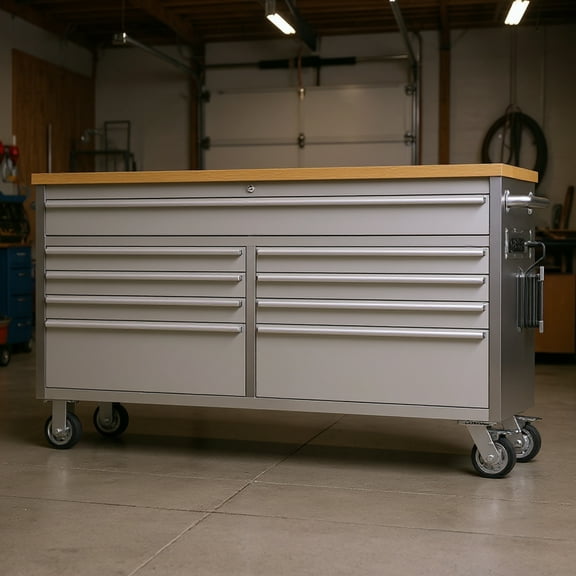
Cabinet storage can hide larger items and keep your workshop looking tidier between projects. You may prefer flat-top designs when you want open legroom or room for stools underneath.
Rolling work benches give you flexibility when your garage also stores vehicles, bins, or seasonal gear. You can shift your workspace closer to outlets, doors, or larger materials as needed.
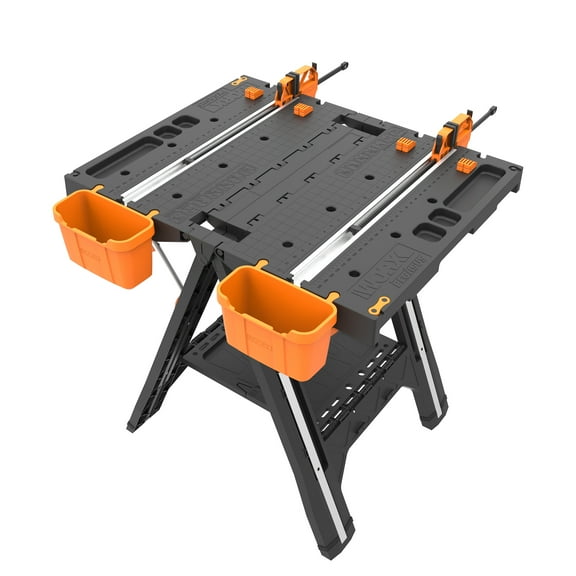
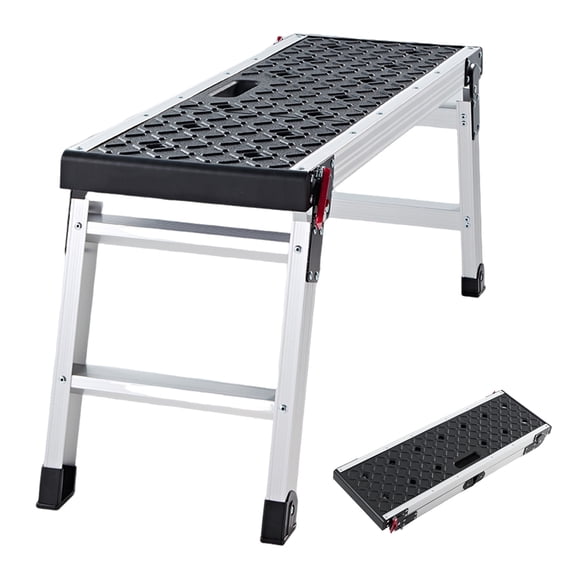
Folding benches can fit compact homes, apartments, and shared utility areas with tighter footprints. You’ll appreciate this option when you need a work surface that stores away between uses.
Matching work benches to real projects
You should match your bench to the tasks you repeat most often, not just the look you prefer. A light assembly station needs different specs than a bench for power tools and heavier equipment.
For home repairs, you may want a medium-size bench with drawers and a durable top. You’ll have space for parts, manuals, and everyday tools without crowding your garage.
For woodworking, you may prefer wooden work benches or hardwood-top designs with solid support. You can clamp boards, mark cuts, and manage hand tools on a surface built for shop tasks.
For auto projects, you may lean toward garage workbenches with metal frames and storage below. You’ll benefit from stronger load ratings, wipe-clean surfaces, and room for larger tools.
For shipping, crafting, or hobby use, you may like adjustable height work benches with open tops. You can switch between seated detail work and standing tasks during longer sessions.
If your layout changes often, you should consider rolling or folding options with compact dimensions. You’ll keep your workspace useful even when your floor plan serves several purposes.
With the right load rating, surface, and storage setup, you can build a workspace that supports how you actually work. You’ll get a bench that fits your projects, your space, and your routine.