

Work Lights & Portable Job Site Lighting - Walmart





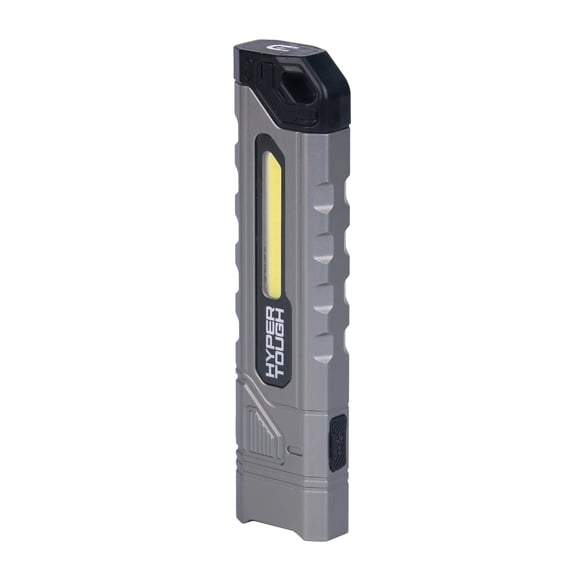

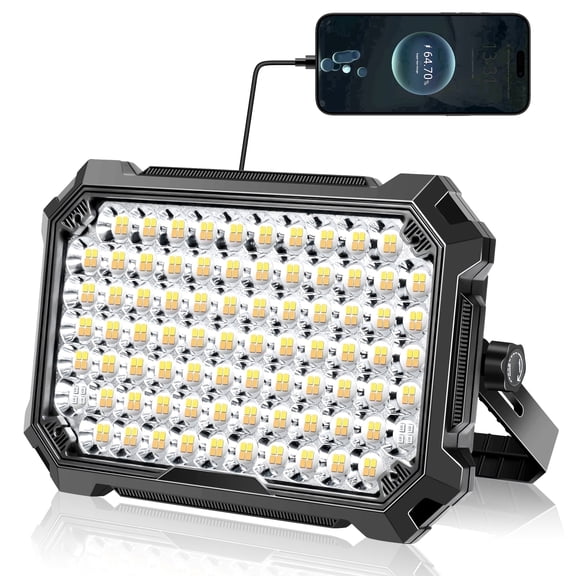
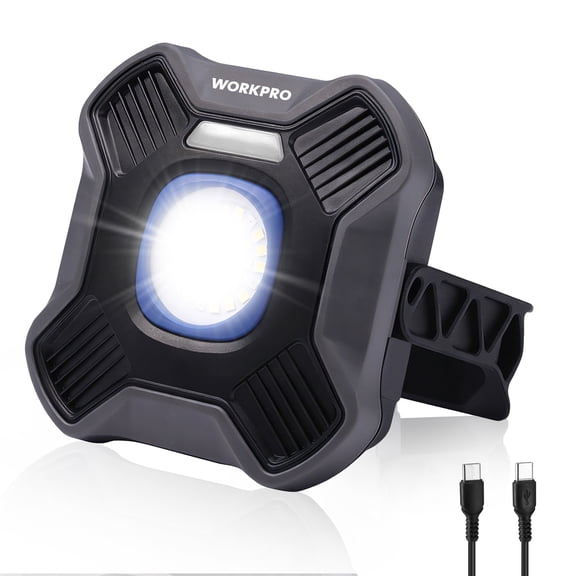


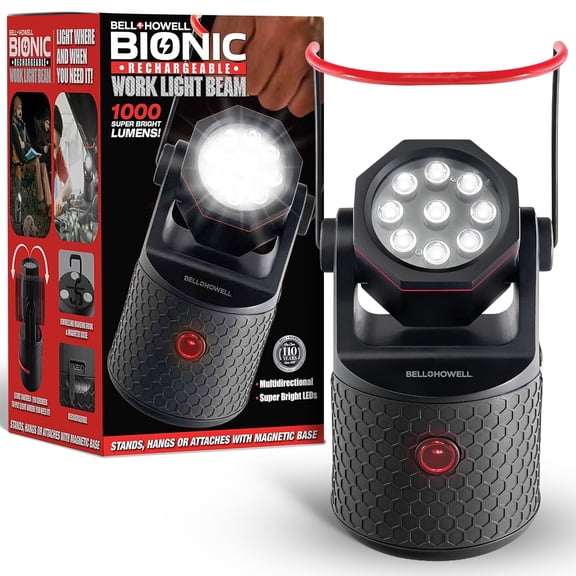














About Work Lights & Portable Job Site Lighting - Walmart - Walmart.com
Work lights help you see cleaner lines, sharper edges, and small details across garages, workshops, and job sites. You can compare lumens, power source, and mounting style to match your project.
You may need broad coverage for framing, focused light for repairs, or flexible placement for tight spaces. You can also compare options for painting, automotive work, construction tasks, and backup lighting.
How to choose work lights for your project
You should start with your task, because each project needs a different beam pattern and output level. You can use a compact light for close work or a wider beam for larger areas.
If you’re comparing lights for work, think about where shadows interrupt your view. You can spot edges, hardware, and surface texture faster with the right setup.
You can narrow your choice by comparing four key decisions before you buy. You should look at power source, lumen range, mounting format, and your main application.
- You can use lower-lumen options for tool bags, close inspection, and smaller work areas.
- You may want mid-range output for garages, utility rooms, and many remodeling projects.
- You can choose higher-lumen models when you’re lighting basements, larger rooms, or outdoor job zones.
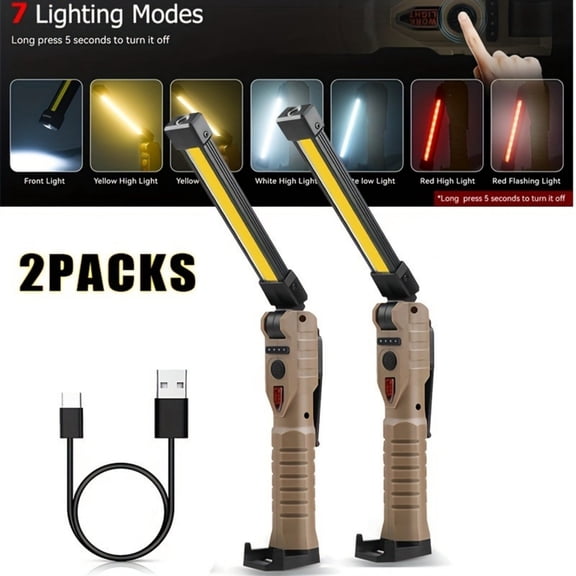
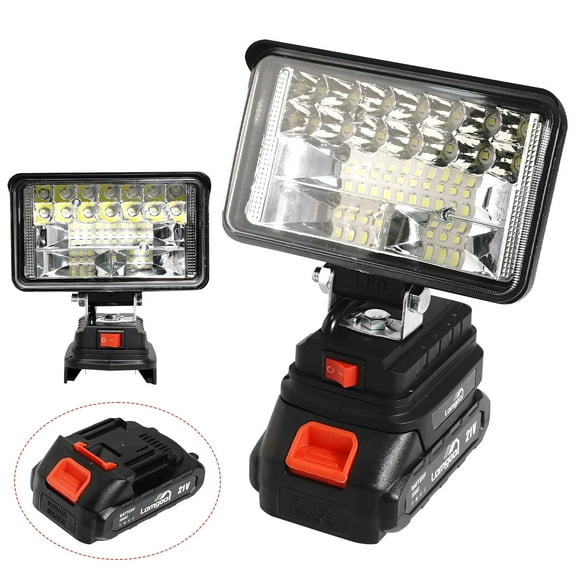
- You should compare handheld, magnetic, clamp, and tripod formats based on how you aim the beam.
Choosing the right work light brightness
You should check lumens first, because brightness affects how easily you follow lines and inspect details. You can often use under 1000 lumens for quick checks and close-up repairs.
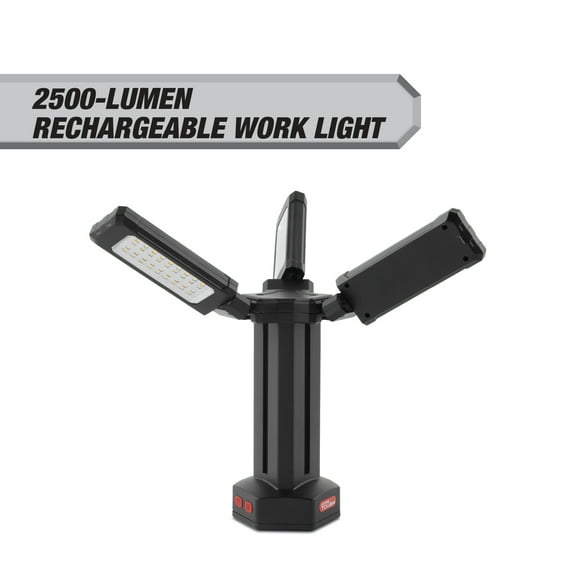
If you’re lighting a room, you may want 1000 to 3000 lumens for balanced coverage. You can consider 3000 to 5000 lumens when your workspace is wider or darker.
You may prefer 5000 plus lumens when you need broad illumination across a job site. You can use stronger output when ceilings are high or natural light is limited.
For a work light for painting, you should consider even coverage as much as raw brightness. You can check sheen, patch marks, and cut-in lines more easily with a consistent beam.
Comparing corded, cordless, and type c lights
You should compare mobility and runtime before you choose a power source. You can keep moving with cordless options, or you can use corded models for longer sessions.
If you work across ladders, vehicles, or unfinished rooms, you may want battery-powered designs. You can place them more easily when you don’t need to route a cord.
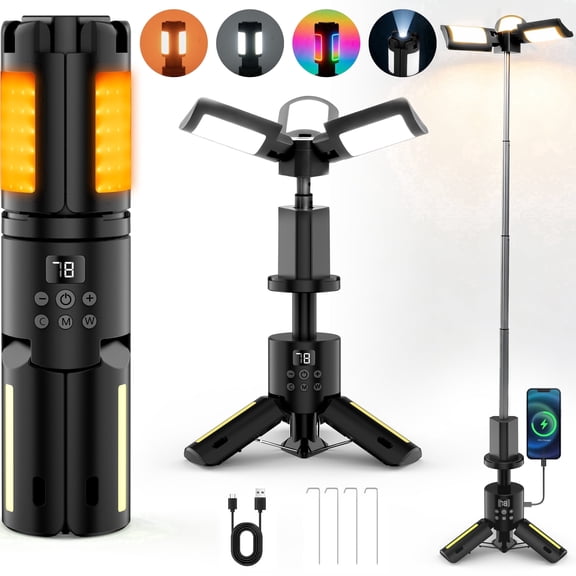
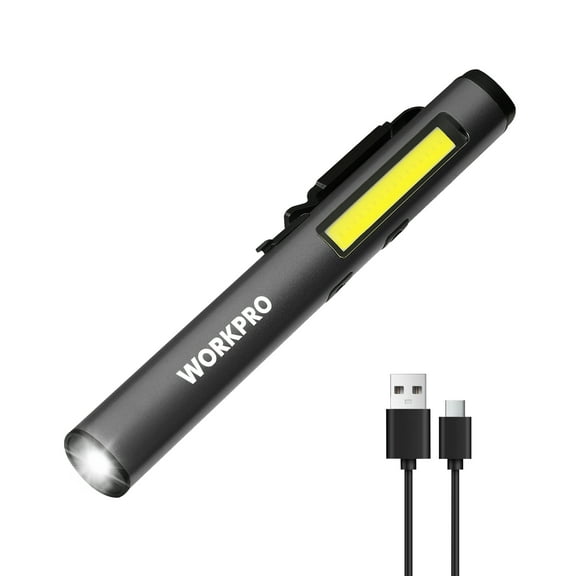
You can choose rechargeable USB models when convenient charging fits your routine. If you’re searching for type c lights, you may like charging with the same cable as other devices.
Solar options can keep light available in outdoor spaces and emergency kits. You should still check placement needs, because charging depends on daylight exposure.
How to position lights for work and claw light options
You should match the mounting style to the way you work with both hands. You can hold a handheld unit, attach a magnetic base, or place a stand where overhead light falls short.
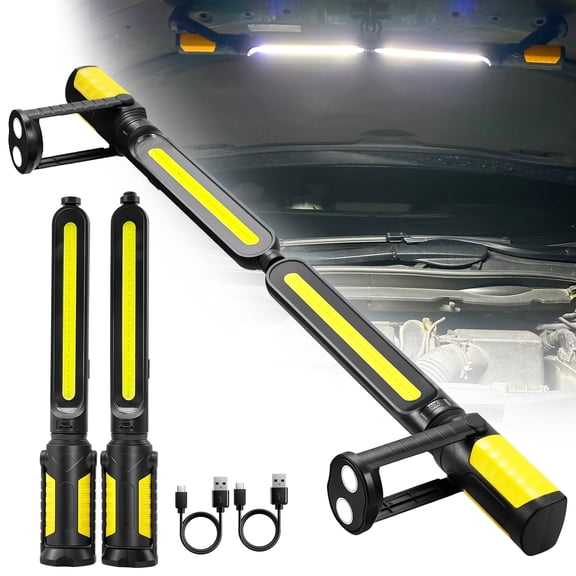
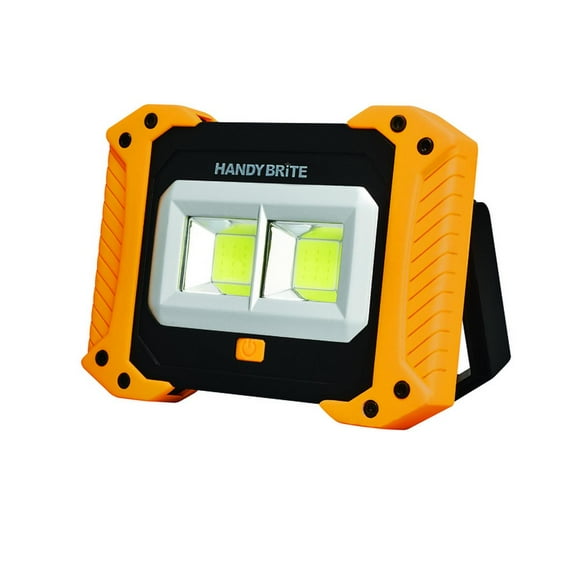
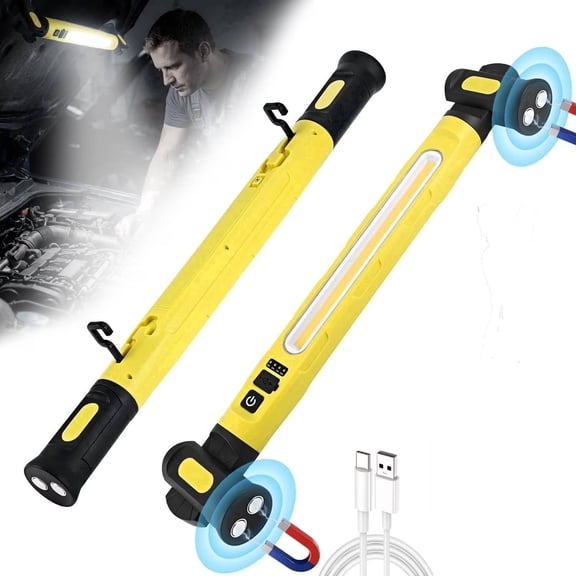
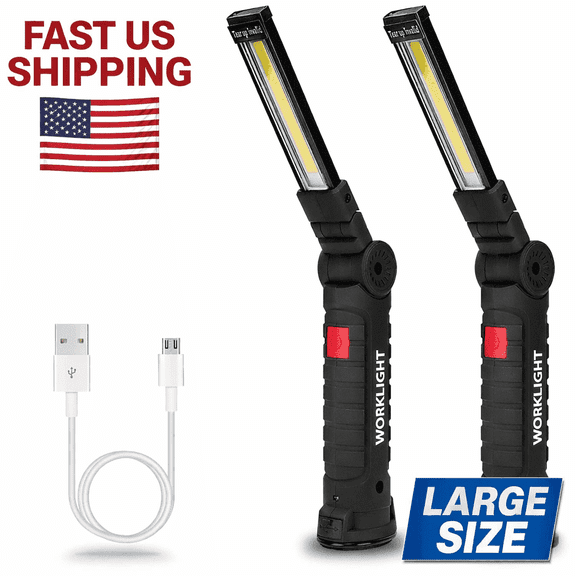
If you work around metal surfaces, you may like magnetic base lights for under-hood tasks. You can get steadier placement on tool chests, frames, and nearby equipment.
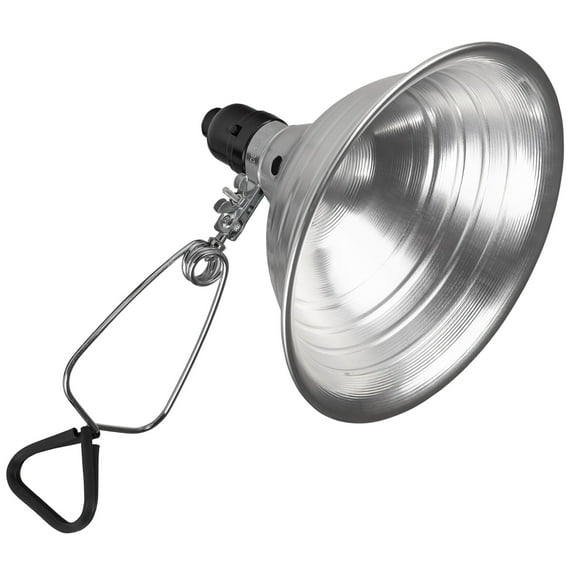
You can use a clamp or claw light when you need the beam above a bench edge. If you’re comparing a claw light, you should check jaw reach and aiming flexibility.
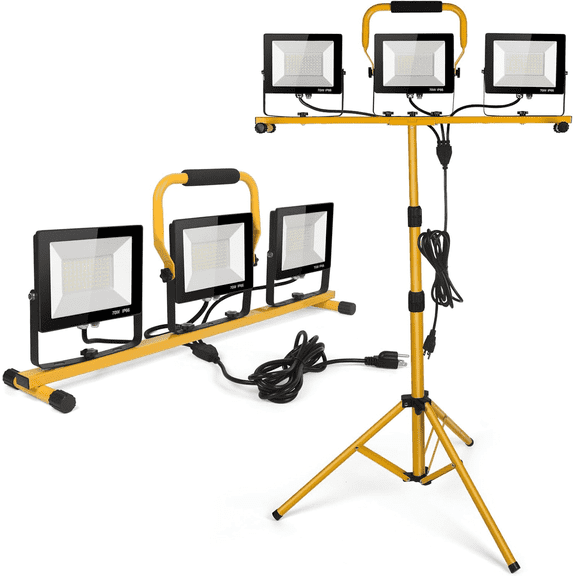
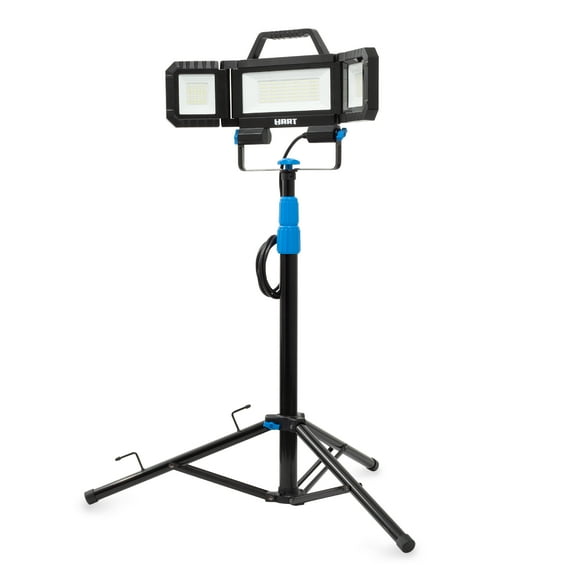
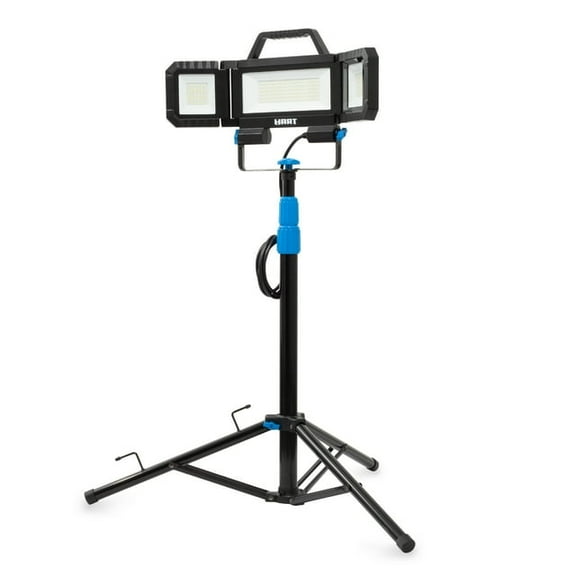
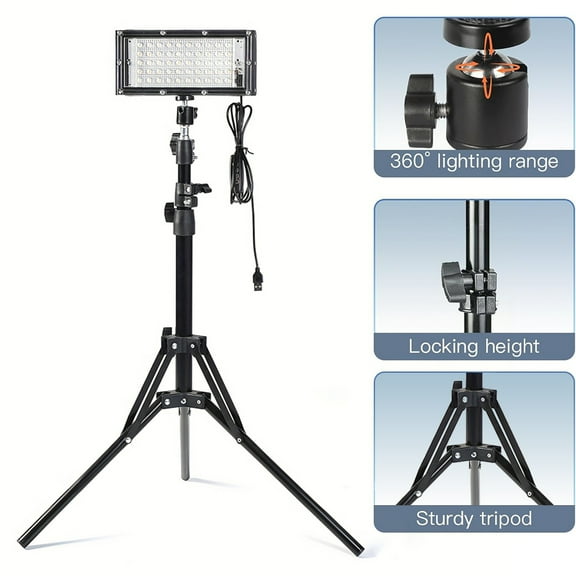
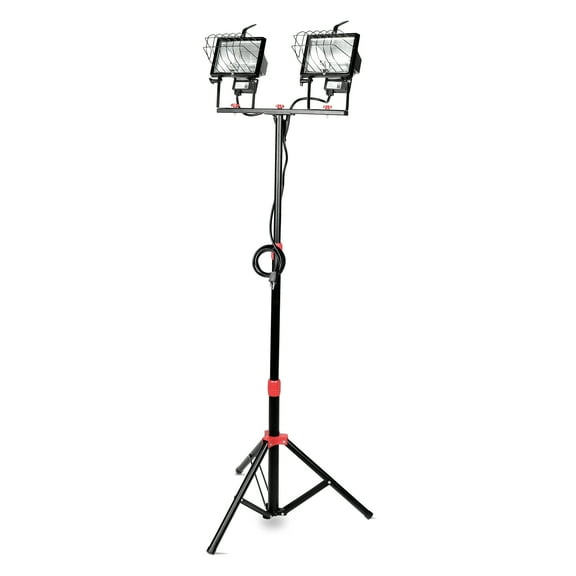
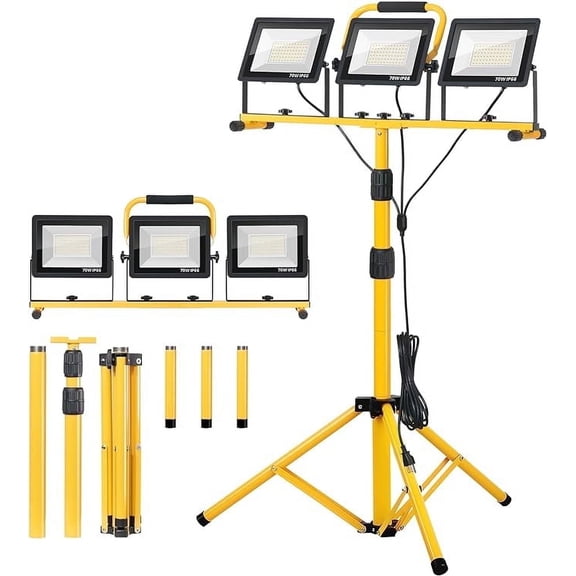
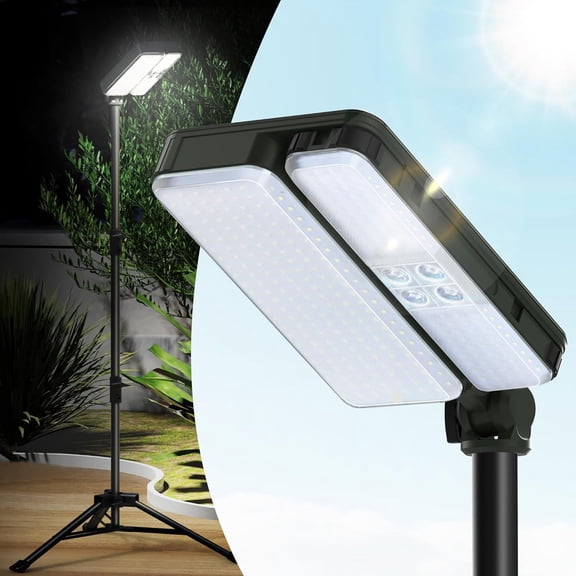
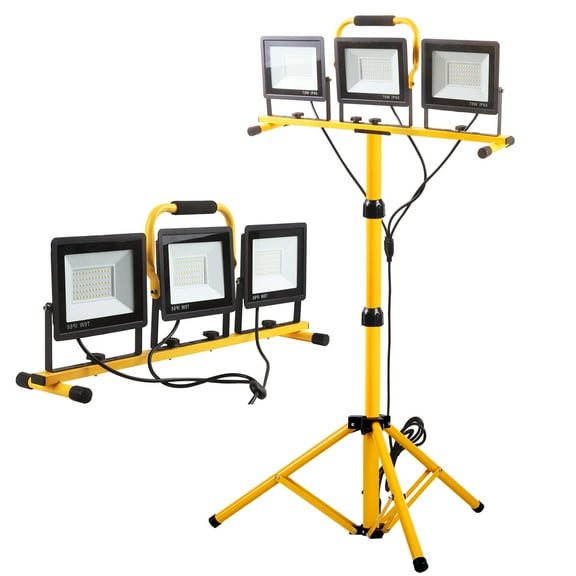
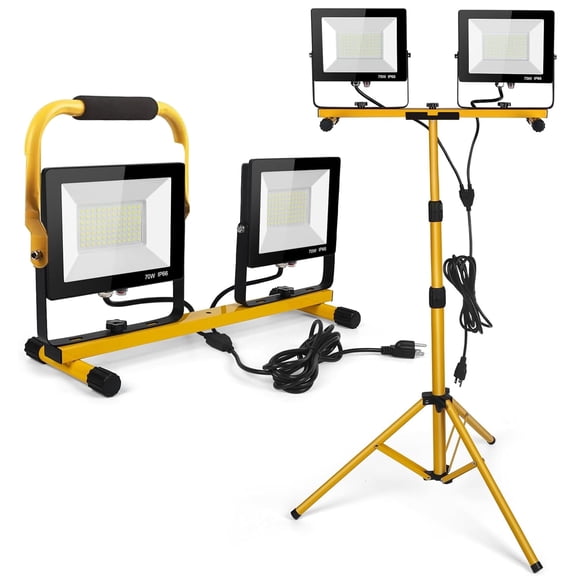
Tripod and stand formats work well when you need wider coverage across floors and walls. You can raise the beam higher to reduce shadows during repairs, painting, or cleanup.
Checking durability and job site details
You should check whether your light is designed for rough spaces and repeated transport. You can look for impact-ready construction when you move it from truck to bench to floor.
If dust or rain is part of your workspace, you may want to compare IP ratings. You can often see IP65 on lights designed for dusty areas and wet outdoor conditions.
You should use those ratings as a quick guide when conditions change from room to room. You can feel more prepared when you choose a light built for construction zones and garage messes.
For mechanic, construction, and emergency tasks, you may want a format that sets up quickly. You can benefit from a stable base, easy aiming, and controls within easy reach.
Matching work lights to real projects
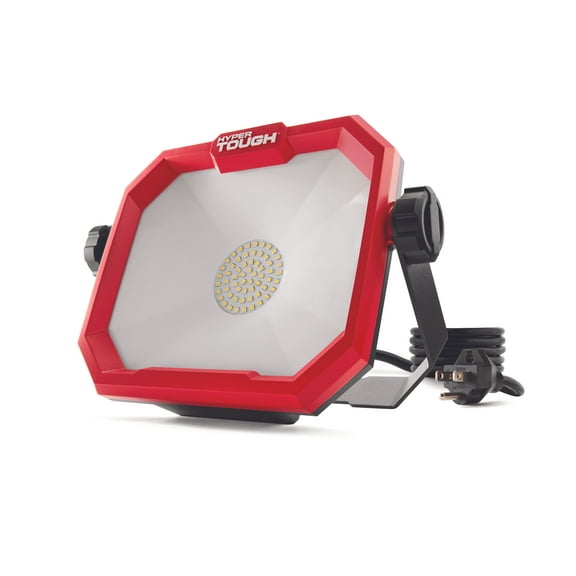
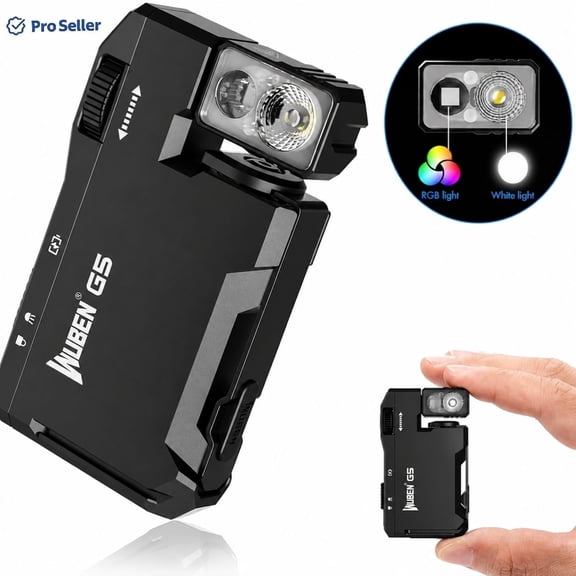
You can use compact handheld models for electrical checks, cabinet installs, and attic work. You may appreciate lighter designs when you move often and store the light in smaller spaces.
If you’re painting walls or trim, you may want a stand light with broad spread. You can spot texture changes and uneven coverage without moving several lamps around.
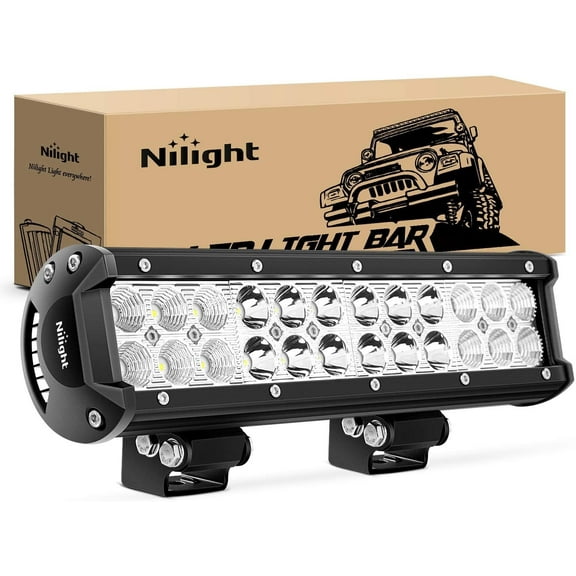
You should consider magnetic or clamp styles for automotive work where space is tight. You can keep your hands freer while you inspect engine bays, wheel wells, and shop benches.
For remodeling and construction, you may want higher lumens with tripod support and durable housing. You can light larger zones and reposition quickly as your project moves forward.
You can also keep a portable option ready for outdoor tasks, power loss, and garage organization. You can bring focused light to spaces where ceiling fixtures or daylight don’t reach.
With the right work lights setup, you can see cleaner lines and reduce shadows across detailed tasks. You can choose a format, output, and power source that fits your workspace.