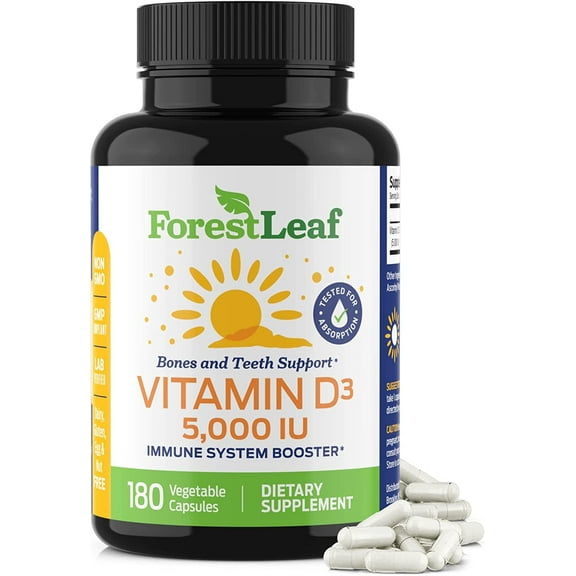
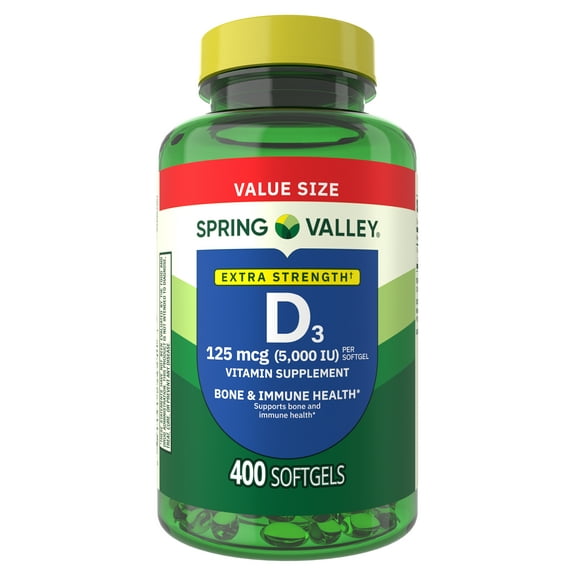
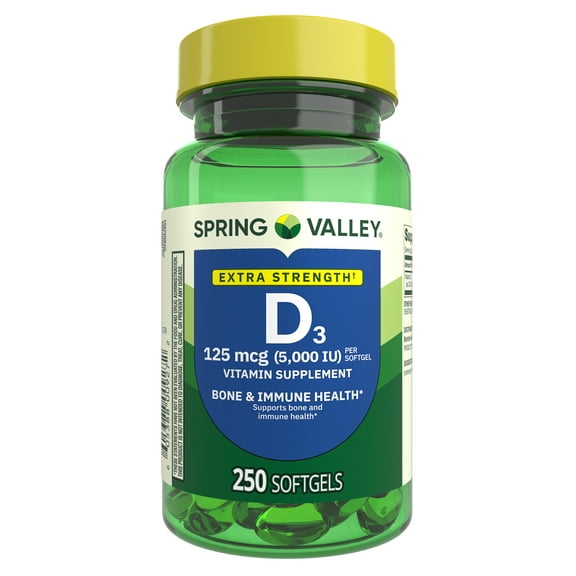
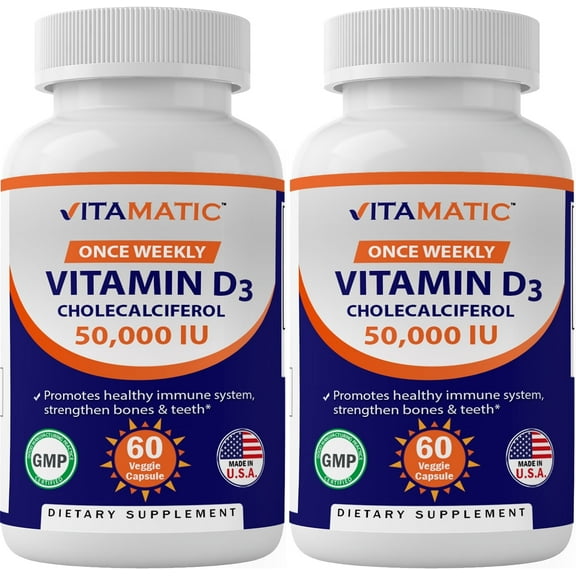
I was already prescribed a daily dose of 2000 IU, don't get a lot of sun and don't always eat right. Because I already had low levels of Vitamin D3, I was given the go-ahead by my doctor.
50,000 IU Vitamin D3 is a lot for the average person. I suggest you should contact your doctor first.
Here is some more information from the Mayo Clinic:
Overview
Vitamin D is necessary for building and maintaining healthy bones. That's because calcium, the primary component of bone, can only be absorbed by your body when vitamin D is present. Your body makes vitamin D when direct sunlight converts a chemical in your skin into an active form of the vitamin (calciferol).
Vitamin D isn't found in many foods, but you can get it from fortified milk, fortified cereal, and fatty fish such as salmon, mackerel and sardines.
The amount of vitamin D your skin makes depends on many factors, including the time of day, season, latitude and your skin pigmentation. Depending on where you live and your lifestyle, vitamin D production might decrease or be completely absent during the winter months. Sunscreen, while important, also can decrease vitamin D production.
Many older adults don't get regular exposure to sunlight and have trouble absorbing vitamin D, so taking a multivitamin with vitamin D will likely help improve bone health. The recommended daily amount of vitamin D is 400 international units (IU) for children up to age 12 months, 600 IU for ages 1 to 70 years, and 800 IU for people over 70 years.
Evidence
Research on vitamin D use for specific conditions shows:
Cancer. Research suggests that vitamin D, especially when taken with calcium, might help prevent certain cancers.
Cognitive health. Early research suggests that vitamin D might play a role in cognitive health. In one small study of adults age 60 years and older being treated for dementia, researchers found that taking a vitamin D supplement helped improve cognitive function.
Inherited disorders. Vitamin D supplements can be used to help treat inherited disorders resulting from an inability to absorb or process vitamin D, such as familial hypophosphatemia.
Multiple sclerosis. Research suggests that long-term vitamin D supplementation reduces the risk of multiple sclerosis.
Osteomalacia. Vitamin D supplements are used to treat adults with severe vitamin D deficiency, resulting in loss of bone mineral content, bone pain, muscle weakness and soft bones (osteomalacia).
Osteoporosis. Studies suggest that people who get enough vitamin D and calcium in their diets can slow bone mineral loss, help prevent osteoporosis and reduce bone fractures.
Psoriasis. Applying vitamin D or a topical preparation that contains a vitamin D compound called calcipotriene to the skin can treat plaque-type psoriasis in some people.
Rickets. This rare condition develops in children with vitamin D deficiency. Supplementing with vitamin D can prevent and treat the problem.
Our take
Green light: Generally safe
Generally safe
Without vitamin D your bones can become soft, thin and brittle. Insufficient vitamin D is also connected to osteoporosis and some types of cancer. If you don't get enough vitamin D through sunlight or dietary sources, you might need vitamin D supplements.
Safety and side effects
Taken in appropriate doses, vitamin D is generally considered safe.
However, taking too much vitamin D can be harmful. Children age 9 years and older, adults, and pregnant and breast-feeding women who take more than 4,000 IU a day of vitamin D might experience:
Nausea
Vomiting
Poor appetite
Constipation
Weakness
Weight loss
Confusion
Disorientation
Heart rhythm problems
Kidney damage
Interactions
Possible interactions include:
Aluminum. Taking vitamin D and aluminum-containing phosphate binders long term might cause harmful levels of aluminum in people with kidney failure.
Anticonvulsants. The anticonvulsants phenobarbital and phenytoin (Dilantin, Phenytek) increase the breakdown of vitamin D and reduce calcium absorption.
Atorvastatin (Lipitor). Taking vitamin D might affect the way your body processes this cholesterol drug.
Calcipotriene (Dovonex). Don't take vitamin D with this psoriasis drug. The combination might increase the risk of too much calcium in the blood (hypercalcemia).
Cholestyramine (Prevalite). Taking this weight-loss drug can reduce your absorption of vitamin D.
Cytochrome P450 3A4 (CYP3A4) substrates. Use vitamin D cautiously if you're taking drugs processed by these enzymes.
Digoxin (Lanoxin). Avoid taking high doses of vitamin D with this heart medication. High doses of vitamin D can cause hypercalcemia, which increases the risk of fatal heart problems with digoxin.
Diltiazem (Cardizem, Tiazac). Avoid taking high doses of vitamin D with this blood pressure drug. High doses of vitamin D can cause hypercalcemia, which might reduce the drug's effectiveness.
Orlistat (Xenical, Alli). Taking this weight-loss drug can reduce your absorption of vitamin D.
Thiazide diuretics. These blood pressure drugs might decrease urinary calcium excretion. This could lead to hypercalcemia if you are taking vitamin D.
Steroids. Taking steroid mediations such as prednisone can reduce calcium absorption and impair your body's processing of vitamin D.
Stimulant laxatives. Long-term use of high doses of stimulant laxatives can reduce vitamin D and calcium absorption.
Verapamil (Verelan, Calan). Avoid taking high doses of vitamin D with this blood pressure drug. High doses of vitamin D can cause hypercalcemia, which might reduce the drug's effectiveness.




 WARNING: