

Shop all your grocery essentials in one place!








Shop groceries



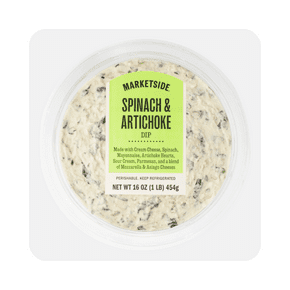
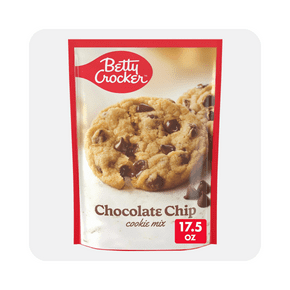









Build your cart



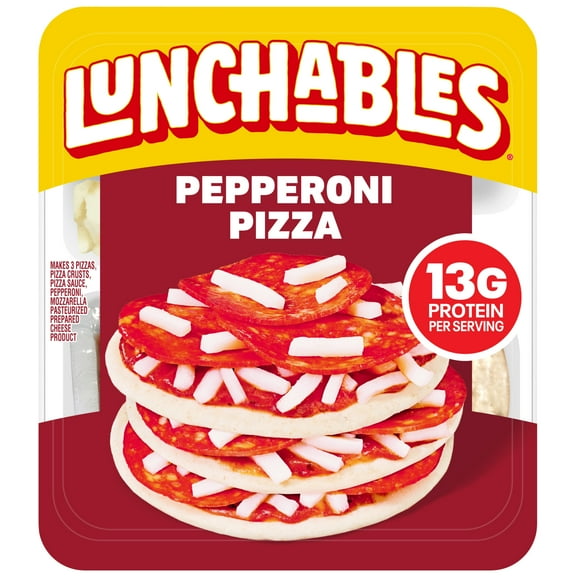
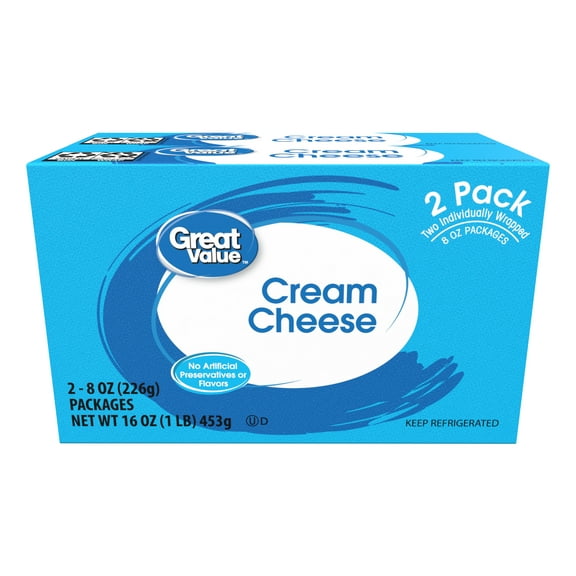
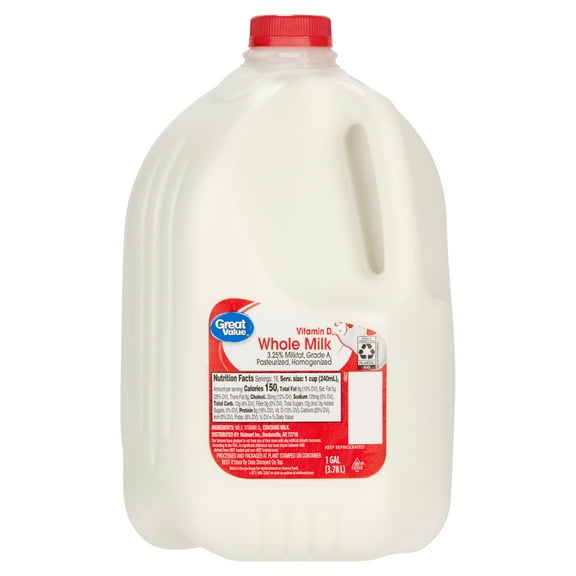
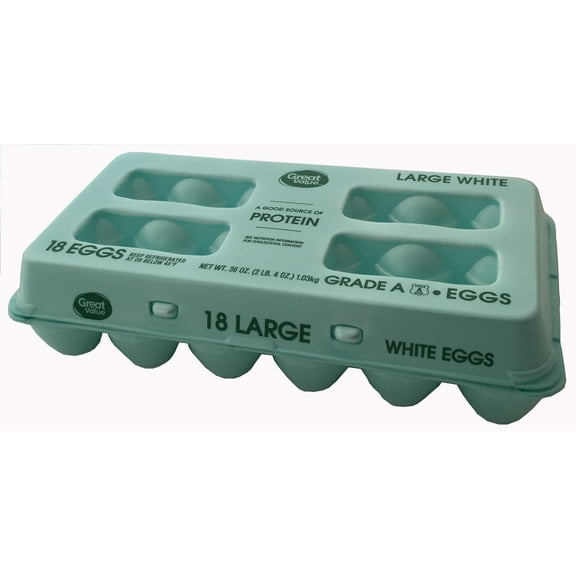



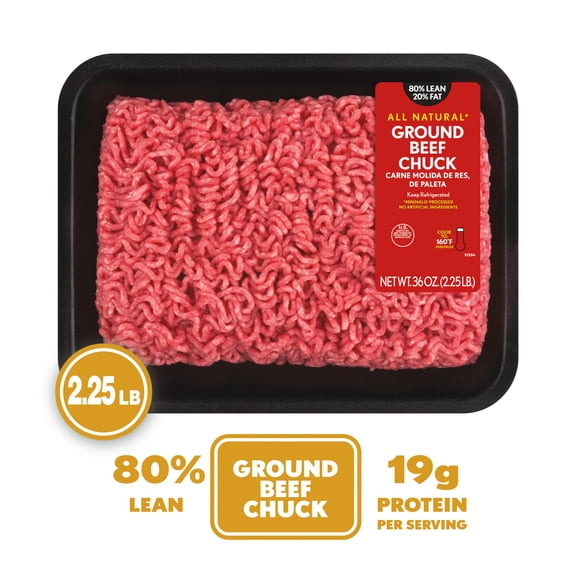
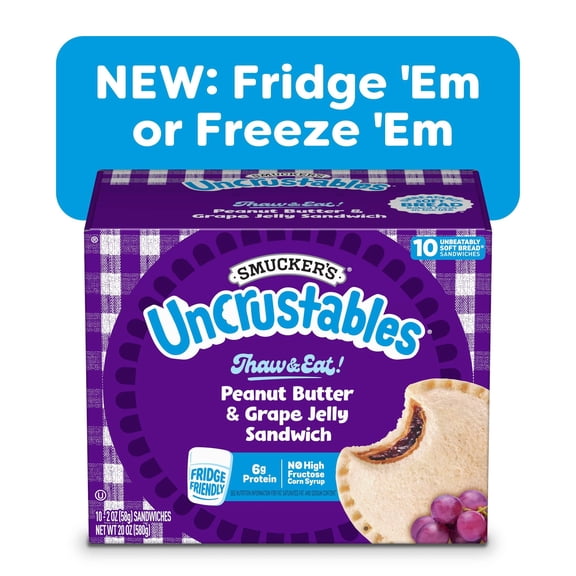
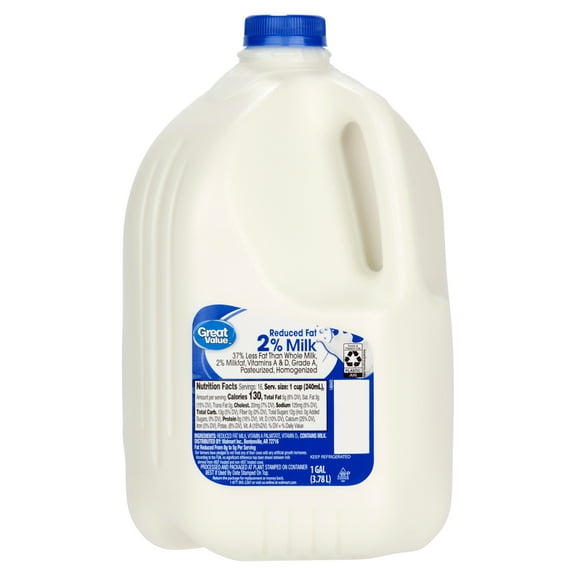
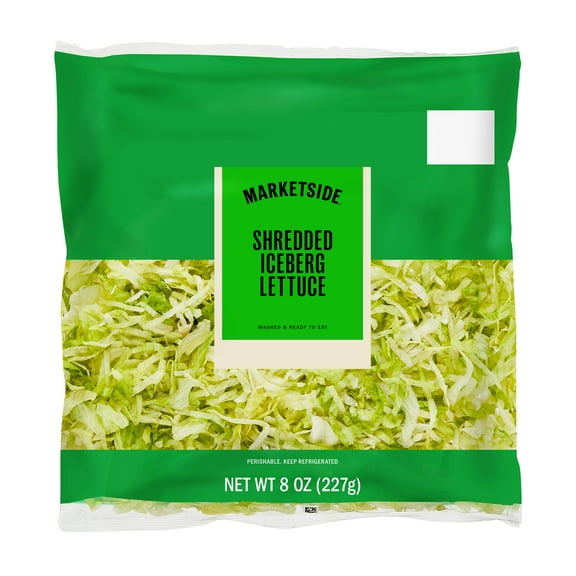

















Cleaning supplies
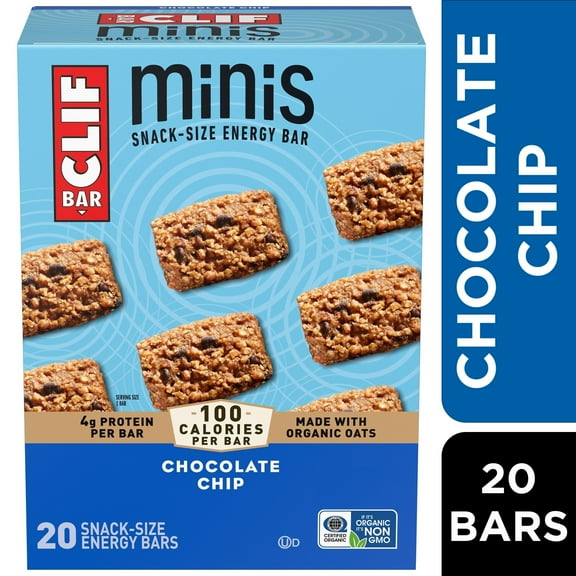
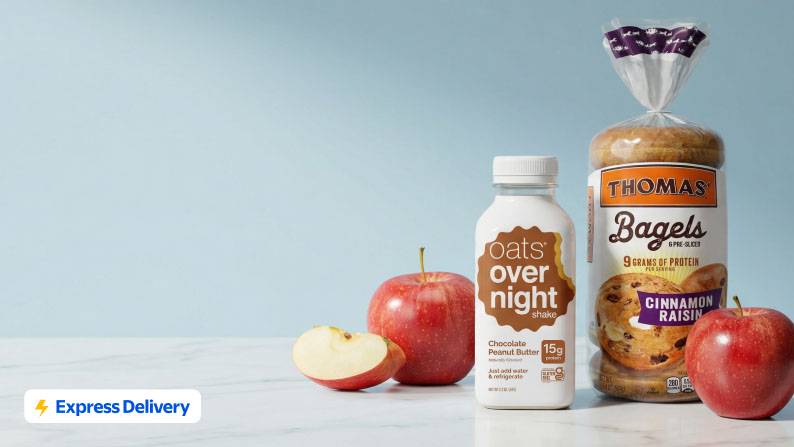
Find sprays & wipes for every surface.



















Air freshener sprays
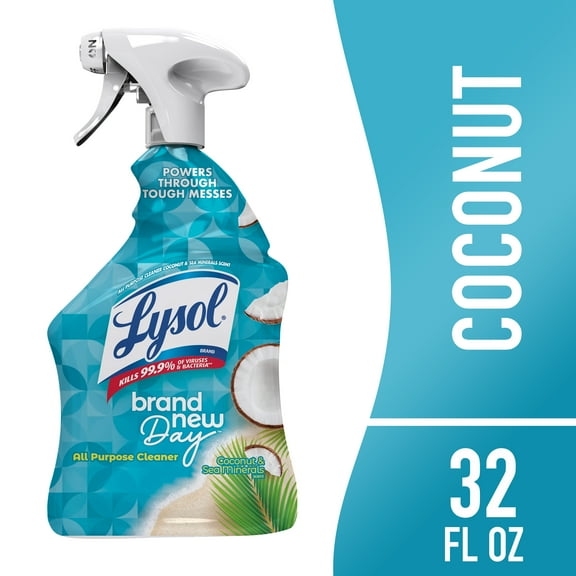
Eliminate odors & refresh every room.



















FAQ
About Shop all your grocery essentials in one place!
Groceries and essentials help you keep your kitchen, pantry, and home stocked with fewer errands. Through online grocery shopping, you can book pickup or delivery around your schedule.
Your list may include fresh produce, pantry staples, and household basics in one order. Depending on your timing, your order may also fit same-day delivery or pickup windows for busy weekdays and stock-up trips.
How to choose groceries and essentials for your routine
When you order groceries online, you can compare departments and package sizes before checkout. Your cart can cover dinner ingredients, breakfast basics, and cleaning supplies in one place.
For many shoppers, your dietary preference is the first decision point. With filters for organic, gluten-free, vegan, and keto items, your search can feel more focused.
Another key choice is fulfillment type. Based on your timing and item needs, you can select pickup, delivery, or shipping.
- You can choose pickup when your schedule calls for a planned handoff without aisle browsing.
- You can choose delivery when your day aligns with fresh food delivery to your door.
- You can choose shipping when your household essentials online fit standard parcel convenience.
- You can compare single pack, family size, and bulk options to match your weekly plan.
Your department choices shape the order in practical ways. In one trip, you can combine fresh produce, meat and seafood, dairy and eggs, and pantry staples.
Choosing online grocery shopping by fulfillment type
Online grocery shopping feels simpler when your fulfillment matches your routine. In many areas, you can book same-day delivery or reserve pickup windows for a planned stop.
For tighter schedules, one-hour windows can reduce guesswork. Your reserved slot can line up with work breaks, school pickup, or evening meal prep.
If timing control is highly important, pickup can fit neatly into your day. After you schedule pickup, your selected window helps you plan the stop and head home promptly.
On especially full days, delivery can keep your list moving without extra driving. With that option, you can order groceries online for doorstep convenience and keep your planning simple.
Shipping gives you another path for shelf-stable goods and household supplies. For paper goods, snacks, and similar basics, you can use it without depending on local delivery windows.
Order flexibility matters when plans shift after checkout. Before fulfillment locks, your order may let you review the cart, add forgotten items, or adjust quantities.
What to look for in fresh food delivery and pantry staples
Fresh departments deserve extra attention because they shape the meals on your table. When you choose fresh food delivery, trained associates hand-select produce and meats for your order.
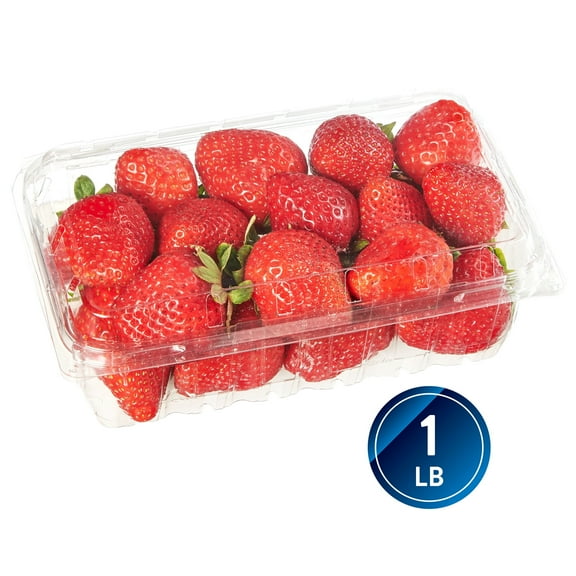
That detail matters when your order includes avocados for dinner, berries for lunches, or chicken for a weekend cookout. In those moments, you can focus on ripeness, appearance, and everyday meal use.
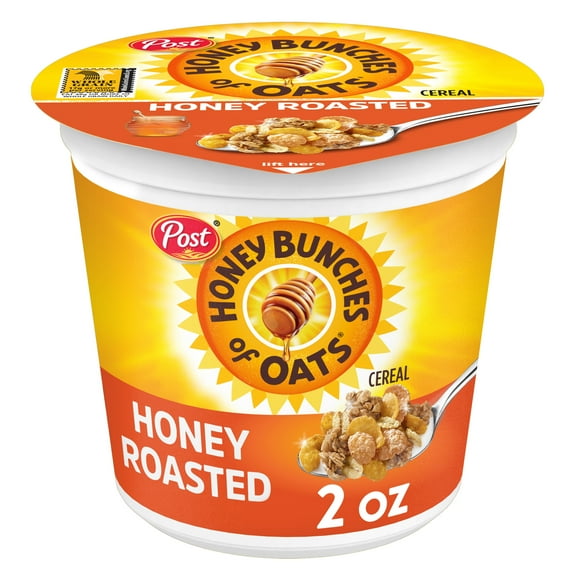
Pantry staples create the base of many repeat orders. From cereal and pasta to canned goods and baking ingredients, your cart can stay stocked without rebuilding the list.
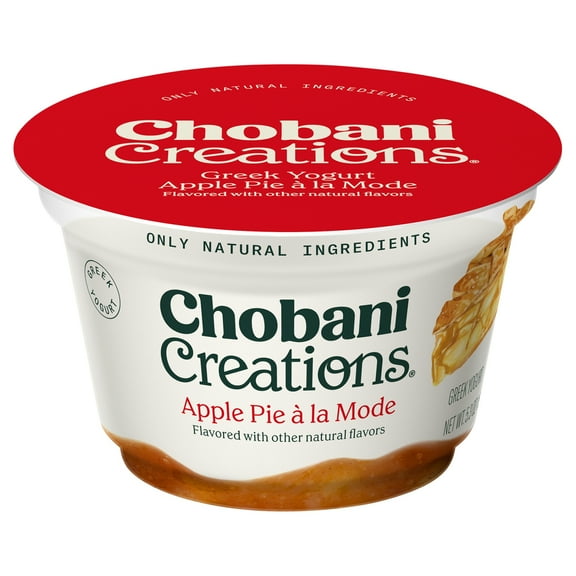
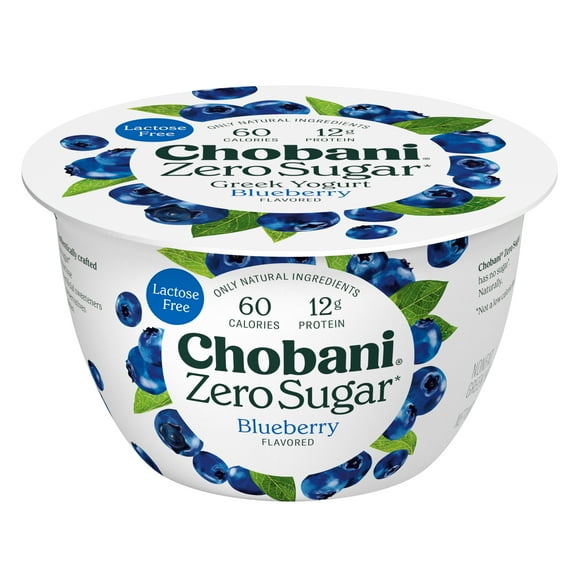
Dairy and eggs help you cover breakfast, baking, and lunch prep in one step. Alongside produce and frozen items, you can add milk, yogurt, cheese, butter, and eggs.
Packaging size changes how your order supports your household. For quick needs, regular routines, or larger stock-ups, you can compare single pack, family size, and bulk formats.
Household essentials online simplify the nonfood part of your order too. In the same checkout flow, you can add paper towels, dish soap, trash bags, and other daily basics.
Matching groceries and essentials to dietary preferences
Dietary filters can make weekly planning feel efficient and more precise. Before you compare brands and sizes, your search can narrow to organic, gluten-free, vegan, or keto items.
Organic groceries can guide choices across produce, dairy, snacks, and pantry goods. When your list follows ingredient preferences, you can use that filter across several departments.
For gluten-free shopping, a grouped search path can cut down on extra scrolling. As you compare pantry items and snacks, your label review can stay more organized.
Vegan choices can support breakfast, lunch, and dinner planning across chilled and shelf-stable sections. With produce and frozen foods added, your cart can feel more complete.
If your plan centers on lower-carb meals, keto filters can narrow the field. Across meat and seafood, eggs, cheese, and selected snacks, you can build a more targeted order.
Using groceries and essentials for weekly and holiday planning
Weekly restocks often call for speed when staples run low at once. With groceries and essentials in one place, your reorder process can involve fewer repeated searches.
For family planning, larger formats and dependable timing are highly important. When lunches, shared dinners, and weekend breakfasts fill your calendar, you can choose family size or bulk packs.
Holiday grocery shopping can bring longer lists and tighter schedules. Around gatherings, baking plans, and guest needs, you can schedule grocery pickup and delivery with more structure.
Smaller households need flexibility as well. To keep storage practical, you can choose single pack quantities and mix fresh items with shipped essentials.
Membership perks may shape how your recurring orders fit your routine. If convenience matters to you, Walmart+ benefits can support delivery options and repeat shopping in straightforward ways.
With groceries and essentials organized by fulfillment, department, dietary preference, and size, your planning can feel simpler. Across weekly meals and seasonal gatherings, you can keep fresh foods, pantry coverage, and household basics moving together.