


Olive oils in Cooking oils & vinegar





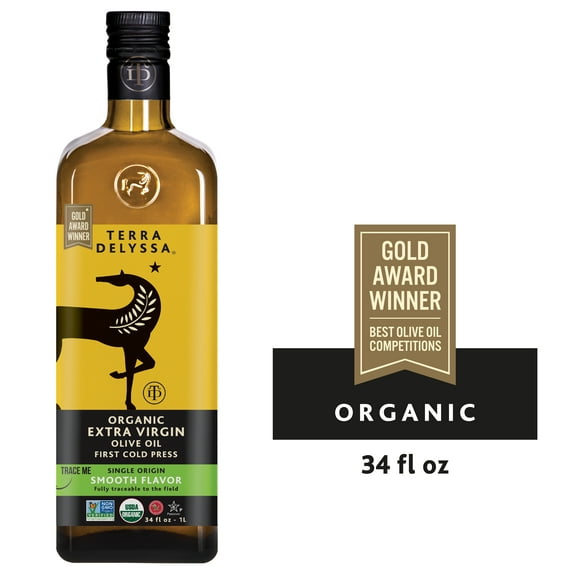
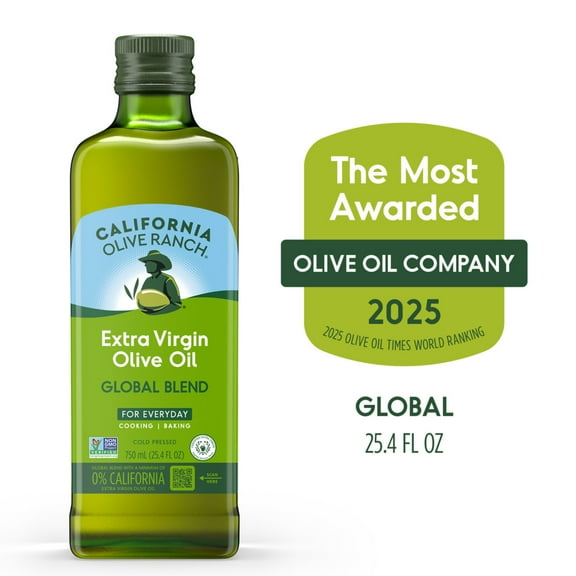


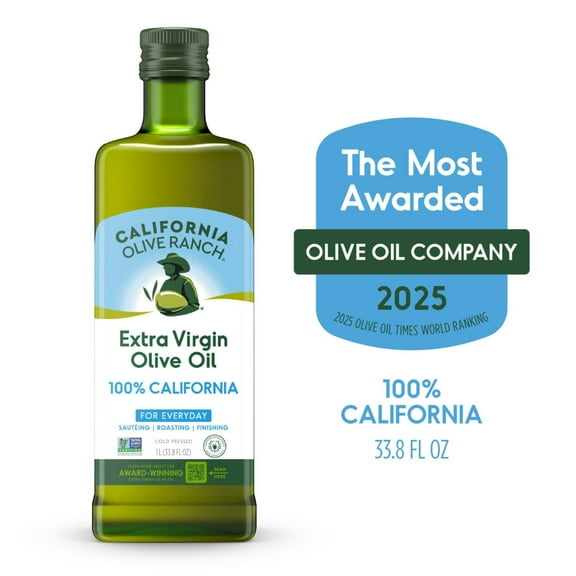


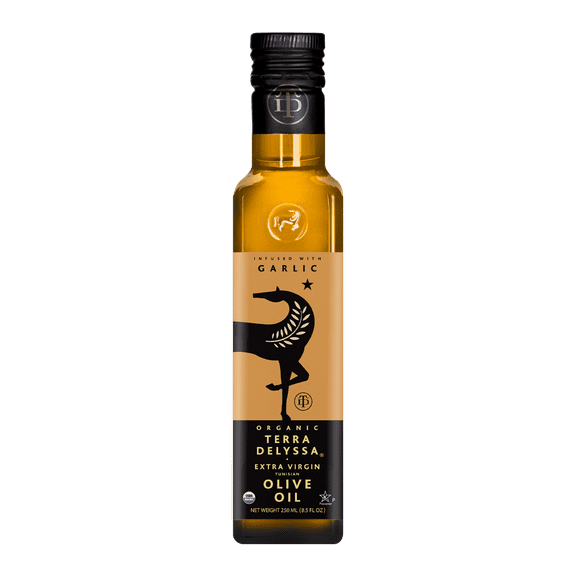
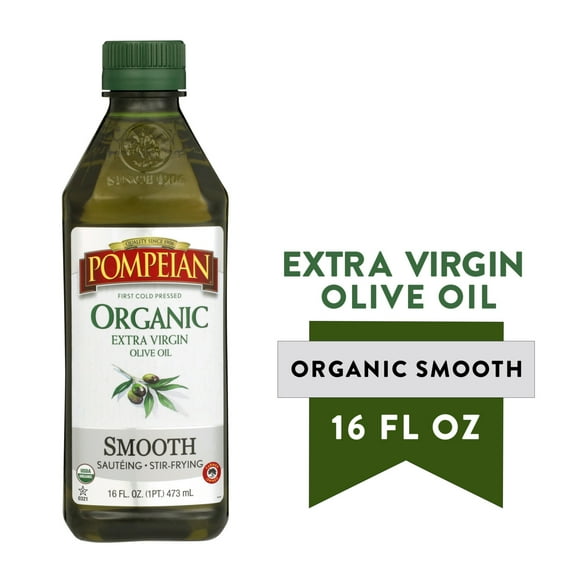

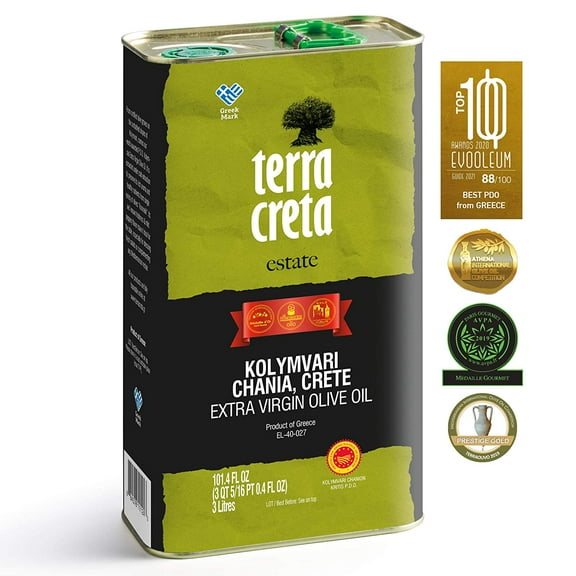

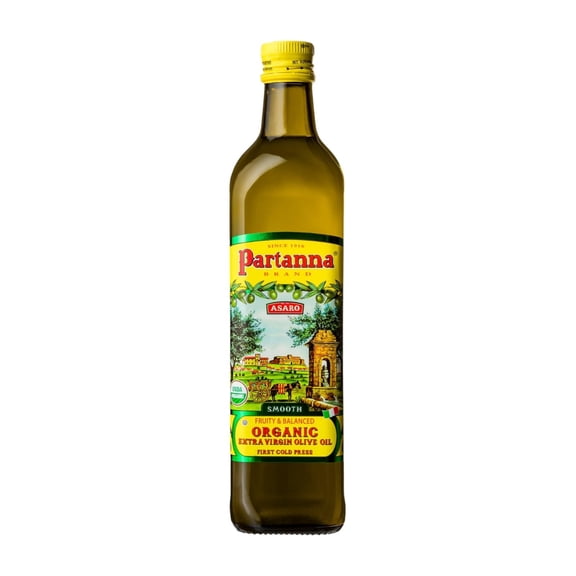
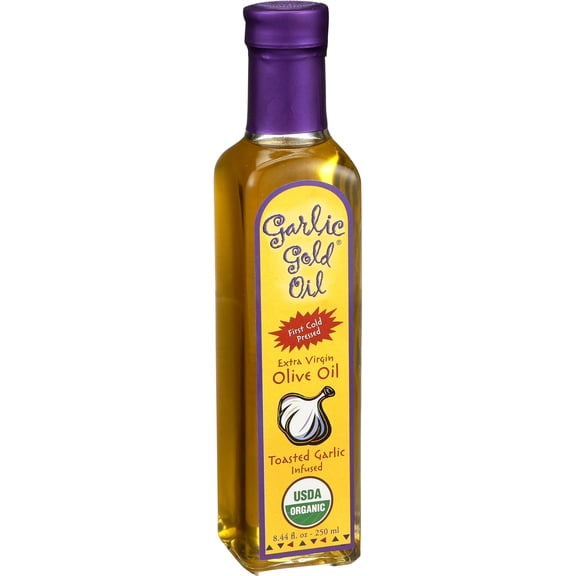


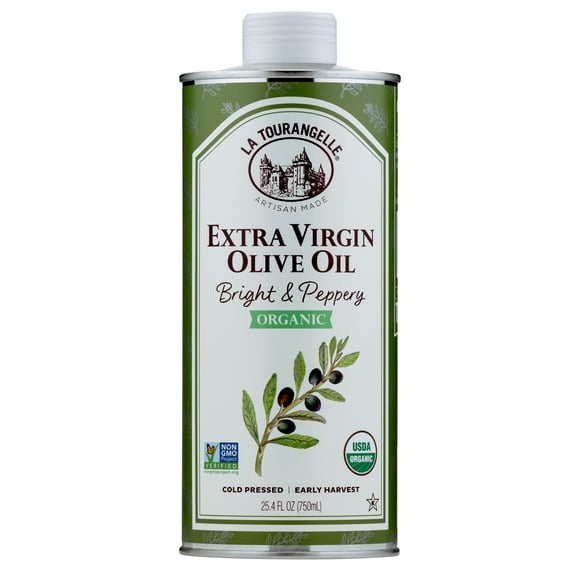
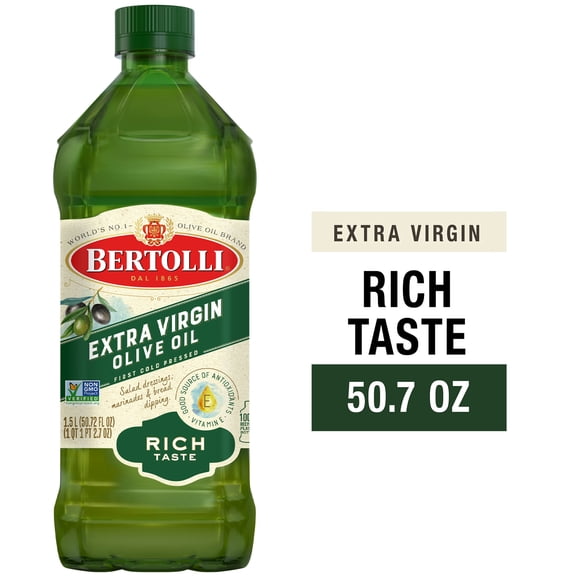

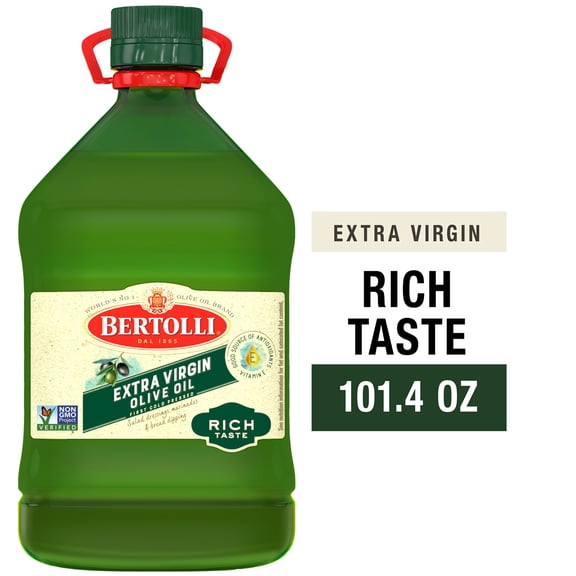

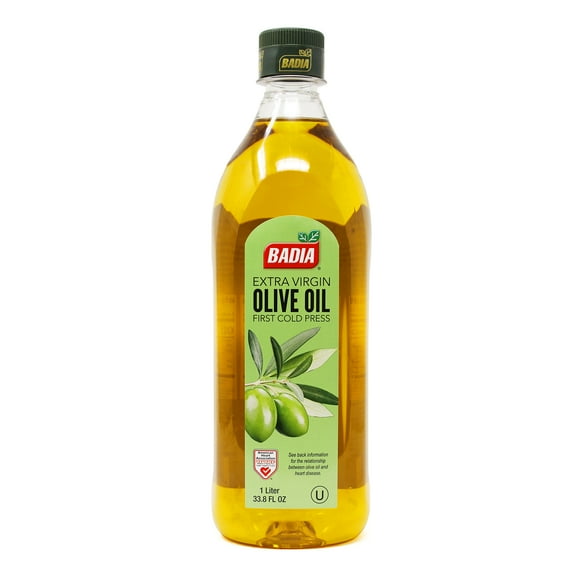




About Olive oils in Cooking oils & vinegar - Walmart.com
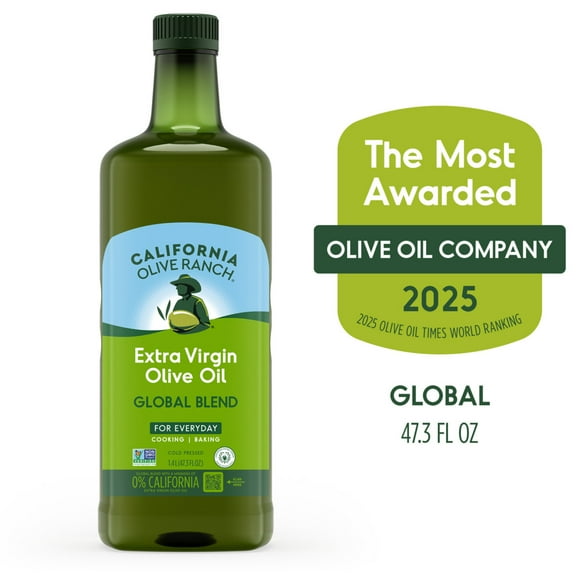
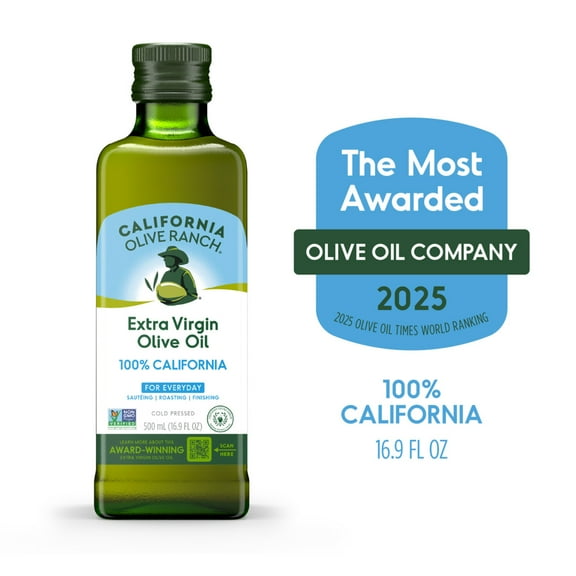
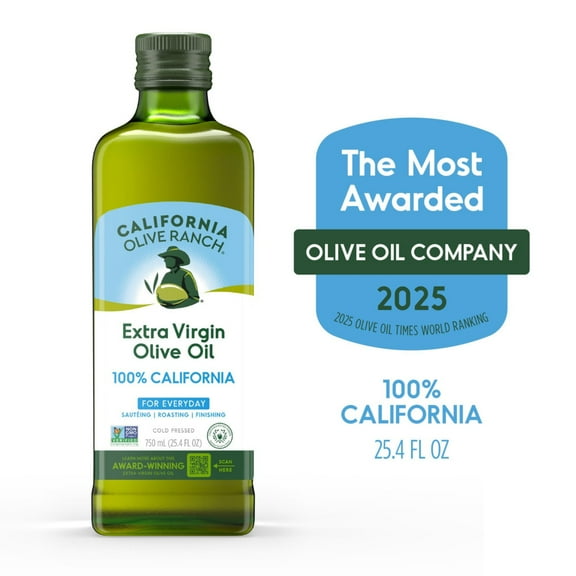
When you shop california olive ranch olive oil, you can compare sourcing, flavor, and bottle size in one focused place. You get a clearer path to everyday cooking olive oil, dipping oil, and finishing oil choices.
How to choose california olive ranch olive oil
You may start with oil type, because extra virgin, pure, and light taste serve different kitchen routines. You can use those labels to match flavor strength, heat level, and how noticeable the oil tastes.
If you want fuller olive character, you should look at california olive ranch extra virgin olive oil first. If you want a lighter profile, you may prefer pure or light taste options for baking or sautéing.
You can also compare blend type before you pick a bottle. You may see 100% California, global blend, or destination series, and each one signals a different sourcing approach.
- You can choose extra virgin when you want olive flavor to stand out in dressings, dips, or drizzles.
- You can choose pure or light taste when you want a subtler cooking olive oil for baking or pan cooking.
- You can choose 100% California when you want a single-origin style focus from california olive oil sourcing.
- You can choose a global blend when you want a balanced profile for frequent kitchen use.
- You can choose destination series bottles when you want to compare regional taste differences at the shelf.
What to look for in flavor, sourcing, and extraction
You should compare flavor profile next, because mild, medium, and robust oils change how your food tastes. You can keep mild oils for cakes or muffins, while robust oils fit bread dipping and salad finishing.
When you cook vegetables, grains, or chicken, you may find medium oils easier to use across many meals. You get olive flavor without overpowering herbs, citrus, garlic, or roasted ingredients.
You should also check whether the bottle highlights 100% California or a global blend. You can use that sourcing detail to understand how the brand selected the oil and organized the blend.
For extraction, you may look for cold pressed olive oil or first cold press wording. You can read that as an indication of how the brand processed the olives to keep flavor at the center.
You may also notice acidity details on some labels, and those numbers help you compare style within olive oil. You can treat lower acidity as one clue in a broader quality and taste decision.
Choosing the right size and package for your kitchen
You should measure how often you cook before choosing 375ml, 750ml, 1L, or 1.4L bottles. You can keep smaller bottles for occasional finishing, while larger bottles fit frequent sautéing and meal prep.
If you reach for olive oil every day, you may prefer a larger bottle for fewer replacements. If you use oil mainly for dressings, you may like a smaller size that cycles through your pantry faster.
You should also compare bottle material and color when available. You can look for darker packaging, because it helps limit light exposure while the oil sits on your counter or shelf.
When you store olive oil near your stove, you may want a package that pours cleanly and feels easy to handle. You can reduce drips and keep weeknight cooking smoother with the right bottle format.
Matching california olive ranch olive oil to real cooking uses
You can match mild oils to baking, delicate sauces, and simple skillet meals where you want a softer olive note. You may prefer medium oils for roasting, pasta tossing, and grain bowls.
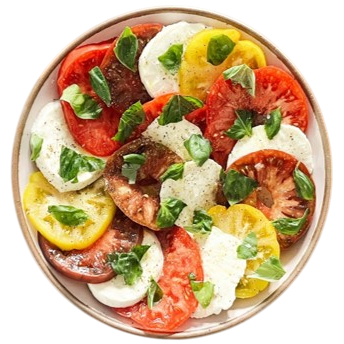
For dipping bread or finishing tomato salads, you may lean toward robust styles with more noticeable character. You can also drizzle them over soups, beans, or grilled vegetables before serving.
If you want one bottle for daily use, california olive ranch everyday olive oil can fit broad cooking routines. You can use it for sautéing, marinades, sheet pan dinners, and quick vinaigrettes.
When you compare extra virgin against pure or light taste, you can decide how visible the oil should be. You may want extra virgin for uncooked applications and lighter styles for neutral support.
You can also compare 100% California bottles with global blends when sourcing matters in your decision. You get a more informed pick when you read the front label and the back label together.
If you like trying new flavor directions, you may explore destination series options for different regional profiles. You can build a pantry that supports everyday cooking and more deliberate finishing touches.
With california olive ranch olive oil, you can narrow your options by oil type, blend type, flavor profile, extraction method, and bottle size. You leave with a bottle that fits your cooking style and keeps your ingredients center stage.