




Cat Litter Mats in Cat Litter Box Accessories


























About Cat Litter Mats in Cat Litter Box Accessories - Walmart.com
A cat litter mat helps keep tracked litter off floors and out of paws. It catches scatter at the box edge, so your entryway stays cleaner. Choose textures that trap granules, while still feeling comfortable underfoot.
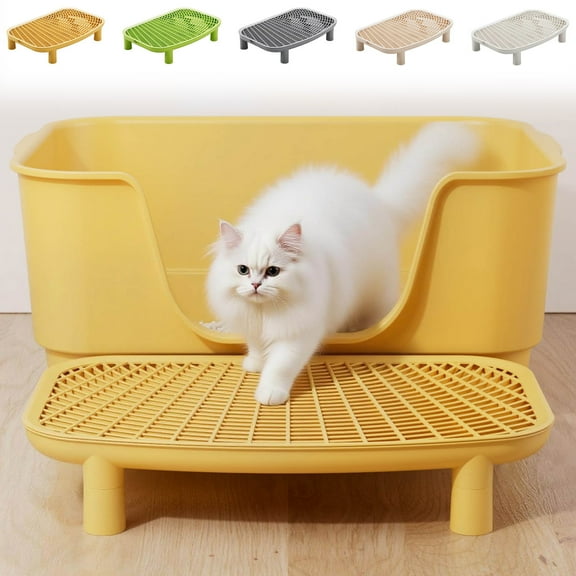
At Walmart, you’ll find styles made for top-entry, front-entry, and corner litter boxes. Many options rinse clean in a sink or spray off outside. That means fewer sweeping sessions and less crunch under socks.
Benefits that matter for daily cleanup
Litter scatter builds up fast, especially with high-tracking clay or lightweight pellets. A well-placed mat keeps granules contained, so you’re not chasing them room to room. It also helps reduce litter carried to couches, beds, and cat trees.
Soft, paw-friendly surfaces can make box exits feel less startling. That matters for cats that hesitate on slippery tile or cold concrete. With the right feel, your cat steps out calmly and keeps moving.
Many mats add grip at the doorway, which helps the box stay put during digging. That stability can reduce tipping for lighter pans. It also helps keep liners and trays aligned after busy use.
- Helps trap litter kicked out during digging and covering.
- Keeps granules from sticking to paws, then spreading through hallways.
- Protects wood, tile, and vinyl from scratchy grit and damp clumps.
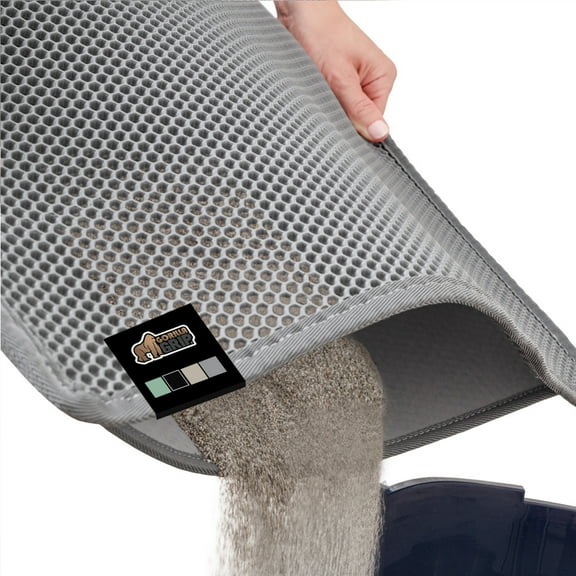
- Makes quick cleanups easier with lift-and-pour or shake-off designs.
Features to compare before you choose
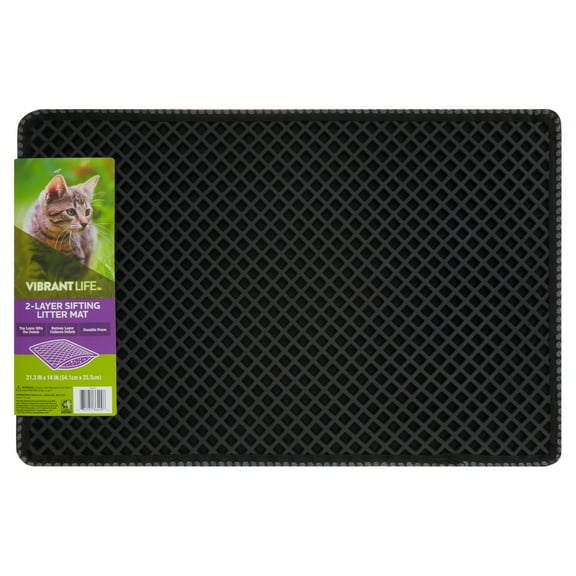
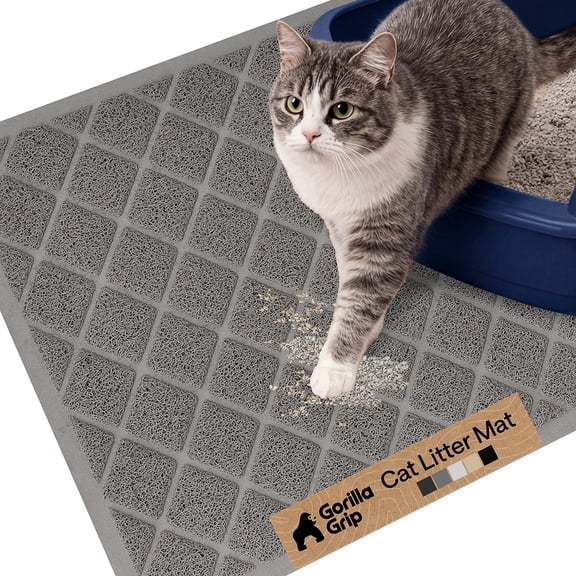
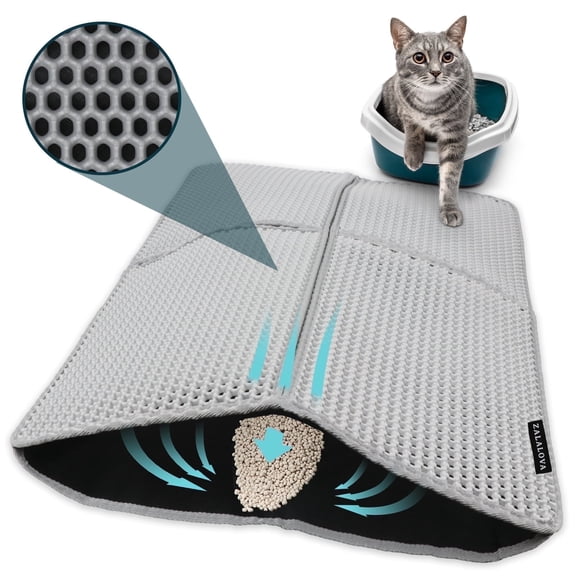
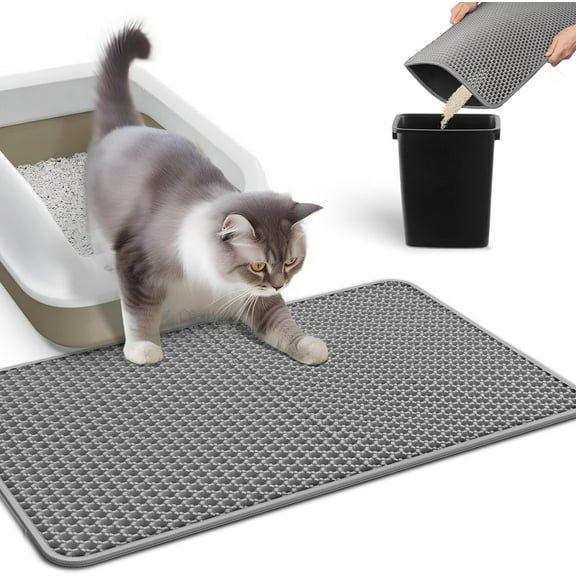
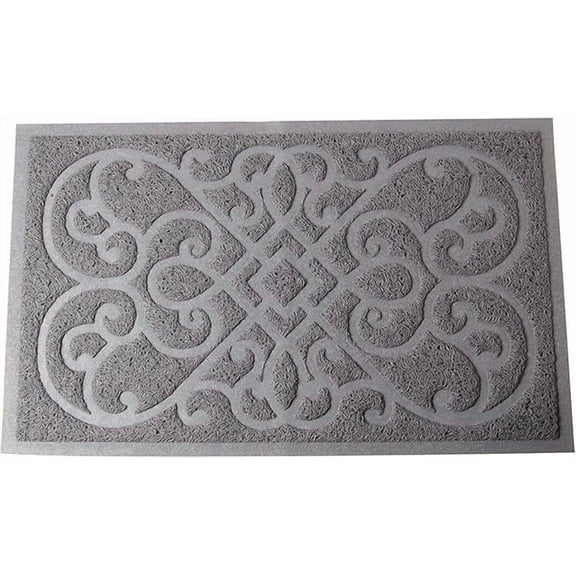
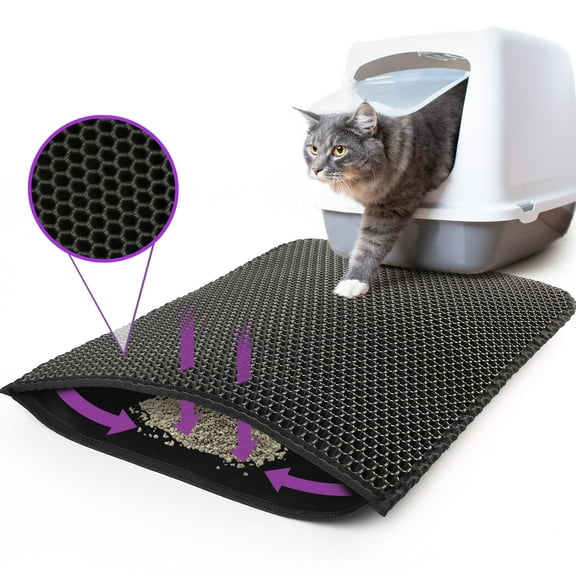
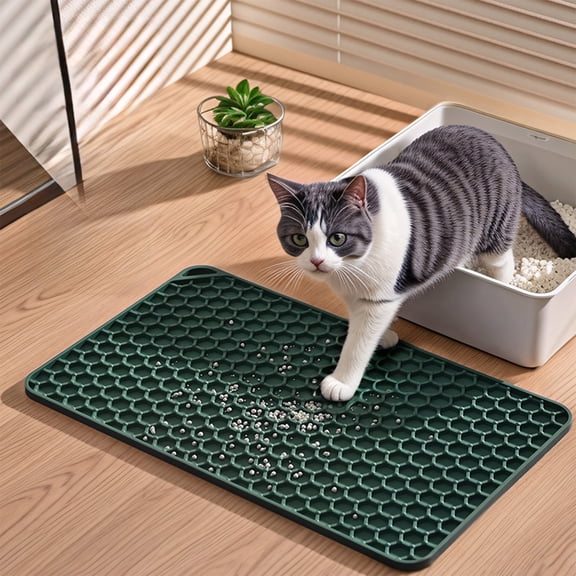
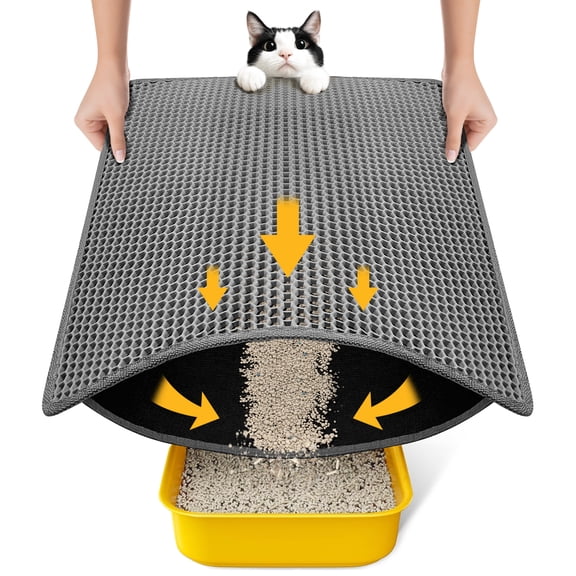
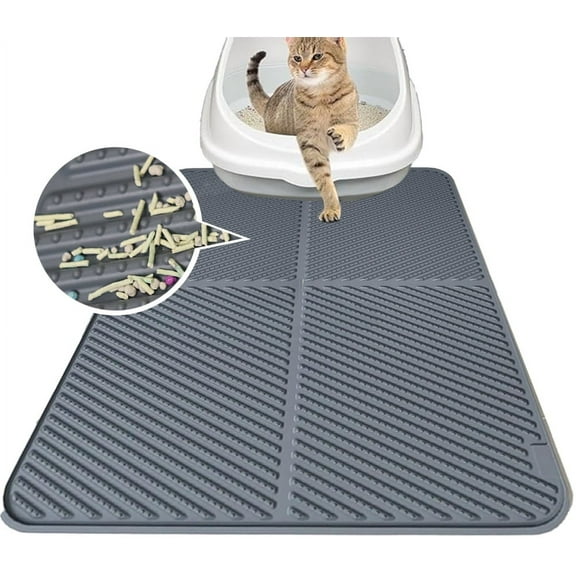
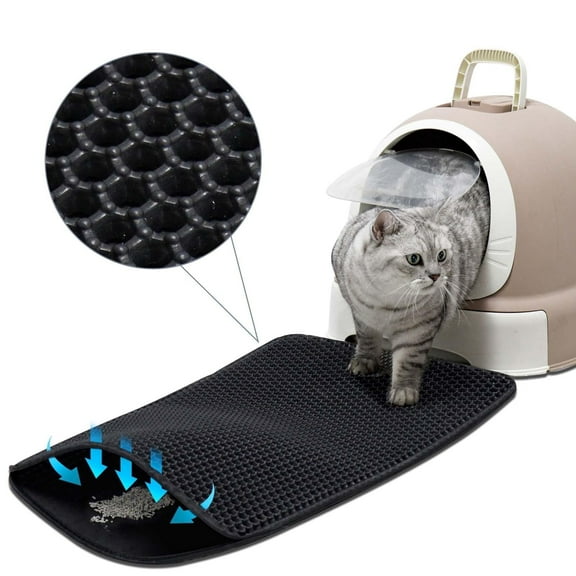
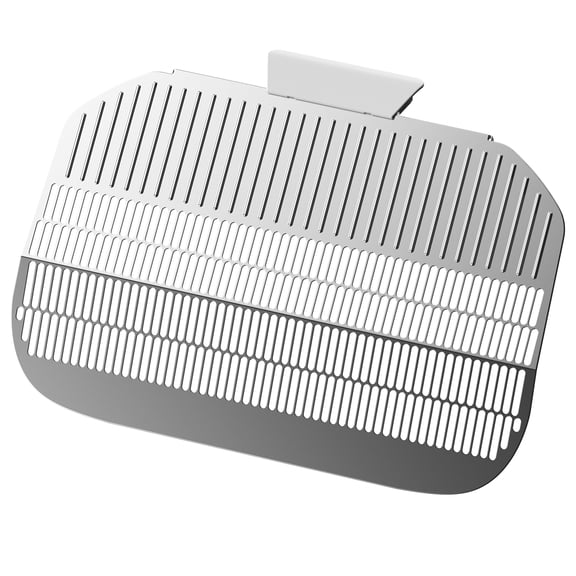
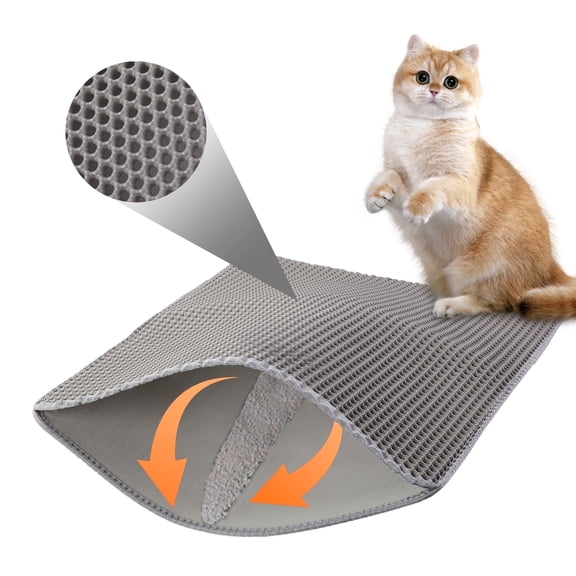
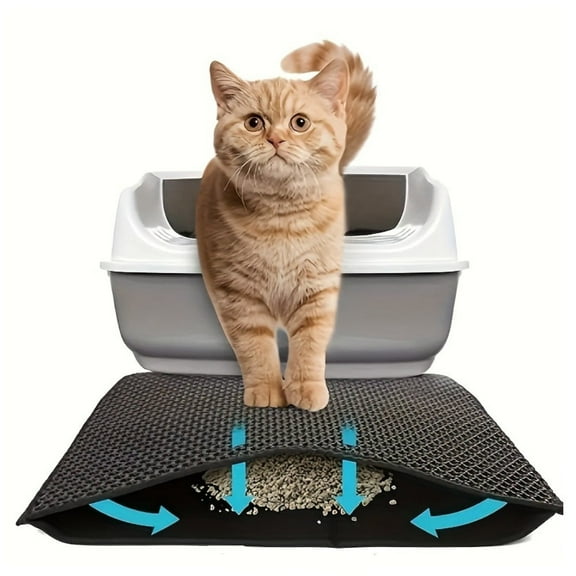
Look at surface texture first, since that controls how well litter gets captured. Honeycomb and mesh tops can funnel granules into a lower layer. Grooved surfaces can hold larger pieces until you empty them.
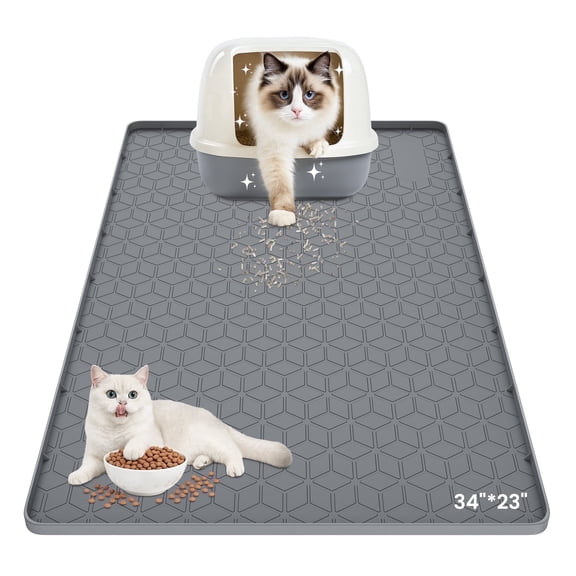
Consider backing and traction, especially on slick flooring. Rubberized bottoms help reduce sliding when your cat launches out. Some mats have raised edges that keep spills from rolling off.
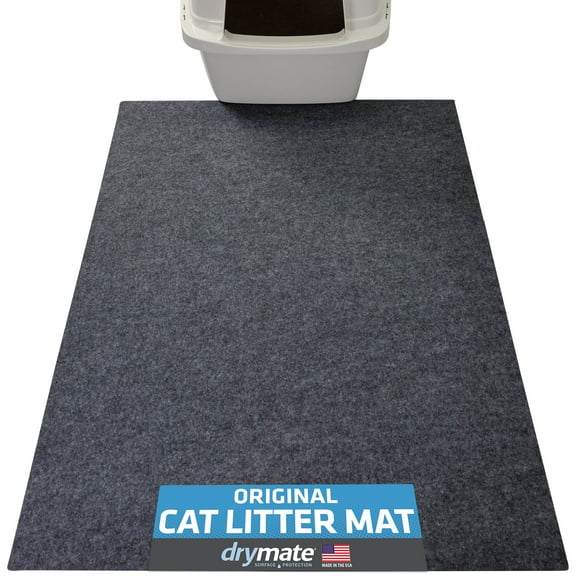
Size matters because cats don’t always step straight forward. A wider mat can catch side exits and quick turns. Thicker mats can also cushion landings for older cats.
Material affects cleaning and odor retention. Waterproof layers help stop urine drips from reaching the floor. Quick-dry designs can handle rinse cleaning without staying damp.
Choosing the right litter box mat for your home
Start by measuring the exit path your cat actually uses. Place the mat where paws land first, not just under the box. If your box sits in a tight corner, choose a shape that fits without curling.
Match the mat style to your litter type for better capture. Fine clay often works well with honeycomb channels and double layers. Larger pellets often sit well in deeper grooves without rolling away.
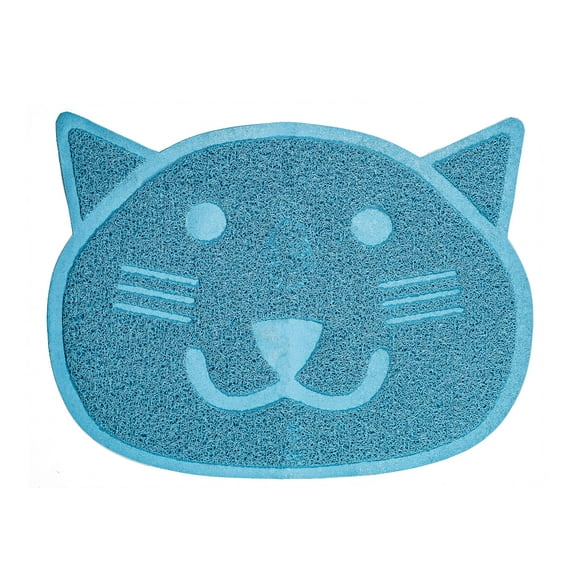
If your cat is sensitive to new textures, start with softer EVA-style surfaces. Put the mat down for a few days beside the box first. Then slide it into position once your cat walks on it easily.
Large cat litter mats for multi-cat households
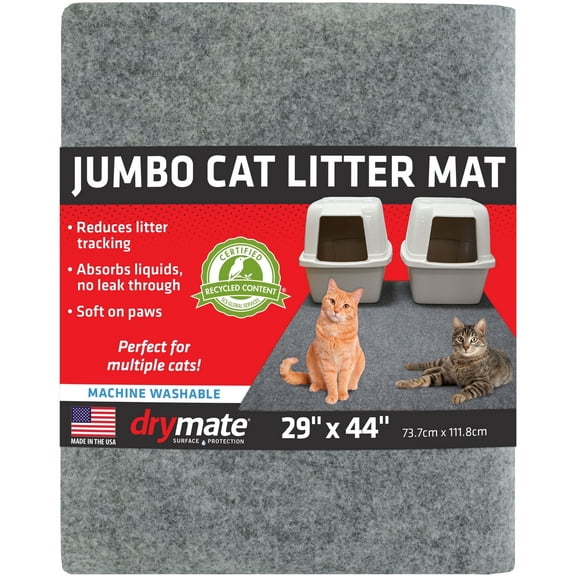
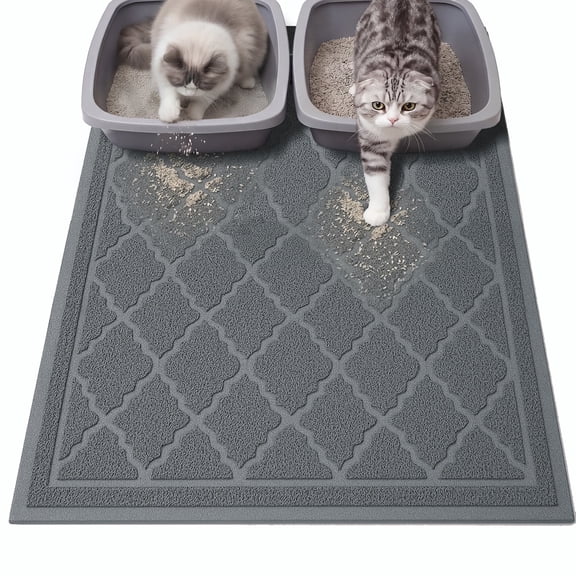
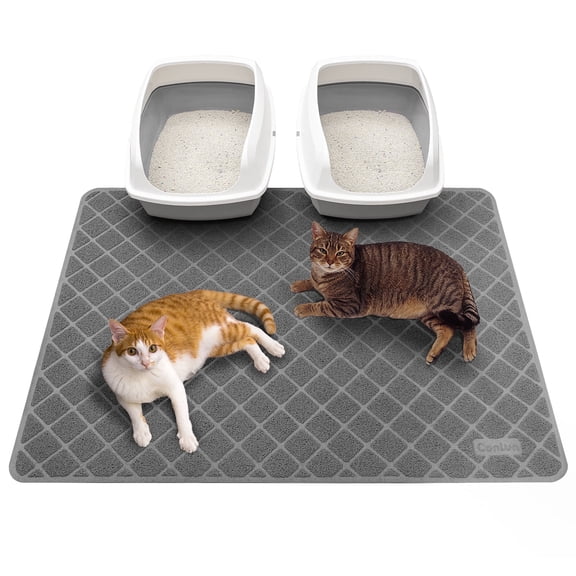
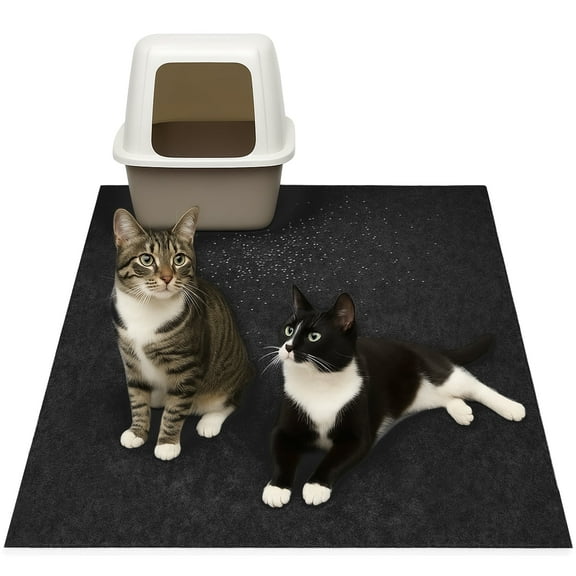
More cats usually means more traffic and more scatter around the same spot. A large cat litter mat gives each cat a longer runway to shed granules. It also helps when two cats exit quickly, one after another.
Choose a larger footprint when you use multiple boxes in one room. You can place one mat under two pans, if spacing allows. That keeps the cleanup zone consistent and easy to maintain.
For busy rooms, pick designs that empty without bending and dumping everywhere. Lift-and-pour double layers make weekly resets simpler. A sturdy edge helps keep the mat flat after repeated shaking.
Use cases you’ll notice right away
Small apartments benefit because litter scatter shows up fast on hard floors. A cat litter mat at the box entrance keeps grit from spreading into kitchen and living spaces. That helps your floors feel smoother between deeper cleans.
Homes with rugs nearby often see granules get embedded and hard to vacuum. A mat can reduce what reaches carpet fibers in the first place. That means less wear on your vacuum brush roll.
If you use a covered box, litter can still flick out through the door. A longer mat catches what lands after the hop out. It also helps with damp paws after rainy-day litter box visits.
For kittens, choose a softer surface that’s easy on small paws. Keep the mat thin enough to avoid tripping at the edge. As they grow, you can size up to catch wider steps.
Conclusion
The right cat litter mat keeps litter where it belongs and helps protect your floors. Focus on texture, traction, and the footprint your cat uses every day. With a good match, cleanup stays simple and your home feels smoother.