

Canopy Weights in Canopies & Shelters

























About Canopy Weights in Canopies & Shelters - Walmart.com
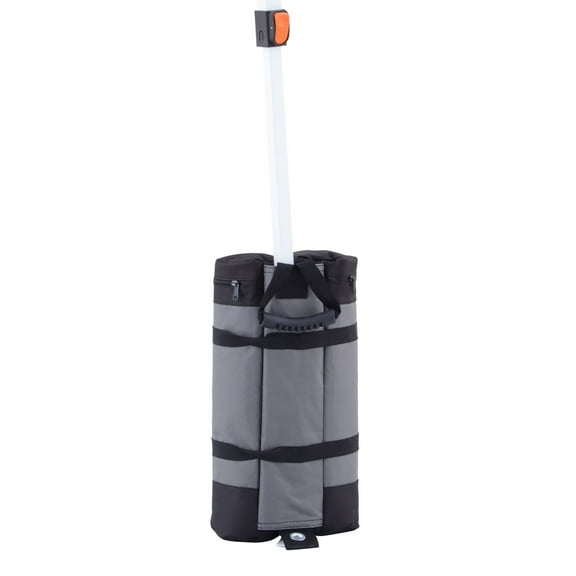
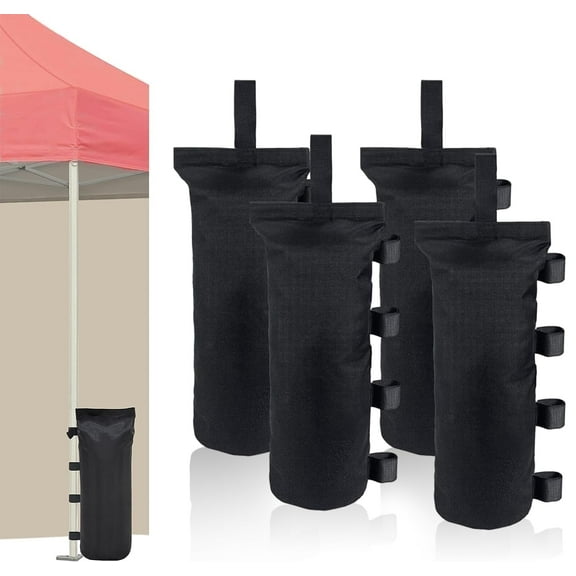
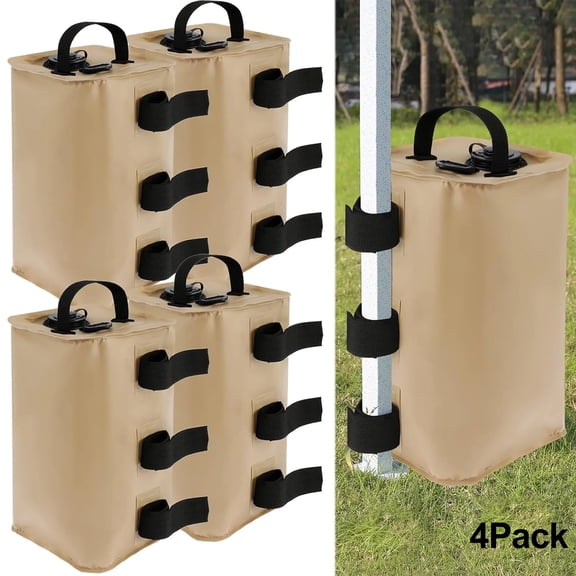
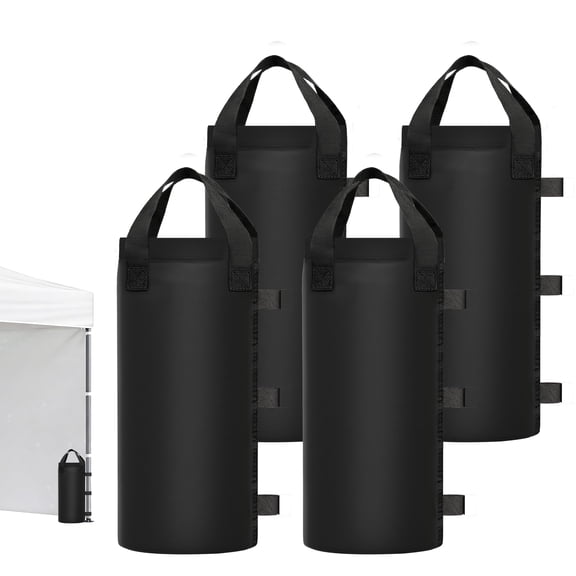
Canopy weights keep your pop-up setup steady when wind, foot traffic, and uneven ground try to shift it. At Walmart, you’ll find sandbags, water weights, and leg plates that fit common canopy legs. Choose options that travel easily and set up fast for markets, games, and backyard shade.
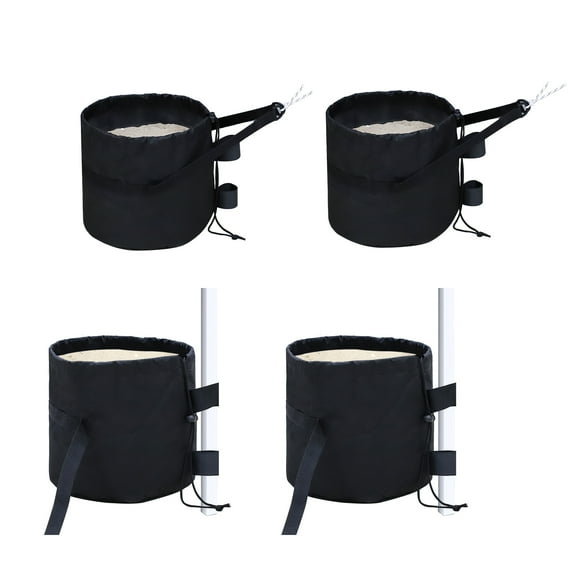
Some weight styles wrap around a leg, while others sit on top of a foot plate. That difference matters when you’re on concrete versus grass. Picking the right type helps your frame stay aligned, so your top stays taut.
Why canopy weights matter for real setups
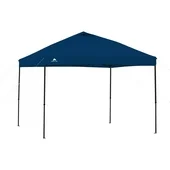
Canopies move when the top catches gusts, even if the legs look stable. The right tent weights reduce sliding, twisting, and leg lift during quick weather changes. They also help your cover stay centered, which reduces rubbing at corners.
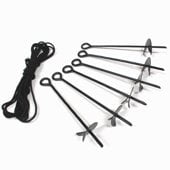
Weights for canopy tent use can be simpler than staking for many surfaces. On hard ground, you often can’t drive anchors, so weight does the job. On turf, weight can pair with stakes for a more planted feel.
Keep legs from creeping inward on smooth concrete during steady wind.
Add stability when crowds brush past at fairs, tailgates, and food booths.
Support straighter legs, which helps doors, sidewalls, and screens hang correctly.
Pack down fast when weather shifts, since many styles drain or fold flat.
Heavy canopy weights can also protect your gear investment over time. Less shifting means less stress on truss joints and peak hubs. That can reduce bent parts after repeated setups.
Key features to compare before you buy
Start with weight per leg, because that’s how stability is felt on the frame. Many shoppers aim to weight all four legs for balanced holding power. If you only weight two legs, the canopy can rack during gusts.
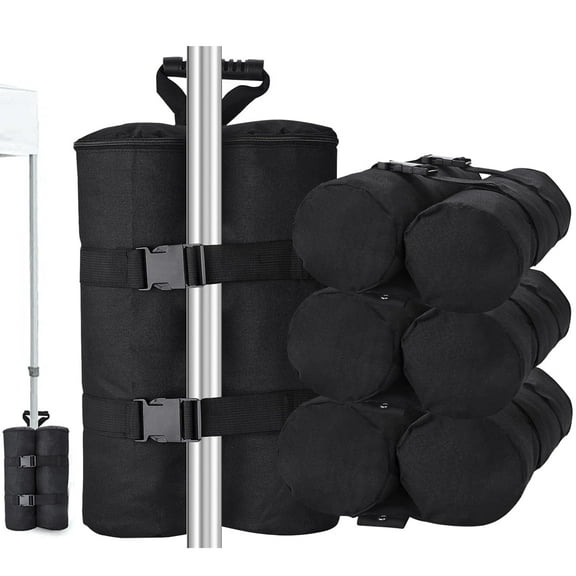
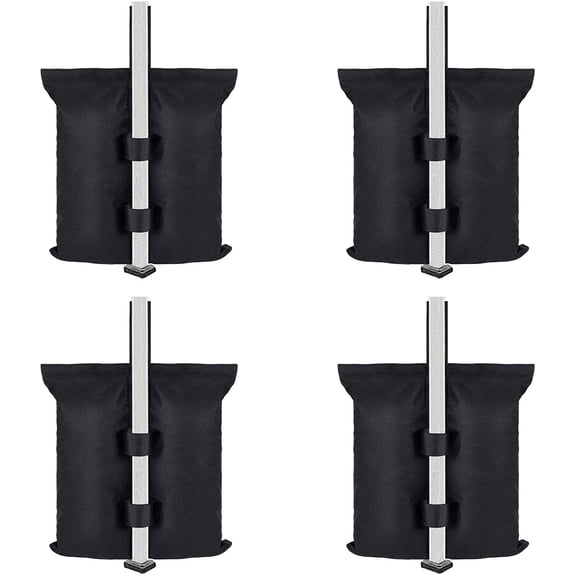
Look at how the weight attaches to the leg and foot. Pop up tent leg weights often use wrap straps, clamps, or molded channels. A snug fit helps prevent rattling and keeps the load centered.
Material choices change how you carry and store your set. Plastic shells usually fill with water or sand for travel-friendly packing. Metal plates and cast weights stay ready, but they’re heavier to transport.
Check the leg shape and size your canopy uses before choosing plates. Many frames use square legs, while others use hexagonal profiles. A plate that’s too tight won’t seat, and a loose one can slide.
Handle details matter when you’re loading a car or rolling a cart. Built-in grips make two-handed carries easier and safer. Wide bases can also help reduce tipping on uneven pavers.
Consider drainage and cleanup if you’ll use sand-filled bags. Double stitching and tough fabric reduce leaking and fraying. Water-fill styles should have caps that seal tightly during transport.
Use cases for tent weights and pop-up events
Farmers markets and craft fairs often mean long hours on asphalt. Tent weights keep your canopy from walking when cars pass or wind funnels between booths. Quick-on leg wraps are useful when setup time is limited.
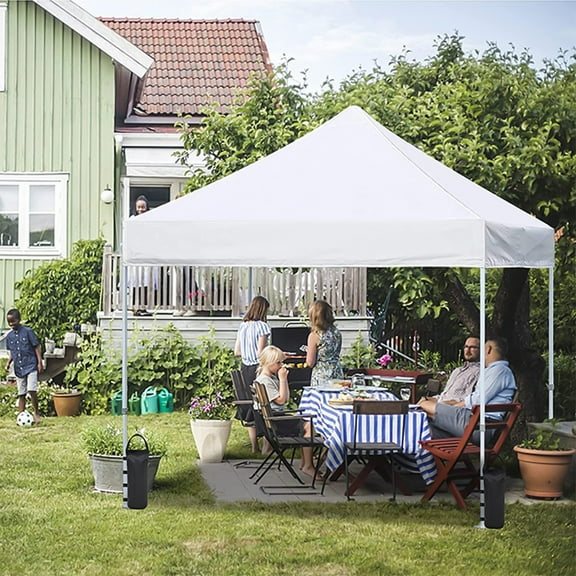
For sports sidelines, grass can be soft after rain. Weights for pop up tents help keep legs planted when the ground compresses. Pairing weight with stakes can steady corners during stronger gusts.
Backyard shade setups often move during the day. If you reposition for sun, water-fill options can empty, move, and refill fast. That’s handy when you’re managing chairs, coolers, and tables too.
On patios and pool decks, sliding is a bigger issue than sinking. Flat plates can sit neatly at each foot and reduce movement on smooth surfaces. Strap-on styles can also help if your canopy has rounded feet.
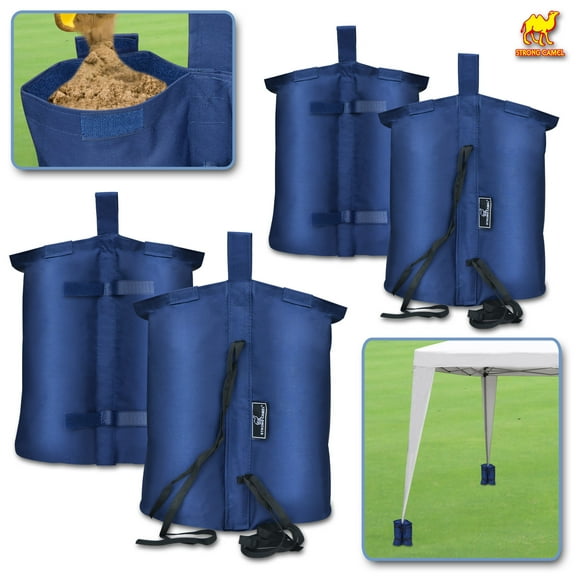
For beach days, sandbags match the surface and pack well. Fill them on site to avoid hauling heavy loads from home. Secure straps tightly so the bag sits low and doesn’t swing.
For semi-permanent gazebos, look for weight styles that stay put. Some leg weights work with tie-down points and sidewalls. That can reduce flapping and keep panels aligned.
Choosing between sandbags, water weights, and leg plates
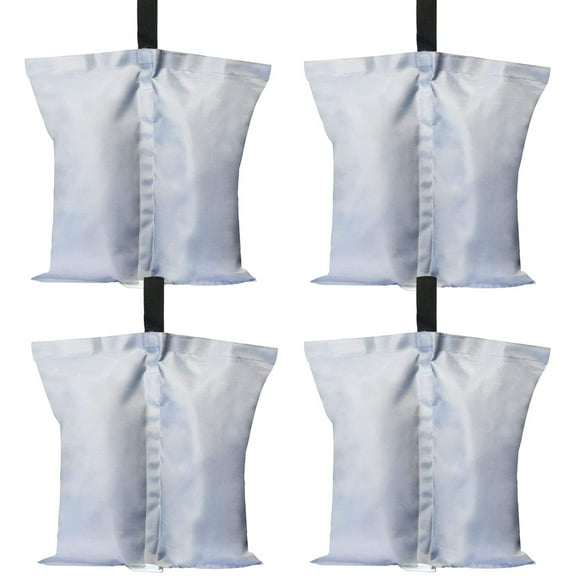
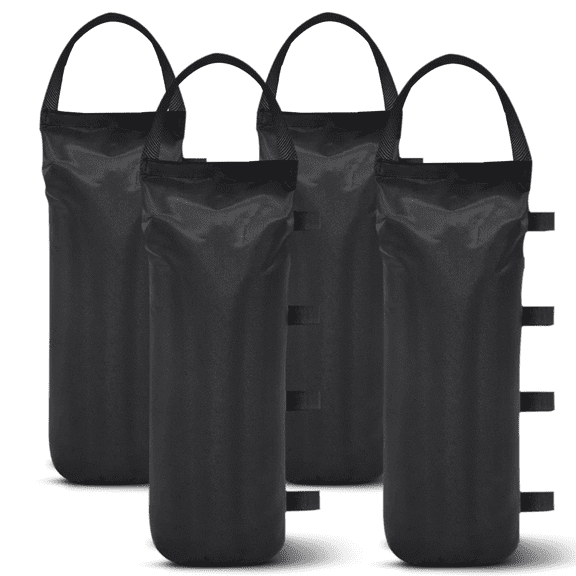
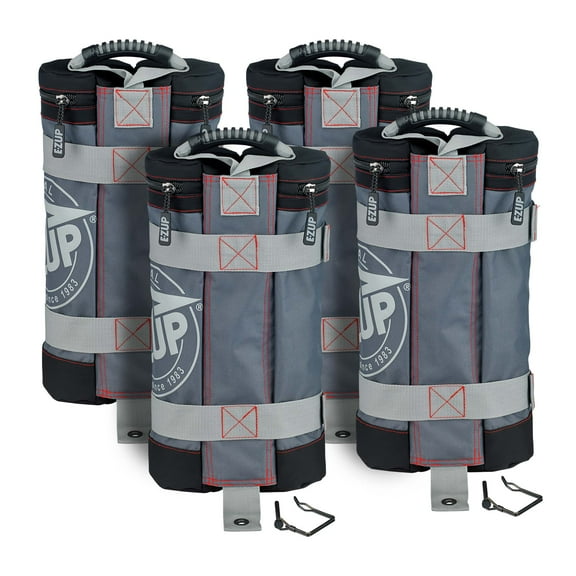
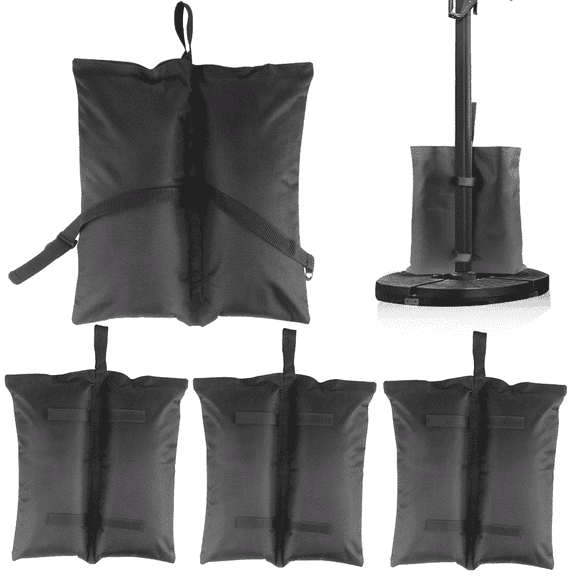
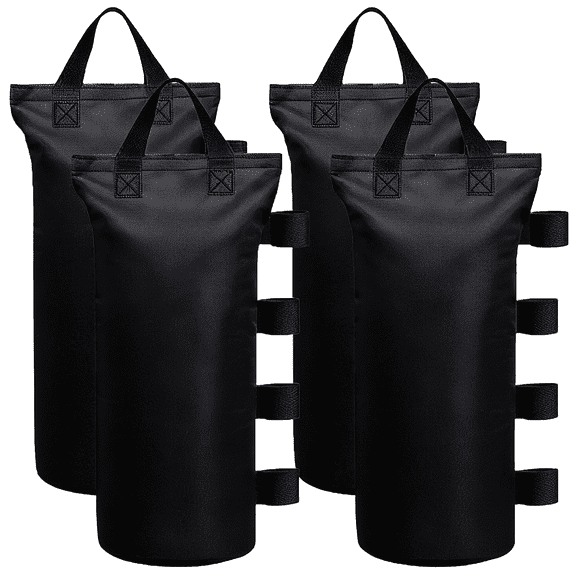
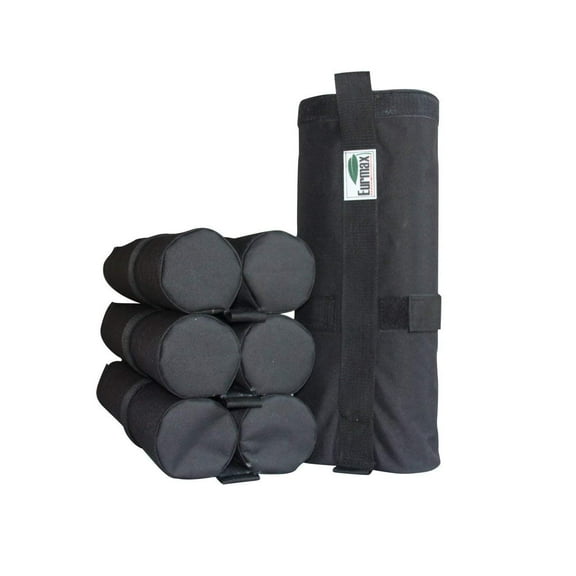
Sandbags conform to the leg and sit low, which can feel stable. They’re also easy to fill on site when sand is available. Fabric durability matters, especially at seams and strap points.
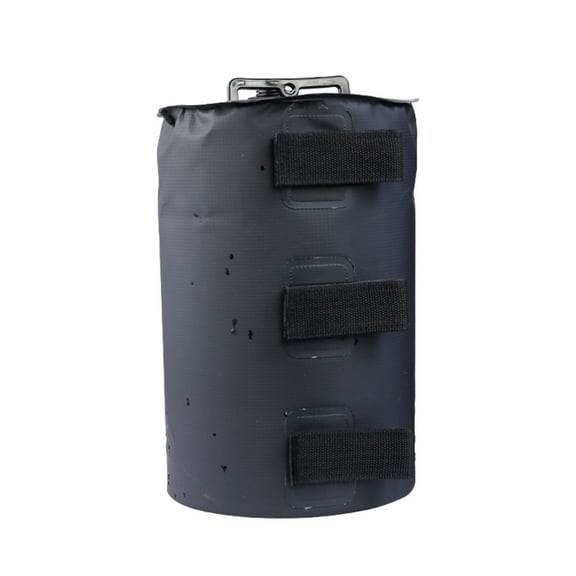
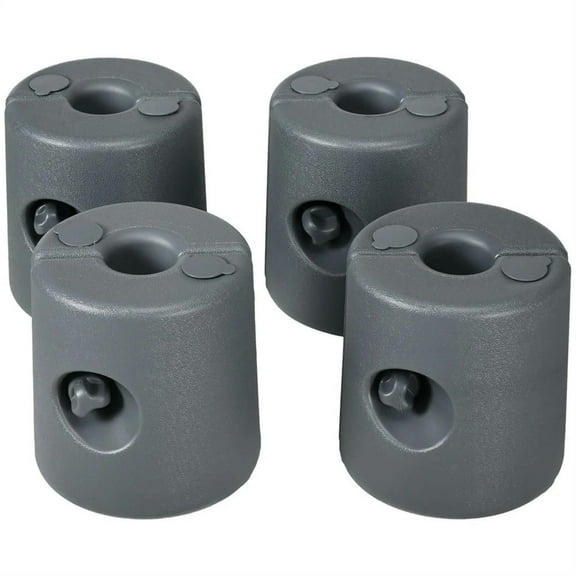
Water weights travel light when empty and refill quickly. They’re convenient for frequent setups where storage space is limited. Check caps and handles, since leaks can soak vehicle floors.
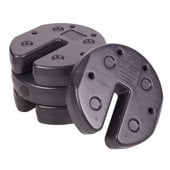
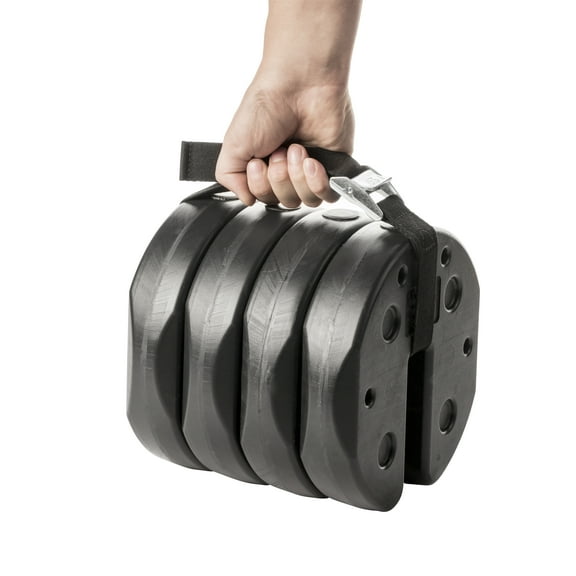
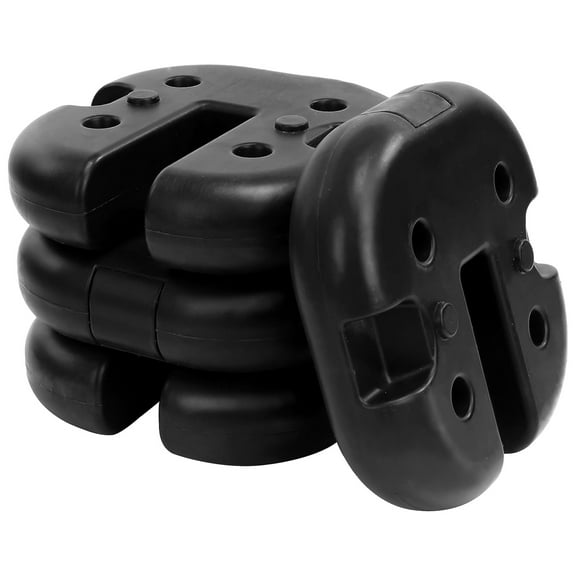
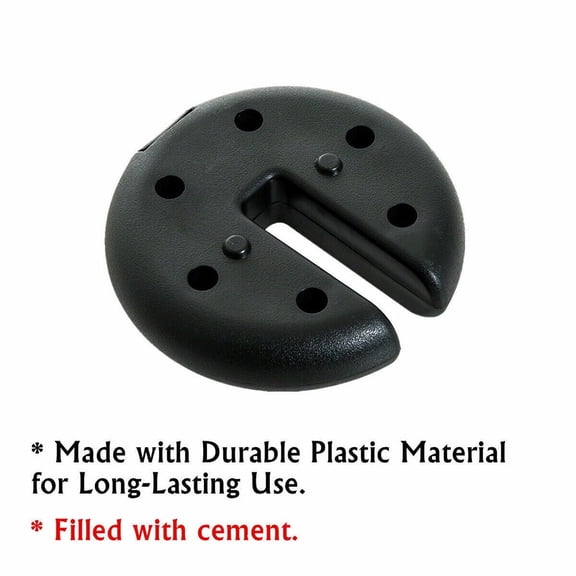
Leg plates are fast and tidy on hard surfaces. They usually don’t need filling, so setup is simple. Confirm plate openings match your leg width and shape.
If wind is unpredictable, weight all corners and keep loads balanced. Avoid stacking weight on one side only. Balanced placement helps keep the canopy square.
Conclusion
With the right canopy weights, your frame stays aligned, your cover stays taut, and your setup feels calmer on busy days. Choose the attachment style and fill type that matches your surface and travel plan. You’ll spend less time correcting drift and more time enjoying reliable shade.