








Fishing Lures Nearby & Fish Bait at Walmart
































About Fishing Lures Nearby & Fish Bait at Walmart - Walmart.com
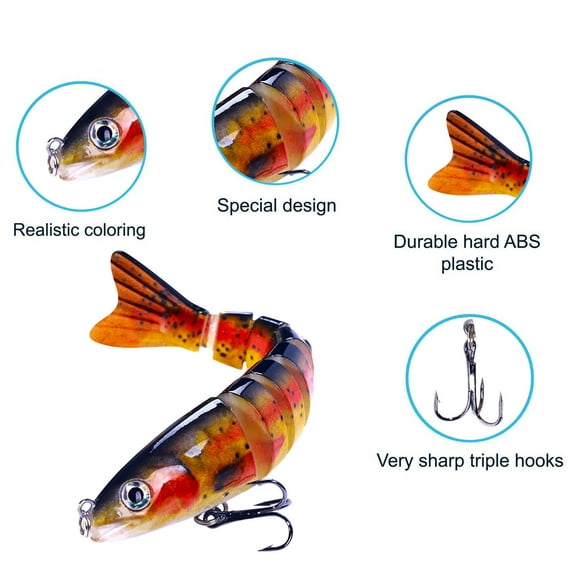
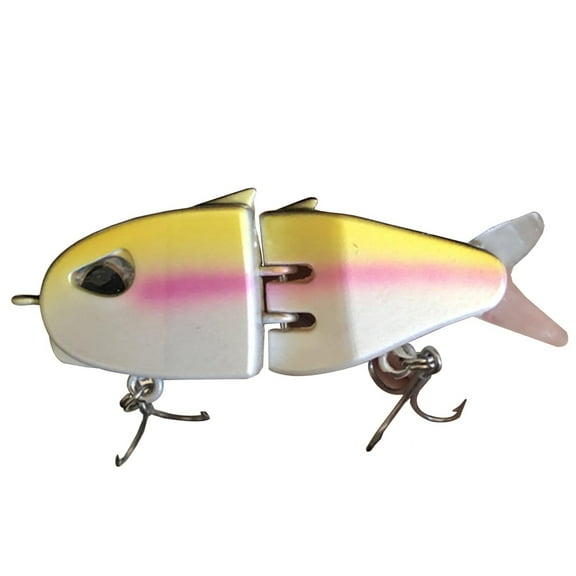
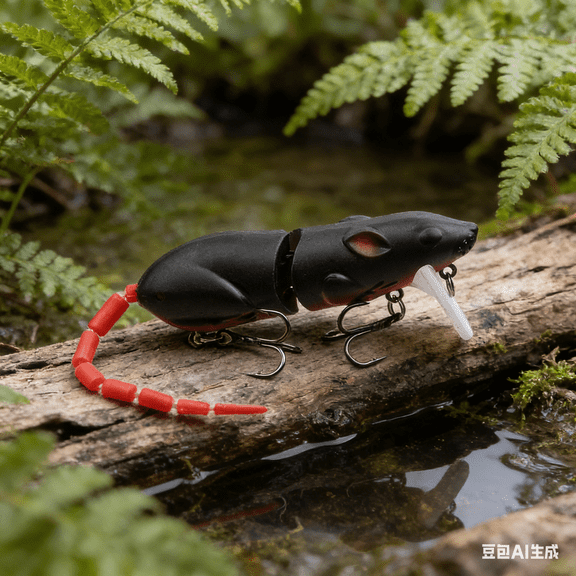
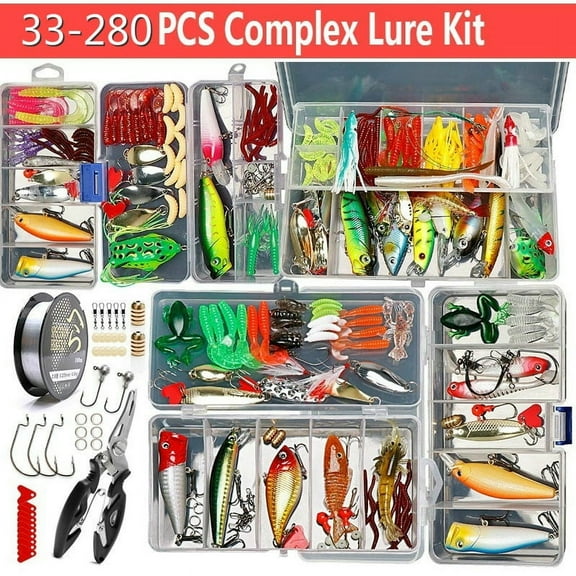
Fishing lures and bait help you match water conditions, target species, and lure action before you make your next cast. You can compare crankbaits, soft plastics, spinners, jigs, and topwater options in one place. You’ll also find choices for freshwater trips, saltwater setups, and live or artificial presentations.
When you shop this category, you can narrow your picks by how fish feed, where they hold, and how deep you want to fish. You can also use species, water type, and rigging style as clear decision points. That makes your setup easier to plan before you head to the bank, boat, or dock.
How to choose fishing lures and bait
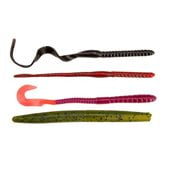
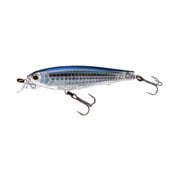
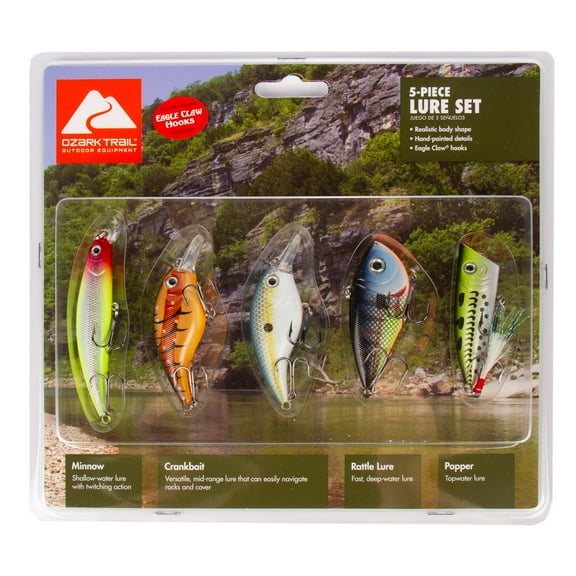
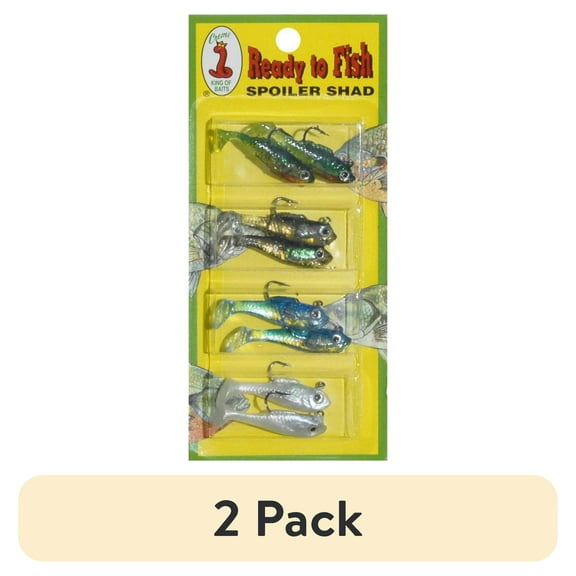
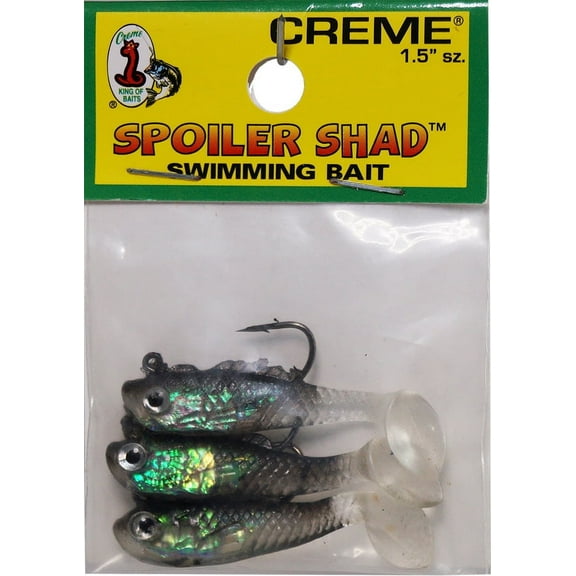
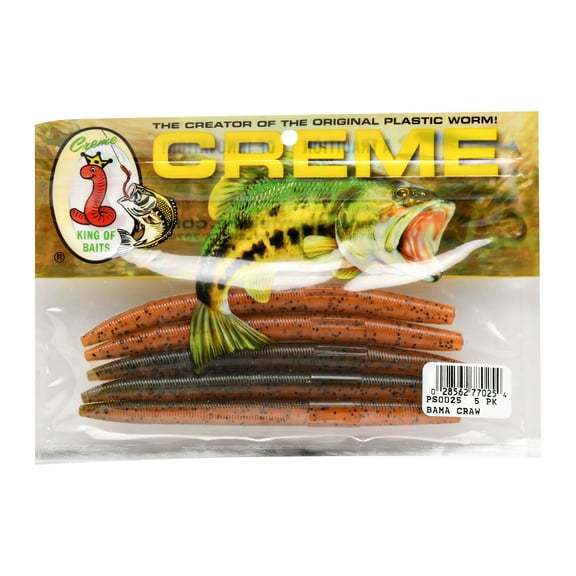
You should start with lure type because each design creates a different action in the water. You’ll notice crankbaits wobble, spinners flash, and jigs let you work structure with control. Soft plastic baits also give you flexible rigging options when you want a slower presentation.
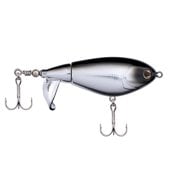
You can use topwater lures when you want surface action during low-light periods or active feeding windows. You may prefer fishing bait with scent-infused options when you want extra attraction on slower retrieves. Live bait can also fit simple setups when you want a natural presentation for common species.
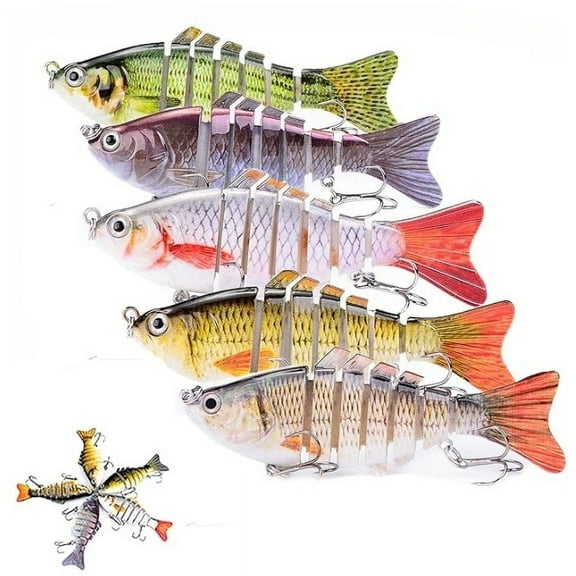
- You can use crankbaits to cover water and reach specific running depths.
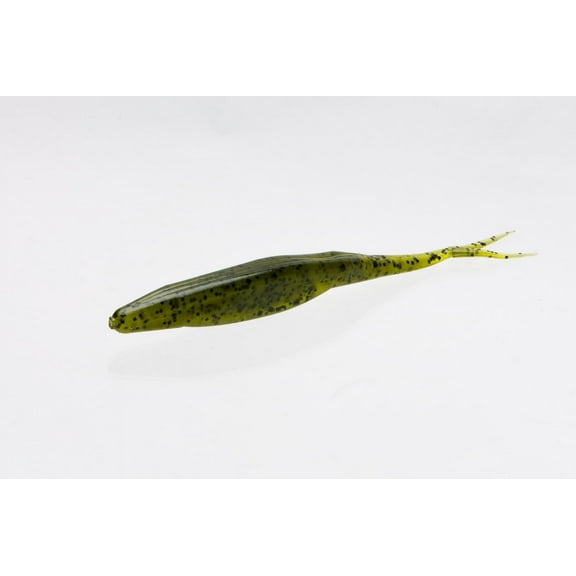
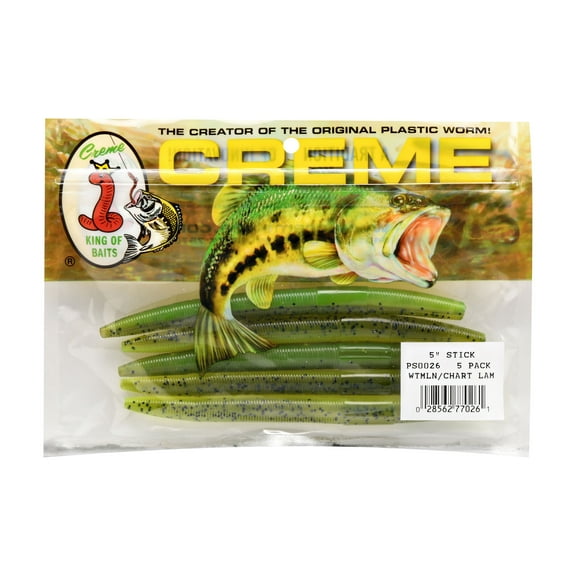
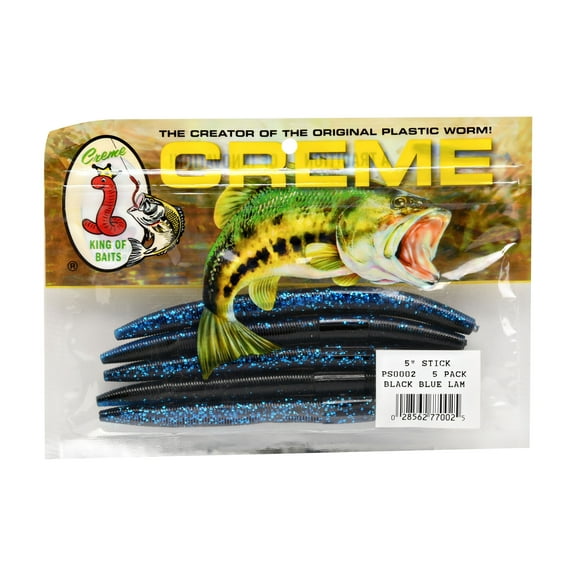
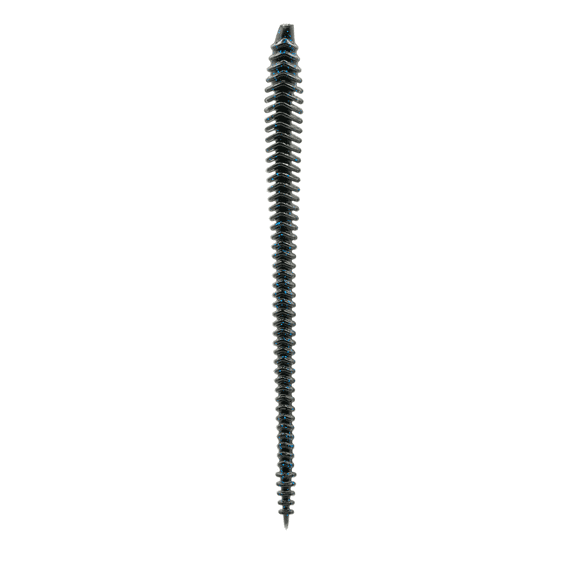
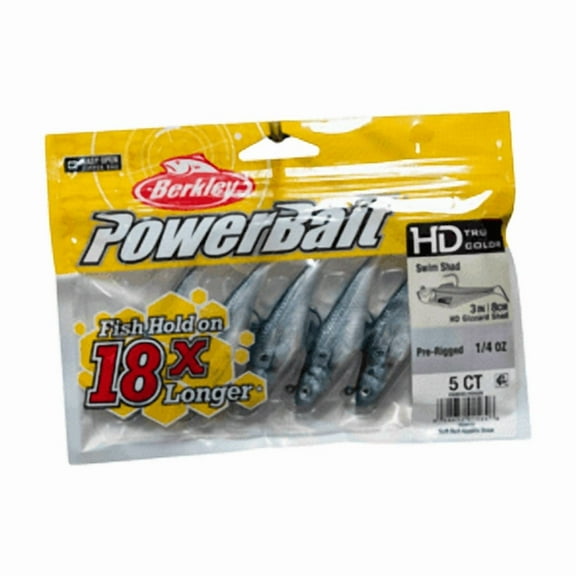
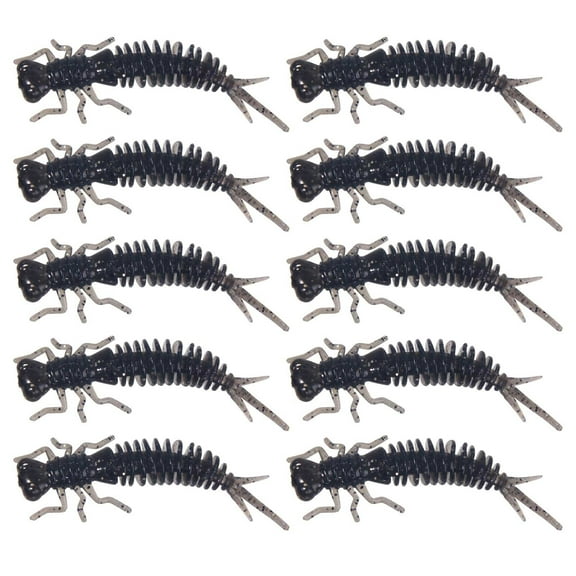
- You can rig soft plastics in several ways for weeds, docks, and drop-offs.
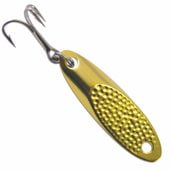
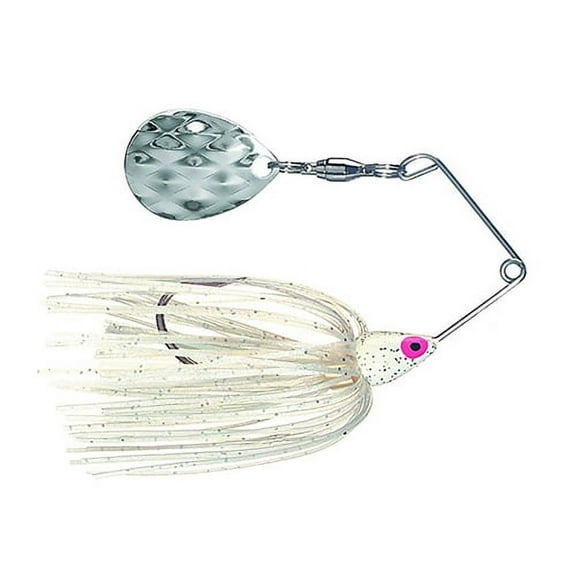
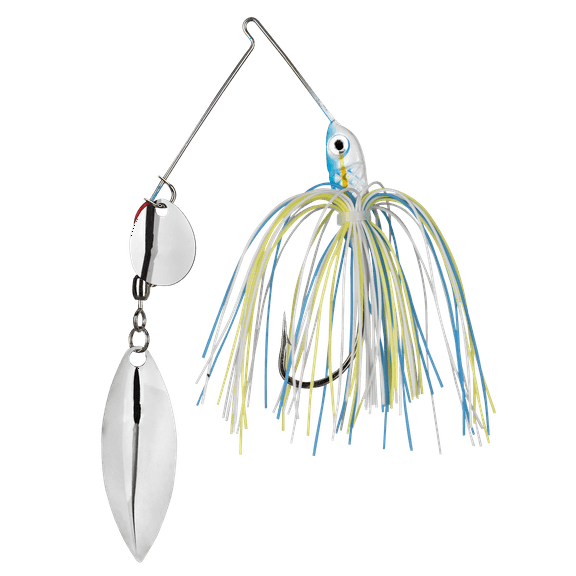
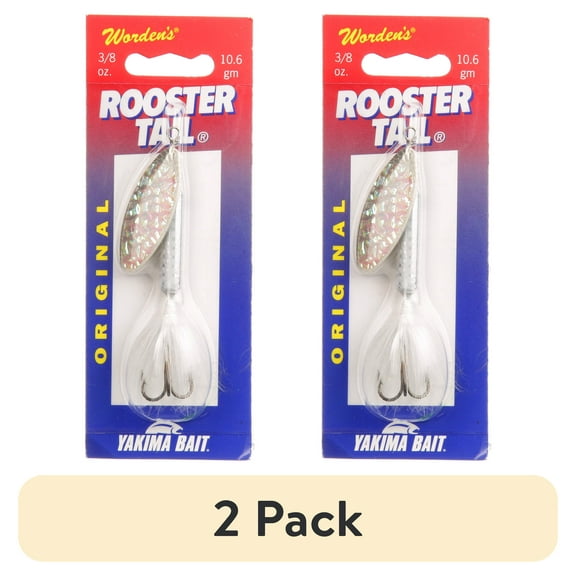
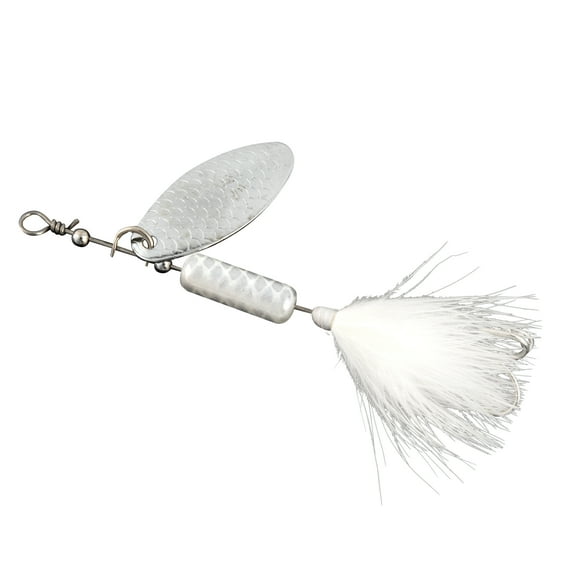
- You can choose spinners when you want flash and vibration in stained water.
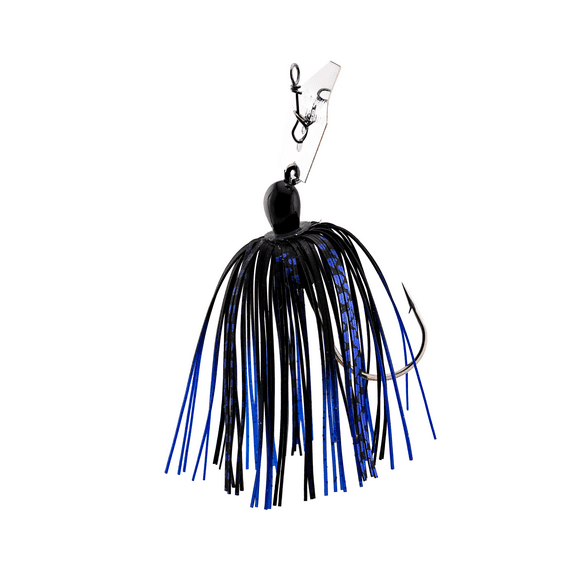
- You can fish jigs around cover when you need bottom contact and precise control.
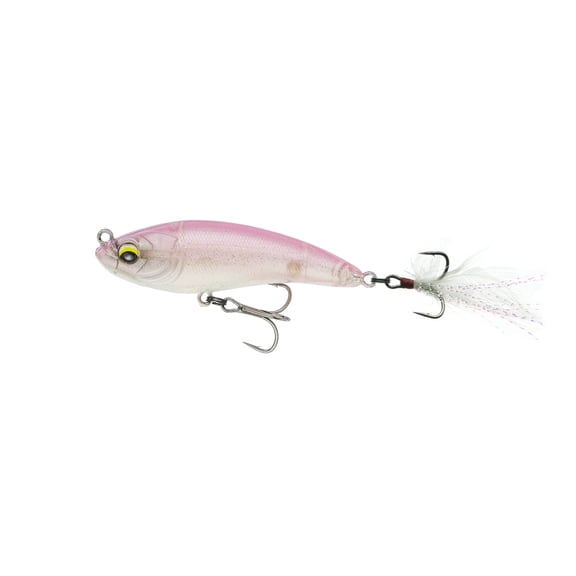
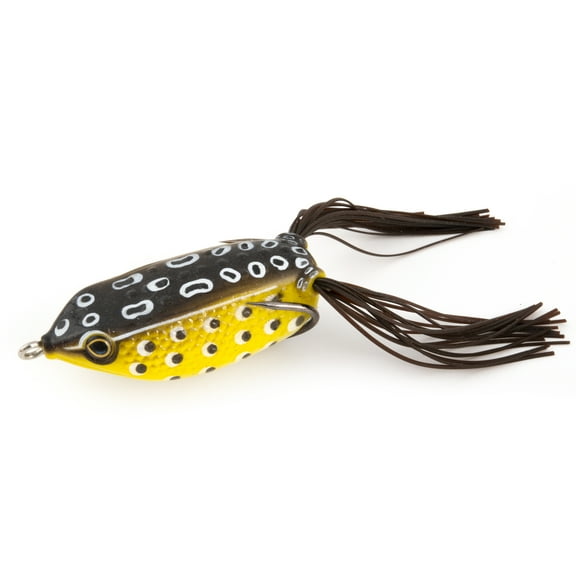
- You can pick topwater lures for surface strikes in calm water or early mornings.
Choosing fishing bait by water type and species
You should compare freshwater lures and saltwater fishing lures because tackle design changes with your conditions. You may want smaller profiles for panfish and trout, while bass fishing lures often use bulkier shapes and stronger hooks. Walleye anglers may also prefer subtle action when fish hold deeper or feed close to bottom.
In clear water, you’ll usually want natural colors that look closer to local forage. In muddy water, you can look for brighter colors, rattles, or stronger vibration so fish can track your presentation. That decision matters when visibility changes after wind, rain, or current.
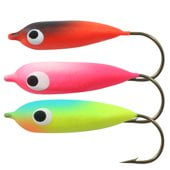
You can also match your bait size to the species you’re targeting and the season you’re fishing. Spring fishing lures often focus on active fish in shallow water, while ice fishing jigs help you present small profiles vertically. Those differences help you choose a lure that fits how fish are feeding.
What to look for in fishing lures features
You should check buoyancy because floating, suspending, and sinking models each cover water differently. A floating lure helps you work over grass or pause above cover, while a sinking lure reaches deeper zones faster. A suspending lure can stay in the strike zone longer during slower retrieves.
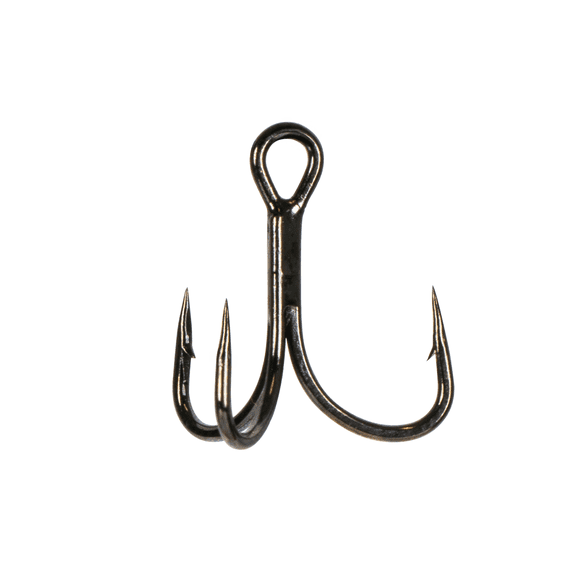
You’ll also want to compare hook style because rigging affects action, snag resistance, and hookup feel. Treble hooks often pair with crankbaits and some topwater lures, while jig heads support many soft plastic baits. Offset worm hooks can help you rig plastics cleanly around grass and timber.
When you review lure details, you should also consider depth range, body shape, and noise features. Rattles can help in stained water, while slimmer bodies may suit baitfish patterns. You can use those details to fine-tune your setup without guessing on the water.
Using bass fishing lures and other setups in real situations
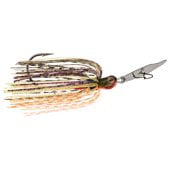
You can use bass fishing lures around weed edges, laydowns, and docks where fish often wait to ambush prey. A jig or soft plastic can help you fish slowly through cover when a fast retrieve won’t fit. A crankbait can help you search larger areas when you want to locate active fish quickly.
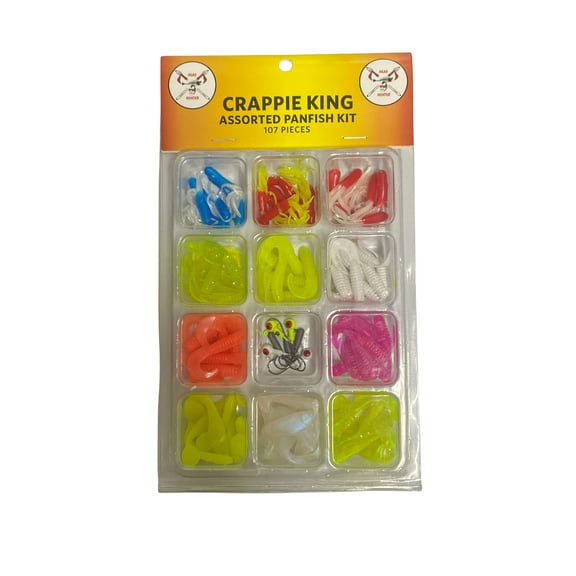
For trout and panfish, you may want lighter profiles and smaller presentations that match insects or small baitfish. Spinners can help you cover current seams, while compact jigs fit vertical or finesse presentations. You can keep your setup simple while still matching common feeding patterns.
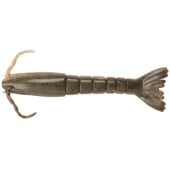
If you fish coastal flats, inlets, or piers, you should compare saltwater fishing lures by size, flash, and retrieve speed. You may want stronger hardware and bait styles that mimic shrimp or baitfish. That makes your tackle choices more useful in moving water and open presentations.
You can also adjust your lure based on depth and bottom contact throughout the day. A topwater lure fits surface feeding, a suspending bait fits mid-depth pauses, and a jig reaches deeper structure. Those action changes help you stay aligned with where fish are holding.
With fishing lures and bait, you can build a more precise setup for bass, trout, walleye, panfish, freshwater, or saltwater trips. You’ll make smarter choices when you compare lure type, water conditions, species, and rigging details together. That planning helps you spend more time presenting the right bait in the right zone.