

Weight Sets in Weights








































About Weight Sets in Weights - Walmart.com
Your fitness dumbbells set can shape a more flexible workout space at home. You can compare weight range, material, shape, grip, and storage style before you choose.
If you’re building an at home dumbbell set, you’ll want options that match your room and routine. You can use this guide to compare adjustable designs, racks, and classic pairs with more confidence.
How to choose a fitness dumbbells set
When you compare a fitness dumbbells set, you should start with weight range and progression. You’ll want a set that fits your current lifts and gives your routine room to grow.
If you’re starting with lighter training, you may prefer 20 lb or 50 lb ranges. If you train with compound lifts, you may need 100 lb options or adjustable formats.
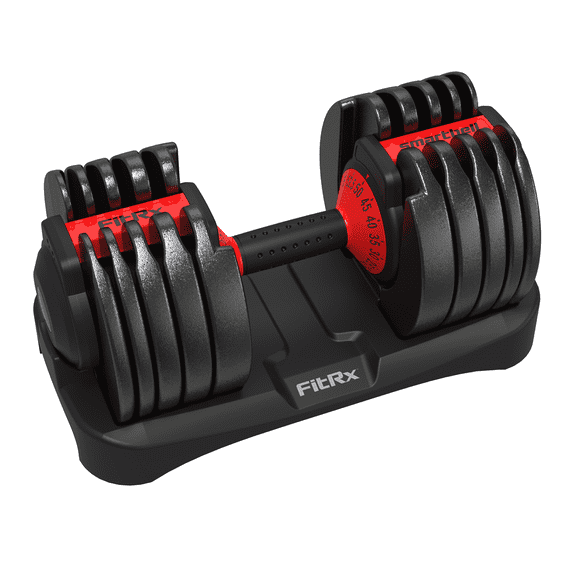
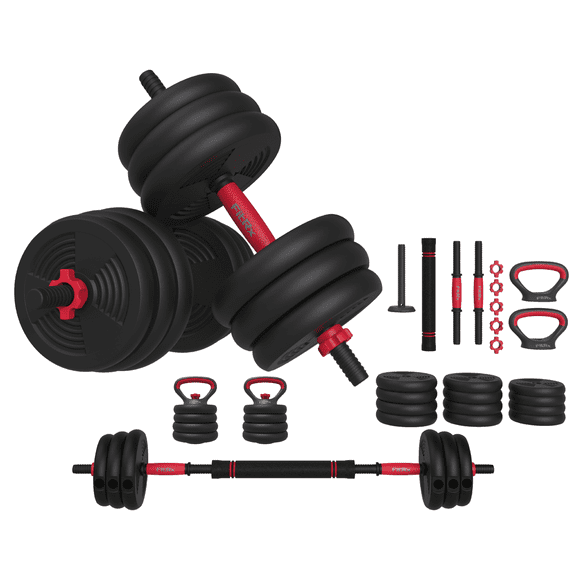
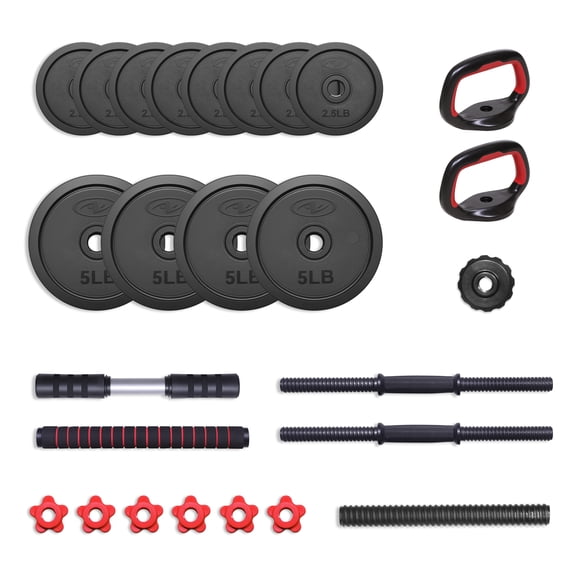
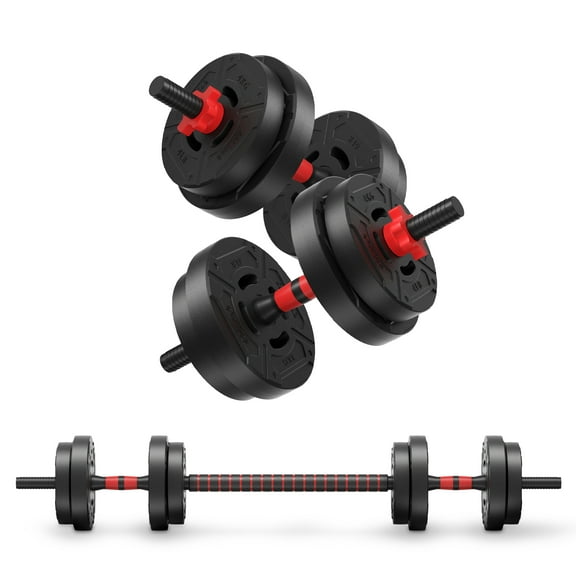
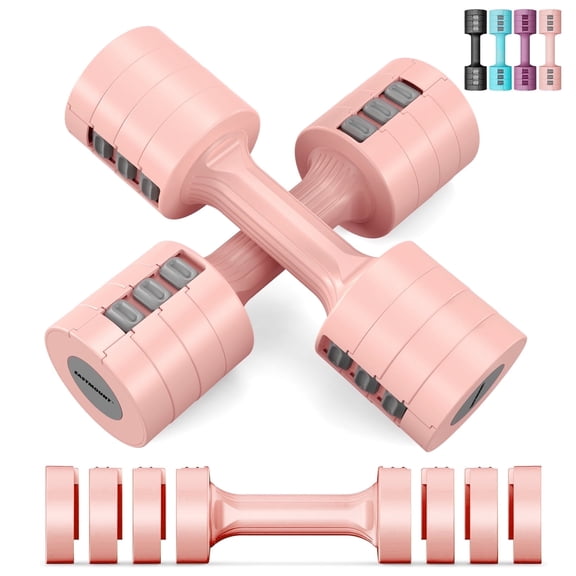
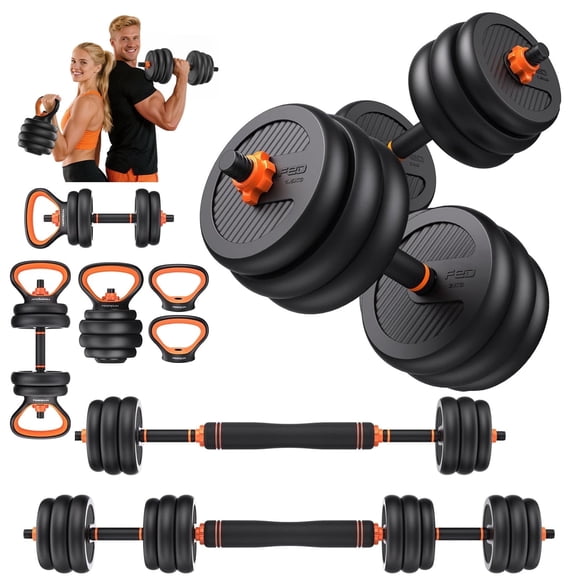
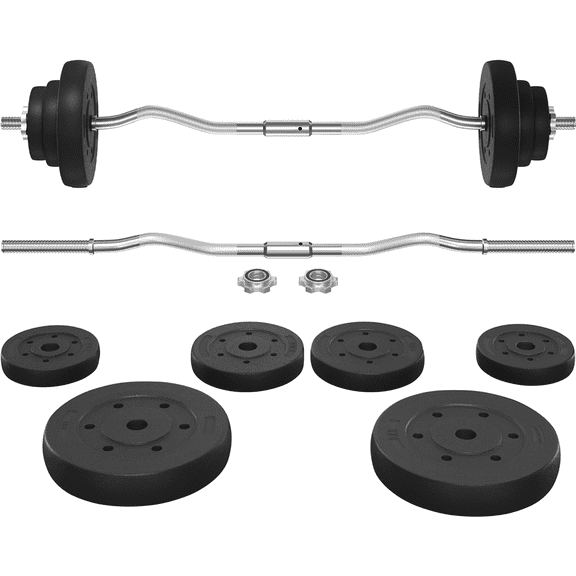
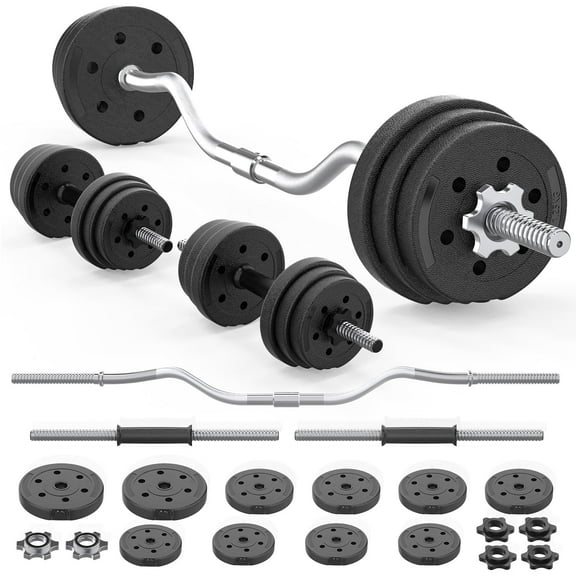
Adjustable choices can help you change resistance without lining up many separate pairs. You can use one compact setup for presses, rows, curls, and lunges.
- You can match lighter ranges to beginner circuits, mobility work, and higher-rep sessions.
- You can use midweight sets for balanced home strength plans and mixed upper-body training.
- You can choose heavier capacities when your workouts include presses, rows, squats, and progressive overload.
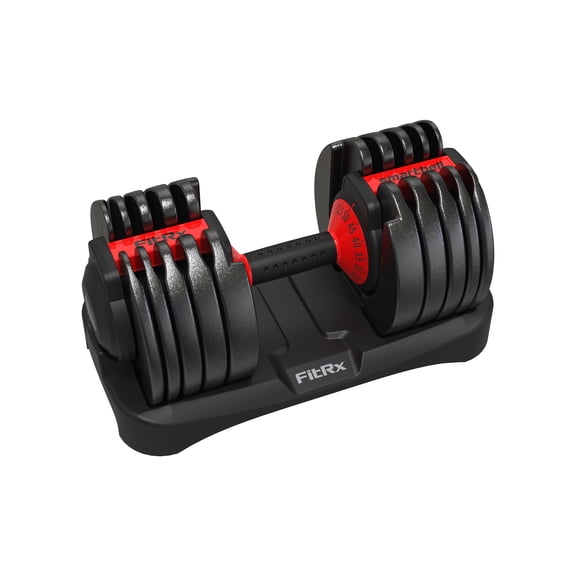
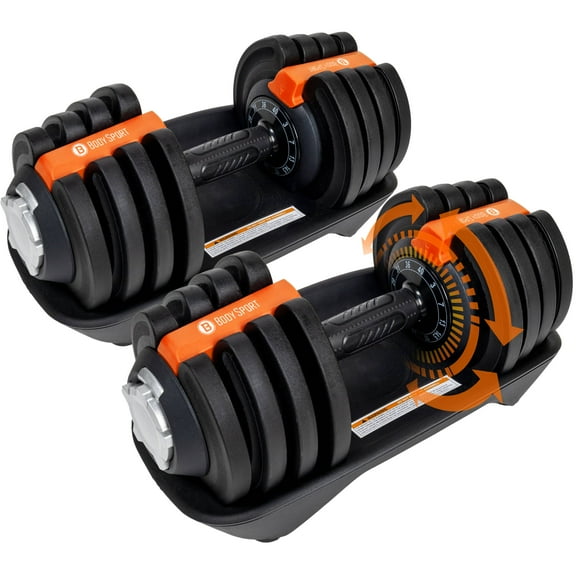
- You can compare adjustable dial systems if you want faster changes between weight increments.
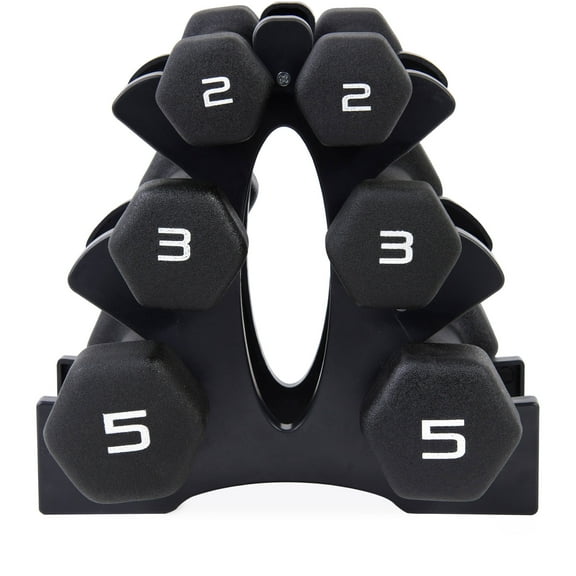
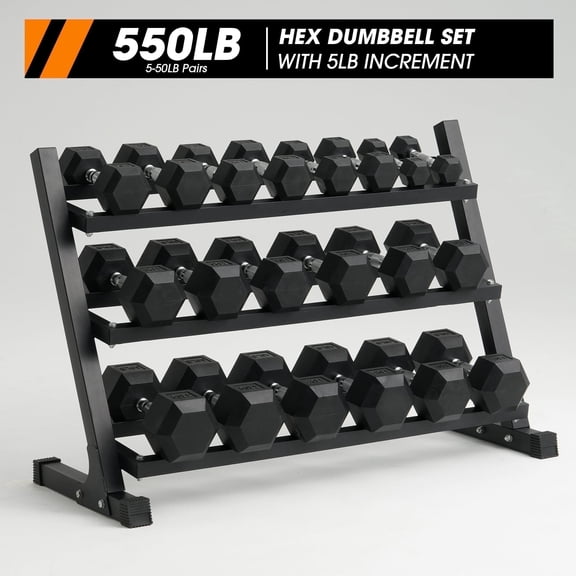
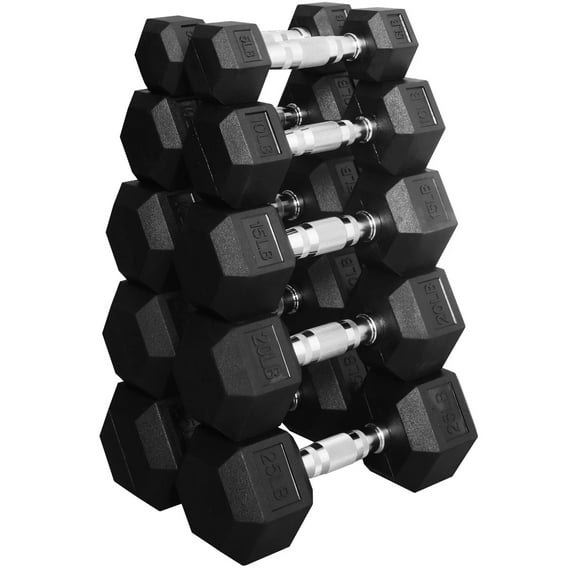
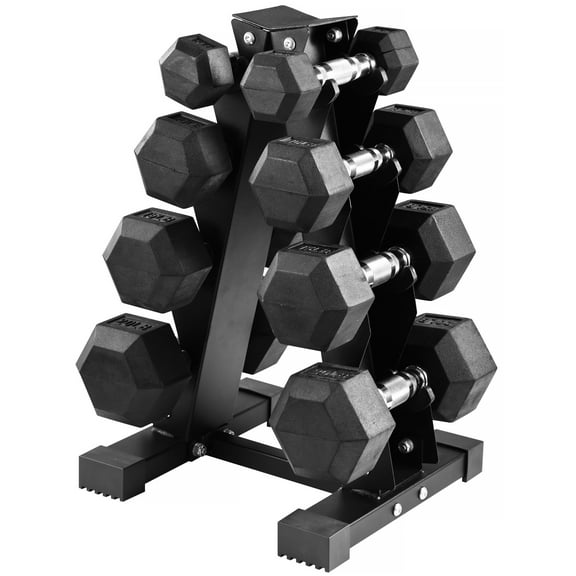
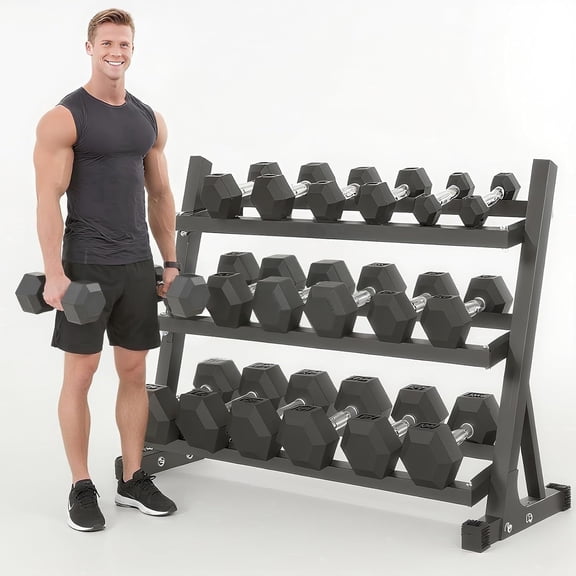
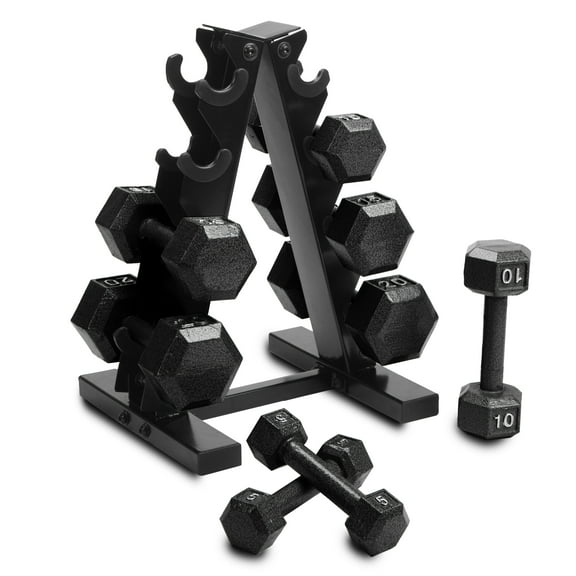
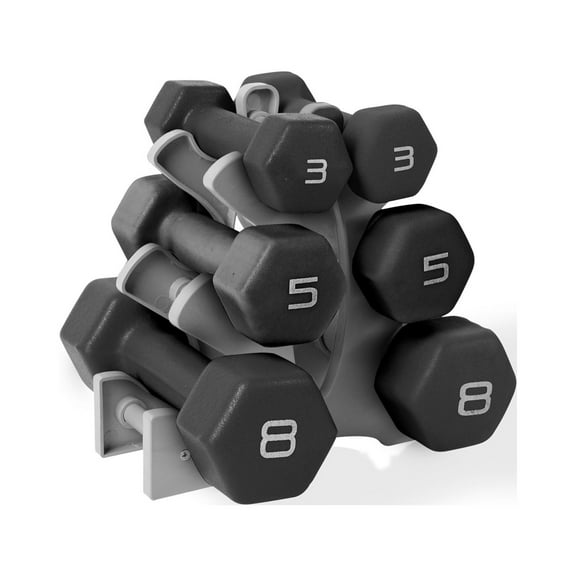
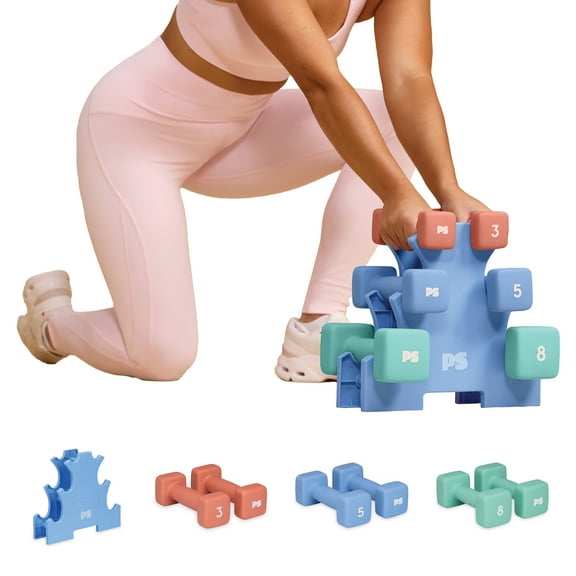
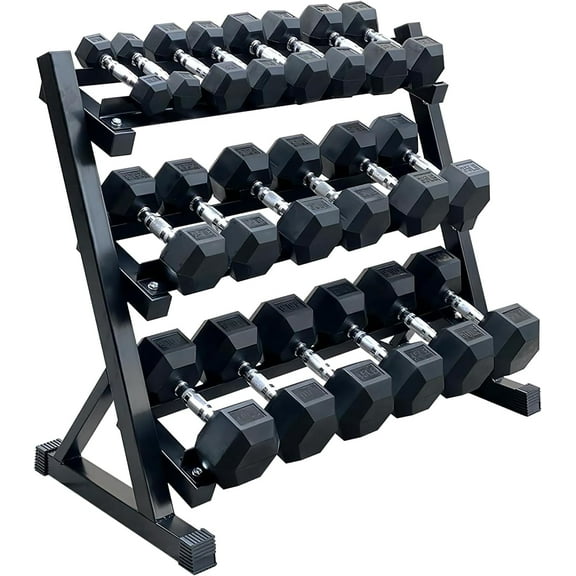
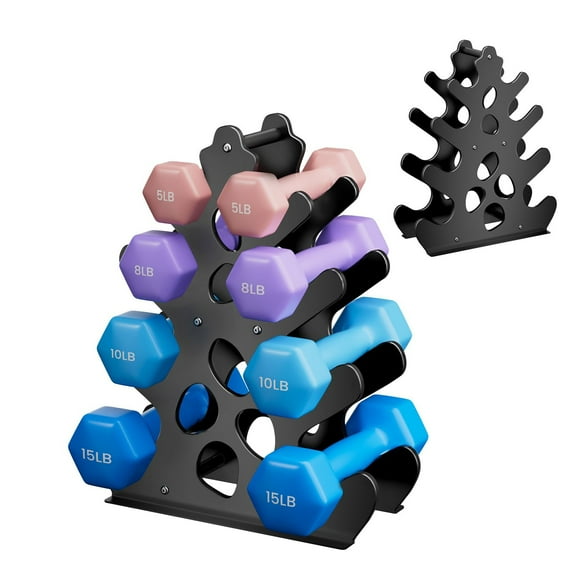
- You can consider sets with racks if you want pairs organized and visible between sessions.
You should also check plate configurations or dial mechanisms when weight changes matter in your routine. You’ll notice smoother progression when your set offers useful jumps between loads.
Choosing an at home dumbbell set by material
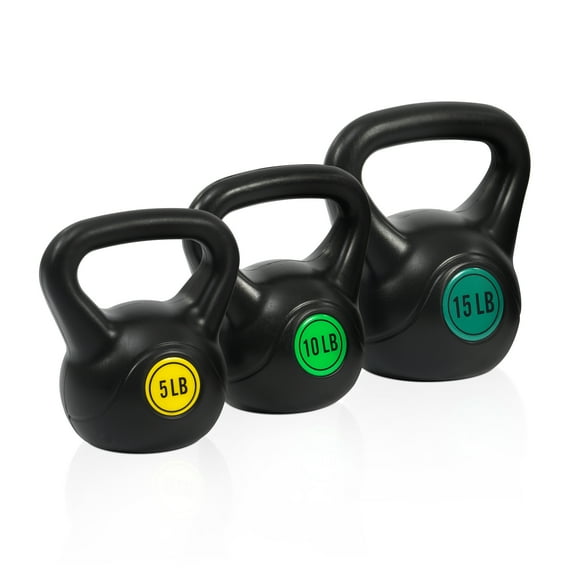
Material changes how your at home dumbbell set feels, sounds, and stores. You can compare cast iron, rubber coated, neoprene, and vinyl styles based on your floor and training area.
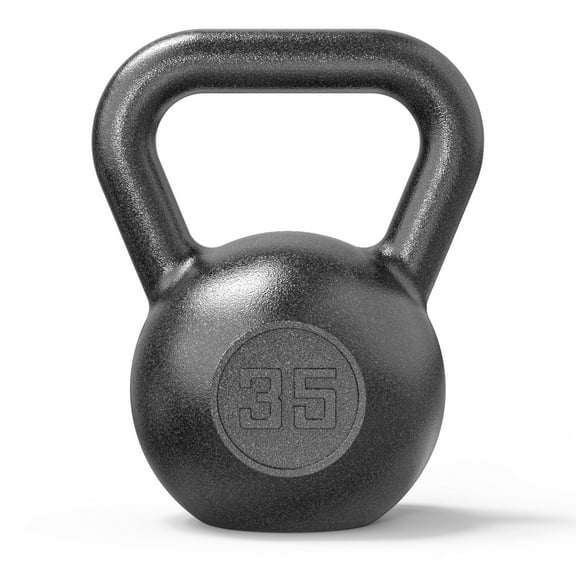
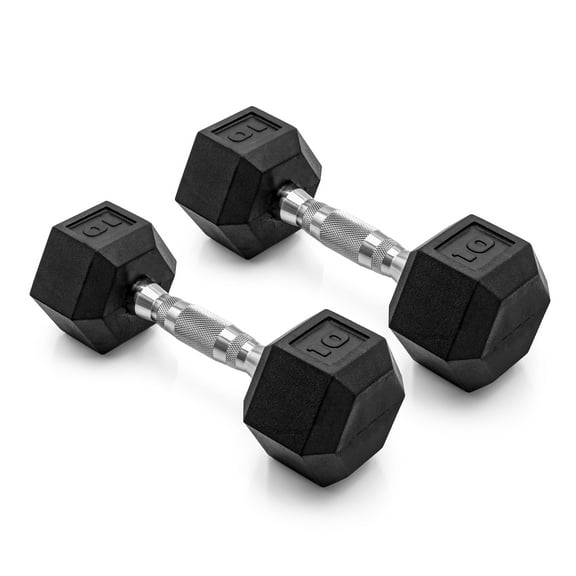
Cast iron can give you a classic feel and a compact profile for heavier weights. You may like that denser design when you want more load without oversized heads.
Rubber coated options can feel easier on floors and quieter during setup. You’ll often prefer them when your workout space sits near living areas or shared rooms.
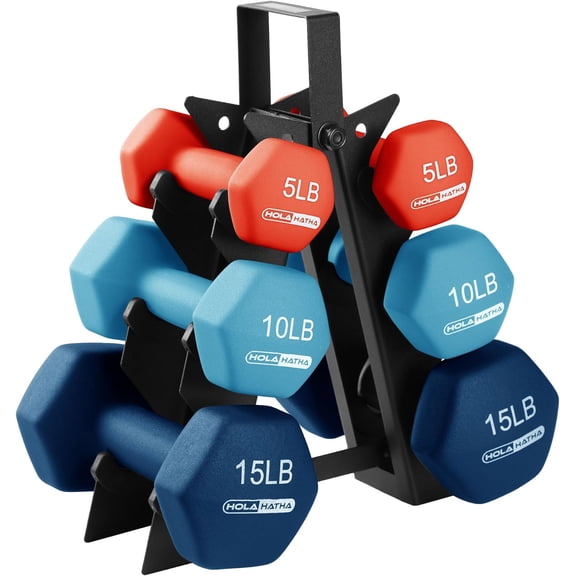
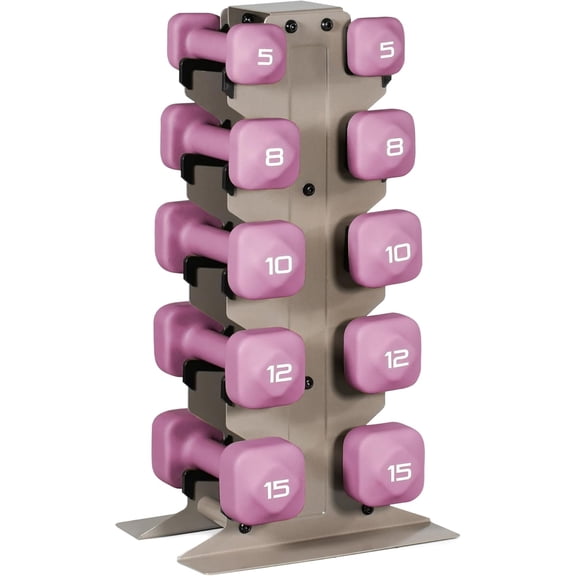
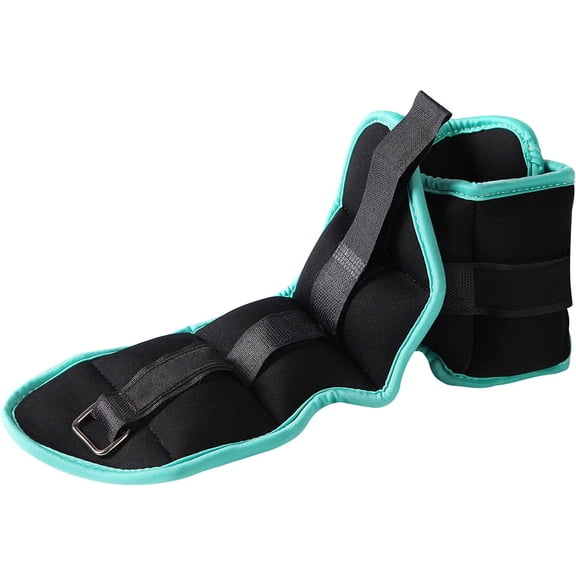
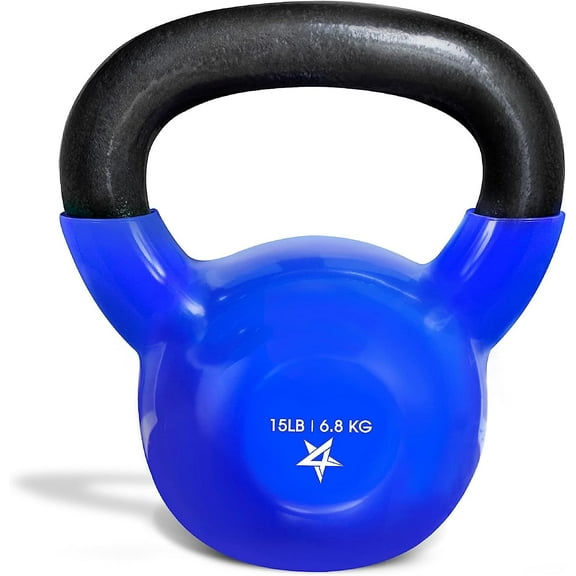
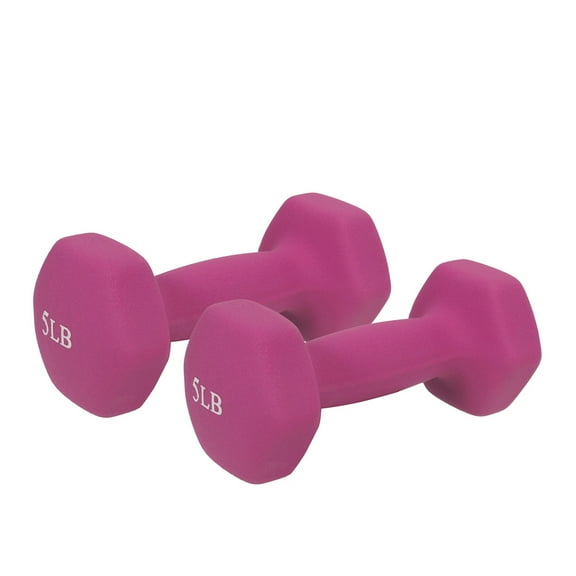
Neoprene and vinyl finishes can feel approachable for lighter training and group-style workouts. You can grip them comfortably during aerobics, toning, and controlled strength sessions.
If floor protection matters, you should compare softer outer coatings before choosing. You’ll often notice less noise and less scuffing with covered heads than bare iron.
You can also think about cleanup when you compare finishes. Textured coatings can feel secure in hand, while smooth surfaces can wipe down quickly after use.
Picking the right dumbbell set for home shape and grip
A dumbbell set for home should fit your movement style and your storage plan. You can compare hexagonal, round, and anti-roll shapes based on stability and floor contact.
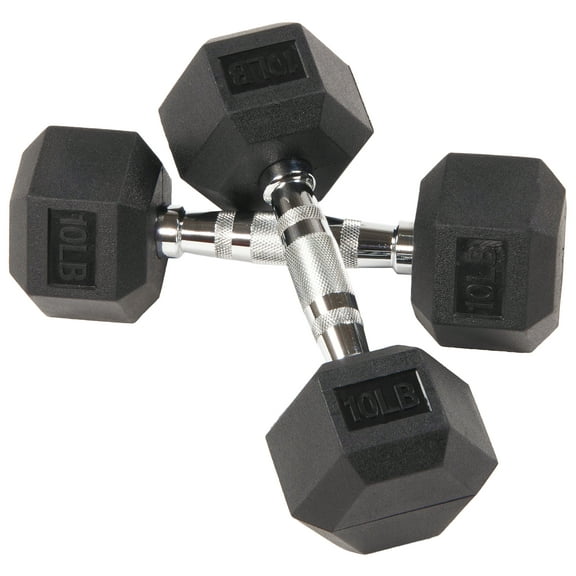
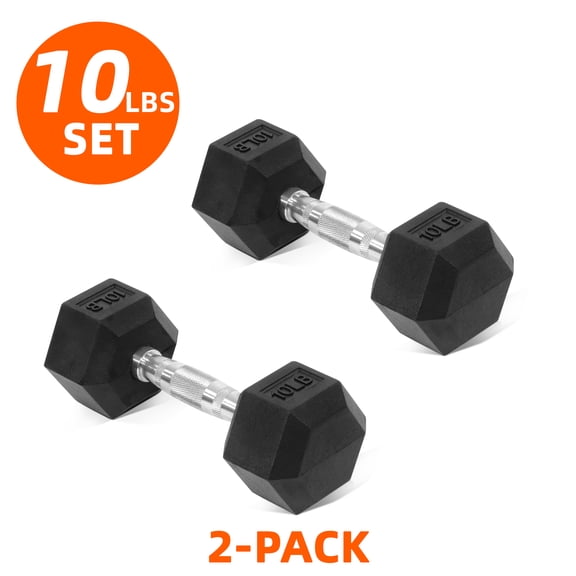
Hexagonal heads can stay in place between sets and circuits. You may prefer them for push-up rows, floor work, and busy spaces where rolling is annoying.
Round heads can feel familiar in traditional strength setups and rack systems. You should check how they rest on your stand and how much open floor space you keep.
Anti-roll designs can help you keep your area tidier during fast transitions. You’ll appreciate that control when you move between supersets or timed intervals.
Grip type matters just as much as shape when you train often. You should compare knurled steel, textured rubber, and contoured handles before deciding.
Knurled steel uses a patterned surface that can improve hand traction during heavier lifts. You can also compare knurling depth, because sharper patterns feel different during longer sessions.
Handle diameter also affects comfort and control with gym sets. You may want a slimmer handle for smaller hands, or a thicker one for a fuller grip.
Textured rubber grips can feel softer in circuits and higher-rep training. Contoured handles can guide hand placement when you want a shaped, familiar hold.
Comparing gym sets by storage and setup
Your storage plan can change which gym sets make sense for your room. You should compare rack systems, adjustable dial designs, and individual pairs by footprint and access.
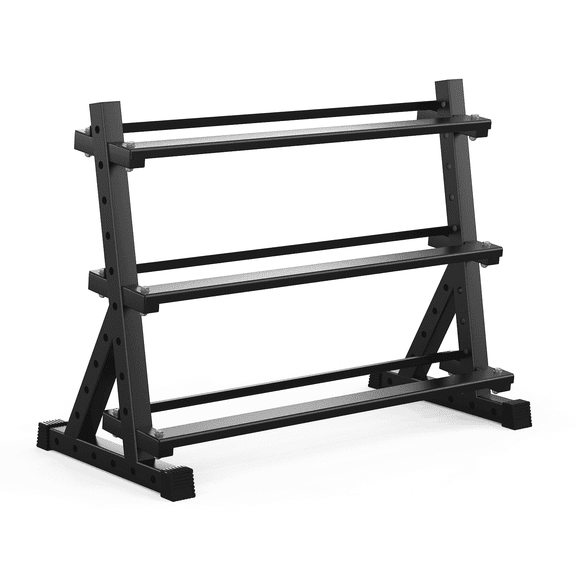
Sets with racks can keep multiple pairs organized and easy to reach. You may like that layout when you want quick visual access to each weight.
Adjustable dial systems can reduce clutter in smaller workout zones. You can switch loads in one station instead of storing many separate dumbbells.
Individual pairs can give you flexibility when you build your collection over time. You should consider them if you only need certain ranges for specific lifts.
If you’re planning a dumbbell set for home gym use, measure your open floor area first. You’ll make a cleaner choice when you compare rack width, depth, and walk-around space.
You can also think about how your set works with benches, mats, and other training gear. Your room may feel more usable when your storage style fits your existing layout.
Using your dumbbell set for home workouts
Your dumbbell set can support strength days, conditioning circuits, and full-body sessions. You can train arms, shoulders, chest, back, and legs with one category of equipment.
If you prefer focused strength work, you may choose heavier pairs or adjustable capacities. You’ll have more room for presses, rows, deadlift variations, and split squats.
If your workouts move fast, you may prefer lighter neoprene or vinyl options. You can transition quickly through raises, curls, and cardio-strength intervals.
An at home dumbell set can also fit shared spaces and mixed experience levels. You can choose broader ranges when more than one person uses the workout area.
For small apartments, you may want adjustable systems with compact cradles. For garages or dedicated rooms, you may prefer multiple pairs with a storage rack.
You should also match your set to your workout schedule and progression style. You’ll stay more consistent when your weights are easy to reach, easy to grip, and easy to change.
Your choice becomes simpler when you compare load range, coating, shape, grip, and storage together. You’ll end up with a setup that fits your space and supports steadier home training.