



Car Tents in Tents



















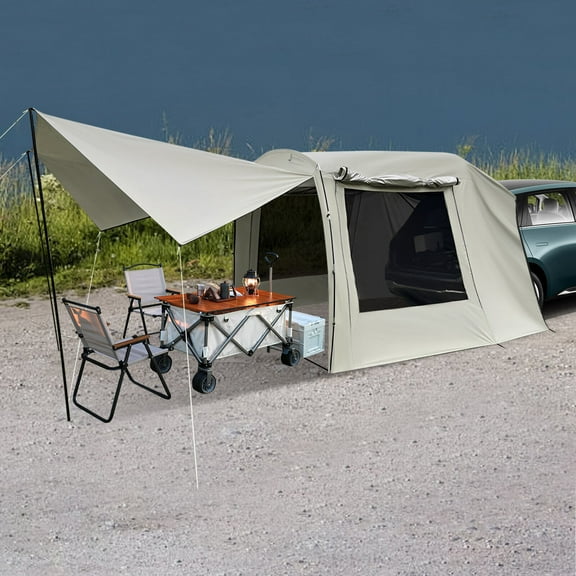
About Car Tents in Tents - Walmart.com
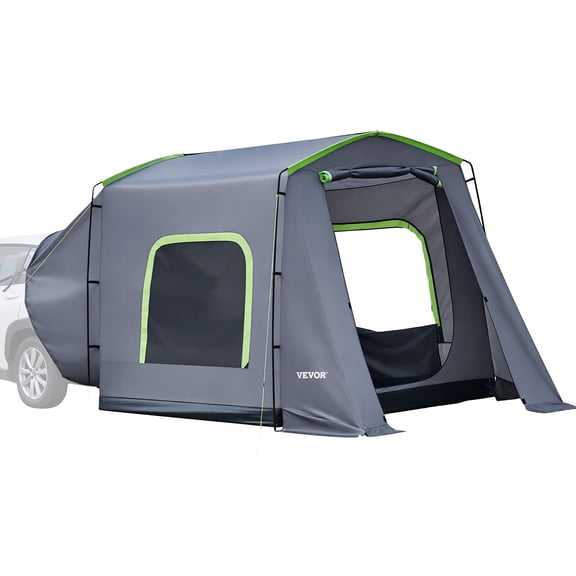
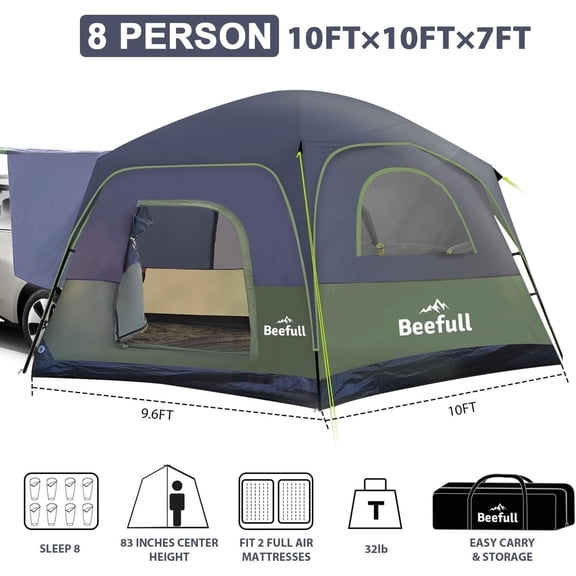
Car tents give you a flexible camping setup that connects your shelter to your vehicle for easier loading, sleeping, and weather coverage. You can compare SUV tents, truck bed tents, rooftop tents, and hatchback tents by fit, setup style, and sleeping space.
How to choose car tents for your vehicle
Your first decision is vehicle compatibility, because your tent needs to match your SUV, truck bed, hatchback, or crossover shape. You should measure your rear opening, roof space, or bed length before you choose.
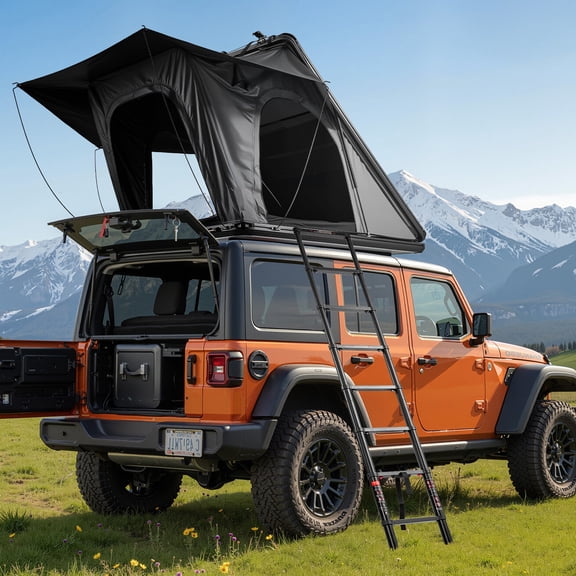
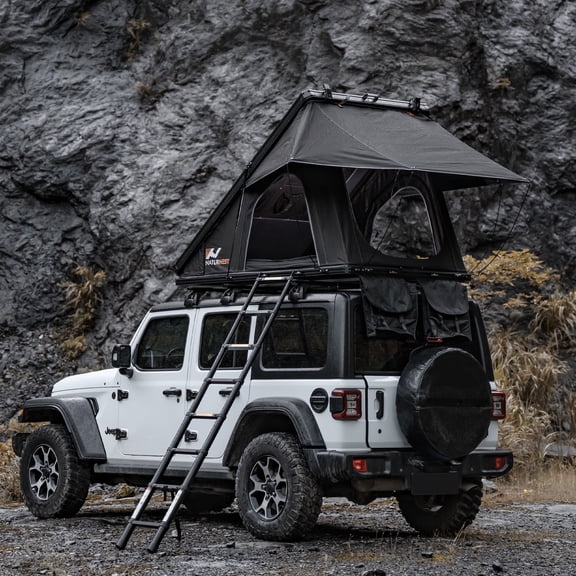
Ground-attached designs connect to your vehicle and extend your camp footprint with a covered room beside your cargo area. You can also choose rooftop tents when your roof rack supports elevated sleeping and fast camp setup.
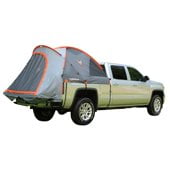
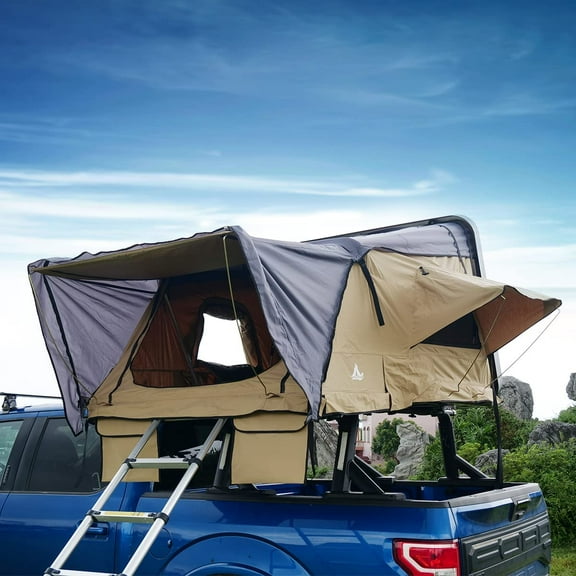
Truck bed tents sit inside your pickup bed, so you sleep off the ground and keep your gear close. Hatchback tents attach at the rear opening, which gives you easy access to cargo storage and changing space.
What to look for in SUV tents and truck bed tents
You should check how each design supports the way you camp, pack, and sleep. Your right choice often depends on entry height, cargo access, and whether you want a tent that stands with or without your vehicle.
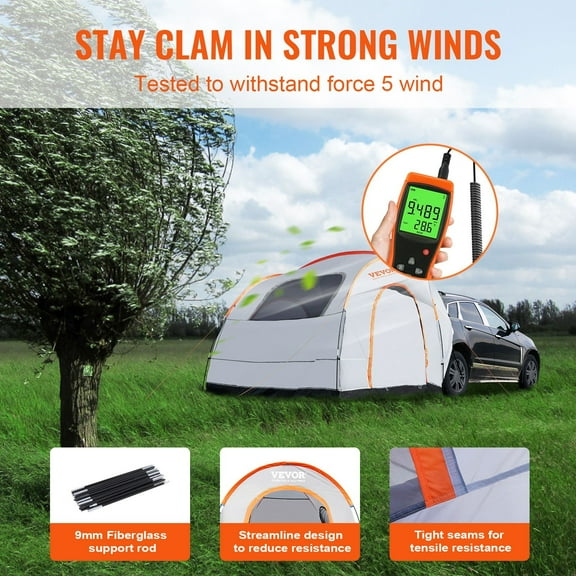
- You can use SUV tents to extend your sleeping area from the rear of your vehicle.
- You can use truck bed tents when your pickup bed length matches the floor dimensions.
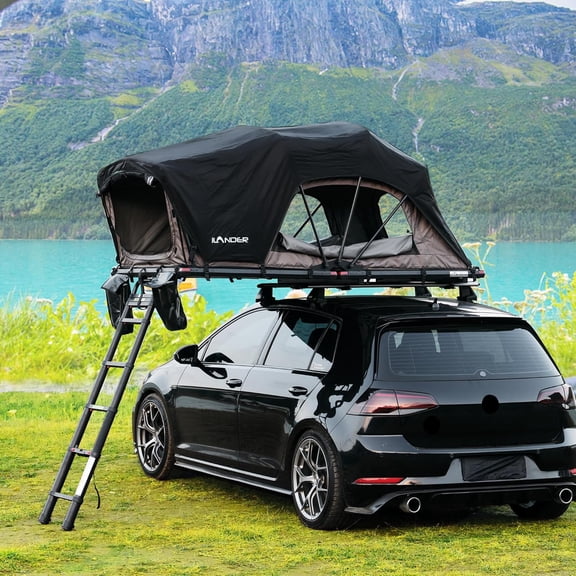
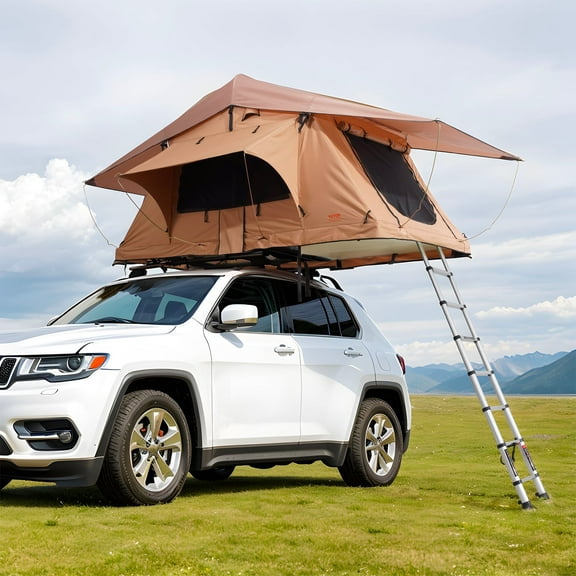
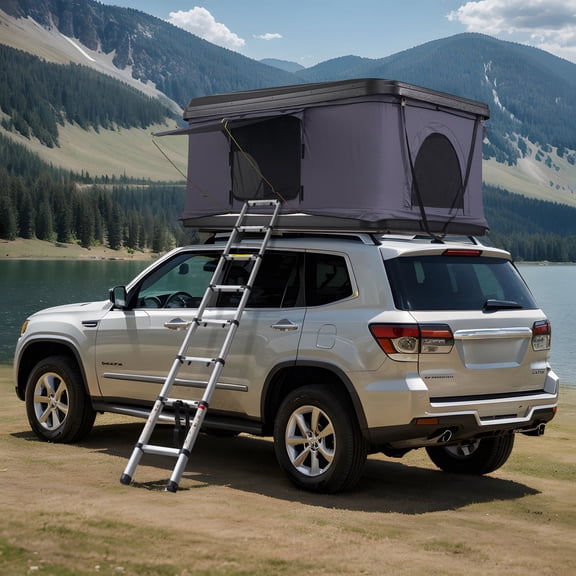
- You can choose rooftop tents when your roof system supports the tent and ladder weight.
- You can pick hatchback tents when you want quick cargo access during overnight stops.
Your setup time also matters when you arrive late or move camps often. You may prefer pop-up styles for fewer steps, while pole assemblies can give your shelter a more structured shape.
You should also consider capacity before you choose between two-person, four-person, or six-person-plus layouts. Your sleeping pads, cots, and duffels all affect how much room feels comfortable overnight.
Key differences between rooftop tents and ground-attached styles
You can narrow your options by deciding where you want to sleep and how you want to park. Your rooftop setup keeps your sleeping platform above the ground, while ground-attached car camping tents create a larger base camp.
Rooftop tents usually work well when you want a compact footprint and a built-in ladder entry. You should confirm crossbar limits, closed tent dimensions, and deployment steps before you commit.
Ground-attached car tents give you direct access to your trunk or rear cargo area during the night. You can often disconnect some styles and keep the shelter standing while you drive away for supplies.
Truck bed tents fit shoppers who want the bed walls to frame their sleeping area and gear placement. You should compare floor length carefully, because short beds and standard beds need different fitment.
How to compare capacity, setup, and weather coverage
You should match capacity to how you actually sleep, not just the listed person count. Your four-person layout may feel more practical for two sleepers when you bring coolers, bags, and extra blankets.
Setup complexity can change your whole camping routine, especially on road trips with frequent stops. You can look for fewer poles, color-coded clips, and sleeve systems that make assembly easier to follow.
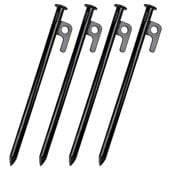
Your weather coverage deserves close attention when you expect changing conditions across spring, summer, and fall. You should compare rainfly coverage, floor materials, and stake-out points before you choose a three-season or four-season design.
Technical details can help you compare options with more confidence when listings include them. You may see a hydrostatic head rating, which helps you judge how the fabric handles steady rain.
You should also check whether the rainfly covers just the roof or extends over doors and windows. Your fuller rainfly coverage can improve comfort during wet nights and breezy campsites.
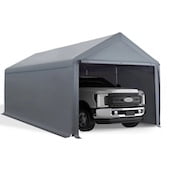
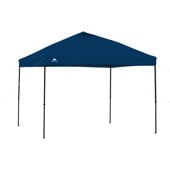
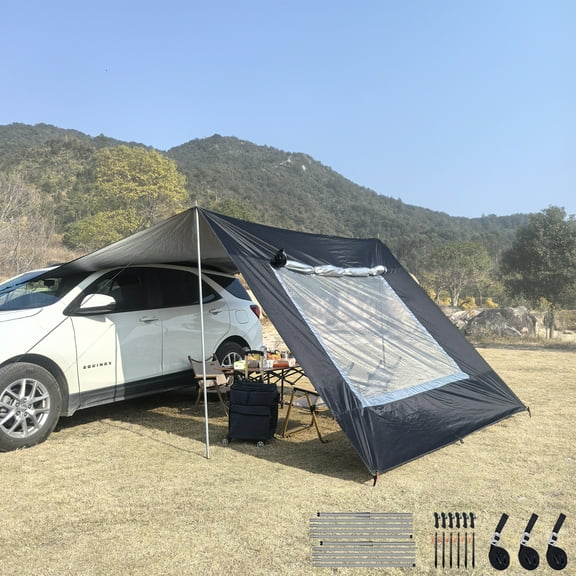
Awning tents and waterproof canopy styles can add shade and covered entry space beside your vehicle. You can use that extra sheltered area for chairs, storage bins, or meal prep gear.
When each car camping tent style makes sense
You might choose SUV tents for family weekends, because you get rear vehicle access and a roomy tent body in one setup. Your crossover can also pair well with this style when cargo access matters.
You may prefer hatchback tents for quick overnights on road trips or festival weekends. Your compact vehicle can feel more useful when the rear opening becomes part of your sleeping and storage plan.
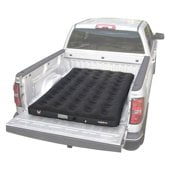
Truck bed tents make sense when you drive a pickup and want a raised sleeping surface without towing extra gear. Your bed can hold pads, bins, and lighting while the tent walls enclose the space.
Rooftop tents fit campers who move often and want a tidy camp footprint at each stop. You should choose this style when your vehicle and rack system support the mounted load.
Tailgate tents can work well for game days, campgrounds, and seasonal outdoor gatherings. Your setup can create shaded space for chairs and gear while staying close to your vehicle.
You should also think about whether your shelter can stand alone after setup. Your standalone option gives you more flexibility when you want to leave camp set up and drive elsewhere.
With car tents, you can build a camping setup around your vehicle type, sleeping needs, and travel style. You’ll get a more useful shelter when you measure fitment, compare setup steps, and match weather coverage to your trips.