



Dishwasher Detergent in Dishwashing

















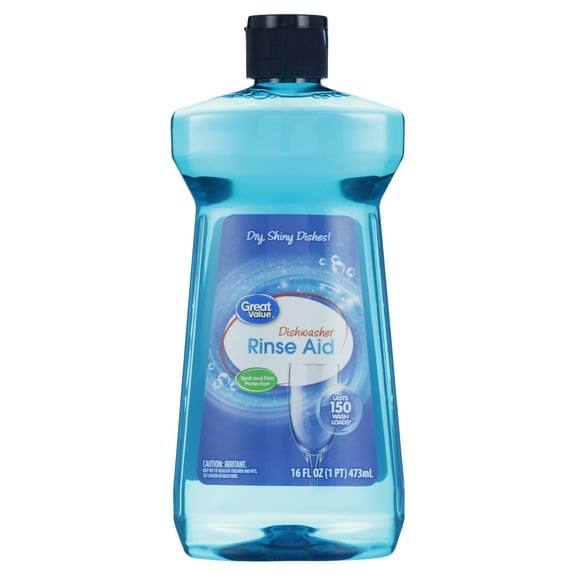
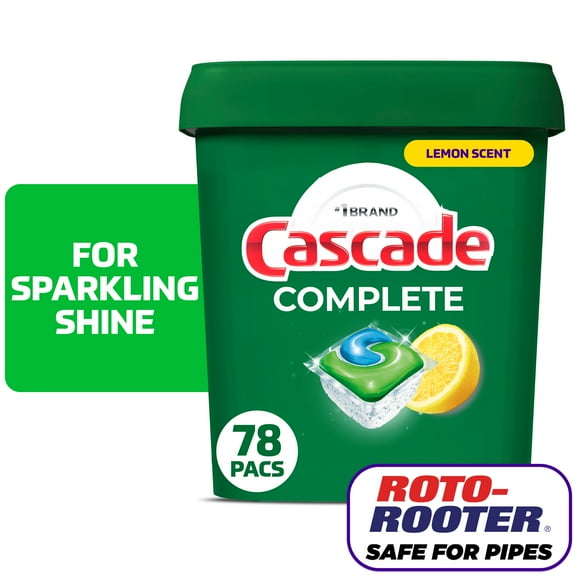
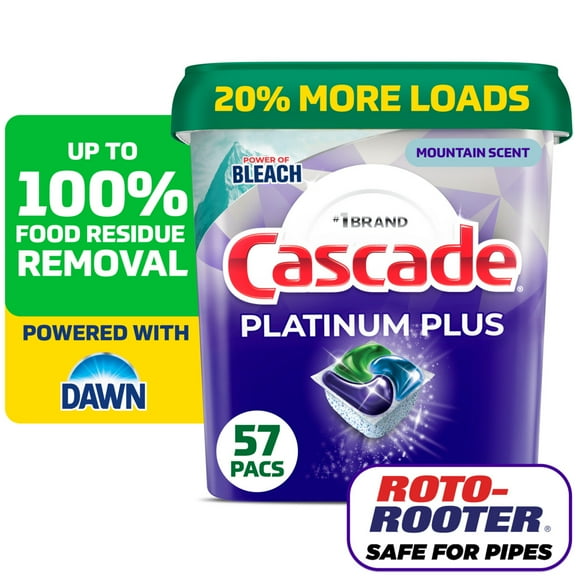

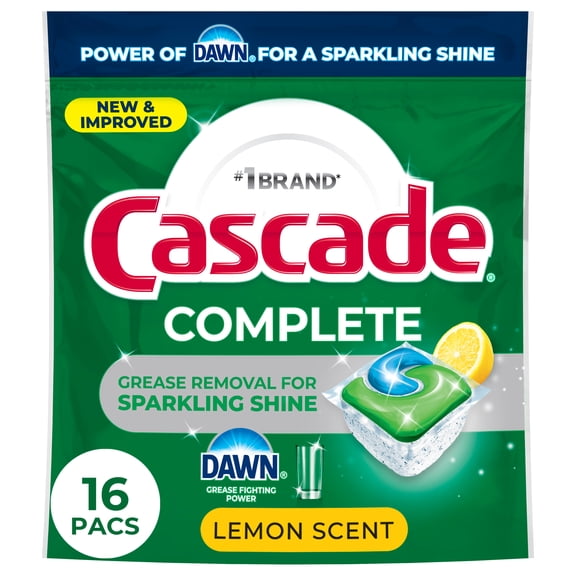

About Dishwasher Detergent in Dishwashing - Walmart.com
You need sewing machine accessories that match your machine and your projects. You can compare compatibility, attachment types, and materials to keep stitching smooth and organized.
If you're replacing worn pieces or expanding your setup, you'll want clear guidance. You can use this page to compare sewing machine parts, sewing machine attachments, and everyday essentials.
How to choose sewing machine accessories
You can start by checking machine compatibility before you compare anything else. You should compare brand-specific options with universal sewing machine parts for a closer fit.
When you check shank height, you'll narrow your options faster. You can usually choose low-shank or high-shank attachments based on your machine's presser foot system.
Your accessory type also shapes how your machine handles each task. You may need presser feet, sewing machine bobbins, needles, cases, or thread stands for different routines.
- You can use presser feet for zippers, hems, quilting lines, and specialty stitching.
- You can keep extra sewing machine bobbins ready for color changes and longer projects.
- You can choose needles by fabric type, stitch style, and project detail.
- You can use cases and thread stands to keep tools sorted and easy to reach.
Choosing sewing machine parts by compatibility
You should start with the model details printed on your machine or manual. You can compare those details with product notes to avoid mismatched sewing machine parts.
If you want broader options, you may look at universal sewing machine parts. You should still confirm shank style, bobbin type, and attachment connection before choosing.
Brand-specific parts can help when your machine uses a unique setup. You may notice they matter especially for bobbin cases, needle plates, and specialized feet.
Low-shank attachments fit many home machines, so you may see them often. High-shank options usually suit taller presser bar setups that need extra clearance.
You can also compare how each part installs and removes during regular sewing. You'll appreciate simpler changes when you're switching from mending to quilting or embroidery.
What to look for in sewing machine attachments
You should match sewing machine attachments to the projects you actually sew. You can keep basic tools for repairs, then add specialty pieces as your skills grow.
For beginner sewing, you may want general-purpose feet, standard bobbins, and versatile needles. You can handle hems, simple seams, and quick fabric fixes with fewer changes.
If you quilt, you may look for walking feet, quarter-inch feet, and guides. You can keep layers feeding evenly and maintain cleaner seam spacing across patchwork.
When you embroider, you may need attachments that support controlled stitching and fabric movement. You can compare open-toe feet and hoop-friendly accessories for detailed patterns.
Professional or frequent sewing may call for backup parts and sturdier materials. You can keep extra bobbins, replacement feet, and spare needles ready for steady workflow.
Comparing materials and durability
You can use material as a quick guide when you're comparing replacement parts. You'll often see metal, plastic, and steel options across common sewing machine accessories.
Metal parts can feel more stable during repeated use on busy projects. You may prefer them for presser feet, shanks, or components that get frequent handling.
Plastic parts can be practical for lightweight storage pieces and select machine components. You should check compatibility carefully, because shape matters as much as material.
Steel needles and wear-focused parts can support repeated stitching sessions. You'll want to replace them regularly so your machine setup stays consistent from project to project.
You can also compare finish and construction when durability matters to you. You'll notice smoother edges and secure fit points help accessories install with less fuss.
Using sewing machine accessories for real projects
You can build a more useful setup by matching accessories to your routine. Your mending basket may need bobbins, universal feet, and standard needles for quick clothing repairs.
For home decor sewing, you may use stronger needles and specialty feet. You can handle thicker fabrics, long seams, and neat topstitching with the right setup.
If your focus is quilting, you should compare low-shank and high-shank compatibility first. You can then choose guides, walking feet, and extra bobbins for color planning.
Embroidery projects often need controlled visibility around the needle area. You may prefer attachment styles that help you follow curves, fills, and decorative stitching paths.
You can keep travel or class supplies easier to manage with cases and compact organizers. Your accessories stay sorted, and your machine setup feels easier to maintain between sessions.
When you sew often, you may keep duplicate accessories within reach. You can switch threads, replace worn parts, and continue working with fewer interruptions.
Common questions about sewing machine accessories
You may wonder if one accessory fits every machine. You should expect some universal options, but your machine's shank style and model details still guide the choice.
You may also ask which items matter for a starter kit. You can begin with presser feet, sewing machine bobbins, needles, and a case for everyday organization.
If you're upgrading for specific projects, you should choose by task before material alone. You can often get a smoother sewing experience when fit and function align first.
You can feel more confident when your accessories match your machine and your sewing goals. Your setup works well for mending, quilting, embroidery, and everyday stitching.