

Shop Toaster Ovens in Toaster Ovens





















About Shop Toaster Ovens in Toaster Ovens - Walmart.com
Toaster ovens help you handle fast meals, crisp snacks, and small-batch baking without heating your full-size oven. You can compare sizes, heating styles, and controls to match your kitchen routine and counter space.
If you're replacing a basic toaster or adding a second cooking zone, toaster ovens give you more flexibility. You can toast bread, warm leftovers, bake sides, and finish quick dinners in one compact appliance.
How to choose toaster ovens for your kitchen
When you compare models, start with the space you have and the food you make most. You should measure your counter first, then check interior capacity for slices, pans, or pizza.
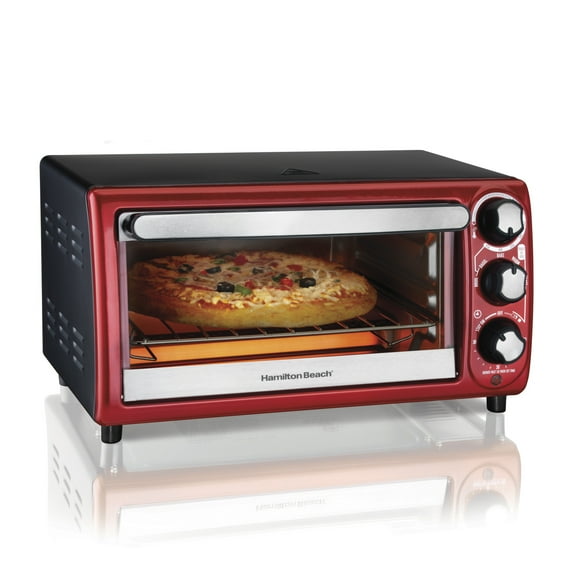
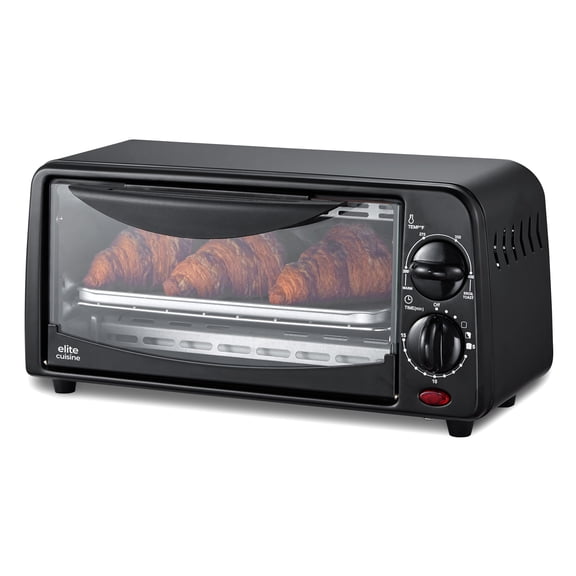
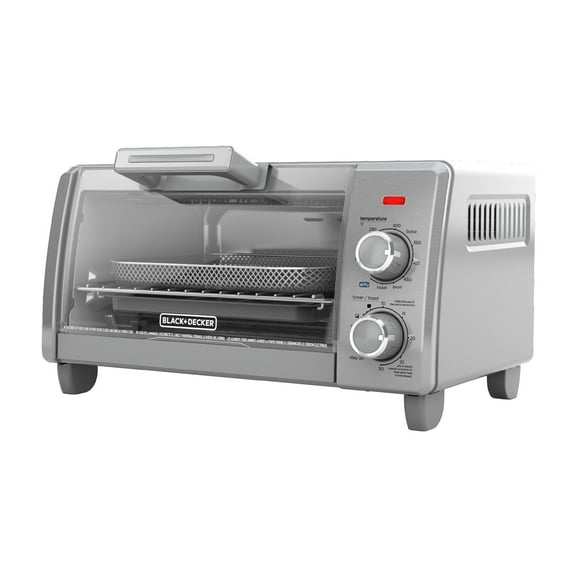
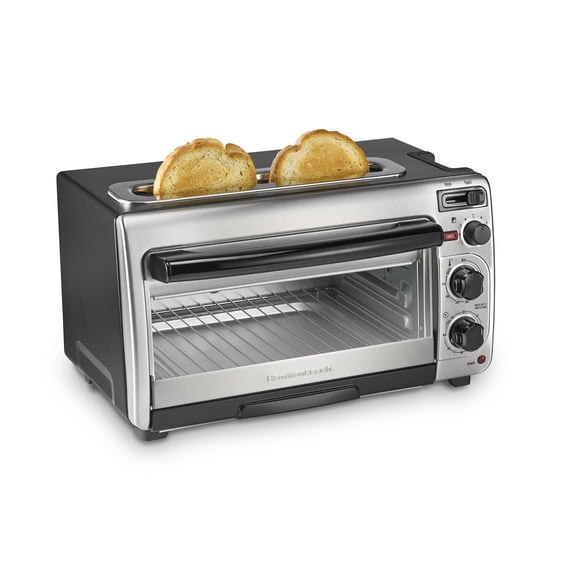
Small toaster ovens fit tighter kitchens and lighter daily use. You may prefer a 4 slice toaster oven when you toast breakfast items and reheat simple lunches.
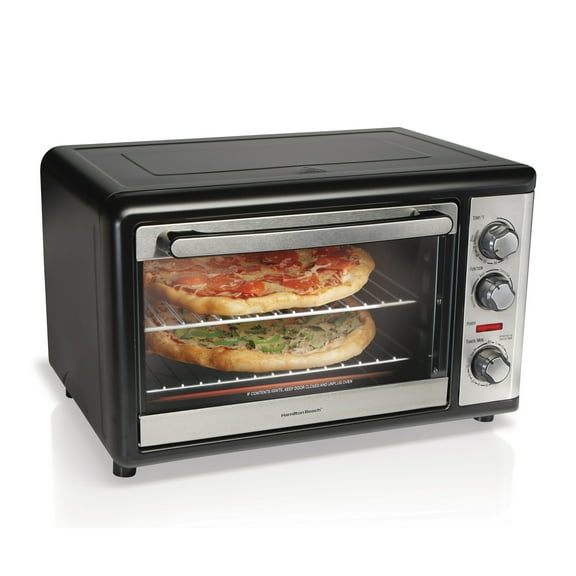
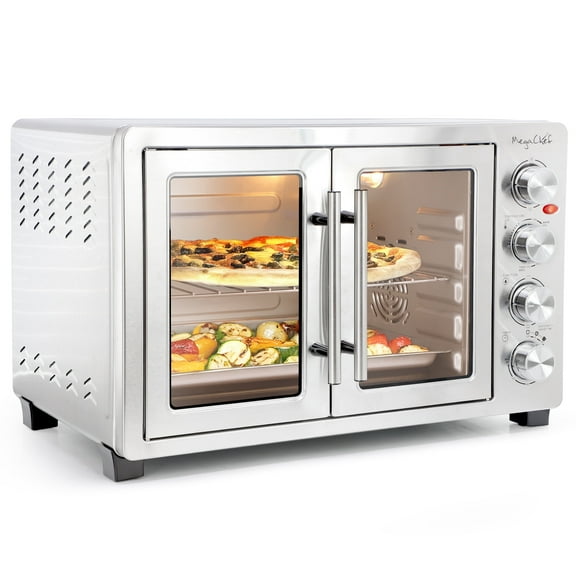
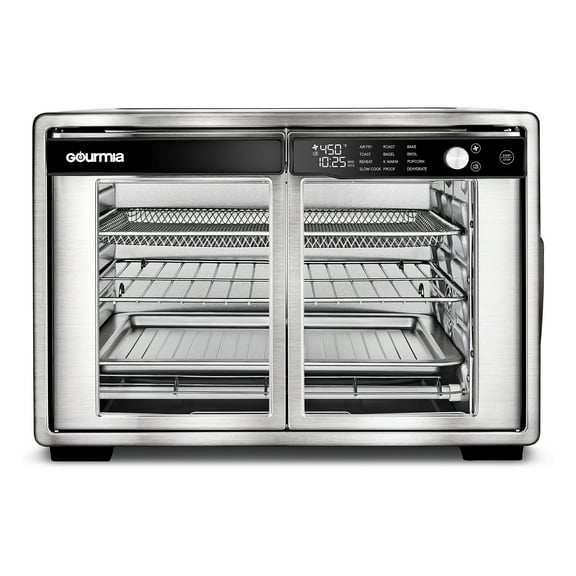
Larger options give you room for family portions and wider pans. You might choose large toaster ovens when you want space for casseroles, sheet-pan snacks, or a larger pizza.
- You can match capacity to your routine with 4-slice, 6-slice, 9-slice, and extra large options.
- You can keep counters clearer by comparing countertop toaster ovens and under-cabinet placement styles.
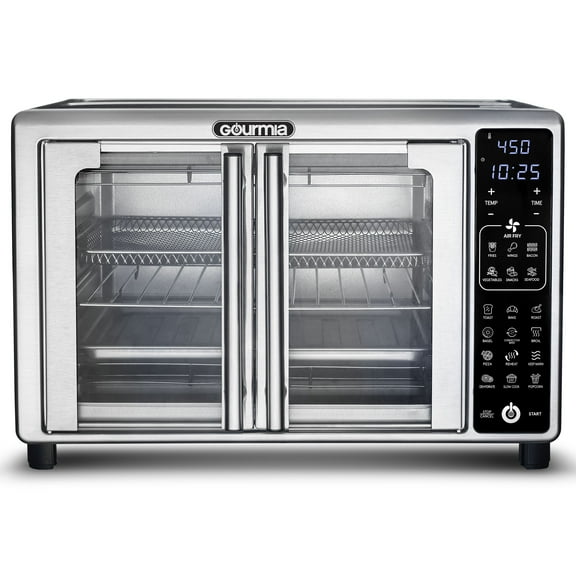
- You can choose manual dials for simplicity or digital touchscreen controls for more exact settings.
- You can narrow heating options by focusing on conventional, convection, infrared, or air fry cooking.
Choosing between convection toaster ovens and other heating styles
You should think about how you cook before you choose a heating style. You may only need basic toast and bake functions, or you may want faster, crisping performance.
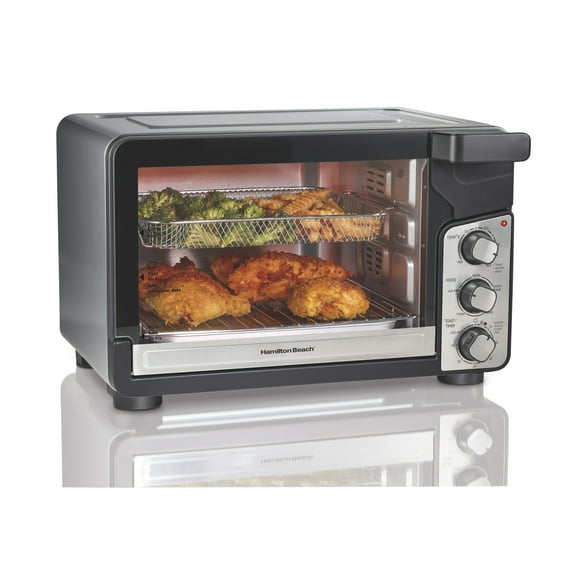
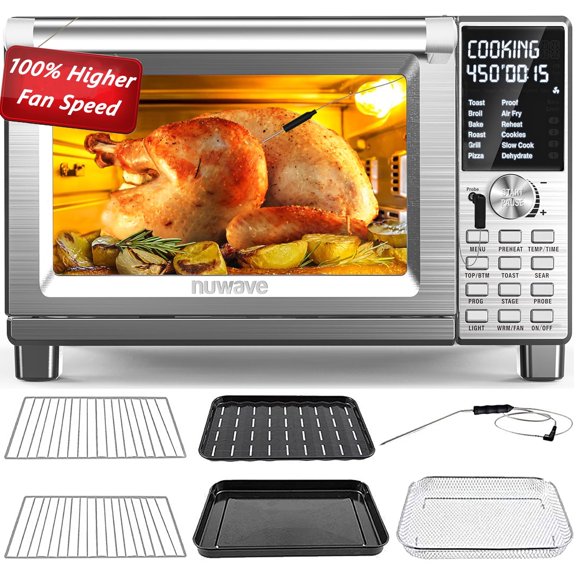
Convection toaster ovens circulate hot air around your food for more even browning. You may like that style when you roast vegetables, bake cookies, or crisp frozen foods.
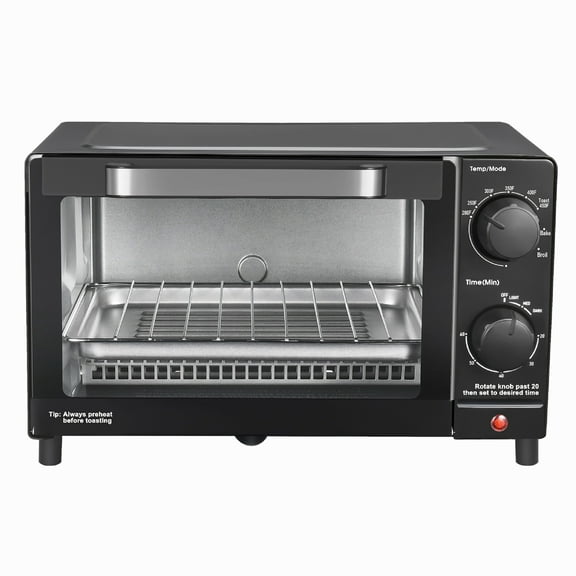
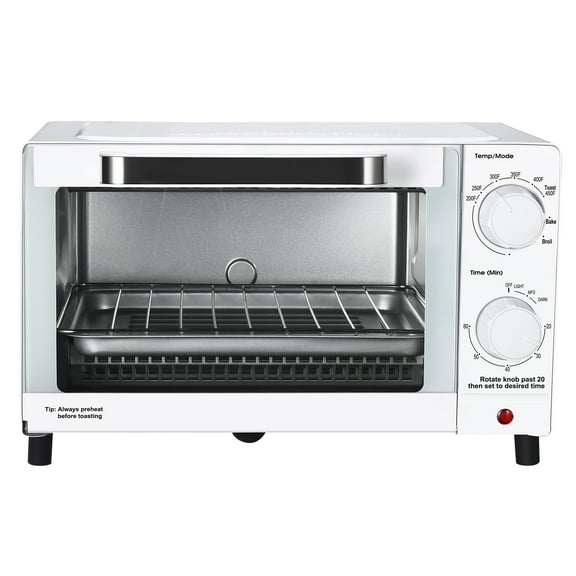
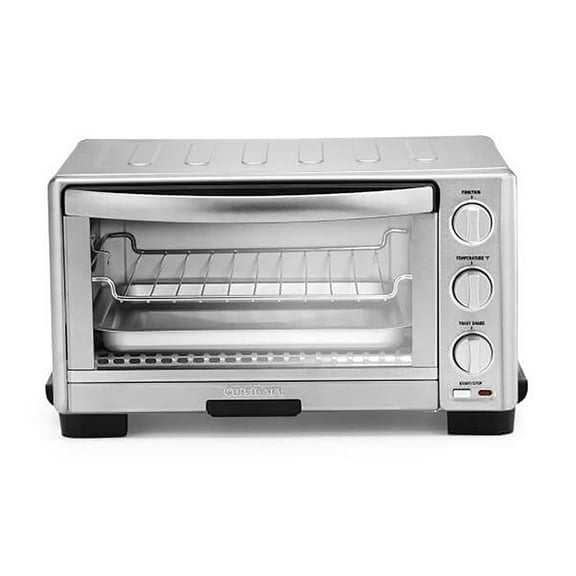
Conventional heating works well when you want familiar toast, bake, and broil settings. You can keep your routine simple if you mostly handle bagels, open-face melts, and reheated leftovers.
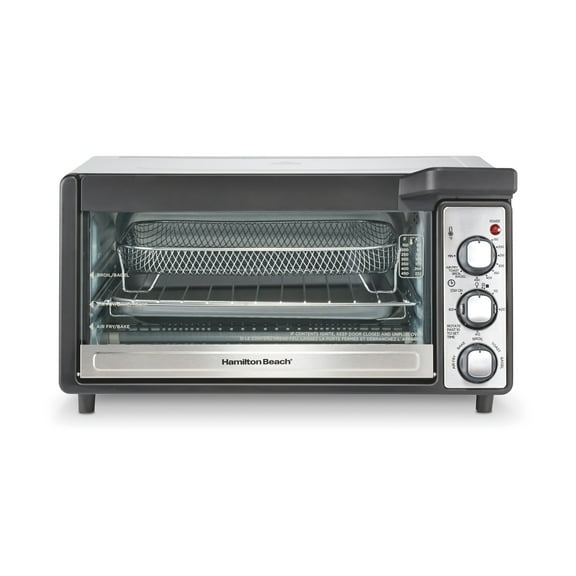
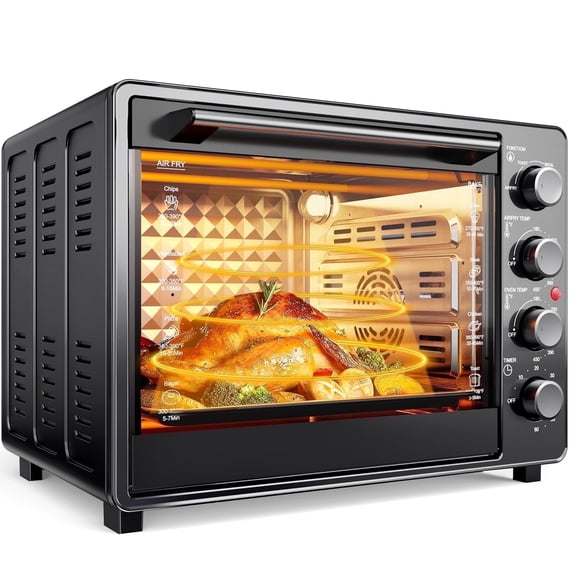
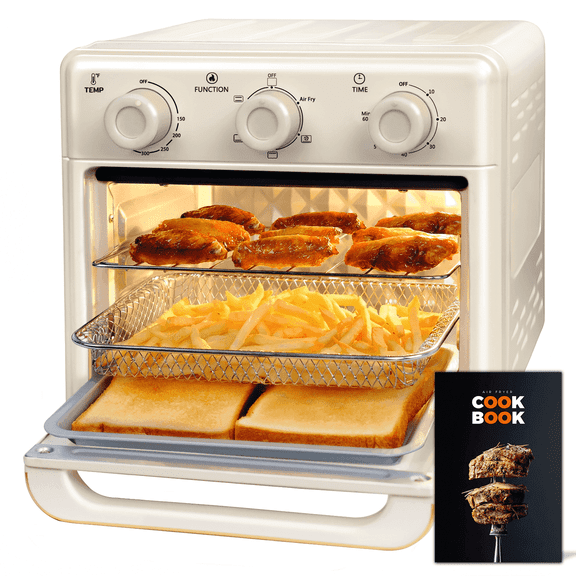
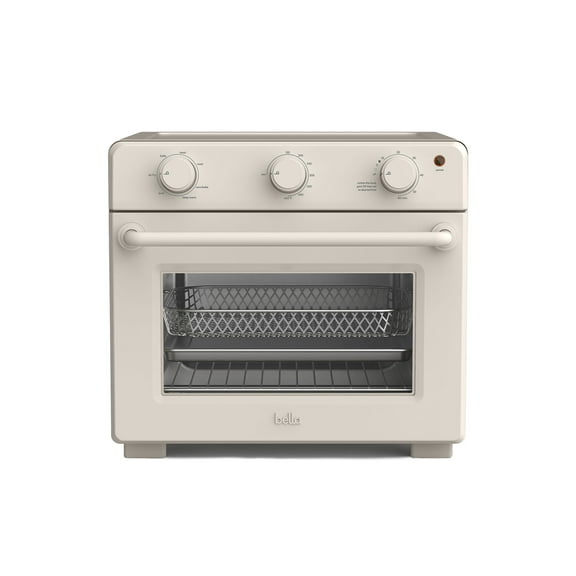
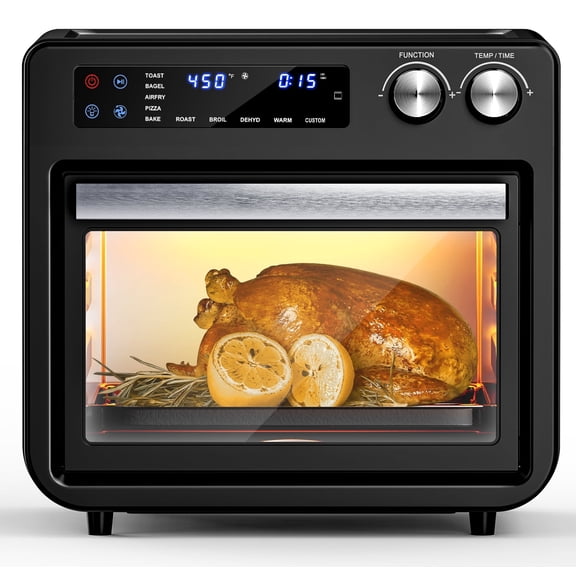
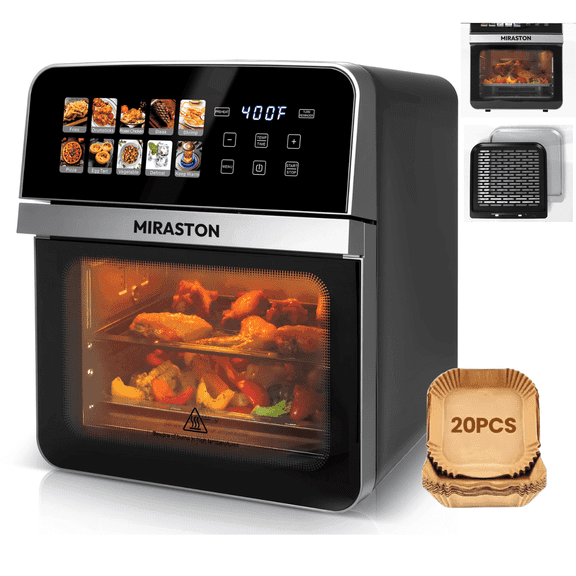
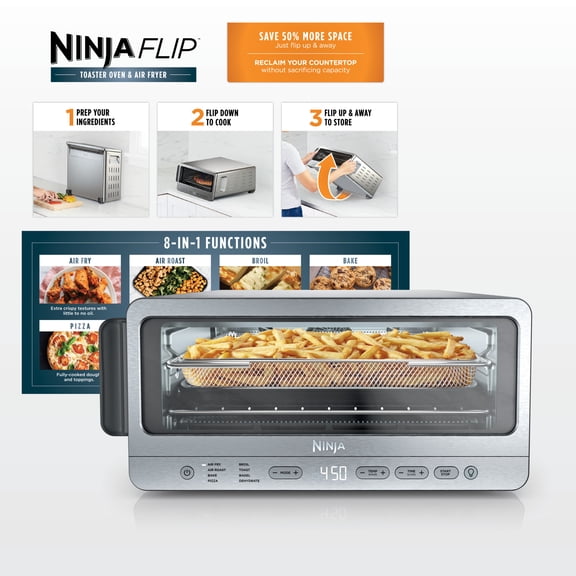
Air fryer toaster ovens combine multiple cooking modes in one countertop appliance. You can switch from toast to air fry to bake when you want fewer appliances taking up room.
Infrared styles focus on quick heat and responsive cooking performance. You may consider that option when you want fast preheat times and strong top-surface browning.
What to look for in countertop toaster ovens
Placement matters because you need enough clearance, easy access, and a comfortable work area. You should check exterior dimensions and door swing before you choose countertop toaster ovens.
Countertop designs suit most kitchens because you can place them near prep space and outlets. You may find them easier to use when you cook often and want quick access.
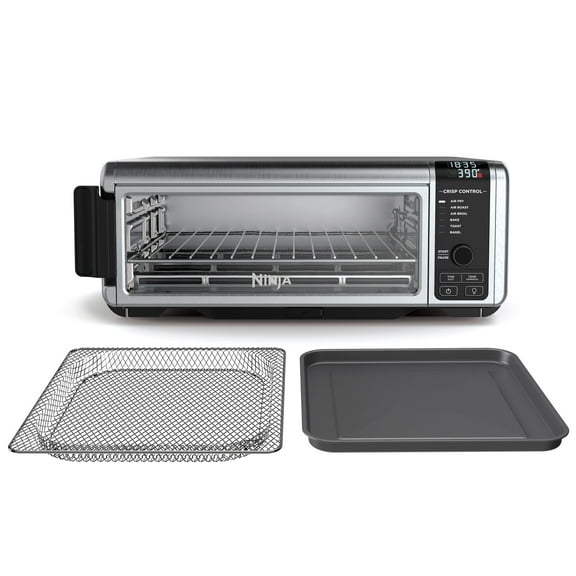
Under-cabinet styles can help free visible counter area in compact kitchens. You should still compare height, reach, and door movement so your setup feels practical every day.
Cleaning details also matter when you use your oven often. You should look for removable crumb trays and non-stick interiors if you want easier wipe-downs after toast and baked foods.
Rack position can change how easily you handle toast, broiling, and pan meals. You may want multiple rack levels when you cook different foods and need more placement control.
Comparing digital toaster ovens and manual controls
You should pick a control style that fits how you like to cook each day. You may want quick turn-dial settings, or you may prefer more precise time and temperature inputs.
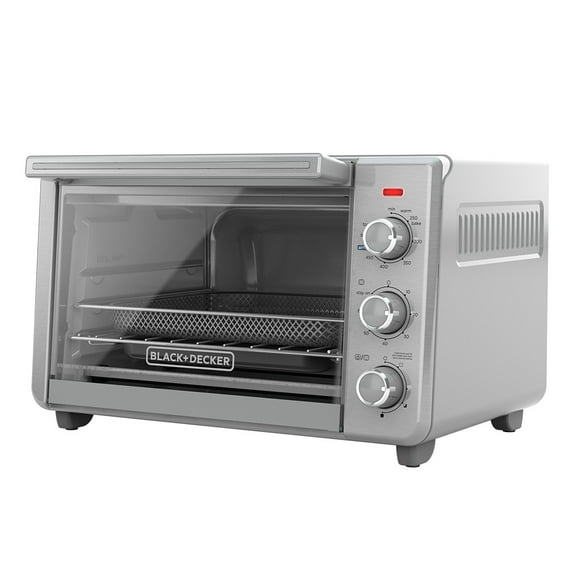
Manual dials keep things straightforward for everyday toasting and reheating. You can turn a knob, choose a function, and start cooking without scrolling through extra settings.
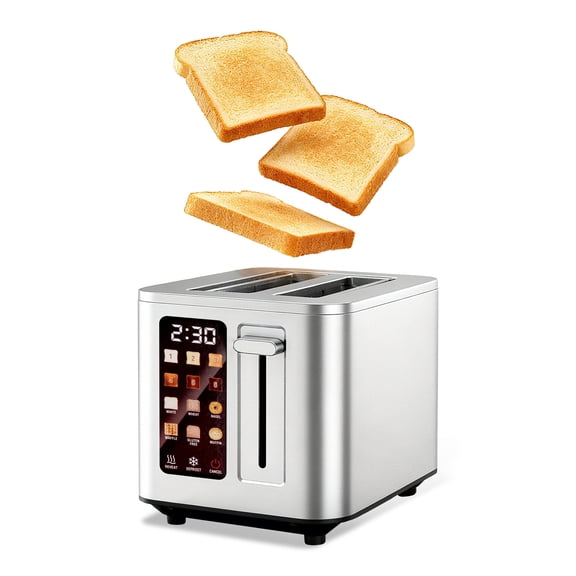
Digital toaster ovens give you clearer readouts and more exact adjustments. You may like digital controls when you bake more often or want preset cooking modes for repeatable results.
Some shoppers also compare timer range, alert tones, and display visibility. You should check whether the interface feels easy to read from your usual standing position.
Matching capacity and features to real meals
You can narrow your choice faster when you picture what you'll actually cook each week. You may need a compact oven for toast and snacks, or a larger cavity for dinner sides.
A small toaster oven makes sense when you live in a dorm, apartment, or shared kitchen. You can toast bread, heat pastries, and warm leftovers without giving up much counter room.
A 6-slice or 9-slice model fits households that prep several servings at once. You can bake garlic bread, roast vegetables, or cook a personal pizza with less juggling.
Extra large interiors work well when you use bakeware or feed more people at one time. You may appreciate that added room during holidays, parties, or busy weeknight meals.
If you want one appliance for varied cooking, compare toast, bake, broil, convection, and air fry functions. You can cover breakfast, lunch, snacks, and side dishes with fewer countertop appliances.
When you focus on heating style, capacity, controls, and placement, you can choose a model that fits your kitchen and routine. You’ll get a practical cooking setup that handles everyday meals with less oven wait time.