


Weight Plates & Racks






























About Weight Plates & Racks - Walmart.com
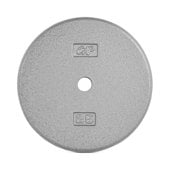
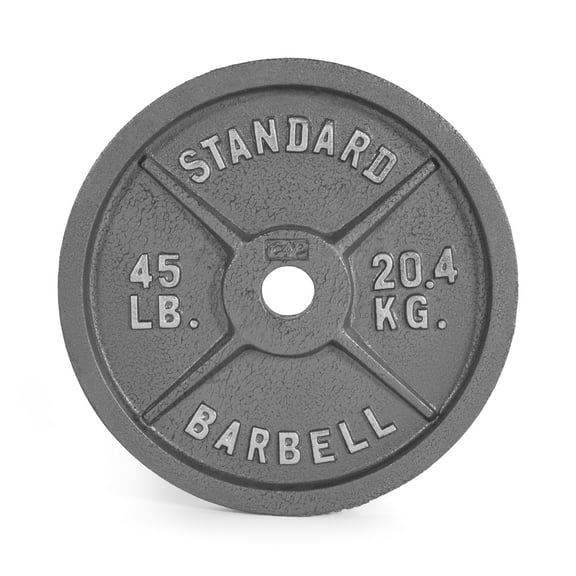
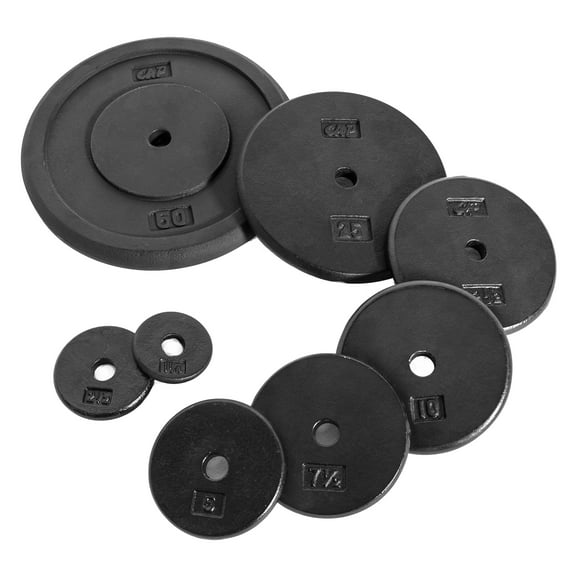
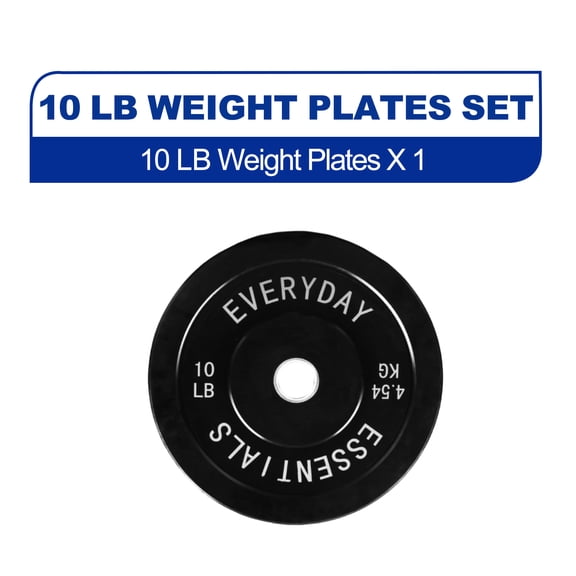
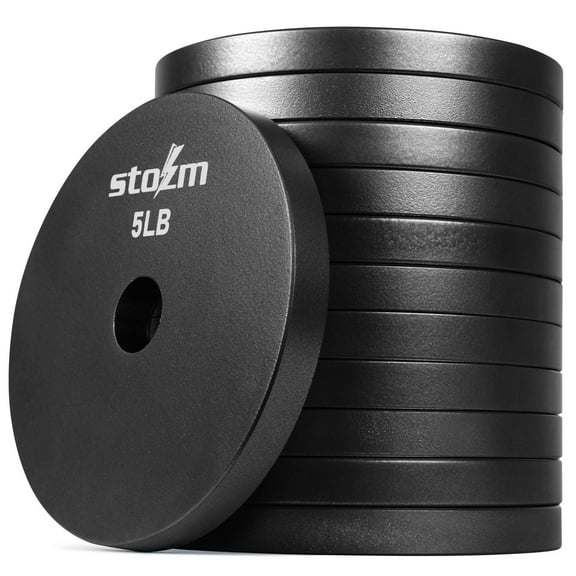
Weight plates help you build a home gym with flexible resistance for presses, squats, deadlifts, and machine work. This category covers Olympic weight plates, bumper plates, grip plates, and standard options for steady progression. You can choose single increments for precise loading or complete sets for faster setup. Cast iron designs deliver a classic feel, while rubber-coated styles help protect floors and reduce clang during training.
Types of weight plates for your gym
Different plate styles change how your setup feels, stores, and loads on bars or machines. Matching plate design to your training style makes each session smoother and more consistent.
- Olympic weight plates fit two-inch bar sleeves and support common barbell training routines.
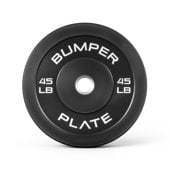
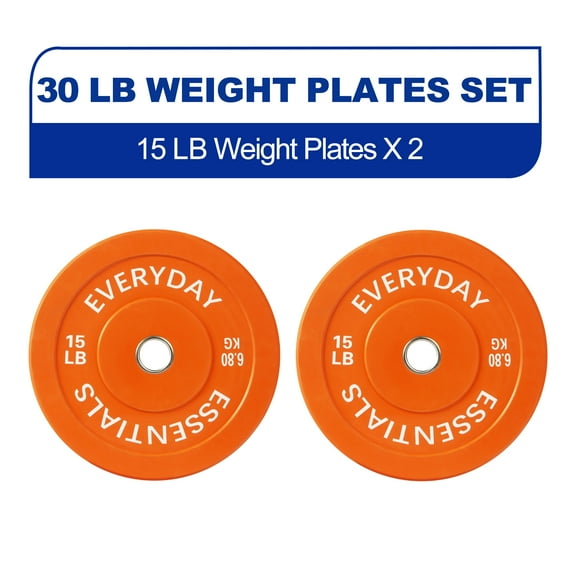
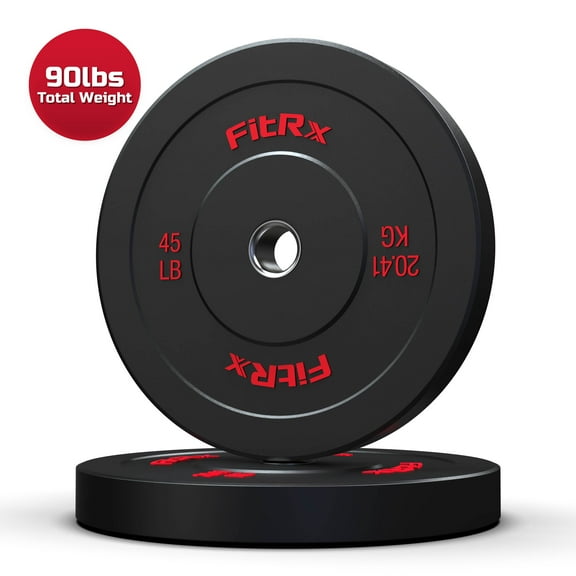
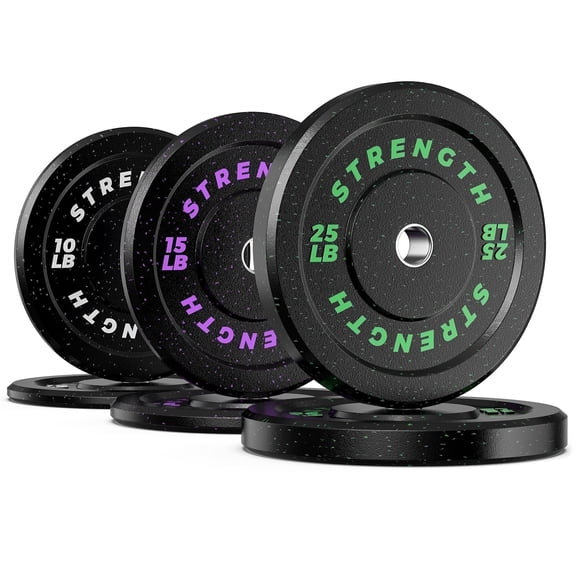
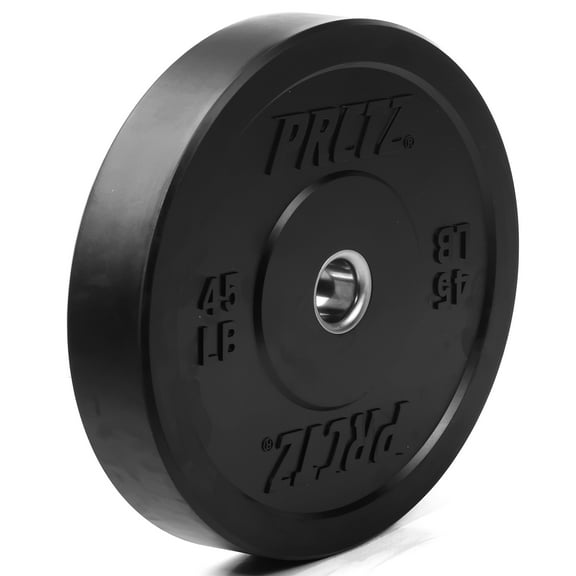
- Bumper plates use a wider profile and suit lifts that start from the floor.
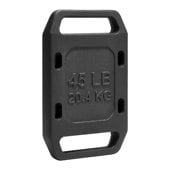
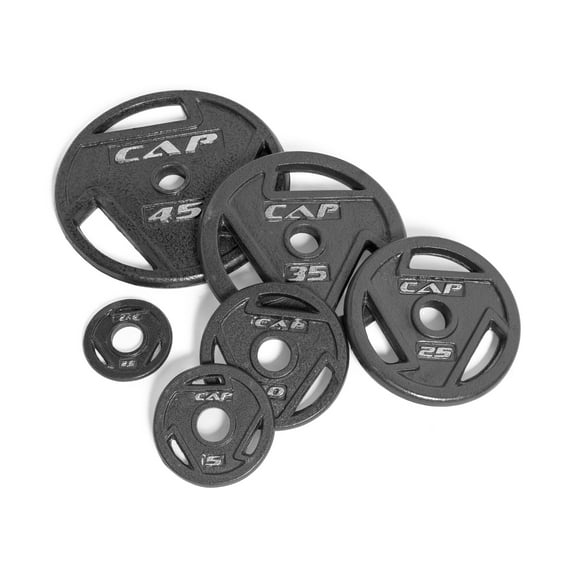
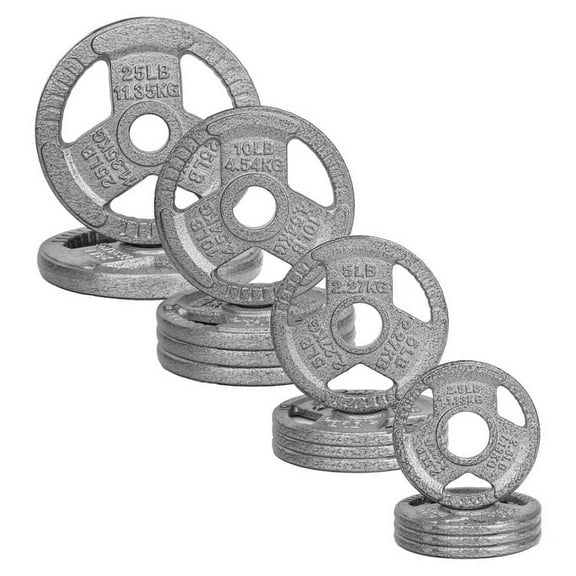
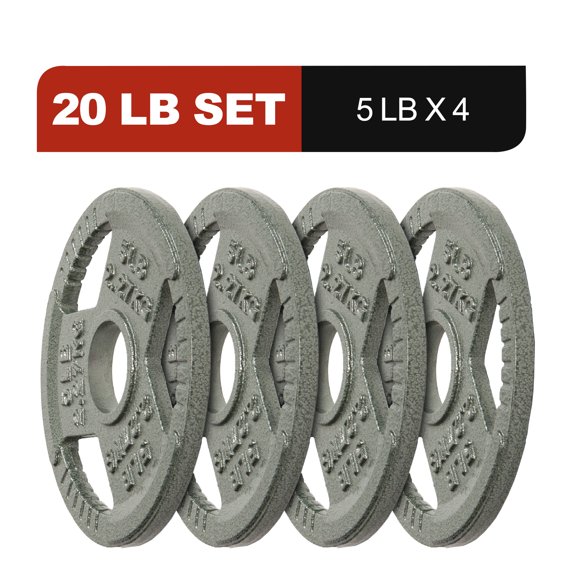
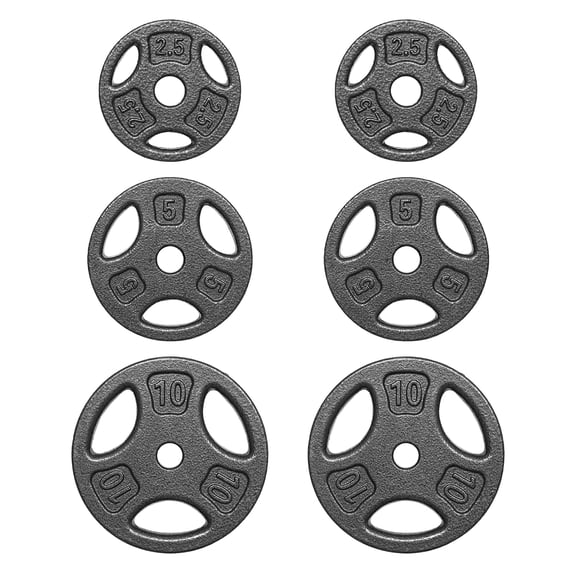
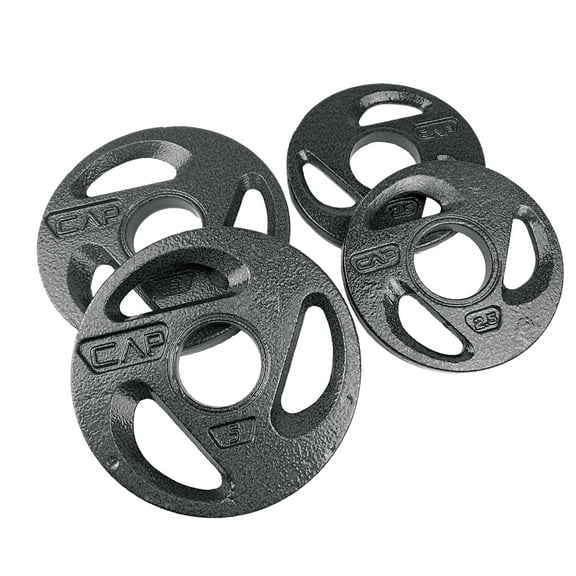
- Grip plates include built-in handles that make carrying, loading, and floor moves easier.
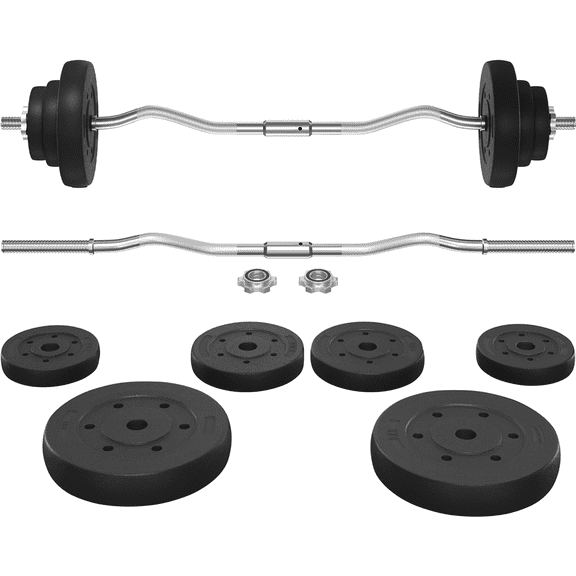
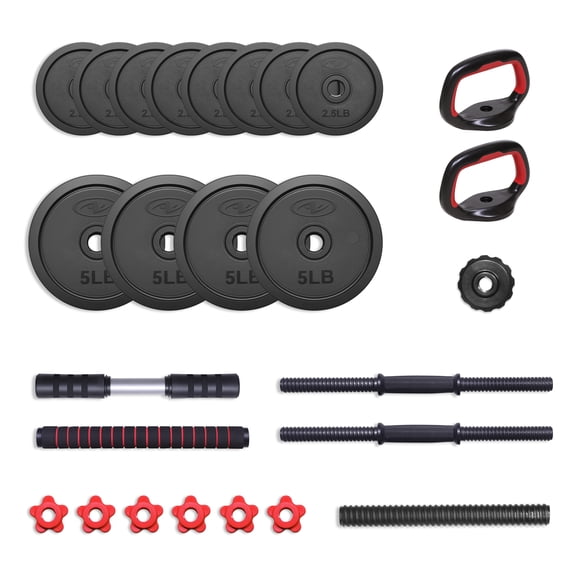
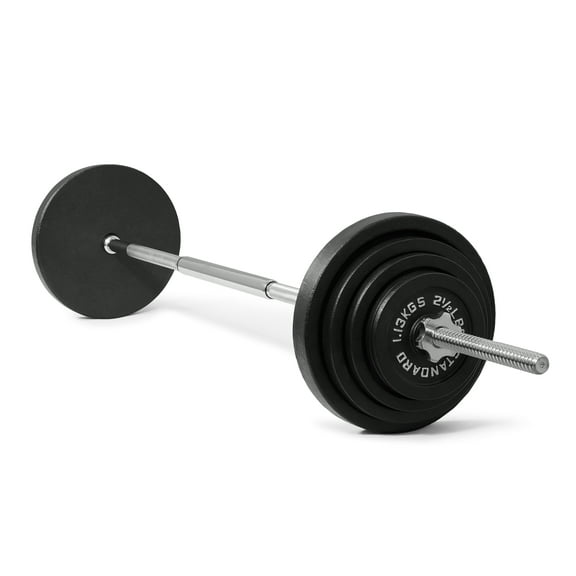
- Standard plates fit one-inch bars and work well with compact home gym setups.
- Weight machine plates are shaped for selectorized or plate-loaded equipment and targeted strength work.
With the right weight plates, you can add small jumps for accessory lifts or larger jumps for compound movements. That flexibility supports structured progress across upper-body and lower-body days. Rubber-coated options also help keep your training area cleaner and quieter. Machined edges or grip openings can make plate changes feel quicker between sets.
Experienced lifters often look at plate diameter, thickness, and hole size before choosing. Those details affect bar fit, storage space, and how many plates stack on a sleeve.
Weight plates set and individual options
A weight plates set gives you several sizes at once, which helps you start lifting without piecing together pairs. Individual plates work well when you want to fill gaps in an existing setup.
Common pairings include two-and-a-half, five, 10, 25, 35, and 45-pound sizes. Those increments support warmups, accessory training, and full working sets on barbells. If youu're building a garage gym, sleeve length matters along with total weight. Thinner iron plates let you load more on the bar than wider bumpers.
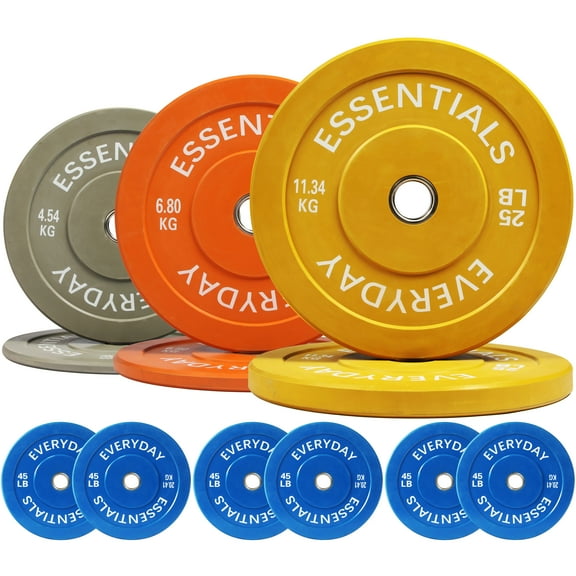
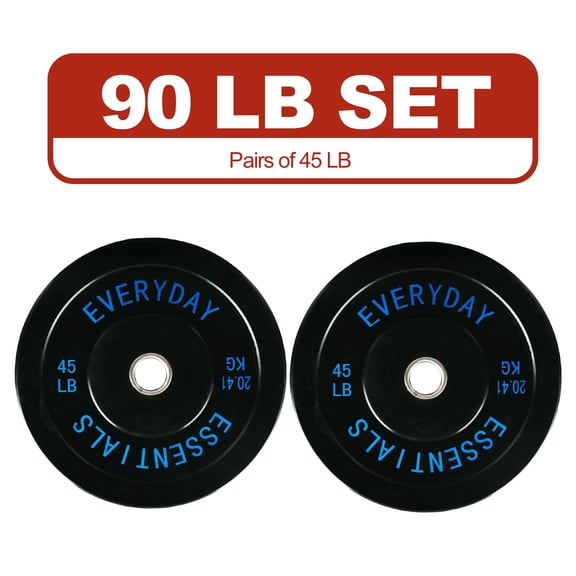
Material choice also shapes the training experience. Cast iron plates have a compact profile and traditional feel on racks and trees. Rubber-coated styles add a quieter touch and can help reduce marks on storage stands or flooring. Bumper plates share a full diameter across weights, which keeps pull height consistent. That feature matters for deadlifts, cleans, and floor-based barbell work.
Some shoppers also compare weighted plates with weights plates searches in mind. In practice, the key difference is usually format, coating, and fit, not the wording used. Looking at center hole size, plate thickness, and handle design gives clearer guidance. Those details tell you how a plate will load, carry, and store.
Olympic vs. standard weight plates
Olympic plates fit two-inch sleeves, while standard plates fit one-inch bars. That measurement is the first filter because mismatched plates wonu't load correctly.
Olympic setups suit many power racks, barbells, and plate-loaded machines used in dedicated training spaces. Standard setups fit lighter bars and compact benches often chosen for smaller rooms. Plate diameter can also differ by style. Many bumper plates keep a uniform diameter, while iron plates often change diameter as weight changes.
If you use plate-loaded machines, check the sleeve diameter and the available loading length. Weight machine plates may need a specific opening or a slimmer profile for smooth movement. Grip cutouts can matter too. Theyu're useful when youu're moving plates between a leg press, chest press, and storage tree during one workout.
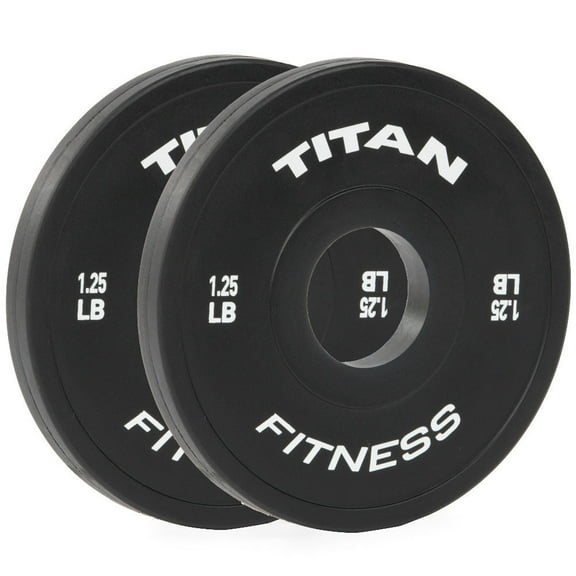
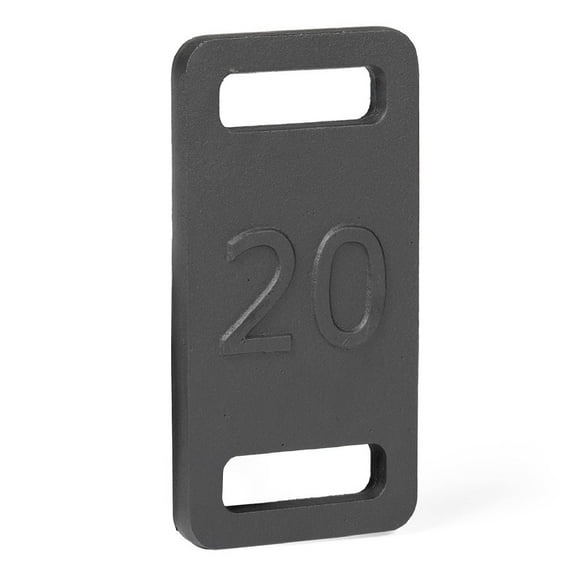
Shoppers often ask how much is a plate in weightlifting terms. A plate can mean any single weight, but common barbell plates include 25, 35, and 45 pounds. Fractional and change plates support smaller jumps for presses, curls, and rehab-style accessories. Sets that mix these increments make load changes easier across shared household gyms.
How to choose weight plates for training goals
Strength-focused training often benefits from compact iron plates that load densely on the bar. Functional and floor-based lifting often pairs well with bumper plates and full-diameter designs.
For home gyms, storage and floor type deserve attention. Rubber-coated and bumper styles can feel friendlier in multipurpose rooms with mats or racks nearby. Grip plates are practical when youu're carrying pairs across the room or using them off the bar. They also work for plate pinches, Russian twists, and weighted sit-ups between barbell sets.
If several people use the same setup, varied increments help everyone progress at a comfortable pace. A broad mix supports beginner presses, intermediate rows, and heavier lower-body work on one rack. Matching plates across pairs can also improve the look and balance of your training area. Consistent sizing makes loading feel faster during circuits, supersets, and alternating lifts.
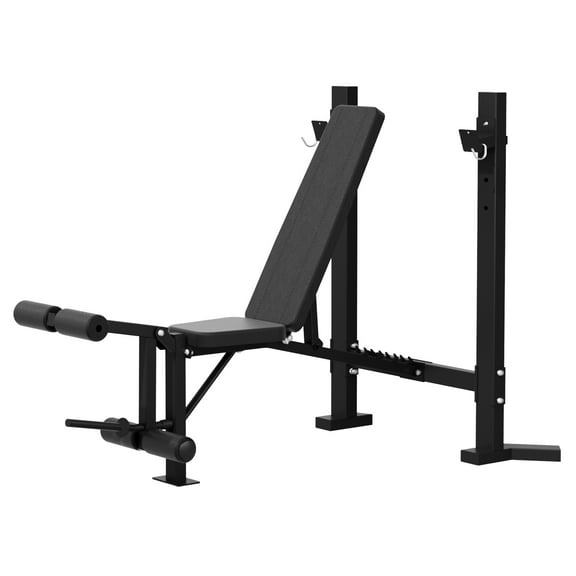
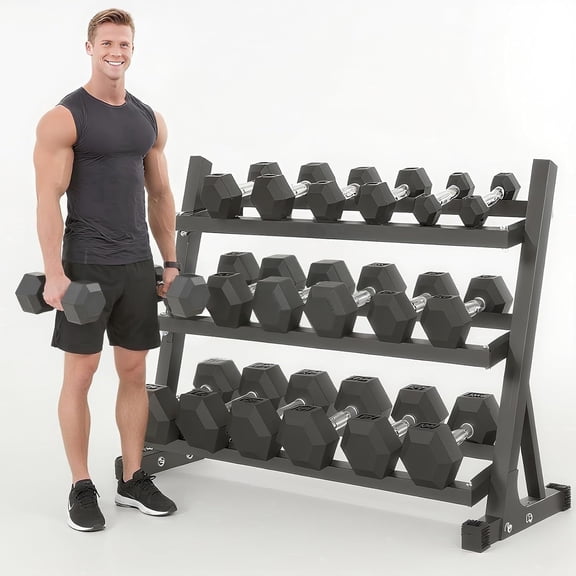
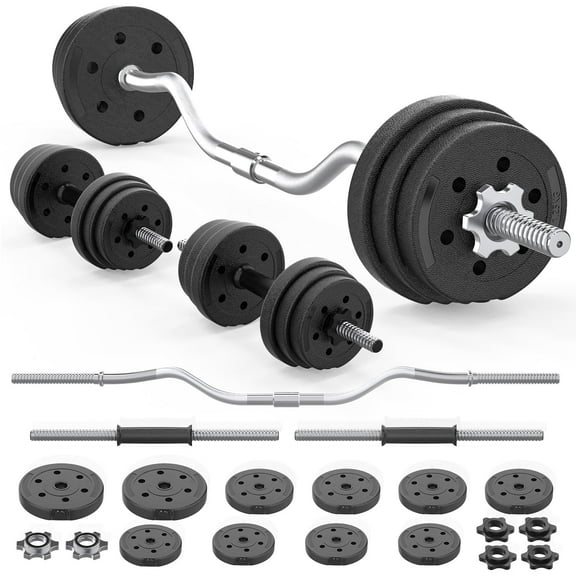
Related strength equipment can complete the setup. Barbells handle core lifts, benches support presses and rows, and dumbbells cover unilateral work and quick accessories. Together, they create a training space that adapts as your routine changes. The right plate mix keeps load changes simple and supports steady strength work at home.