


Onion Seeds & Seed Onions for Your Garden | Walmart
















About Onion Seeds & Seed Onions for Your Garden | Walmart - Walmart.com
Onion seeds help you plan a productive garden with the flavor, bulb size, and harvest style that fit your kitchen. You can compare bunching types, bulb varieties, and day-length needs, which makes this category specific to onion growing decisions.
If you're starting a kitchen garden, onion seeds give you a wide variety of options for different harvest goals. You can choose sweet onion seeds for fresh slicing or green onion seeds for repeated cutting through the season.
Choosing onion seeds by onion type
You should start with onion type because it shapes how you'll harvest and use your crop. You can pick green onion, bunching, bulb, or scallion types based on your cooking habits.
If you want slender stalks for garnish and quick snips, you may prefer green onion seeds or scallion seeds. If you want round bulbs for storage and roasting, you should look at bulb-forming varieties first.
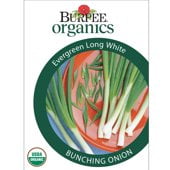
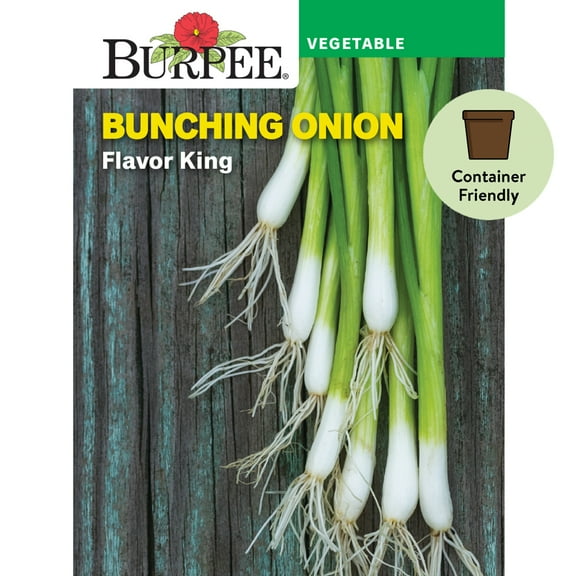
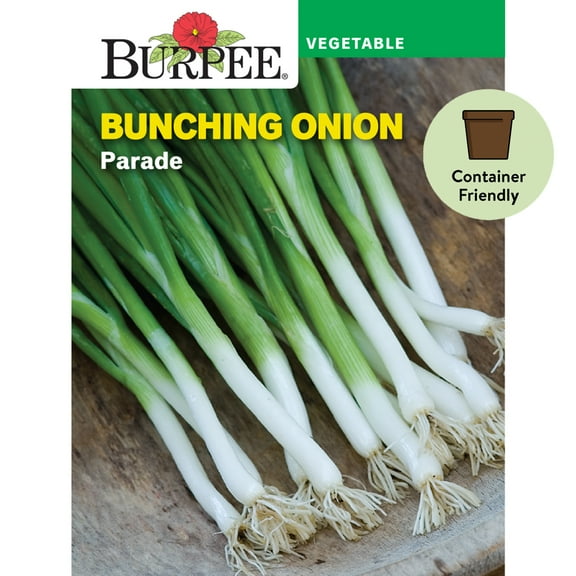
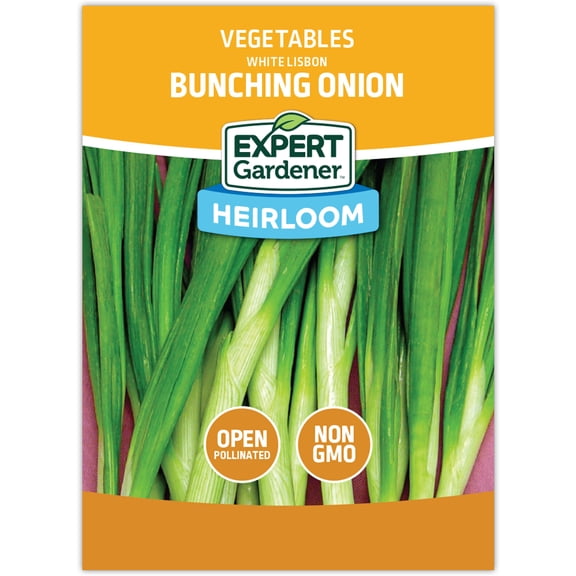
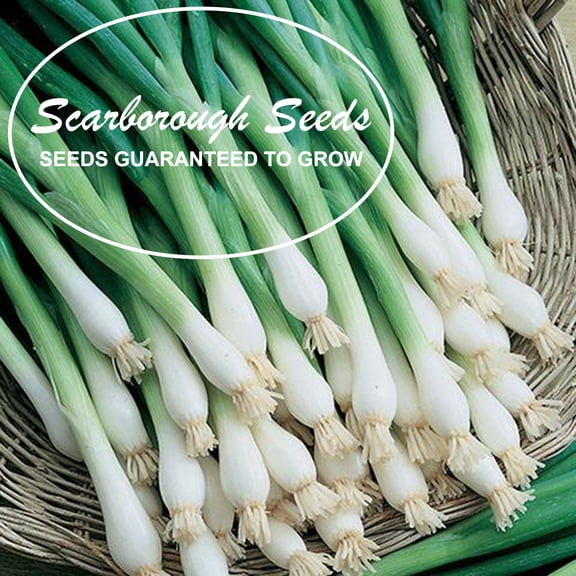
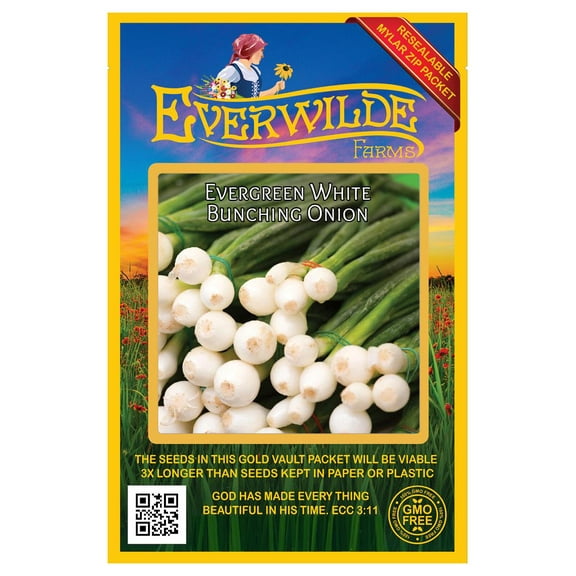
Bunching onion seeds work well when you want steady harvests instead of waiting for full bulbs. You can harvest young stems often, which fits raised beds, containers, and succession planting.
- You can choose bunching types when you want frequent cut-and-come-again harvests.
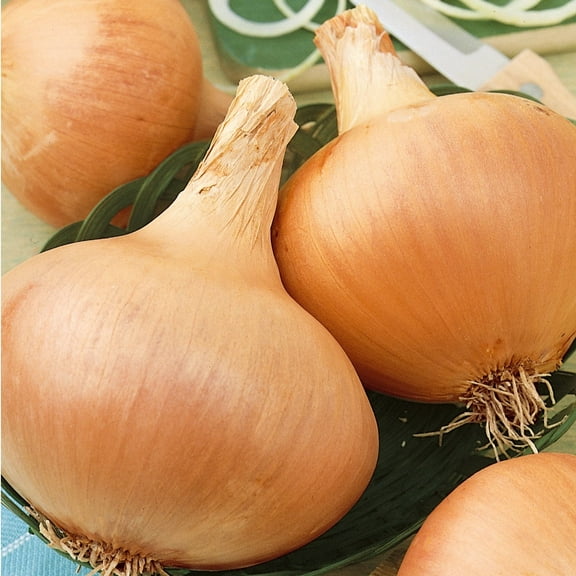
- You can choose bulb onions when your meals call for slicing, caramelizing, or storing onions.
- You can choose scallion styles when you want tender stalks for soups, salads, and toppings.
- You can compare sweet, yellow, red, and white options based on flavor and kitchen use.
Understanding day length for onion seeds
You need to match onion seeds to your region because bulb formation depends on daylight hours. You should compare long-day, short-day, and intermediate-day types before you plant.
Long-day onion seeds suit northern growing areas where summer days stay bright longer. You should check variety details if you garden in cooler regions and want full bulb development.
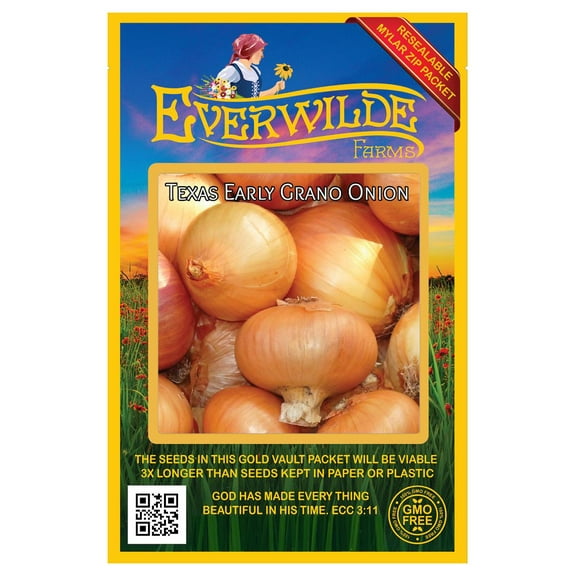
Short-day types fit southern gardens where winter and early spring planting are common. You can use that category when your season starts earlier and your daylight pattern stays milder.
Intermediate-day varieties give you a flexible middle option in many central regions. You should consider them when your location falls between northern and southern day-length patterns.
This decision matters because the wrong day-length type can leave you with smaller or uneven bulbs. You can avoid guesswork by checking your latitude and comparing the seed label before sowing.
Comparing seed type and bulb color
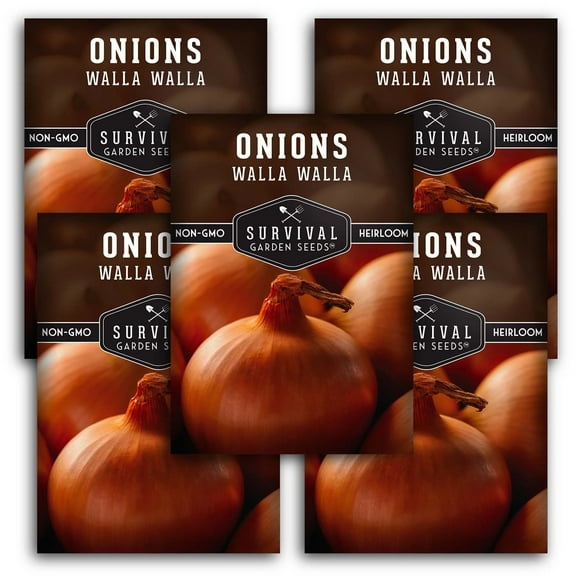
You can narrow your options further by seed type, including organic onion seeds, heirloom onion seeds, and non-GMO choices. You should use these labels as a buying guide for your gardening goals and growing style.
If you like traditional varieties with saved-seed appeal, you may lean toward heirloom selections. If you want a specific growing standard, you can compare organic listings and package details carefully.
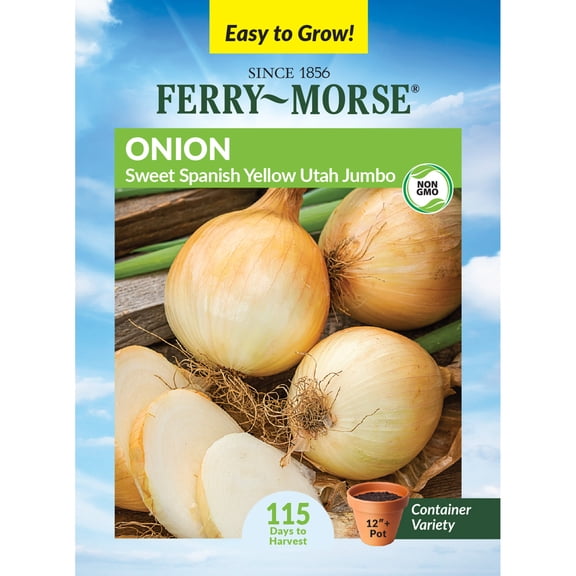
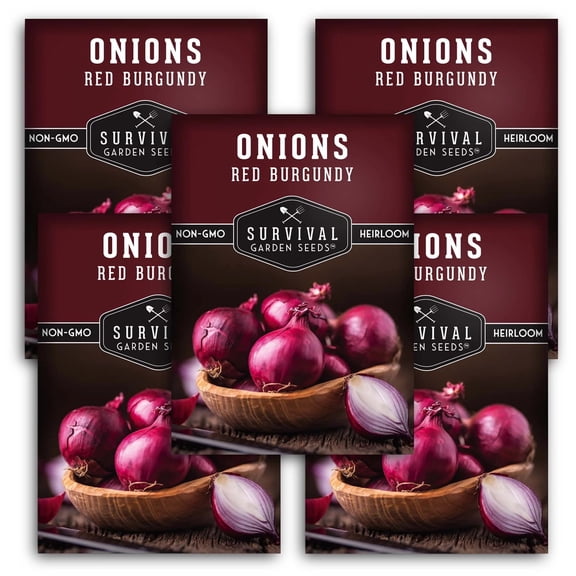
Bulb color also helps you match flavor and use in the kitchen. You can choose yellow onion seeds for everyday cooking, red onion seeds for fresh dishes, or white onions for crisp texture.
Sweet onion seeds often suit cooks who want a milder bite in sandwiches and salads. You can compare color with sweetness, storage habits, and recipe plans before planting.
What to look for in germination and planting details
You should read germination guidance closely because onion seedlings start small and need steady early conditions. You can get a clearer start when you check sowing depth, spacing, and soil temperature details.
Many gardeners look for varieties that suit cool, workable spring conditions. You typically sow onion seeds at a shallow depth instead of burying them deeply.
You can also compare maturity timing when you want early scallions or later storage bulbs. That timing helps you plan bed space, companion crops, and harvest windows across the season.
If you're starting indoors, you should check whether a variety suits transplanting before your outdoor season begins. If you're direct sowing, you can compare spacing guidance for rows, beds, and containers.
Matching onion seeds to your garden plans
You can match green onion seeds and bunching onion seeds to small spaces where repeat harvests matter. You may like these types for patio containers, window-adjacent beds, or fast kitchen-garden use.
If you want pantry-friendly harvests, you should focus on bulb onions with the right day-length class. You can pair yellow, red, or white bulbs with your cooking habits and expected storage goals.
Heirloom and organic onion seeds can fit gardeners who care about variety background or growing preferences. You should compare those options alongside bulb color, onion type, and sowing season.
You can also coordinate your seed choices with vegetable seeds, gardening tools, and soil and soil enhancers. That approach helps you organize planting days and maintain even progress from germination to harvest.
When you choose onion seeds with the right type, day length, and planting details, your garden plan becomes easier to manage. You can move from seed tray or garden row to a harvest that fits your meals and your season.