



Rawhide Bones & Chews for Dogs | Walmart















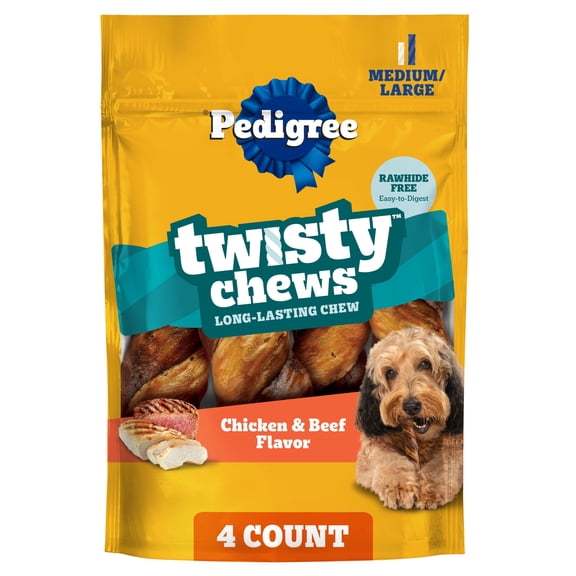
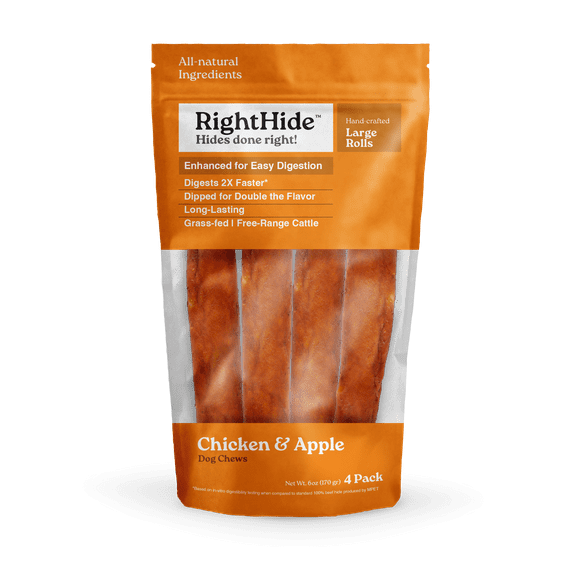
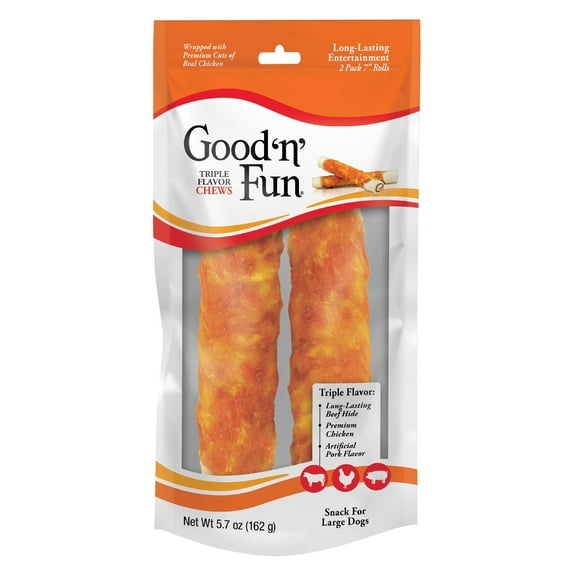
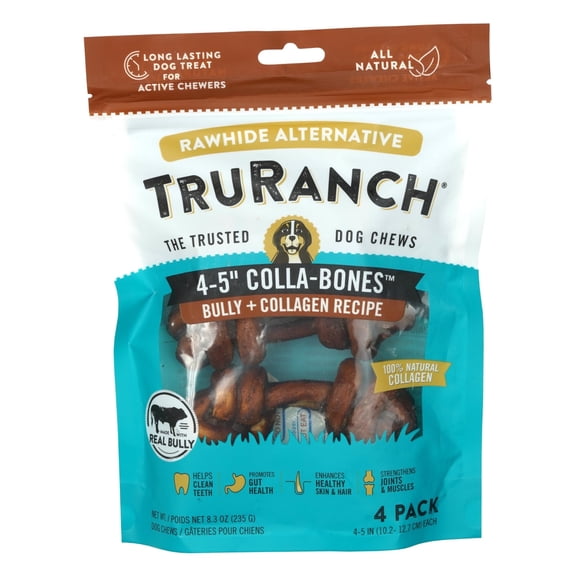
About Rawhide Bones & Chews for Dogs | Walmart - Walmart.com
Rawhide chews give your dog a longer chewing session, and you can compare shapes, sizes, flavors, and durability in one place. You’ll find category guidance here that helps you match each chew to your dog’s chewing style and daily routine.
If your dog loves to gnaw, you’ll want options that fit its size and chewing strength. You can also compare processing details, flavor profiles, and shape differences that affect chewing time.
Choosing rawhide chews by shape and type
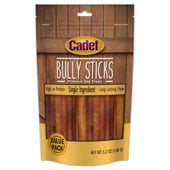
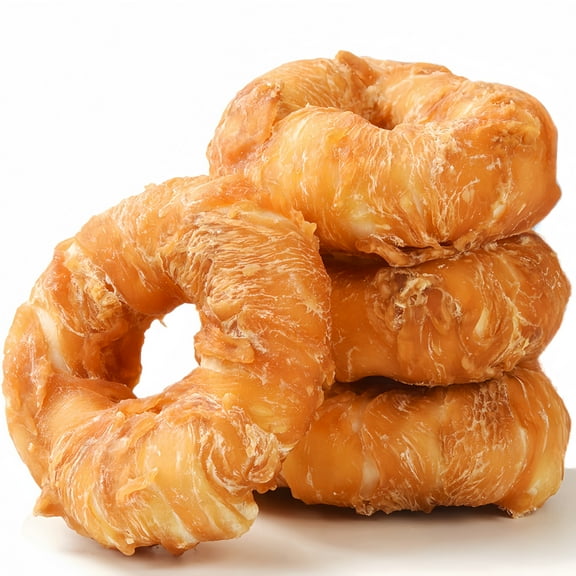
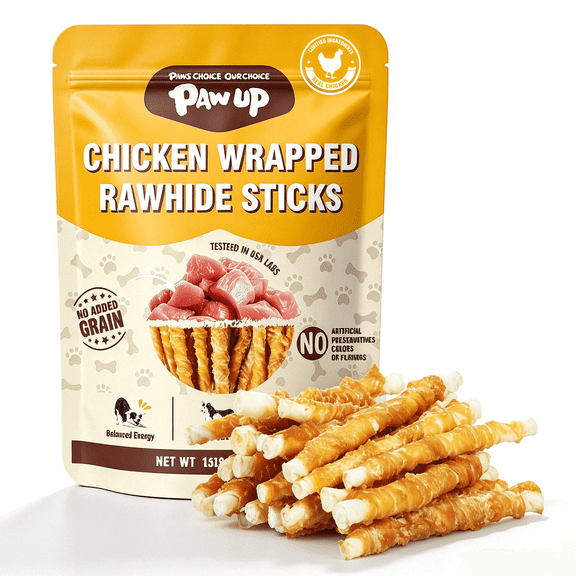
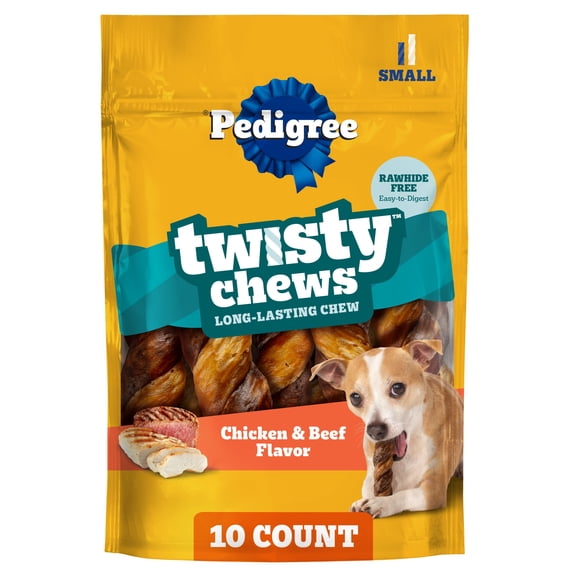
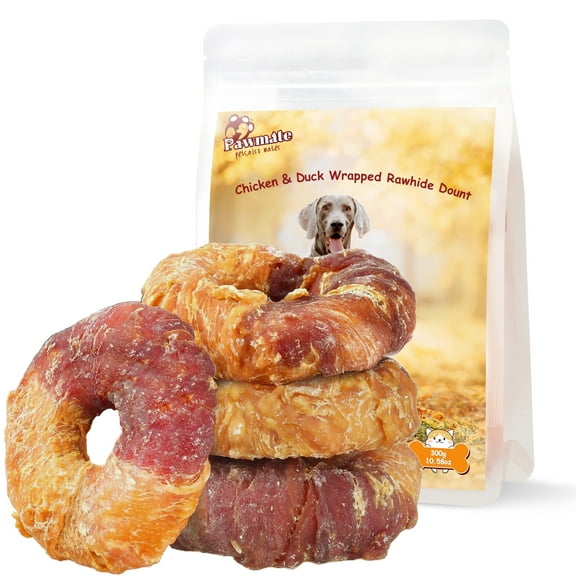
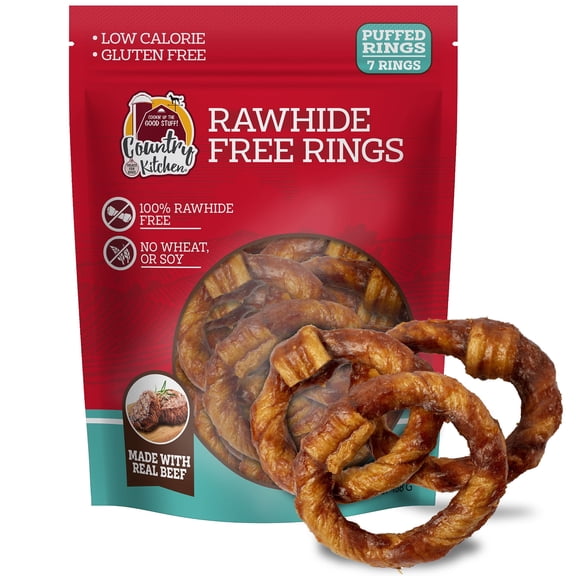
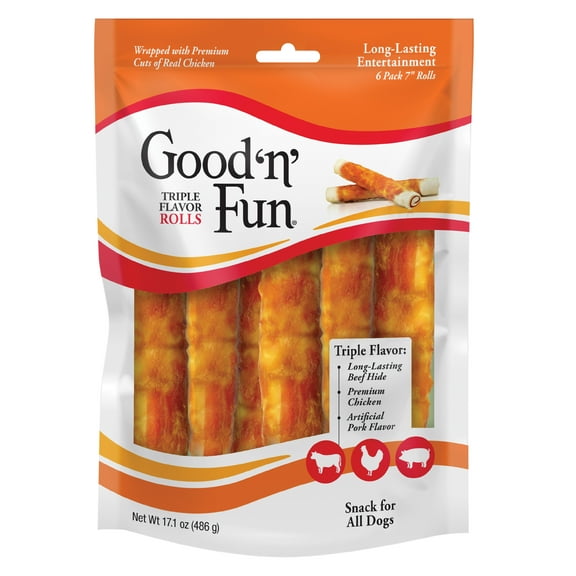
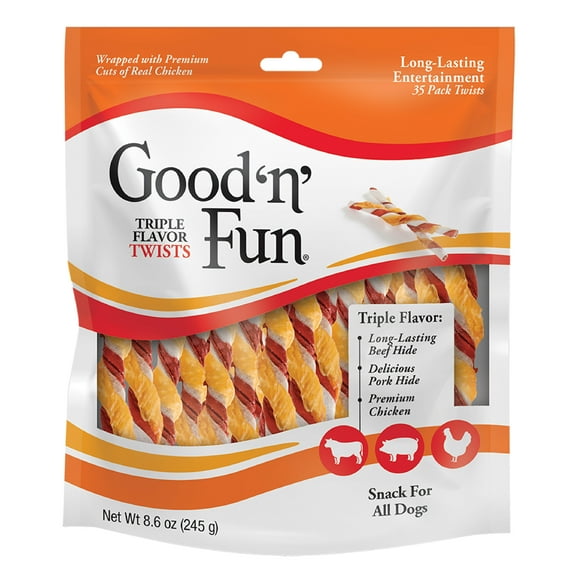
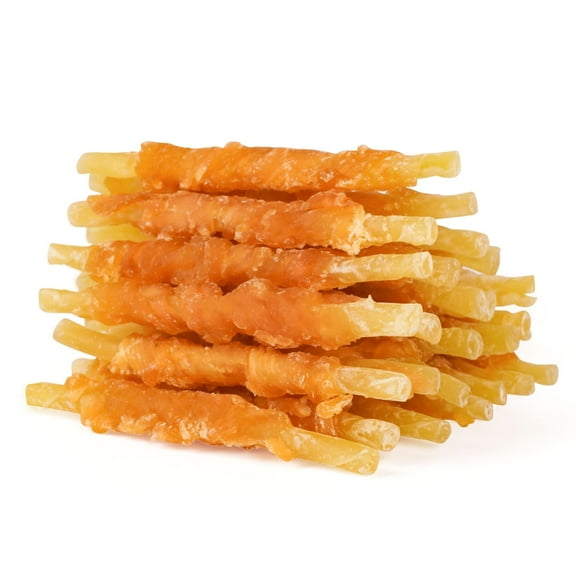
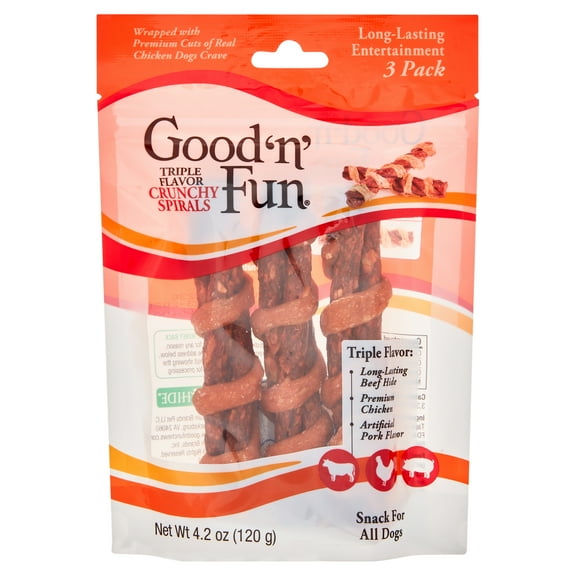
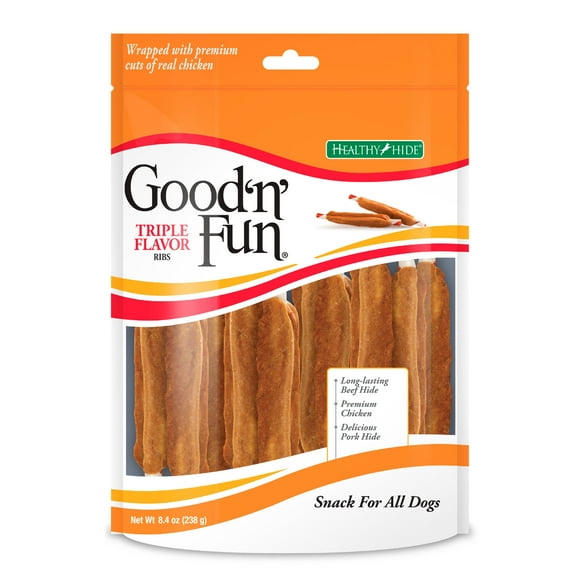
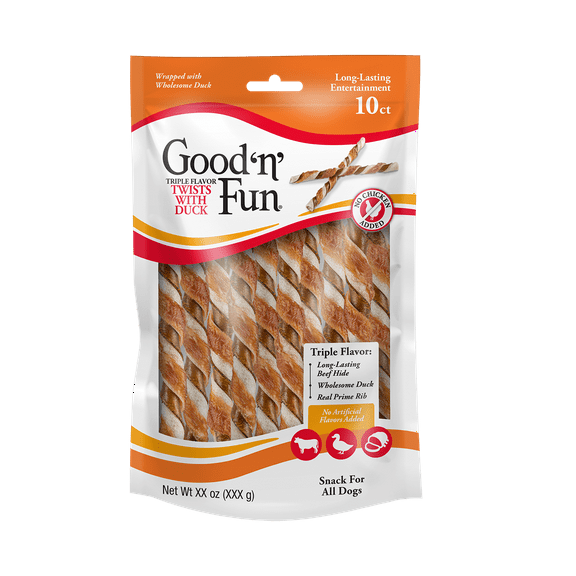
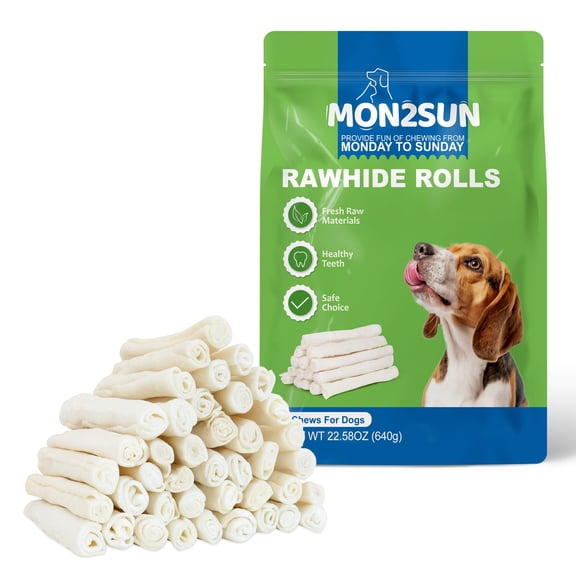
When you compare rawhide chews, you’ll notice shape changes how your dog holds and chews each piece. You can use rolls, bones, chips, twists, and donuts for different chewing habits.
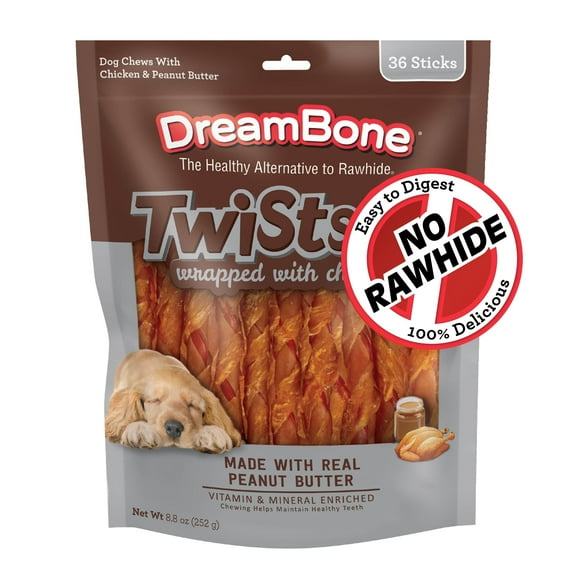
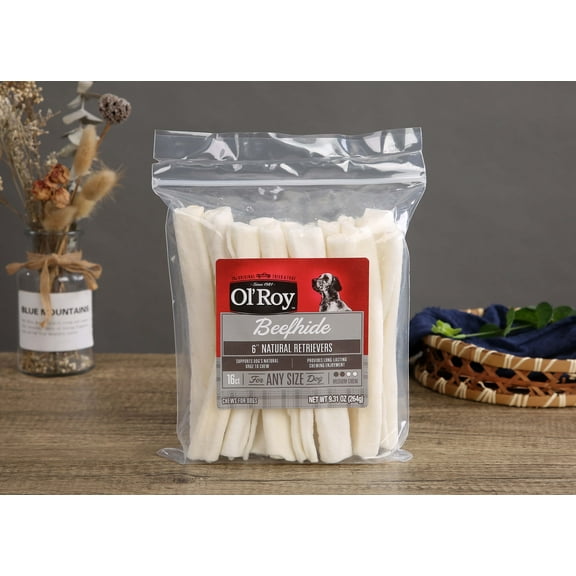
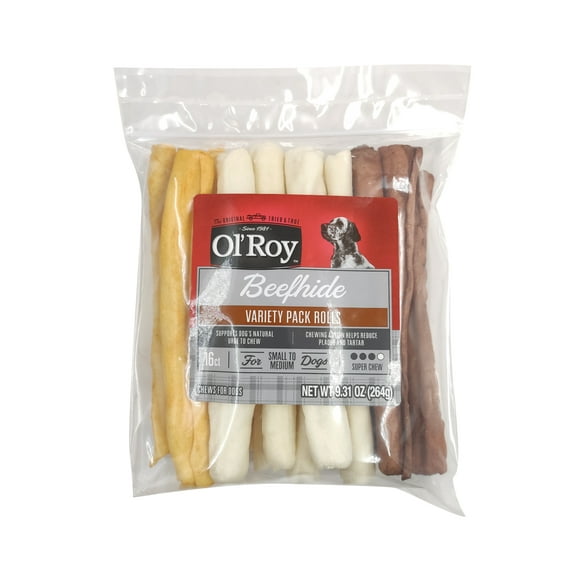
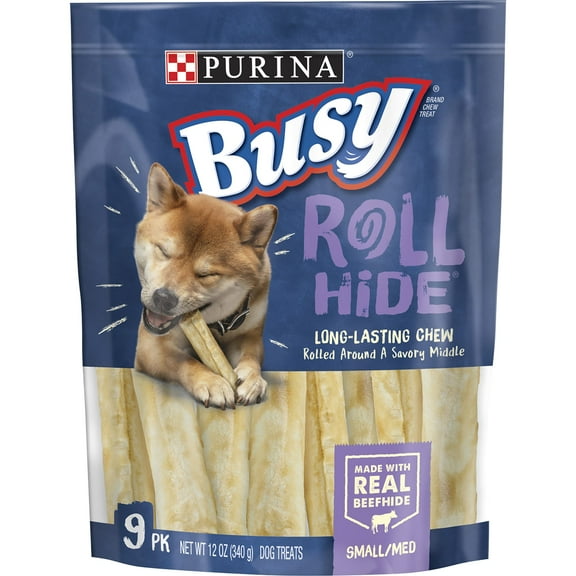
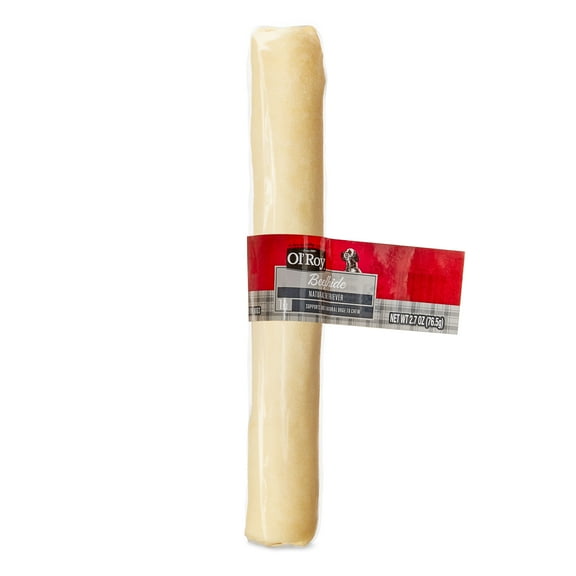
Rolls usually give your dog a denser chew with a simple shape. Bones can feel familiar in your hand, while twists and donuts can add texture your dog keeps working on.
Chips often suit shorter chew sessions or lighter chewers in your home. If your dog powers through treats quickly, you may prefer thicker rolls or larger bones.
- You can choose rolls when your dog likes steady chewing on a compact shape.
- You can pick bones when your dog prefers a classic form with more width to grip.
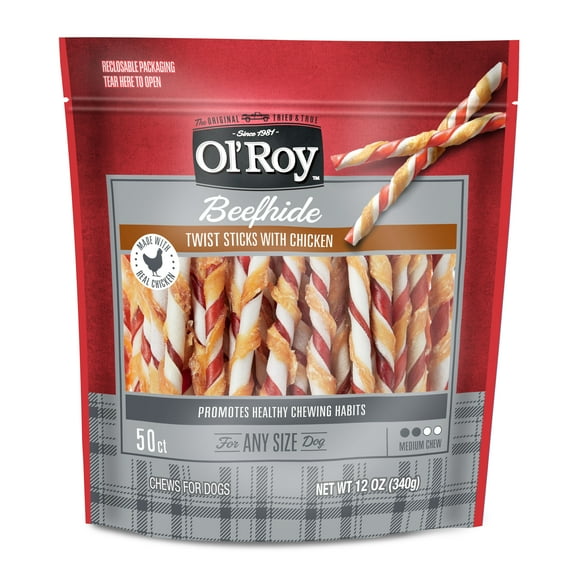
- You can try twists or donuts when your dog enjoys varied texture during chew time.
- You can select chips when your dog needs a lighter chew or a shorter session.
How to choose rawhide bones for dogs by size
Your dog’s size should guide the chew length, width, and thickness you consider first. You’ll want a piece that feels substantial for your dog’s mouth and chewing style.
Small dogs often do well with smaller pieces they can manage comfortably. Medium and large dogs usually need thicker options that stand up to stronger jaw pressure.
If you have a giant breed, you may look for larger formats that feel more appropriate during chewing. You should also compare product sizing notes, because one shape can feel different from another.
When you measure for fit, you’re looking for a chew your dog can work on without feeling undersized. That simple size check helps you narrow choices with more confidence.
Comparing flavor profiles and beefhide chews
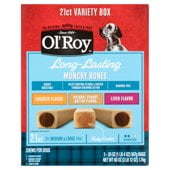
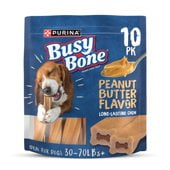
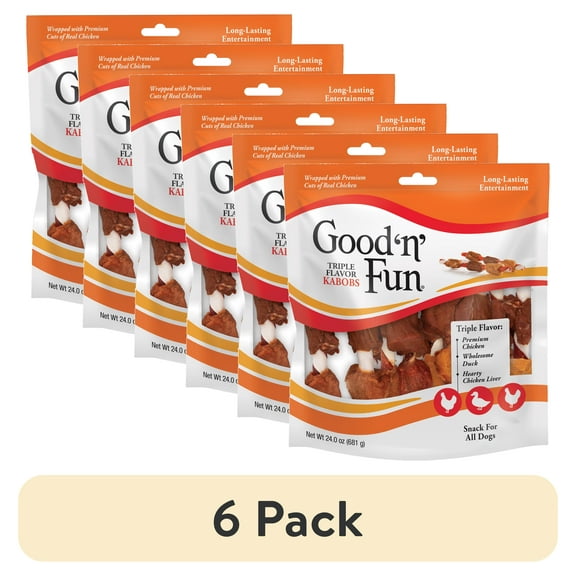
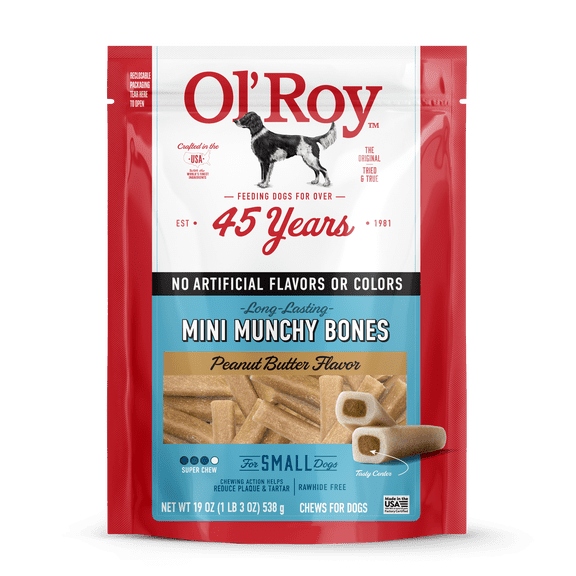
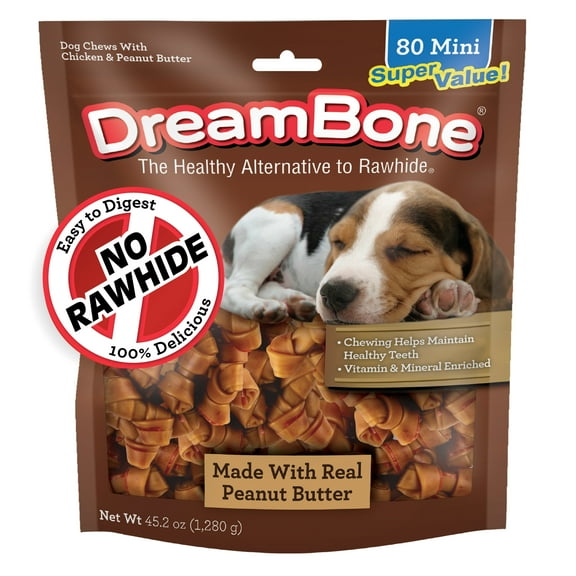
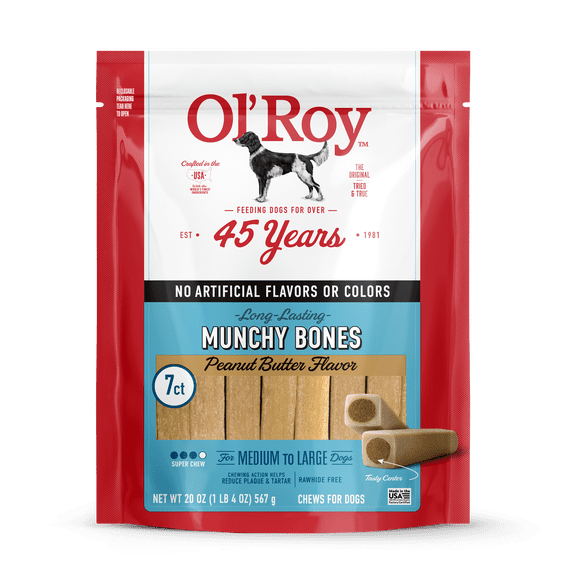
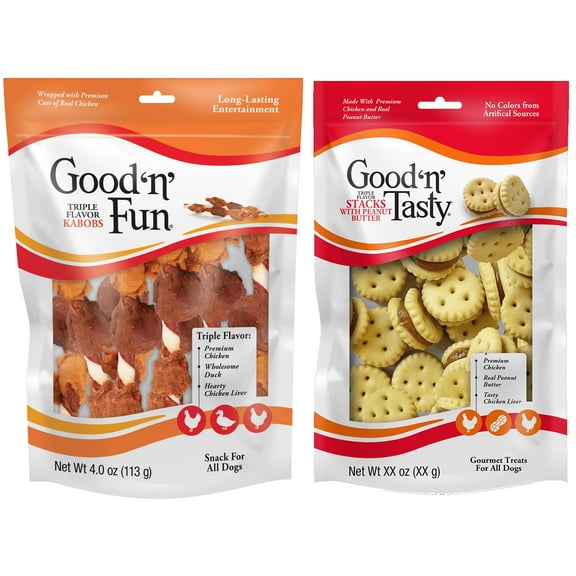
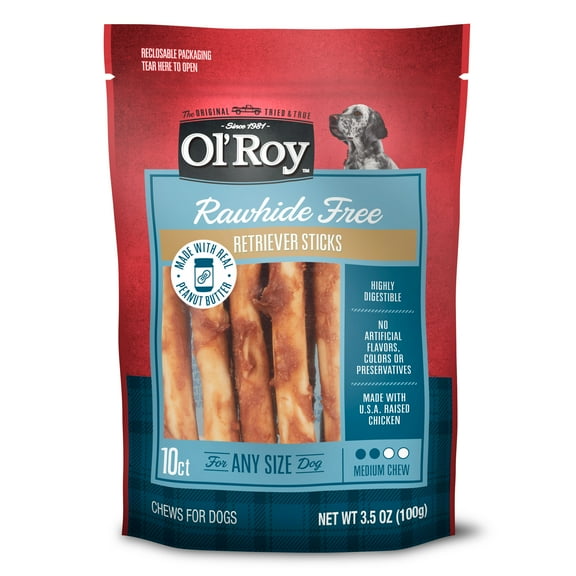
Flavor can make a big difference when you’re choosing chews your dog will stay interested in. You can compare beef, chicken, peanut butter, and pork options based on what usually keeps your dog engaged.
Beefhide chews often appeal to dogs that like hearty, familiar flavors during longer chewing sessions. Chicken can feel like an easy everyday pick, while peanut butter offers a different taste profile.
If your dog gets bored with one flavor, you can rotate among several options to keep chew time interesting. You may also prefer matching flavor choices to your dog’s usual treat preferences.
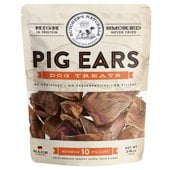
Pork flavors can be another useful choice when you want variety in your chew drawer. With several flavor directions available, you can build a rotation that feels less repetitive.
Matching durability to your dog’s chew style
Durability matters when your dog chews gently, moderately, or with strong determination. You can use that chewing style to sort through long-lasting dog chews and lighter options.
If your dog is a light chew companion, you may prefer thinner chips or softer-feeling shapes. Moderate chewers often do well with standard rolls, twists, or mid-thickness bones.
For strong chewers, you’ll likely look for denser shapes and thicker construction that lasts longer. That’s where larger rolls and substantial bones may fit your routine more naturally.
You can also keep more than one durability level at home for different moments. A lighter chew may fit a quick break, while a longer-lasting option suits quieter downtime.
What to look for in processing and chew details
When you review product details, you should check how the chew is processed and what material it includes. You may also notice some shoppers compare collagen items with traditional hide options.
That distinction helps you understand texture, density, and expected chew experience before you choose. You don’t need heavy jargon, but you should look for clear labeling that explains the chew format.
If digestibility questions matter in your decision, you can compare labels and product descriptions closely. You may also consider safe rawhide alternatives when you want a different chew style in rotation.
Clear product details make it easier for you to compare dog chew rolls, chips, and bones without guessing. That extra context helps you choose a chew that fits your dog’s size, flavor preference, and chewing strength.
Using rawhide chews in your daily routine
You can use rawhide chews during crate time, quiet evenings, or after active play sessions. They also work well when you want to give your dog a focused chewing activity indoors.
If your home has more than one dog, you can match different shapes to different chewing habits. A small dog may prefer chips, while a larger dog may settle in with a thicker roll.
You might also keep several formats on hand for variety across the week. That makes it easier for you to switch between flavors, shapes, and durability levels as needs change.
With the right fit, your dog gets a chew that matches its size, chewing style, and flavor preference. You get a simpler way to choose from rawhide chews that feel appropriate for everyday use.