




Scotts Grass Seed for Healthy Lawns











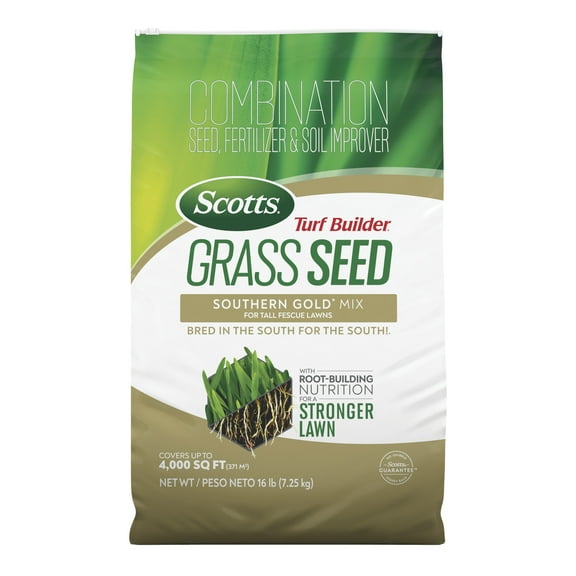


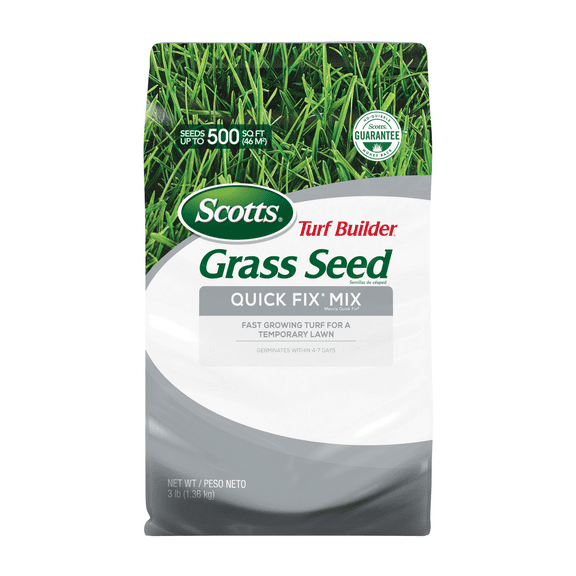

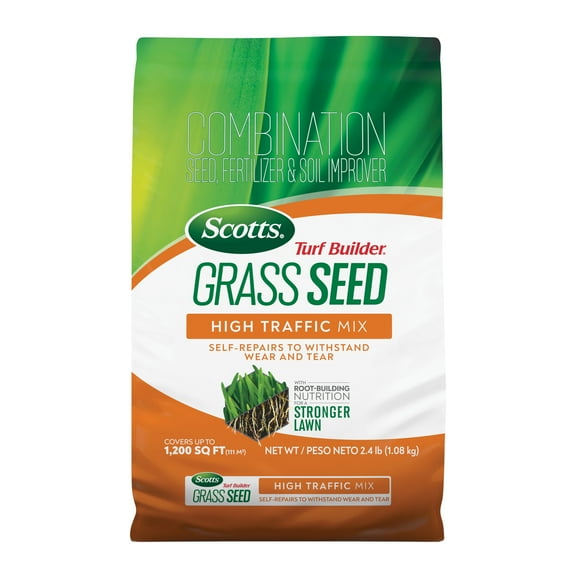

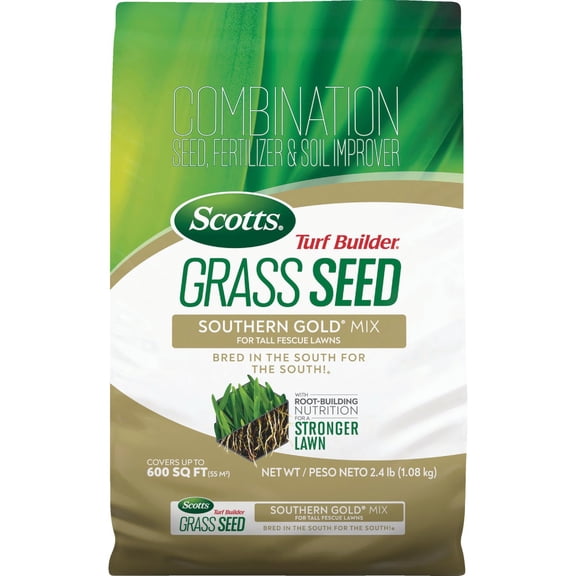
About Scotts Grass Seed for Healthy Lawns - Walmart.com
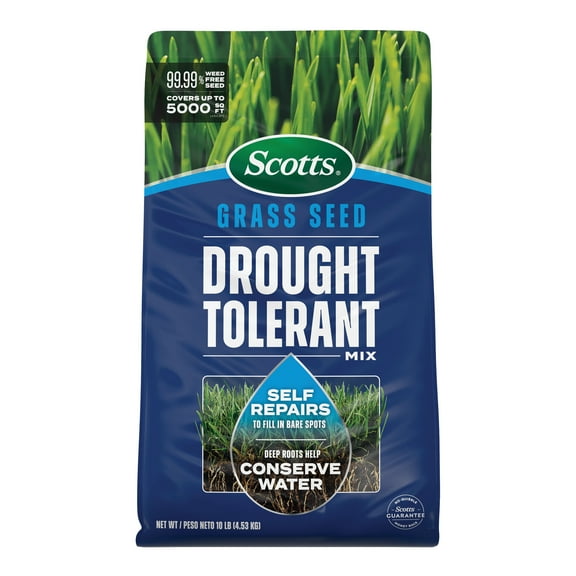
Scotts grass seed helps you match your lawn to your climate, sun exposure, and repair goals. You can compare cool-season and warm-season options, then choose the right formula for steady coverage.
If your yard has thin areas, bare spots, or a full reseeding project, you need clear decision points. You’ll find guidance here on grass type, product line, and coverage needs for your space.
Choosing Scotts grass seed for your climate
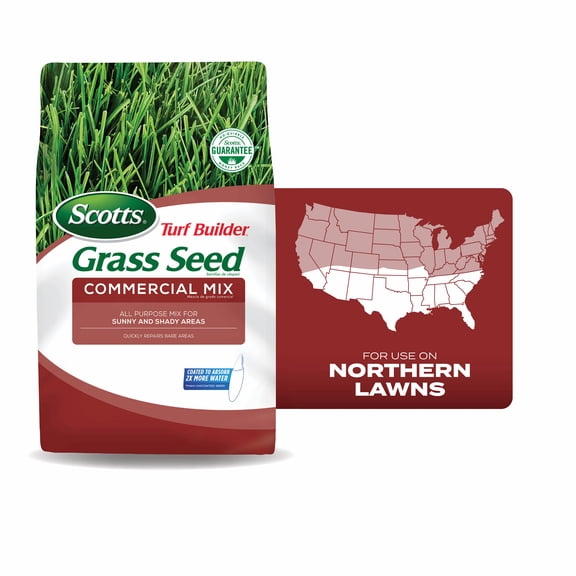
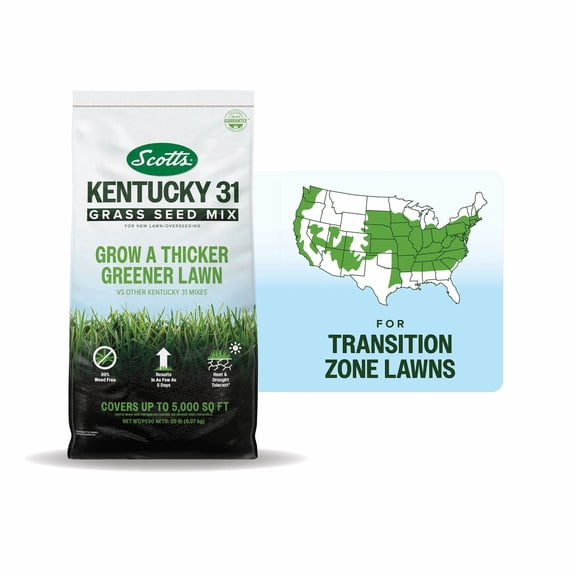
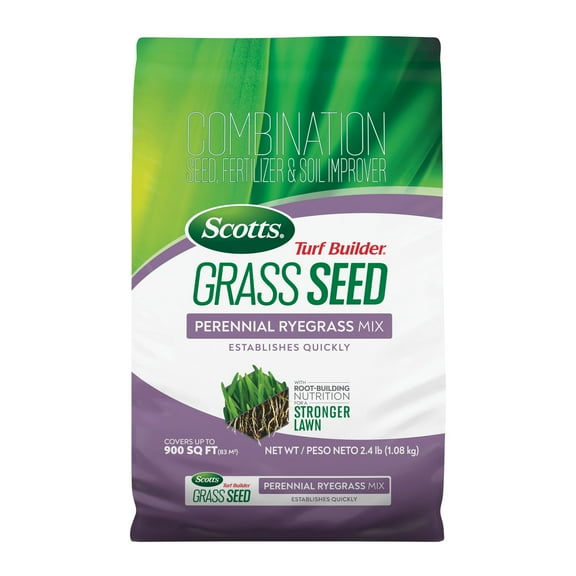
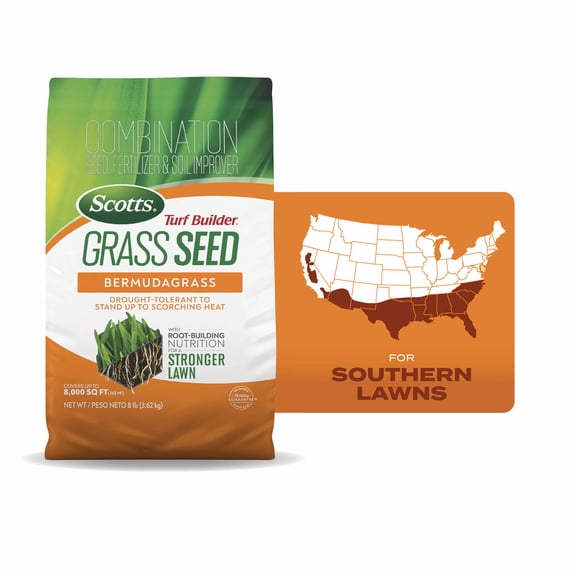
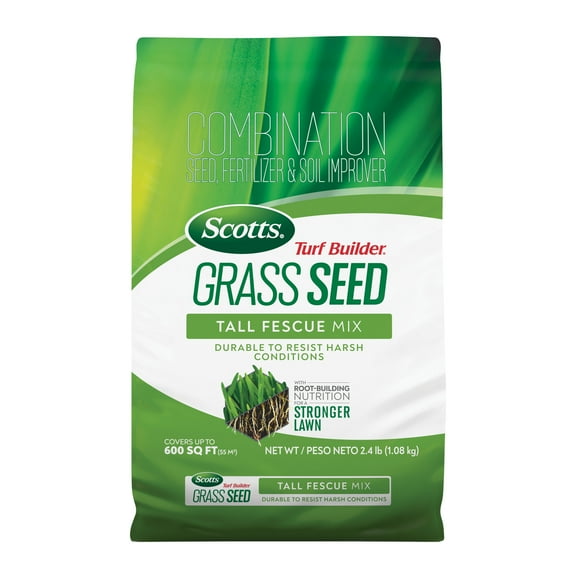
Your climate should guide your first choice, because grass type affects how your lawn starts and fills in. You’ll usually compare cool-season picks like tall fescue, bluegrass, and ryegrass with warm-season bermuda grass seed.
If you live where spring and fall planting matter most, you may look at cool-season types first. You’ll often choose fescue grass seed for adaptable coverage and ryegrass when you want quick early fill.
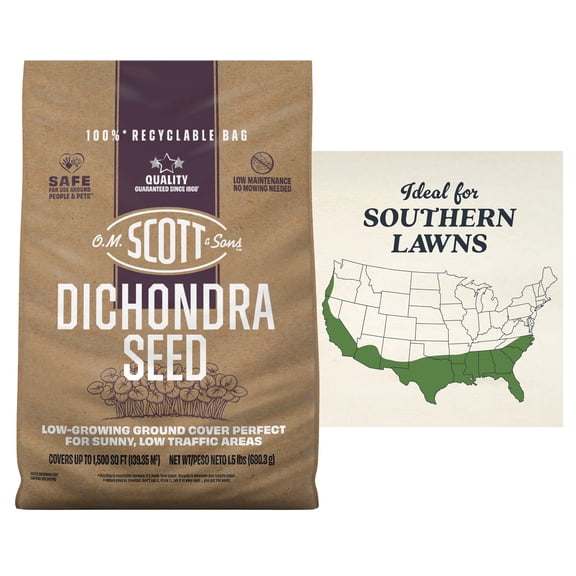
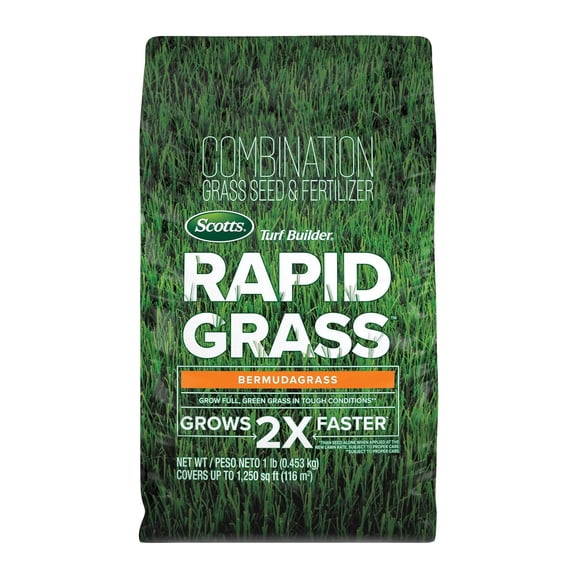
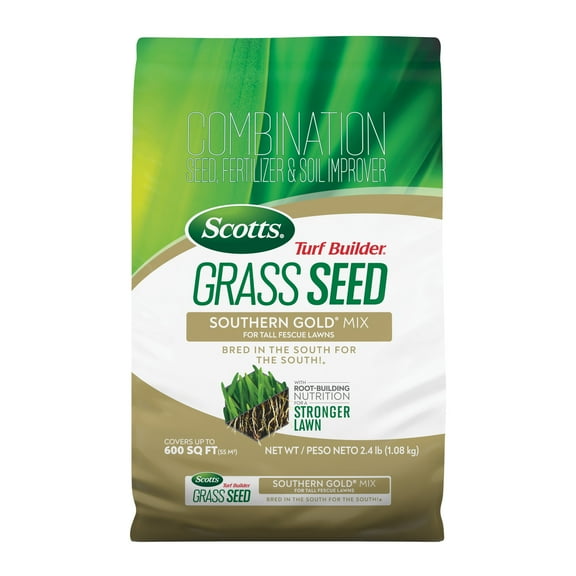
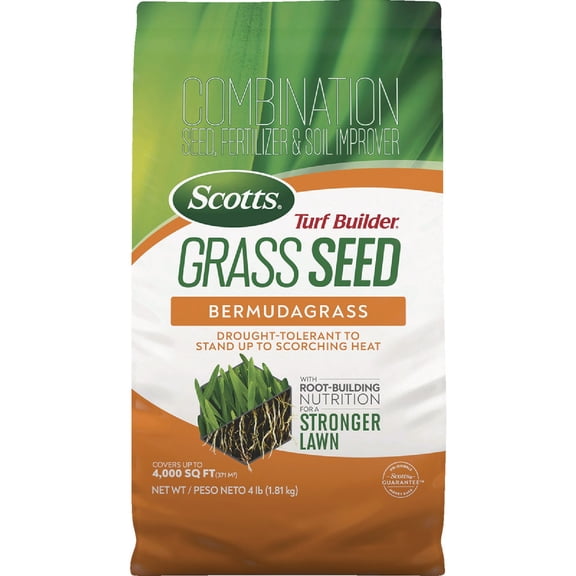
When your yard sees long, hot summers, you may prefer bermuda grass seed for warm-season growth. You should check your region and planting window, because timing supports more even establishment.
- You can match cool-season lawns with fescue, bluegrass, or ryegrass choices.
- You can select warm-season lawns with bermuda options for hotter regions.
- You can improve planning by checking planting season before you spread seed.
- You can estimate coverage by comparing bag size with your lawn’s square footage.
How to compare Scotts grass seed sun and shade needs
Your lawn’s light conditions shape which mix makes sense for front yards, backyards, and side strips. You should consider whether your grass gets full sun, mixed light, or heavier tree cover.
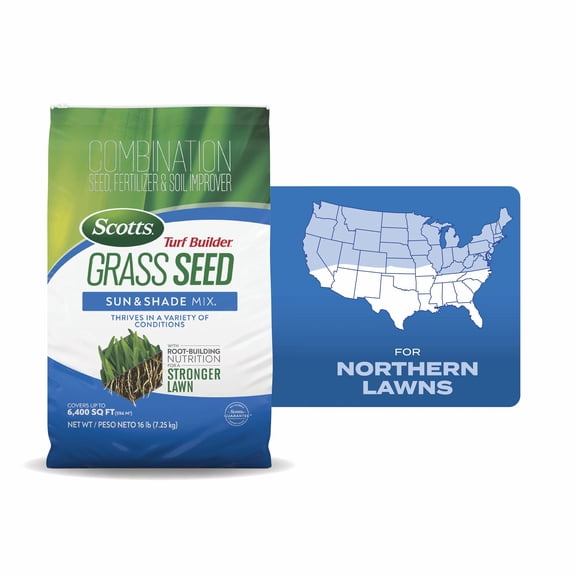
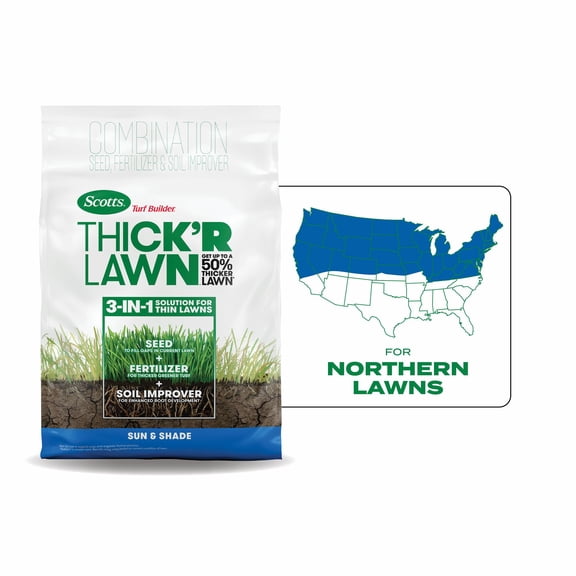
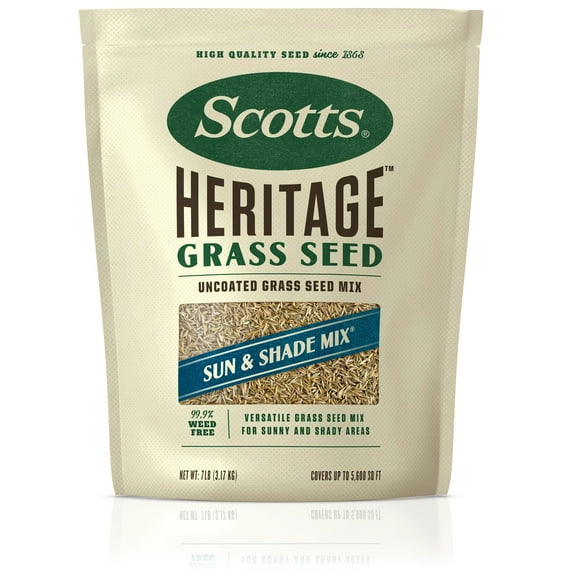
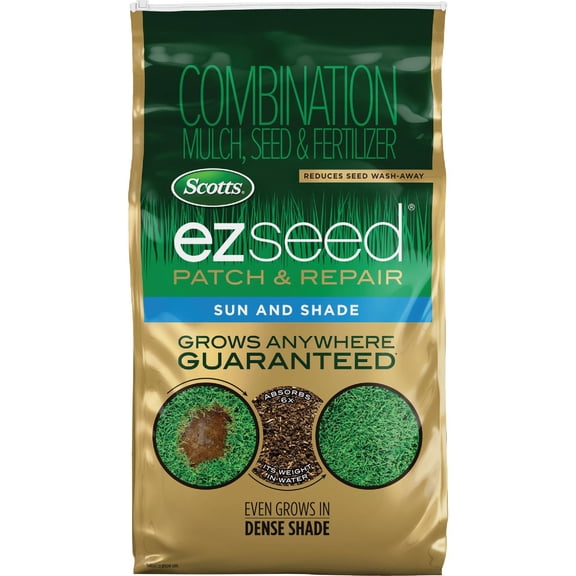
If your yard gets changing light through the day, Scotts grass seed sun and shade formulas can fit that pattern. You’ll often use these mixes when one area gets morning sun and another stays dim later.
When your lawn sits under trees or along fences, you may compare dense shade options more closely. You should also trim your choice to your climate, because shade performance still depends on grass type.
For open spaces with little tree cover, you may want a full sun formula that matches your region. You’ll get a more useful shortlist when you compare light conditions before choosing a bag.
Understanding Scotts Turf Builder, EZ Seed, and patch repair
Your project type matters just as much as climate, because a bare patch needs a different approach than a full lawn. You should compare standard seed bags, Scotts Turf Builder products, and Scotts EZ Seed options by task.
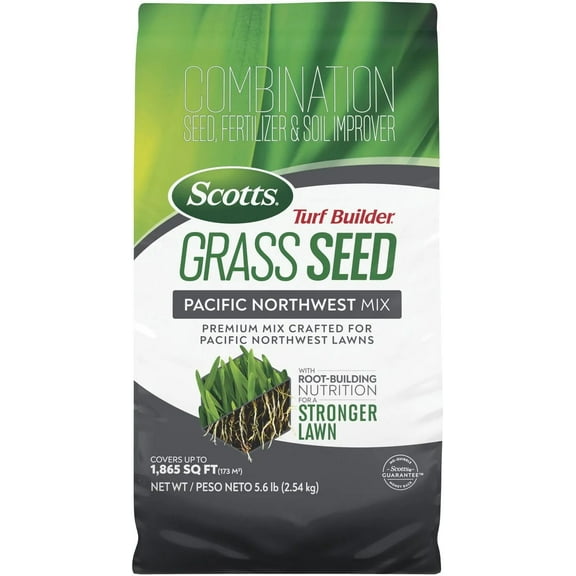
If you’re planting a larger area, standard seed bags can make planning simpler across wider square footage. You’ll want to check coverage numbers on the label, so your lawn gets the intended spread rate.
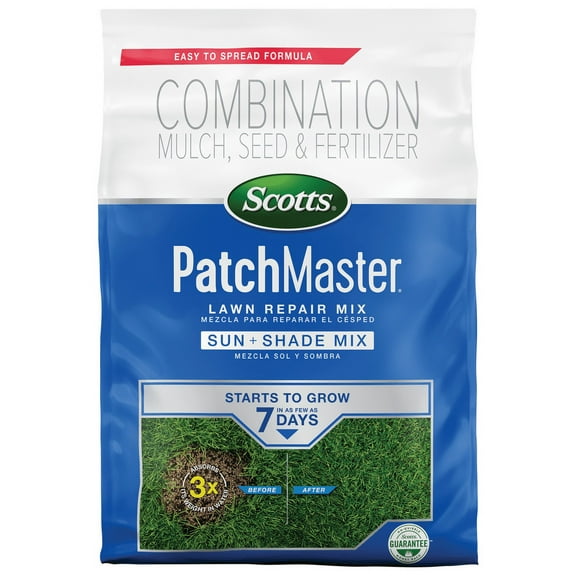
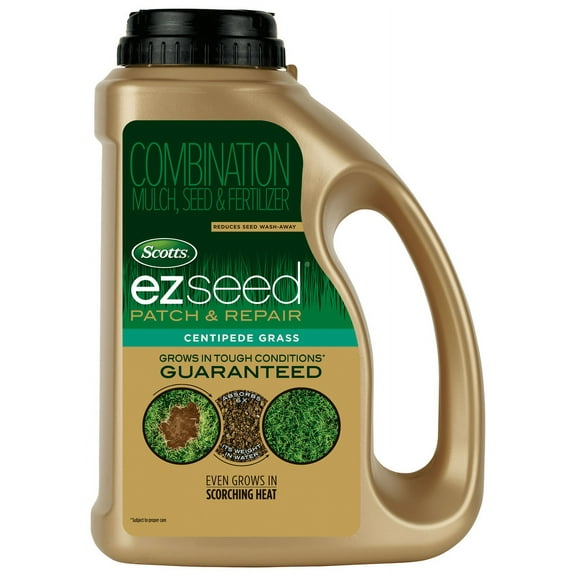
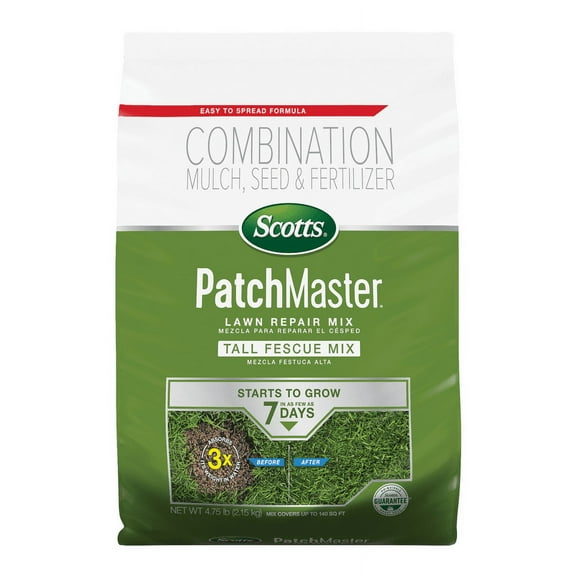
When you’re fixing worn spots, patch and repair formats can help you focus on smaller sections. You may use these options around play areas, pet paths, mailbox strips, or other thin places.
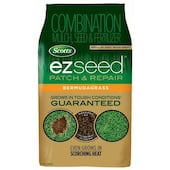
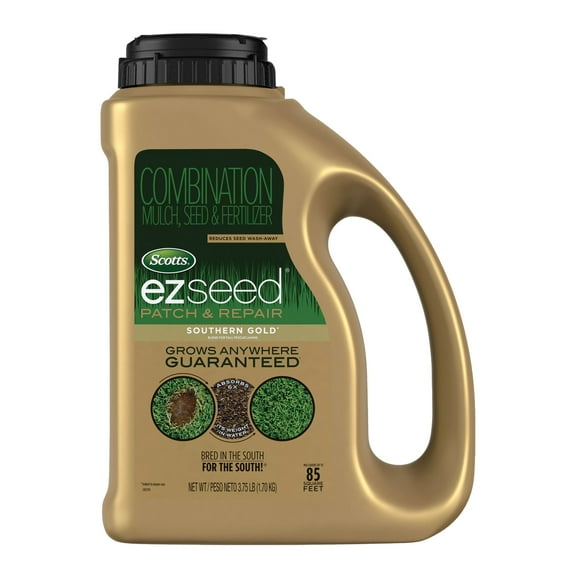
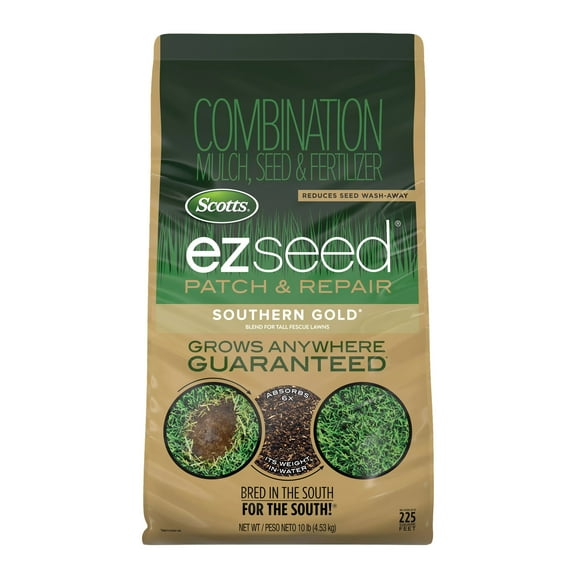
If you want an all-in-one repair format, Scotts EZ Seed can suit spot fixes and touch-up work. You should compare package directions with your lawn size, because small repairs need different coverage than broad reseeding.
Scotts Turf Builder options can also help you sort by use case, lawn type, and growth conditions. You’ll make a cleaner decision when you start with your project scope instead of choosing by bag name alone.
What to look for in grass type and coverage details
Your seed choice should also reflect texture, appearance, and how quickly you want visible fill. You may compare tall fescue grass seed with bluegrass, ryegrass, or bermuda based on your yard’s look.
If you want a practical starting point, look for coverage in square feet on each package. You should measure your lawn sections first, because front yards and repair zones rarely need the same amount.
Your planting schedule also affects what works for new lawns versus overseeding older grass. You’ll often get more useful results when you pair the right grass type with the right season.
For mixed yards, you may need one formula for sunny areas and another for denser cover. You can simplify your plan by mapping your yard into separate zones before you buy.
Using Scotts grass seed for common lawn projects
Your lawn project may be a full reseed, seasonal overseeding, or a quick repair after heavy use. You should match the formula to the job, because each project asks for a different coverage plan.
If you’re starting a new lawn, you’ll usually focus on grass type, climate region, and total square footage. You can then compare sun exposure needs, so your mix fits the whole site.
When you’re overseeding an existing lawn, you may look for a blend that matches your current grass. You should pay attention to cool-season and warm-season categories before adding new seed.
If your yard has a few worn areas, patch and repair choices can help you target those sections. You’ll often use them for high-traffic spots where the surrounding lawn still looks established.
For family yards with mixed light, sun and shade grass seed can help you cover changing conditions. You can use that approach when front and back sections receive different amounts of daily light.
When your lawn sits in a hot, sunny region, bermuda grass seed may align with your growing conditions. If your yard faces cooler seasons, fescue grass seed may fit your planning more closely.
Scotts grass seed gives you a practical way to compare climate, light, and repair needs in one category. You can choose with more confidence when you match the formula to your lawn’s actual conditions.