





Fishing Tackle Boxes in Fishing


























About Fishing Tackle Boxes in Fishing - Walmart.com
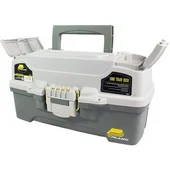
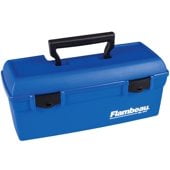
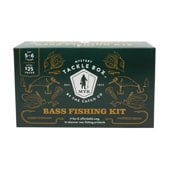
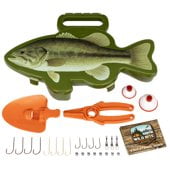
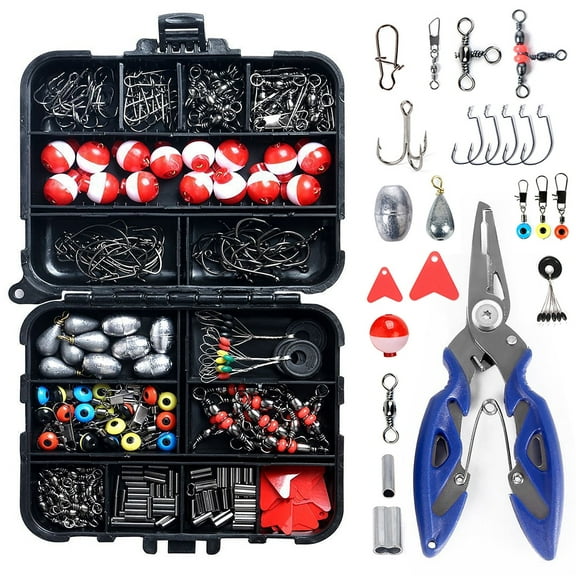
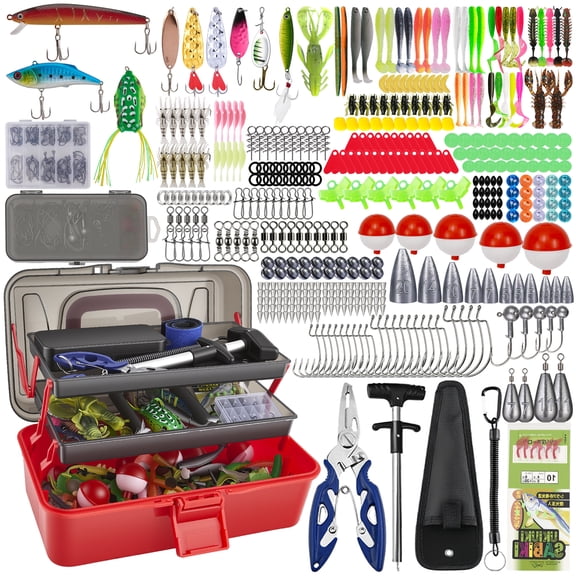
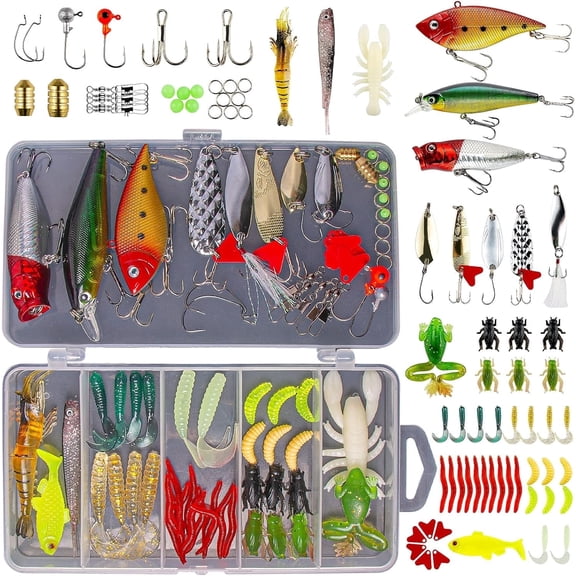
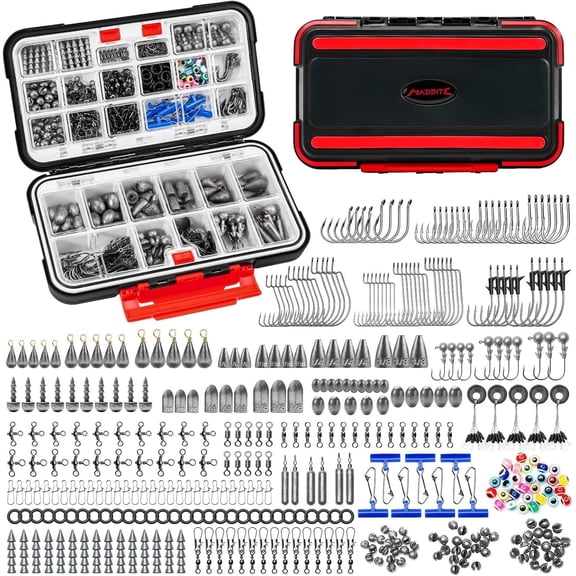
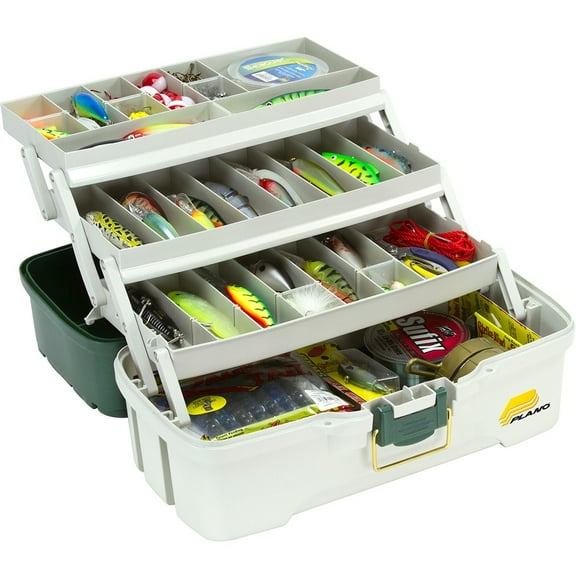
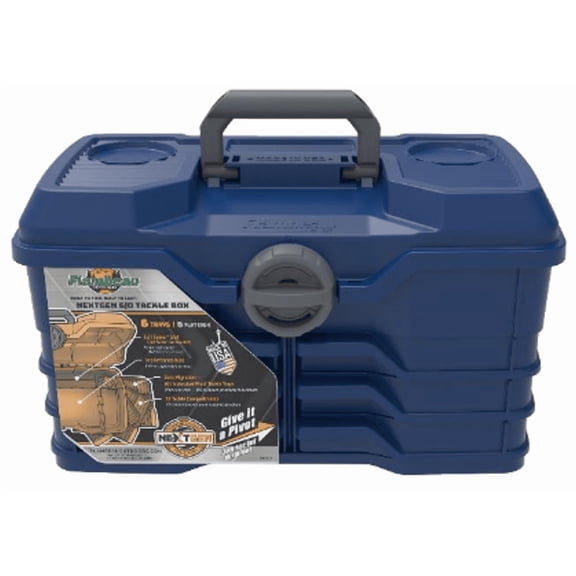
Fishing tackle boxes help you keep lures, hooks, weights, and tools sorted for faster rig changes on the water. You can compare tray standards, water resistance, and storage styles to match your fishing routine.
If you fish from shore, a boat, or the ice, you need storage that fits your gear and your pace. You’ll find fishing tackle boxes in hard-side cases, soft-side bags, and utility tray systems built around common sizing standards.
How to choose fishing tackle boxes by tray size
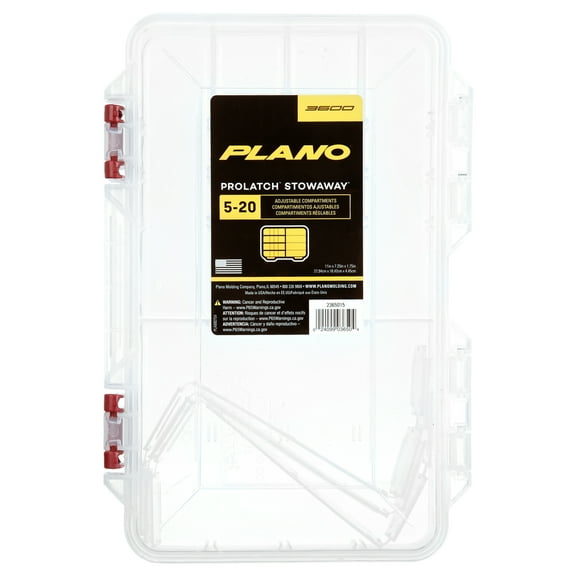
You should start with tray compatibility because your existing organizers may already follow 3600 series or 3700 series sizing. You can avoid wasted space when your tackle trays match your bag, box, or utility system.
If you carry a compact kit, you may prefer pocket-sized options for a few jigs, terminal tackle pieces, and small tools. If you carry larger lure assortments, you’ll usually want 3700 series capacity for bulkier layouts.
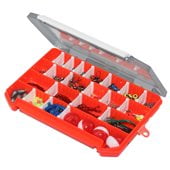
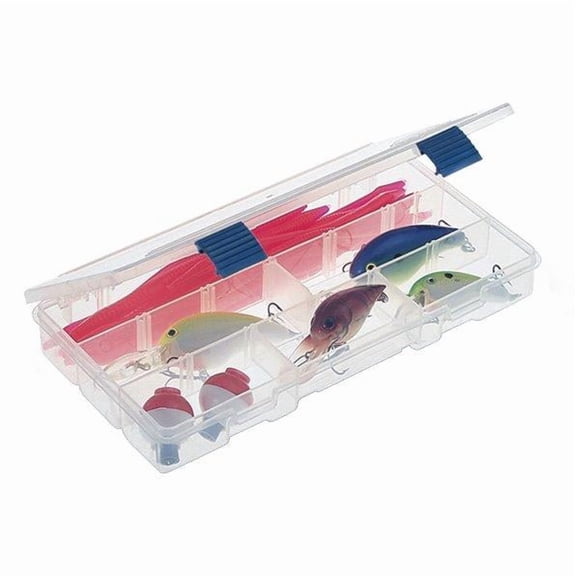
You can also compare adjustable dividers and fixed slots before you choose. Adjustable layouts help you separate soft baits, crankbaits, and hooks, while fixed slots give you a more defined setup.
What to look for in a tackle storage organizer
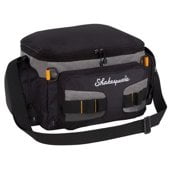
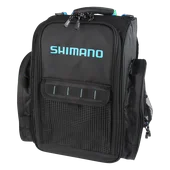
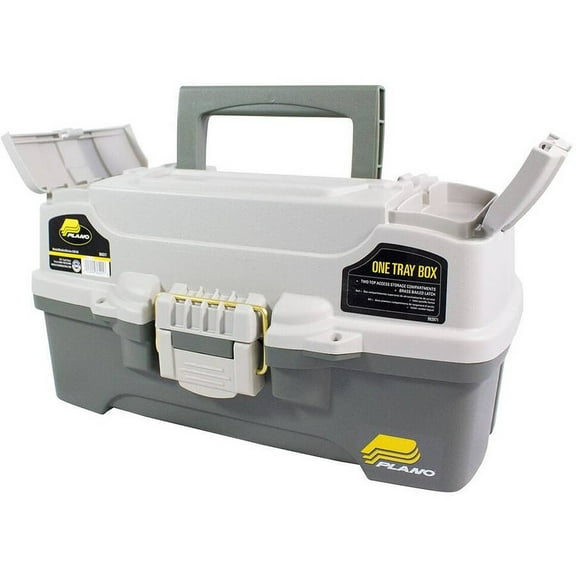
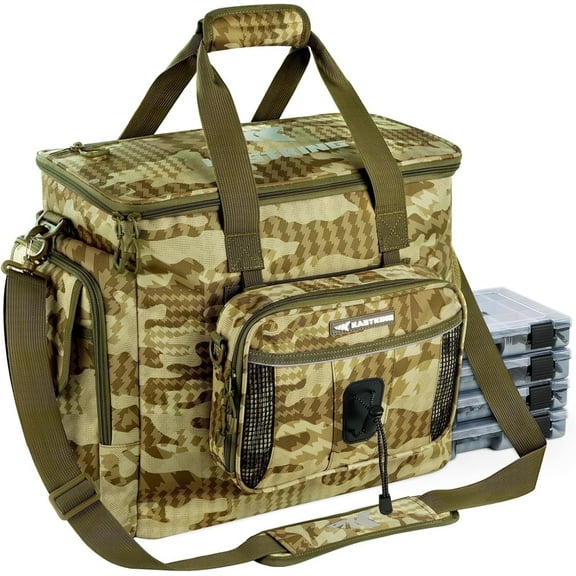
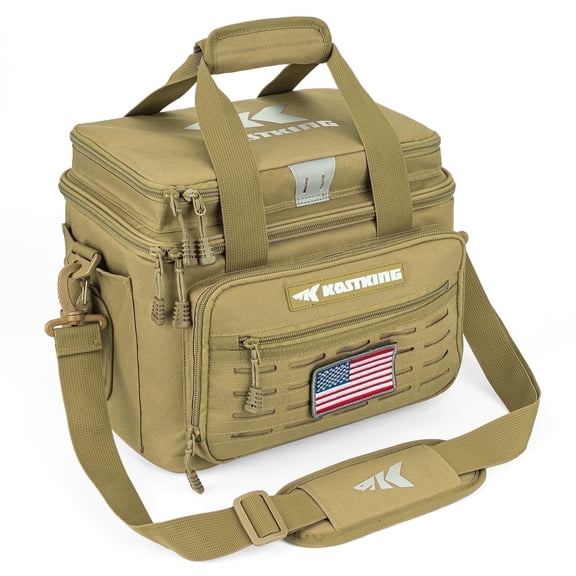
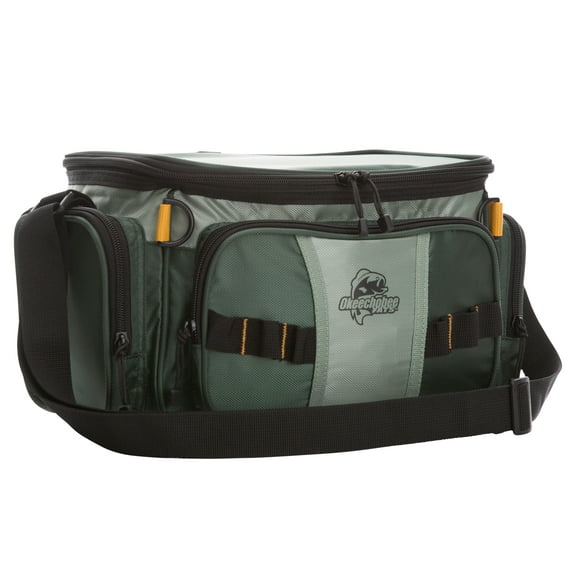
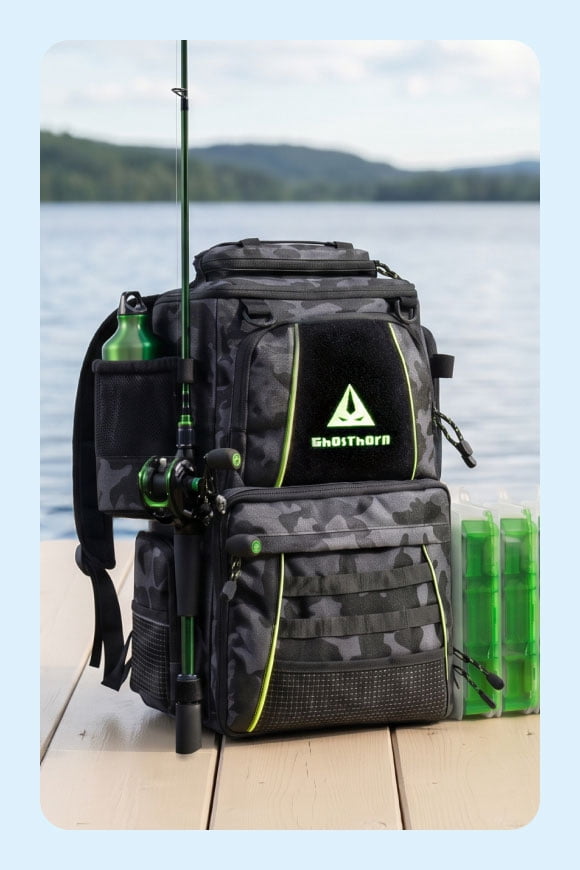
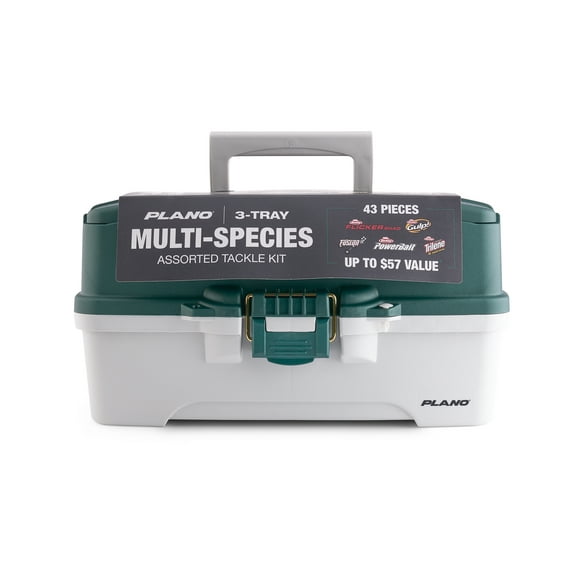
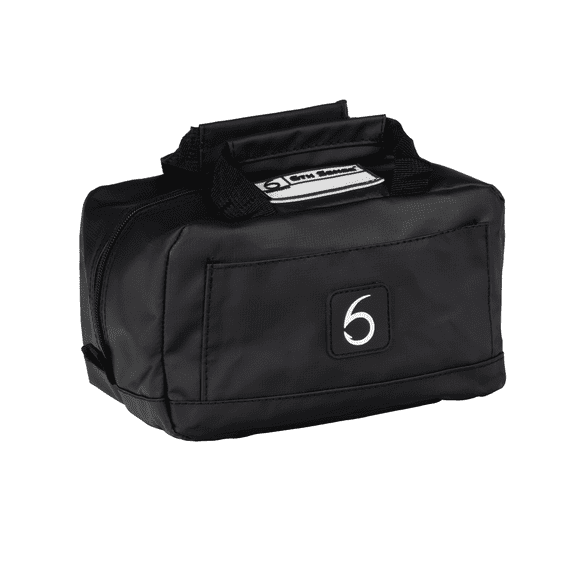
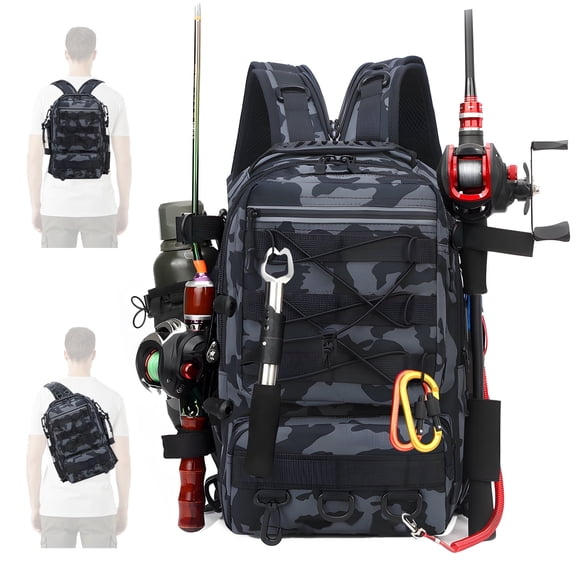
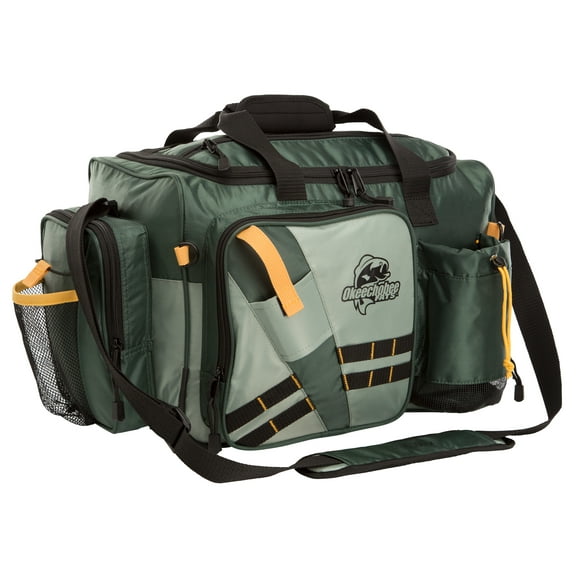
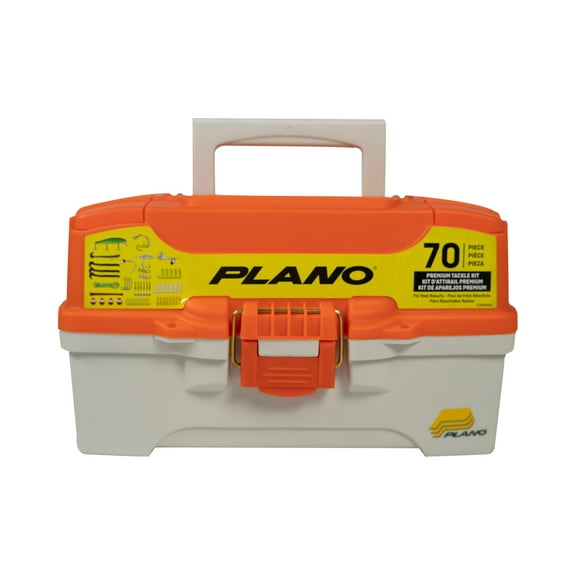
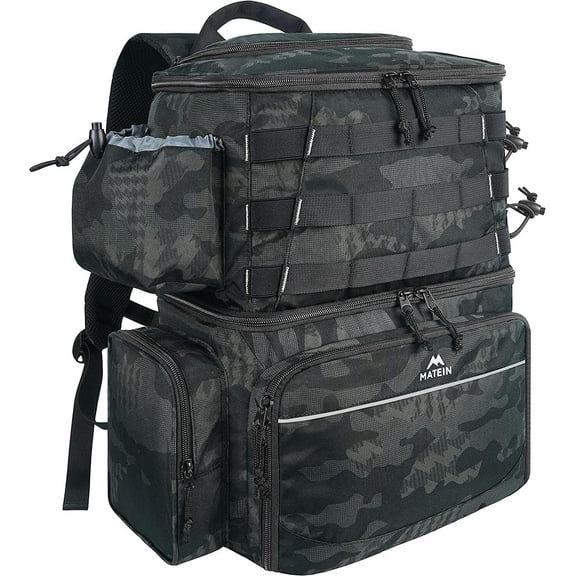
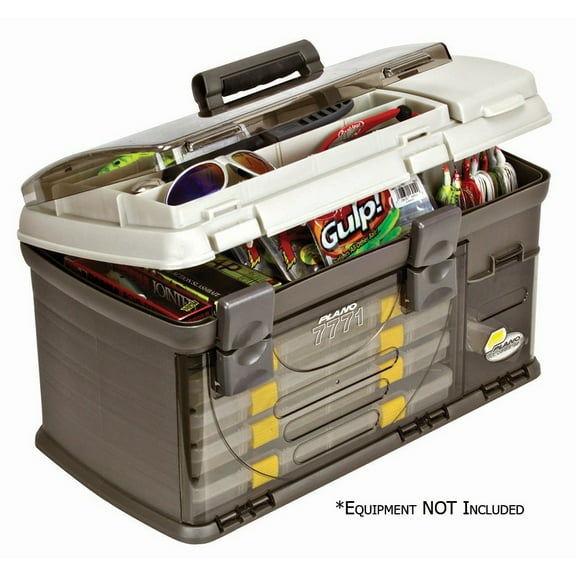
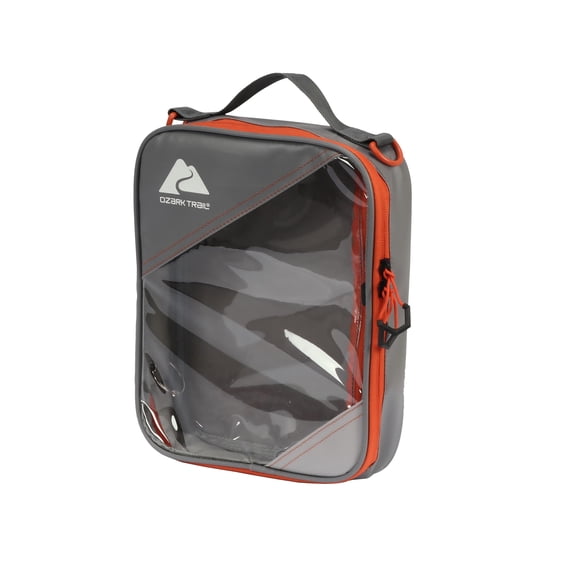
You’ll notice each tackle storage organizer style supports a different fishing setup. Hard-side boxes help you stack trays neatly, while soft-side tackle bags help you carry gear across docks, banks, and launches.
If you want grab-and-go access, you may prefer utility tray organizer formats with clear lids and labeled compartments. If you carry pliers, line cutters, and spare reels, you may want extra pockets and larger openings.
- You can keep terminal tackle separated by size for quicker lure changes.
- You can match 3600 or 3700 tackle trays to storage that fits your current setup.
- You can choose carry handles, shoulder straps, or compact profiles based on how you fish.
- You can organize hard baits, soft plastics, and tools without mixing small components.
When you organize by lure type and tray size, you spend less time digging through loose gear. You also keep frequently used items easier to reach when conditions change quickly.
Choosing material and construction for fishing utility boxes
You should compare molded plastic, heavy-duty fabric, and metal based on where and how you fish. Molded plastic cases help you protect trays from splashes and rough deck movement.
If you walk longer distances, you may prefer heavy-duty fabric because it feels easier to carry and often includes outer pockets. If you want a rigid shell, you may lean toward hard-side storage with secure closures.
You can also consider metal storage when you want a structured frame and classic box layout. You should check handle design, tray access, and latch style so your gear stays orderly in transit.
For interior flexibility, you’ll want to compare removable trays, utility box slots, and divider systems. Those details help you build a setup around spinnerbaits, jig heads, leaders, and other small essentials.
Understanding waterproof tackle box options
You should separate waterproof from water-resistant before you choose your next setup. A waterproof tackle box usually uses an O-ring seal and tight latches to help keep water out.
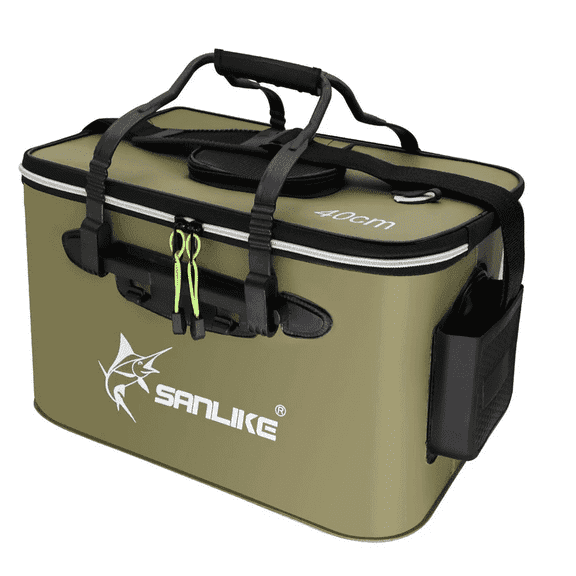
If you fish in rain, kayak fish, or store gear on a wet deck, you may want that sealed design. Water-resistant options can handle light splashes, while non-waterproof styles focus more on access and capacity.
You should also inspect latch security because a seal works only when the lid closes firmly. Clear gasket edges, snug closures, and solid hinges often matter when you carry small tackle components.
If you swap spots often, you may like clear-lid plastic utility trays inside a larger bag. You can pull one tray at a time while keeping the rest of your fishing gear storage packed and ready.
Matching storage style to how you fish
You can choose a hard-side box when you want upright structure and quick tray stacking on a boat or in a garage. You may choose a soft-side tackle bag when carrying comfort matters more during long walks.
If you fish creeks or ponds with a lighter setup, pocket-sized boxes can keep your essentials close without extra bulk. If you run multiple lure patterns, larger tray systems help you sort by species, season, or water depth.
You may also want an ice fishing tackle box for compact cold-weather kits and smaller presentations. That format can help you separate spoons, jigs, and terminal pieces in a tighter loadout.
When you build around your fishing style, your storage works harder from the first cast to the last. You’ll move faster, protect your gear more effectively, and keep every tray where you expect it.
Key details to compare before you choose
You should measure your current trays before replacing a bag or box, especially if you already use 3600 or 3700 formats. That quick check helps you avoid buying storage that wastes room.
You’ll also want to compare compartment depth, lid clarity, and exterior pocket count. Those details shape how easily you can find line, hooks, scents, and small tools during a trip.
If you want a simpler system, you may choose fishing utility boxes with fewer, deeper sections. If you want tighter sorting, you may prefer tackle trays with more divider options and clearer category separation.
With the right layout, you can protect small components, carry gear comfortably, and keep your setup ready for changing conditions. You’ll feel the difference every time you reach for the exact lure you need.
Popular in Fishing Tackle Boxes in Fishing - Walmart.com
- Saltwater Tackle Boxes
- Rollback in Fishing Tackle Boxes
- Tackle Boxes
- Clearance in Fishing Tackle Boxes
- Reduced Price in Fishing Tackle Boxes
- Catfish Tackle Box
- Umpqua Fishing Tackle Boxes
- Tackle Box Kits
- Top Rated Products in Fishing Tackle Boxes
- Fishing Boxes
- Fishing Tackle Boxes Franks Great Outdoors
- Fishpond