

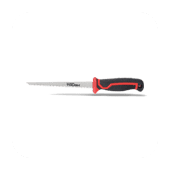

All Tool Sets in Tools


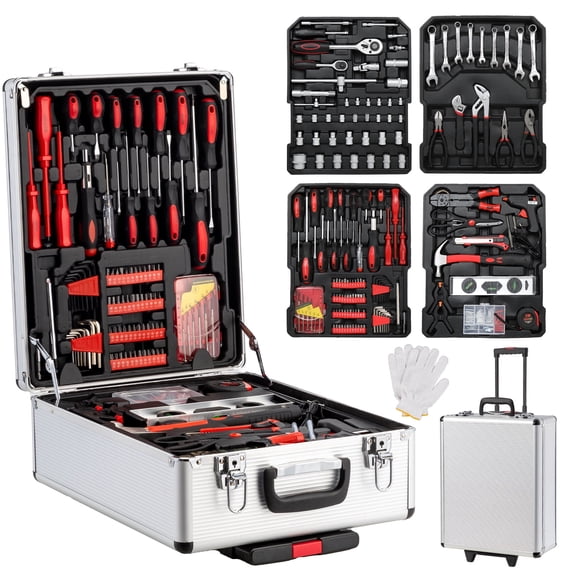
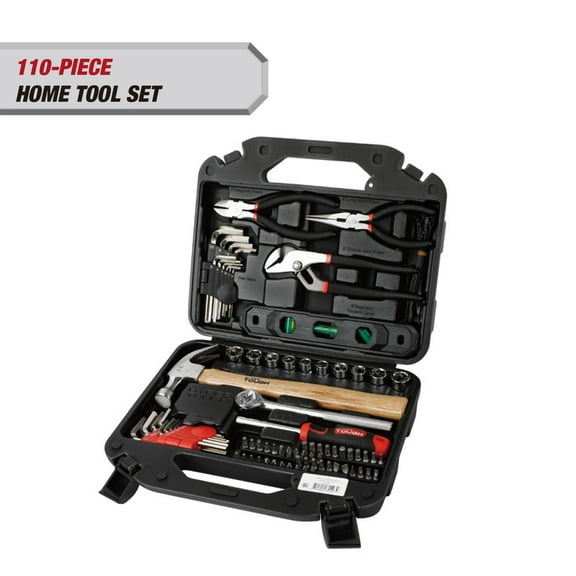
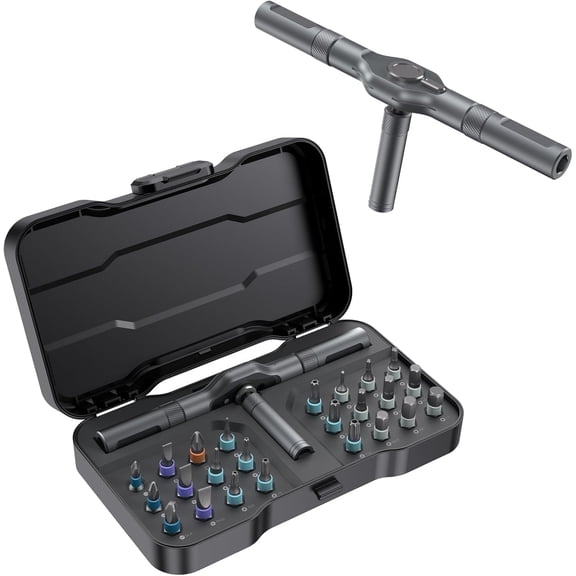


















About All Tool Sets in Tools - Walmart.com
Tools help you start home projects with more control, faster setup, and clearer results. You can compare power tools, hand tools, and tool storage in one place for home improvement tools that match real jobs.
If you're fixing a hinge, building a shelf, or updating a yard gate, you need the right fit. You can narrow tools by power source, tool type, user level, and storage style without guessing.
How to choose tools for your projects
When you compare tools, you should start with the work in front of you. You can often use manual pieces for quick tasks, while powered options suit repeated cuts, drilling, and fastening.
For lighter home projects, you may prefer compact diy tools that feel easier to carry. For heavier framing or garage work, you can look for stronger output and longer run time.
- You can use cordless tools when you want mobility on ladders, patios, and rooms without nearby outlets.
- You can choose corded options when you want steady power for longer cutting, grinding, or sanding sessions.
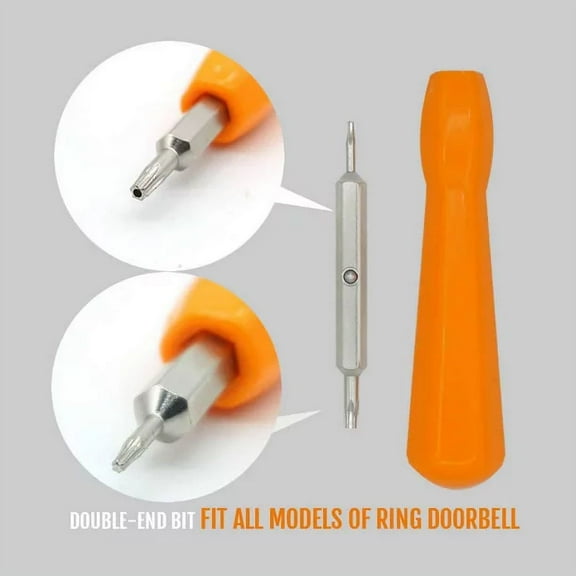
- You can rely on manual hand tools for precise turns, grip, striking, and measuring during everyday repairs.
- You can consider pneumatic models when your setup already includes air equipment for repeated shop tasks.
Battery voltage matters because you can match lighter platforms to everyday repairs and stronger platforms to bigger jobs. Brushless motors matter because you can often get longer runtime and less maintenance during repeated use.
Choosing between power tools and hand tools
You should compare tool type based on speed, control, and finish quality. Power tools help you drill, drive, cut, and sand faster, while hand tools help you fine-tune alignment and tightening.
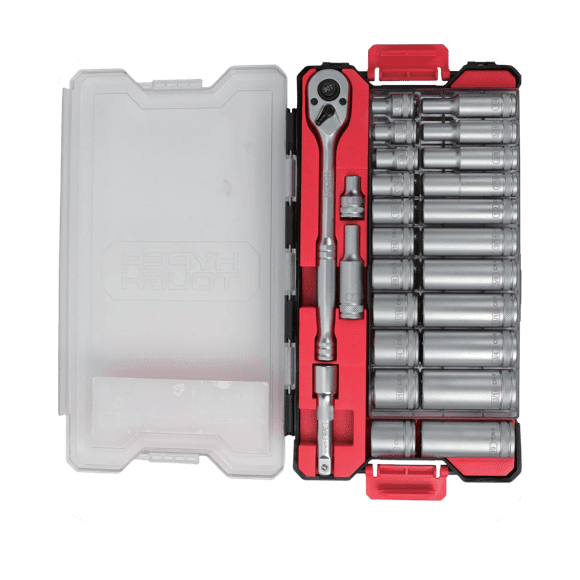
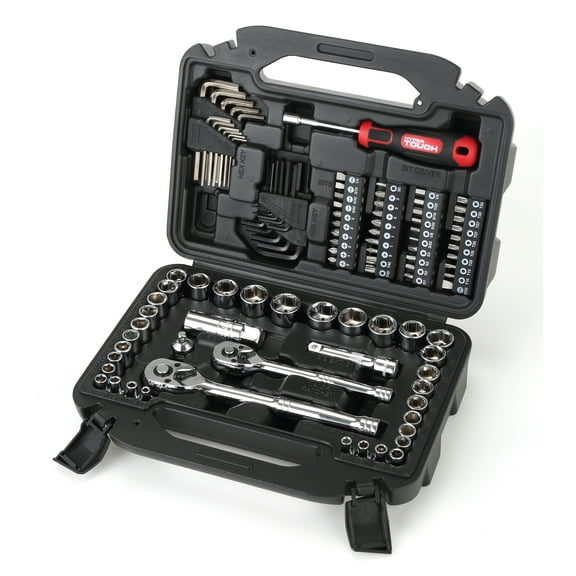
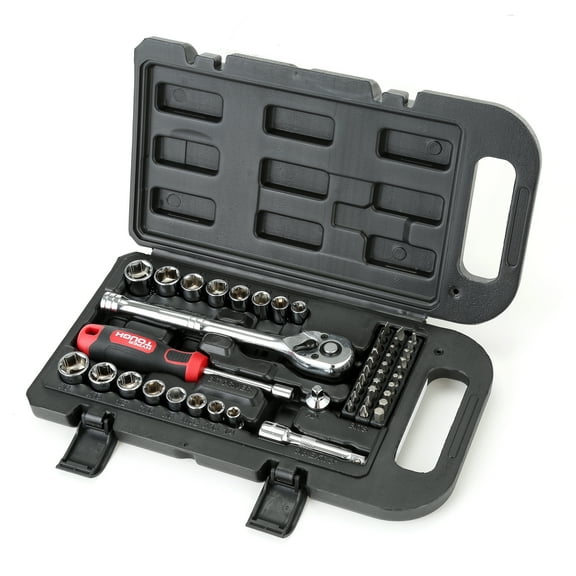
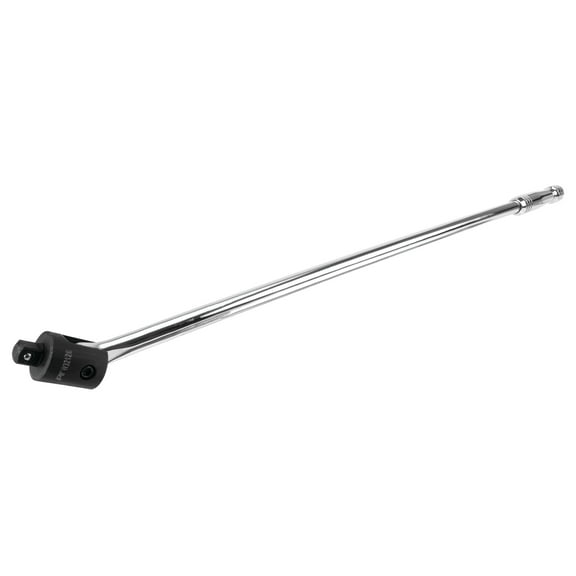
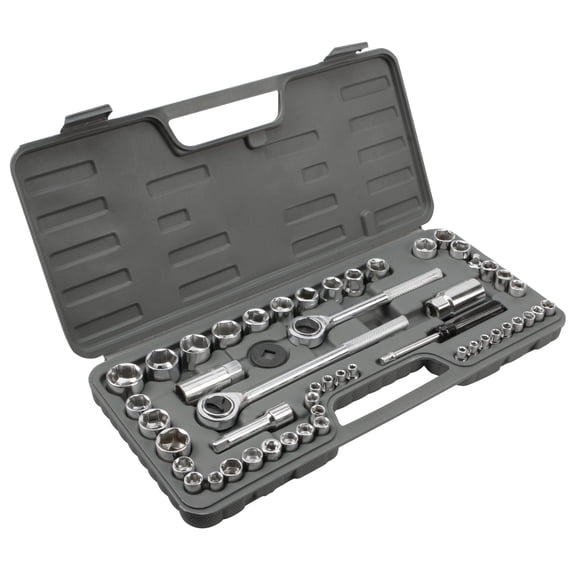
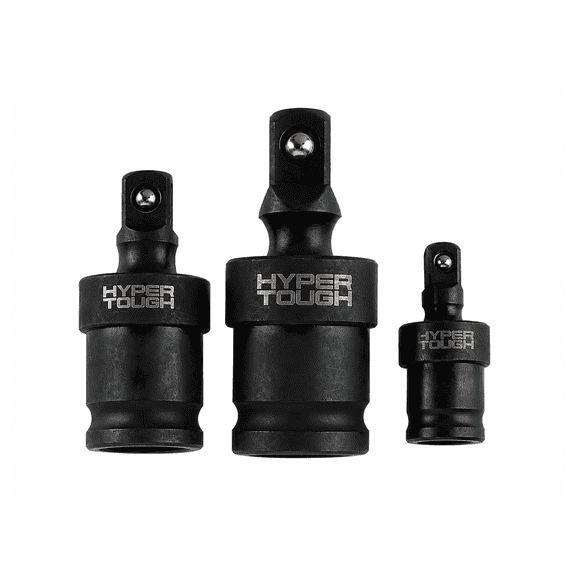
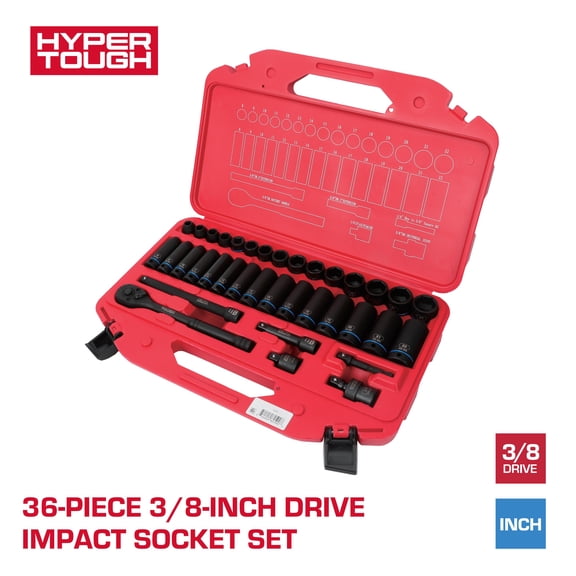
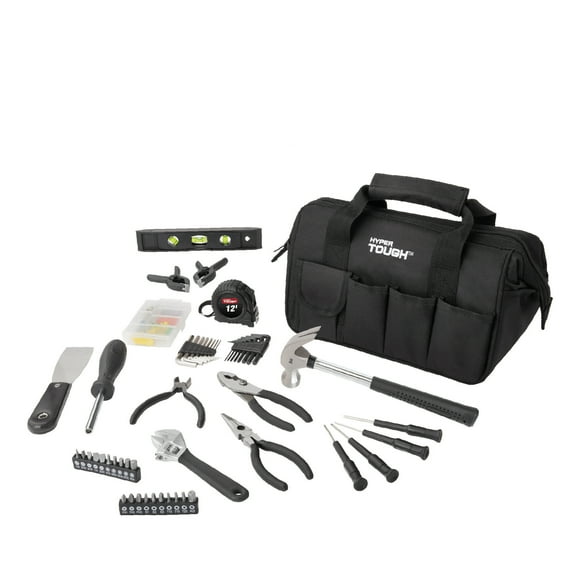
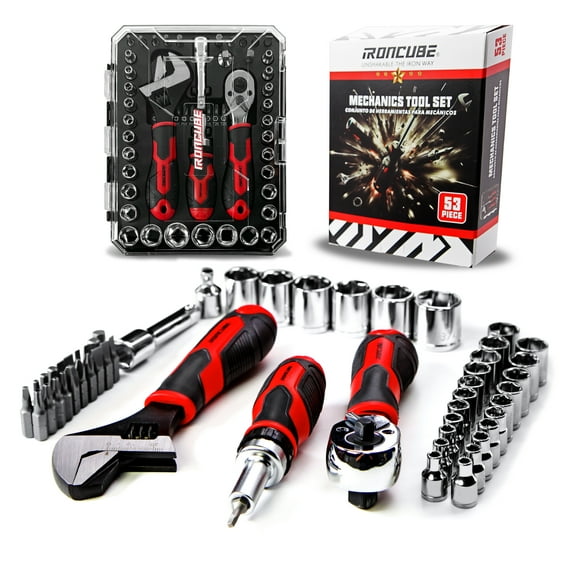
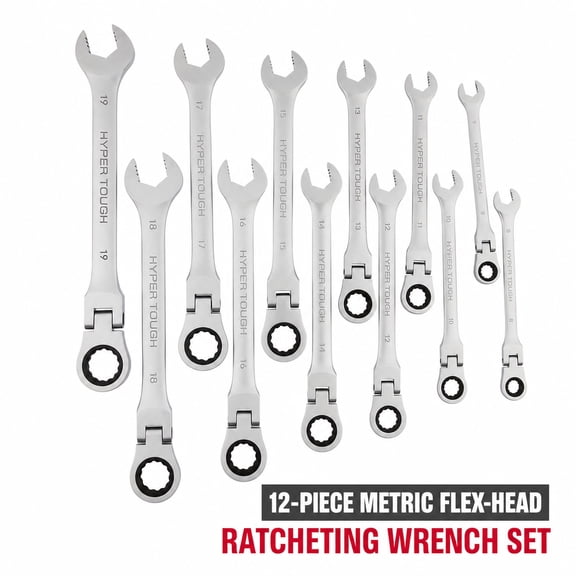
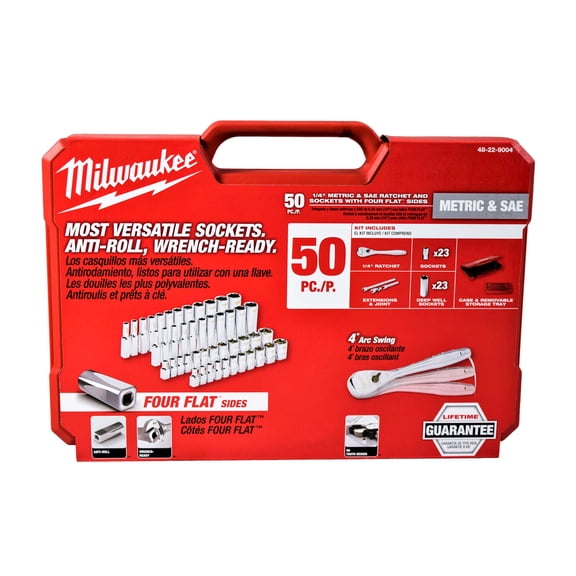
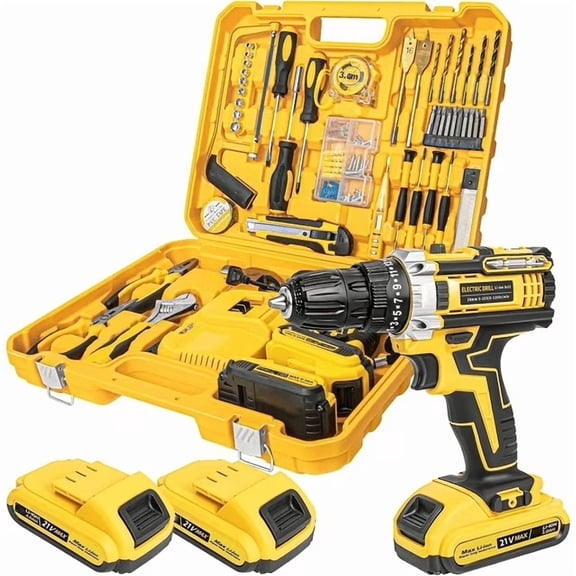
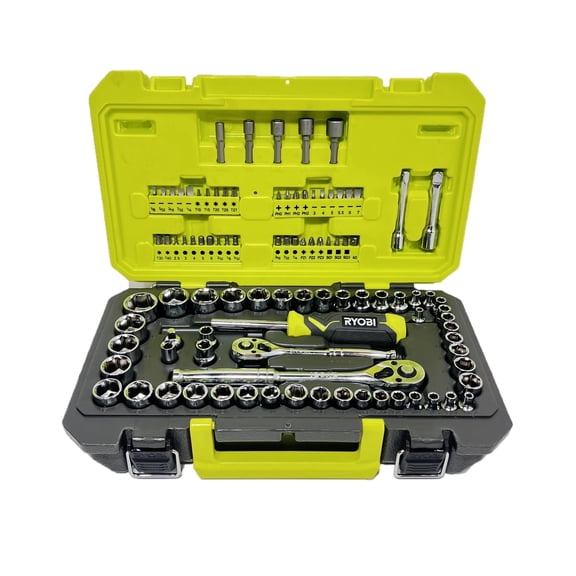
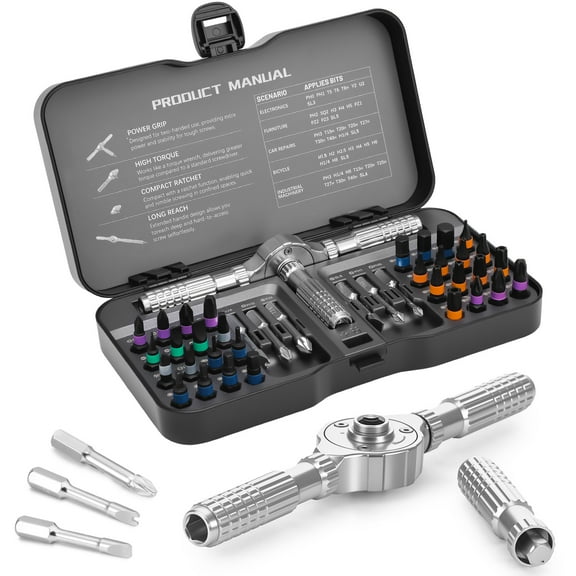
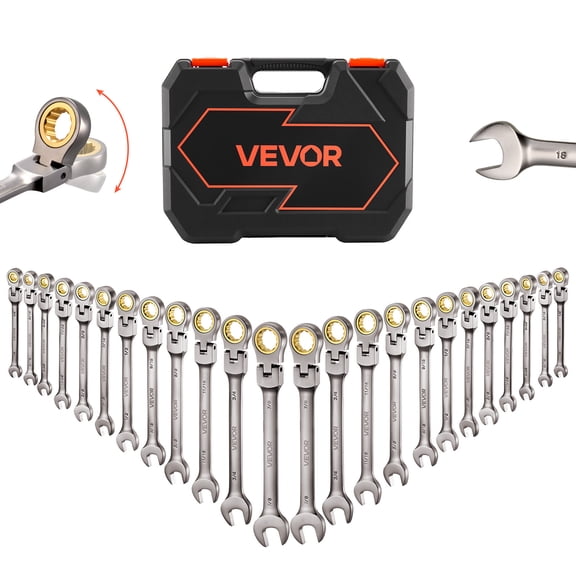
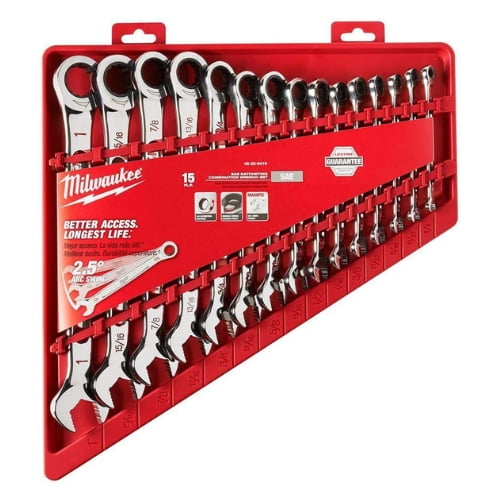
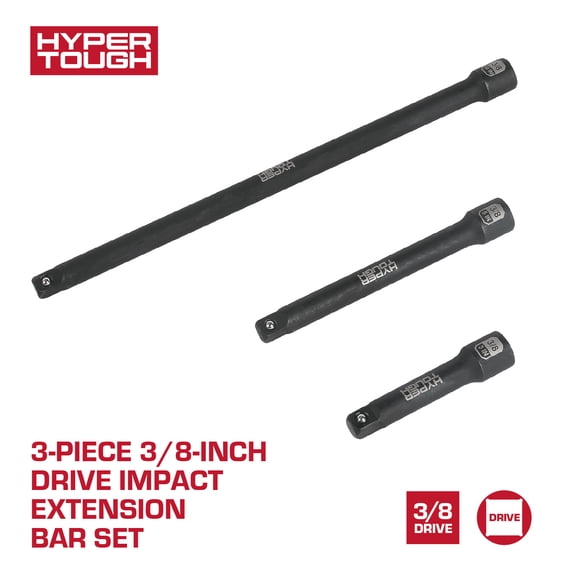
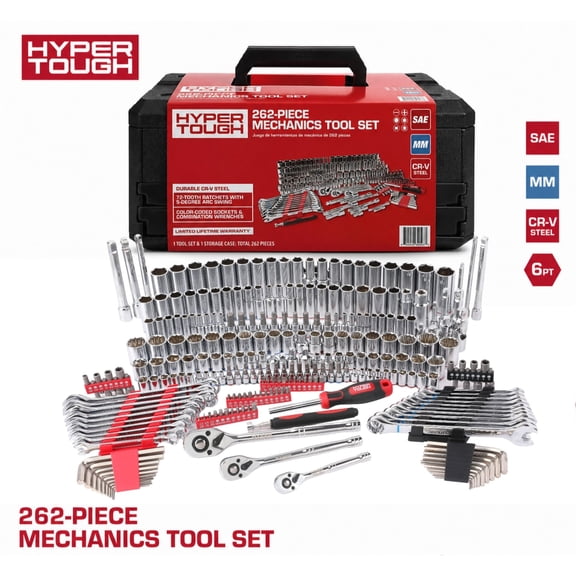
If you're assembling furniture or hanging shelves, you may need a drill, driver bits, level, tape measure, and hammer. If you're tuning a bike or working under a hood, you may want mechanics tool sets with sockets, ratchets, and extensions.
Measuring tools deserve close attention because you need straight lines and repeatable spacing before you cut. You can avoid rework when your tape measures, squares, and levels fit the accuracy your project needs.
Project compatibility should guide your choice every time you compare home improvement tools. You can pick lighter options for trim, fixtures, and décor, while tougher builds may call for higher torque or larger cutting capacity.
What to look for in cordless tools
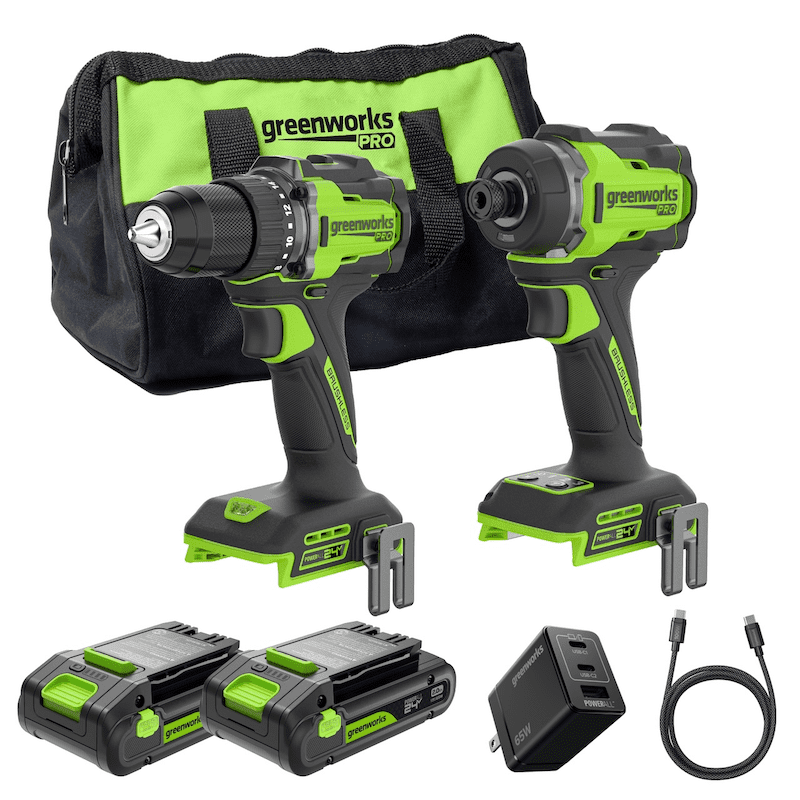
When you choose cordless tools, you should check battery platform compatibility before anything else. You can keep charging simpler when your drill, saw, and light use the same battery family.
A label like 20V Max can help you compare ecosystem compatibility across related items. You should still verify that your battery and charger match the exact platform before you build a set.
Portability matters when you move between rooms, stairs, driveways, and outdoor work areas. You can carry one kit more easily when compact bodies, lighter batteries, and clip-on storage come together.
You should also compare grip shape, trigger feel, and balance during overhead or extended work. You can stay more precise when your cordless setup feels stable in your hand.
Choosing tools by user level and project type
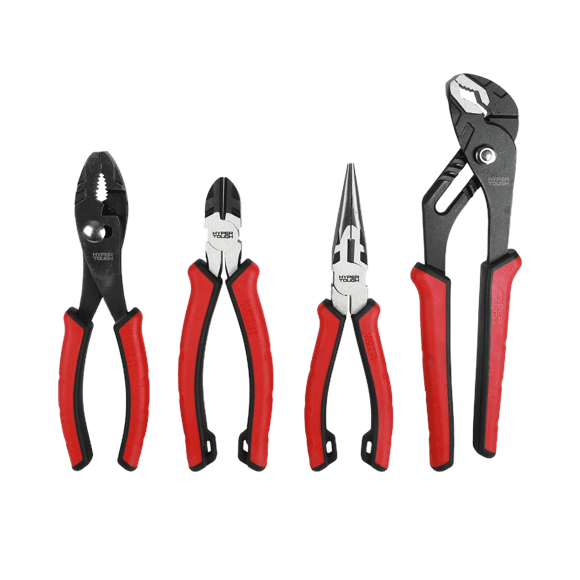
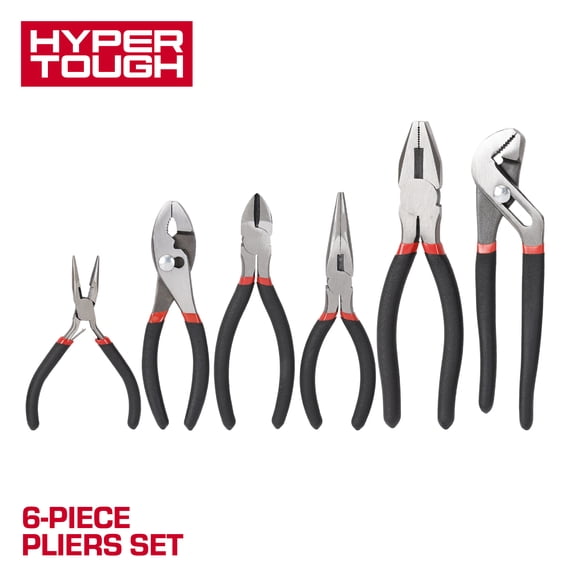
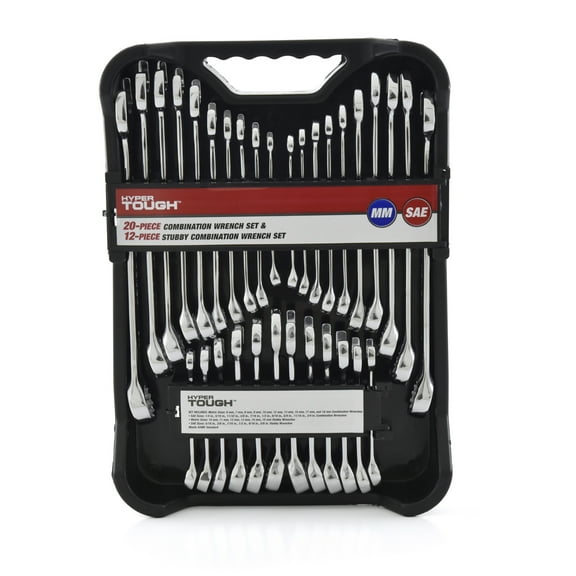
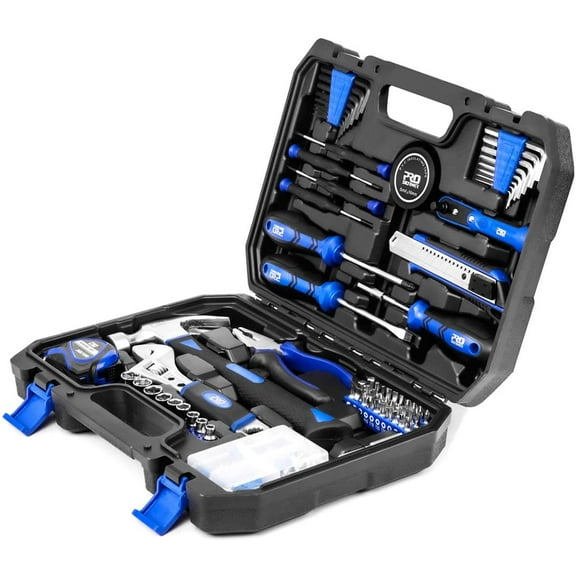
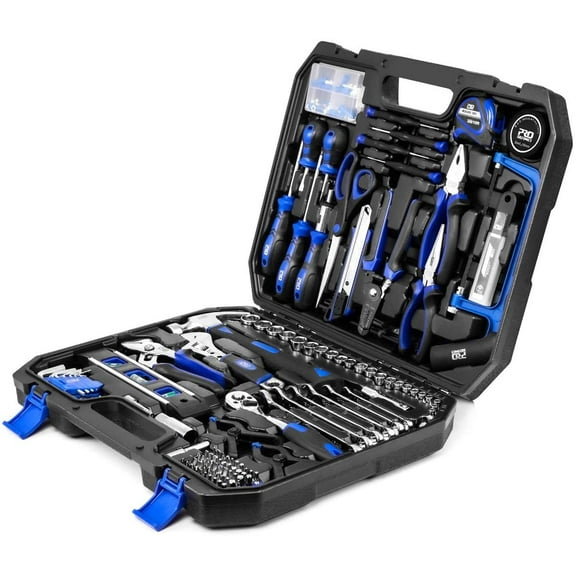
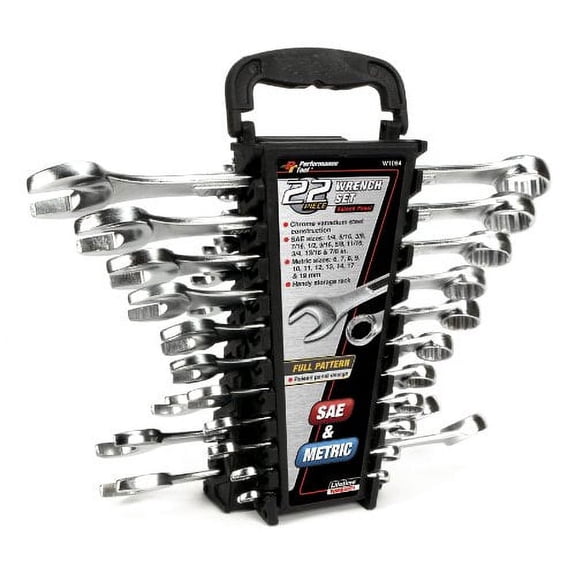
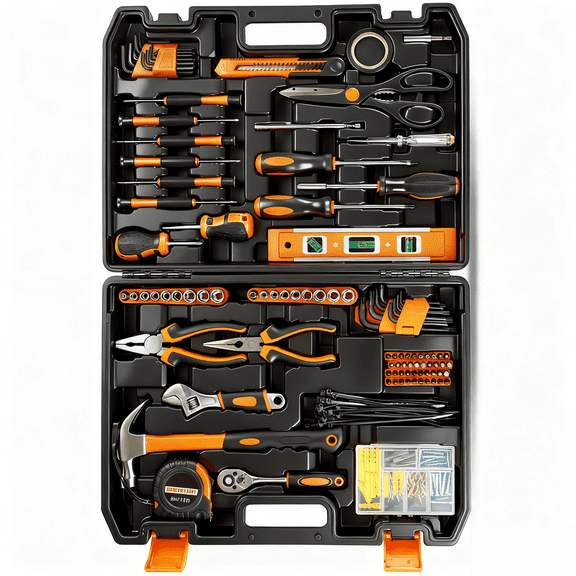
If you're a homeowner, you may want versatile basics that cover hanging, tightening, measuring, and simple repairs. You can build a practical setup with a drill, pliers, screwdrivers, wrenches, and a tool box.
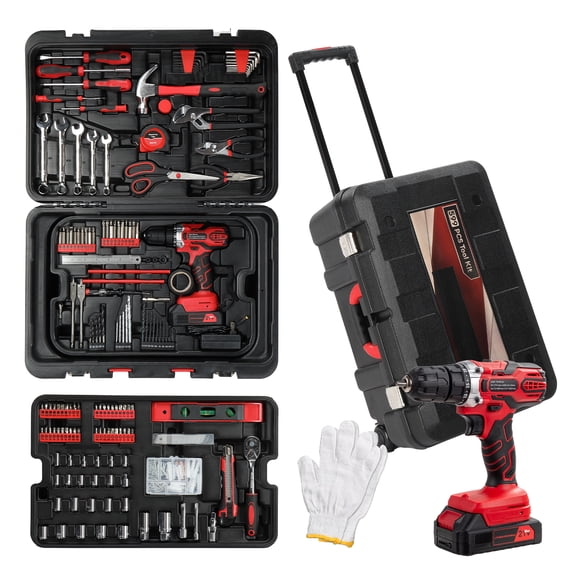
If you're focused on diy upgrades, you may need broader capability for shelves, flooring, trim, or backyard builds. You can look for combo kits, circular saws, sanders, and organizers that keep accessories sorted.
If your work is more demanding, you should compare output, durability, and runtime across frequent-use categories. You can narrow choices faster when you match each tool to repeated drilling, cutting, fastening, or grinding.
Outdoor power tools also matter when your projects extend beyond the garage or workshop. You can maintain edges, boards, and exterior fixes with options designed for seasonal yard and exterior tasks.
Choosing tool storage that fits your setup
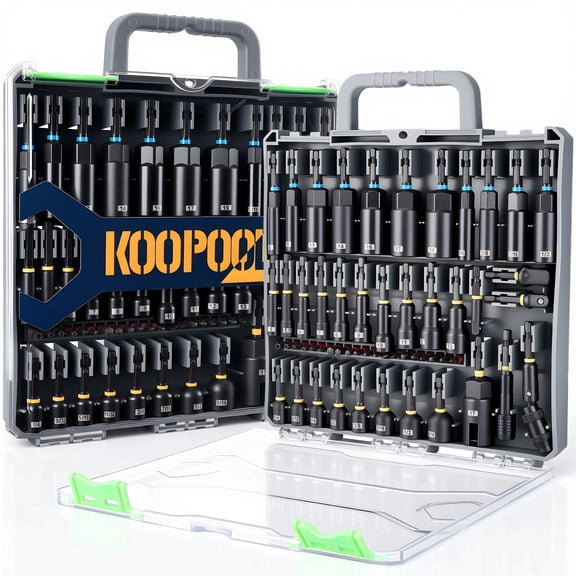
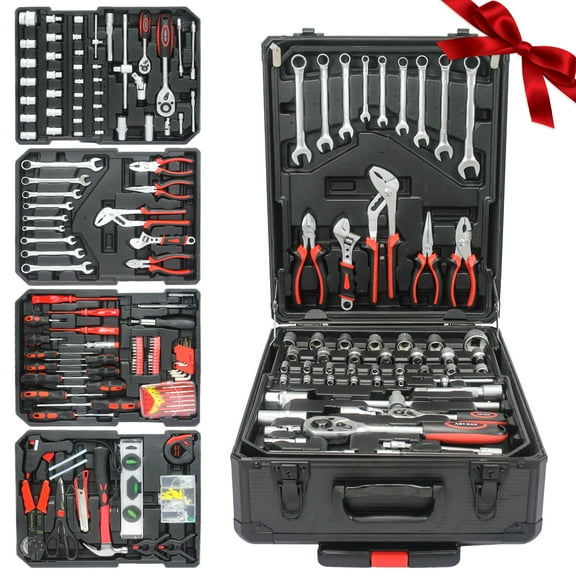
Tool storage works well when you match storage type to your space and routine. You can choose a tool box for grab-and-go repairs, or you can use a tool chest for a larger home base.
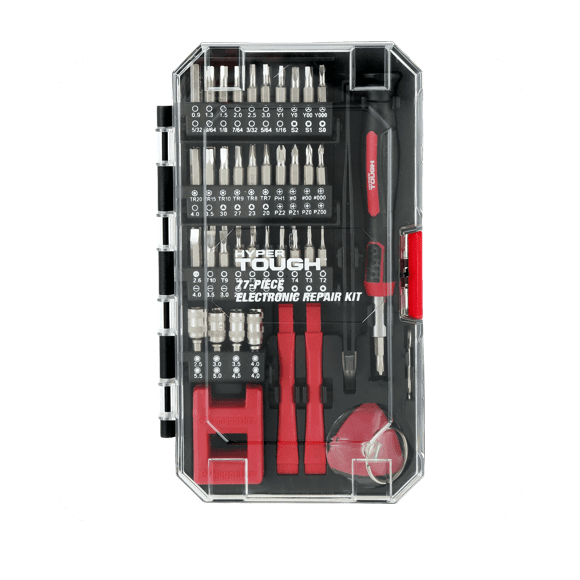
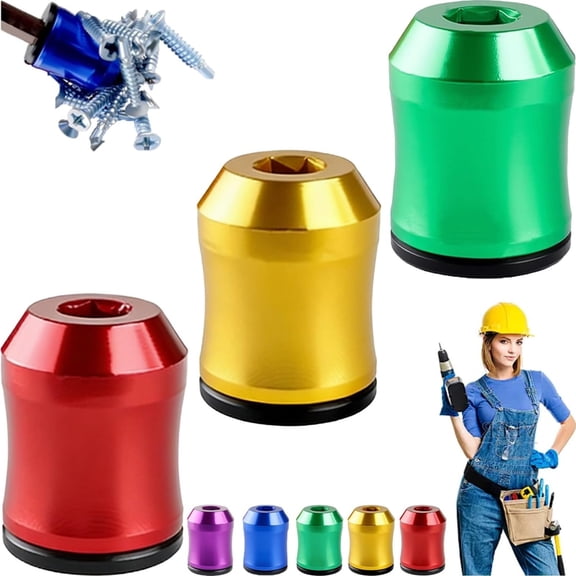
Bags can help you carry mixed gear between rooms, vehicles, and job sites with less bulk. Organizers can help you separate screws, bits, anchors, sockets, and small measuring pieces.
You should check whether your storage fits standard hand tools, longer drivers, and common accessory cases. You can reduce clutter when drawers, trays, and compartments match the items you actually use.
Mechanics and garage setups often need deeper storage for sockets, ratchets, and specialty pieces. Home projects may call for lighter tool storage that moves easily from a closet to a work area.
When you compare tools with clear project goals, you can build a setup that stays useful across repairs, upgrades, and seasonal work. You can finish more efficiently when your power source, tool type, user level, and storage all align.