






Volleyball Nets in Volleyball Equipment



























About Volleyball Nets in Volleyball Equipment - Walmart.com
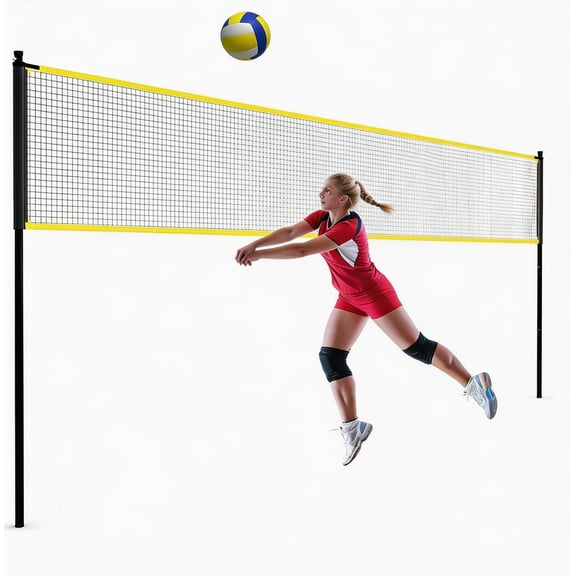
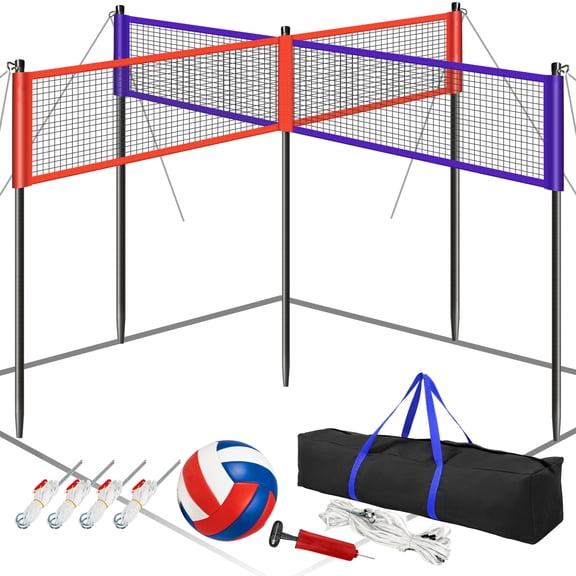
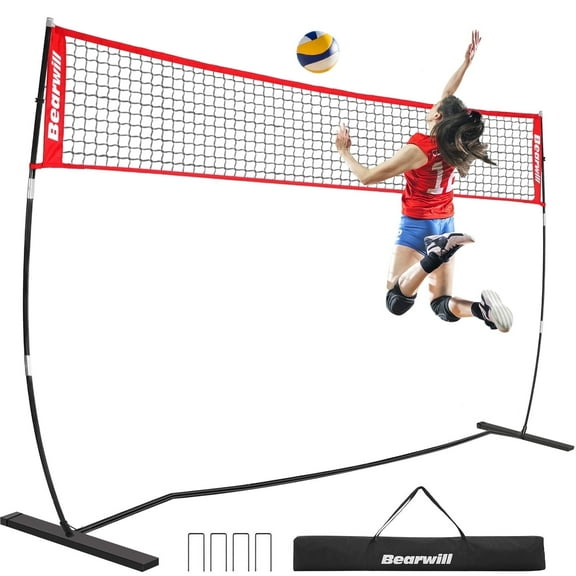
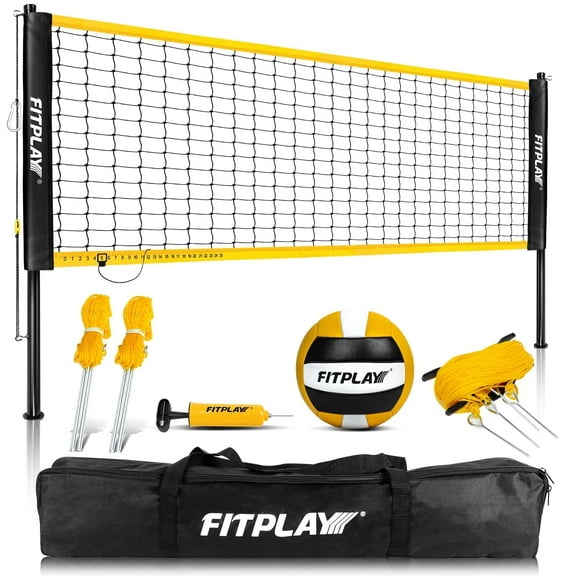
Volleyball nets help you build a court that fits your space, skill level, and setup style. You can compare portable systems, in-ground options, and replacement nets for backyard, beach, indoor, or tournament play.
How to choose volleyball nets for your court
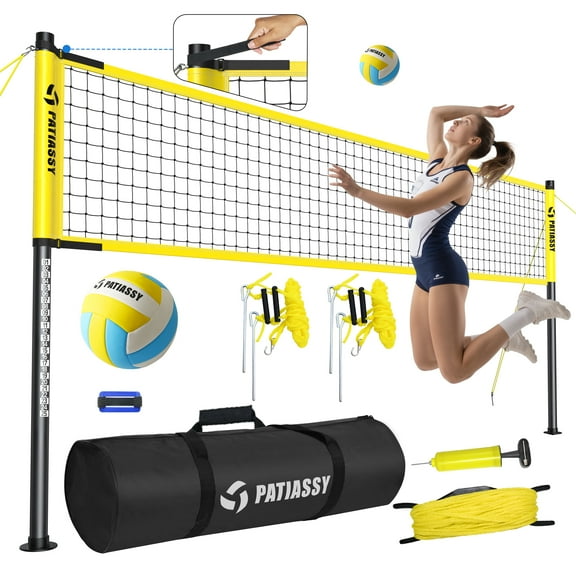
When you compare installation types, you should start with how often you'll move your setup. A portable volleyball net suits quick games, while in-ground or permanent systems support a more fixed court.
If you want easy storage, you should consider a semi-permanent or portable volleyball net with carry-friendly parts. If you want steady tension, you should look at ground sleeves and anchored poles.
Your court location also shapes your choice. An outdoor volleyball net needs weather-ready materials, while an indoor volleyball net should match gym spacing and floor-friendly support styles.
Choosing by installation type and components
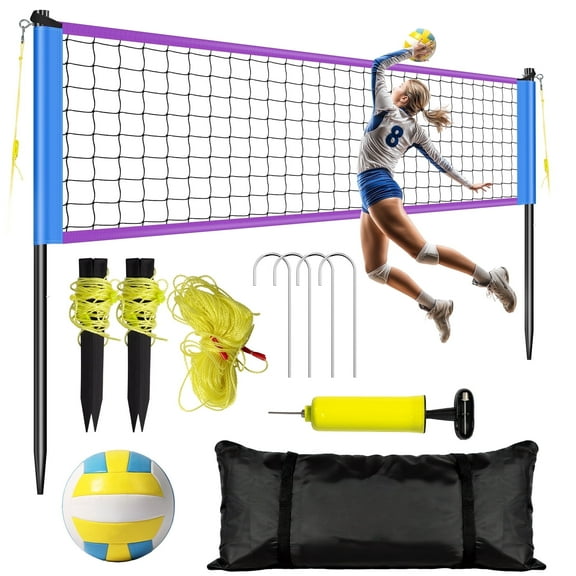
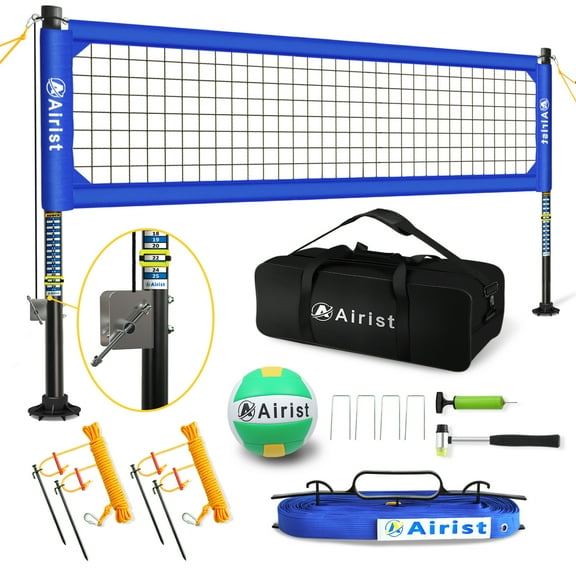
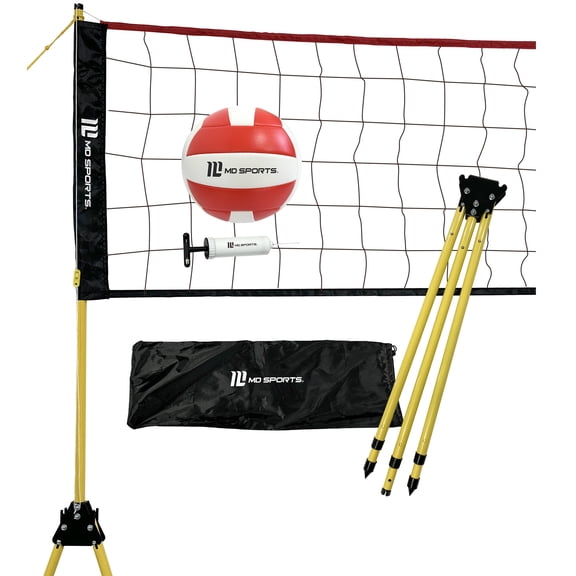
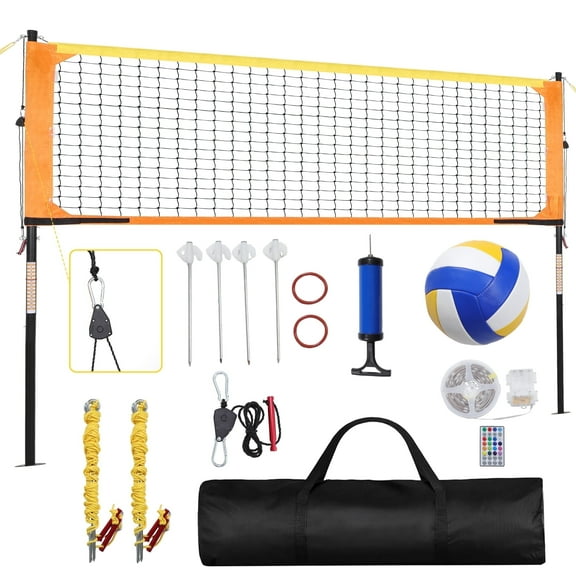
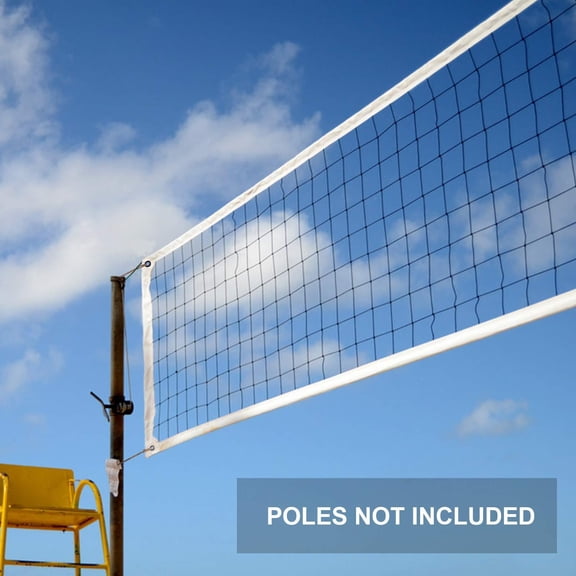
You can narrow your options faster by deciding whether you need a net only or a complete system. A volleyball net with poles gives you a full setup, while a replacement net works when your frame still fits.
Ground sleeve systems make sense when you want a cleaner court layout and a more planted feel. Portable sets make sense when you need to set up on grass, sand, or a temporary practice area.
- You can pick portable systems when you need faster setup and easier storage.
- You can choose in-ground systems when you want stronger stability for repeated play.
- You can select net-only options when your current poles and hardware still work.
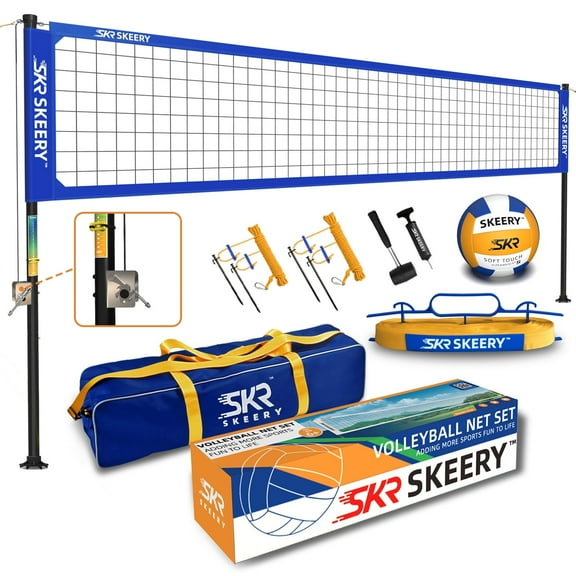
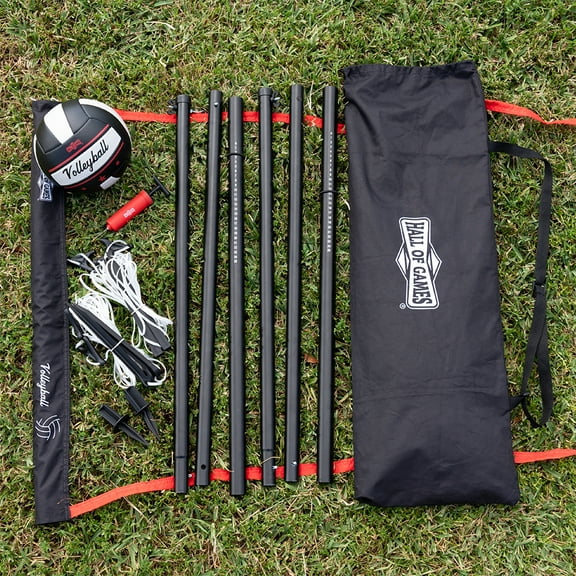
- You can compare complete systems when you need poles, boundary lines, and tension parts together.
If you share your yard with other games, you may want a setup that packs away between weekends. If you mark a dedicated court, you may prefer a permanent or semi-permanent frame.
Comparing backyard volleyball net and outdoor volleyball net options
A backyard volleyball net usually focuses on simple assembly and flexible placement. You can use one for family games, school practice, or a casual match during warm weekends.
An outdoor volleyball net should handle sun, wind, and changing weather across the season. You should compare weatherproof polyethylene, heavy duty nylon, and cable-supported edges for steadier play.
For sand courts, you may want a beach volleyball net that travels well and sets up on uneven ground. For patios or lawn edges, you should check court size and stake or anchor needs.
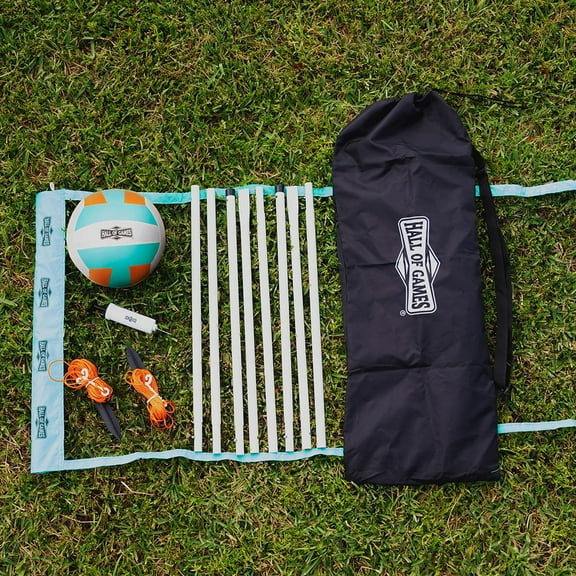
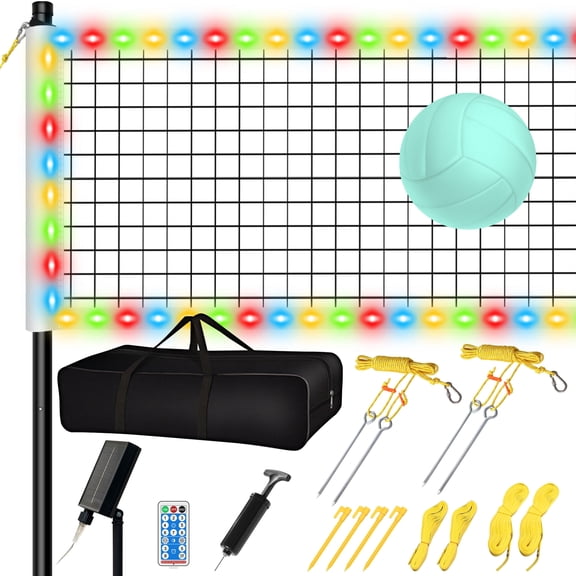
If you plan frequent setup changes, you should compare carrying cases, pole sections, and tension straps. Those details can make your outdoor routine easier from storage to first serve.
What to look for in professional volleyball net systems
A professional volleyball net usually calls for firmer tension and clearer regulation details. You should check whether a system supports tournament or regulation play before you build your court.
Regulation height matters when you want a setup that matches organized play. You should look for men's regulation height at seven feet 11-5/8 inches and women's at seven feet 4-1/8 inches.
You should also compare the tensioning system before you choose a regulation setup. A winch system helps you fine-tune net tension, while guyline pull-downs can support backyard and beach use.
If you train with repeated serves and spikes, you may want steel cable support and sturdy poles. If you host casual games, you may prefer simpler adjustments and quicker assembly.
Understanding materials and heavy duty volleyball net construction
You can learn a lot from the net material and pole build. Heavy duty volleyball net designs often use thicker netting, reinforced borders, and cable or rope tops.
Heavy duty nylon can work well when you want a durable feel and repeated use. Weatherproof polyethylene can make sense when your setup stays outside through changing conditions.
You should also compare pole materials based on how you play. Steel poles often feel sturdier for fixed courts, while aluminum can feel lighter when you move your system often.
If your games get competitive, you should check for reinforced corners and steady side straps. Those features can help you keep cleaner net shape during serves, blocks, and rallies.
Matching use cases to the right volleyball nets
You can match your setup to who plays and where you play. Recreational games often fit portable systems, while regulation or tournament play often fits more structured frames.
For family gatherings, you may want a backyard volleyball net that sets up quickly on grass. For league practice, you may want an in-ground system with stronger pole support and measured height control.
If you run drills indoors, you should verify spacing, pole style, and net width before you choose. If you play outdoors, you should compare anchors, weather-ready netting, and storage needs.
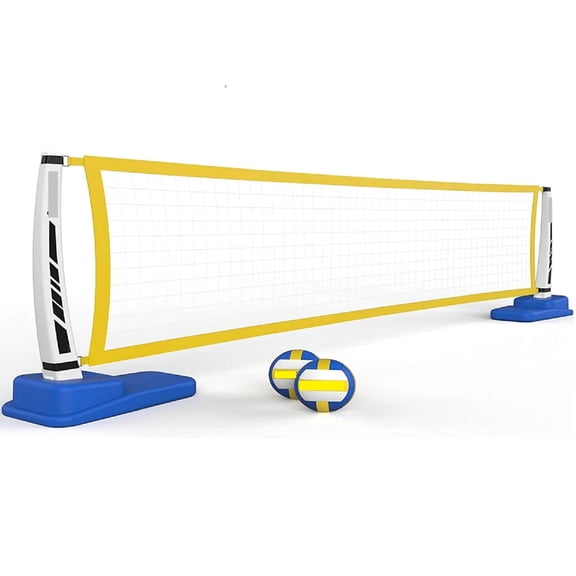
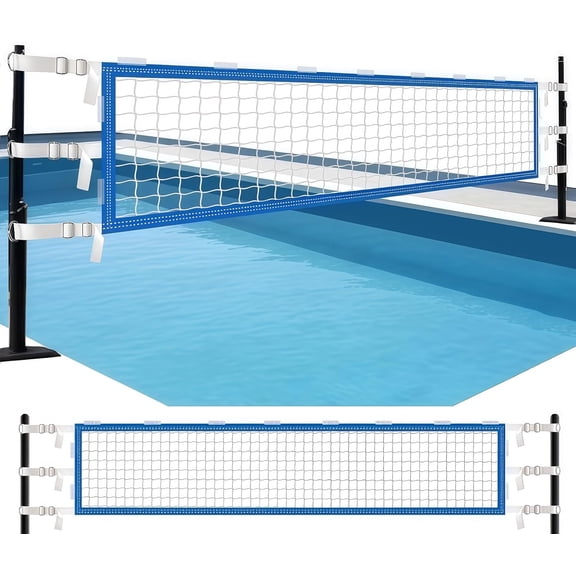
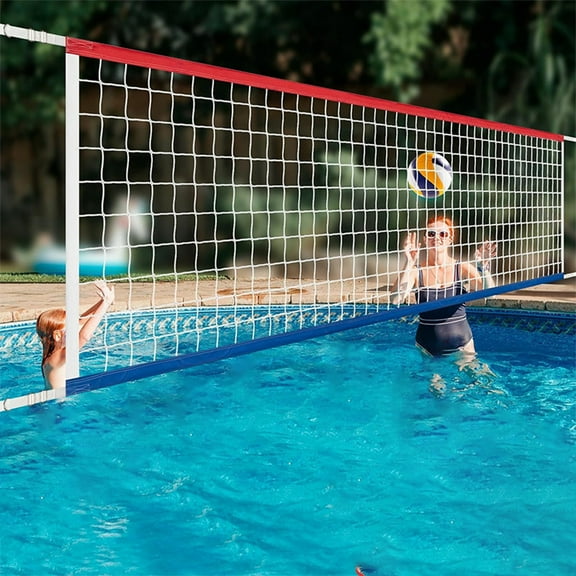
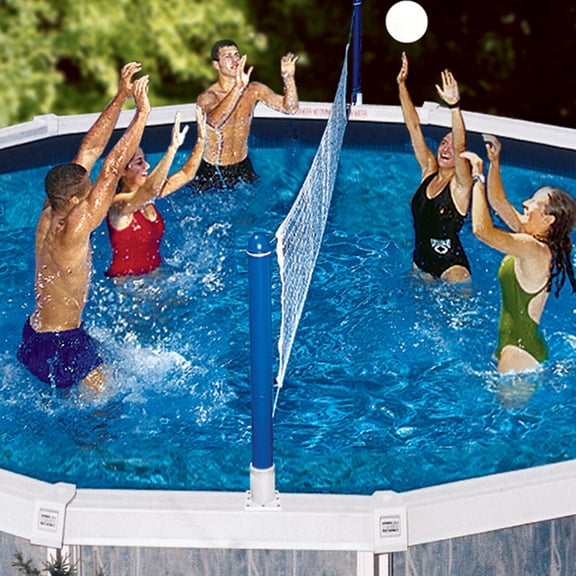
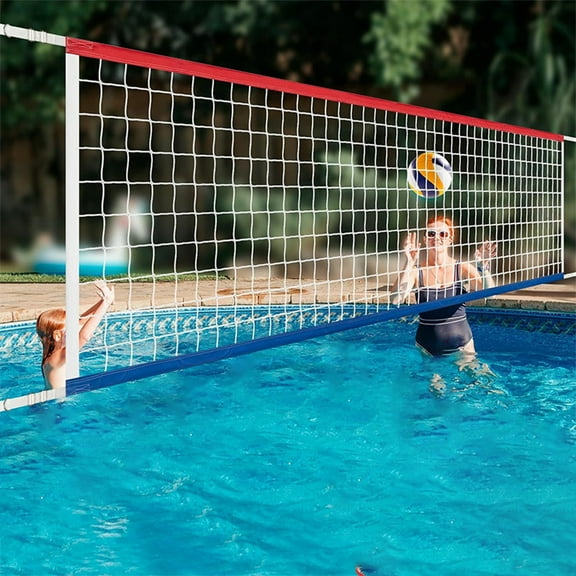
A poolside setup may need a layout designed for short-term fun and fast removal. A beach setup may call for sand-friendly anchors and a portable volleyball net that travels easily.
When you replace worn parts, you should check net length, attachment style, and cable fit. That step helps you choose a replacement net that works with your existing hardware.
With the right volleyball nets, you can create a court that fits your space, pace, and level of play. You gain a setup that supports smoother assembly, steadier tension, and more enjoyable matches.