

Office Supplies



Shop by category















More around the office







FAQ
About Office Supplies
Your office school supplies choices shape how smoothly your school day, study routine, or work setup runs. You can compare supply type, use case, organization style, and pack size in one place, which makes planning easier.
How to choose office school supplies
When you choose office school supplies, you should start with the list you need to cover each day. You can match notebooks, binders, folders, and writing instruments to classrooms, dorm rooms, desks, and shared workspaces.
Different supply types support different routines, so you should compare them by task before you decide. You may want paper products for note taking, binders and folders for sorting, and classroom storage for keeping materials together.
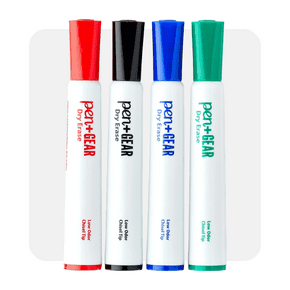
- You can use writing instruments for daily notes, color coding, and quick edits.
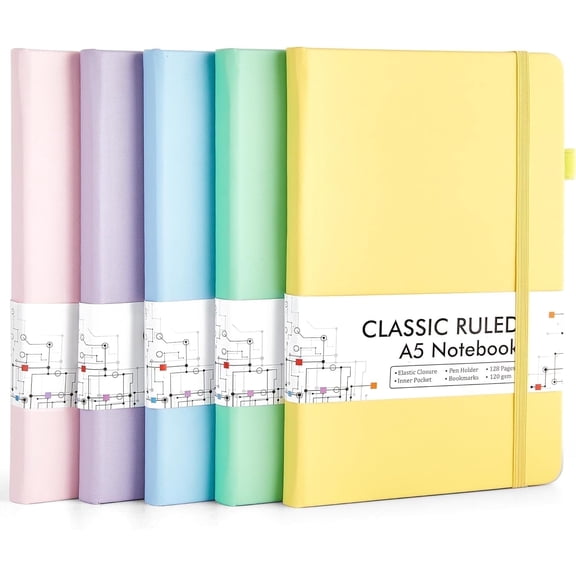
- You can choose paper products for handouts, assignments, sketching, and planning.
- You can organize subjects with binders and folders that fit lockers, backpacks, or desk drawers.
- You can keep shared materials in classroom storage, desktop organizers, and storage bins.
If you manage a class set, you may prefer multi-packs or bulk packs for easier distribution. If you shop for one student or one desk, you may prefer individual items for tighter list matching.
Choosing school supplies by supply type
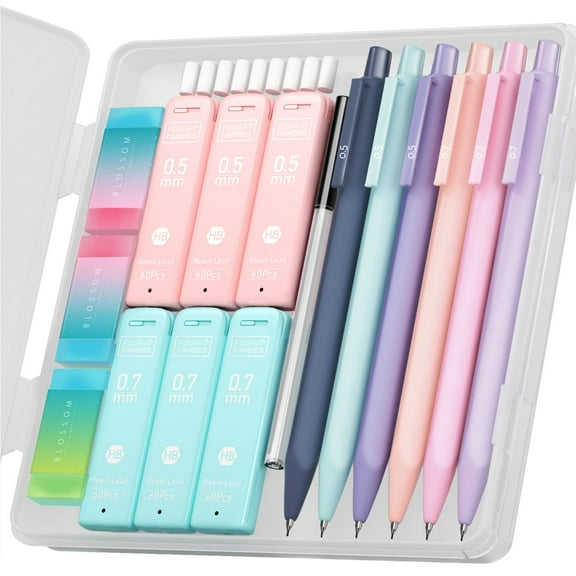
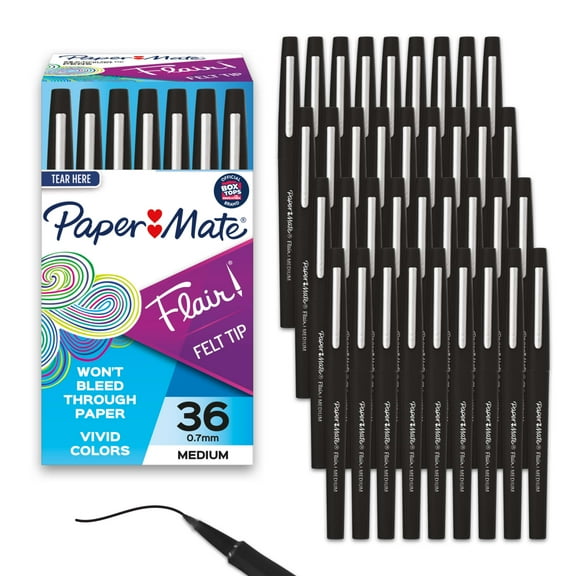
You should compare supply type first because it affects how you write, store, and carry materials. Writing instruments can include pencils, pens, markers, and highlighters, which help you handle everyday schoolwork and office tasks.
Paper products matter when you need clean pages, easy tear-out sheets, or reliable note space. You can look for notebooks, loose-leaf paper, index cards, and sticky notes that match classes, meetings, or study sessions.
Binders and folders help you sort handouts by subject, due date, or project stage. You can check ring size, pocket style, and divider compatibility when you want quicker access during busy days.
Classroom storage supports shared supplies, rotating activities, and group tables that need clear organization. You can compare storage bins, caddies, and trays when you want crayons, glue, scissors, and paper within reach.
Matching office supplies to your use case
You should also compare use case because an elementary school list differs from a college schedule or professional desk. You may need simple sorting tools for younger students, or you may need more note space and project storage.
For elementary school, you may look for labeled folders, wide-ruled paper, and easy-grip writing instruments. Those picks help you keep daily assignments simple to pack, open, and track.
For high school, you may need subject-based binders, graph paper, and durable notebooks for frequent class changes. You can keep labs, essays, and printed handouts separated without overstuffing one bag.
For college, you may compare lighter folders, multi-subject notebooks, and desk organizers for smaller study spaces. You can move between lectures, libraries, and dorm desks with supplies that stack and store neatly.
For a home office or professional setup, you may focus on file folders, legal pads, pens, and desktop organizers. You can keep paperwork visible, meetings productive, and everyday admin work easier to follow.
What to look for in classroom organization
You should measure your storage space before choosing classroom organization tools or office supplies. You can check whether file folders fit cabinet widths, whether bins stack cleanly, and whether organizers suit your desktop depth.
Backpack and drawer compatibility matters when you carry supplies between classes or keep them in compact spaces. You can compare folder width, binder thickness, and notebook size so your materials stay easy to grab.
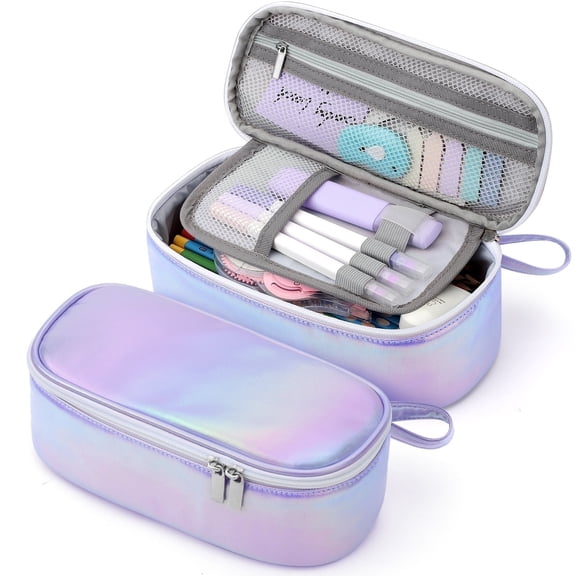
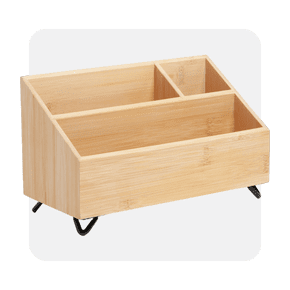
Desktop organizers help you separate clips, sticky notes, writing instruments, and small paper products during busy work blocks. You can reduce pileups by assigning trays, cups, and sorter sections to specific tasks.
Storage bins support classrooms, craft corners, and shared family stations where supplies move often. You can use them for sorted handouts, extra folders, and teacher supplies that need quick setup during lessons.
Comparing pack size and durability
You should compare pack size with how often you refill supplies and how many people use them. Bulk packs can suit classrooms and shared offices, while individual items can help you match exact school list requirements.
Multi-packs work well when you need several colors, subjects, or backups without storing oversized quantities. You can keep extras at home, in a locker, or in a desk without taking much room.
Durability also matters when you carry materials every day or reuse them across terms. You can look for sturdy covers, reinforced holes, heavier binder construction, and storage pieces that hold shape with frequent handling.
If you balance durability versus volume, you can avoid replacing basics too often or overbuying extras. That choice matters for teacher supplies, student kits, and office desks that need steady daily performance.
Using office school supplies in real routines
You can build a simple elementary setup with pencils, crayons, folders, and storage bins that support classroom organization. You can also build a high school setup with binders, loose-leaf paper, and writing instruments for changing subjects.
A college routine may call for notebooks, sticky notes, file folders, and compact desktop organizers for smaller spaces. You can keep lecture notes, reading lists, and project drafts easier to sort through the week.
Your home office may benefit from paper products, pens, legal pads, and drawer-friendly organizers for daily admin tasks. You can keep mail, forms, and to-do lists arranged without turning your desk into a stack zone.
If you support a full classroom, you may combine bulk packs, multi-packs, and classroom storage for smoother prep. You can group teacher supplies by activity, subject, or table to make transitions faster and cleaner.
With the right office school supplies, you can keep school lists, desk setups, and classroom systems aligned with real daily use. You can enjoy a more organized routine, easier access to essentials, and fewer interruptions during work or learning.
Related Links
- Calendars
- Planners
- Blue Sky Planners & Calendars
- Daily Planners
- Desk Calendars
- Hourly Appointment Planners
- Magnetic Calendars
- Mead Planners
- Monthly Calendars
- Monthly Planners
- Pen + Gear Planners
- Personal Planners
- Pocket Planner
- Skylight Calendars
- Telephone & Address Books
- The Happy Planner
- Today Is Calendars
- Undated Calendars
- Undated Planners
- Weekly Planners
- Wall Calendars
- 5 Year Journal
- Bullet Journals
- Daily Journals
- Dotted Journals
- Dream Journals
- Fitness Journals
- Food Journals
- Gratitude Journals
- Idea Journals
- Journals with Prompts
- Leather Journals
- Locking Journals
- One Line A Day Journal
- Padfolios
- Password Journals
- Premium Journals
- Travel Journals
- Weight Loss Journals
- Wellness Journal
- Writing Journals
- Shop Notebooks by Brand
- Composition Books
- Customizable Notebooks
- Drawing Notebooks
- Fashion Notebooks
- Five Star Notebooks
- Graph Ruled Notebook
- Grid Notebook
- Mead Notebooks
- Moleskine Notebooks
- Notepads
- Rocketbook
- Smart Notebooks
- 1-Subject Spiral Notebooks
- 3-Subject Spiral Notebooks
- 5-Subject Spiral Notebooks
- All Spiral Notebooks
- Steno Notebooks & Pads
- Tul Notebooks
- 10 Ream Copy Paper
- 11" x 17" Paper
- A4 Paper
- Black Cardstock
- Black Paper
- Blank Paper
- Carbon Paper
- Cardstock
- Certificates
- Colored Paper
- Copy & Multipurpose Paper
- Graph Paper
- Hammermill Paper
- Index Cards
- Inkjet Printer Paper
- Kraft Paper
- Laser Printer Paper
- Notebook Paper
- Photo Paper
- Printer Paper
- Ream of Paper
- Recycled Paper
- Resume & Business Stationary
- Textured Paper
- White Cardstock