



Office Assortment




















































About
Office supplies help you keep work, school, and daily tasks moving with fewer interruptions. You can compare paper, writing instruments, binders, and desk organizers in one place for a smoother setup.
If you're building a home office or restocking a classroom, you need items that fit your routine. You can choose formats, materials, and pack sizes that match how often you write, file, print, and organize.
How to choose office supplies for your routine
You should start with the product category that shapes your daily tasks. You may need office paper for printing, writing instruments for notes, binders for records, or desk storage for clutter control.
When you compare school and office supplies, you can focus on what you use most frequently. You can keep frequently used items close, so your desk feels easier to manage.
- You can keep projects moving with office paper, pens, and folders that support everyday work.
- You can create cleaner surfaces with desk accessories that sort clips, notes, and tools.
- You can match pack sizes to your workflow, whether you refill one desk or several rooms.
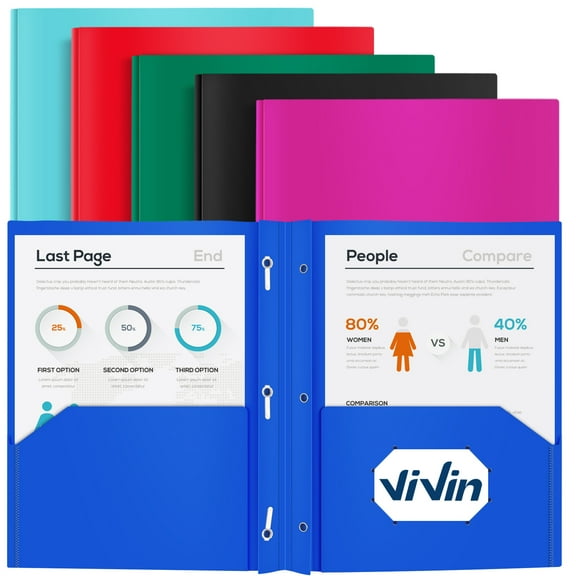
- You can separate school, home, and business materials with binders and file folders.
You also gain flexibility when your assortment covers more than one use case. You can stock one area for homework, another for billing, and another for shared office tasks.
Choosing office organization by category and capacity
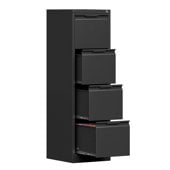
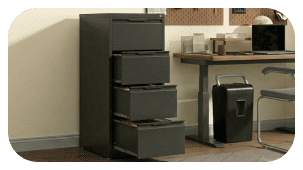
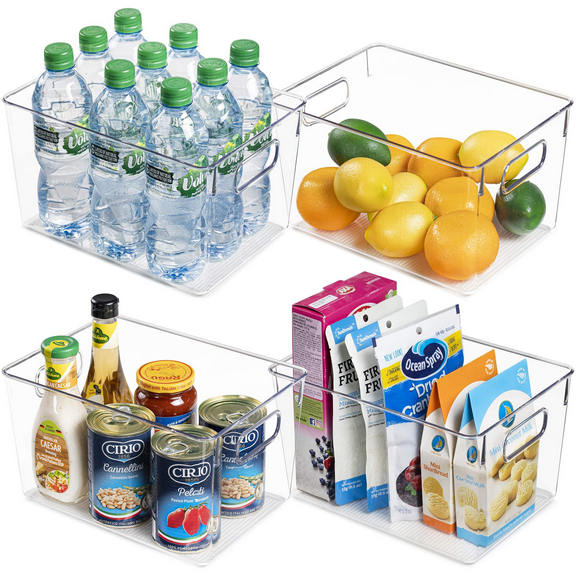
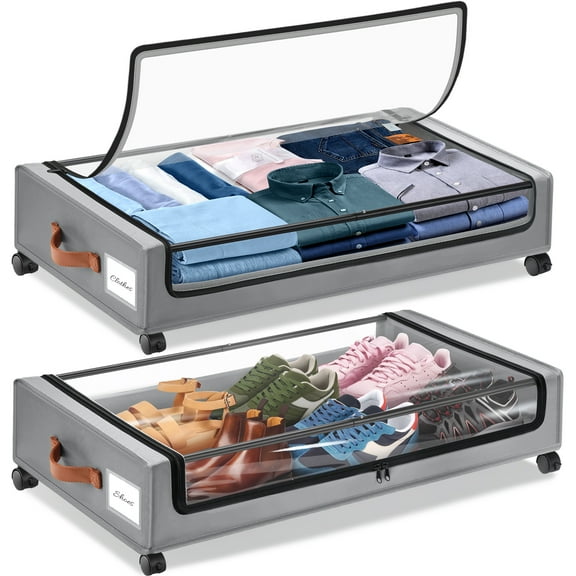
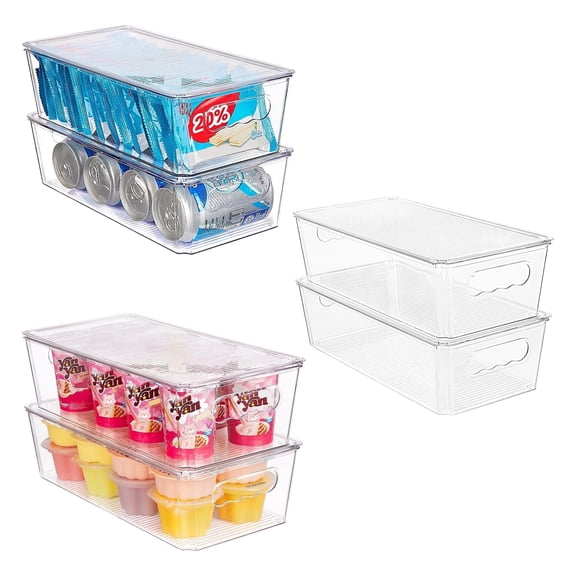
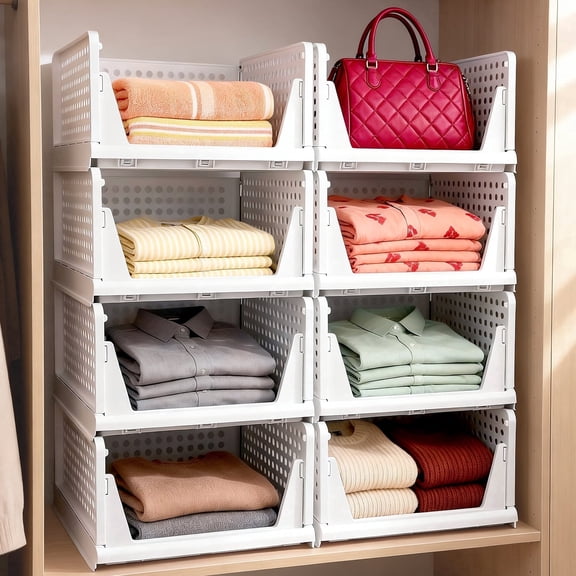
You should compare storage capacity against the space you actually have. You can use slim trays and vertical file holders when your desk depth is limited.
If your workspace is larger, you can add drawer organizers, pen cups, and letter trays. You can keep documents visible without letting stacks take over your surface.
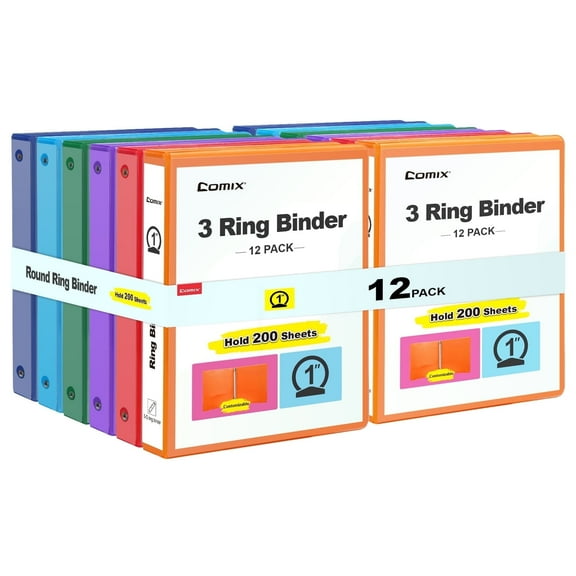
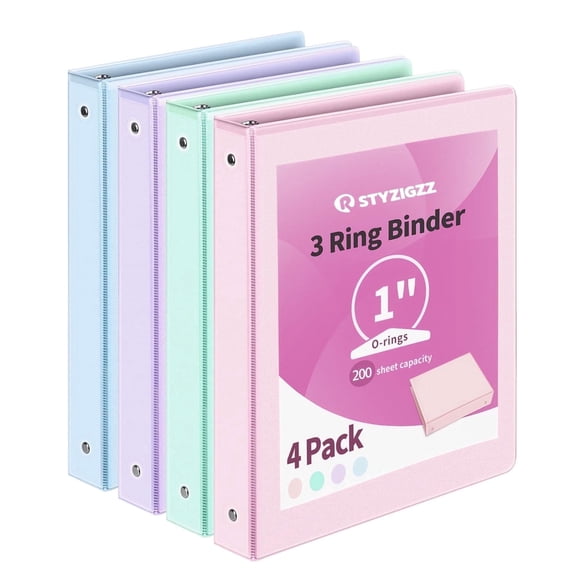
You may also compare binder ring size before you organize reports, handouts, or reference sheets. You can use smaller rings for lighter sets and larger rings for thicker stacks.
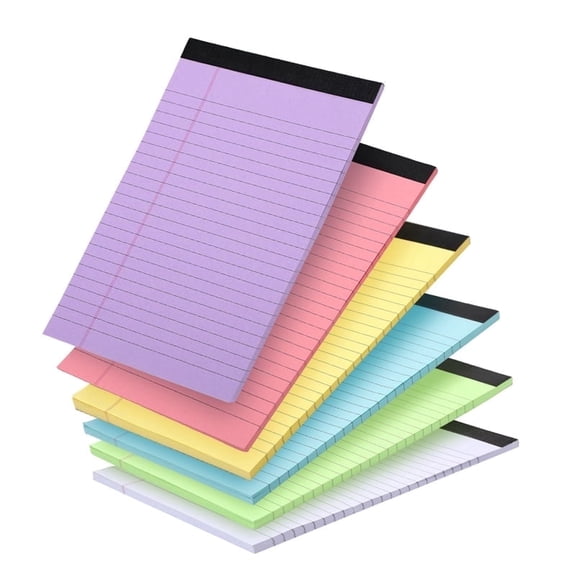
For office paper, you should check paper weight before printing or copying. You can use lighter sheets for everyday documents and heavier sheets when you want a sturdier feel.
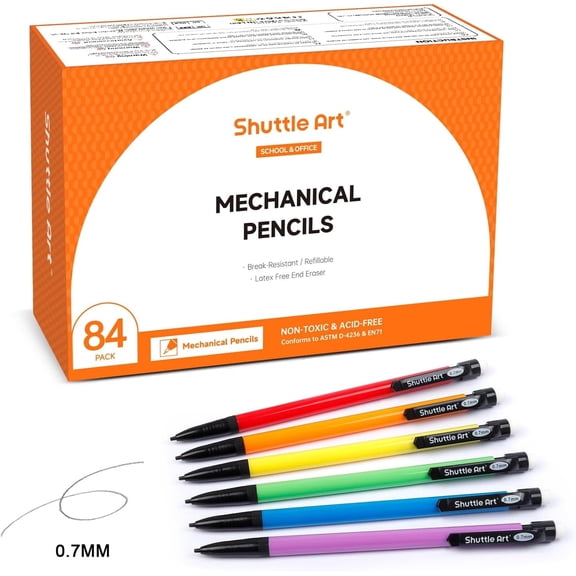
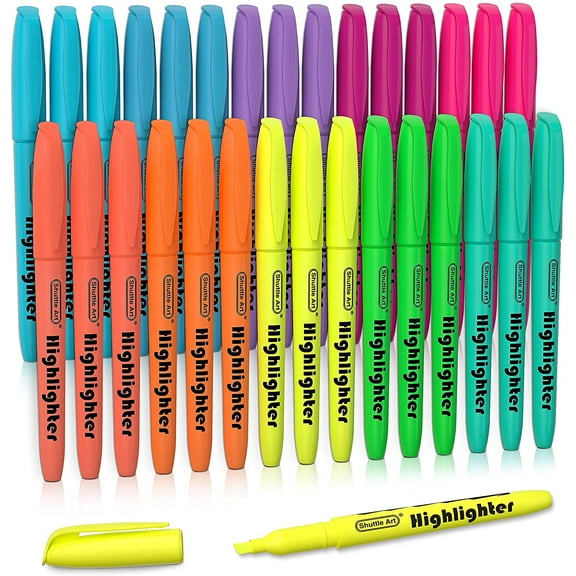
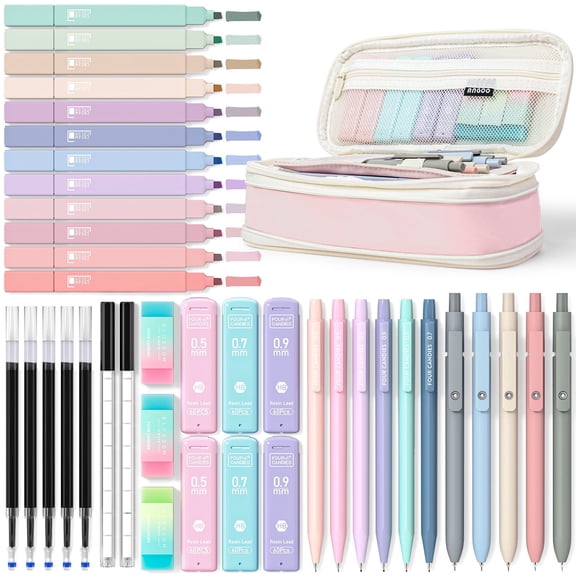
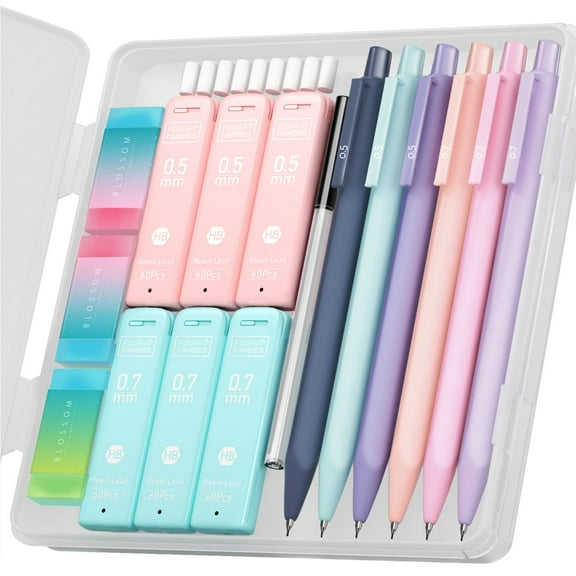
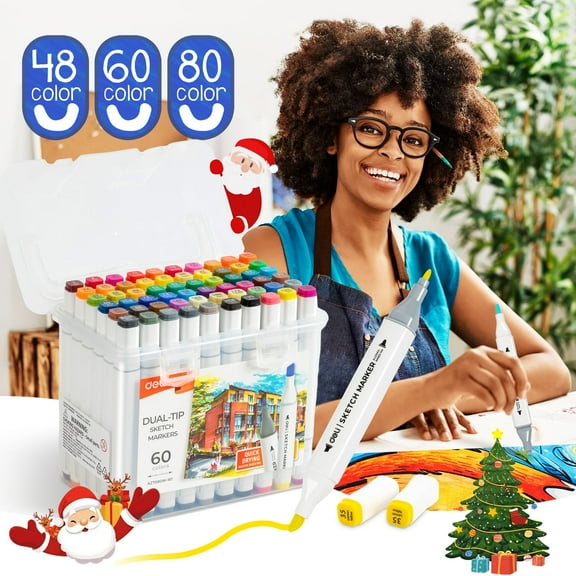
When you choose writing instruments, you should compare ink type with your task. You can pick ballpoint options for quick notes or gel and felt-tip styles for bolder lines.
What to look for in materials and daily durability
You can choose plastic, metal, mesh, or wood based on how you use your desk. You may prefer plastic for lightweight sorting or metal and mesh for a more structured look.
Wood organizers can add a warm finish to a home office or study area. You can pair them with neutral file folders and paper trays for a coordinated desktop.
If you handle supplies all day, you should look for materials that feel easy to wipe and reposition. You can move lightweight pieces quickly when your setup changes often.
For shared spaces, you may want sturdier desk storage that stays put during busy days. You can assign sections for pens, sticky notes, folders, and charging accessories.
Matching office supplies to home, school, and business use
You can build a home office setup around compact essentials and multitasking storage. You may need printer paper, notebooks, file folders, and a small organizer that fits beside a monitor.
For school, you can focus on note-taking tools, binders, and paper that support daily assignments. You can choose multipacks when several classes need the same basics.
In a business setting, you may need larger counts and clearer filing systems. You can separate invoices, forms, and presentations with labeled folders and ring binders.
For classrooms, you can use bulk formats to simplify shared supply stations. You can keep pencils, markers, and loose paper ready for group work and individual tasks.
Pack size also changes how your office supplies support the day. You can choose individual items for personal desks, multipacks for family study spaces, or bulk quantities for teams.
Key differences between desk accessories and filing tools
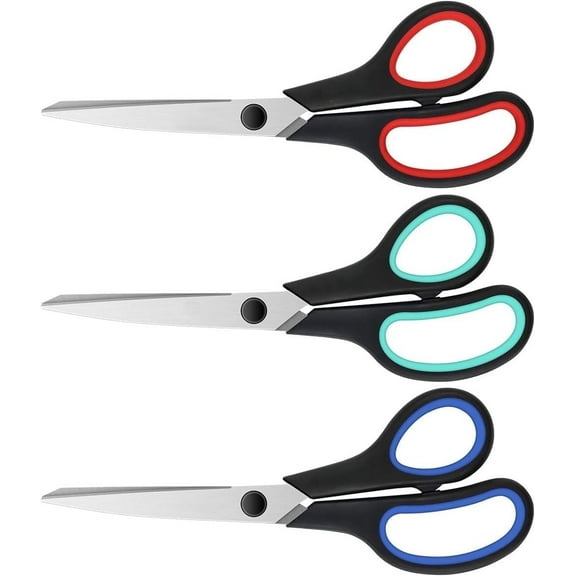
You should use desk accessories when you need fast access to small essentials. You can store scissors, clips, sticky notes, and writing tools where your hands reach first.
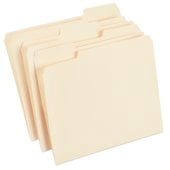
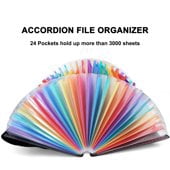
File folders and binders work differently because they manage papers by project or subject. You can archive forms, meeting notes, and handouts without mixing loose pages.
When you combine desk storage with paper organization, your workspace becomes easier to scan. You can spend less time searching and more time finishing tasks.
You can feel more prepared when your office setup matches your space, workload, and filing habits. You get a clearer desk, quicker access to essentials, and smoother daily productivity.