

2-Inch Binders: Shop 3-Ring & D-Ring Binders | Walmart


























About 2-Inch Binders: Shop 3-Ring & D-Ring Binders | Walmart - Walmart.com
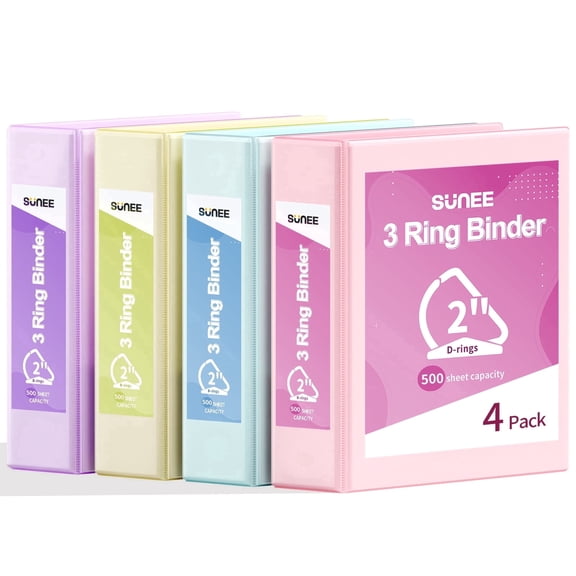
You can organize classwork, reports, and records with 2 inch binders that fit substantial stacks without jumping to a bulky larger size. You’ll find this category especially useful when you need room for up to 500 sheets, plus dividers, handouts, and sheet protectors.
When you compare sizes, you’ll notice this capacity often suits semester notes, training manuals, and shared office files. You can also narrow your choice by ring style, durability, cover type, pack size, and extra storage details.
Choosing the right 2 inch binders
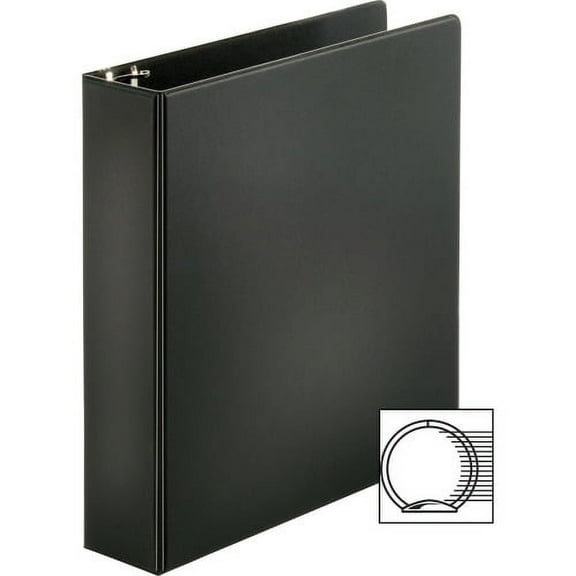
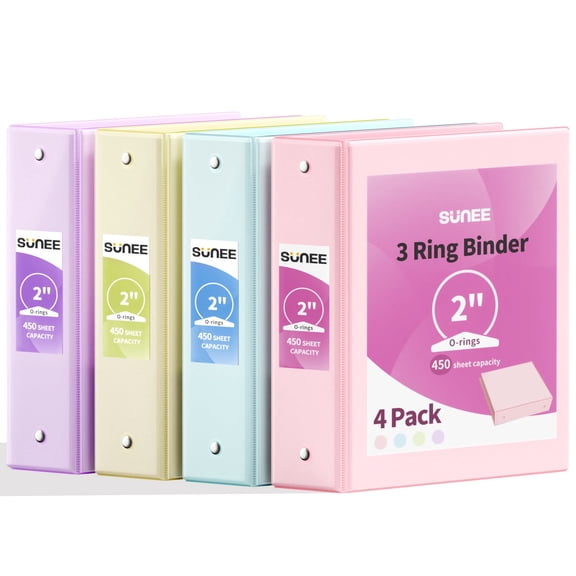
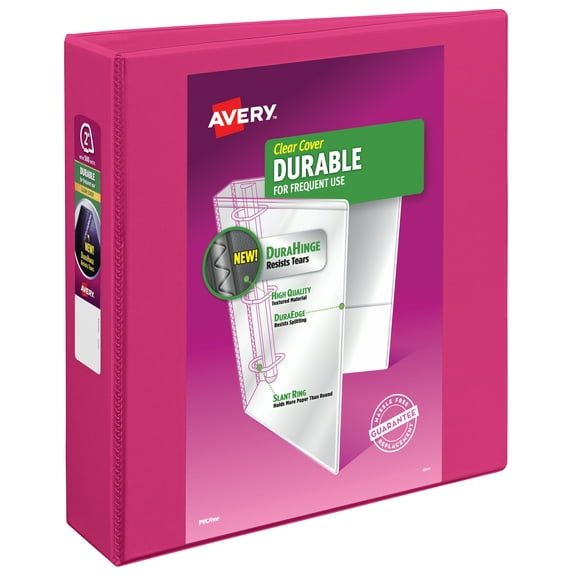
You should start with ring style because it affects how your pages turn, stack, and fit inside the cover. You’ll often see D-ring, round ring, and slant ring options across this category.
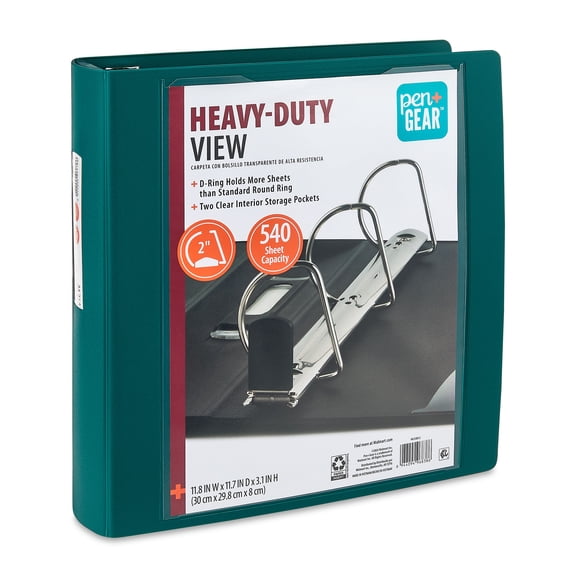
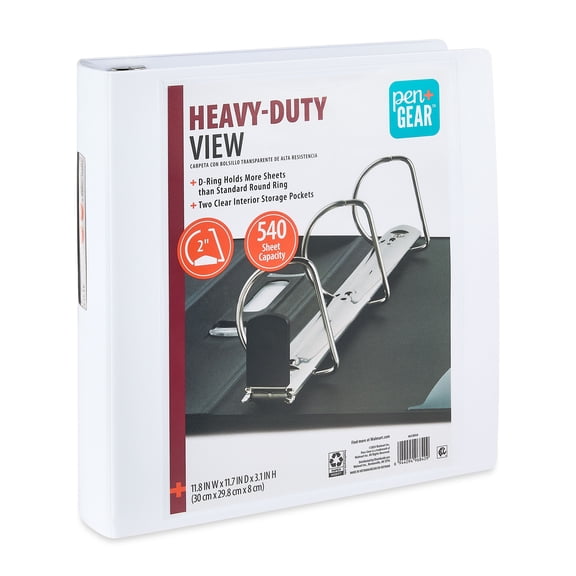
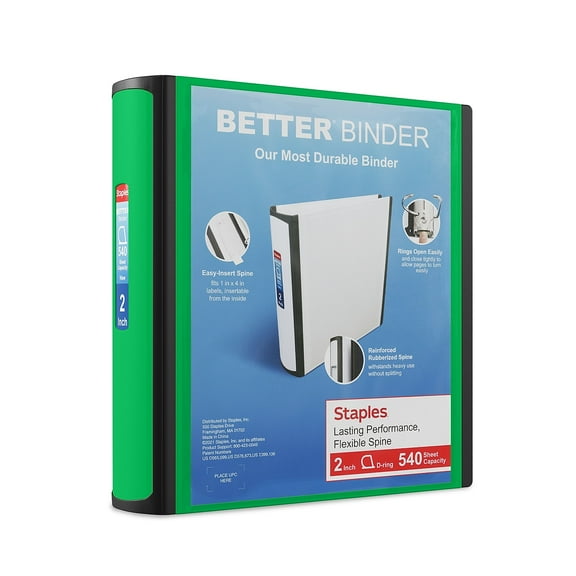
If you need more page capacity, you should compare 2 inch 3 ring binders with D-rings first. You’ll typically fit up to 25% more sheets in a D-ring layout than in a round ring design.
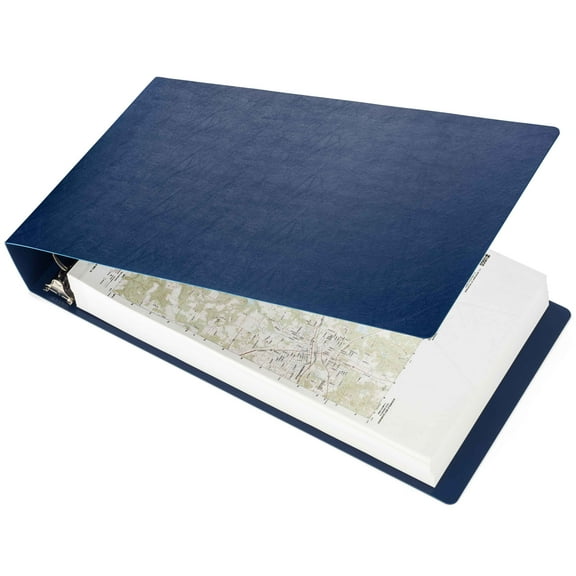
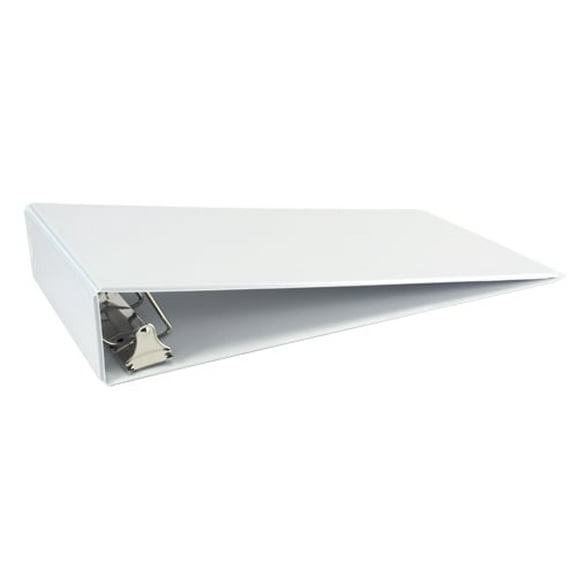
Round ring styles can work well when you want a familiar format for everyday class notes or simple office records. Slant ring designs can also help you turn pages smoothly while keeping sections aligned.
- You can use D-rings when your binder needs to hold larger stacks with less crowding.
- You can choose round rings when your papers stay lighter and your setup stays straightforward.
- You can compare slant rings when you want a different page angle for frequent flipping.
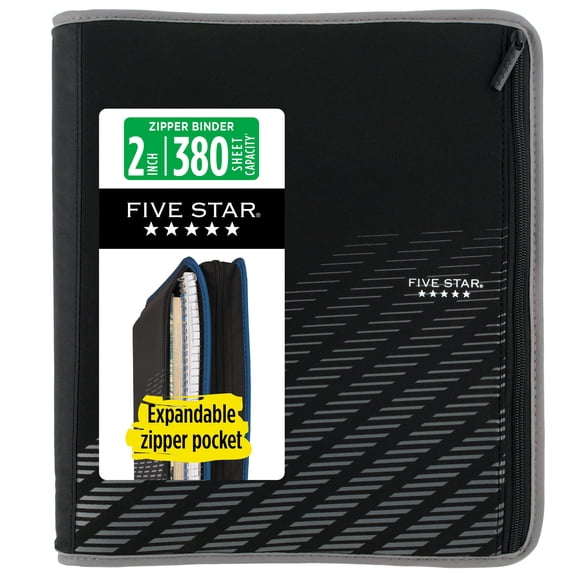
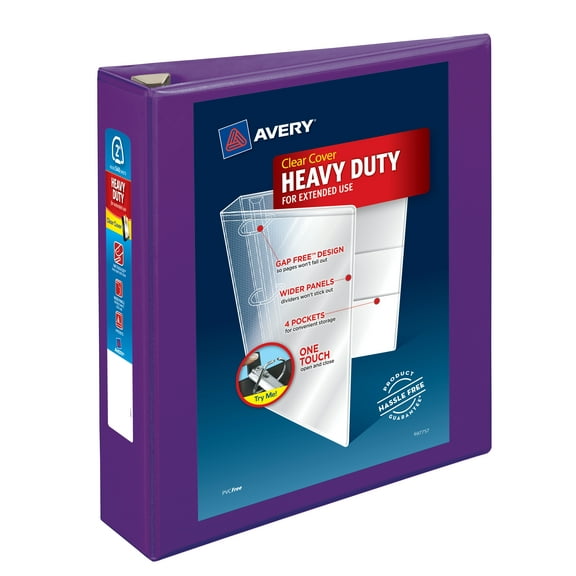
- You can look for 2 inch binders with pockets when you carry loose handouts, forms, or notes.
Comparing heavy duty and standard options
You should match durability to how often your binder travels between home, school, and work. You’ll usually want heavier construction when your binder goes into a backpack, tote, or shared supply cart.
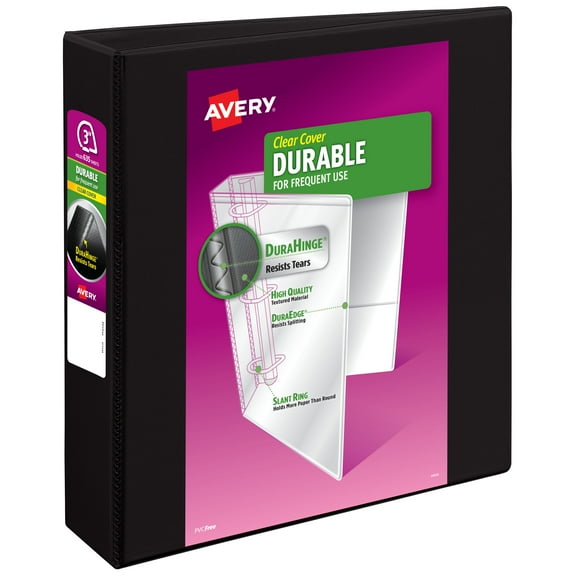
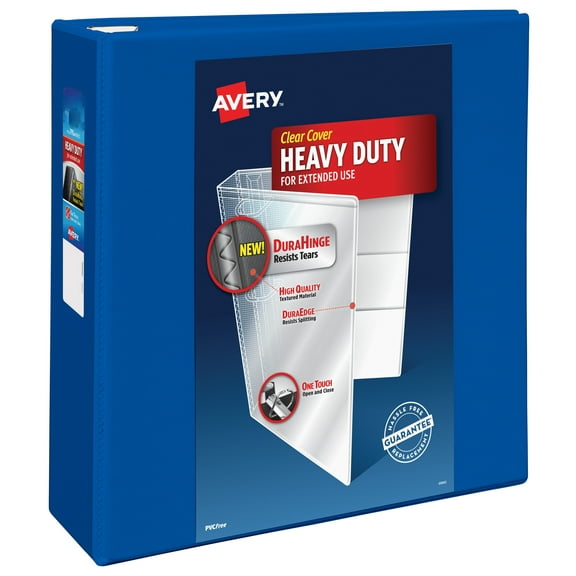
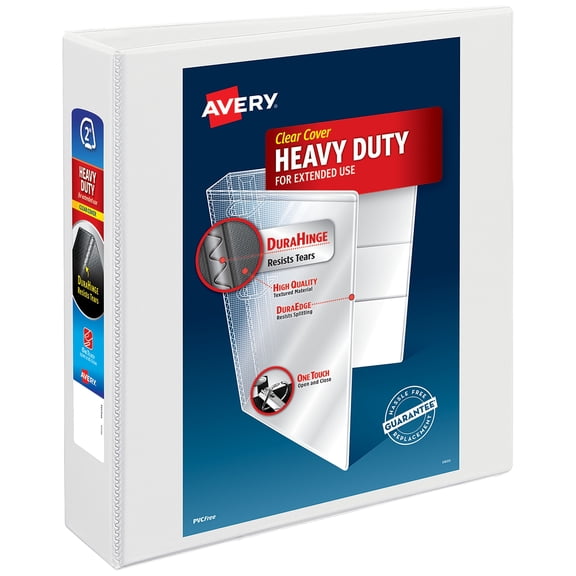
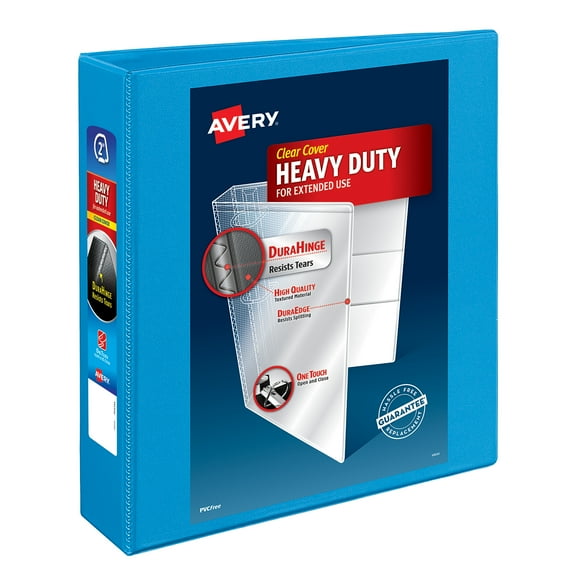
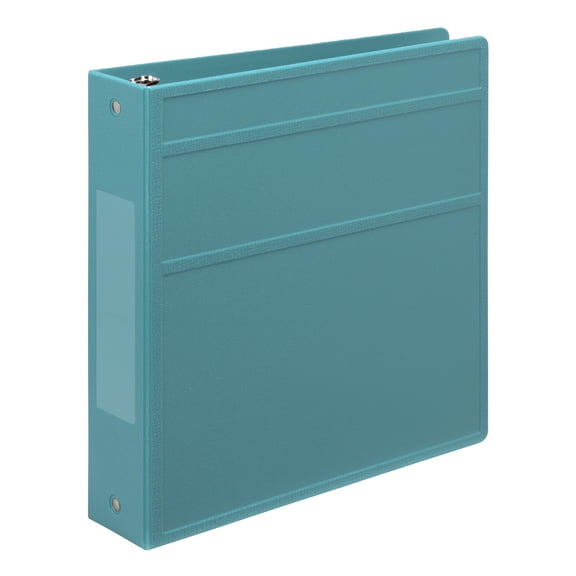
Heavy duty 2 inch binders can make sense when you reopen rings often and move papers all day. You’ll want reinforced covers, sturdy hinges, and ring mechanisms that feel consistent during repeated use.
Standard and durable options can fit lighter schedules, archived records, or reference shelves with less handling. You can keep projects sorted without choosing a heavier format than your routine requires.
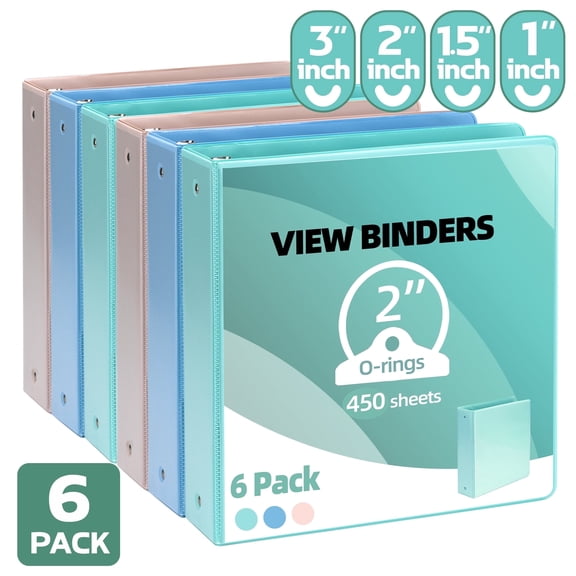
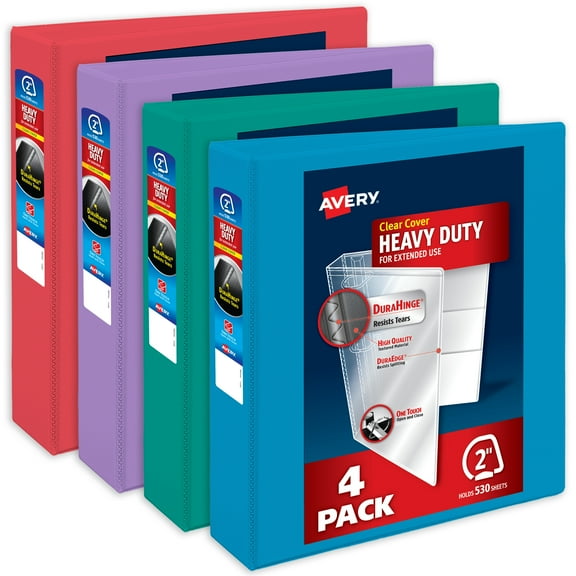
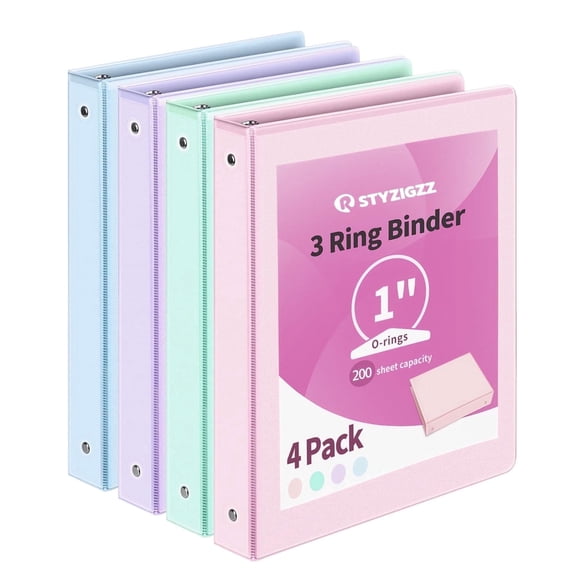
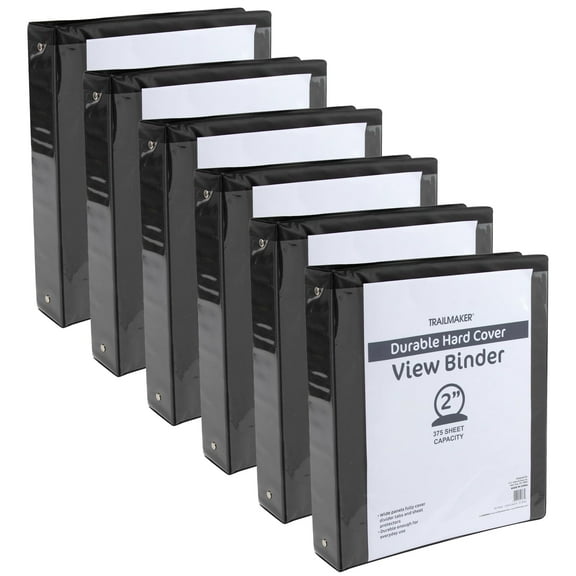
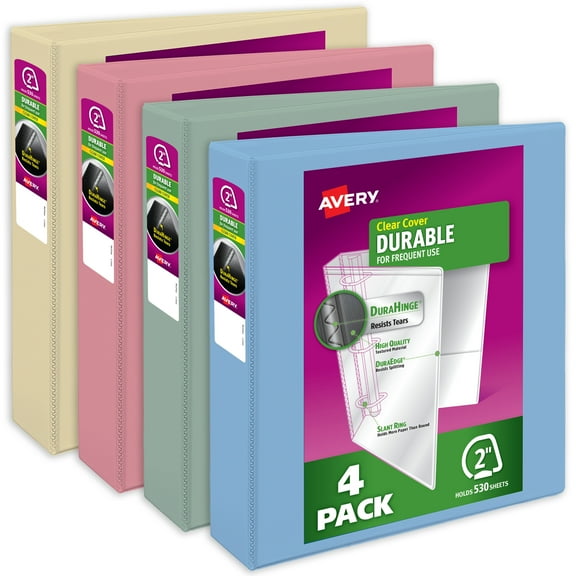
Pack size matters too because you may need one binder for a single subject or many for team filing. You can compare single packs, multi-packs, and bulk 2 inch binders based on classroom, office, or home setup.
Choosing cover types and organization features
You should compare clear view, non-view, and poly covers based on how you label and handle your materials. You can swap title pages quickly with clear view covers when classes, clients, or projects change.
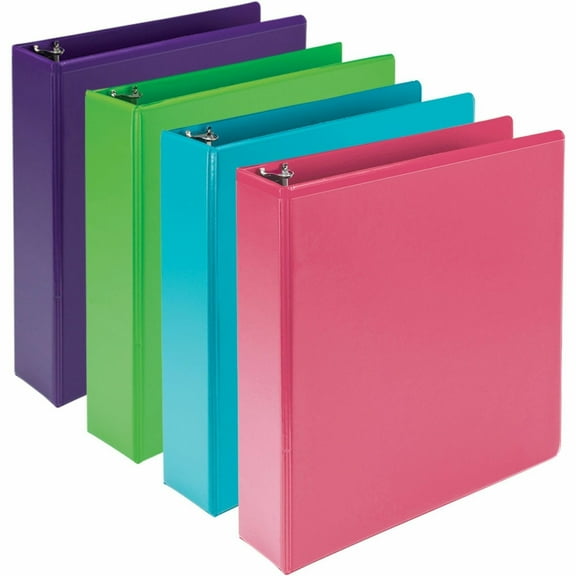
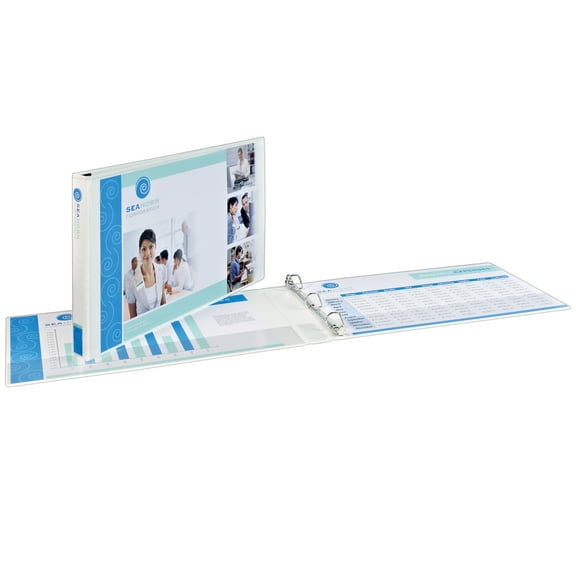
View binders 2 inch styles help you create visible spines and front inserts for faster shelf sorting. You’ll find that especially useful when you manage multiple subjects, departments, or presentation sets.
Non-view covers can suit simple filing when you prefer a clean exterior without insert pages. Poly covers can also appeal when you want a flexible material that wipes clean and handles frequent handling.
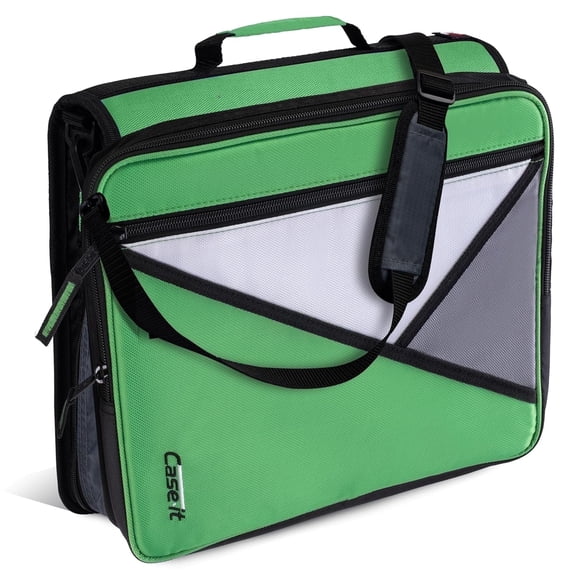
Special features can make daily organization easier when your papers don’t all fit into punched sections. You should look for label holders and interior storage if you sort receipts, syllabi, or meeting handouts.
With 2 inch binders with pockets, you can separate loose sheets from hole-punched pages in one place. You can also keep permission slips, business cards, and short reference notes easier to reach.
Using 2 inch binders for school, office, and home records
You can use school binders 2 inch formats for one full subject, several units, or a semester portfolio. You’ll have space for notes, homework, printed slides, and subject dividers without overfilling a smaller binder.
At work, you can build training manuals, proposal files, onboarding packets, or policy references that stay easy to update. You can add sheet protectors for presentation pages and use tab dividers for faster section changes.
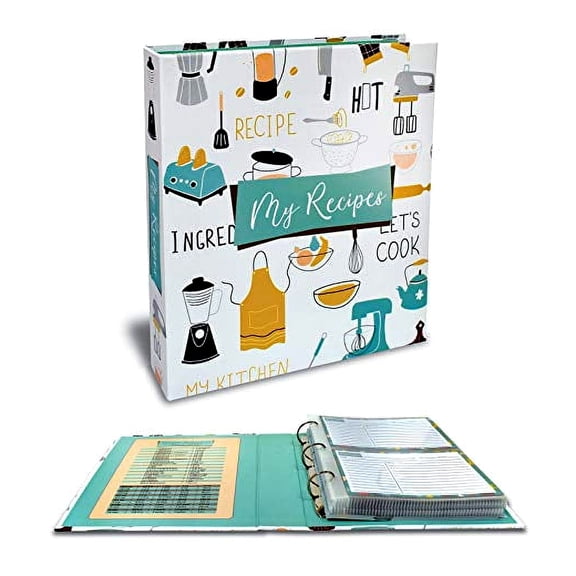
At home, you can organize tax papers, household records, recipes, or activity planners in a format that stores neatly on shelves. You’ll appreciate the visible spine labels when you need to grab the right binder quickly.
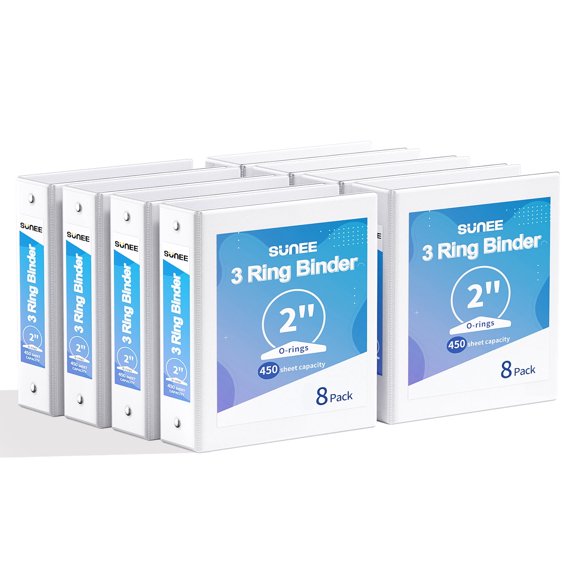
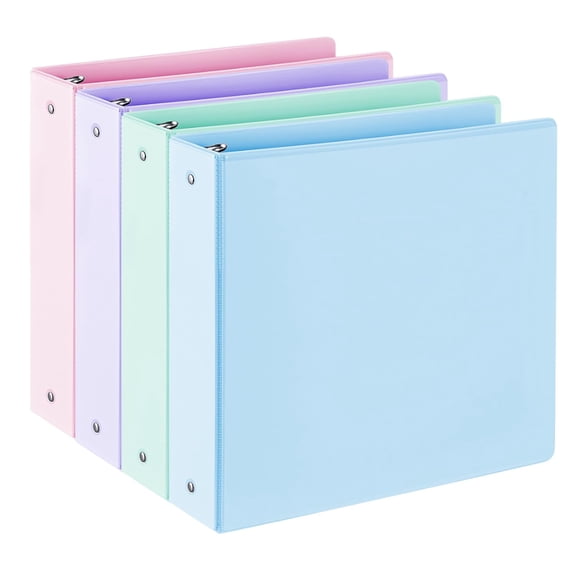
If you’re buying for a classroom or shared workspace, you should compare bulk packs with matching covers and labeling space. You can create a cleaner system when each binder follows the same size and filing format.
You may also want companion supplies that work naturally with this category’s capacity and layout. You can pair your binder with subject dividers, sheet protectors, loose-leaf paper, and other binder sizes for a more complete system.
What to check before you choose 2 inch binders
You should confirm sheet capacity, ring style, and cover format before you settle on a binder. You can then narrow by pockets, label options, and pack count based on how you store and carry papers.
When you match those details to your routine, your binder can hold substantial paperwork while staying easier to sort and update. You’ll end up with a format that keeps classes, projects, or records neatly in reach.