

Basketball in Sports











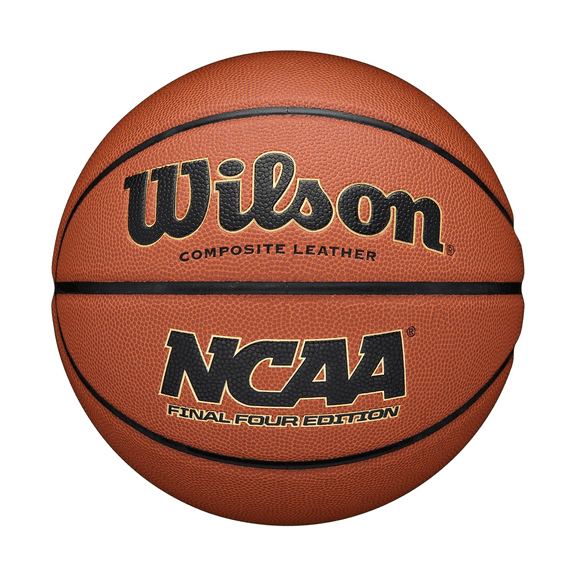

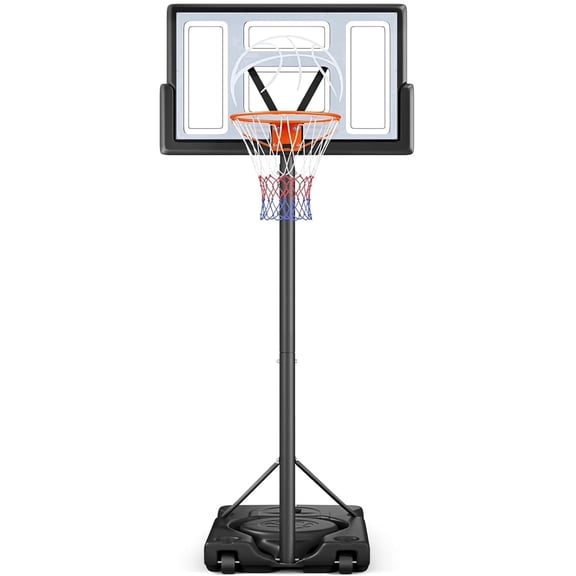
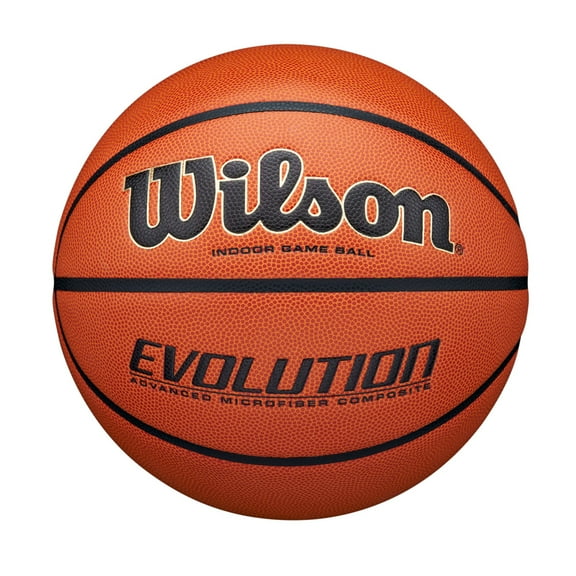


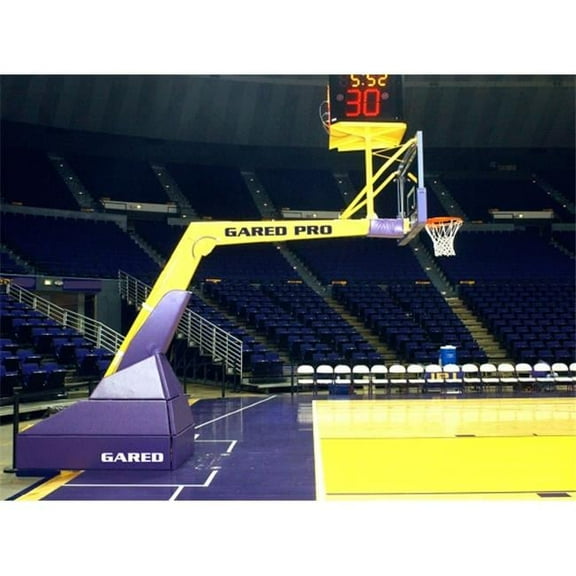




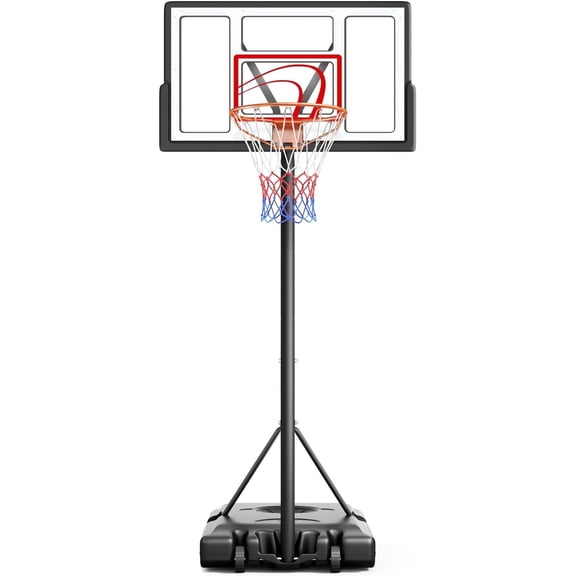

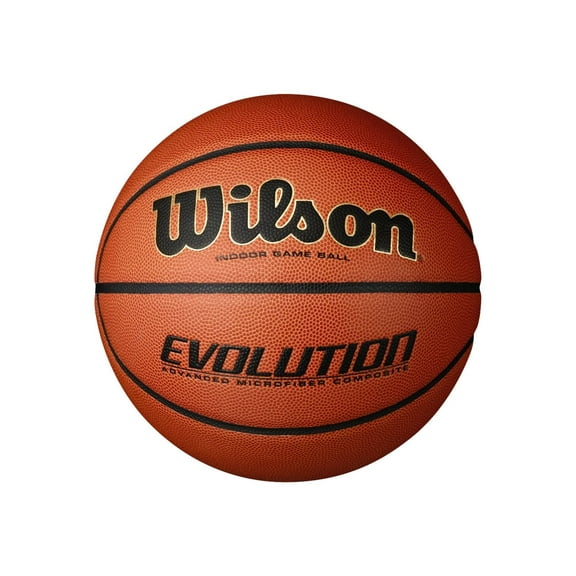





About Basketball in Sports - Walmart.com
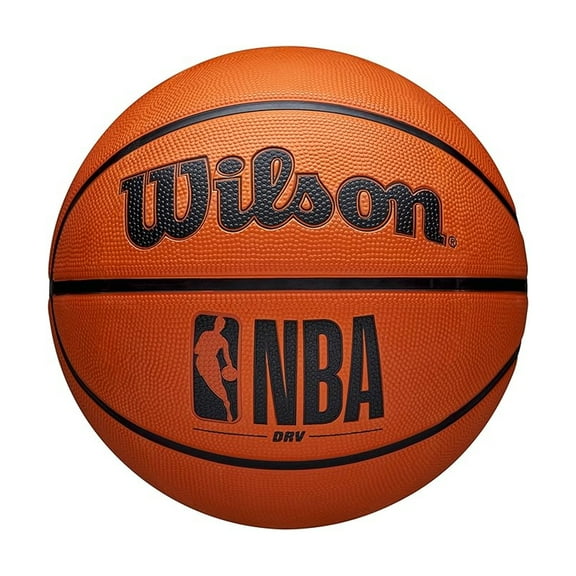
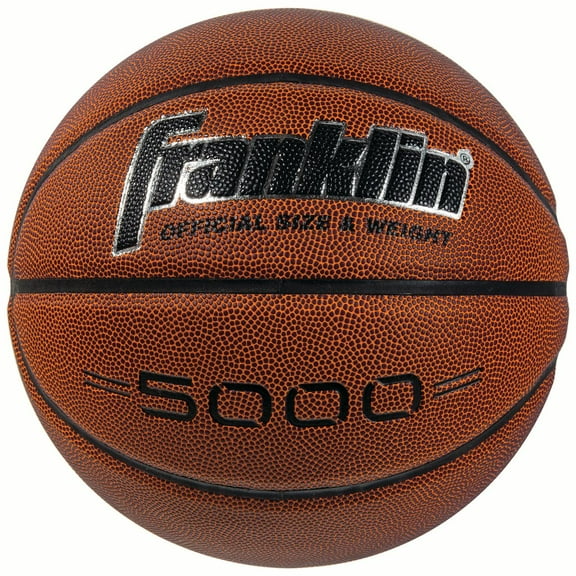
Official basketball size matters when you want the right feel, bounce, and control for practice, pickup games, and organized play. This basketball page helps you compare indoor balls, outdoor covers, and training options fast. You can focus on grip, channel design, and size details that match how and where you play.
Official basketball size and game-day benefits
The right ball changes how your hands read the seams and surface. Official basketball size options give many players a familiar circumference and weight. That familiar feel supports cleaner passes, steadier dribbling, and smoother shooting rhythm on the court.
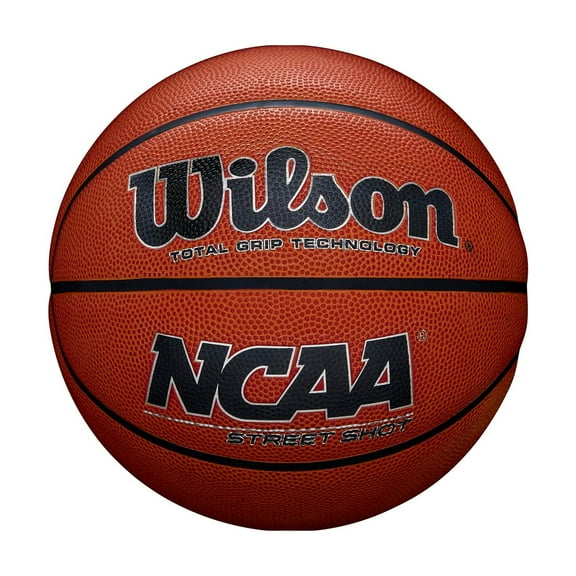
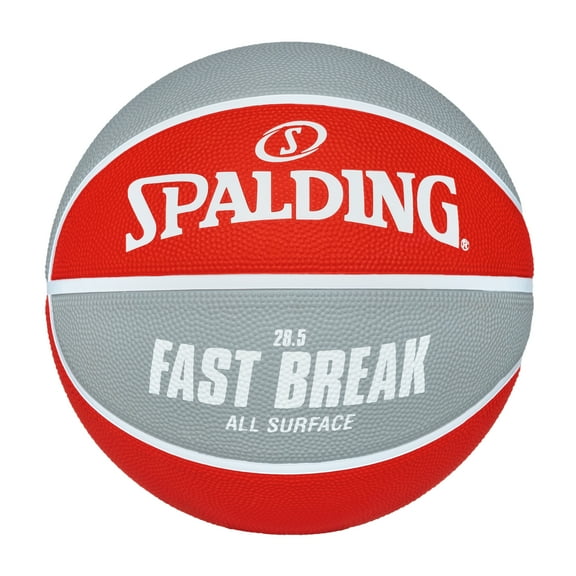
Material choice also shapes your experience. Composite covers often feel tackier indoors, while rubber builds handle rough blacktop and driveway surfaces well. Deep channels help your fingers settle naturally into the ball during crossovers, catches, and quick pull-up shots.
- Official dimensions create a familiar game feel for leagues, gyms, and school courts.
- Outdoor-ready covers hold up well on asphalt, concrete, and neighborhood hoops.
- Indoor game balls often provide softer touch and dependable grip on hardwood.
- Training basketball options support drills focused on ball handling and shooting form.
That variety matters because one ball rarely fits every setting. A driveway shooter may want rugged rubber, while a rec player may prefer a composite indoor-outdoor build. Younger players may also need smaller sizes for cleaner mechanics and easier control.
Basketball buying guide: what to check first
Start with size, because circumference and weight affect control on every possession. Official basketball size is a key reference point for many adult games and competitive settings. Smaller youth sizes can feel easier to palm, pass, and launch with balanced form.
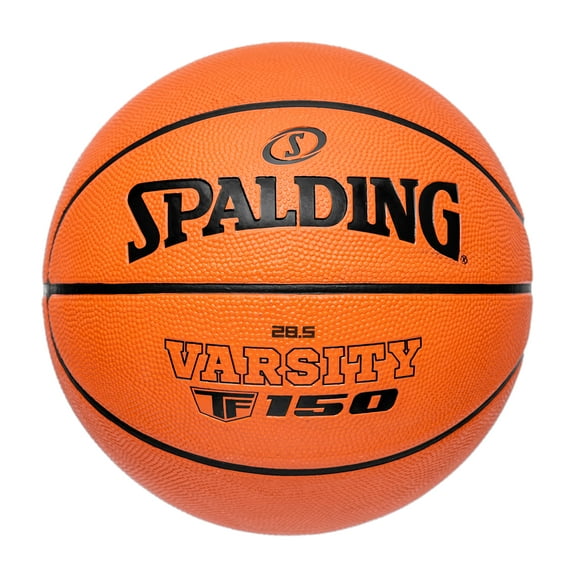
Next, look at cover material. Rubber basketballs usually suit outdoor courts and school playgrounds. Choose genuine leather options for hardwood play, while composite leather styles bridge indoor and outdoor use with a softer hand feel.
Pay attention to channel width and pebbling. Wider channels can help hand placement during dribble moves and catch-and-shoot sequences. Pebbled surfaces can improve grip feedback, especially when youu're practicing quick changes of direction.
Inflation needs deserve a close look too. A basketball with the right air pressure gives a more predictable rebound and shooting response. Keeping the ball properly inflated helps it feel consistent during layup lines, free throws, and rebounding drills.
If youu're comparing basketball price, build type often explains the difference. Training balls, mini balls, and fan styles serve different purposes than full game models. Indoor hardwood designs, outdoor rubber builds, and indoor-outdoor options each bring distinct play characteristics.
Basketball options for every court
Your playing surface should guide your pick. Hardwood courts usually pair well with softer composite or leather-feel covers that emphasize touch. Outdoor courts often call for durable rubber constructions that can handle rough texture and repeated impact.
Driveway players often need a ball that keeps its grip through long solo sessions. Indoor-outdoor basketball choices are useful when your week includes both gym runs and park games. That flexibility can simplify practice when your schedule changes often.
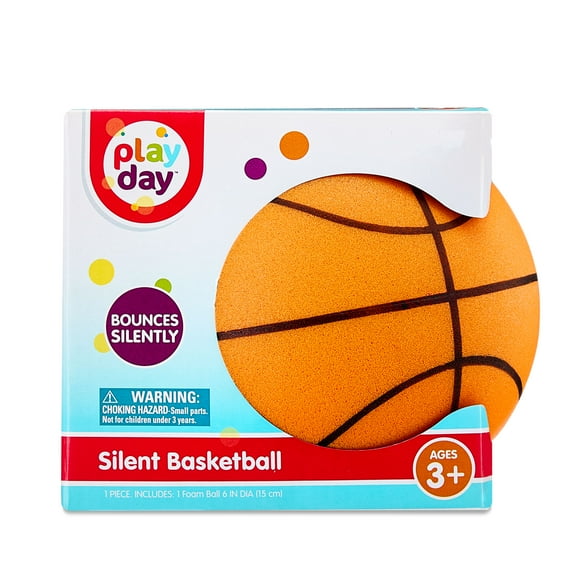
Team practice calls for different features than casual recreation. Coaches and players may want official basketball size models for scrimmages, passing drills, and shooting repetition. Households may also want mini basketballs for playrooms, dorm hoops, or quick fun between workouts.
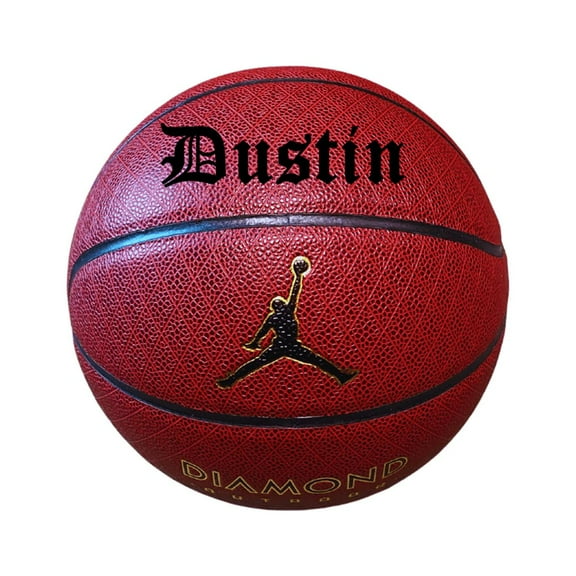
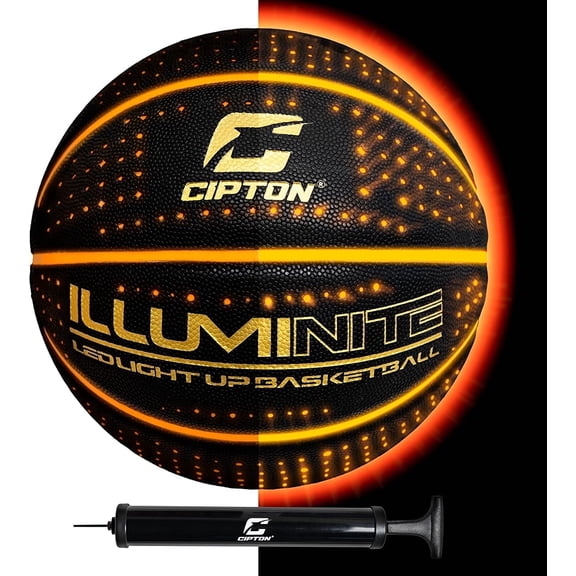
Specialty designs can support focused training. Weighted styles, dribble trainers, and marked basketballs can help structure skill sessions. Autograph balls and display pieces suit collecting, gifting, or showing team pride without doubling as your daily game ball.
Where to buy a basketball with confidence
When youu're deciding where to buy a basketball, selection matters as much as convenience. This page brings together full-size game balls, youth sizes, mini options, and training designs in one place. That makes comparing surface type, intended use, and brand easier during your search.
You can narrow choices by court type, ball size, cover material, and player age. If basketball price is part of your decision, sorting across features helps you see what changes from one build to another. That side-by-side view is useful when youu're balancing league needs, practice plans, and home use.
It also helps to think about who will use the ball most. A school player may want a regulation feel for team workouts. A family may want a sturdy outdoor ball for driveway games, plus a smaller option for younger players.
Basketball shoppers often compare grip first, then durability, then size. Thatu's a practical order because touch affects every dribble, pass, and release. Once you know the court and player, the right basketball becomes much easier to spot.
Choosing a basketball that fits your routine
A strong choice matches your court, your hands, and your style of play. Official basketball size remains the anchor for many competitive and recreational players. With clear size details, cover options, and intended-use guidance, you can pick a ball that feels right every time it hits the floor.