

Ab Rollers in Ab & Core Trainers




























About Ab Rollers in Ab & Core Trainers - Walmart.com
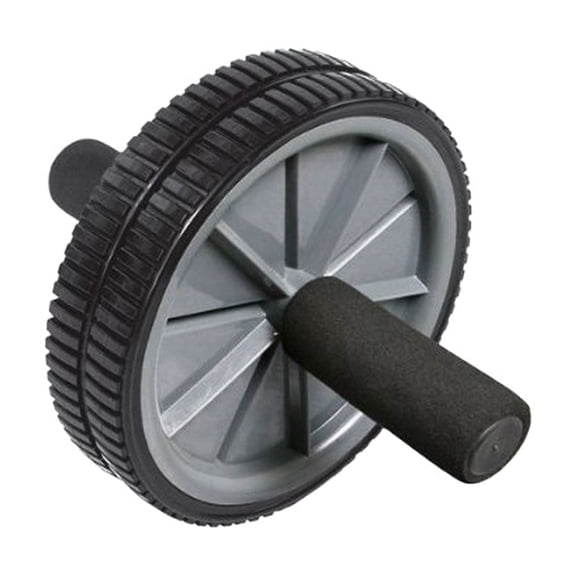
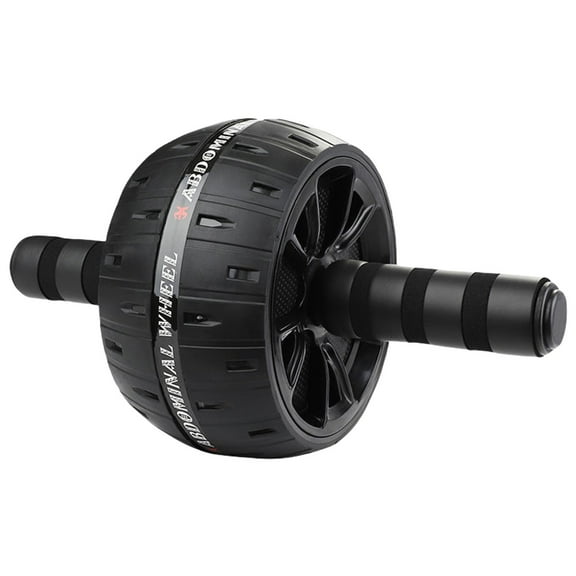
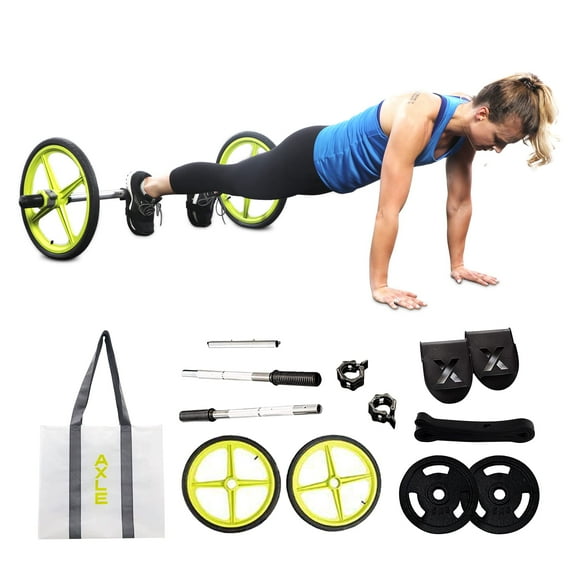
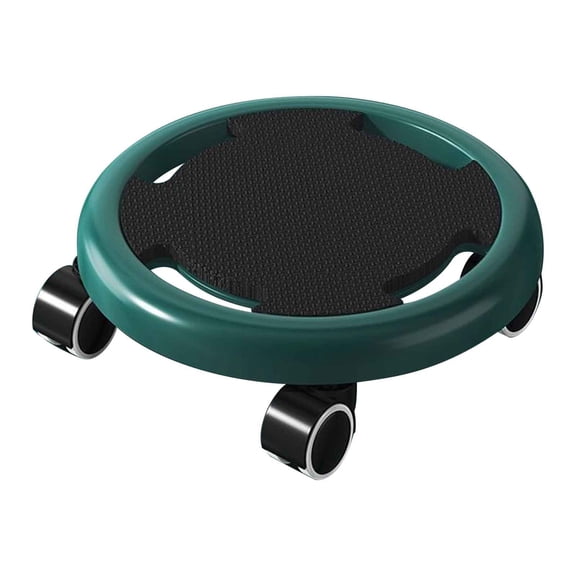
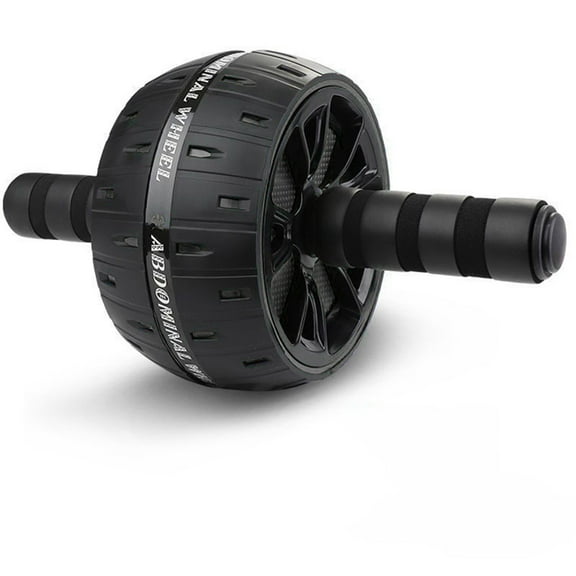
An ab roller gives your home gym a compact way to train your core, shoulders, and arms with smooth rolling movement. This category includes single-wheel and multi-wheel designs, plus knee pads, handles, and stability features that shape your setup.
Why an ab roller belongs in core training
An ab roller challenges your midsection through a long range of motion. That movement feels different from crunches because the wheel travels forward across the floor.
You also engage your shoulders, lats, and grip during each rollout. A stomach roller can fit into small workout spaces and stores easily after training.
- Builds full-core tension during rollout and return.
- Supports bodyweight training in apartments, garages, and spare rooms.
- Offers a simple setup with few moving parts.
- Works for short circuits, warmups, and focused core sessions.
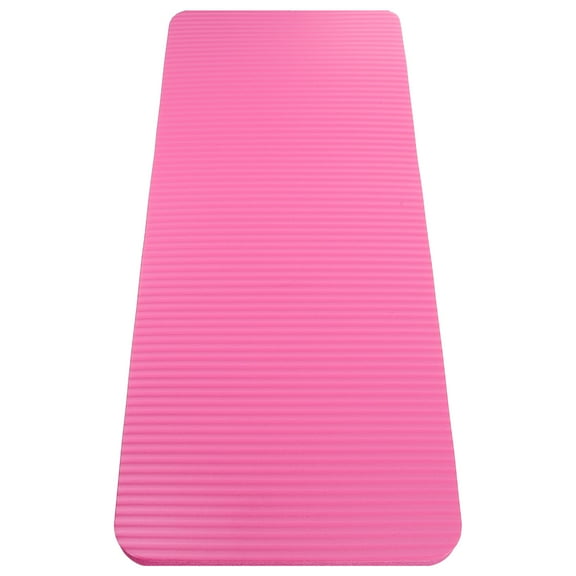
Many shoppers choose this category because floor-based training feels direct and efficient. Belly wheels also pair well with mats, resistance bands, and other home gym equipment.
Choosing the right ab roller wheel
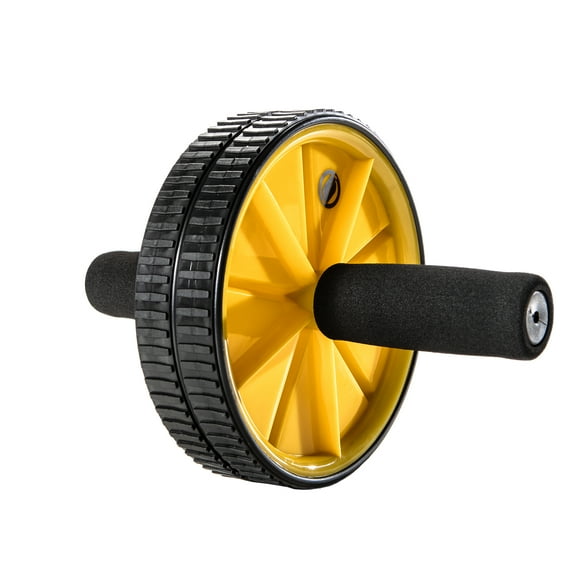
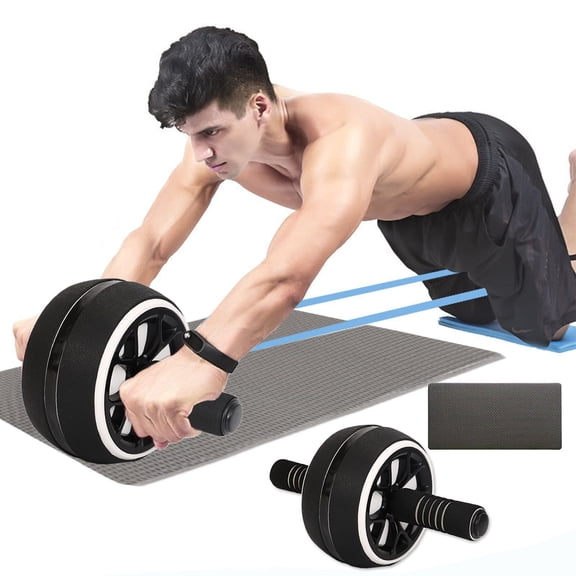
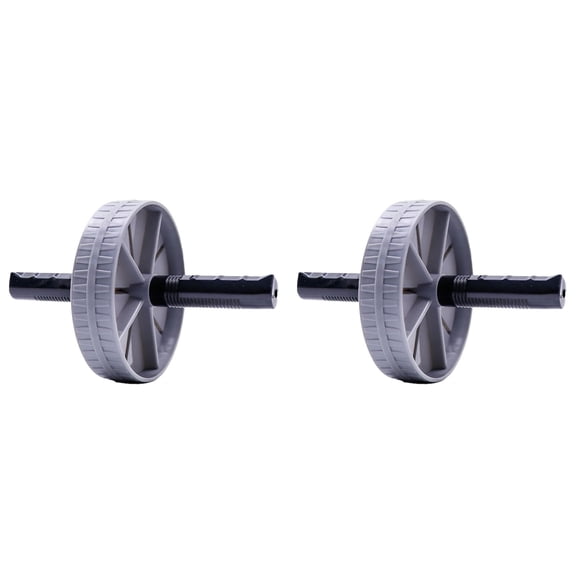
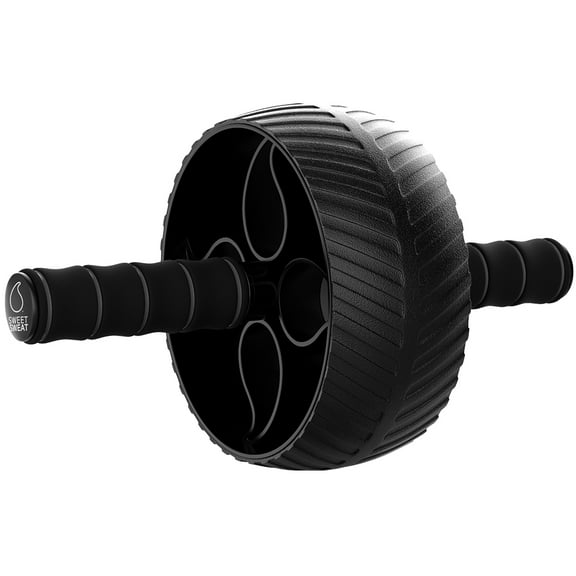
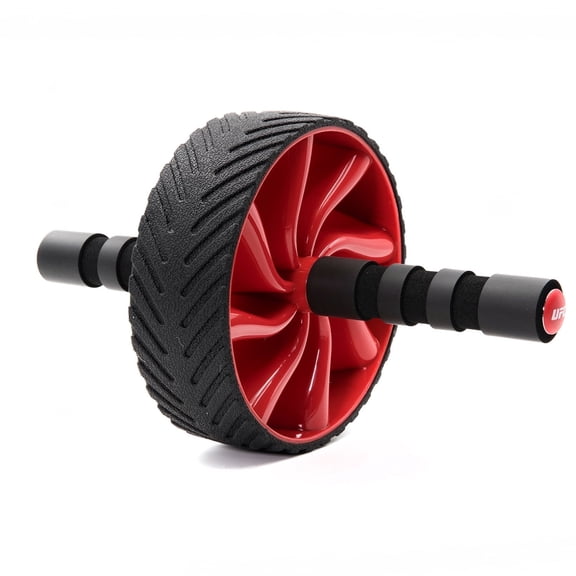
The wheel design changes how the roller feels on the floor. A single-wheel model often gives a narrow contact point and a more responsive path.
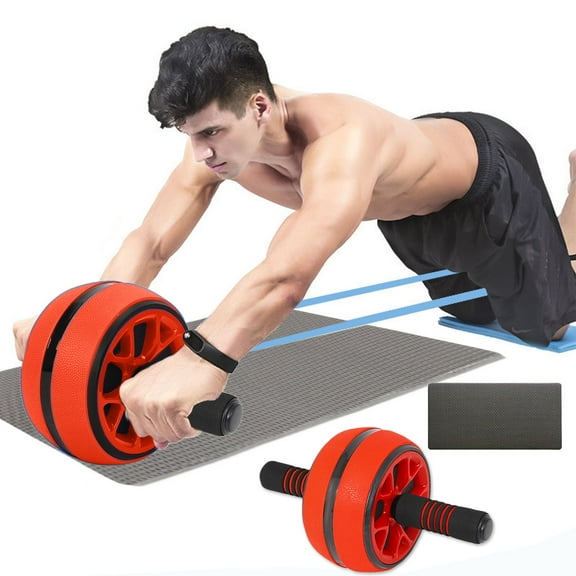
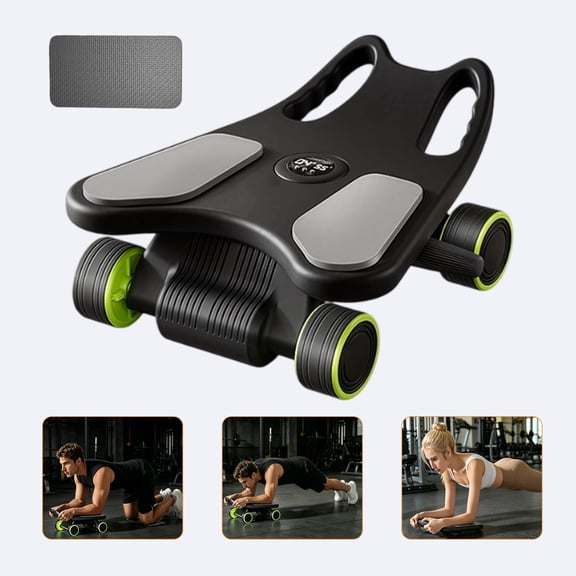
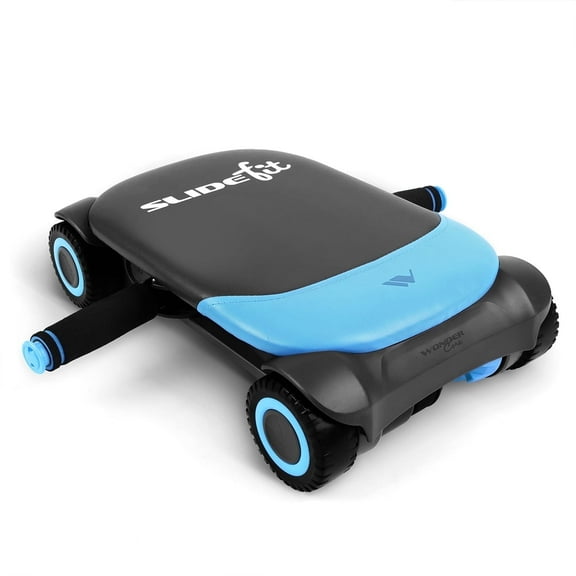
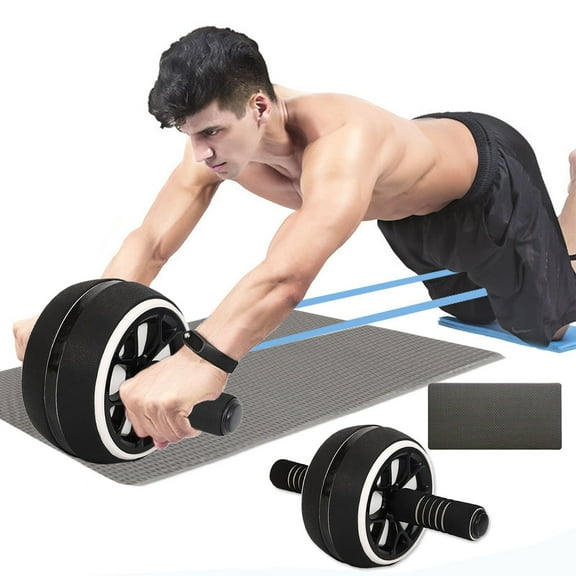
A multi-wheel ab roller wheel creates a wider base. That wider footprint can feel steadier during rollout practice and controlled reps.
Handle shape matters too. Foam or textured grips can feel secure in your hands during repeated sets and longer sessions.
Look at wheel width, tread pattern, and included accessories before you choose. Some exercise roller wheel options include a knee pad for harder floors.
Compact dimensions help with storage under benches or in closets. Lightweight frames are also easy to move between rooms when your workout space changes.
Experienced shoppers often compare axle strength and wheel spacing. Those details affect tracking, stability, and how the roller responds on tile, wood, or mats.
Ab wheel features that guide your decision
An ab wheel can look simple, but small design differences matter during daily use. Frame material affects durability, while grip texture changes hand comfort.
Wheel width influences stability and turning feel. Narrower wheels often track with quicker response, while wider styles can feel more planted on the floor.
Tread pattern helps the roller move across different surfaces. Smooth indoor flooring and exercise mats can create different rolling sensations during each rep.
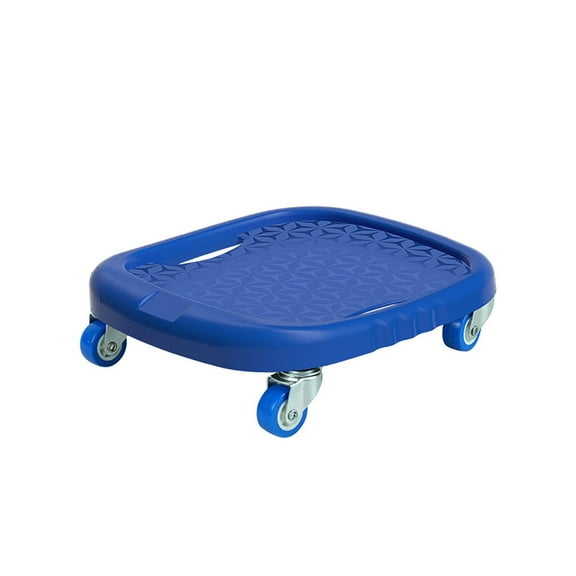
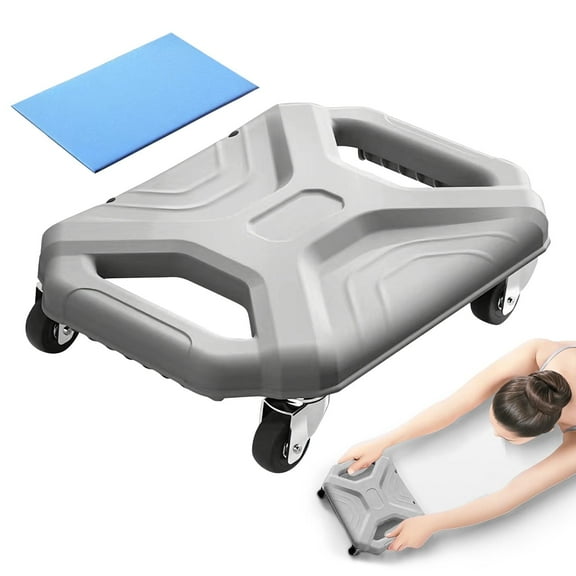
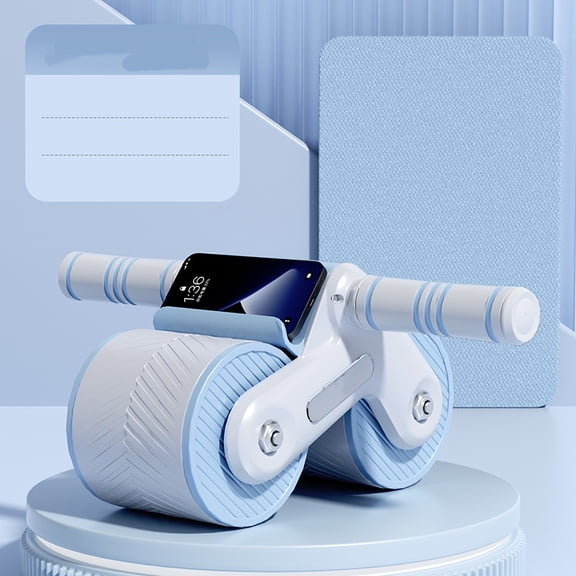
Some abs roller designs use dual wheels instead of one. That setup changes balance and may appeal to shoppers who want extra steadiness.
Pay attention to handle length and end caps. Those parts affect hand placement and can influence how naturally your wrists align during rollout form.
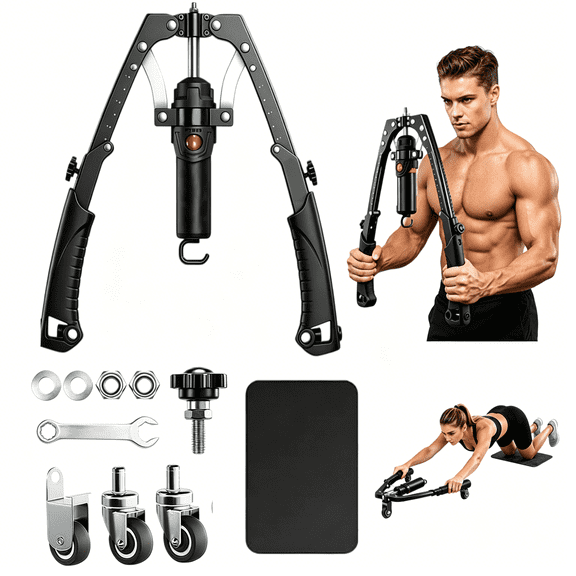
Included accessories can shape convenience. Knee pads, workout guides, and compact storage-friendly builds add practical details for home use.
If youu're comparing an exercise roller wheel with other core tools, focus on movement style. Rollers create forward extension and return, which differs from sit-up benches and twists.
How shoppers use an ab roller at home
This category fits many training routines, from quick core finishers to dedicated upper-body and midsection days. You can use an ab roller in tight spaces without a large machine.
Beginners often start with shorter rollout distances and a wider stance. More experienced users may add tempo work, paused reps, or longer extensions.
An ab wheel also works well in circuit training. It pairs naturally with pushups, planks, dumbbell rows, and resistance band moves for balanced home sessions.
Some shoppers keep one roller in a bedroom corner or office closet for short breaks. Others use it in a garage gym alongside mats, kettlebells, and adjustable dumbbells.
If youu're building a compact core station, this category stays easy to store and quick to set up. That convenience helps keep routines consistent through busy weeks.
Many people also want to know what an ab roller does. It creates a rolling bodyweight movement that emphasizes controlled extension, return, and full-body tension.
That makes it a useful option for structured home workouts. It also suits shoppers who want simple equipment with a focused purpose.
Find the ab roller that matches your setup
The right ab roller depends on your floor space, preferred stability, and training style. With options for single-wheel response or wider multi-wheel control, you can choose a roller that supports smoother, more consistent core sessions.