

All Klymit in Klymit



















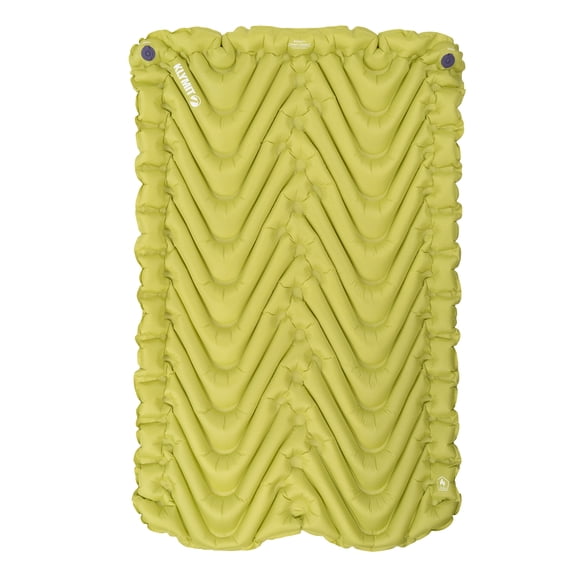
About All Klymit in Klymit - Walmart.com
Klymit camping gear helps you build a lighter sleep setup for trails, campsites, and overnight hikes. You can compare sleeping pads, sleeping bags, pillows, and backpacks with a clearer focus on packability and comfort.
If you want brand-specific outdoor equipment, you’ll find this page useful for sorting core sleep and carry essentials. You can narrow your choices by product type, insulation, weight class, and activity without guessing what each spec means.
How to choose Klymit camping gear
You should start with product type because each item supports a different part of your setup. You may want sleeping pads for ground cushioning, sleeping bags for coverage, pillows for head support, or backpacks for carrying essentials.
When you compare these categories, you can match each one to how you camp. You might prioritize compact sleeping pads for backpacking, or you may choose roomier gear for car camping comfort.
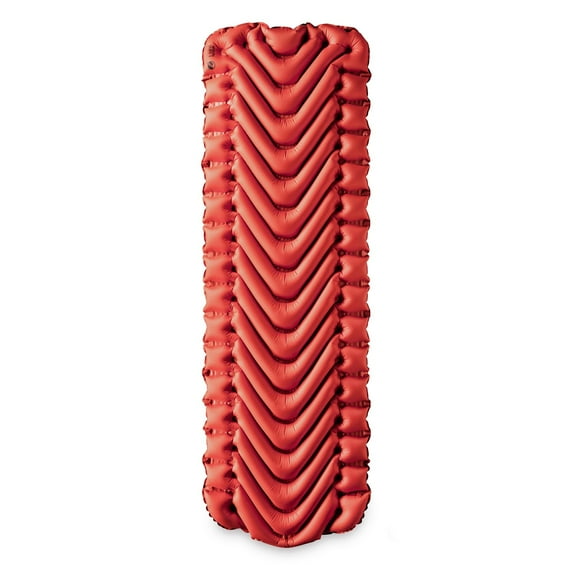
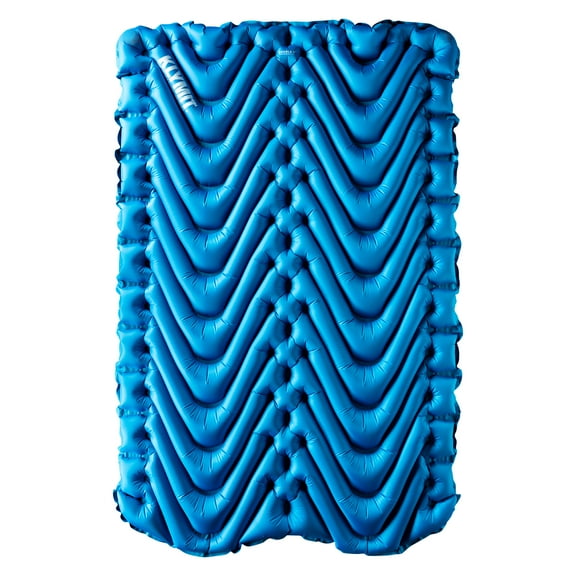
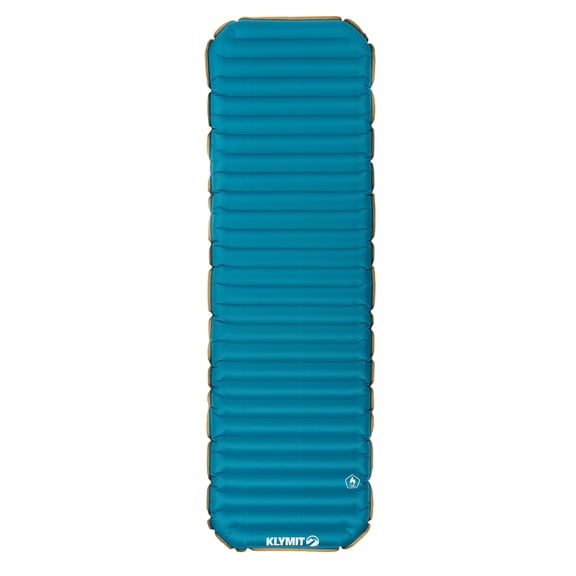
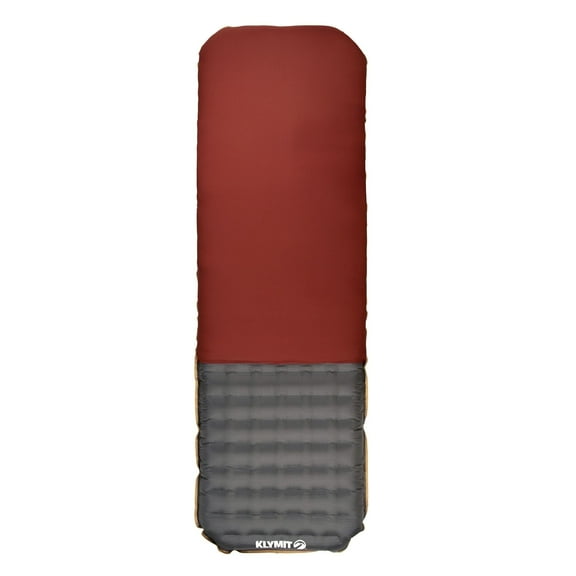
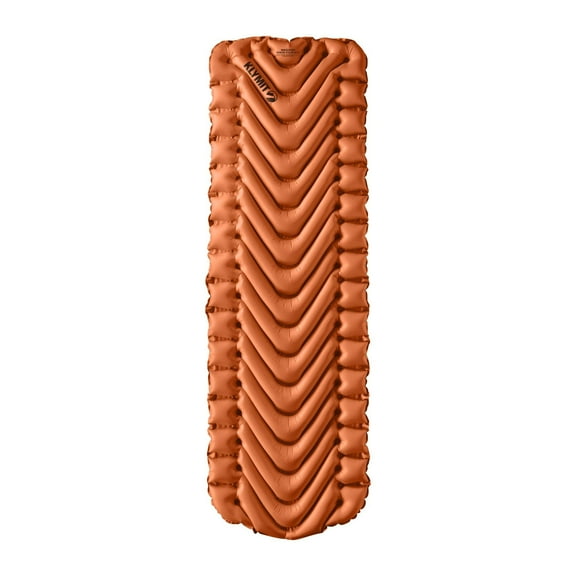
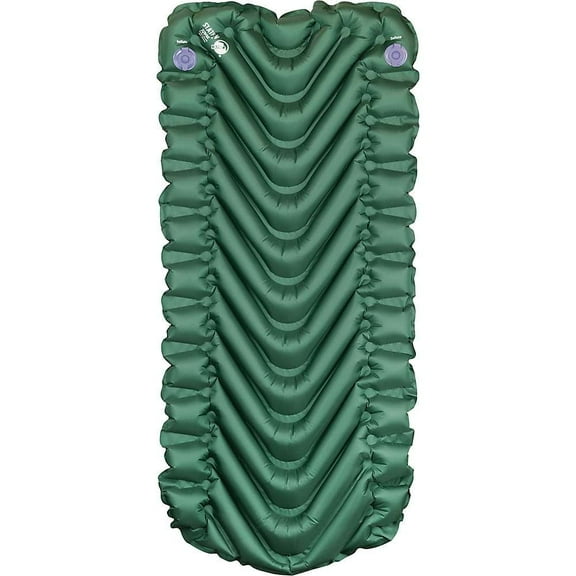
- You can use sleeping pads to add cushioned separation from uneven ground.
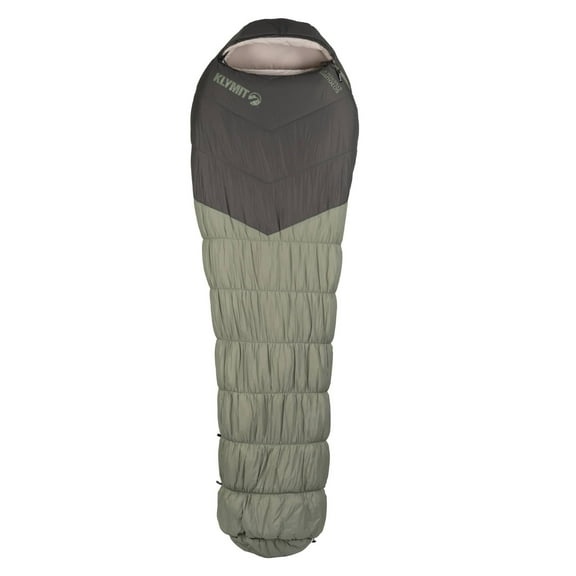
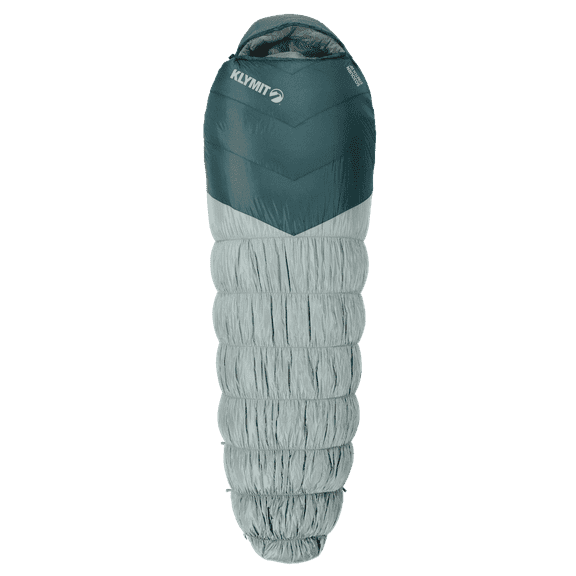
- You can choose sleeping bags based on warmth level, packed size, and trip length.
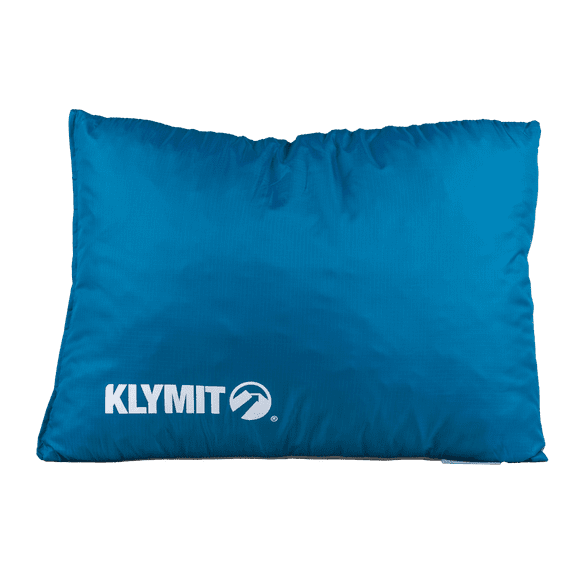
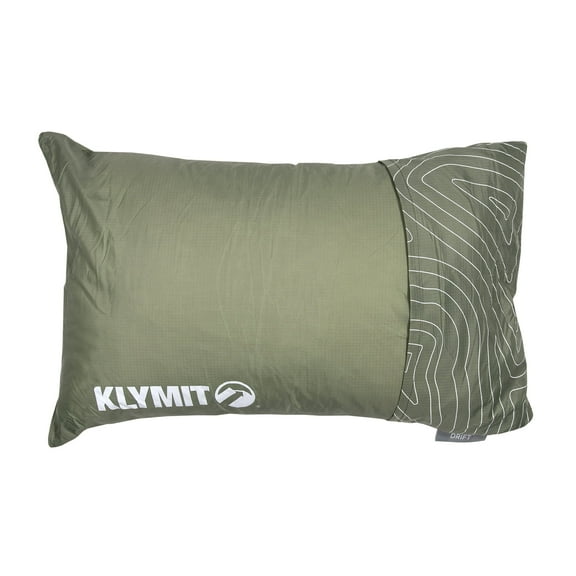
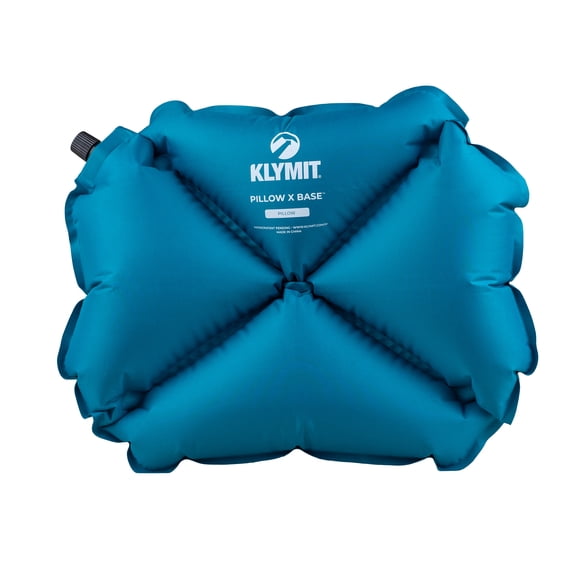
- You can add camping pillows when you want a more complete sleep system.
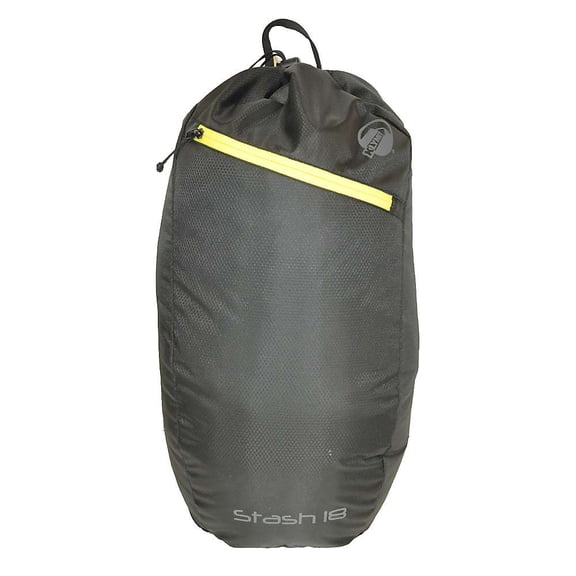
- You can compare backpacks by carry volume, organization, and trail-friendly weight.
Another key benefit is flexibility across trip styles. You can build a simple hiking kit or a fuller campsite setup by mixing lightweight gear with insulated options.
Choosing Klymit sleeping pads by insulation and R-value
You should check insulation type first if you camp in changing temperatures. You can compare insulated and non-insulated pads by looking at R-value, which helps explain how much warmth the pad retains.
When you review R-value, you’re using a decision tool that matters in real outdoor conditions. You can use ASTM F3340-18 ratings as a common reference when you compare one pad against another.
If you sleep in warmer weather, you may prefer a non-insulated pad with less bulk. If you camp in colder conditions, you’ll likely want insulated sleeping pads with a higher R-value.
You should also compare packed size against inflated size before you choose. You can enjoy a larger sleep surface at camp while still keeping your pack load manageable on the trail.
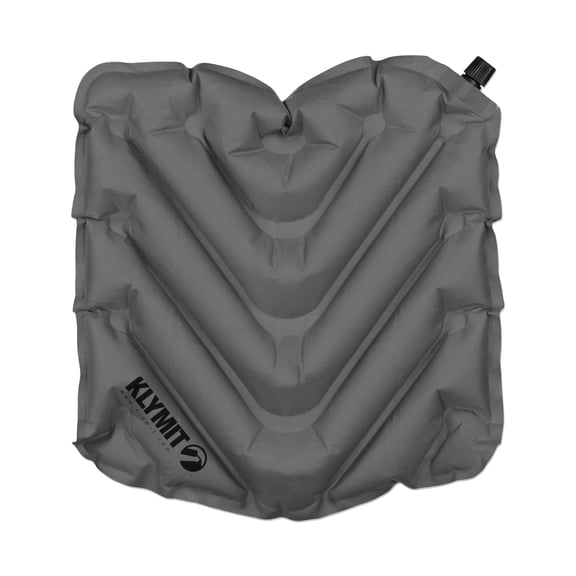
For inflation, you may notice different valve styles on outdoor sleep gear. You can look for flip-valve or flat-valve designs, because each one changes how simply you fill, adjust, and pack your pad.
What to look for in weight class and materials
You can compare ultralight, lightweight, and standard options based on how far you carry them. If you cover longer distances, you’ll usually want less packed weight and a smaller folded profile.
Weight class also affects comfort tradeoffs during trip planning. You may accept a little more weight when you want extra width, thicker cushioning, or more insulation at camp.
Materials matter when you want a balance between trail readiness and pack efficiency. You can compare denier ratings, such as 75D polyester or 20D nylon, to understand fabric thickness and intended use.
A higher denier often means you’re getting a tougher feel for repeated campsite use. A lower denier can help you trim ounces when your backpacking setup needs a lighter carry.
You should read dimensions closely before you choose a pad, bag, pillow, or pack. You can avoid wasted space by checking length, width, thickness, and packed measurements together.
Matching Klymit sleeping bags and pillows to your trip
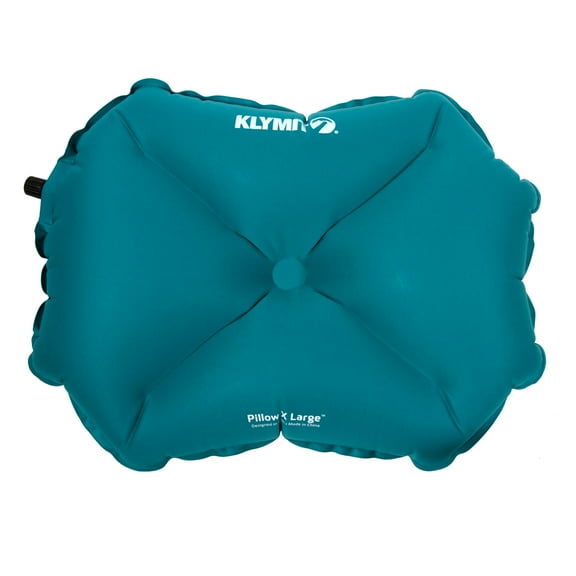
You can use Klymit sleeping bags and Klymit camping pillows to complete your overnight setup. When you pair them thoughtfully, you’ll create a sleep system that feels more organized and easier to pack.
For backpacking, you may prefer lighter pieces that compress into less pack space. For car camping, you can often choose fuller shapes and extra cushioning without worrying as much about total carry weight.
If you hike to camp, you should compare compressibility along with comfort features. You can benefit from gear that stows neatly, inflates or fluffs quickly, and fits your available backpack volume.
You may also want to align your pillow and bag with your sleeping pad dimensions. You can get a more stable rest setup when your sleep pieces fit together instead of shifting through the night.
Using Klymit lightweight gear for backpacking, hiking, and camp setups
You can match Klymit lightweight gear to specific outdoor plans instead of buying one general setup. For backpacking, you’ll usually focus on lower weight, smaller packed size, and practical insulation choices.
On hiking overnights, you may want a lightweight sleeping pad, a compact bag, and a smaller backpack. You can keep your load more manageable while still bringing the core pieces you need.
For car camping, you can shift your focus toward width, cushioning, and easier setup at camp. You may choose standard weight gear when vehicle space matters less than sleeping comfort.
If you rotate between short hikes and weekend campouts, you should compare versatile middle-ground options. You can use one setup across several trip types when weight, warmth, and packed size stay balanced.
With Klymit outdoor equipment and camping accessories, you can build a more informed sleep-and-carry system. You’ll make a smarter choice when you compare R-value, valve style, denier, and packed size before heading out.