



All Soil in Soil
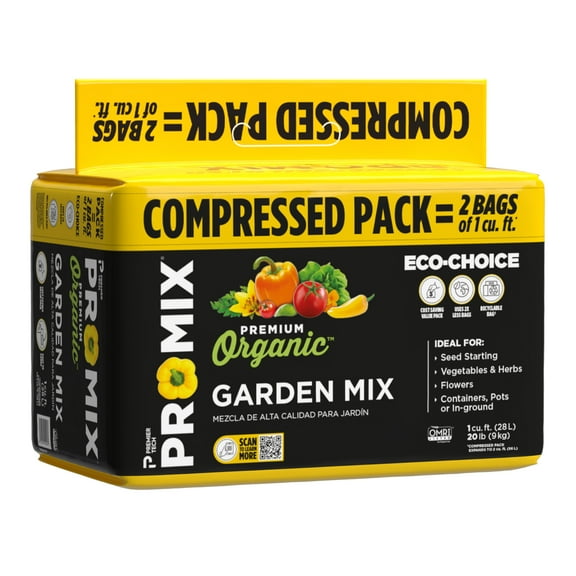

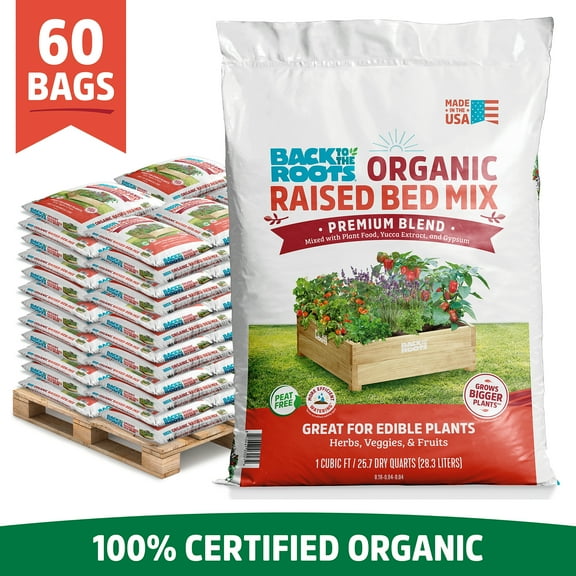
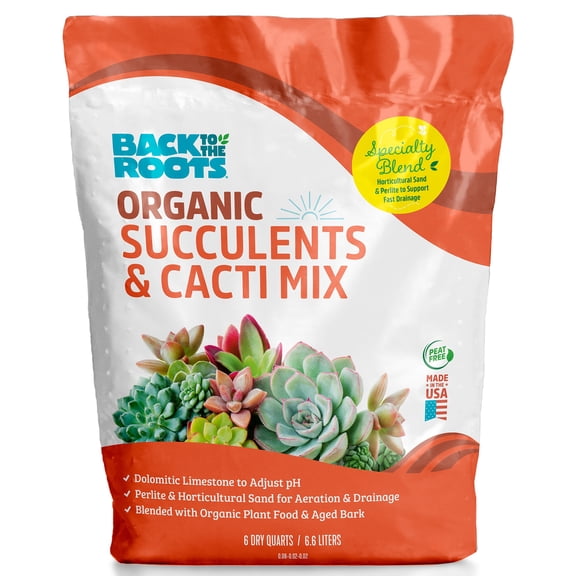
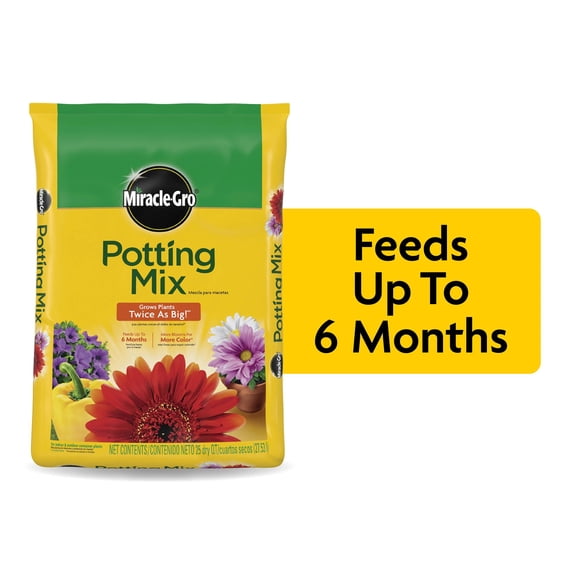

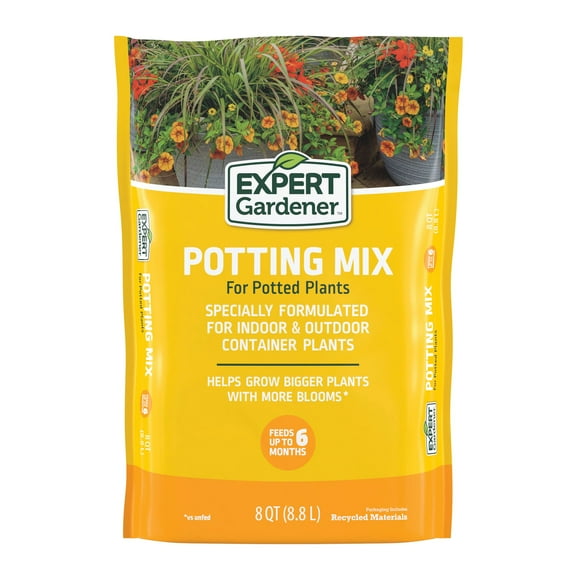


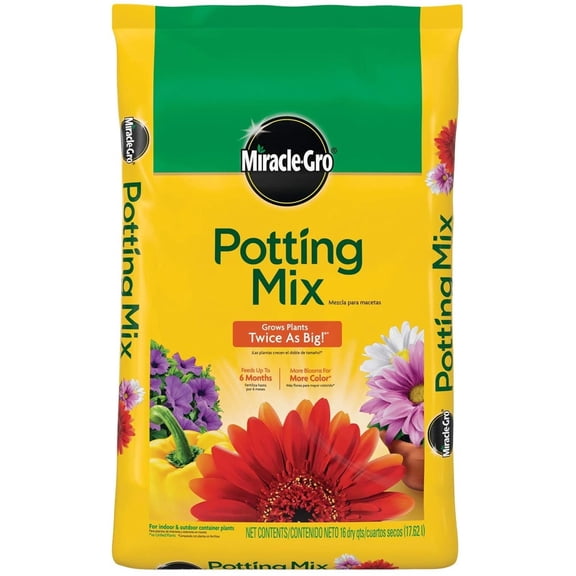
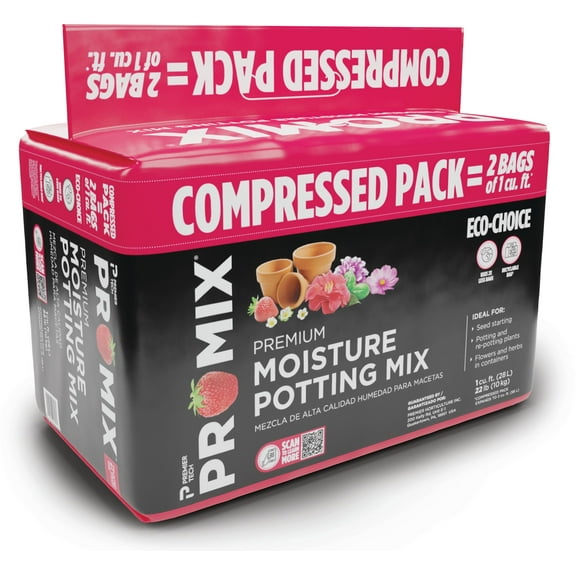















About All Soil in Soil - Walmart.com
Soil choices shape how your plants root, drain, and grow, whether you’re filling pots or building beds. At Walmart, you can compare potting soil, garden soil, and topsoil in one place. You’ll find blends for containers, raised beds, lawns, and landscaping projects. That means fewer guesswork purchases and fewer disappointing results after watering.
Different mixes solve different problems, like soggy pots or fast-drying planters. The right bag also helps you control mess, weight, and how often you water. When you match the blend to the job, plants establish faster and look steadier through the season.
Soil benefits that show up in your plants
Good soil supports strong roots, consistent moisture, and steadier growth from week one. You’ll also spend less time correcting issues caused by poor drainage or compacted fill. For containers, potting mix helps avoid the heavy, airless texture that can stunt roots.
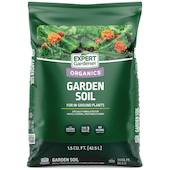
Garden soil helps you build richer outdoor beds without starting from scratch. Topsoil works well for leveling low spots and refreshing thin areas around the yard. Organic soil options can be helpful when you’re growing herbs or vegetables for the kitchen.
- Promotes healthier root development through balanced structure and airflow.
- Improves water management, so plants dry out slower without staying soaked.
- Helps containers stay lighter than ground soil, which matters on patios and balconies.
- Supports stronger transplant success in beds, raised gardens, and planters.
- Makes yard projects cleaner with bagged blends that are easy to stage and pour.
The payoff is simple. Your plants get a consistent foundation, and you get fewer surprises after heavy watering or hot afternoons.
Key features to compare when choosing soil
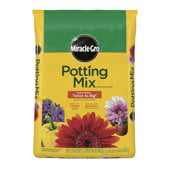
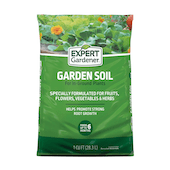
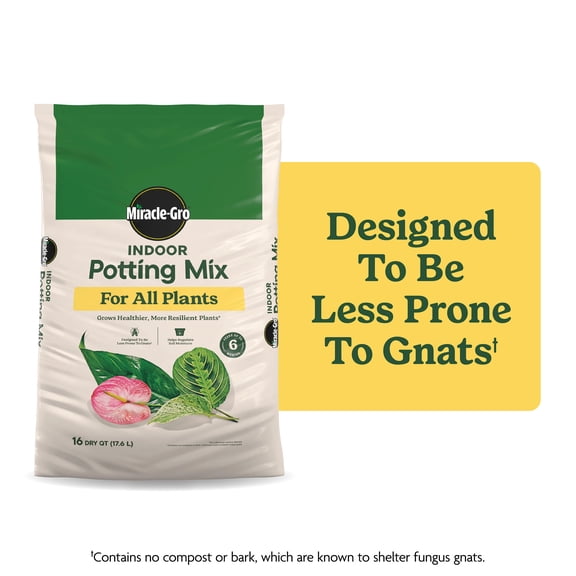
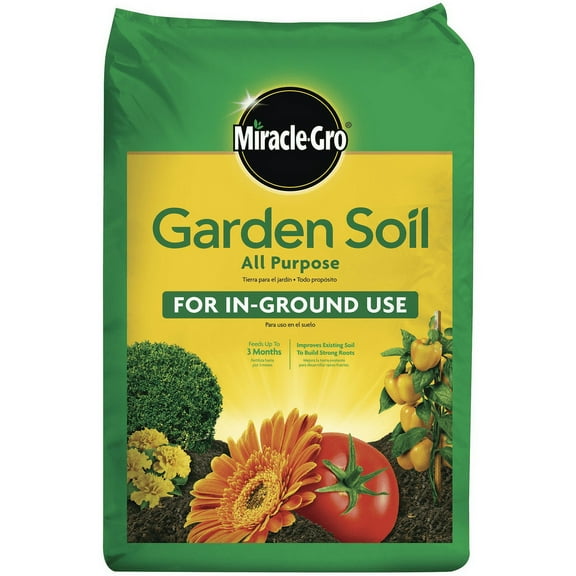
Start with where it’ll be used, because bagged mixes aren’t interchangeable. Potting soil and potting mix are formulated for containers, not in-ground beds. Garden soil is designed to blend into native dirt and improve outdoor beds.
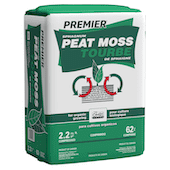
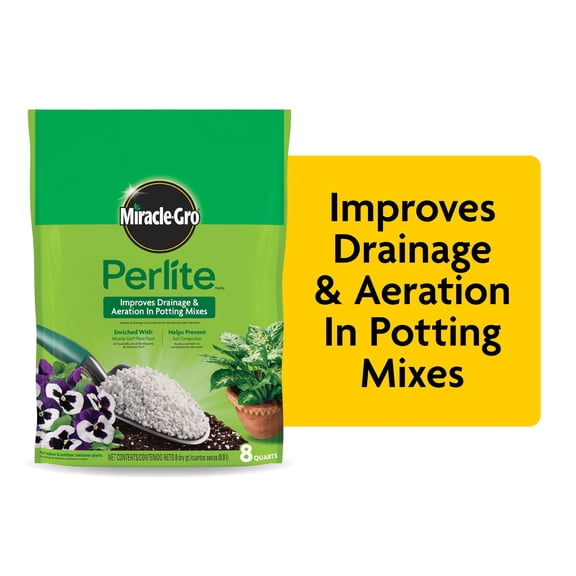
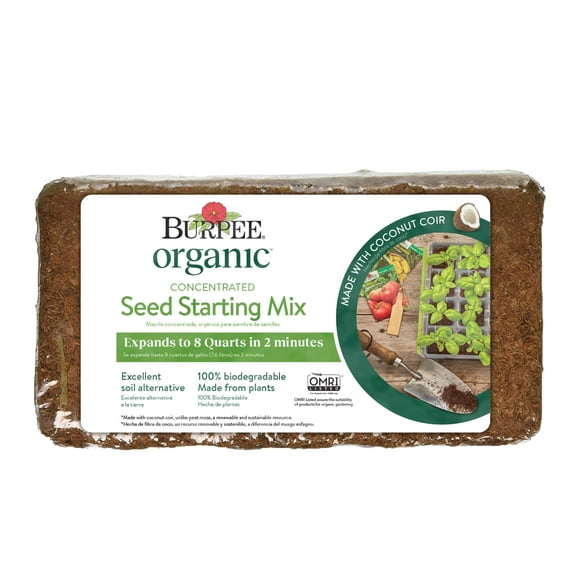
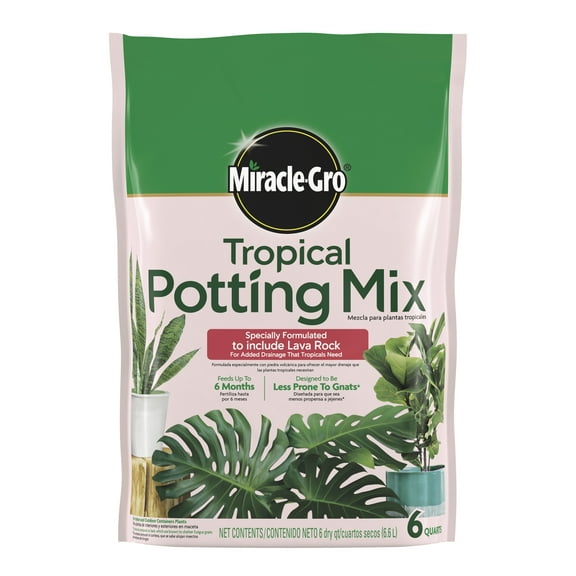
Texture matters for drainage and root oxygen. Look for mixes that feel loose and springy, not dense and muddy. Many potting mixes include ingredients like peat or coir, plus perlite for airflow.
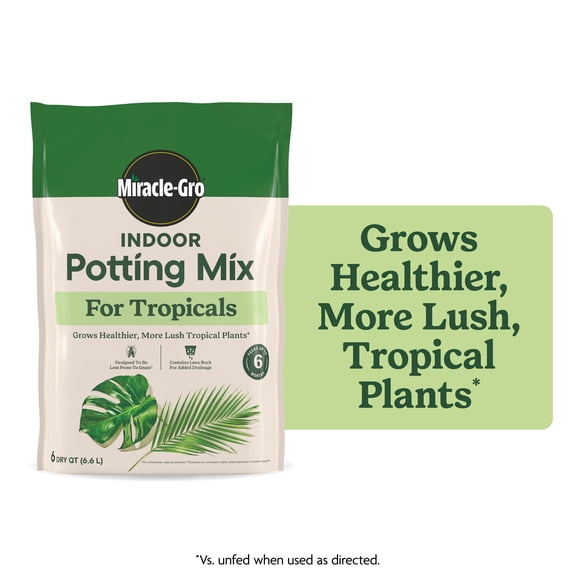
Check moisture control cues on the label, especially for indoor plant soil. Some blends hold water longer for thirsty plants, while others drain faster for succulents. If you’re filling large planters, weight and volume per bag can change your carrying plan.
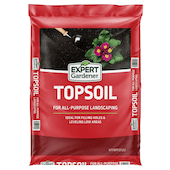
Topsoil is usually chosen for coverage and leveling, not container growing. It can help with filling holes, grading, and smoothing before seeding. If you’re starting a new bed, consider layering topsoil with compost or a soil conditioner.
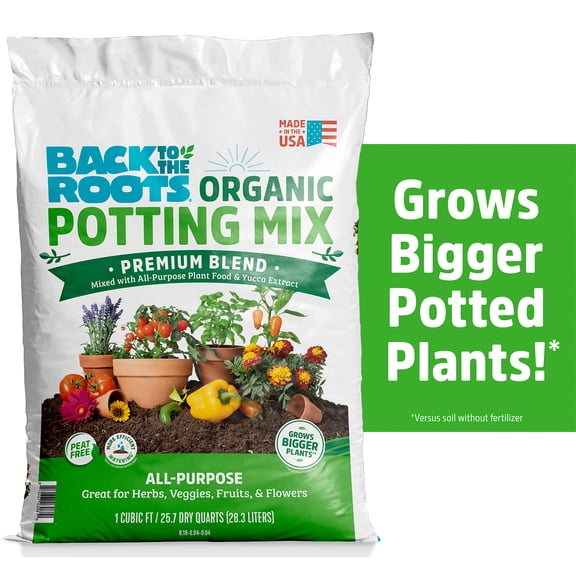
Organic soil labels can vary by product and intended use. Look for clear statements about ingredients and intended plant types. If you’re growing edibles, choose mixes labeled for vegetables or herbs.
Potting soil and garden soil for real-life use cases
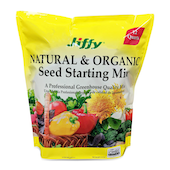
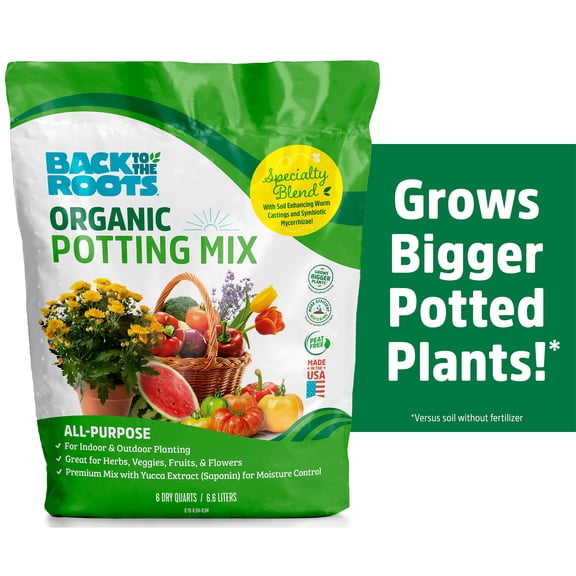
For indoor plants, choose a potting soil or potting mix that drains reliably in small pots. That helps prevent water pooling at the bottom after weekly watering. It’s also useful when you’re repotting, since roots need air pockets to recover.
For patio containers and hanging baskets, use potting mix to keep planters manageable. Lighter blends reduce strain when you move pots for sun or weather. You’ll also get more even watering during hot, windy days.
For outdoor beds, garden soil helps improve planting rows and flower borders. It’s a solid choice when your native ground is sandy, rocky, or compacted. Mixing it into the top layer can improve structure for roots and irrigation.
For new lawns and repairs, topsoil helps fill low spots and smooth uneven areas. It can support seed contact when you’re overseeding thin patches. It’s also useful around trees and along walkways during landscaping refreshes.
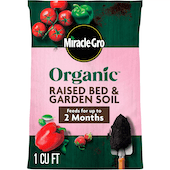
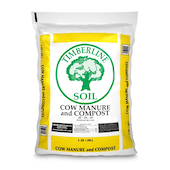
For raised garden beds, many gardeners combine garden soil with compost for depth and nutrition. You can dial in drainage by blending in materials like perlite for lighter structure. That approach works well for vegetables that hate soggy roots.
When you’re planning your setup, pair your soil choice with the right container and bed type. Planters & Pots help control drainage and size for indoor plants. Raised Garden Beds help you manage depth, spacing, and seasonal crop rotation.
Organic soil and topsoil options for outdoor projects
Organic soil can be a smart pick when you want a straightforward ingredient story for vegetables and herbs. Many blends are designed to support steady growth without complicated mixing. Keep an eye on whether it’s meant for containers or in-ground planting.
Topsoil fits projects where coverage and shaping matter as much as plant nutrition. It’s commonly used for leveling, filling, and building up areas before planting. For heavy clay yards, combining topsoil with amendments can help reduce compaction.
Bag size and handling matter for big jobs. Smaller bags are easier for stairs and apartments, while large bags reduce repeat trips. Plan your volume by measuring bed length, width, and depth before you order.
Confidence for every bag you carry home
When you pick soil based on your plant and location, you’ll get easier watering and steadier growth. Use potting soil for containers, garden soil for beds, and topsoil for leveling. The right match gives your plants a stronger start.