



Baseball Equipment & Gear | Gloves, Bats & Accessories























About Baseball Equipment & Gear | Gloves, Bats & Accessories - Walmart.com
You’ll find baseball gear and equipment for practices, games, and league play with clear choices for age, position, and certification. You can compare bats, gloves, helmets, cleats, and baseball protective gear in one place, so your setup matches the field.
If you’re building a first kit or replacing worn essentials, you can narrow your search by equipment type and player stage. You can also compare youth baseball gear, t-ball equipment, and adult options without guessing which details matter.
How to choose baseball gear and equipment
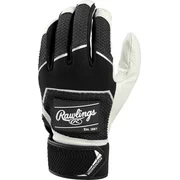
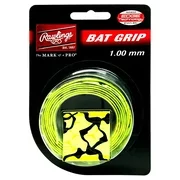
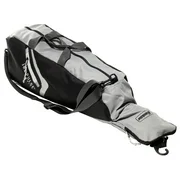
When you shop baseball equipment, you’ll want to start with the pieces your league expects every player to carry. You can usually begin with a bat, glove, helmet, cleats, and any position-specific protection your role requires.
For younger players, you’ll want light options that feel manageable during long practices and weekend games. For older players, you may focus on league stamps, firmer materials, and position details that affect control and comfort.
You can make decisions quickly when you compare the main buying points side by side. You’ll usually get the clearest path by checking these category-specific factors first.
- You can match bat length, drop, and certification to your league rules.
- You can choose glove pocket depth by position, which affects transfers and catches.
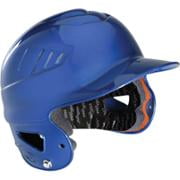
- You can check helmet sizing and NOCSAE labeling before game use.
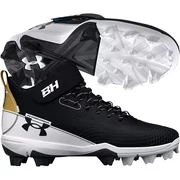
- You can compare molded and metal cleats based on surface and league approval.
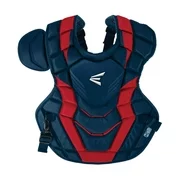
- You can select catcher’s gear and other baseball protective gear by age group.
You’ll notice these choices shape how your equipment feels during swings, fielding drills, and full games. You can avoid mismatched gear when you treat each attribute as a separate decision.
Choosing baseball equipment by type
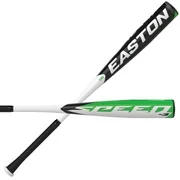
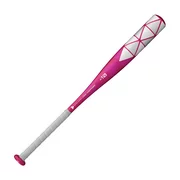
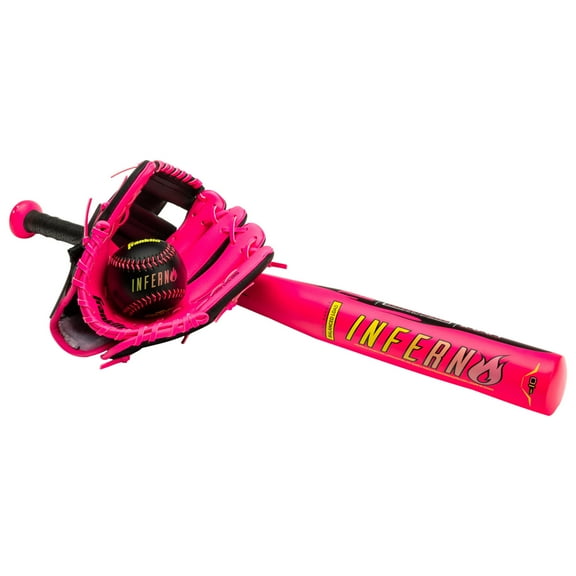
If you’re choosing bats, you’ll want to compare alloy, composite, and hybrid builds by feel and response. You may prefer alloy for a ready-to-use feel, while composite can offer a different swing experience.
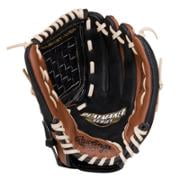
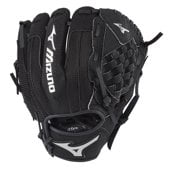
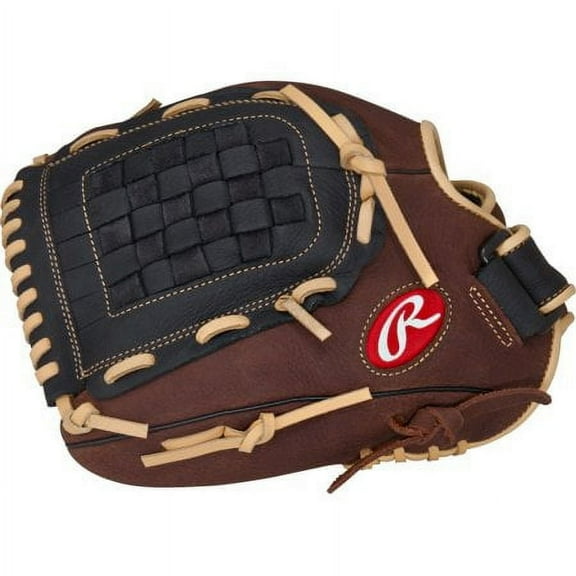
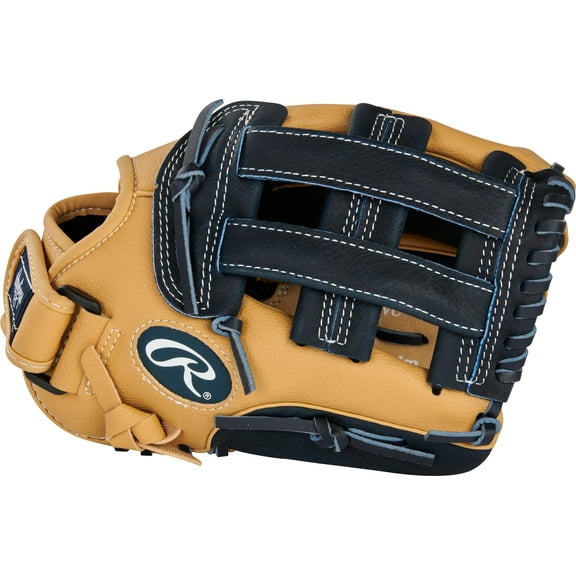
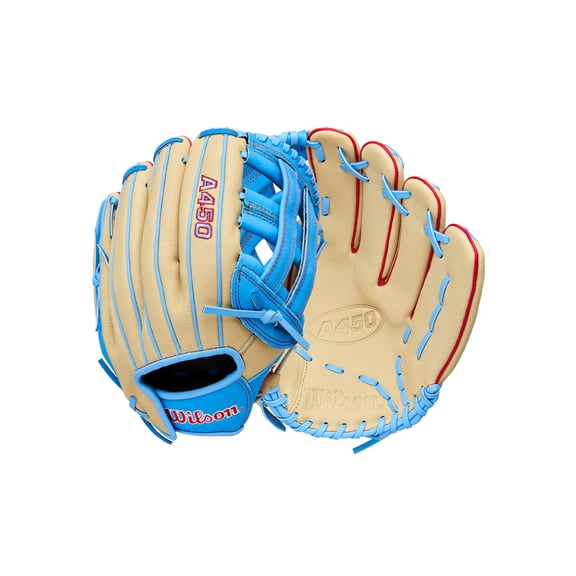
When you compare gloves, you should look at leather and synthetic materials with fit in mind. You may choose leather for a classic feel, while synthetic options can feel easy for new players to handle.
For helmets, you’ll want a secure fit that stays comfortable through batting practice and game situations. You should also check visible NOCSAE certification, because many leagues require that standard for play.
If you’re shopping cleats, you’ll need to match traction style to both rules and field conditions. You can compare molded plastic and metal cleats, since some leagues restrict metal styles for younger divisions.
Protective pieces deserve the same attention, especially if you play catcher or face contact at the plate. You can look for baseball protective gear that matches your age group and your position’s movement needs.
Choosing youth baseball gear by league and age
If you’re buying youth baseball gear, you’ll want to begin with league language before comparing colors or materials. You can often spot key bat rules through USA Baseball, USSSA, or BBCOR stamps.
For t-ball equipment, you’ll usually want short, light bats and easy-on gear that keeps practice simple. You can also look for small gloves that help young players close the hand opening with less effort.
When your player moves into coach pitch or kid pitch, you may need a different bat standard and a larger glove. You should check league documents first, because bat approval can change by division and season.
If you’re shopping for high school or older play, BBCOR often becomes an important filter for bats. You can use that certification to narrow choices quickly and avoid equipment that won’t match league requirements.
You’ll also want helmet and cleat sizes that account for growing players and changing roles. You can keep your search focused when you sort by youth, adult, or league-specific categories first.
What to look for in baseball training equipment and position gear
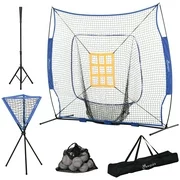
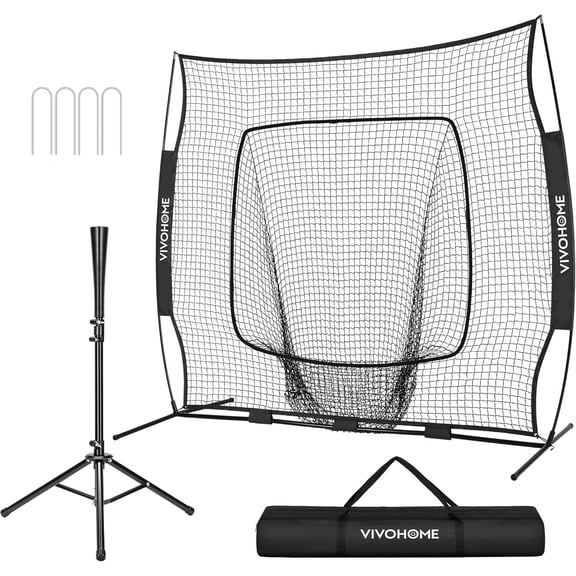
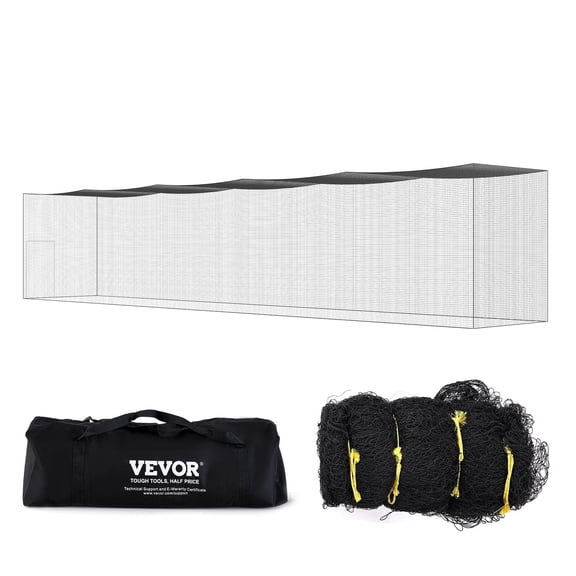
If you’re building a practice setup, baseball training equipment can help you repeat drills at home or on the field. You can focus on items that support hitting work, throwing reps, fielding practice, and swing timing.
For infield play, you’ll often want a glove with a shallow pocket for quick transfers. You can move the ball from glove to hand faster when the pocket doesn’t hold it too deep.
For outfield play, you may prefer a deeper pocket that helps secure fly balls on the move. You can compare glove patterns that support deep catches and extended reach in open grass.
If you pitch, you may look for a glove shape that feels comfortable during repeated grips and deliveries. If you catch, you’ll need gear built around added protection, including leg guards, chest protection, and a catcher’s helmet setup.
You can also sort equipment by material when you want a certain break-in feel or swing response. Composite, alloy, leather, and synthetic builds each give you different tradeoffs in feel, upkeep, and game-day routine.
Choosing the right fit for confident play
You’ll make informed choices when you compare certifications, position needs, materials, and league rules before you check out. You can build a baseball setup that feels consistent from practice through game day, with fewer surprises at the field.
With the right baseball gear and equipment, you can step onto the diamond knowing your gear fits the way your season demands. You’ll get gear that lines up with your league, your role, and your routine.