

Rifle Bipods & Gun Legs - Find Bipods Near Me | Walmart

















About Rifle Bipods & Gun Legs - Find Bipods Near Me | Walmart - Walmart.com
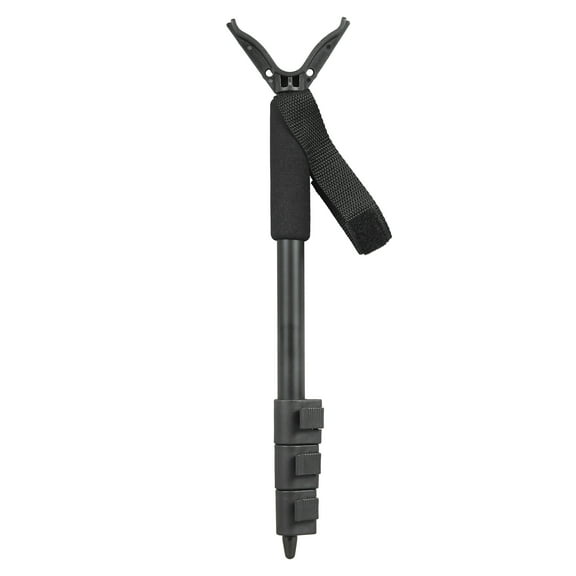
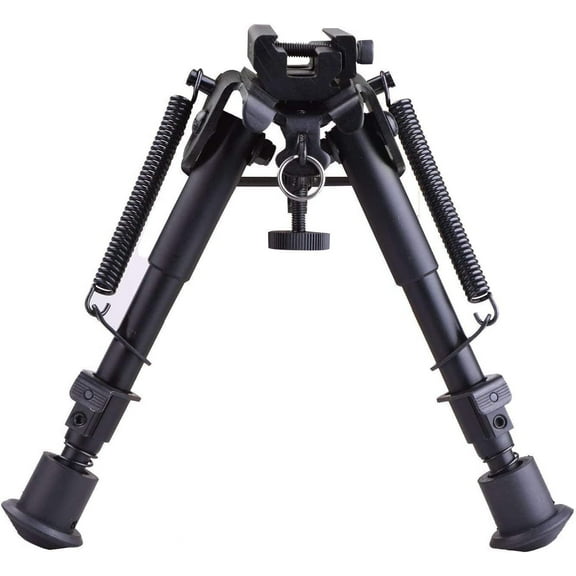
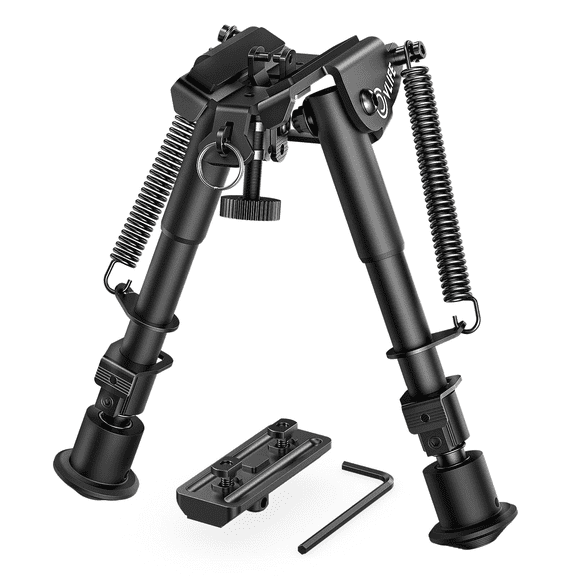
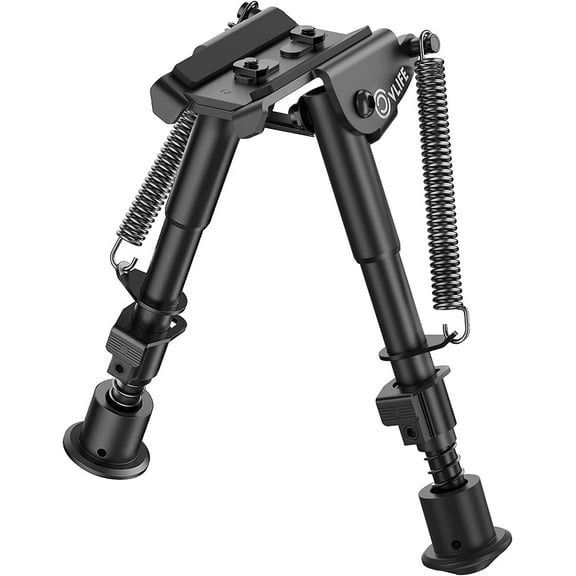
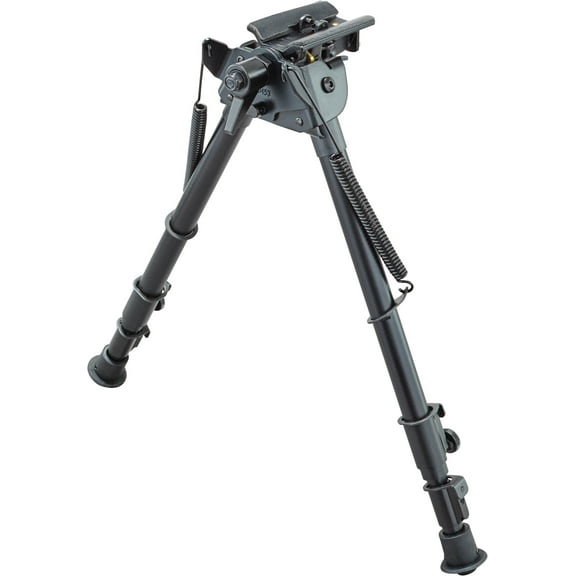
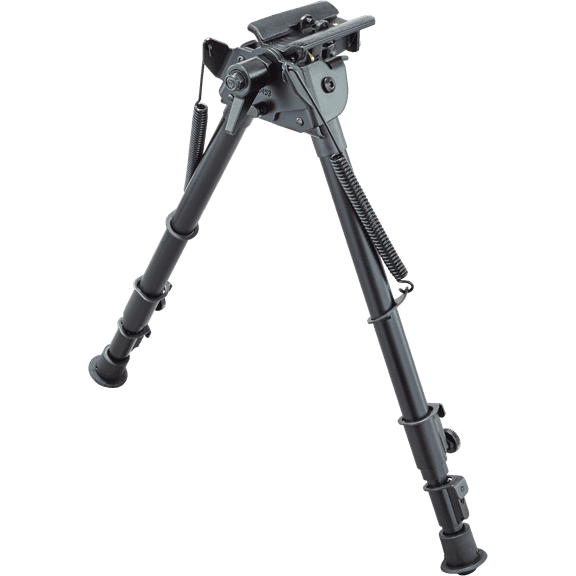
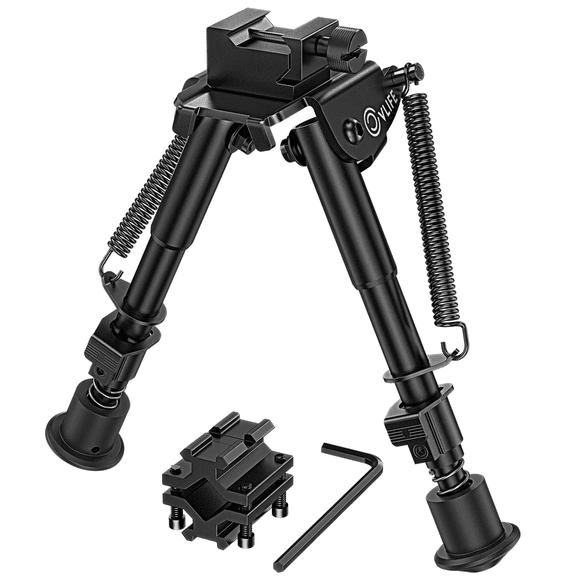
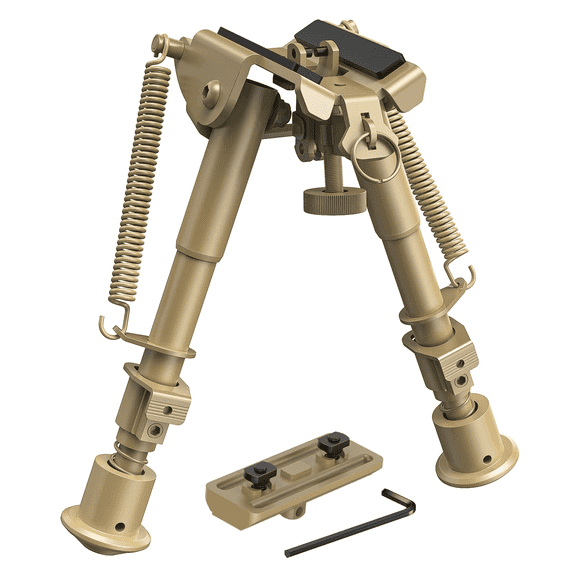
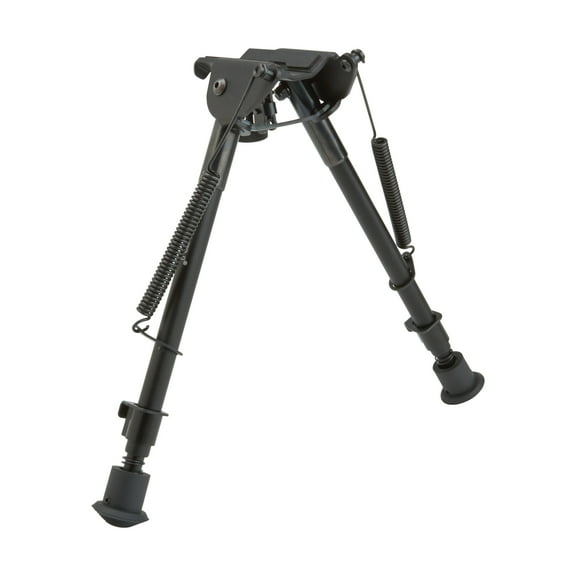
You can use a bipod to steady your aim, support your setup, and compare mounting options before you choose. You’ll find category guidance here for rifle compatibility, leg height, and attachment styles that fit real shooting conditions.
Choosing the right bipod for rifles
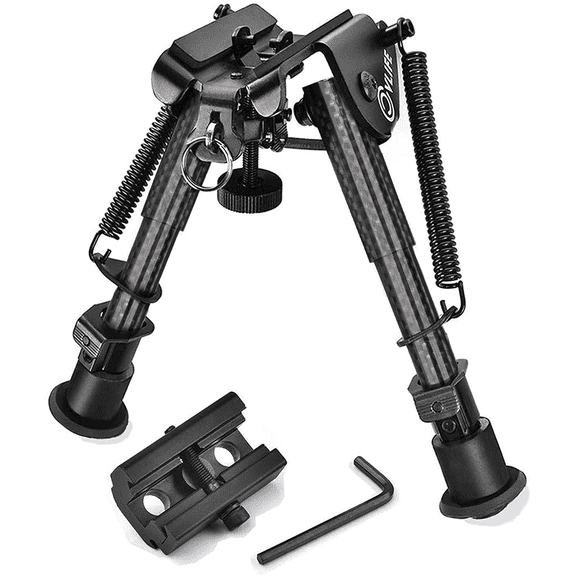
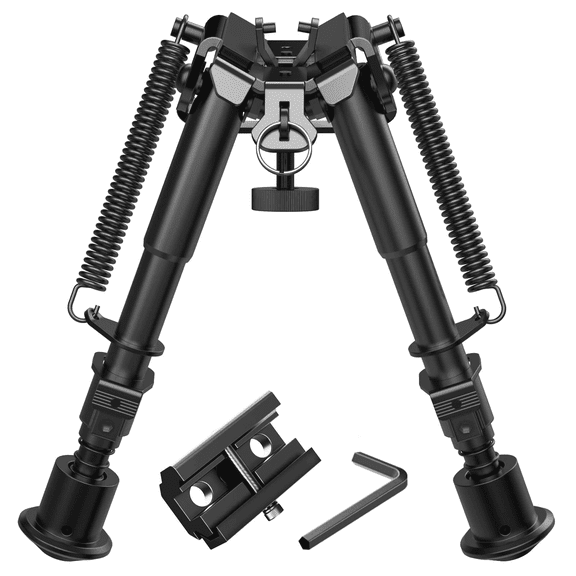
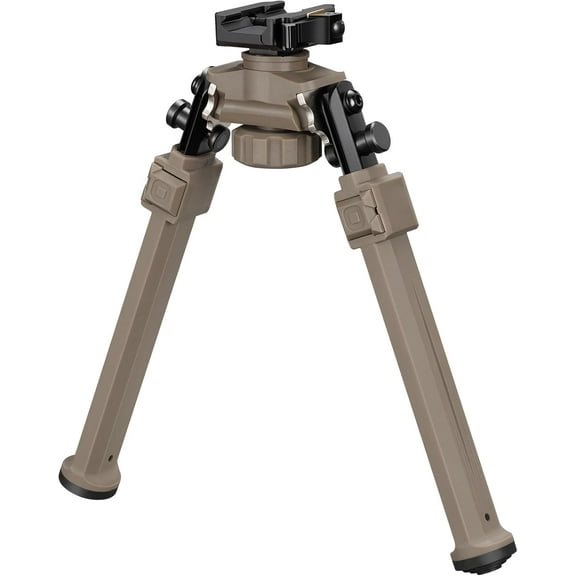
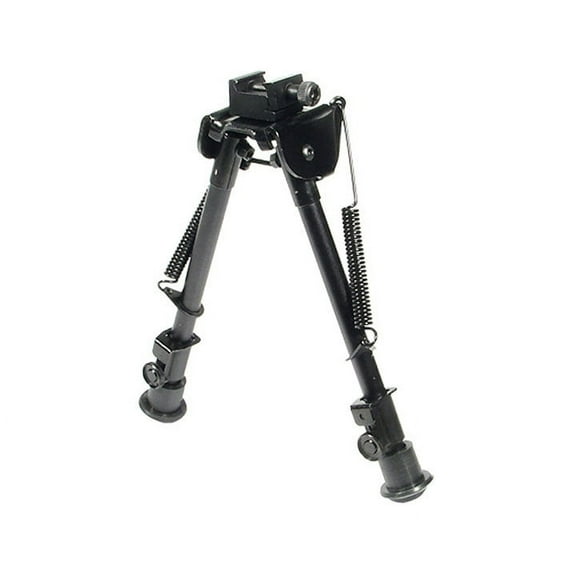
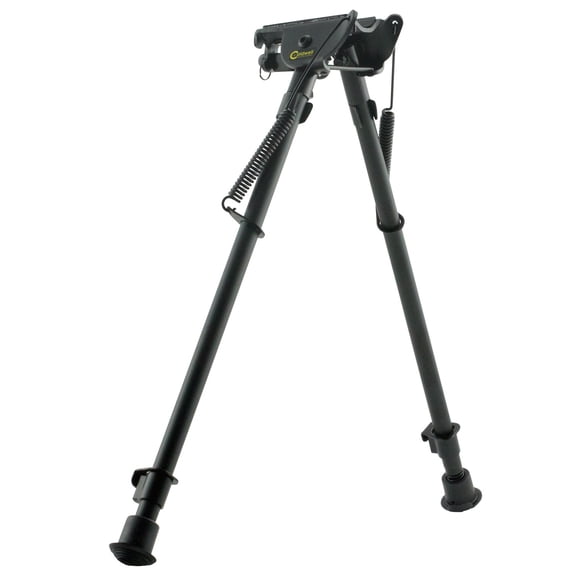
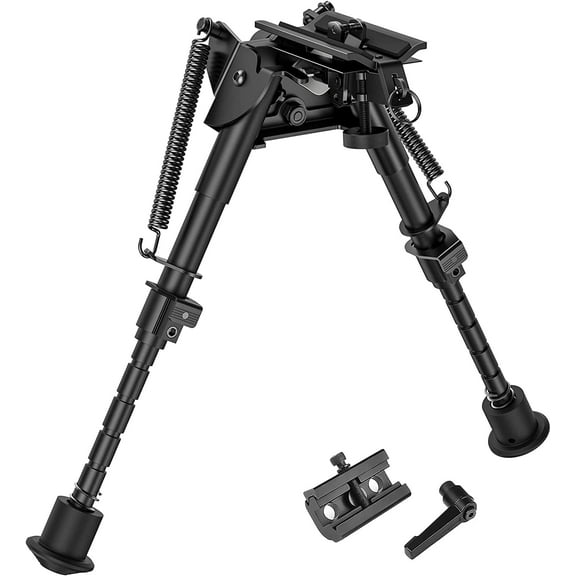
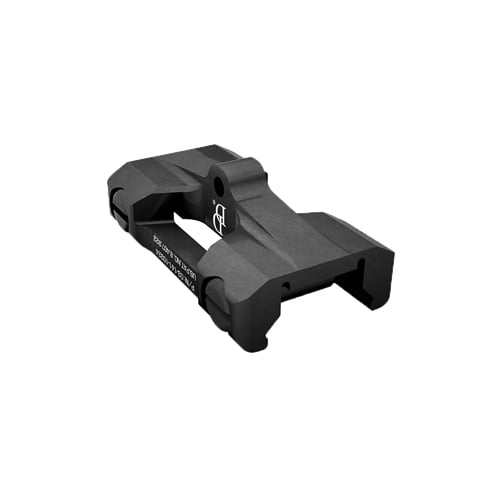
When you compare a bipod for rifles, you should start with mount type and firearm fit. You’ll want to check whether your setup uses a Picatinny rail, swivel stud, or M-LOK attachment.
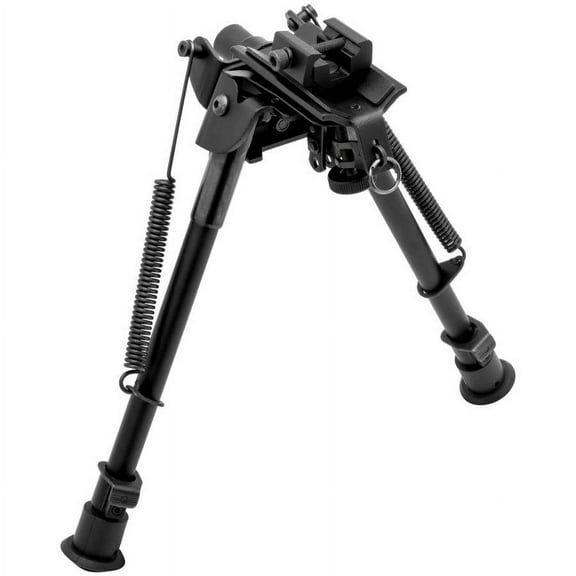
A Picatinny rail mount can give you a direct, common fit on many modern platforms. A swivel stud mount can suit classic hunting rifles, while M-LOK can match handguards with built-in slots.
You should also compare whether you need support for a rifle, pistol, or air rifle. You may see a pistol bipod in compact setups, while rifle bipods often suit longer barrels and wider stance needs.
- You can improve stability during prone shots, bench shooting, and zeroing sessions.
- You can compare mount styles quickly, so your setup matches your firearm without guesswork.
- You can choose leg ranges and foot styles that fit indoor benches or uneven outdoor ground.
- You can narrow options by platform, including air rifle use and compact rimfire setups.
What to look for in bipods
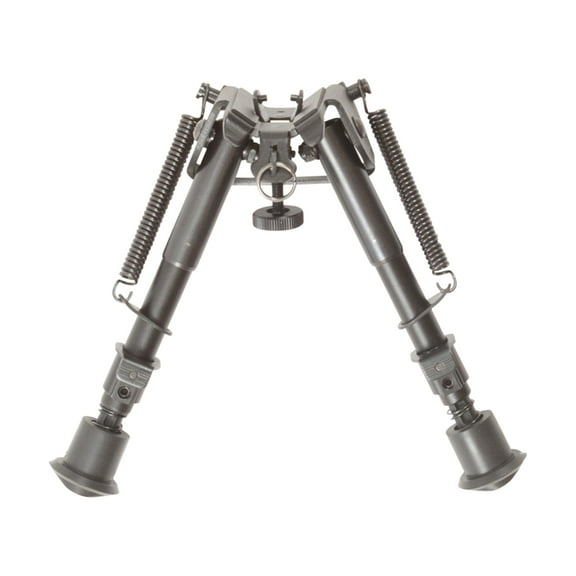
You should measure height range before you choose, because your shooting position changes what feels steady. You’ll often see six to nine inch legs for prone use and nine to 13 inch legs for taller positions.
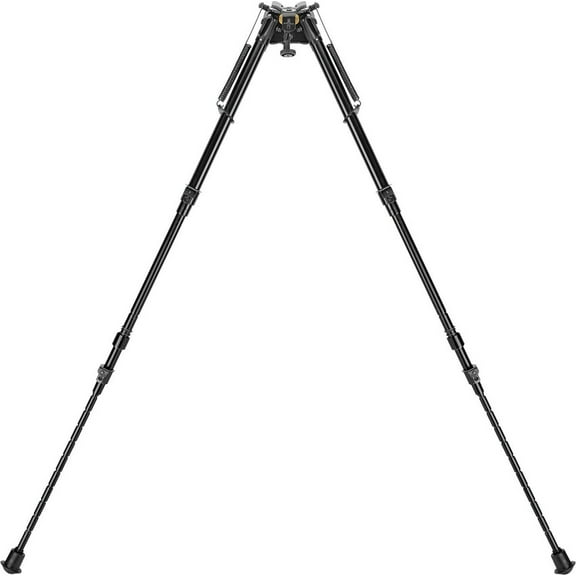
If you shoot from a bench, you may prefer a range that lifts the forend comfortably. If you shoot farther out, you may look at a bipod long range style with added extension.
You should compare materials with your carry needs in mind. You may like carbon fiber when you want less pack weight, while aluminum or steel can feel more planted.
Leg style matters when you move between hard surfaces and rough ground. You’ll notice rubber feet can grip benches well, while gun legs with wider stance can feel steadier on loose terrain.
You should also check whether the legs pan or cant for natural alignment. You’ll appreciate that movement when your surface isn’t level or when your target line shifts slightly.
How mount type and compatibility affect your choice
You can make an informed decision when you match the mount to your firearm first. You should confirm rail or stud compatibility before you compare leg finish, weight, or folded length.
If you use a hunting rifle, you may focus on swivel stud designs and field-friendly dimensions. If you use a tactical platform, you may compare Picatinny rail or M-LOK options more closely.
You might also shop for a bipod for rossi rb22 or another rimfire platform with specific attachment needs. You should check the stock or rail format, because that detail guides your fit.
For compact builds, you may want shorter folded legs that stay out of the way. For varmint or bench setups, you may want more extension and a broader footprint.
Using rifle legs in real shooting setups
You can use rifle legs for prone practice when you want a low, steady profile on the ground. You’ll usually want six to nine inch legs here, especially when your forend sits close to the surface.
At the bench, you may prefer extra height and easy leg adjustment between strings. You can benefit from nine to 13 inch options when your seat, table, or rest height changes.
In uneven outdoor areas, you should look for independent leg adjustment and cant movement. You’ll find those features helpful when your position changes from packed dirt to rocky terrain.
If you carry your gear over distance, you may want lighter materials and streamlined folding legs. If you mostly shoot from fixed stations, you may prefer added weight for a more settled feel.
You can also compare bipods for different roles without overcomplicating your choice. You should focus on mount type, height range, and foot design, because those details shape everyday use.
Find durable bipods near me
If you’re looking for bipods with convenient availability, you can check pickup and delivery options on Walmart.com. You’ll keep the focus on fit, mount style, and leg range while choosing a timeline that works for you.
You can also compare related support gear when you build out your setup. You may want shooting rests, gun cases, or scopes and optics that match how you practice and transport your equipment.
When you choose with mount fit, leg height, and terrain in mind, you can narrow the field quickly. You’ll end up with support that feels stable, folds cleanly, and matches your firearm setup.