

Boat Front Lights & Marine Navigation Lighting | Walmart



















About Boat Front Lights & Marine Navigation Lighting | Walmart - Walmart.com
You can outfit your vessel with boat lights that match navigation needs, weather exposure, and power setup. You also get practical choices for pontoons, kayaks, fishing boats, and larger cruisers.
How to choose boat lights by light type
You should start with the job each light needs to handle on the water. Your choice often comes down to navigation, anchor, underwater, interior cabin, or deck lighting.
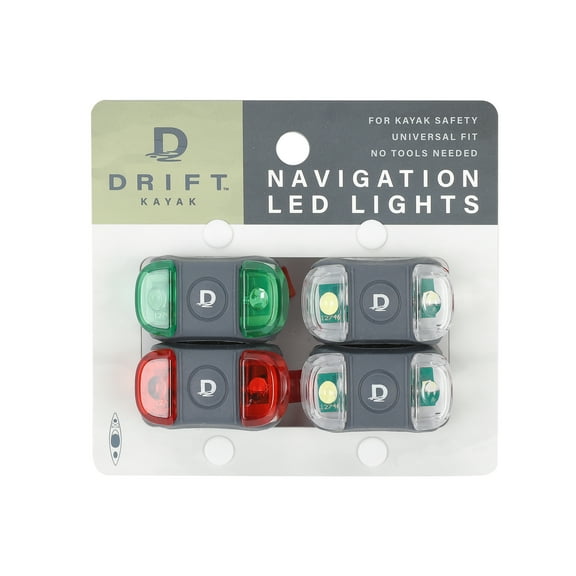
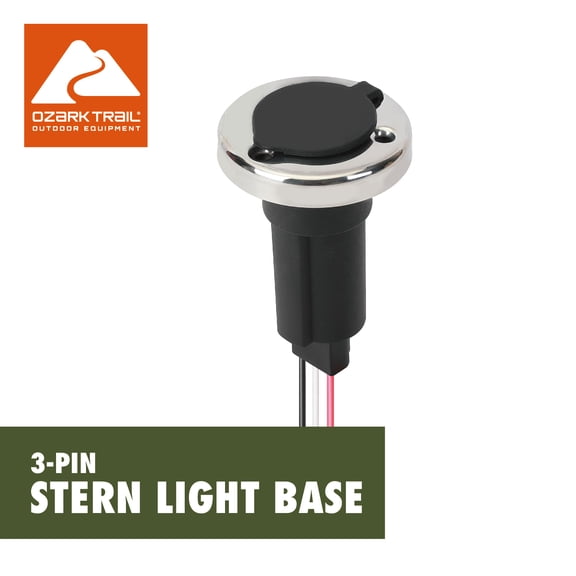
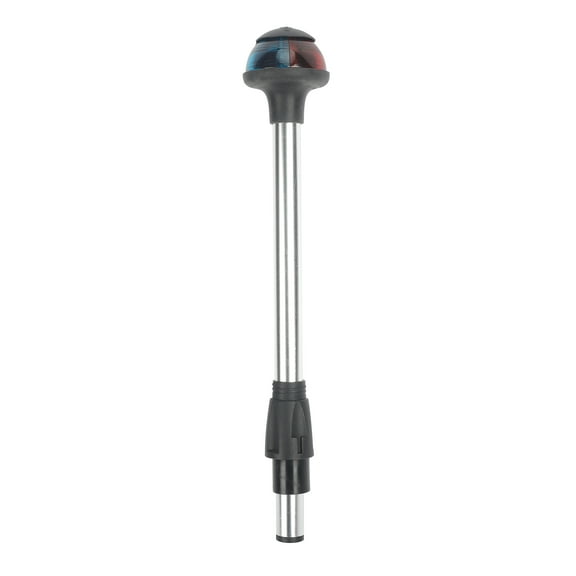
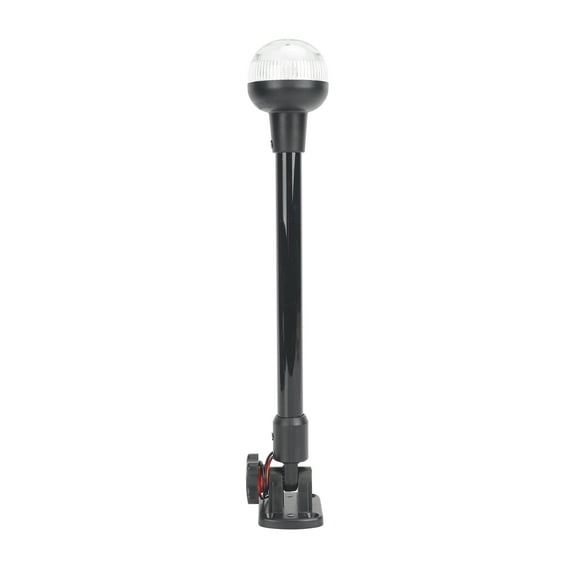
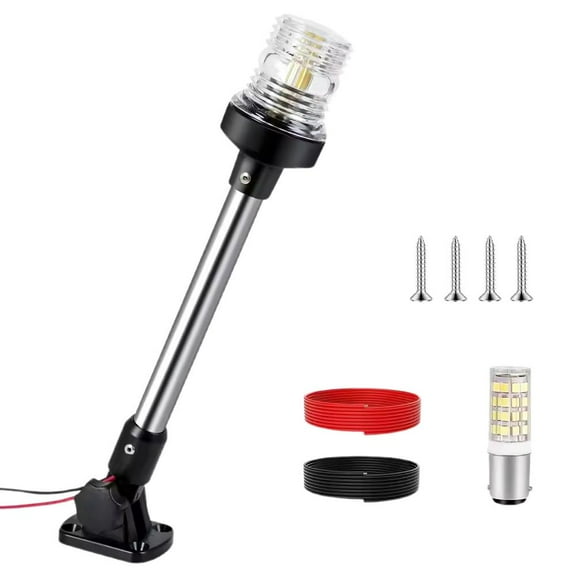
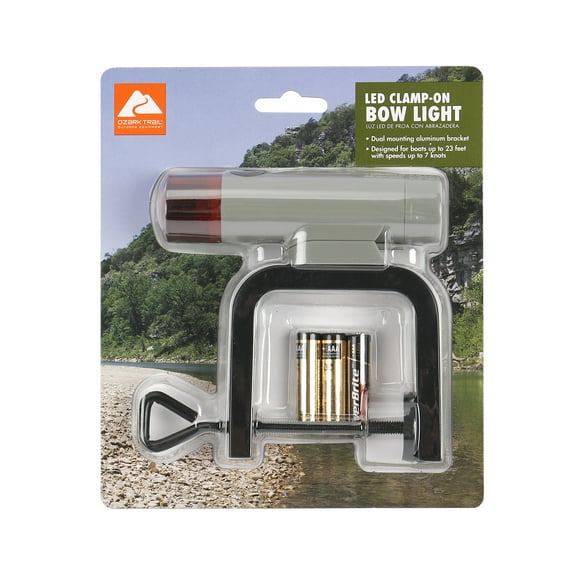
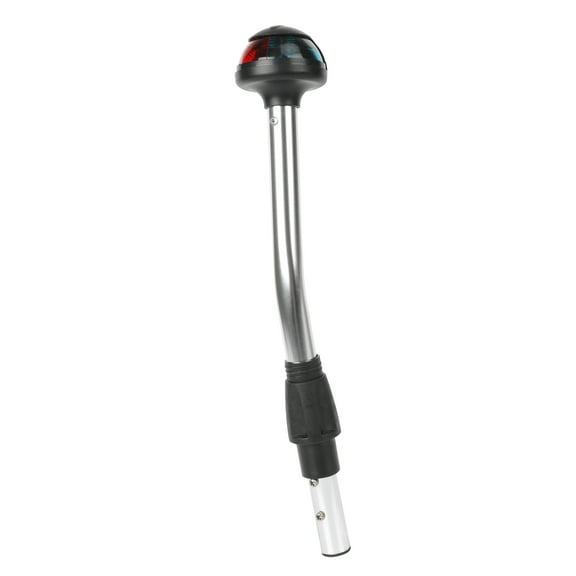
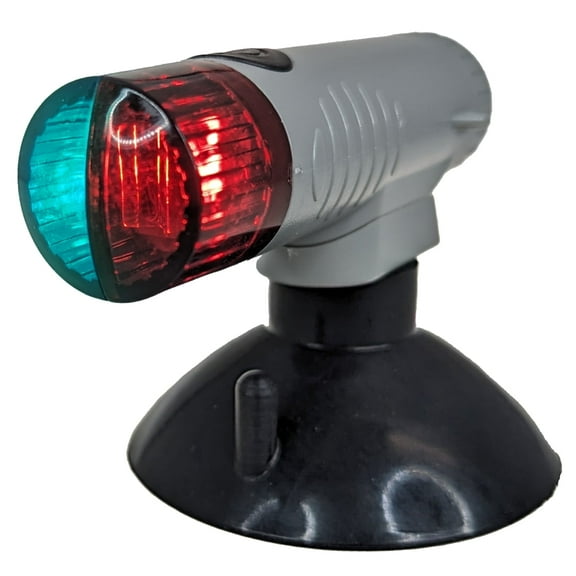
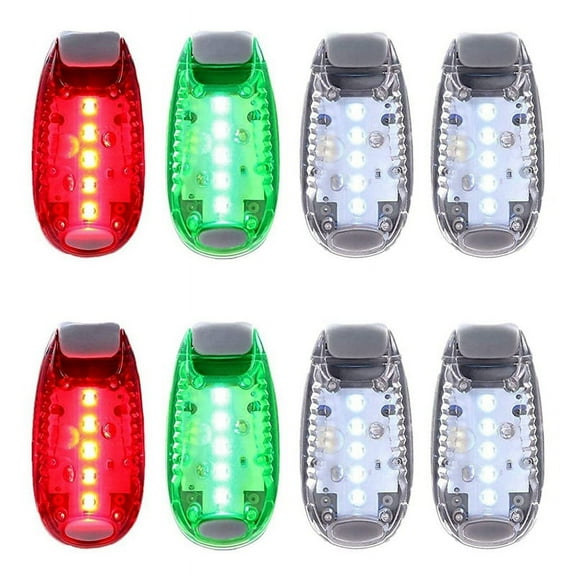
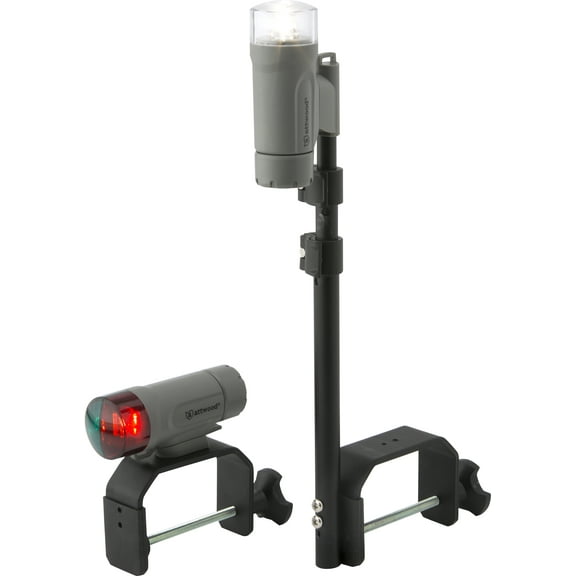
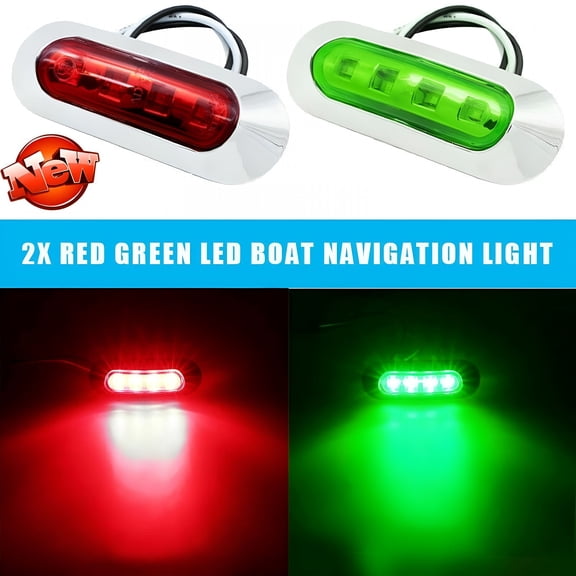
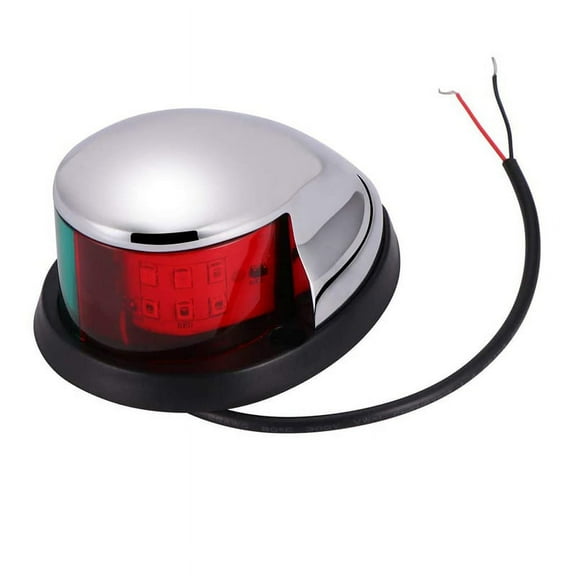
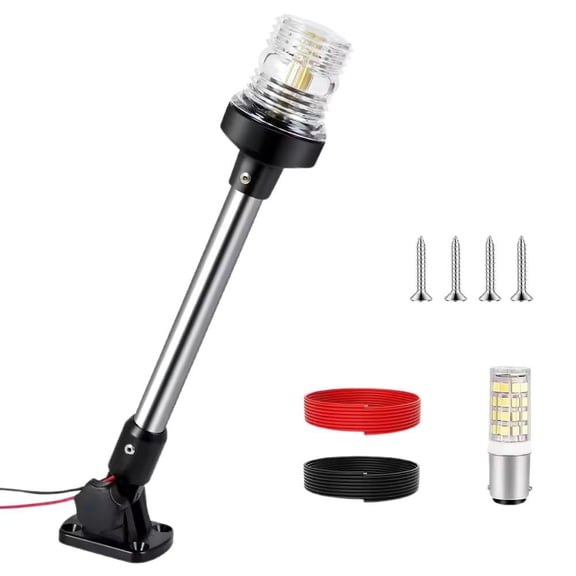
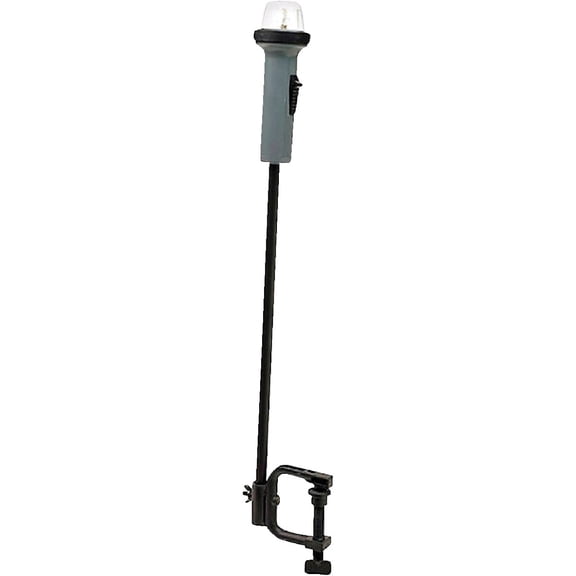
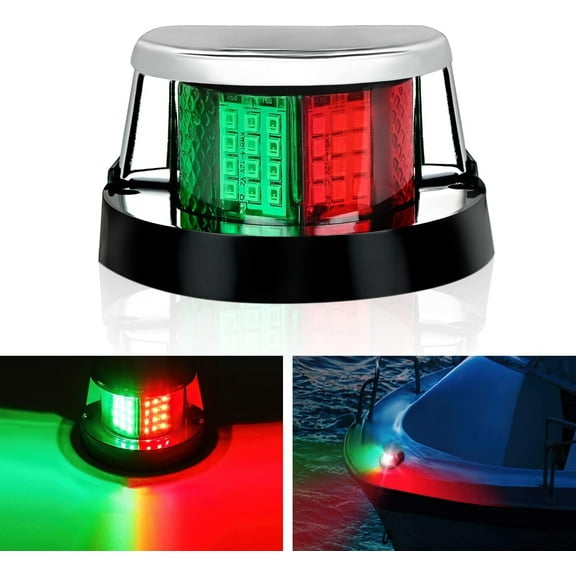
Navigation lighting helps you stay visible during low-light travel and after-dark operation. You’ll want red and green sidelights, plus stern or all-round options, based on your vessel layout.
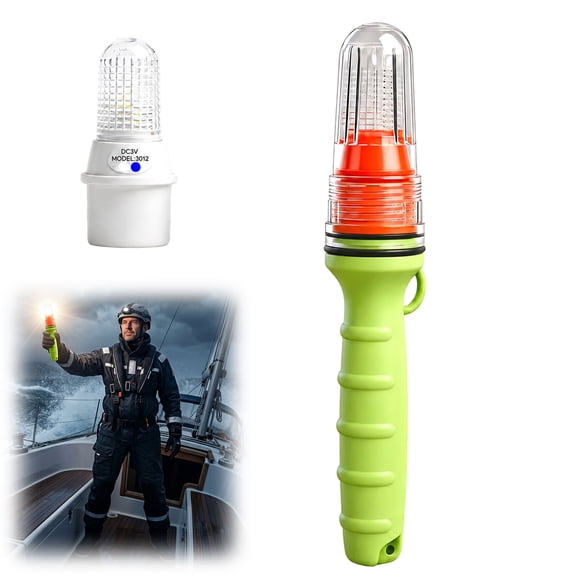
Anchor lights help you mark your boat when you stop or moor after sunset. You can also use deck and cabin lighting when you need clearer visibility for rigging, storage, or onboard tasks.
- You can use boat navigation lights to support required visibility on the water.
- You can add deck or cabin lights when you need focused illumination in working areas.
- You can consider underwater boat lights for transom glow and nighttime dockside visibility.
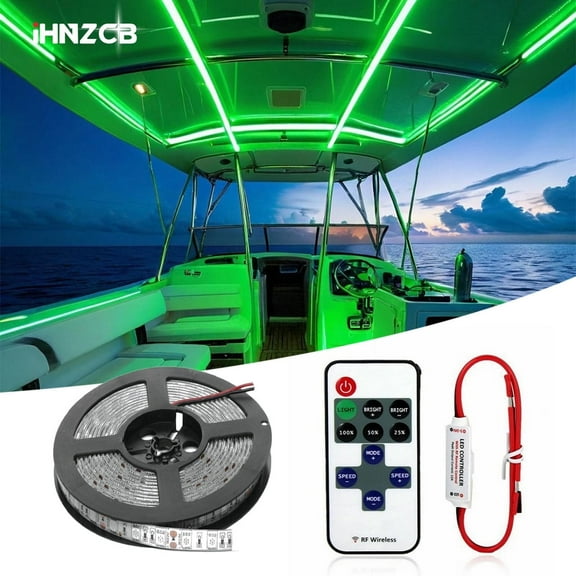
- You can match pontoon boat lights to rail layouts, deck space, and perimeter lighting needs.
Choosing marine LED lights and bulb technology
You should compare LED, halogen, and incandescent options by runtime, brightness, and upkeep. You’ll often notice marine LED lights use less power and need fewer bulb changes.
LED setups can make sense when your battery capacity is limited during long outings. You may prefer halogen or incandescent replacements when your fixture compatibility or existing sockets guide your decision.
You should also check beam color and output style before you choose a replacement. Your boat may need a specific light pattern for navigation positions, deck coverage, or cabin use.
Checking power source and 12v marine lights
You should confirm voltage before you install any replacement or new fixture. Many 12v marine lights fit common recreational electrical systems, while some boats use 24V circuits.
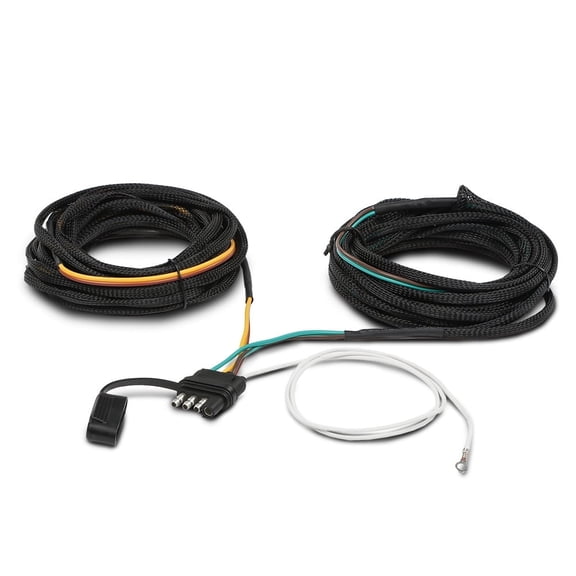
You can compare amperage draw when you want to manage battery use across several fixtures. Lower draw often matters when you run fish finders, pumps, radios, and lighting from the same system.
Battery-powered lights can help when you need temporary placement on small craft or tenders. Solar options may suit accent use, though you should still check charging conditions and mounting exposure.
Understanding waterproof ratings and underwater boat lights
You should look for ratings that match where the fixture will sit on your boat. IP67 often suits heavy spray and brief immersion, while IP68 or submersible designs fit constant water exposure.
Underwater boat lights need housings, seals, and wiring paths designed for below-waterline or transom use. You should also compare corrosion-resistant finishes when you boat in saltwater or brackish conditions.
Marine environments can wear down hardware quickly compared to inland environments. You’ll want materials and coatings that help your light resist moisture, salt residue, and repeated washdowns.
Evaluating boat navigation lights for compliance and visibility
You should check visibility range and placement requirements before you choose boat navigation lights. Many shoppers look for fixtures aligned with USCG Colregs guidance and two nautical mile visibility needs.
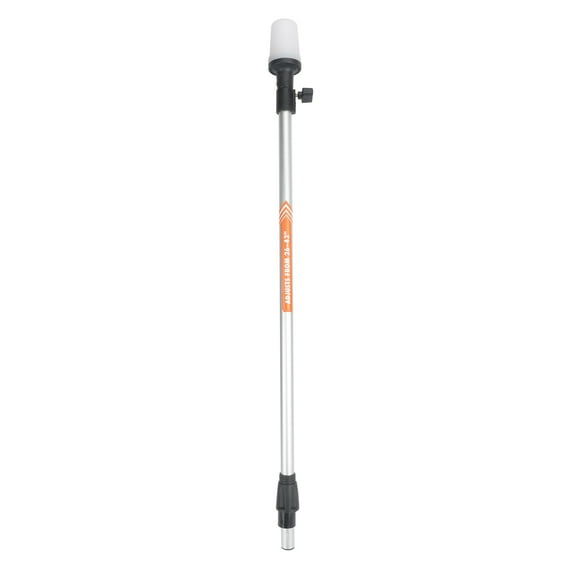
Your vessel length and configuration help determine which light combination makes sense. You may need sidelights, a stern light, or an all-round white light, depending on how you rig your boat.
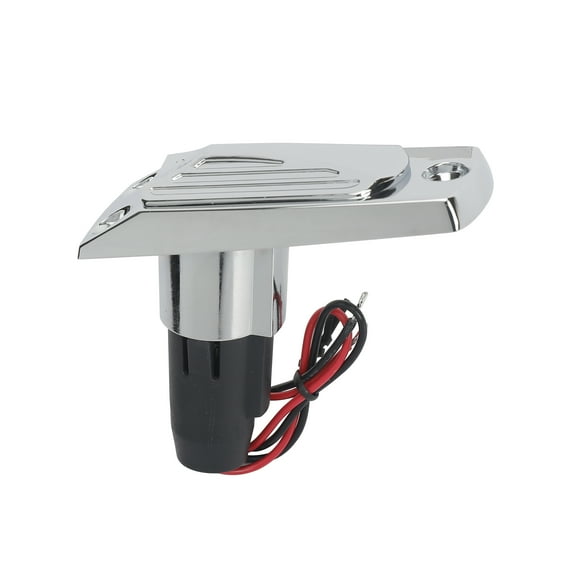
You should also compare surface mount and flush mount designs before installation. Surface mount options can simplify replacement, while flush mount styles can support a cleaner built-in look.
Matching vessel type compatibility to your layout
You should measure rail space, console clearance, and transom area before picking a fixture. Pontoon boat lights often need different mounting positions than kayak, fishing boat, or yacht setups.
Kayaks and smaller craft may need compact housings and portable power options. Fishing boats often benefit from deck coverage, livewell-area visibility, and task lighting around rods and tackle.
Pontoons usually have broad deck edges and rail sections that affect placement choices. Larger yachts may need layered lighting, with separate navigation, courtesy, cabin, and underwater zones.
Using boat lights in real boating situations
You can use navigation fixtures when you leave the marina before sunrise or return after sunset. Your setup should support clear directional visibility during crossings, channel travel, and docking.
You can add deck lights when you’re tying lines, organizing gear, or moving around aft storage. Your cabin lights also help when you need easier sightlines below deck during overnight trips.
Underwater lighting can suit evening raft-ups, dockside ambience, or added stern visibility around the swim platform. You should pair those fixtures with the right waterproof rating and compatible wiring path.
If you run a pontoon, you may want perimeter or rail-friendly options for broader deck coverage. If you fish at dawn, you may prefer low-draw LEDs that work well with 12V systems.
You can narrow your options faster when you compare light type, voltage, waterproof rating, and mount style together. Your final setup should fit your vessel, your wiring, and your time on the water.