

Bows in Arrows and Bows


























About Bows in Arrows and Bows - Walmart.com
Archery bows help you match your shooting style, draw strength, and experience level with gear built for target practice or field use. You can compare recurve, compound, and longbow options more clearly when you understand draw weight, hand orientation, and intended use.
How to choose archery bows by bow type
You should start with bow type because each design changes how your draw feels and how you aim. You can use that difference to narrow your options faster.
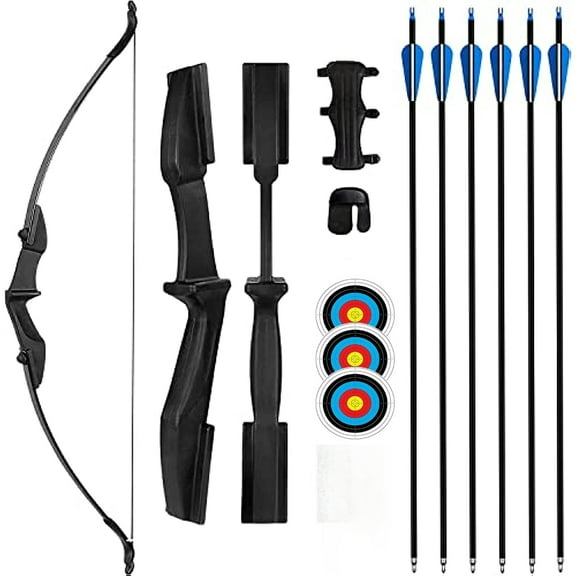
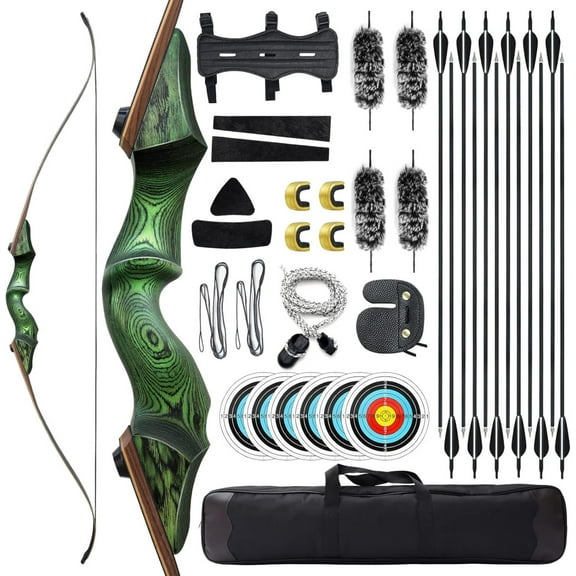
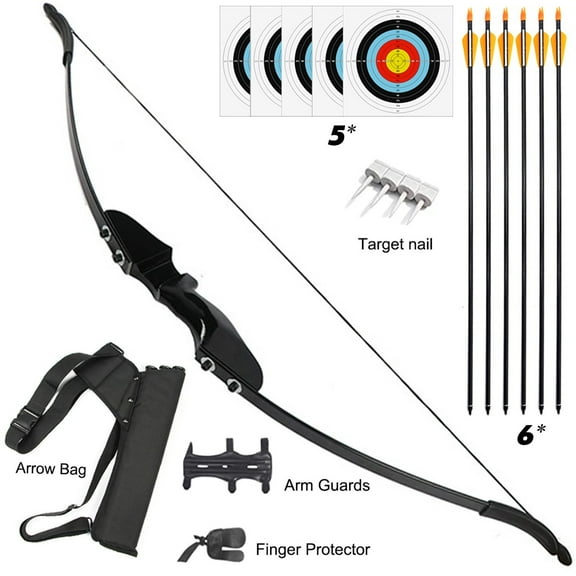
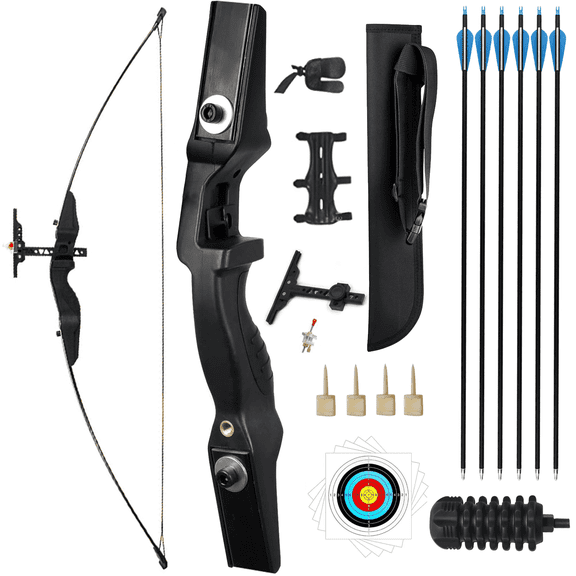
With recurve bows, you pull a simpler limb design that gives you a smooth, direct draw. You may prefer that feel if your focus is form, range sessions, or traditional shooting.
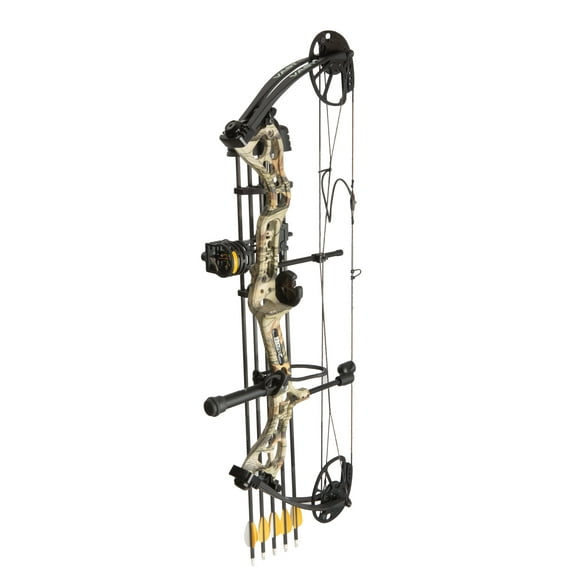
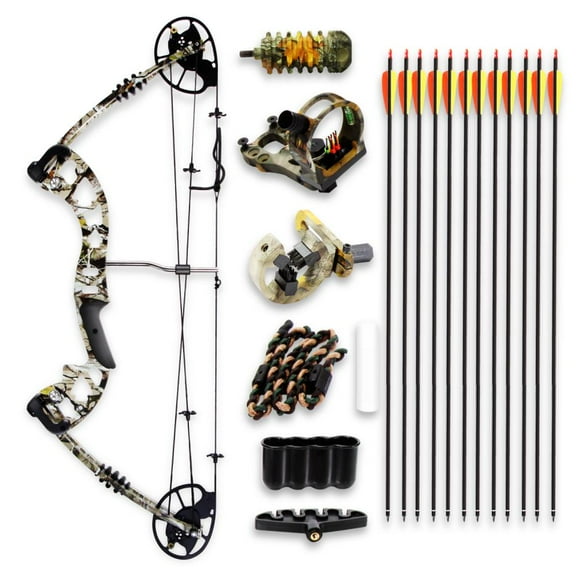
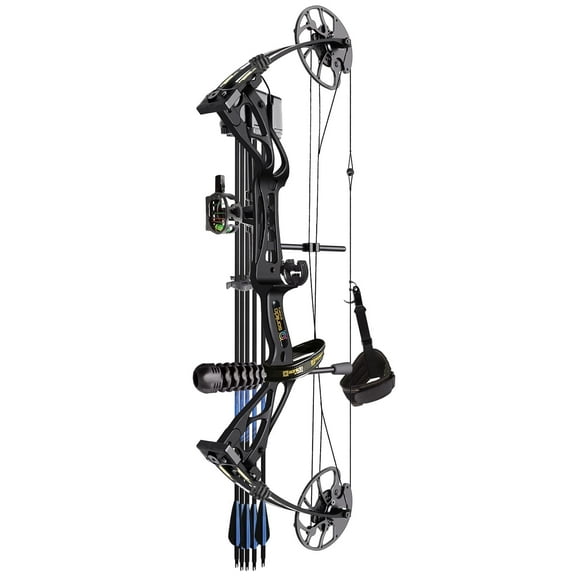
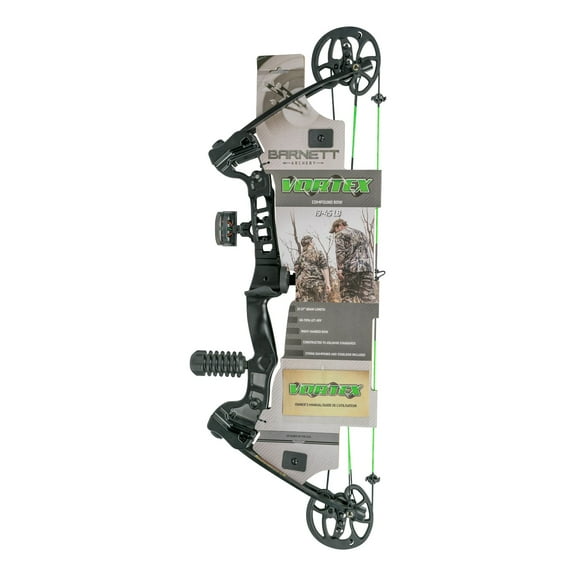
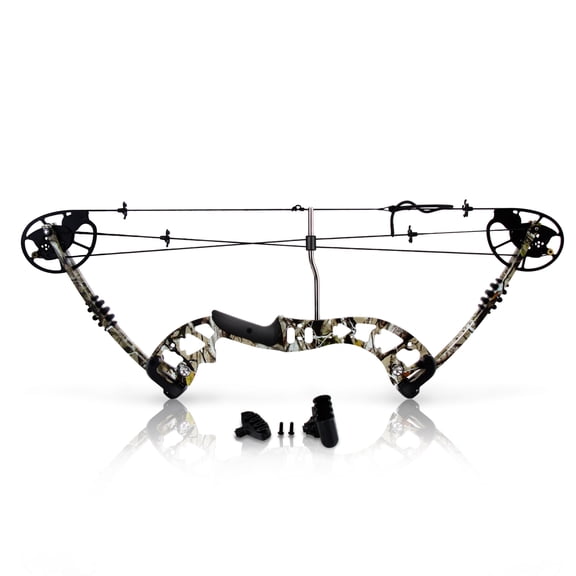
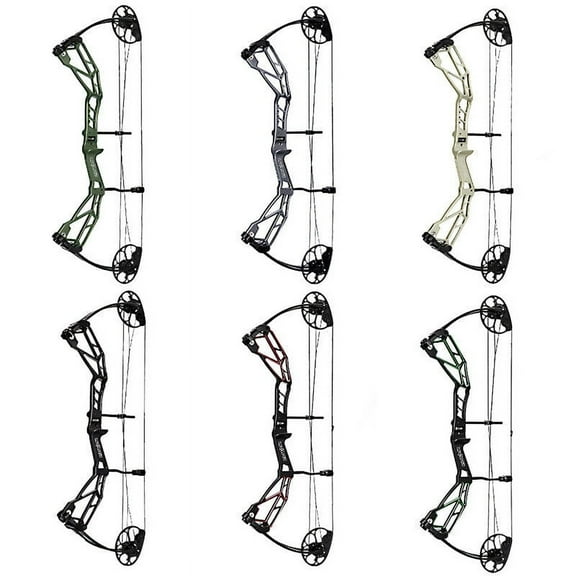
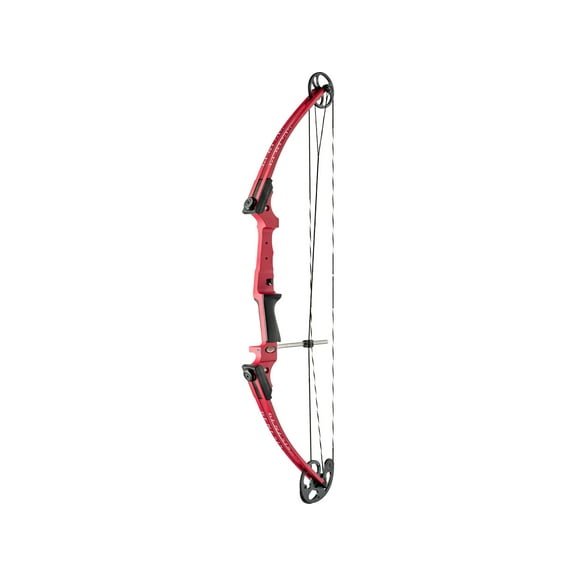
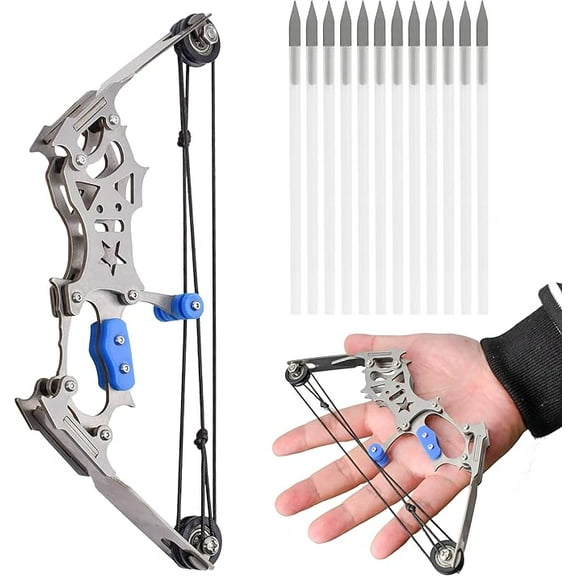
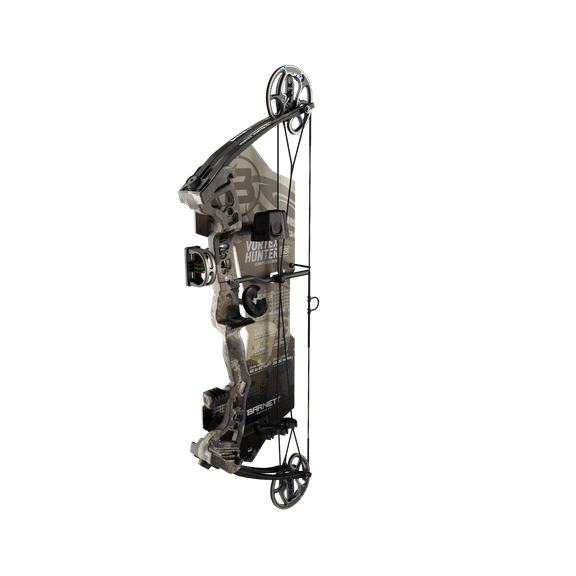
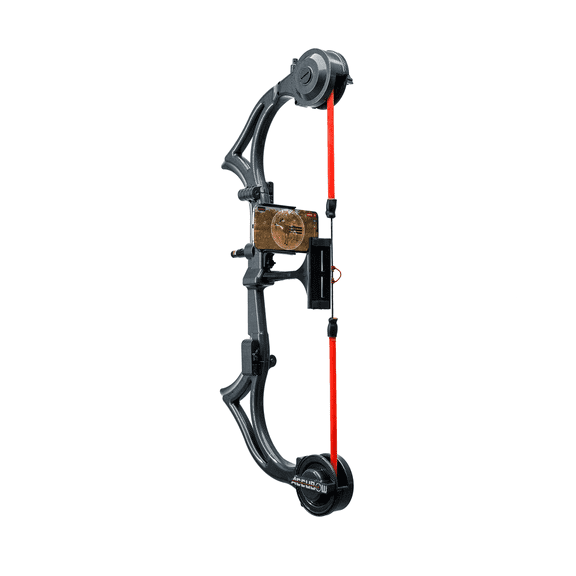
With compound bows, you use cams that reduce holding effort at full draw. You can hold steadier for longer because let-off means your bow feels lighter when you're aiming.
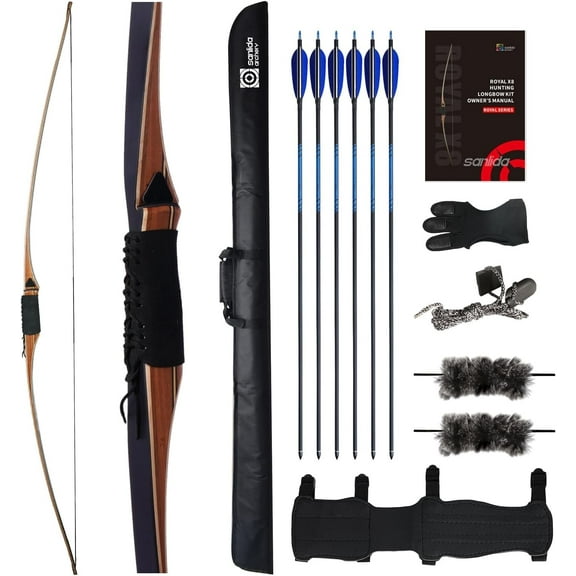
If you compare longbows, you get a classic shape with fewer moving parts and a traditional shooting experience. You may choose that style when you want straightforward mechanics and a clean profile.
You can use these differences as a quick guide when you compare models and setups. You should look for the bow type that fits your learning curve, shooting rhythm, and intended environment.
What benefits you get from the right setup
You gain more consistency when your bow matches your strength, age group, and shooting goals. You also make practice time more productive because your setup feels manageable from the first session.
- You can choose recurve bows for straightforward mechanics and form-focused practice.
- You can choose compound bows when you want let-off and steadier full-draw aiming.
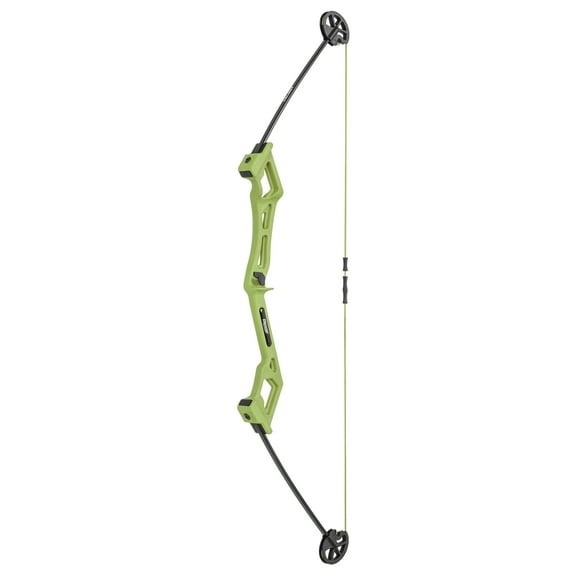
- You can choose youth bows or beginner options when you need lighter draw weights and easier handling.
- You can compare hunting bows and target-focused styles based on where and how you shoot.
Your comfort matters because a bow that feels controlled is easier to draw, hold, and repeat. You can build cleaner shooting habits when your equipment matches your size and experience.
You also get a clearer path to accessories when you know your setup first. You can pair your bow and arrow set, arrows, targets, and cases with fewer compatibility questions.
Choosing draw weight and fit
You should treat draw weight as a key decision because it affects how the bow feels every time you pull. You can compare light, medium, and heavy options by thinking about control first.
If you choose light draw weight, usually under 30 pounds, you get easier practice sessions and simpler learning. You may prefer that range for youth bows, beginner setups, or casual target shooting.
If you choose medium draw weight, around 30 to 50 pounds, you get a balanced option for many adult shooters. You can use that range when you want versatility for regular practice and general use.
If you choose heavy draw weight, above 50 pounds, you get stronger resistance through the draw cycle. You may look at that range when comparing hunting bows or when you already have developed shooting strength.
You should also check draw length fit, because proper sizing affects comfort and anchor position. You can shoot more naturally when your bow length and setup match your reach.
Your age group matters too, so you should compare youth, beginner, and adult options carefully. You can narrow choices faster when you match draw weight and size to the person using the bow.
Choosing hand orientation and aiming comfort
You should confirm hand orientation before anything goes in your cart because it changes how you hold and draw. You can avoid fit confusion by checking whether the bow is right-handed or left-handed.
If you're right-eye dominant, you may often compare right-handed archery bows first, depending on your shooting style. If you're left-eye dominant, you may want to check left-handed options more closely.
You don't need complicated terms to make this choice if you keep comfort in mind. You should look for the orientation that lets your draw hand, anchor point, and sight picture feel natural.
Your fit improves when the bow supports the way you line up your shot. You can make aiming feel more repeatable when orientation matches your dominant side and shooting habit.
Matching archery bows to hunting and target practice
You should choose with your main use in mind because target practice and field use ask for different priorities. You can compare stability, draw feel, and portability based on where you'll shoot.
For backyard targets or range sessions, you may want a bow that supports steady repetition and easy learning. You can focus on manageable draw weight, simple tuning, and comfortable handling.
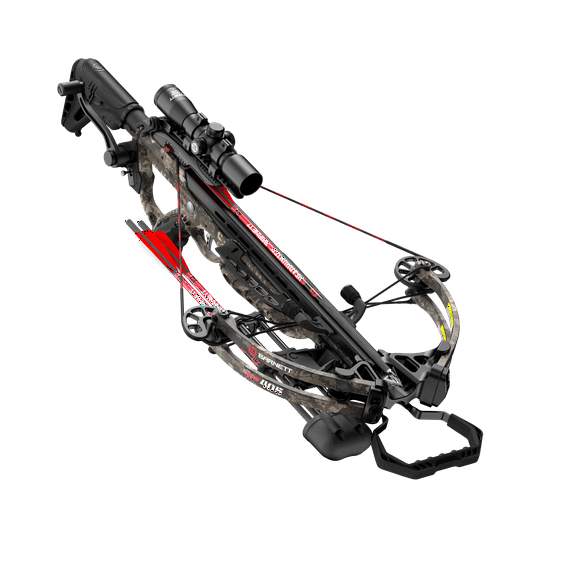
For hunting use, you may compare hunting bows with draw weights and designs suited to stronger pulls and longer aiming holds. You can also plan for related archery equipment like arrows, releases, targets, and bow cases.
If you're buying for a new shooter, you may want beginner kits or a bow and arrow set. You can simplify setup when your package aligns with age group, hand orientation, and lighter draw weight.
You can also use these categories to compare seasonal needs without guessing. You should think about whether your bow will stay at the range, travel to camp, or support youth practice at home.
When you choose with bow type, draw weight, orientation, and use case in mind, your selection process becomes much clearer. You can move toward a setup that feels controlled, comfortable, and ready for repeatable shooting.
Popular in Bows in Arrows and Bows - Walmart.com
- Barnett Crossbows Hunting Accessories
- Straight Arrow Bowhunters
- arrows-and-compound-bows
- Barnett Triggertech Crossbow
- Barnett Outdoors Bows
- Muzzy Archery & Bow Accessories
- Barnett Cross Crossbow Quiver
- Barnett Whitetail Hunter Str
- Compound Bows Carbon
- Ravin Lighted Arrows
- Bowfishing Arrows
- Barnett Crossbows Bows