

Bushnell in Shop Hunting Brands














About Bushnell in Shop Hunting Brands - Walmart.com
When you shop Bushnell hunting gear, you can compare optics for spotting, ranging, aiming, and scouting in the field. You get a clearer path to choosing binoculars, riflescopes, rangefinders, and trail cameras that match how you hunt.
If you glass at first light, you’ll want details that help you pick the right magnification and coating. If you hunt from blinds, tree stands, or open country, you can compare formats that fit your setup.
How to choose Bushnell hunting optics
You’ll make a direct choice when you start with product type instead of brand alone. You can use binoculars for scanning, riflescopes for aiming, rangefinders for distance checks, and trail cameras for scouting patterns.
Because each tool serves a different moment, you should match it to your hunting style first. You’ll avoid overlap when your optic solves one clear job in the field.
- You can use binoculars to scan ridgelines, timber edges, and food plots with less arm fatigue.
- You can use rangefinders to confirm yardage before a shot, especially during bowhunting or longer rifle setups.
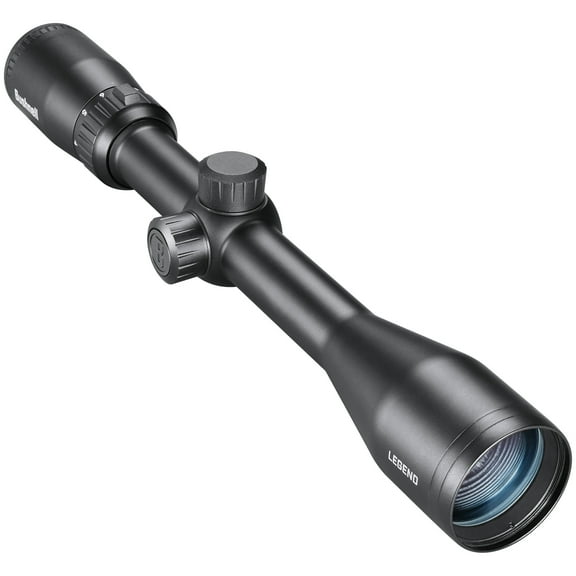
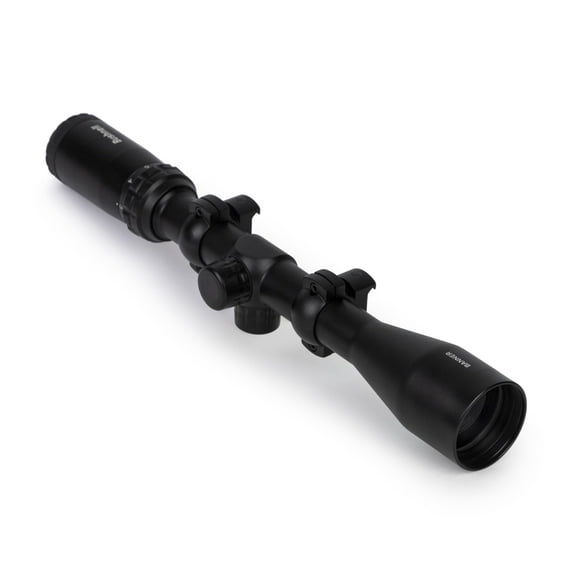
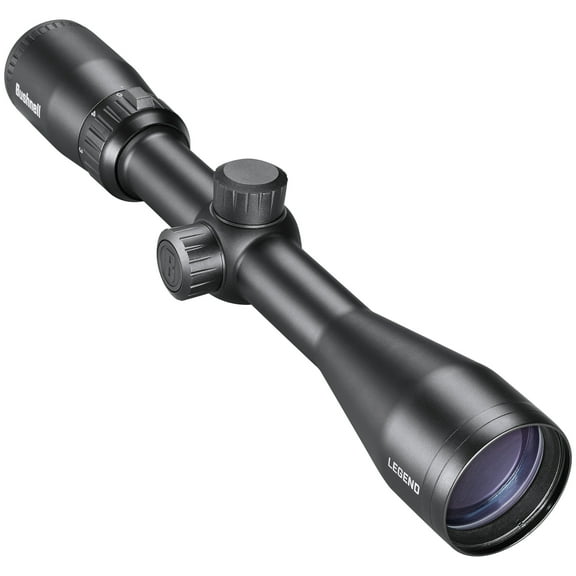
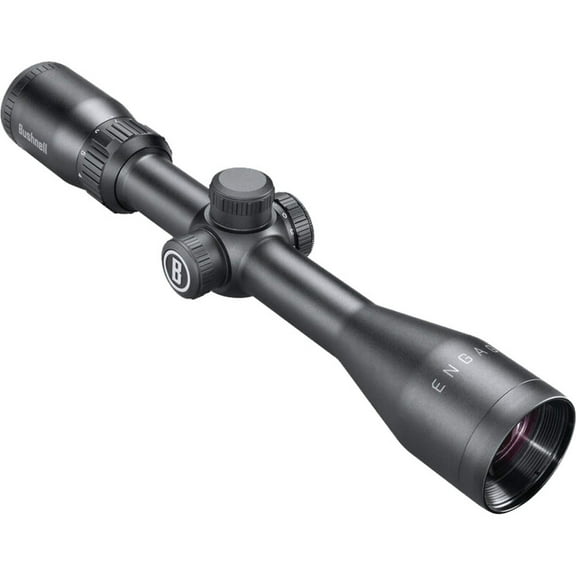
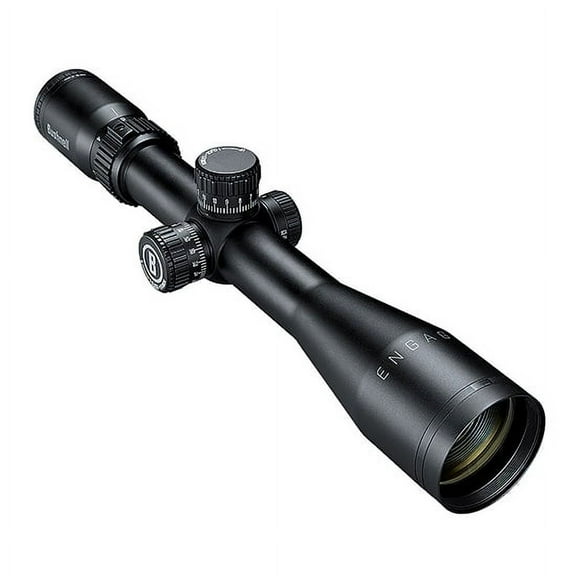
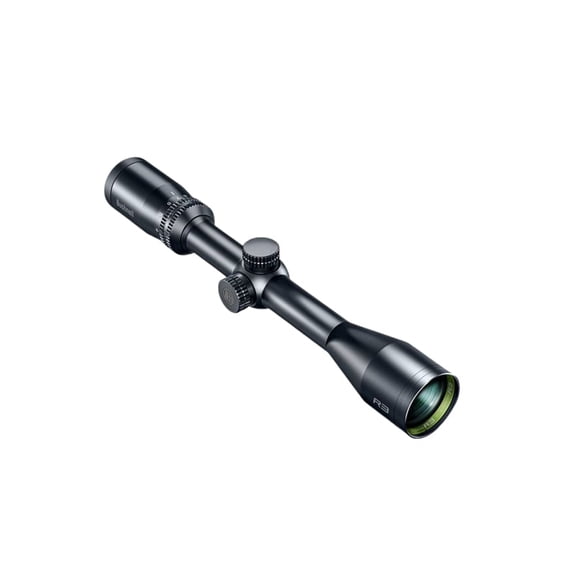
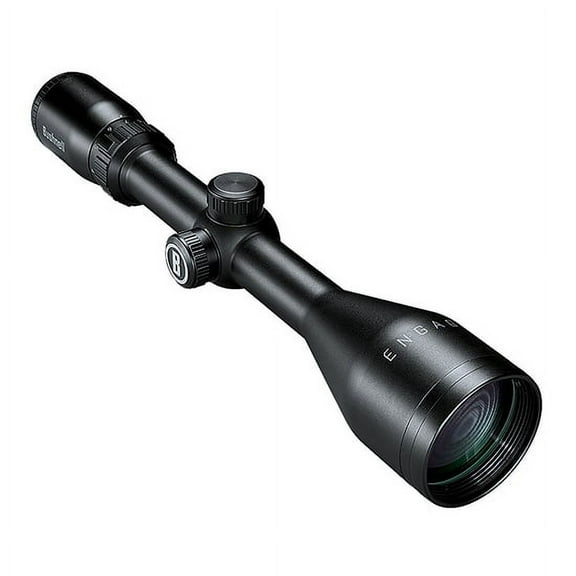
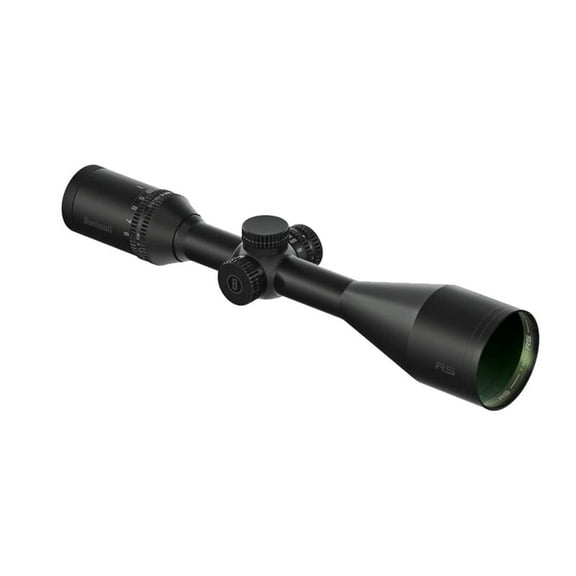
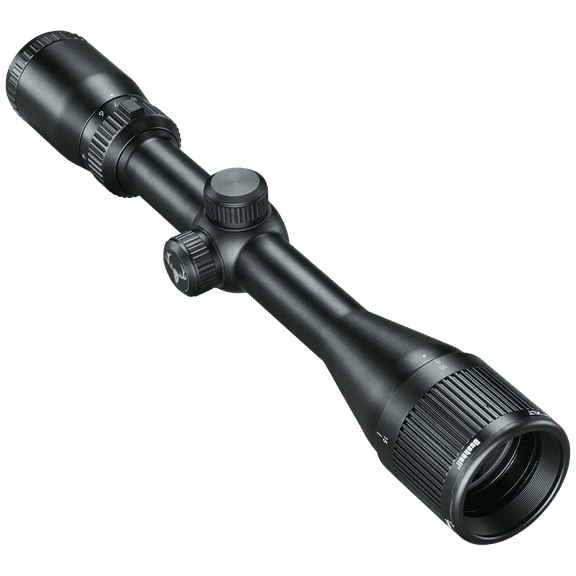
- You can use riflescopes to balance magnification and field of view for target shooting or rifle hunting.
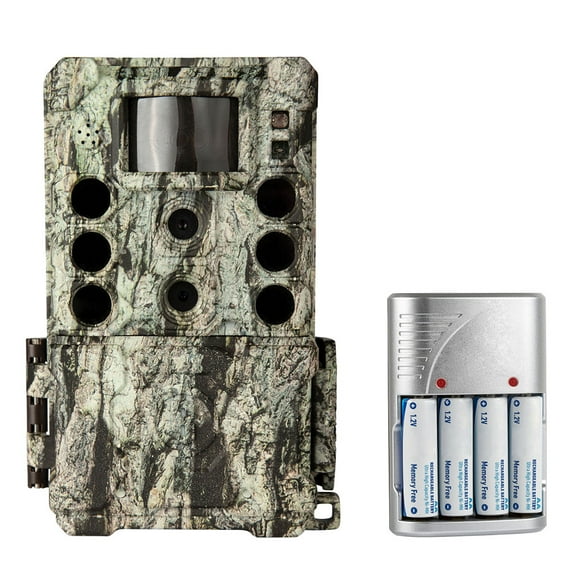
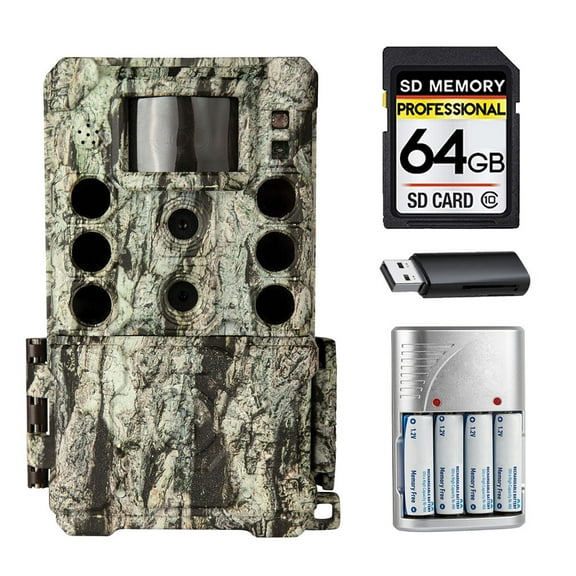
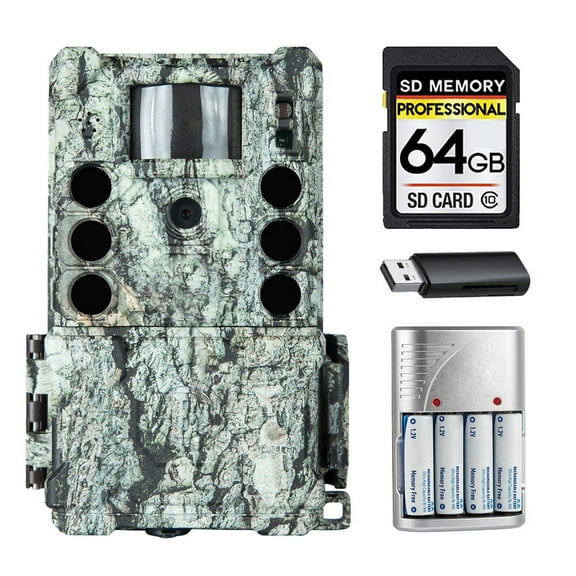
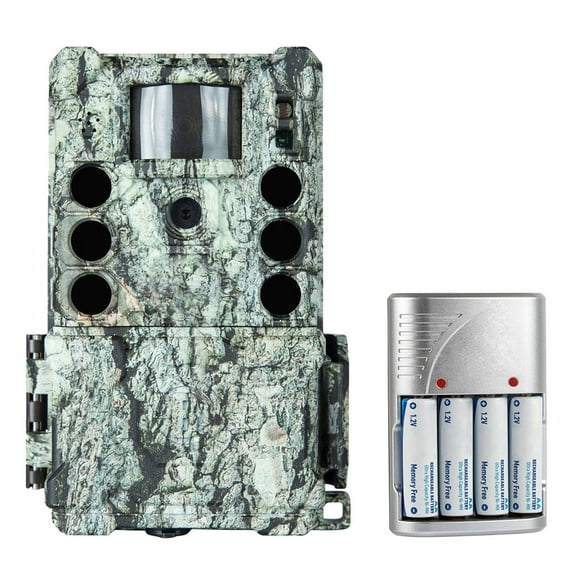
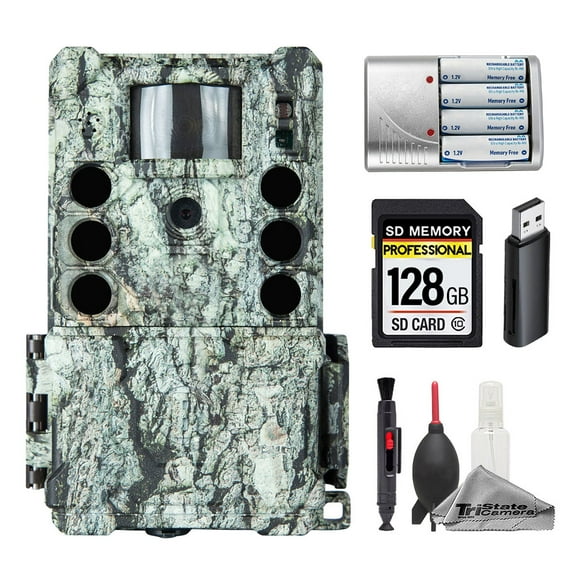
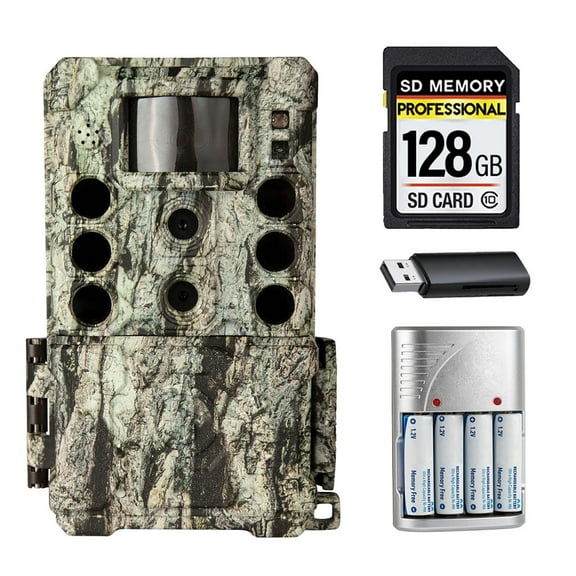
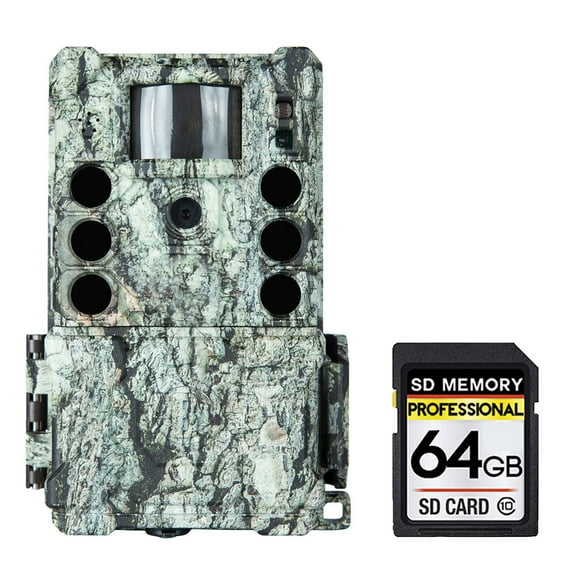
- You can use trail cameras to monitor movement windows and travel routes before you head out.
You’ll also notice that magnification changes how much area you can see at once. You can usually scan more efficiently with 8x42, while 10x42 often brings distant details closer.
For riflescopes, you may compare 3-9x40 because it covers common hunting distances with flexible zoom. You can keep a wider view at lower power and tighten your aim at higher power.
Choosing magnification and objective size
You should compare magnification with field of view, not magnification alone. You’ll often trade some wide-angle visibility when you move to stronger magnification.
With 8x42 binoculars, you can usually track movement more easily through brush or rolling terrain. With 10x42 binoculars, you can inspect antlers, terrain edges, and distant landmarks with more detail.
You may also want to check objective lens size because it affects how much light enters the optic. You’ll often notice that a 42mm objective supports a brighter view in dim conditions.
If you compare exit pupil, you’re looking at how comfortably light reaches your eye. You can think of it as one clue to viewing comfort at dawn and dusk.
For a 3-9x40 riflescope, you can use lower magnification for closer shots and moving targets. You can shift upward when you need a tighter view on more distant targets.
That flexibility matters when your terrain changes during the same outing. You’ll appreciate zoom ranges that adapt from woods edges to open fields.
What to look for in lens coatings and low-light use
You should look for lens coatings because they shape brightness, contrast, and glare control. You’ll usually get a clearer image when coatings help more light pass through the glass.
Fully multi-coated lenses cover multiple glass surfaces, so you can expect improved light transmission and sharper contrast. Multi-coated lenses also help, and you can use them as a practical comparison point.
If you hunt in changing weather, you may want rain-guard coatings on exposed lenses. You’ll find that water sheds more easily, which helps maintain your view in wet conditions.
Low-light performance matters when you’re glassing at first light or staying out until legal shooting hours end. You can compare coatings and objective size together for a more useful picture.
Instead of chasing one spec, you should weigh several details at once. You’ll make an informed choice when brightness, field of view, and magnification work together.
Comparing durability and rangefinder details
You’ll want hunting optics that handle rough packs, damp mornings, and repeated trips outdoors. You can check for waterproof construction and durable housings when conditions won’t stay predictable.
That matters for binoculars, riflescopes, rangefinders, and trail cameras alike. You’ll rely on gear more confidently when it withstands repeated field use.
For rangefinders, you should compare distance accuracy and reflective target yardage. You can use reflective yardage as a benchmark, then judge how it fits your real hunting distances.
You may range a reflective sign farther than a deer-sized target, so context matters. You’ll make better comparisons when you know those yardage figures aren’t always identical in use.
Bowhunting often calls for fast, simple reads at shorter distances. Rifle hunting and target shooting may push you toward features that support longer ranging and more precise distance checks.
Matching use cases to the right setup
If you bowhunt in thick cover, you may prefer 8x42 binoculars and a compact rangefinder. You can move efficiently with a wider view and quick yardage confirmation.
If you hunt open ground with a rifle, you may lean toward 10x42 binoculars and a 3-9x40 riflescope. You can scan farther, then settle into a more precise aiming picture.
For target shooting, you might focus on repeatable scope magnification and clear sight pictures at known distances. You can compare optical clarity and zoom range without overcomplicating your choice.
If scouting is your priority, you can add trail cameras to cover travel corridors and feeding areas. You’ll gather field intel without needing to glass every location in person.
As you compare Bushnell hunting options, you should match each tool to the moments that matter to you. You’ll end up with optics that support clearer spotting, steadier aiming, and more informed scouting.