



Camp Kitchens & Outdoor Cooking Gear | Walmart






























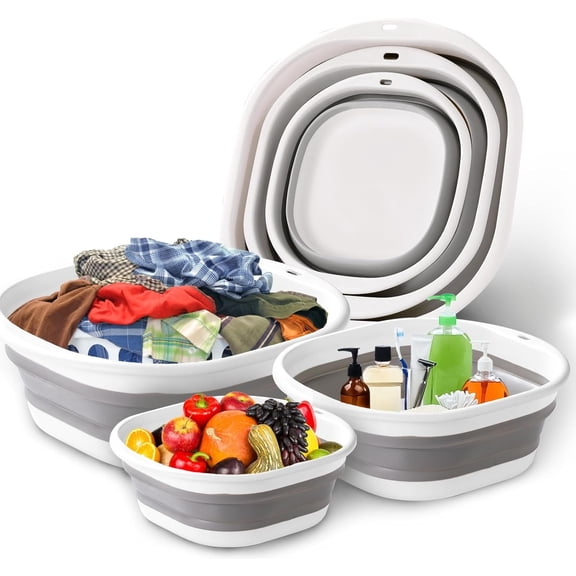


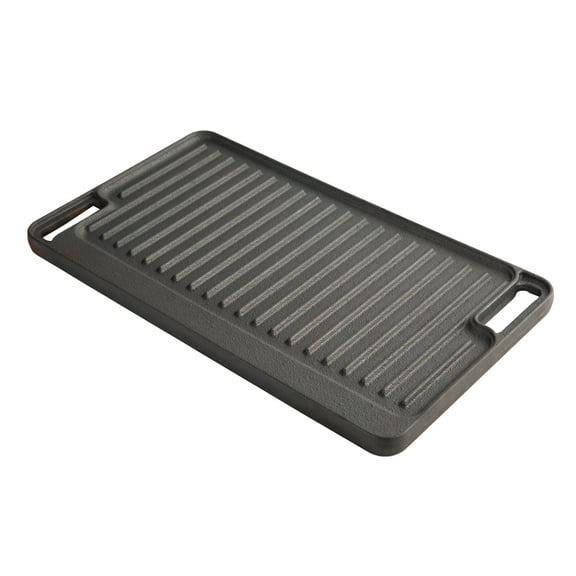
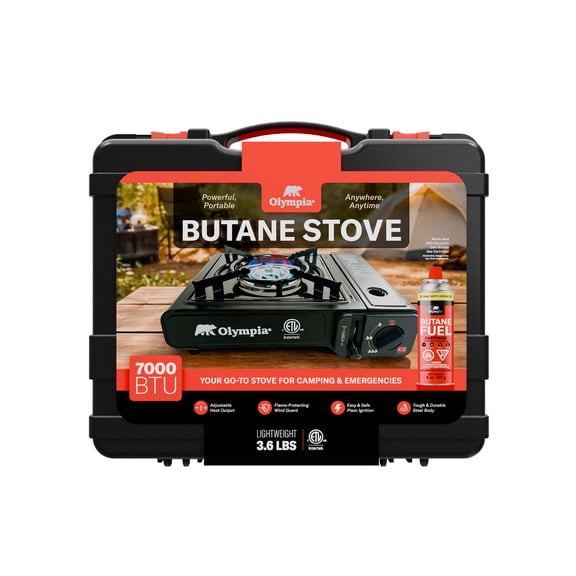
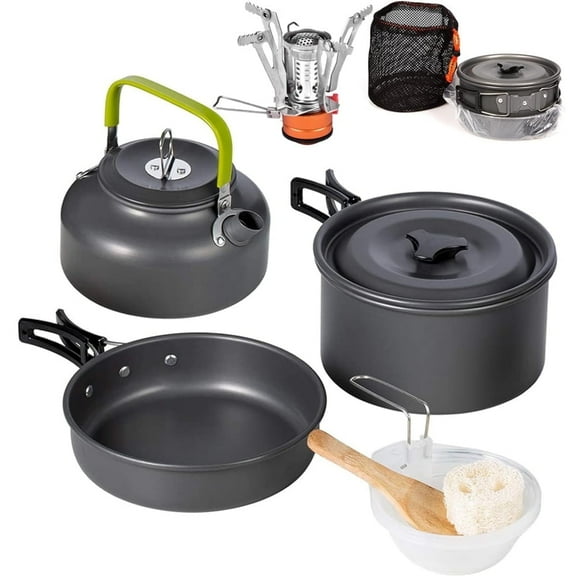

About Camp Kitchens & Outdoor Cooking Gear | Walmart - Walmart.com
Camping cooking equipment helps you prep real meals outdoors with gear that matches your trip style and packing space. You can compare fuel types, cookware materials, and packability so your camp kitchen fits backpacking miles, weekend sites, or family campgrounds.
How to choose camping cooking equipment
When you compare camp cooking gear, you should start with how and where you'll cook. You may need a compact stove for trail meals or a larger setup for skillet breakfasts and group dinners.
Your decision usually comes down to fuel type, cookware material, size, and portability. You can also compare equipment types like stoves and grills, cookware sets, utensils, accessories, and camp ovens.
If you'll hike with every ounce on your back, you should look for lighter pieces and nesting designs. If you'll cook beside your vehicle, you can consider larger pots, outdoor griddles, and heavier cookware.
Choosing fuel and equipment type for camp cooking gear
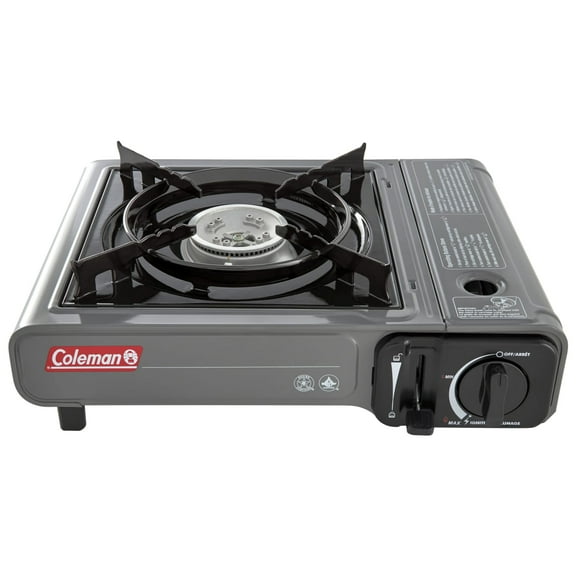
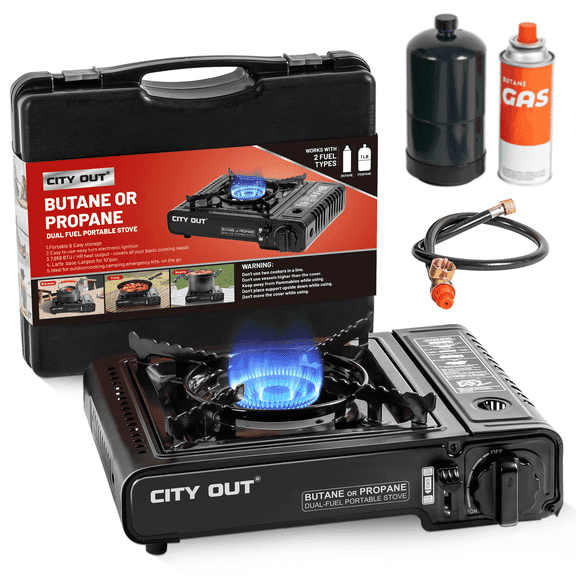
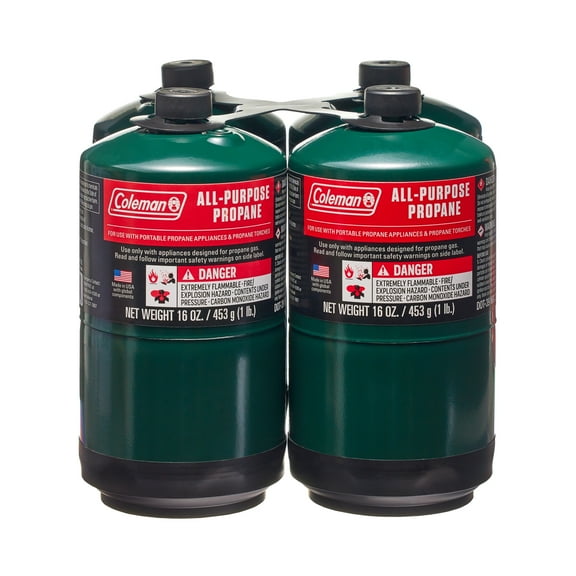
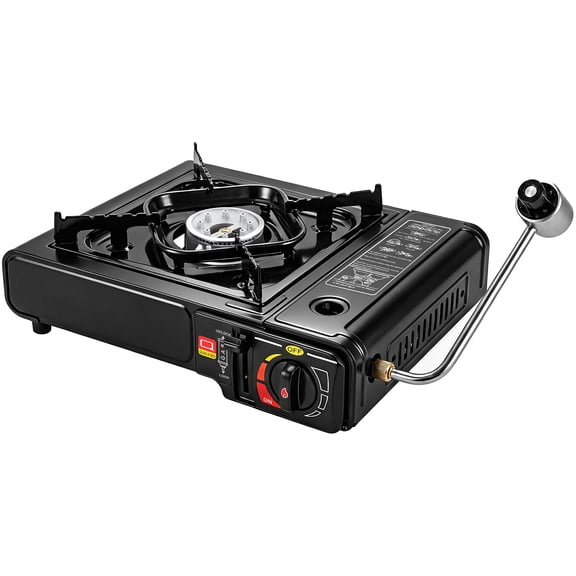
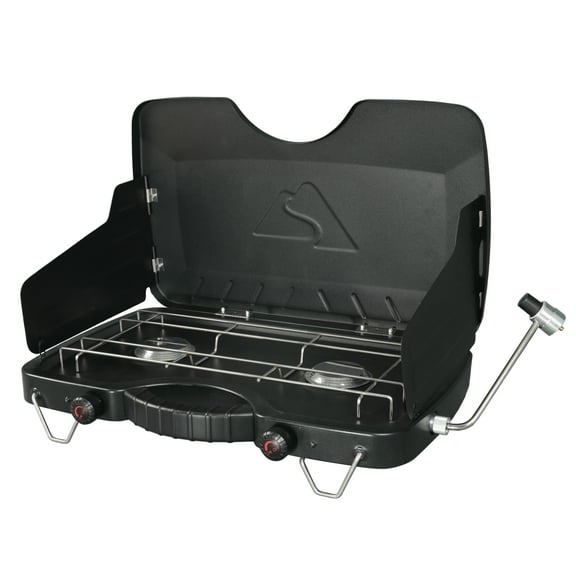
You should check fuel type first because it affects weight, setup, and where you'll use your stove. You can choose propane, butane, wood-burning, or dual-fuel options based on your trip plan.
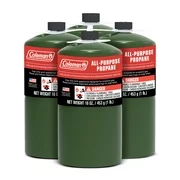
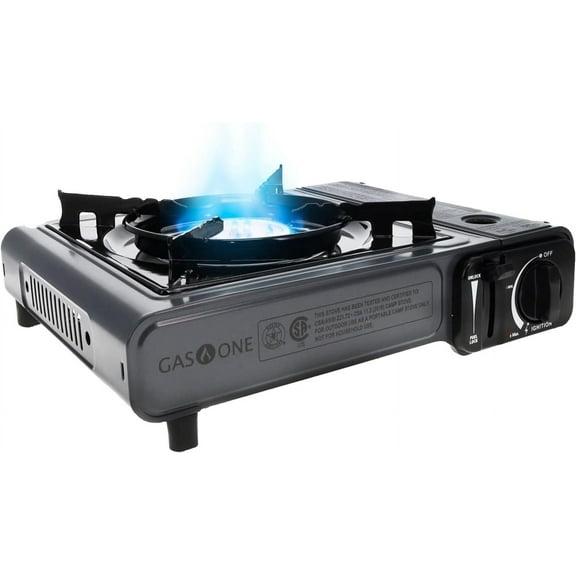
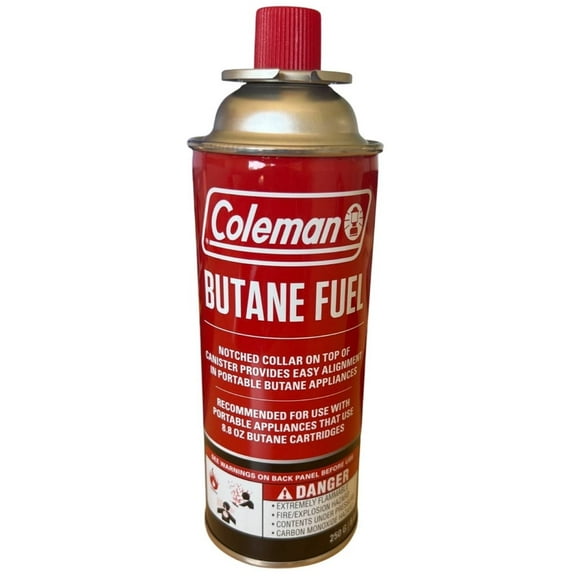
Propane works well when you want familiar controls and steady heat at a campsite. Butane often suits compact burners when you want a smaller canister and a simple cooking setup.
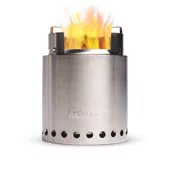
Wood-burning options can appeal when you want fewer fuel canisters in your pack. Dual-fuel choices give you flexibility when you expect changing conditions or different fuel access.
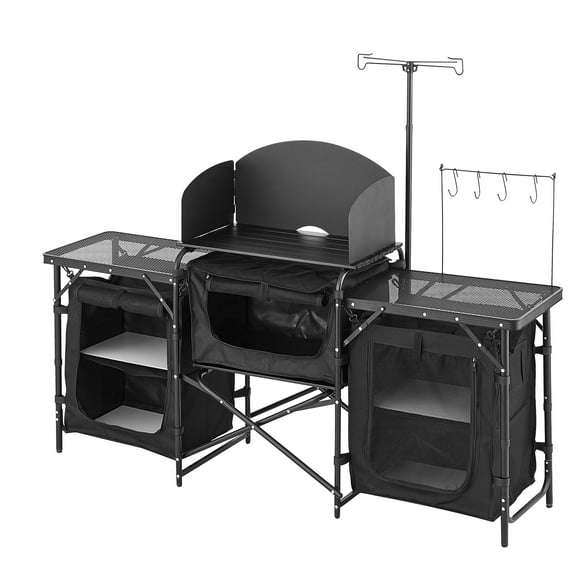
You should also compare equipment types before you build your camp kitchen. You can pair portable camp stoves with cookware sets, or add camp ovens, grills, and utensils for broader meal options.
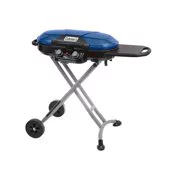
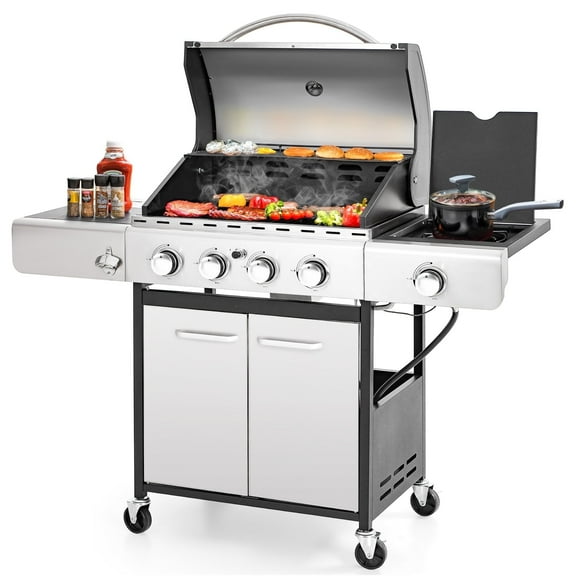
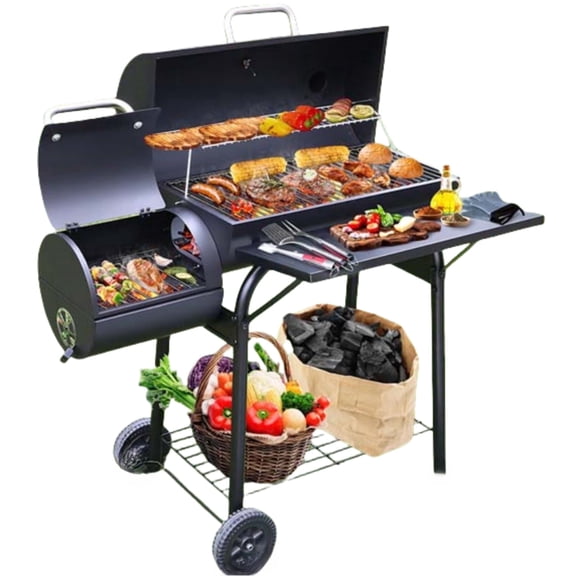
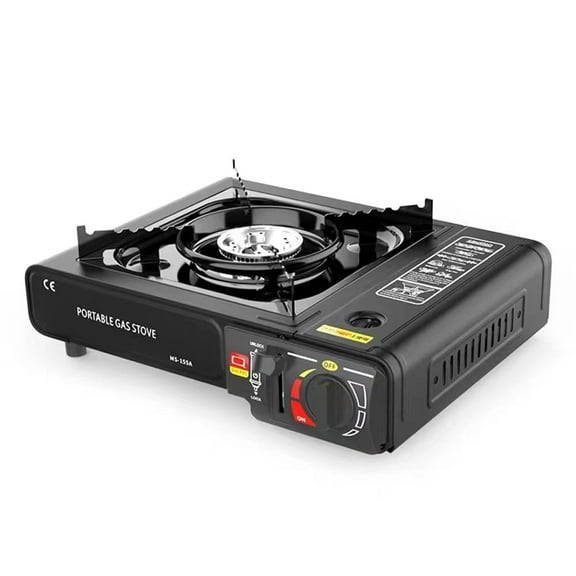
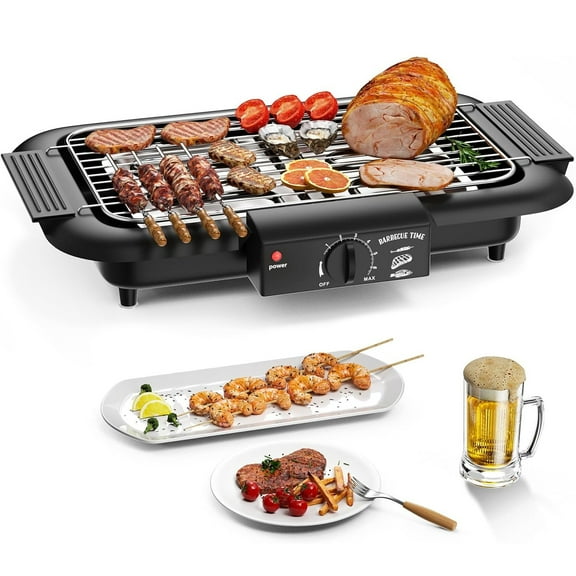
- You can use stoves and grills for boiling water, frying, simmering, and searing at camp.
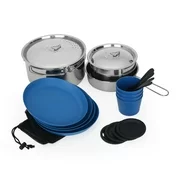
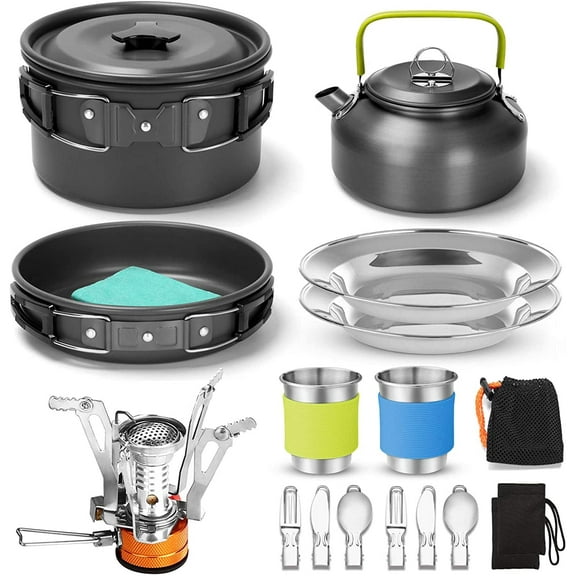
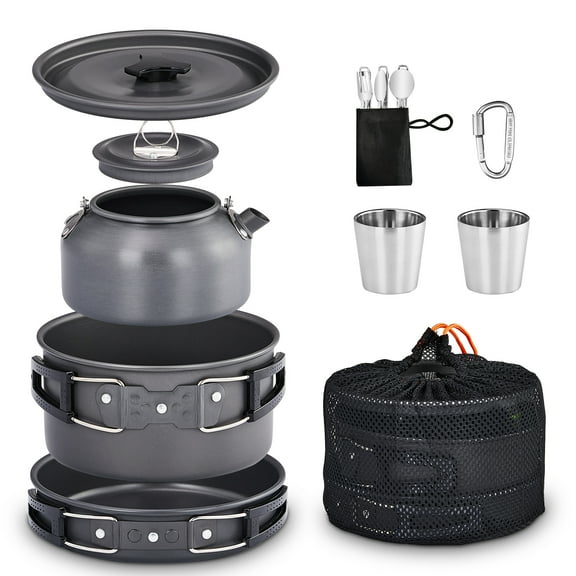
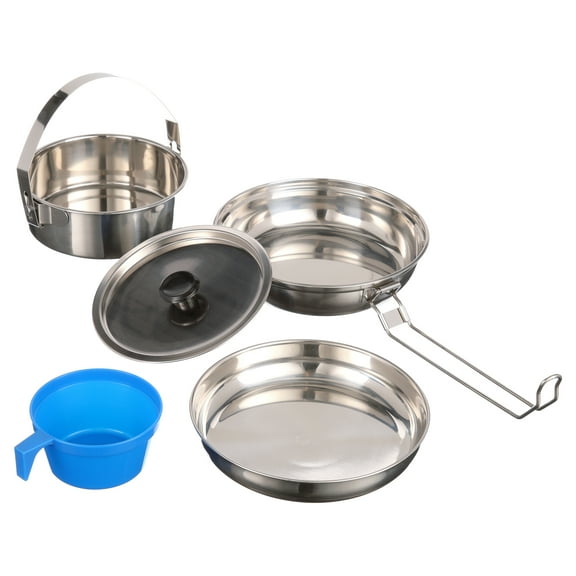
- You can choose cookware sets when you want coordinated pots, pans, lids, and nesting storage.
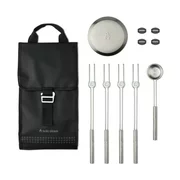
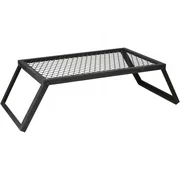
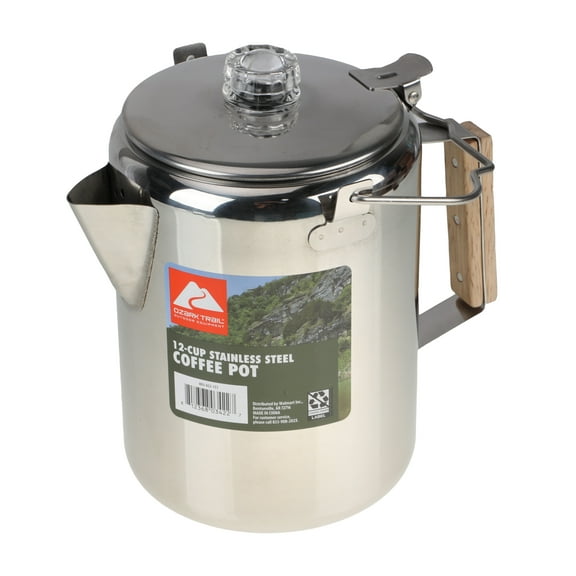
- You can add utensils and accessories when you need spatulas, kettles, coffee tools, or campfire cooking grate options.
- You can consider camp ovens when you want baking-style meals, biscuits, or desserts at the campsite.
Comparing materials and sizes in outdoor cooking equipment
You should match material to the heat source and the meals you plan to make. You can compare cast iron, anodized aluminum, stainless steel, and titanium for very different cooking styles.
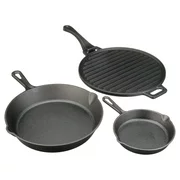
Cast iron camping pots suit campfire cooking when you want steady heat and a durable feel. Anodized aluminum can help you keep pack weight lower while still handling regular campsite meals.
Stainless steel works well when you want easy care and broad everyday use. Titanium fits ultralight kits when you count ounces and want compact cookware for boiling or simple meals.
You should measure capacity with your group size in mind before choosing a camping cookware set. A one-to-two person setup suits backpacking, while three-to-four person sets suit shared campsite meals.
Family-size sets make sense when you'll cook larger portions at a car campsite. You can look for deeper pots, larger pans, and lids that help you handle pasta, chili, or pancake mornings.
Checking portability, nesting, and weight
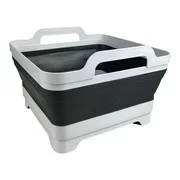
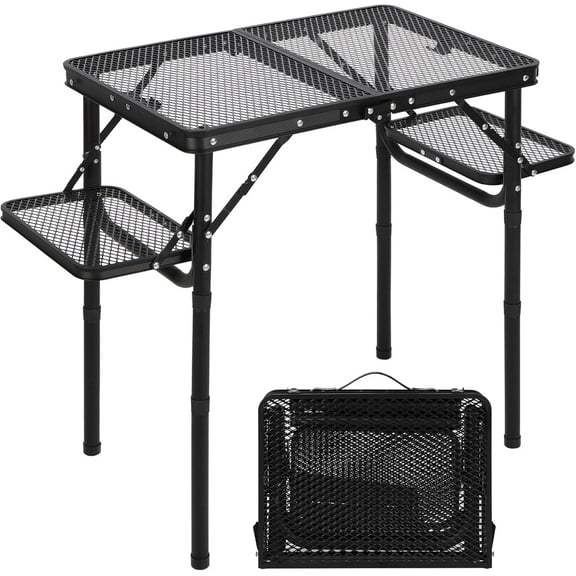
You should compare portability by both packed shape and total weight. Collapsible parts, nesting cookware, and foldable handles can help your gear fit tighter spaces.
Ultralight pieces support backpacking trips where every ounce matters over long distances. Heavy-duty pieces fit car camping when you want a sturdier feel and room for larger meals.
You can check whether cookware stacks into one bundle before you pack it. You should also look at ounces for trail kits and pounds for family camp bins.
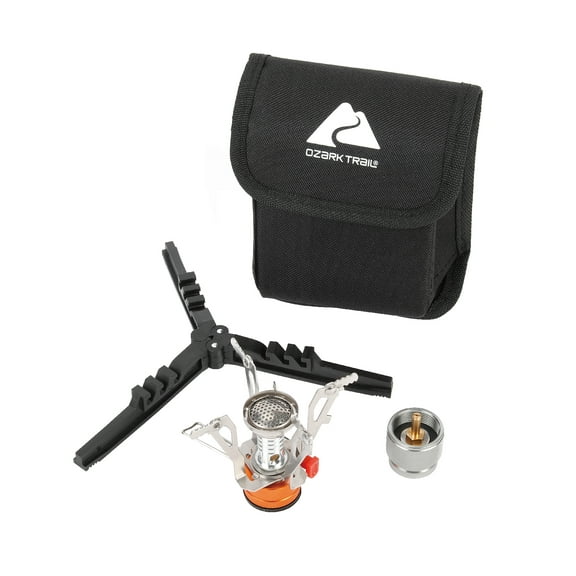
Backpacking stoves usually favor smaller burners and compact storage for fast meals on the move. Larger campsite setups often give you more cooking surface for pans, kettles, and side dishes.
Matching your setup to real camping meals
You can build a practical setup by matching gear choices to the meals you actually cook. A solo trip may call for a small pot and stove, while group trips need more capacity.
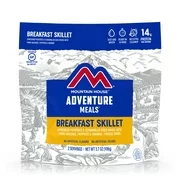
If you'll make coffee, oatmeal, or freeze-dried meals, you may prefer a lighter pot and burner. If you'll cook eggs, burgers, or grilled vegetables, you may want a wider pan or grill surface.
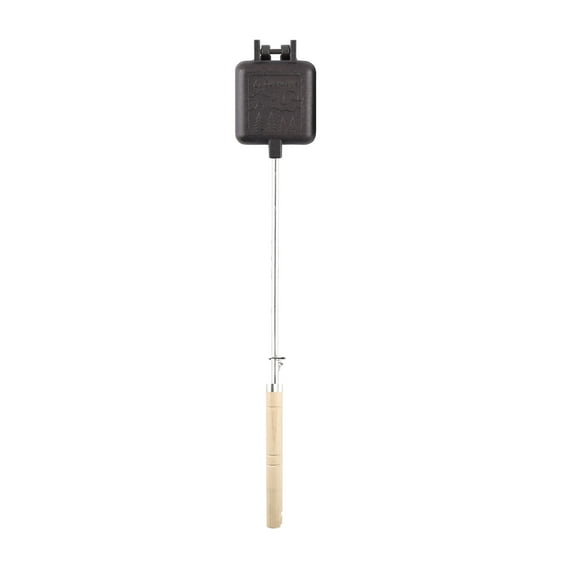
You can choose a camping cookware set for organized packing on weekend trips. You may add a camping pie iron or camp fire cooking equipment for sandwiches, desserts, and fireside snacks.
For open-fire cooking, you should look for pieces that match grate cooking or direct campfire use. Cast iron, a campfire cooking grate, and sturdy utensils can support skillet meals and one-pot recipes.
For mixed trips, you can combine compact cookware with a stove that travels easily between sites. That setup can help you handle quick lunches, boiled water, and simple dinners without extra bulk.
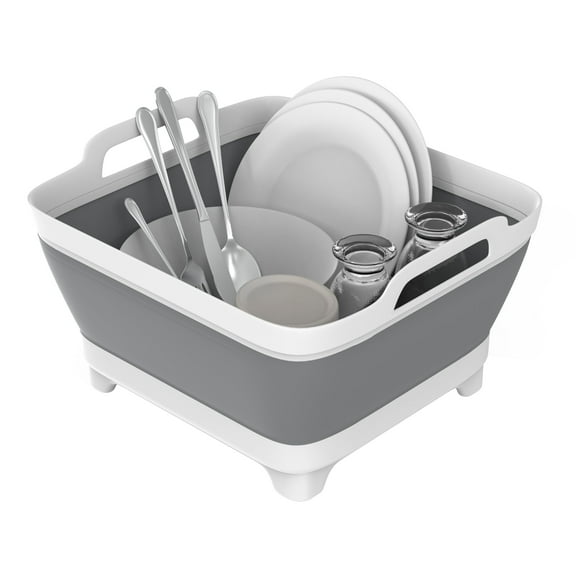
You should also consider cleanup when you compare finishes, shapes, and accessories. Smooth interiors, fitted lids, and coordinated pieces can help you keep your camp kitchen organized after each meal.
With the right outdoor cooking equipment, you can match fuel, material, size, and portability to the way you camp. You end up with a setup that packs smarter, cooks reliably, and fits your meals with less guesswork.