





Solar Powered Generators & Camping Electronics | Walmart













About Solar Powered Generators & Camping Electronics | Walmart - Walmart.com
Your solar powered generator setup can keep lights, phones, and cooking tools ready when your campsite is far from an outlet. You can compare camping electronics by output, charging options, portability, and outlet mix, so your gear matches your trip.
If you're planning weekends off-grid or longer stays, you need power that fits your devices and your packing space. You can use this guide to compare solar generator choices and camping electronic accessories with clearer expectations.
How to choose camping electronics for your power needs
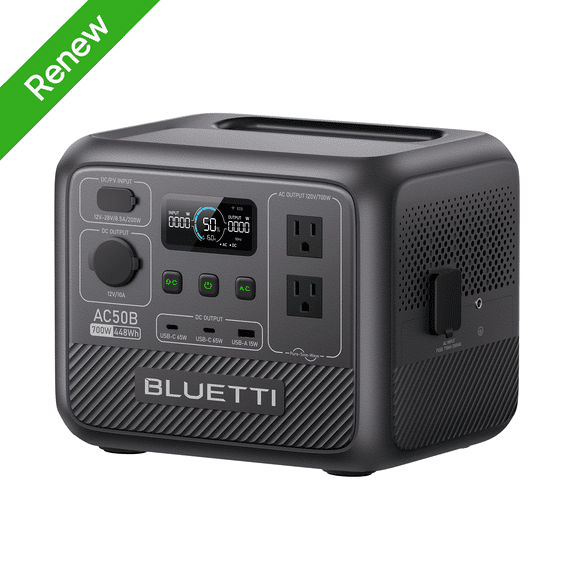
Start with the jobs you want your power station to handle during the day and after dark. You can usually charge phones, headlamps, and speakers with smaller units, while larger units support mini fridges and small cooking gear.
When you compare capacity levels, think about runtime instead of just numbers on a box. You can often use under 500W options for simple charging, 500W models for basics, 1000W for longer use, and 2000W+ for heavier campsite electronics.
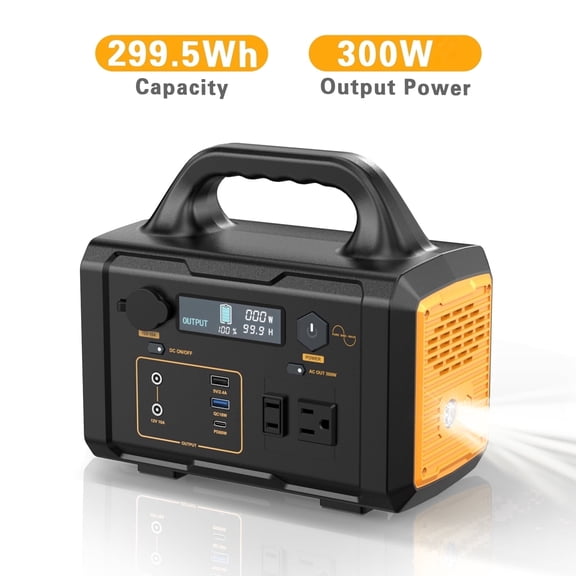
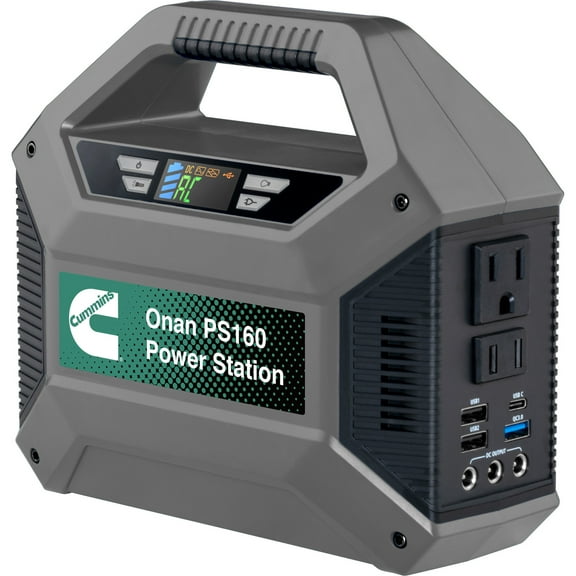
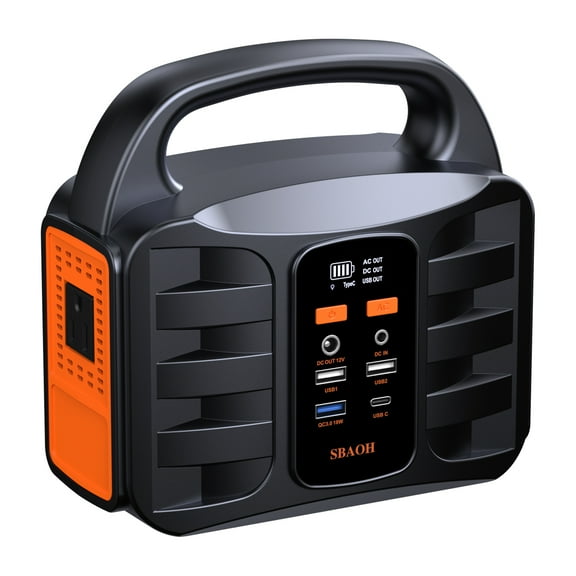
- You can match under 500W units to phones, lanterns, cameras, and short overnight trips.
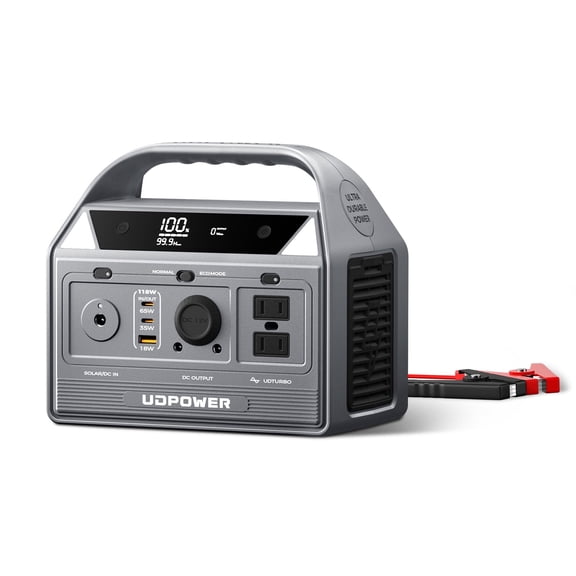
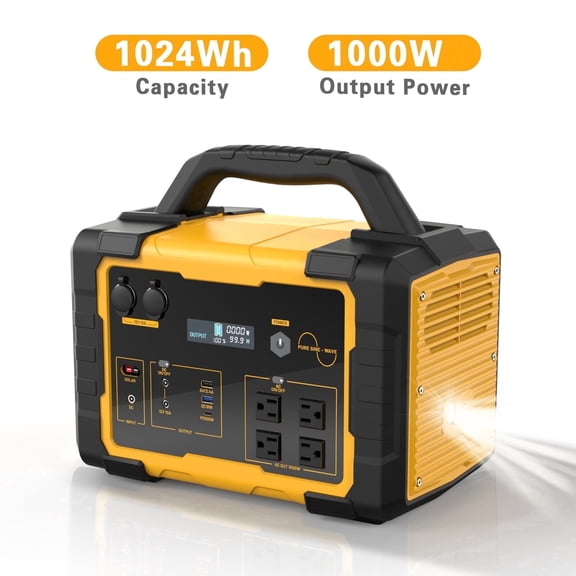
- You can choose 500W or 1000W options when your setup includes fans, CPAP-compatible power stations, or a compact cooler.
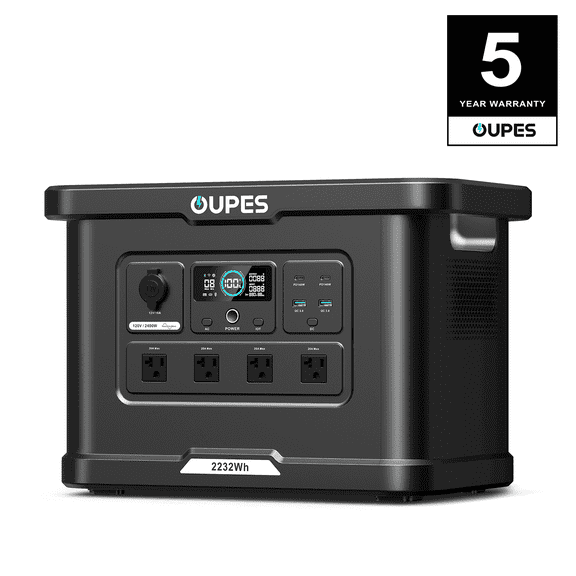
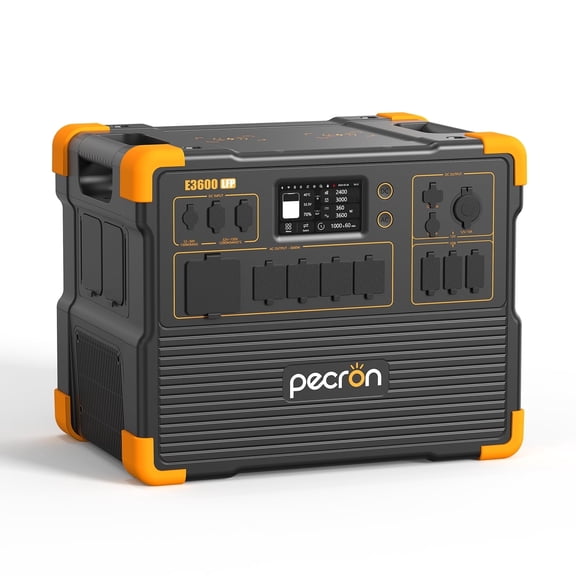
- You can look at 2000W+ models when your trip includes a mini fridge, multiple devices, and longer off-grid stays.
- You can compare outlet types before checkout, so your cords fit your gear without extra adapters.
Power planning also depends on how many people share the station each day. You can avoid constant recharge cycles when your battery size lines up with your group and your routine.
Choosing the right solar powered generator charging setup
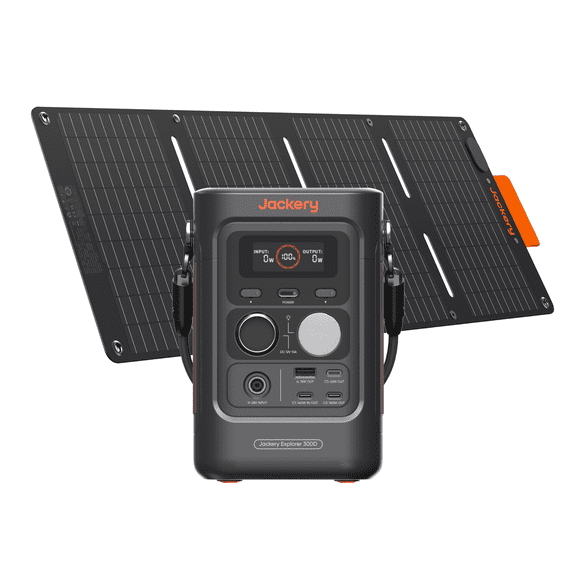
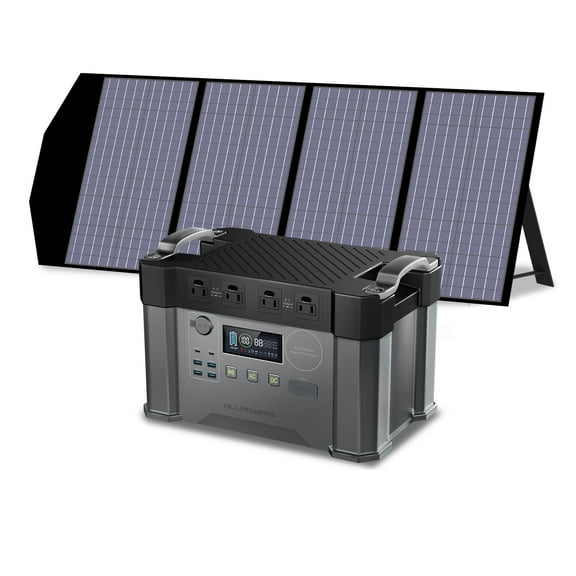
Charging input matters because your campsite conditions can change from sunny afternoons to long drives home. You can compare a solar panel generator setup, an AC wall outlet recharge, and a 12V car charger based on how you travel.
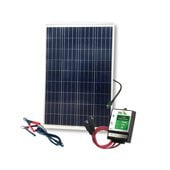
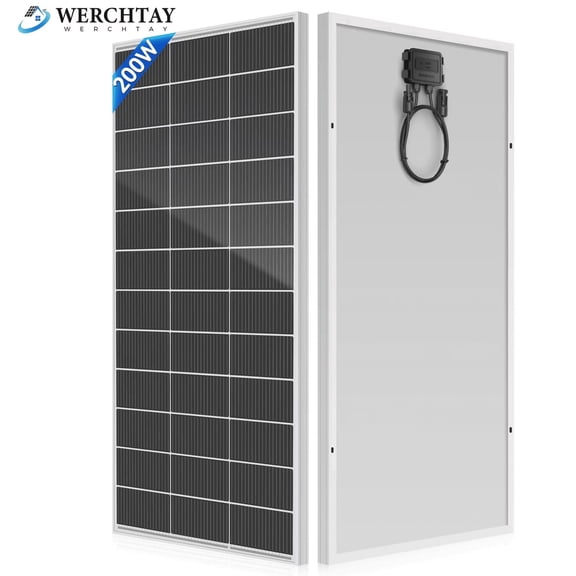
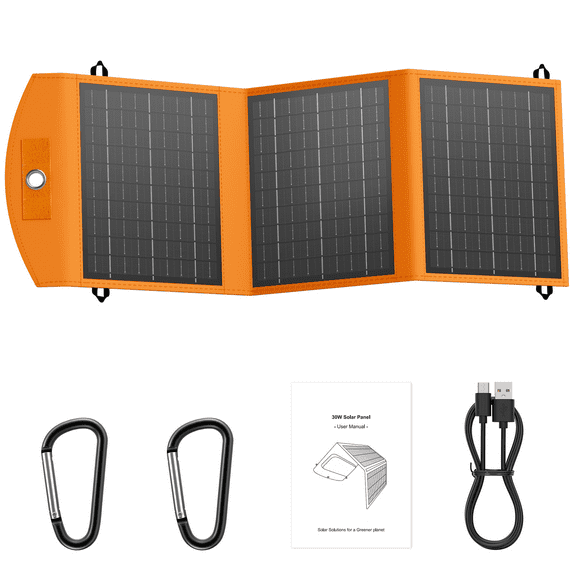
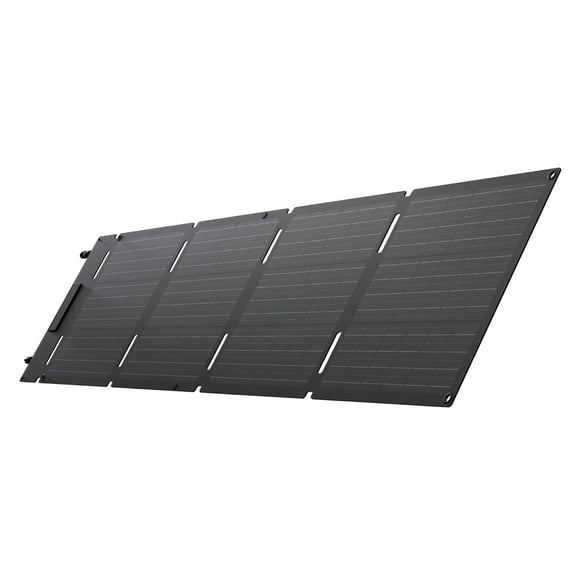
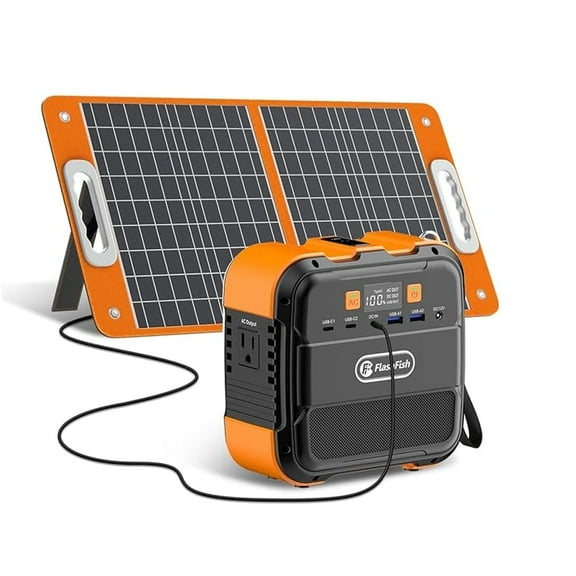
Solar panel charging works well when you have daylight, open space, and time at camp. You can check panel wattage because higher-watt panels usually refill compatible stations faster than smaller foldable panels.
Wall charging can make sense when you want a full battery before you leave home. You can top off with a car charger on the road, which helps during multi-stop trips and changing weather.
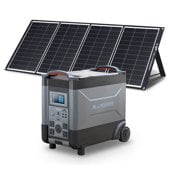
If you're comparing a solar powered generator with foldable panels, measure how much room the panels need when opened. You can place panels in direct sun while keeping the power station under shade for easier campsite use.
What to look for in portability and battery chemistry
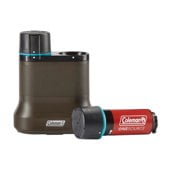
Portability changes a lot between walk-in campsites, tailgate setups, and RV-style packing. You can compare handheld designs for short carries, wheeled units for heavier loads, and foldable panels when trunk space matters.
Weight matters when you need to move gear from parking areas to tent sites. You can look for carrying handles, telescoping handles, or wheels, and you can check pounds before choosing larger capacity models.
Battery chemistry shapes how the unit fits your travel routine over time. You can compare LiFePO4 and lithium-ion options by expected cycle style, weight, and how often you plan to recharge between trips.
LiFePO4 models often fit frequent campers who want repeat use across many weekends. You may prefer lithium-ion when you want a lighter carry and a more compact footprint in tighter cargo areas.
Comparing outlets and camping electronic accessories
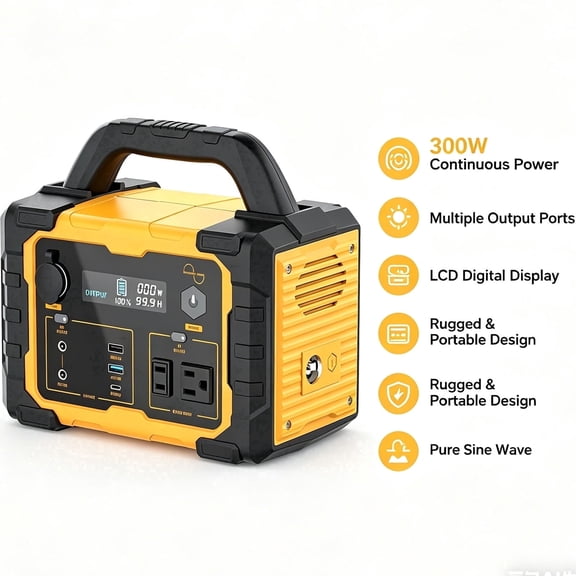
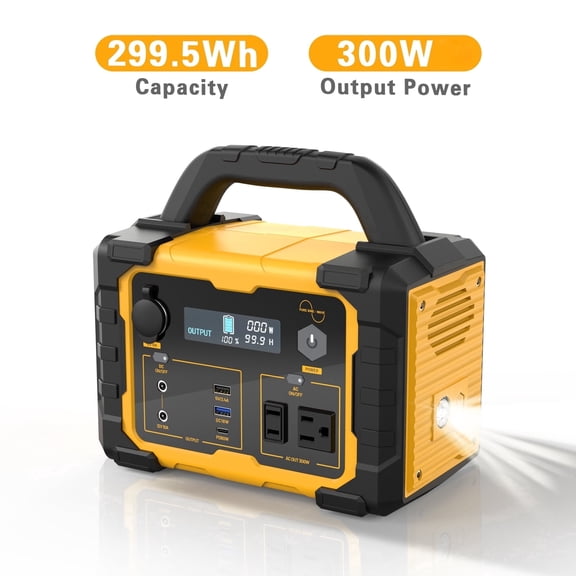
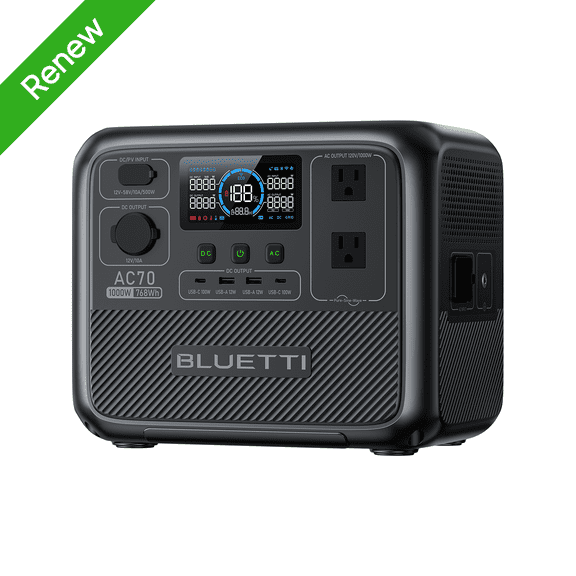
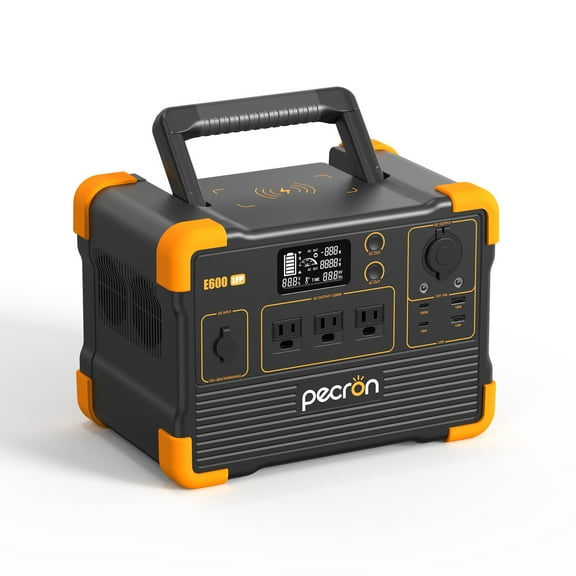
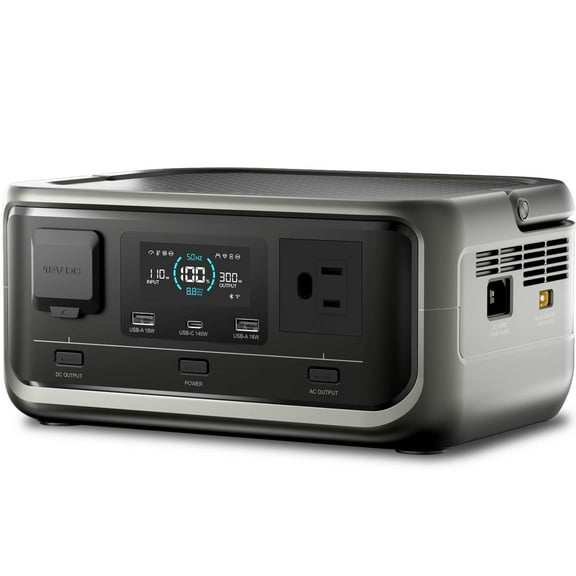
Outlet variety can matter as much as battery size when several devices need different plugs. You can compare AC outlets, USB-C PD ports, and 12V DC outputs to keep your cords simple and your setup organized.
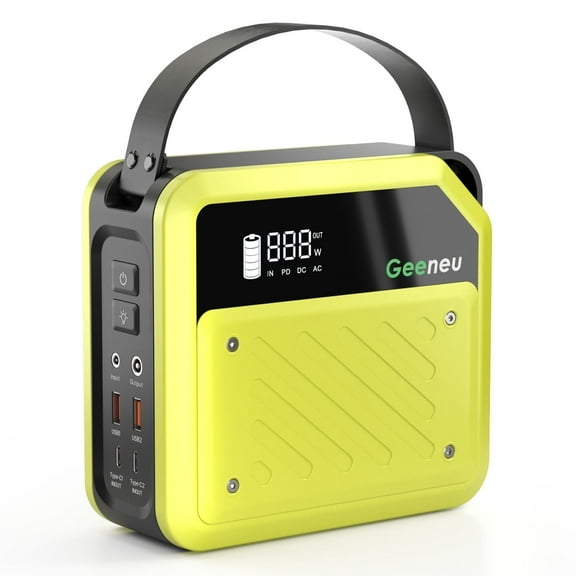
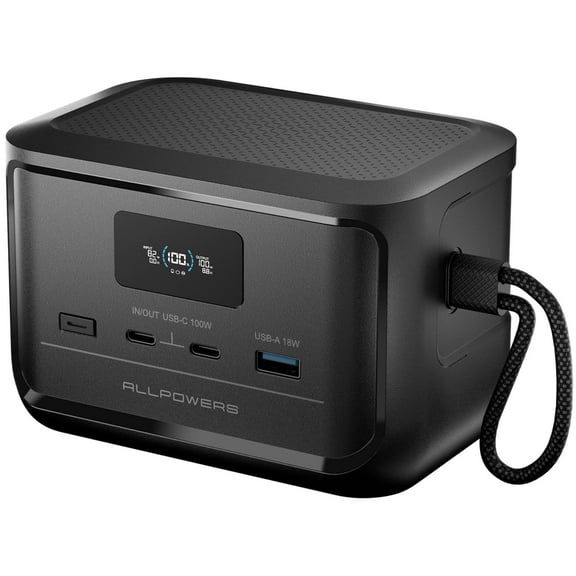
USB-C PD is useful when your newer phones, tablets, and laptops charge through one compact cable. You can look for enough USB-C PD ports if your trip includes cameras, power banks, or work devices.
AC outlets matter when you need familiar plugs for appliances and chargers from home. You can check for pure sine wave AC outlets because they support sensitive electronics with steadier household-style power.
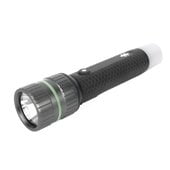
You'll also want camping electronic accessories that fit the way you camp after sunset. You can pair your station with string lights, portable fans, air pumps, radios, and other charging essentials for a cleaner basecamp setup.
Matching solar generator options to real camping trips
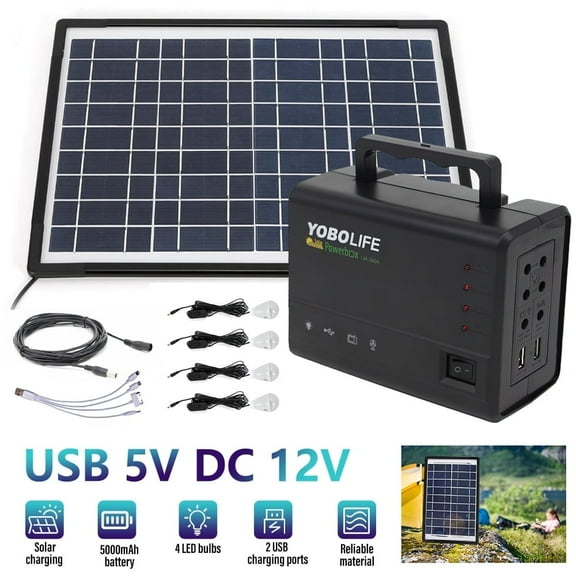
For solo tent camping, you may only need enough power for a phone, lantern, and camera batteries. You can keep your load lighter with a small unit, a foldable panel, and a few USB-focused campsite electronics.
For family weekends, you may need power spread across several devices from morning through bedtime. You can step up to a mid-range solar generator with AC outlets, USB-C PD, and room for lights, fans, and speaker charging.
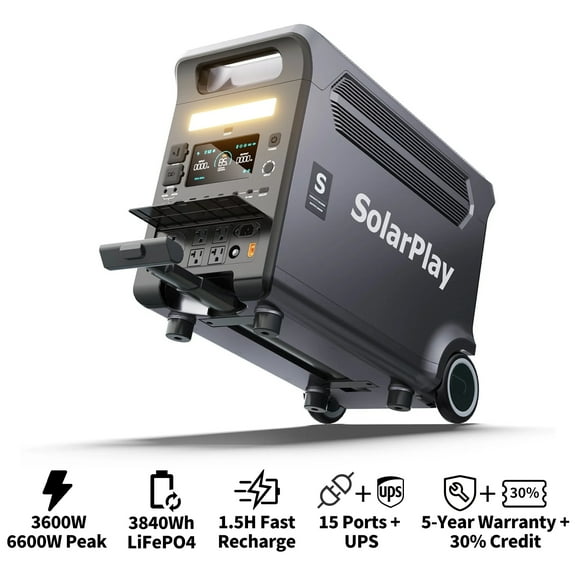
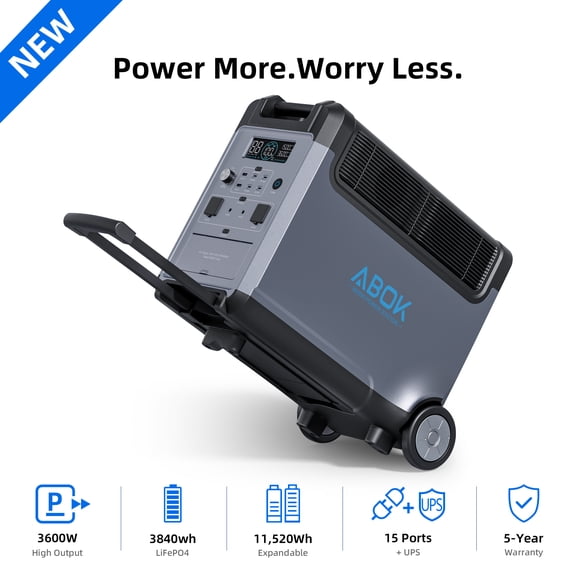
For longer off-grid stays, you may want larger storage and several recharge methods in one system. You can compare solar portable generators with wheeled designs when your camp includes coolers, cooking tools, or work gear.
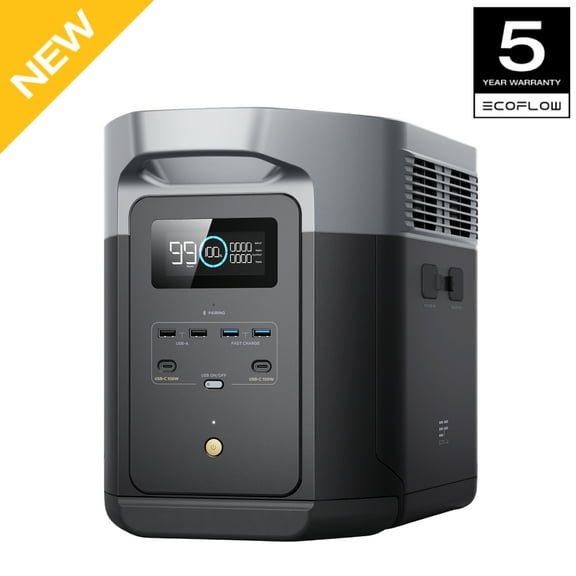
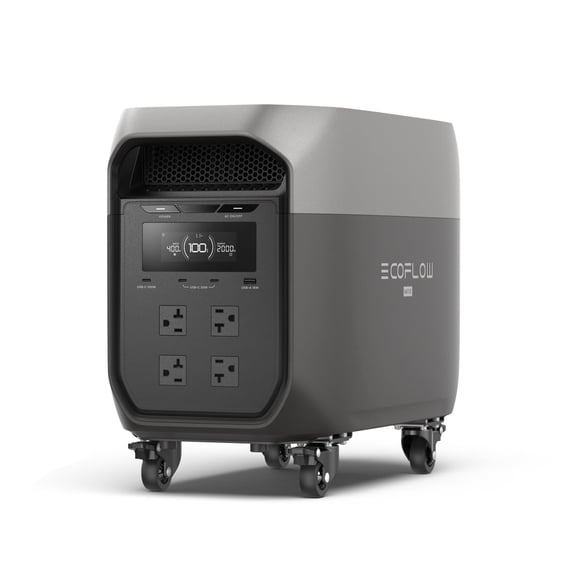
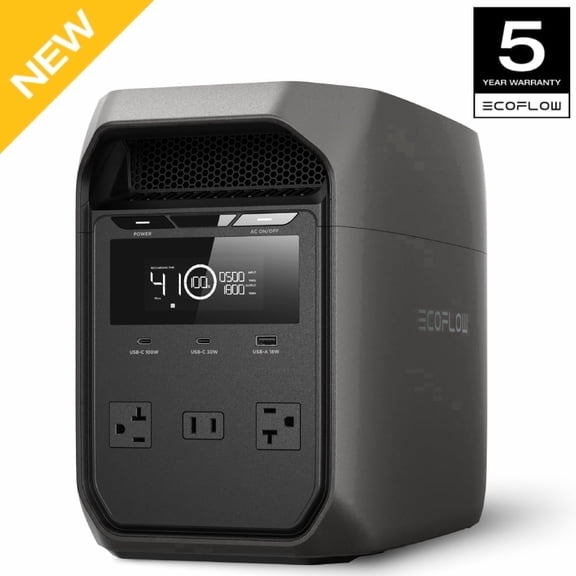
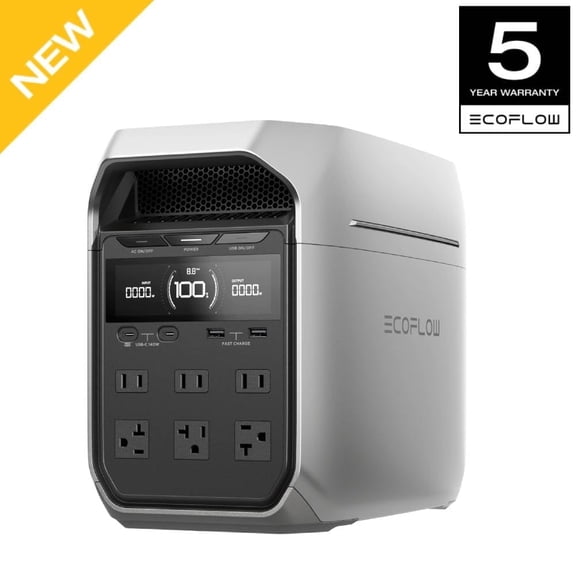
If you're researching terms like eco flow solar generator or eco flow generator, focus on the same core decisions first. You can compare capacity, panel input, outlet variety, and carrying style across the broader camping electronics category.
Home backup can also shape your decision, especially if you want one station for travel and outages. You can use a solar power generator for home basics and still bring it to camp when portability fits your space.
When you compare these category features carefully, you can choose a setup that supports your devices without excess bulk. You can head into camp with clearer charging plans, easier packing, and steadier power after sunset.