






Hiking
Backpacks, carabiners, compasses & more.

 Pickup or delivery?Pickup or delivery?
Your camping stuff should match your trip, your group size, and your setup style. You can use this guide to compare tents, sleeping bags, camp kitchen picks, and backpacks with less guesswork.
When you plan a weekend outside, you need camping gear that fits your activity and weather. You can narrow your options quickly by comparing capacity, carry weight, fuel needs, and season ratings.
Start with the gear type that shapes your campsite first. You’ll usually build your list around tents, sleeping bags, camp kitchen tools, and backpacks.
If you’re setting up at a campground, you may want larger tents and a fuller cook station. If you’re hiking in, you’ll likely favor lighter packs, compact cookware, and smaller sleep systems.
These choices matter because each gear type affects comfort in a different way. You’ll notice the right mix helps your setup feel organized, portable, and easier to manage.
Your activity type changes what belongs on your list. You should compare camping gear differently for car camping, backpacking, hiking, and backyard camping.
For car camping, you can bring bulkier items that add convenience at the site. You may choose taller tents, larger coolers, folding chairs, and two-burner cooking setups.
With backpacking, you’ll want lighter camping supplies that pack down small. You should look for lower trail weight, compact fuel canisters, and streamlined sleep systems.
Day hiking calls for a simpler loadout with hydration, layers, and easy-carry storage. Backyard camping lets you test layouts, bedding, and lighting before a longer trip.
When you match your gear to the activity, your setup feels more practical from the start. You can avoid carrying extra items that don’t fit your plans.
Capacity is one of the first decisions you should make. You need camping supplies that fit your group, your sleeping space, and your storage needs.
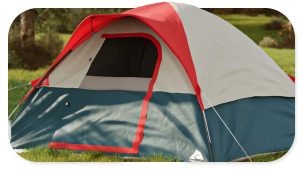
A one-person or two-person tent can work well when you want a smaller footprint. A four-person, six-person, or family size tent gives you more room for people and bags.
You should also compare sleeping bag dimensions and backpack volume before you commit. Your gear works harder when your tent space, pack size, and sleep setup align.
For family trips, you may want extra floor area for bins, shoes, and changing space. For solo trips, you might prefer compact pieces that feel easier to carry and store.
If you’re choosing a backpack, check liters alongside fit and frame support. You’ll get a clearer sense of whether your load matches a short hike or a longer overnight trip.
Your weather outlook should guide your camping equipment choices. You can compare three-season, four-season, waterproof, and heavy duty options based on expected conditions.
Three-season gear usually fits spring, summer, and fall trips with changing temperatures. Four-season options withstand harsher wind, colder conditions, and more demanding environments.
When you compare tents, you may see hydrostatic head ratings listed for rain protection. You can use that number to understand how much water resistance the fabric handles.
You should also look at rainfly coverage, seam construction, and floor materials. These details help you judge whether your shelter fits wet ground and stormy forecasts.
Sleeping bags also vary by shell fabric, insulation type, and temperature range. You can choose a setup that matches cool nights without carrying unnecessary bulk.
Heavy duty construction can matter when your trip includes rough ground or repeated use. You’ll want reinforced poles, durable zippers, and sturdy cookware for demanding campsites.
Weight and portability matter greatly when you’re moving your gear often. You should compare camping essentials by packed size, carry weight, and setup time.
For backpacking, every pound affects how your load feels on the trail. You may prefer lighter tents, compressible sleeping bags, and cookware that nests inside itself.
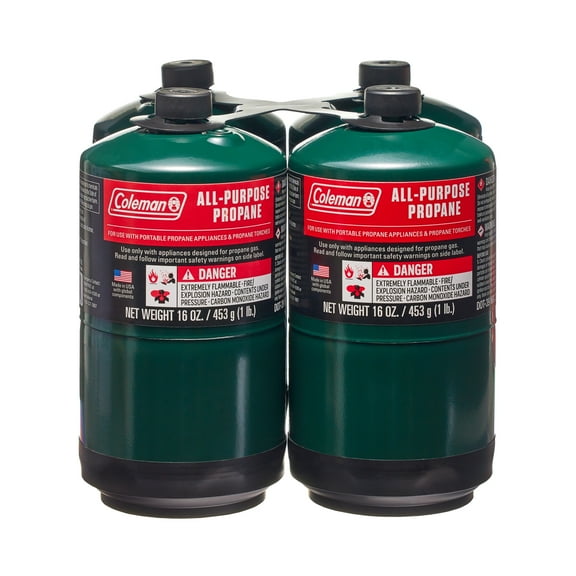
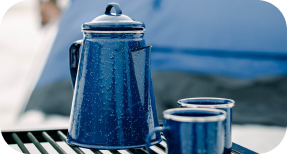
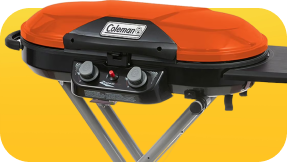
For camp cooking, check burner output and fuel compatibility before you choose. BTU ratings help you compare heat output, while fuel type tells you what canister or bottle you’ll need.
You can also compare ignition style, pot support, and wind screens for easier meal prep. If you’re building a camp kitchen, these details shape how smoothly your routine works.
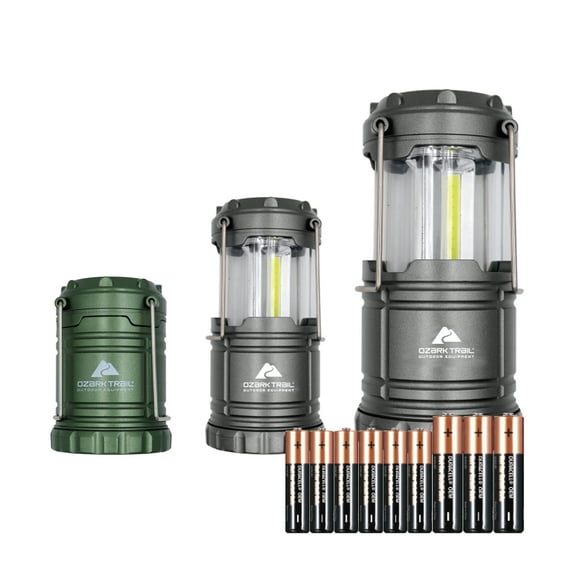
Lighting, lantern hooks, sleeping pads, and storage organizers can round out your camping accessories list. You’ll appreciate those additions when you want a more orderly site after sunset.
As you compare camping stuff across categories, you can build a setup that reflects your trip length and destination. You’ll end up with gear that fits your pace, your space, and your packing style.
If you’re packing for car camping, you may choose a larger tent, roomier sleeping setup, and a fuller cook station. You can prioritize comfort, capacity, and simple campsite organization.
If you’re planning a backpacking trip, you should focus on lighter shelter, compact food prep, and trail-ready storage. You’ll want each item to earn its place in your pack.
For backyard camping, you can test tent size, lighting placement, and sleeping layers before traveling. You can learn what your group actually uses during a low-pressure setup.
When you compare camping accessories, camping supplies, and core camping gear together, your list becomes easier to manage. You can head out knowing your setup matches your weather, mileage, and group size.
