




Phone Accessories & Waterproof Camping Storage | Walmart



























About Phone Accessories & Waterproof Camping Storage | Walmart - Walmart.com
Your camping storage setup can keep gear sorted, dry, and easy to reach from packing time to your last morning at camp. You can compare totes, bins, bags, and boxes by material, capacity, and use case, so your load feels easier to manage.
How to choose camping storage for your trip
When you choose camping storage, you should start with what you need to pack and how often you’ll move it. You can use rigid bins for structured packing, while soft bags work well when you need flexible space.
If your trunk or cargo area fills fast, you should compare folded size against carrying room. You can pick collapsible camping storage when you want containers that flatten between trips and tuck into tight spaces.
For mixed gear, you may want separate camping storage organizers instead of one large container. You can split cookware, lanterns, tools, and clothing, so your setup stays orderly at camp.
Choosing storage type and capacity
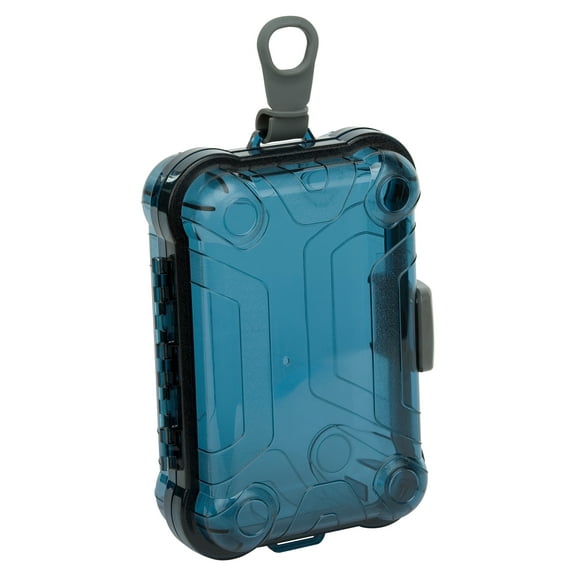
You should match the storage type to the gear you carry most often. You can use totes and outdoor storage bins for bulky items, while boxes help you separate small accessories.
If you pack light for short weekends, you may prefer small containers under 20 liters. You can carry utensils, headlamps, or cords without wasting trunk space.
When you plan longer stays, medium sizes from 20 to 50 liters can balance room and portability. You can organize layered clothing, cooking tools, and tent accessories without overloading one container.
For family trips or base camps, large camping storage over 50 liters can hold sleeping gear, cookware, or pantry items. You should check whether your container still fits your vehicle layout.
- You can use small sizes for quick-access tools and daily essentials.
- You can choose medium sizes for camp kitchen storage and shared gear.
- You can select large sizes for bulky loads, group trips, and longer stays.
- You can compare folded size if you want easier storage at home.
Comparing materials and protective features
You should compare material first if your gear faces damp grass, dusty roads, or frequent loading. You can rely on heavy-duty plastic for rigid walls, easier wipe-downs, and stacked packing.
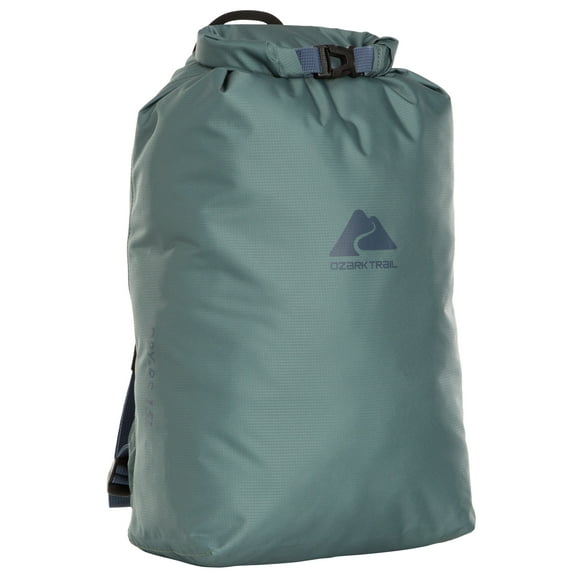
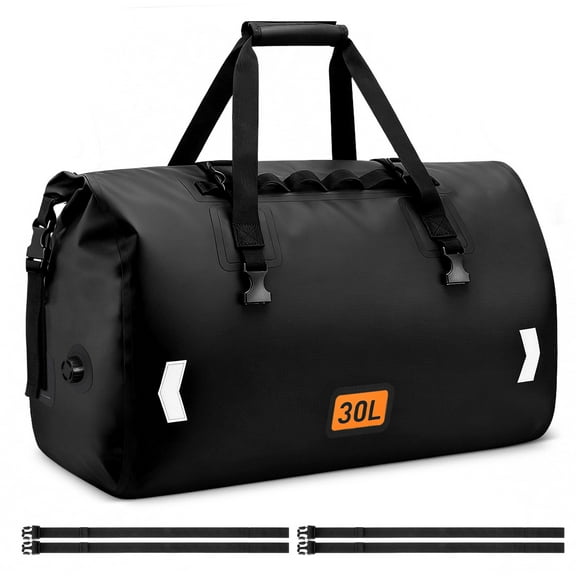
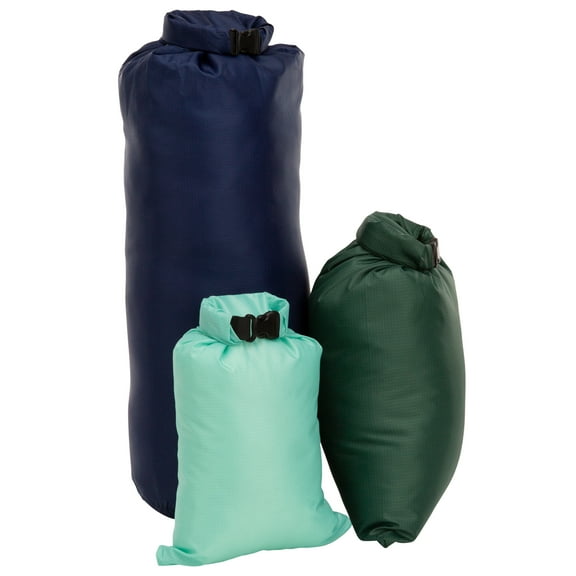
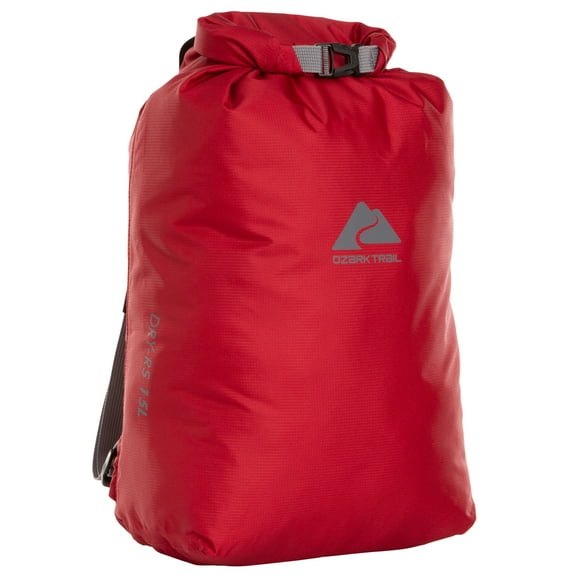
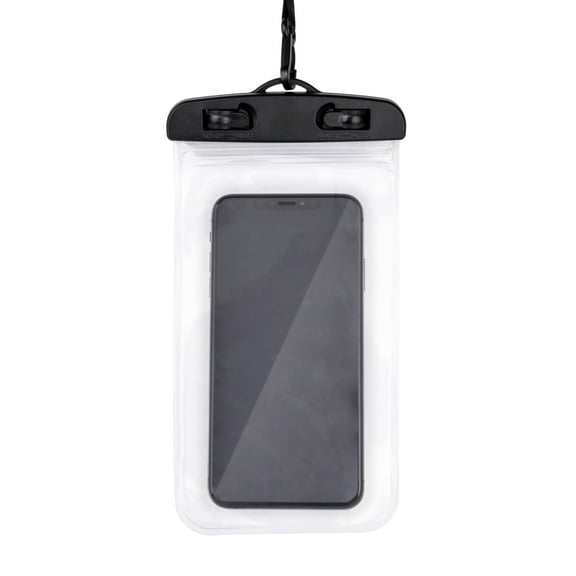
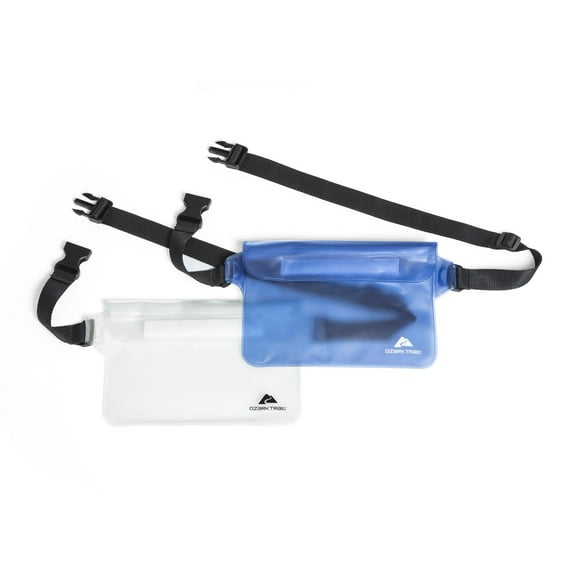
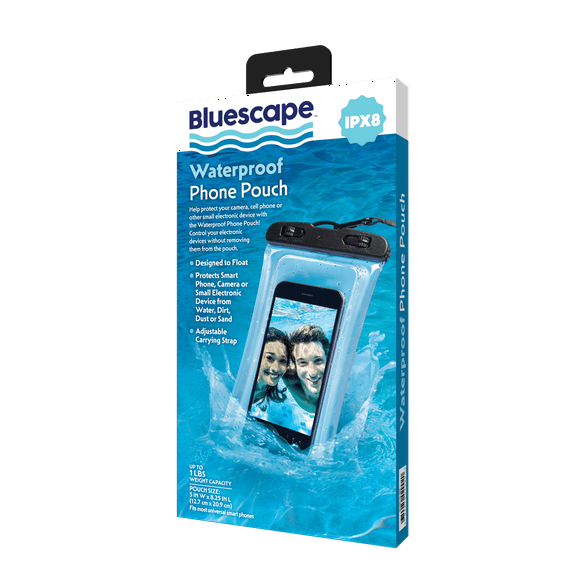
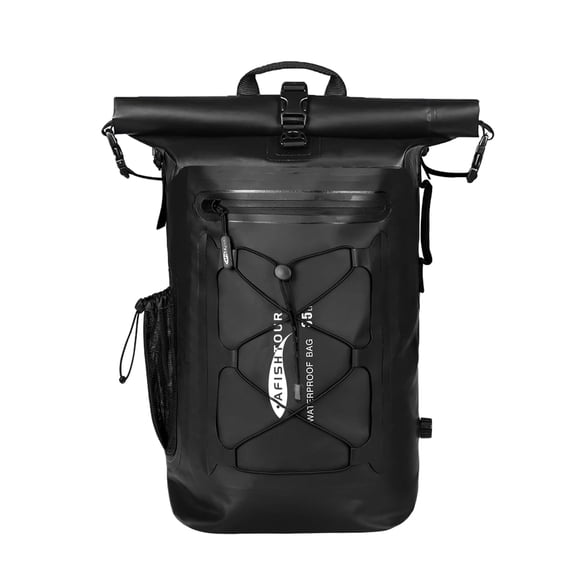
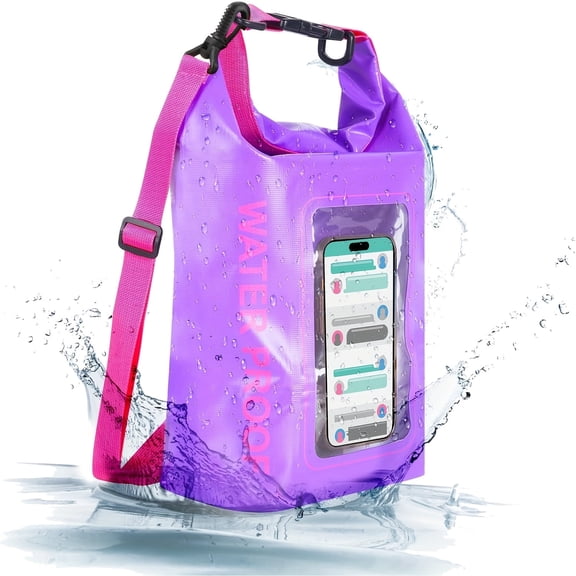
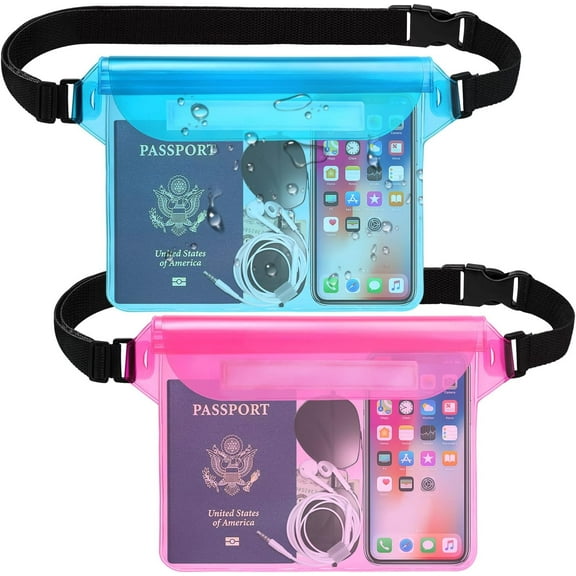
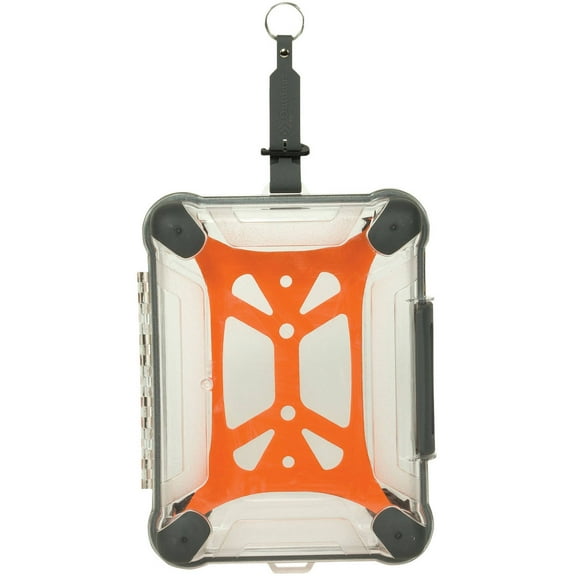
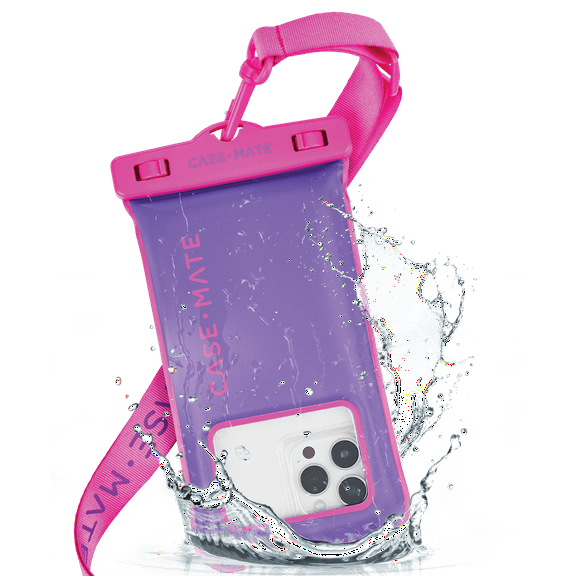
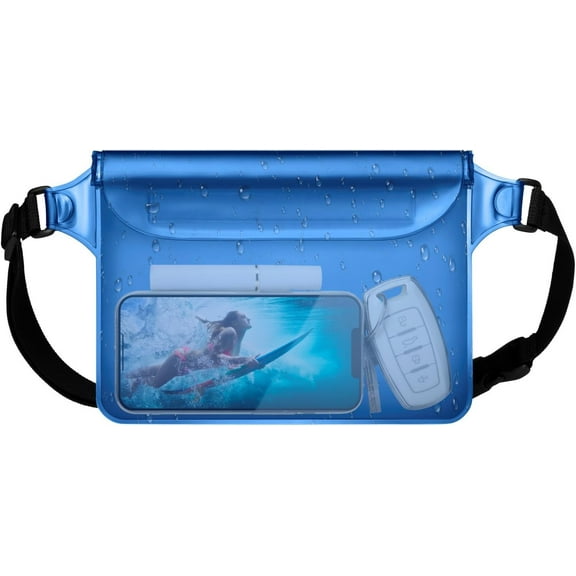
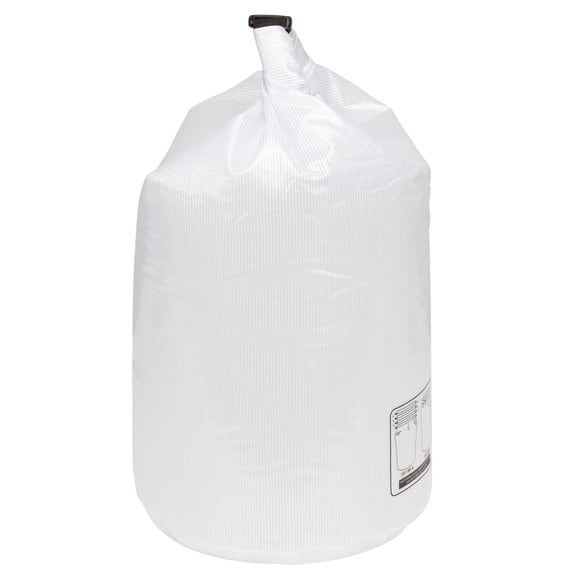
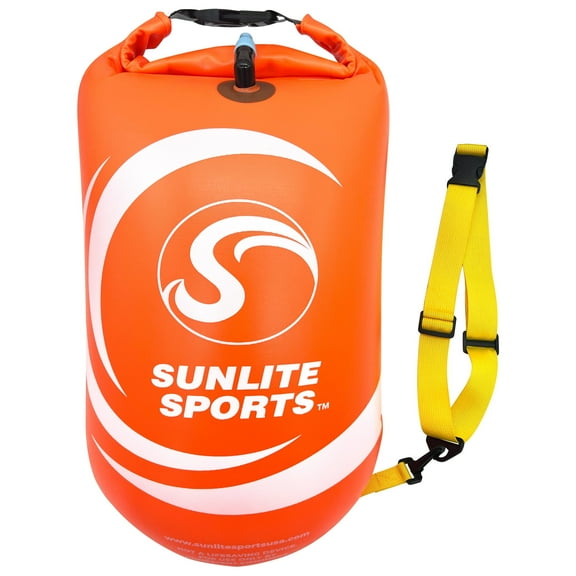
Canvas and polyester can work well when you want lighter carrying weight and more flexible shapes. You should look for waterproof camping bags when you pack clothing, towels, or soft camp items.
If you move gear from car to table to tent, handles can make each transfer smoother. You can also use stackable designs when you want cleaner layers inside your vehicle or campsite bin station.
Metal options can suit tools or cook station pieces that need more structure. You should compare weight before choosing them, especially if you carry storage across uneven ground.
Matching camping gear storage to your use case
You should choose camping gear storage by how you actually set up camp. You can use separate containers for food storage, tent storage, and cooking tools, so your routine stays simple.
For camping kitchen storage, you may want bins or boxes that hold spices, utensils, fuel accessories, and dish items together. You can set up faster when every cooking item stays in one place.
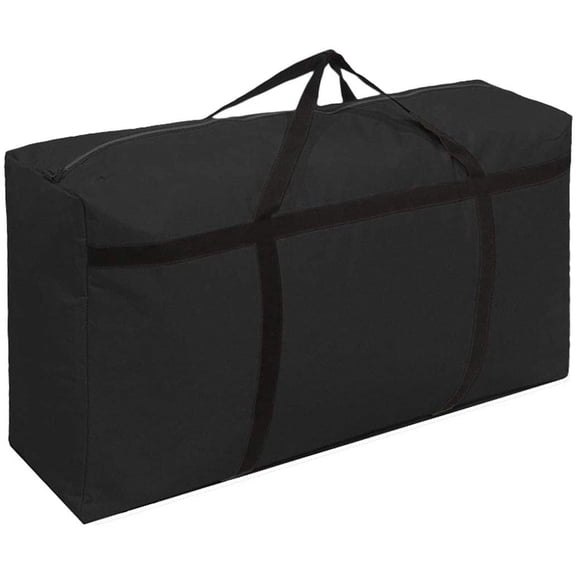
If you pack tent parts, stakes, and repair supplies, you should consider long or medium containers with easy-grab handles. You can keep shelter gear together instead of searching through clothing bags.
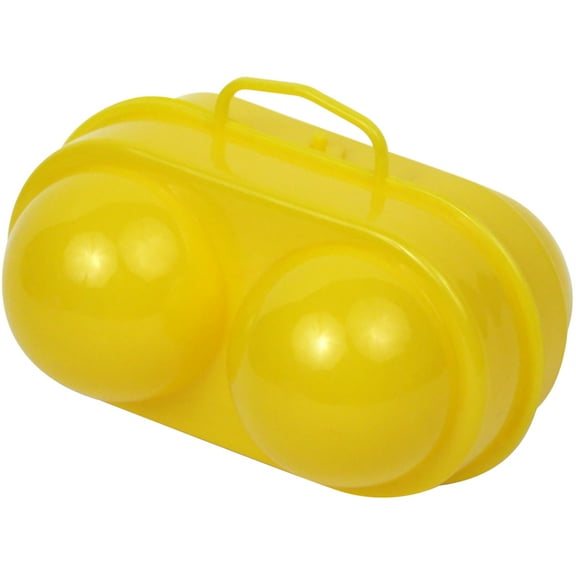
For food storage, you may want containers that separate dry goods from cookware and cleaning supplies. You can keep meal prep more organized when snacks, pantry items, and serving tools stay grouped.
When you bring heavier tools, cords, or utility gear, you should compare heavy duty storage totes with reinforced sides. You can protect awkward items and avoid soft-sided sagging during transport.
What to look for in collapsible camping storage
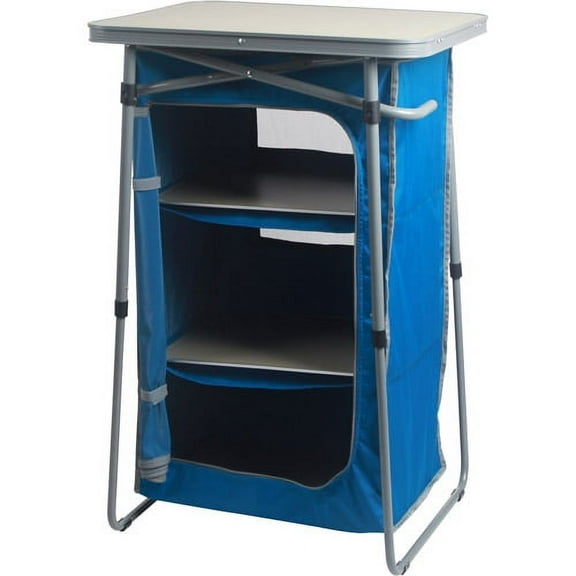
You should consider collapsible camping storage if home storage space matters as much as campsite organization. You can fold many soft-sided or pop-up designs down after your trip.
If you camp often but store gear in a closet, garage shelf, or vehicle compartment, collapsible options can fit more easily. You should compare how quickly each design opens, closes, and carries.
Some collapsible formats work well for lighter gear, camp kitchen supplies, or extra clothing layers. You can pair them with rigid outdoor storage bins when you need both structure and flexibility.
Waterproof panels, handles, and stable bases can matter even in foldable designs. You should check whether your container keeps its shape when you load it with cookware or pantry items.
How your camping storage can support smoother packing
You can make packing less chaotic when each container has a clear role before you leave home. You should sort gear by campsite task, not just by whatever fits first.
That approach can help you unload faster, find essentials sooner, and repack with less guesswork. You can build a more organized camp setup with storage that matches your gear, vehicle space, and trip style.