




Chest Waders in Fishing Clothing



















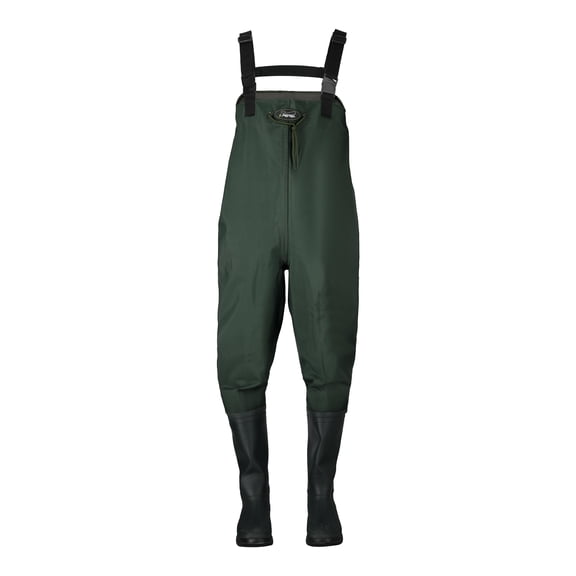


About Chest Waders in Fishing Clothing - Walmart.com
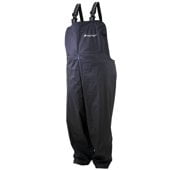
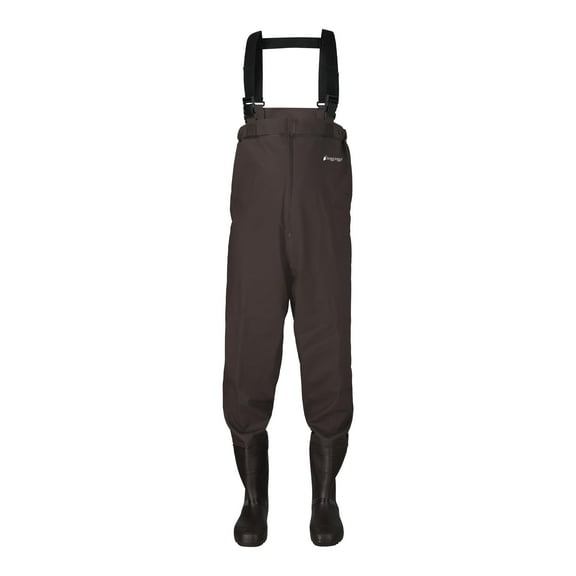
Chest waders help you stay dry in deeper water, marsh edges, and muddy banks. You can compare bootfoot, stockingfoot, and material options here for fishing and hunting plans.
How to choose chest waders
When you pick chest waders, you should start with water depth, temperature, and walking distance. You may want chest-high coverage when you step into streams, ponds, or flooded fields.
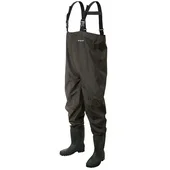
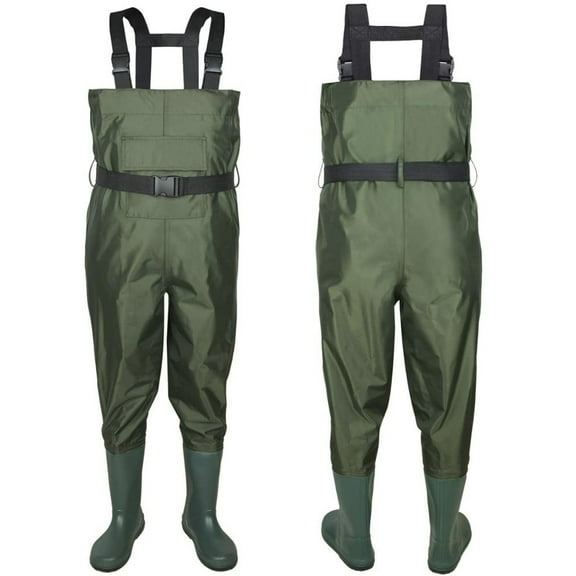
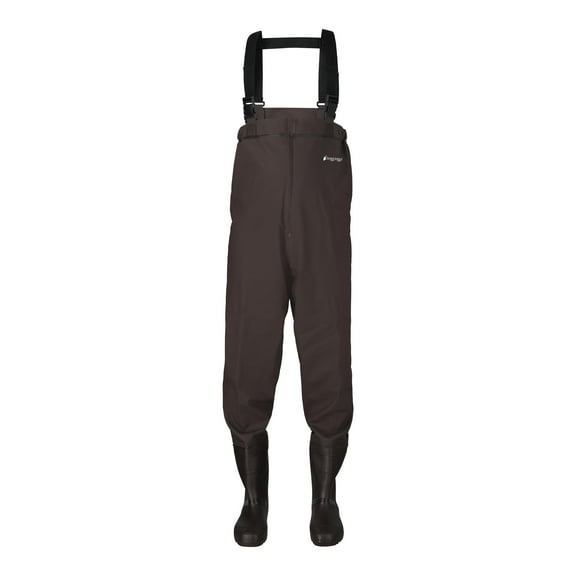
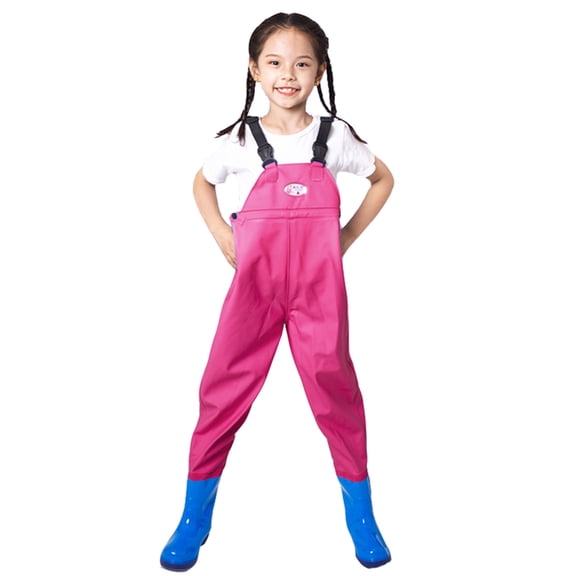
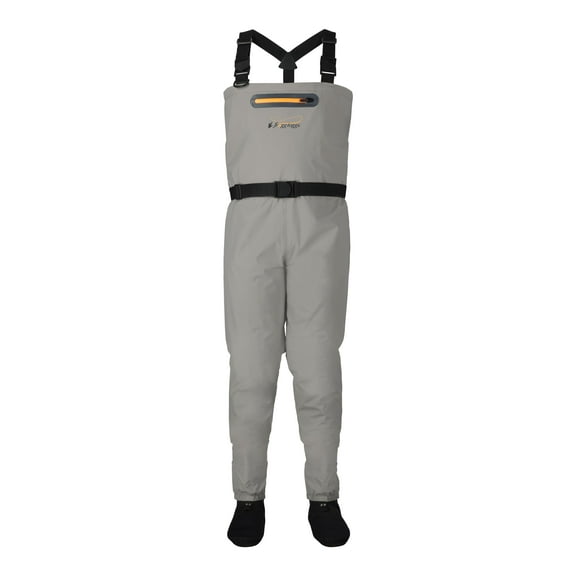
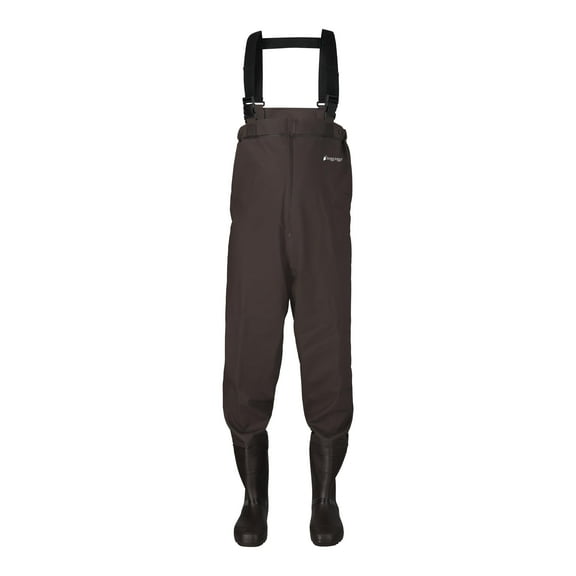
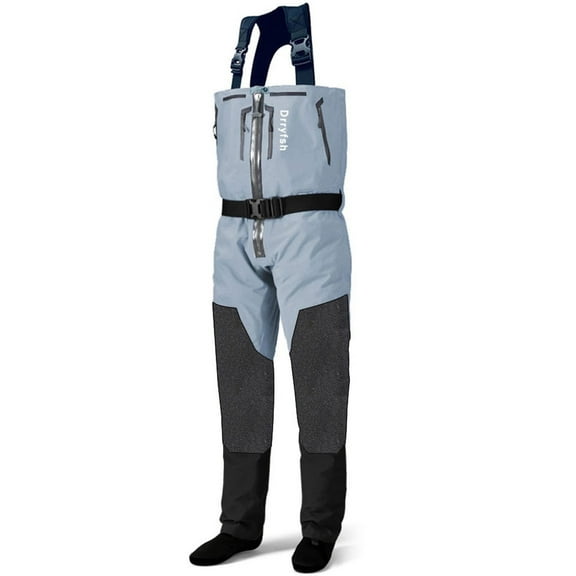
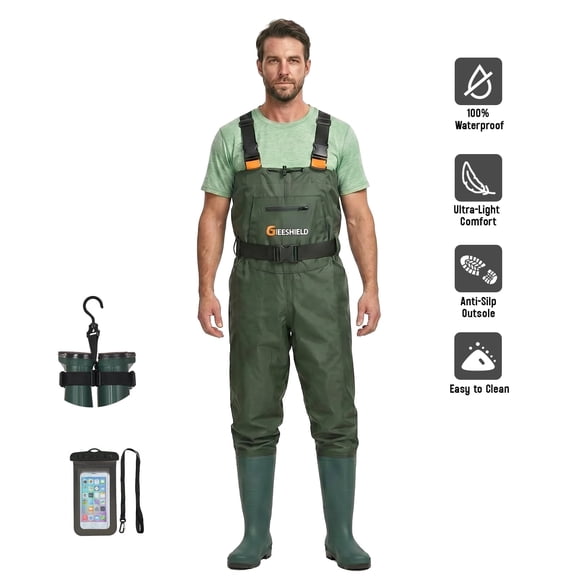
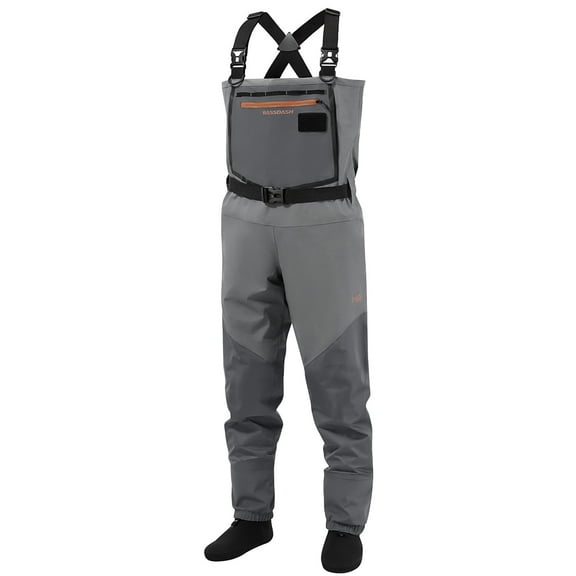
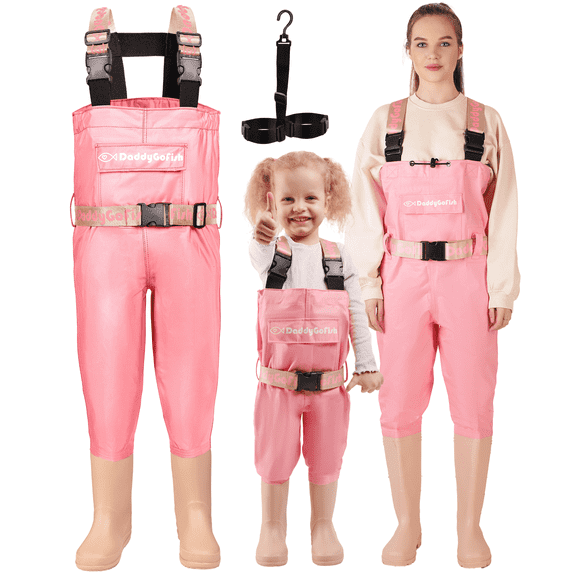
Bootfoot styles give you attached chest wader boots, so you can gear up faster. Stockingfoot styles use neoprene socks, so you may need separate wading boots for traction and fit.
You can narrow your choice faster by matching features to your routine. You may want to compare these points before you choose:
- You can get quick setup from chest waders with boots when you head out before daylight.
- You can gain fit flexibility from stocking foot wading pants when you already own wading boots.
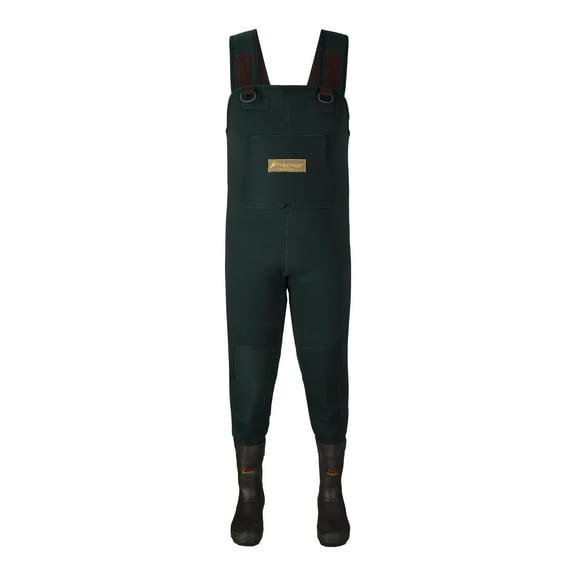
- You can choose neoprene when your trips call for added warmth in colder water.
- You can choose breathable nylon when your outings include longer walks and changing temperatures.
- You may prefer rubber builds when your route includes brush, mud, and rough shorelines.
Choosing between bootfoot and stockingfoot
If you want simple setup, you may prefer chest waders with boots for quick entry and fewer separate parts. You can pull them on fast for shoreline fishing, pond work, or waterfowl setups.
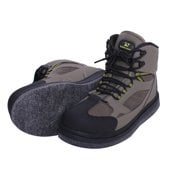
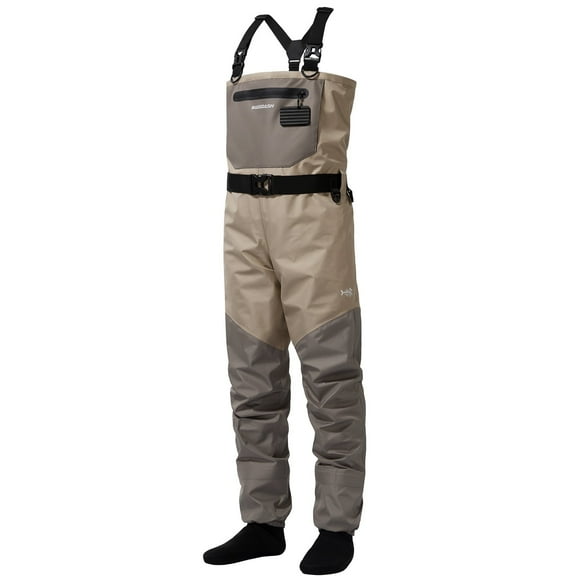
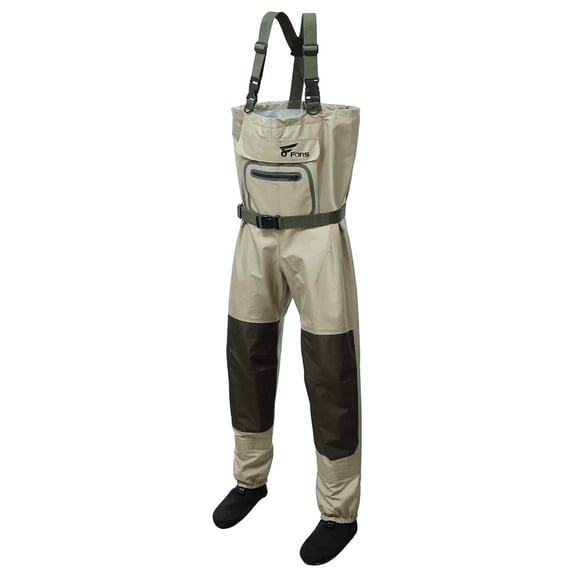
When you want a more tuned fit, you may prefer stockingfoot styles with separate boots. You can match your boot size, support, and sole type to rocks, ramps, or soft bottoms.
You should also think about travel and storage before choosing. Bootfoot pairs take more room, while stockingfoot designs let you pack boots and waders separately.
Comparing neoprene, breathable nylon, and rubber
Material choice shapes how your fishing chest wader feels through the day. You should compare warmth, movement, and toughness before you commit to one build.
Neoprene usually comes in millimeter ratings, and you can use that number as a warmth guide. You may notice 3 mm feels lighter, while 5 mm feels warmer but less flexible.
Breathable nylon helps you stay more comfortable during active walks and changing weather. You can layer underneath it more easily, which helps during spring mornings and milder fall afternoons.
Rubber construction gives you a sturdy feel for muddy banks, flooded timber, and messy chores. You may like it when your route includes brush, standing water, and repeated kneeling.
Checking size, inseam, and boot alignment
You can get a more secure fit when you compare chest size, inseam, and outseam together. You shouldn’t rely on regular clothing size alone when you choose chest high fishing waders.
Your inseam helps determine where the legs sit when you bend, climb, or step over rocks. Your outseam helps you judge overall length from upper body to ankle.
If you choose bootfoot styles, you should check the attached boot size with socks in mind. If you choose stockingfoot styles, you should match the built-in foot to your separate boot fit.
You may also want extra room for layers during colder trips. You can move more naturally when your fit leaves space without bunching at the knees.
Matching height and use case to your outing
You should choose height based on where and how you’ll use your gear. Chest high fishing waders make sense when you wade deeper water, launch from banks, or cross channels.
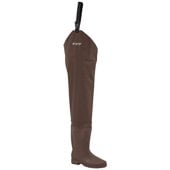
Hip-high and waist-high options work for shallower conditions, but you may want chest coverage for broader use. You can step into changing water levels with fewer limits during fishing or hunting days.
For fly fishing, you may want breathable fabrics and stockingfoot builds for longer walks and steady casting. For waterfowl hunting, you may lean toward bootfoot pairs and warmer materials for cold starts.
If your plans include brushy shorelines or muddy ponds, you should look for reinforced knees and tougher outer fabrics. If your route includes rocky streams, you should focus on fit and separate boot traction.
What to look for in details that affect comfort
You can compare seam construction, suspender design, and pocket placement before making your final choice. You may appreciate adjustable straps when you need a steadier fit across layers.
A front pocket can keep small tools or tackle easier to reach during active use. You may also want gravel guards or belt loops, depending on your preferred setup.
When you compare fishing waders with boots, you should think about outsole style for your terrain. You can choose tread that fits muddy ramps, slick banks, or mixed ground around camp.
With the right chest waders, you can stay focused on casting, setting decoys, or crossing wet ground. You can feel more prepared when your fit, material, and height match the way you use them.