

Cleats in Sports















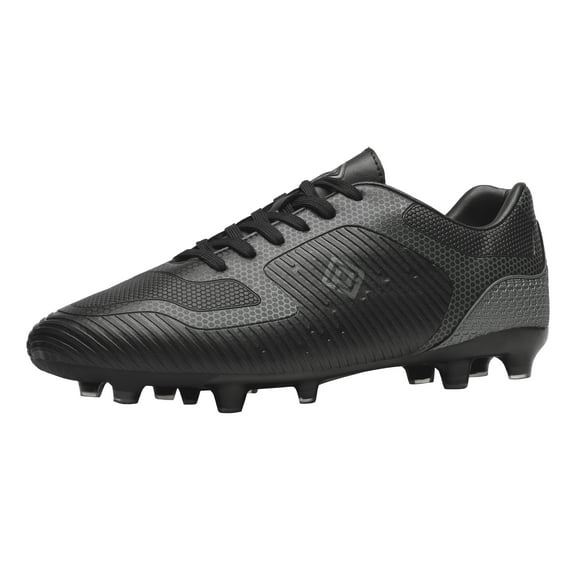


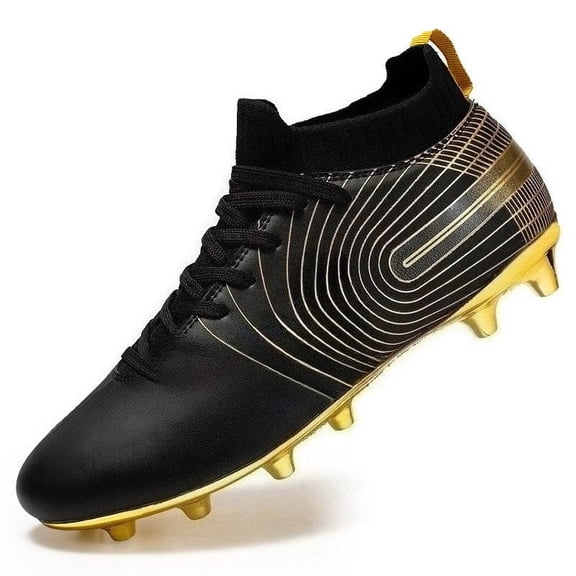


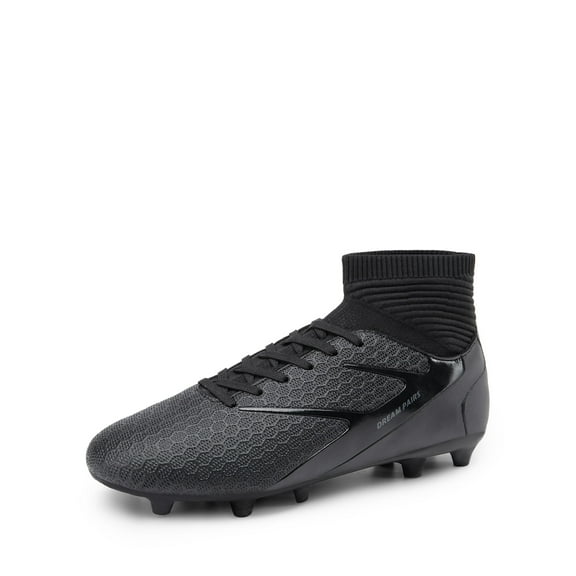


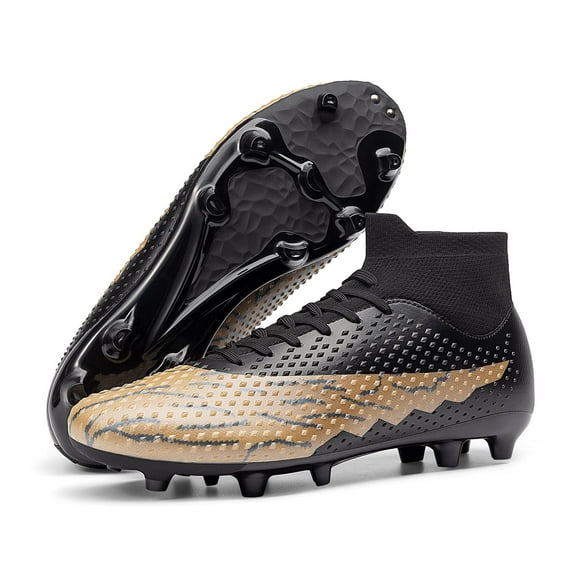







About Cleats in Sports - Walmart.com
Cleats help you match traction, fit, and sport rules before game day. You can compare sport-specific styles, sole types, and materials in one place.
If you play on grass, turf, or dirt, you need cleats built for that surface. You can narrow your choice faster when you understand how each option feels underfoot.
How to choose cleats by sport
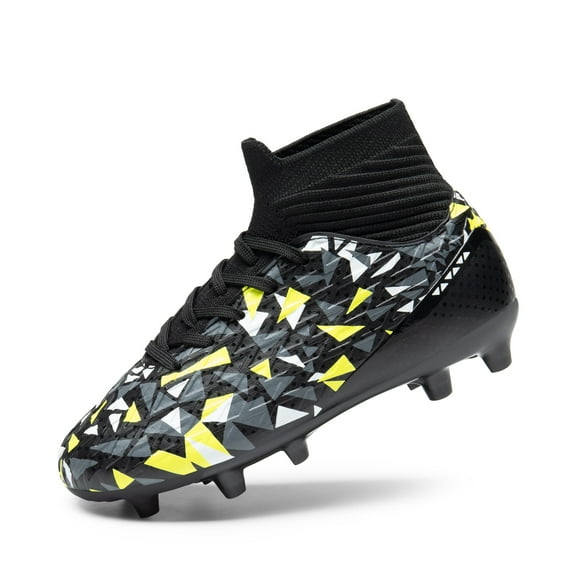
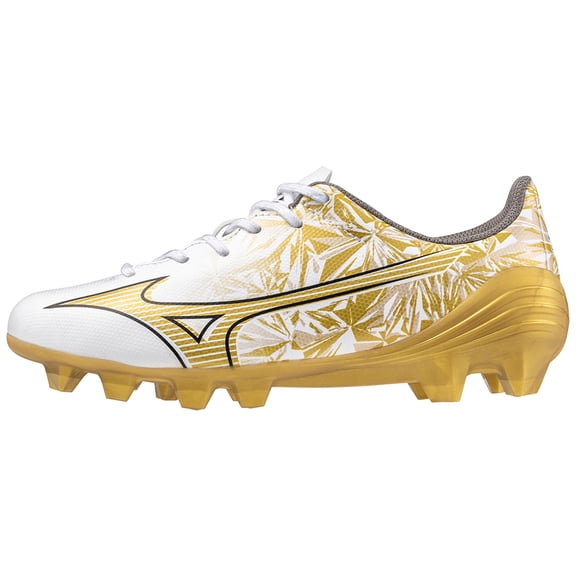
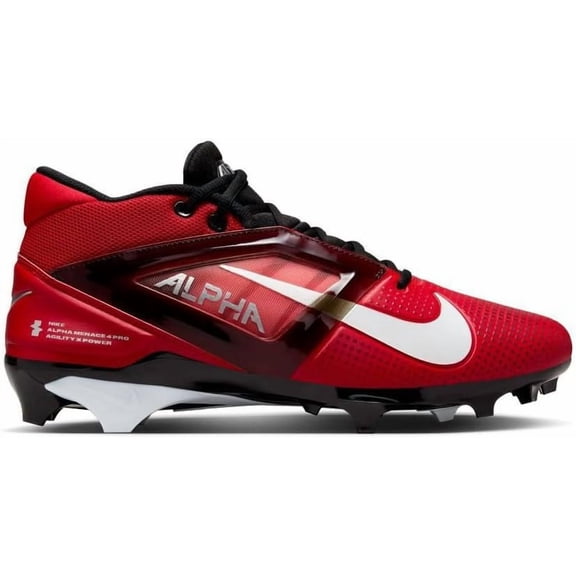
You should start with your sport because each game asks for a different stud pattern. You’ll notice soccer cleats focus on touch, while football cleats support cuts, bursts, and contact.
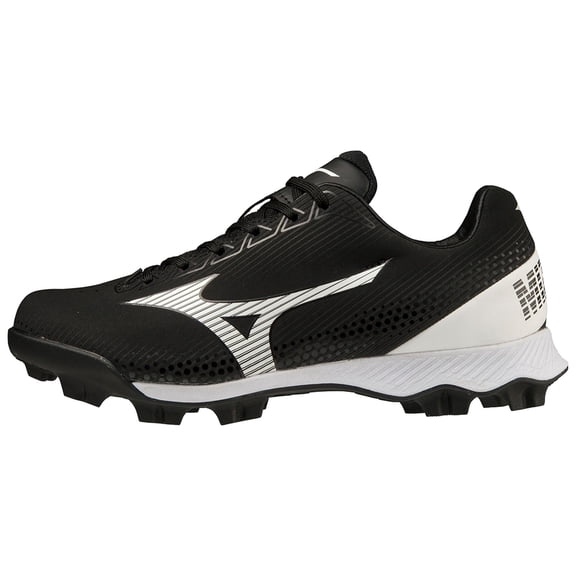
When you compare baseball cleats and softball cleats, you should check league rules first. You may also want toe drag support and layouts that suit quick starts on dirt.
If you play lacrosse, you’ll likely want speed, lateral grip, and a secure upper. You can also compare low-cut, mid-cut, and high-cut shapes by position and preference.
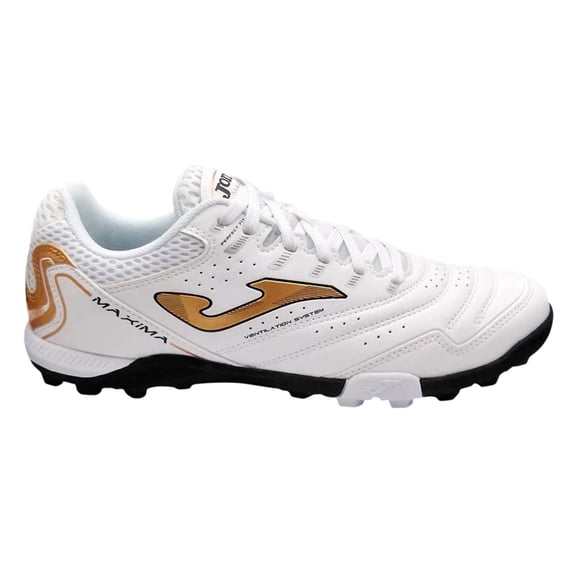
- You can choose soccer cleats for close ball control and quick direction changes.
- You can choose football cleats for explosive starts, sharper cuts, and position-specific support.
- You can choose baseball cleats or softball cleats for traction on dirt, grass, and base paths.
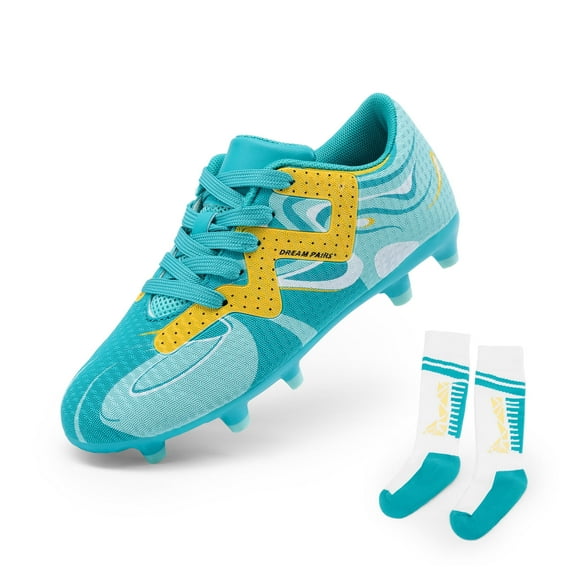
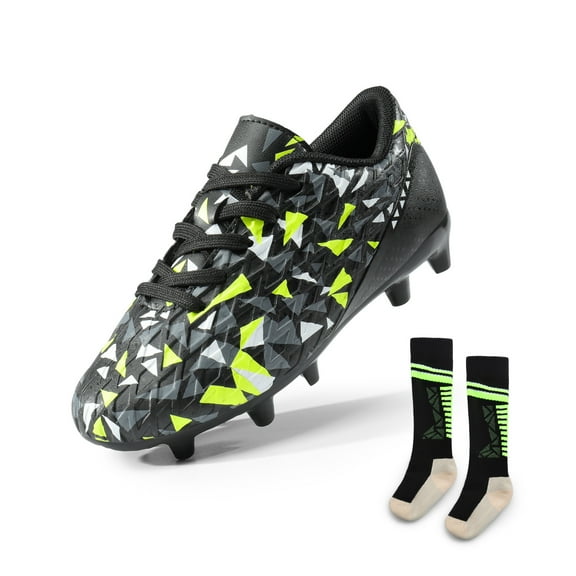
- You can choose youth cleats with sport-focused designs that fit growing athletes.
Choosing molded cleats, metal cleats, and turf cleats
You should match the outsole to your playing surface before you compare colors or style. You’ll get a more useful fit when the traction pattern matches where you practice and compete.
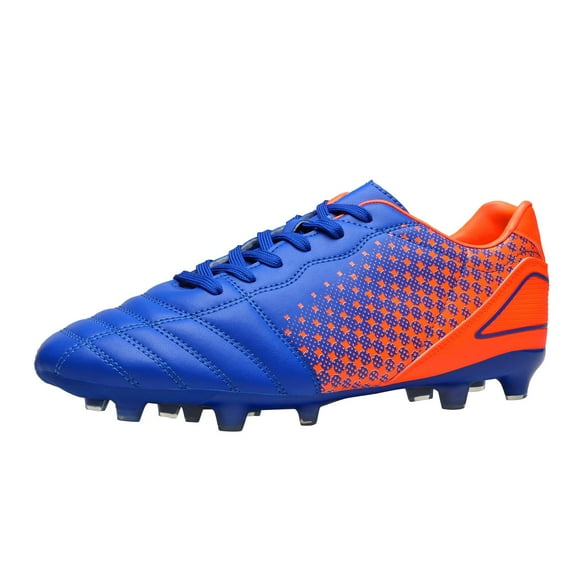
Molded cleats work for many players because you get fixed studs and simple upkeep. You may prefer them for firm ground fields, youth play, or leagues with stricter footwear rules.
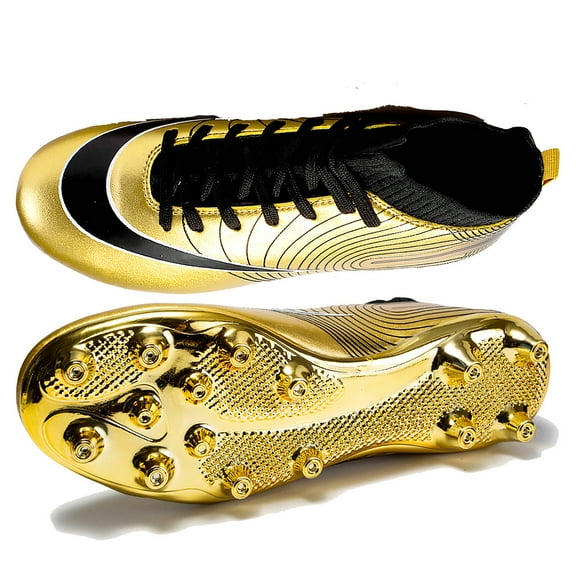
Metal cleats usually matter in baseball and softball, where you want sharper penetration on natural surfaces. You should always check your league rules because some levels limit metal cleats.
Turf cleats use many short rubber nubs, so you get grip on artificial turf without long studs. You may want them for training, hard turf fields, or surfaces where comfort matters.
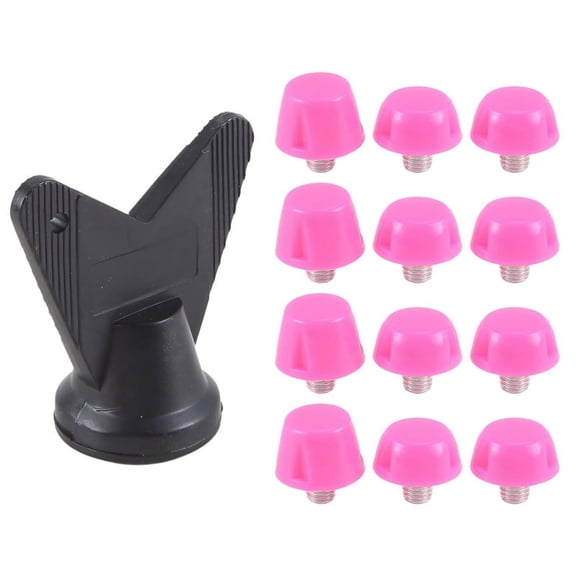
Detachable styles let you swap stud lengths for softer ground or changing weather. You should compare that flexibility with your sport’s rules and your usual field conditions.
What to look for in fit, size range, and support
You should measure both length and width before you choose men’s, women’s, or youth cleats. You’ll play with more control when your heel feels secure and your toes still have room.
If you prefer a close feel, you may lean toward a snug forefoot and thinner upper. If you want extra structure, you can compare mid-cut or high-cut options for added ankle coverage.
Youth cleats should feel stable without extra bulk that slows movement. You can also look for closures and shapes that make practice days easier for young athletes.
Low-cut styles help you keep a lighter feel and quicker ankle movement. Mid-cut and high-cut styles can suit positions where you want a more locked-in fit.
Comparing materials and upper construction in cleats
You should compare synthetic, leather, and knit uppers based on feel, break-in, and season-long wear. You’ll notice each material changes how your cleats fit during drills and games.
Synthetic uppers often feel light and easy to maintain through wet grass, dirt, and repeated practices. You may prefer them when you want a consistent shape with less break-in time.
Leather cleats can give you a softer touch and a more molded feel over time. You should check care needs and fit carefully because natural materials can change with wear.
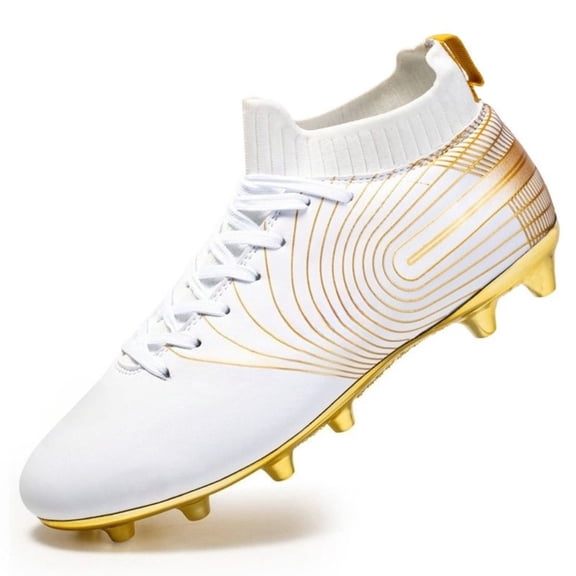
Knit uppers can offer a flexible, sock-like wrap around your foot. You may like that feel if you want easier movement through cuts, crosses, and sprint work.
Matching ground type to game-day use
You should check whether you play on firm ground, soft ground, artificial grass, or turf. You’ll avoid guesswork when your traction setup matches the field you see every week.
Firm ground cleats usually suit natural grass that feels dry or moderately damp. You can use them for many outdoor fields where long studs aren’t necessary.
Soft ground setups matter when you play on wetter, looser natural grass. You should compare stud length and detachable options if your field changes with weather.
Artificial grass and turf surfaces usually call for shorter traction elements and more underfoot comfort. You may prefer turf cleats for practice facilities, training sessions, and compact synthetic fields.
Using cleats for practice, season play, and position needs
You should think about how often you train, not only where you compete. You may want one pair for matches and another pair for turf sessions or indoor training spaces.
If you play soccer, you might favor a lighter upper for touch and fast transitions. If you play football, you may prioritize support, bite, and position-based movement.
If you run bases or field ground balls, you’ll want traction that feels stable through starts and stops. If you coach or shop for a young athlete, you should balance rules, fit, and surface type.
Cleats make more sense when you compare sport type, cleat type, size range, material, and ground type together. You’ll feel more prepared when your footwear matches your field, league, and movement style.