

Dividers for Binders & Binder Dividers with Tabs








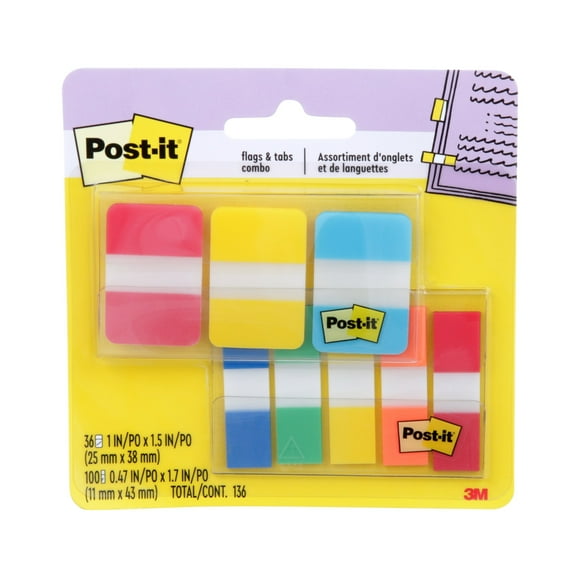
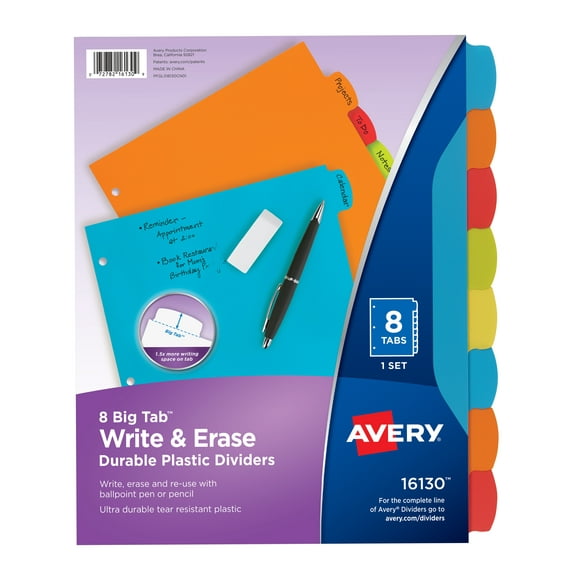


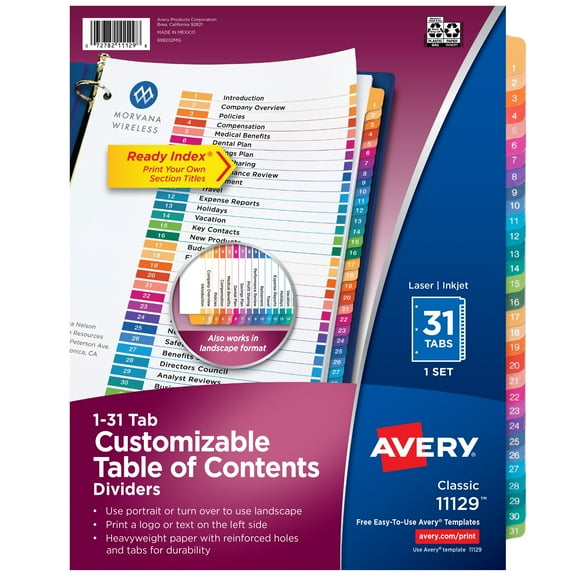
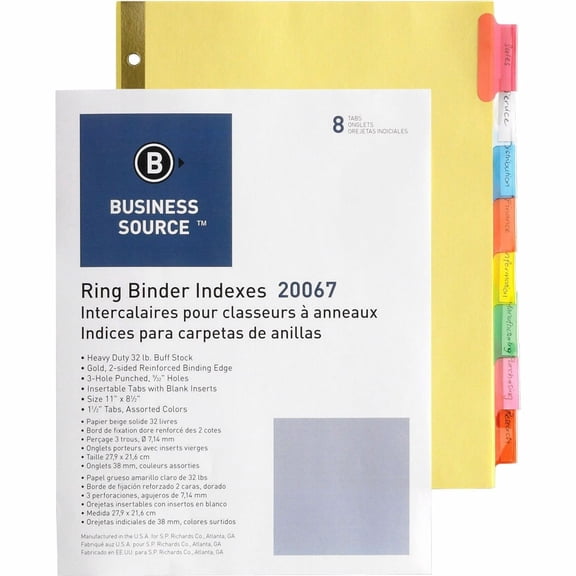






About Dividers for Binders & Binder Dividers with Tabs - Walmart.com
Dividers for binders help you sort class notes, client files, and project paperwork with quick access and organized sections. You can compare tab styles, materials, and binder compatibility to build an index system that fits your routine.
If you use a binder every day, you need sections that stay readable through page turns and frequent updates. You can choose write-on tabs, insertable tabs, or durable plastic pages based on how often your contents change.
Choosing dividers for binders by compatibility
Compatibility comes first because you need dividers that match your ring format and page size. You should check whether your setup uses standard 3-ring binders, multi-ring formats, letter size sheets, or legal size documents.
For everyday office and school use, you usually want dividers made for standard 3-ring binders and letter size paper. If you store pages in sheet protectors, you should look for extra-wide margins so your tabs stay visible.
When you build a binder with dividers, you also need tab placement that clears page edges and rings. You can avoid crowded layouts by comparing width, tab stagger, and whether each set supports protected pages.
- You can match ring count to your binder style before you file papers.
- You can choose letter or legal size layouts for neat page alignment.
- You can look for extra-wide designs when you use sheet protectors.
- You can keep tabs visible by checking tab stagger and edge width.
Choosing binder dividers with tabs by tab type
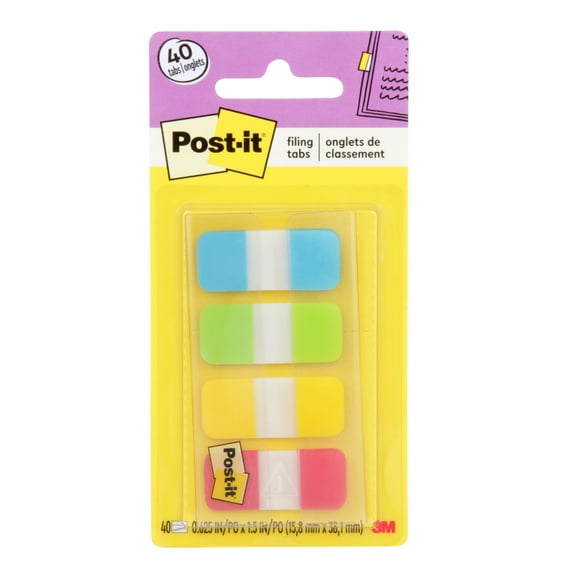
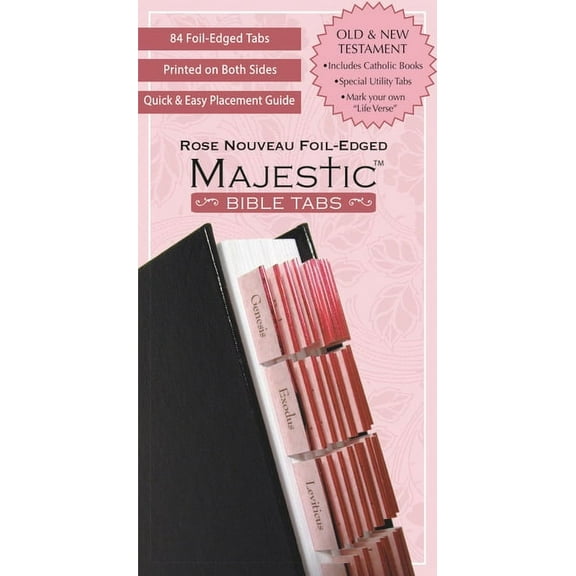
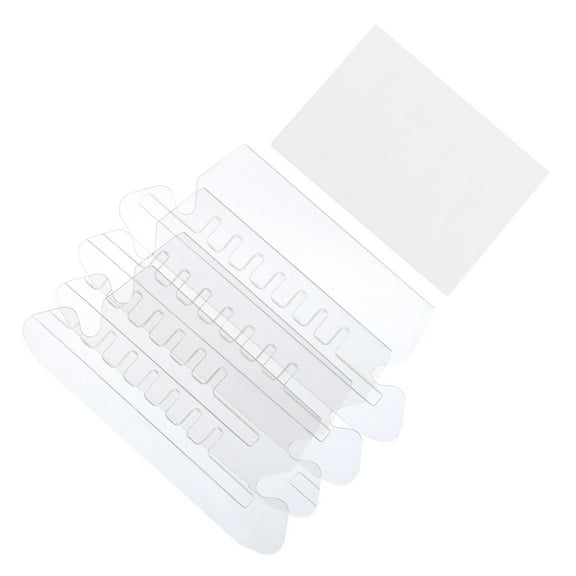
Tab style changes how quickly you can label sections and update them later. You may prefer binder dividers with tabs that let you write directly, slide in inserts, or use printed index sheets.
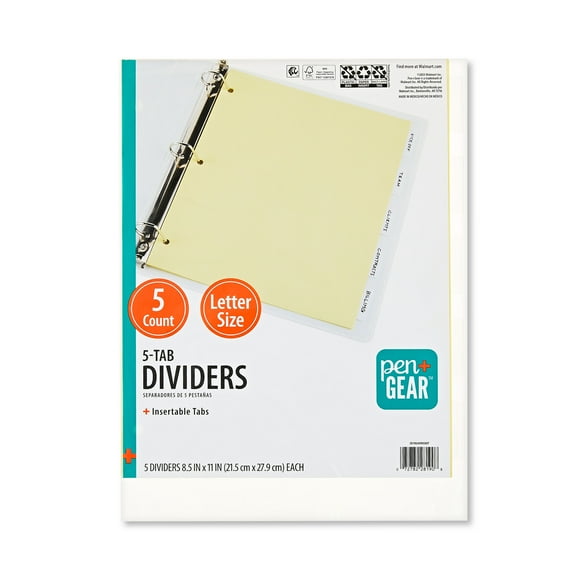
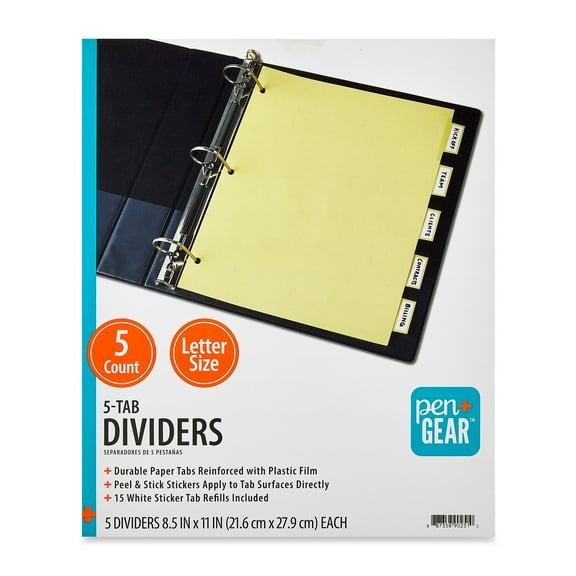
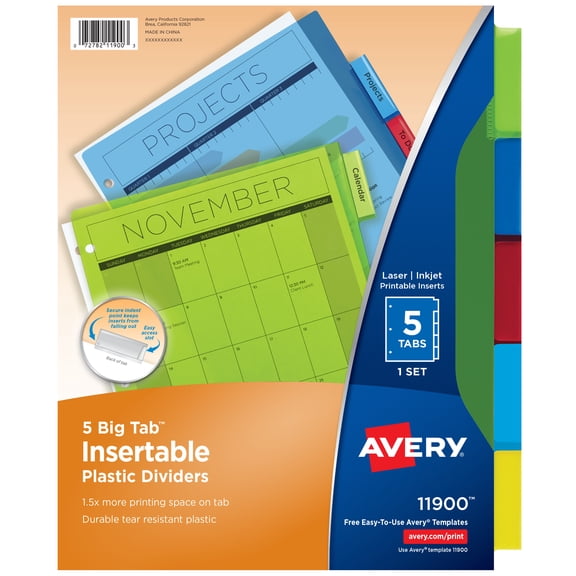
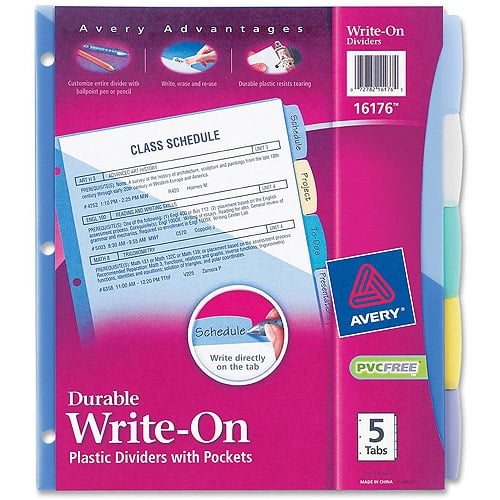
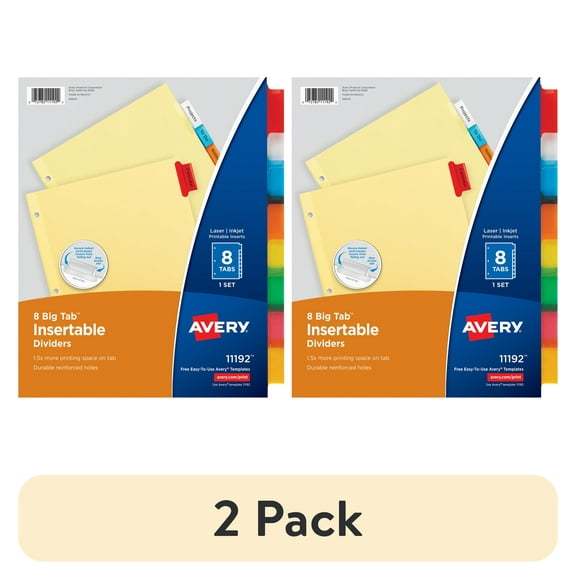
Write-on tabs work well when you need fast setup for one class, one meeting series, or one short project. Insertable tabs give you neat labels when you update names often or share binders across teams.
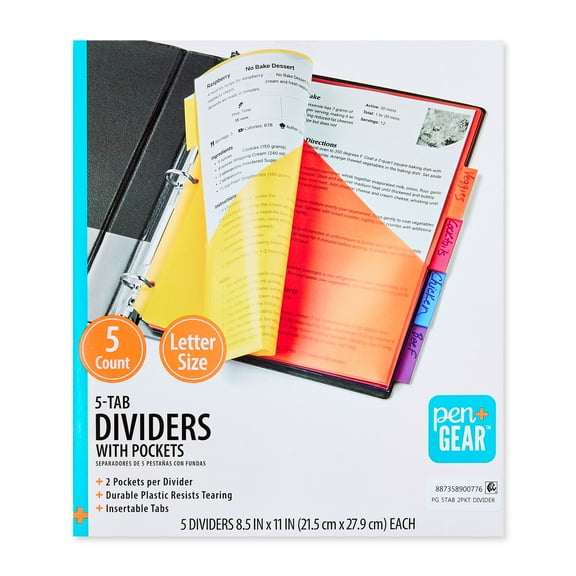
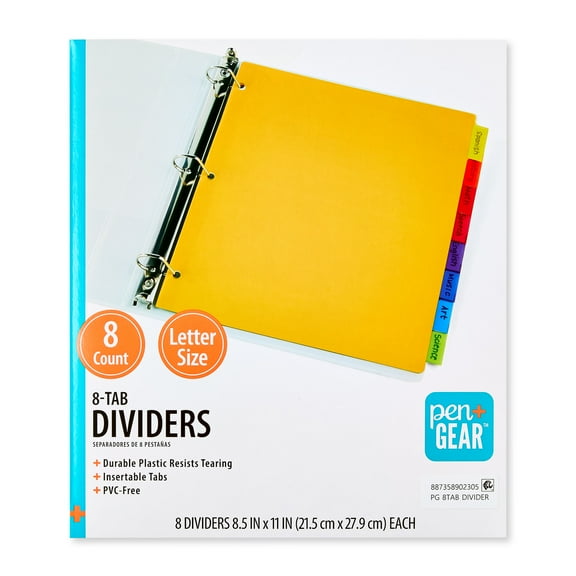
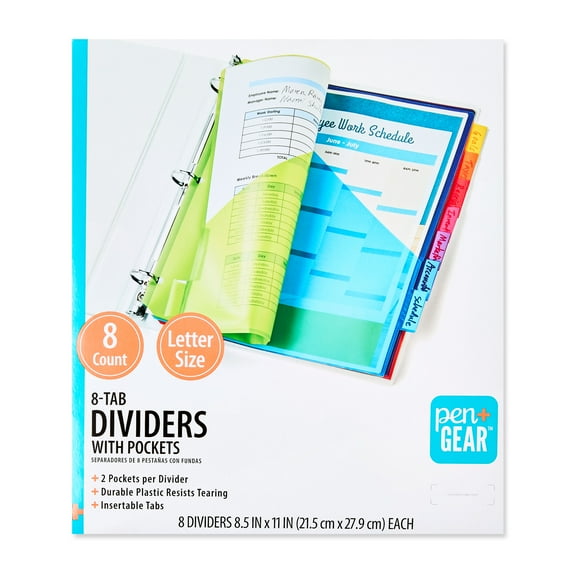
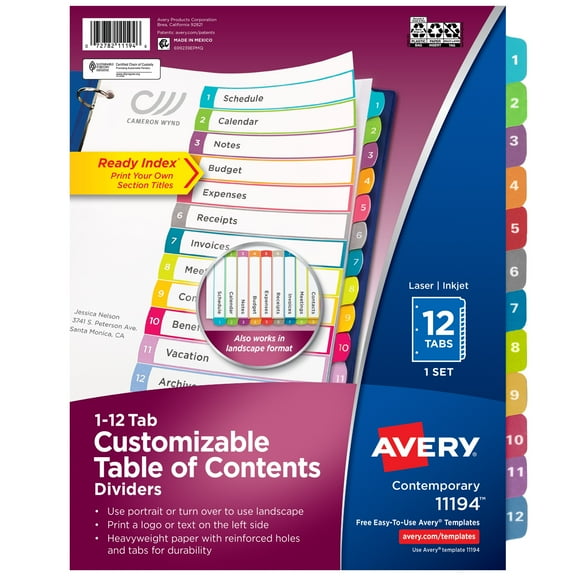
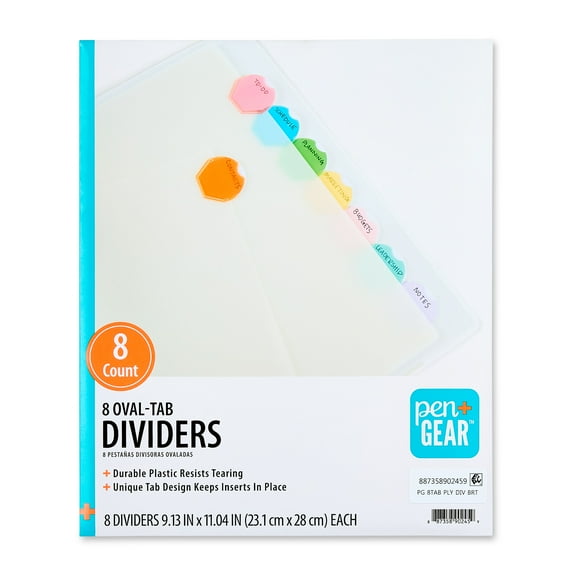
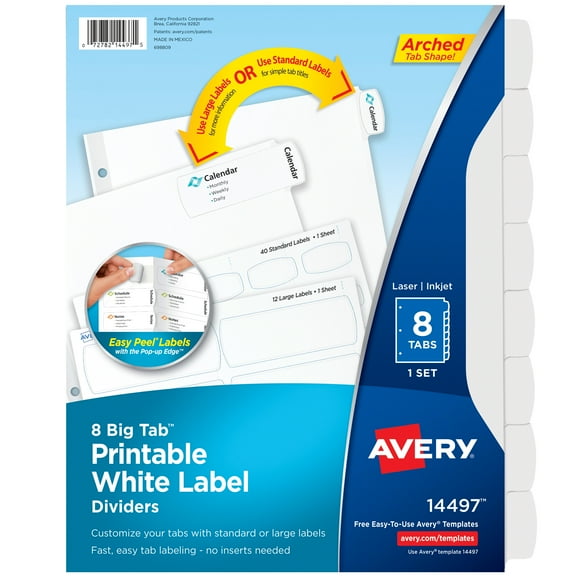
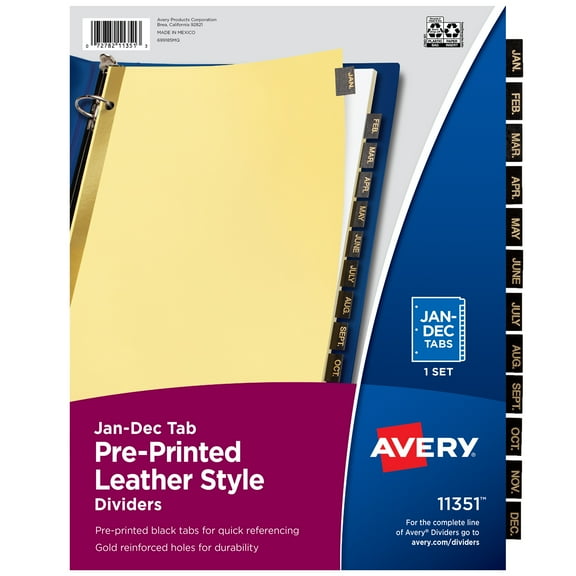
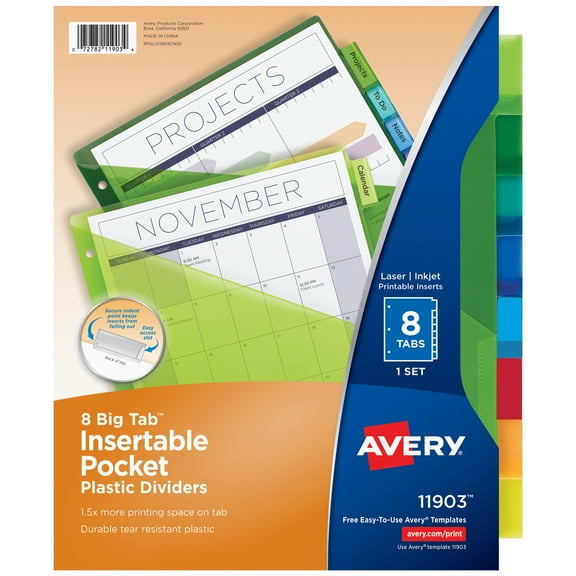
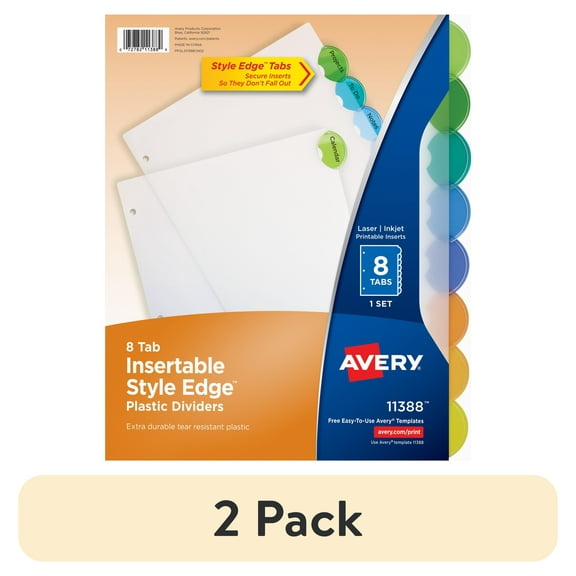
Pre-printed and color-coded sets help you sort numbered sections, monthly files, or subject groups with less manual labeling. You can use binder tab dividers for five-tab, eight-tab, or one-to-31 indexing, depending on your filing plan.
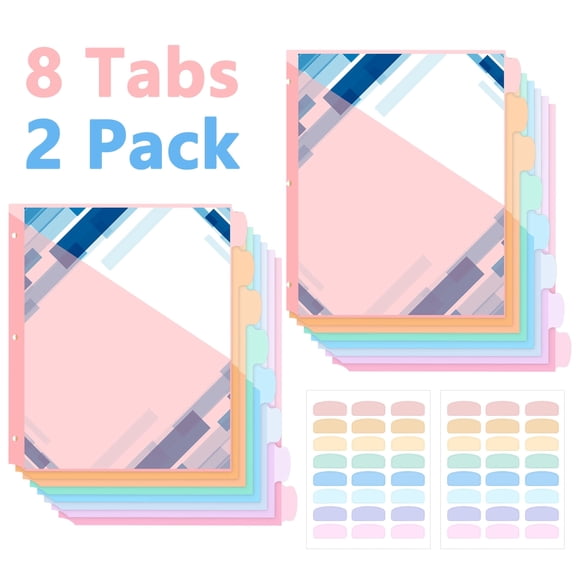
If you want a polished table of contents, you should compare sets that include printable index sheets. You can also use divider tabs for binders with matching tab labels when you need a uniform look.
Comparing plastic, paper, and pocket styles
Material affects how your binder separators handle daily use, frequent page turns, and long-term storage. You should compare plastic, paper, and heavy-duty pocket styles based on how often you open each section.
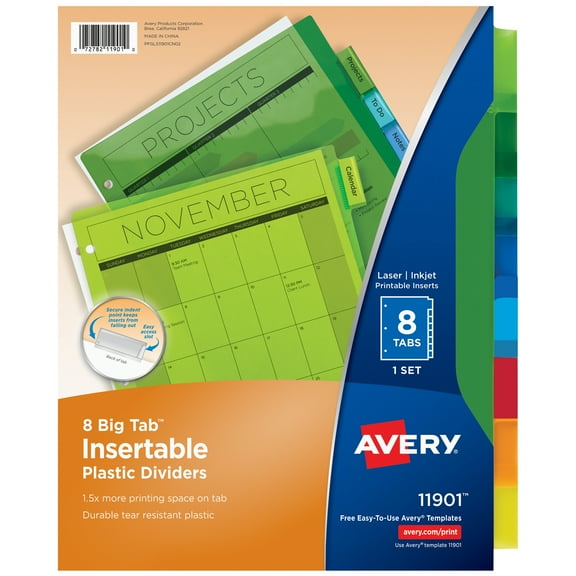
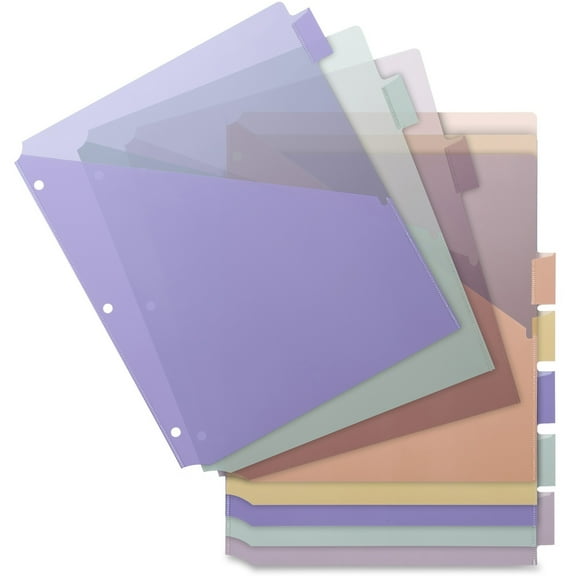
Binder plastic dividers make sense when you carry one binder between classes, desks, or meeting rooms. You notice plastic pages wipe clean more easily and hold their shape through repeated handling.
Paper sets fit lighter-duty filing when you organize archived notes, training handouts, or reference pages that stay mostly untouched. You can label paper tabs quickly, and you can keep sections simple for short-term projects.
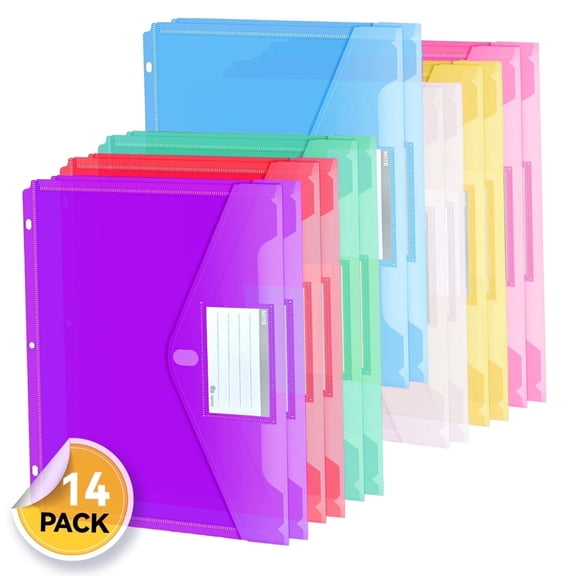
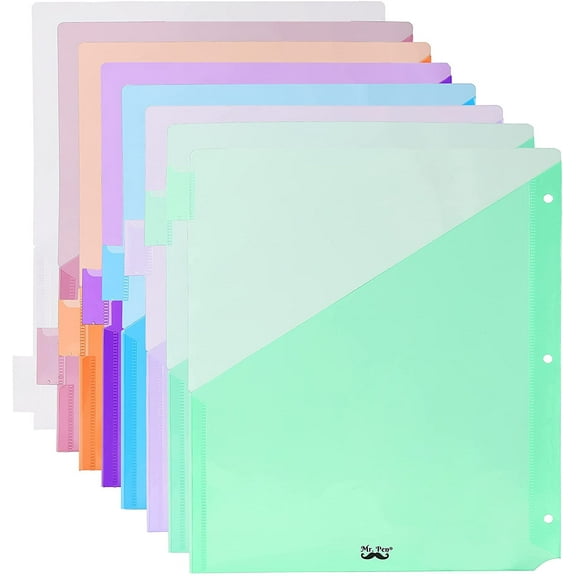
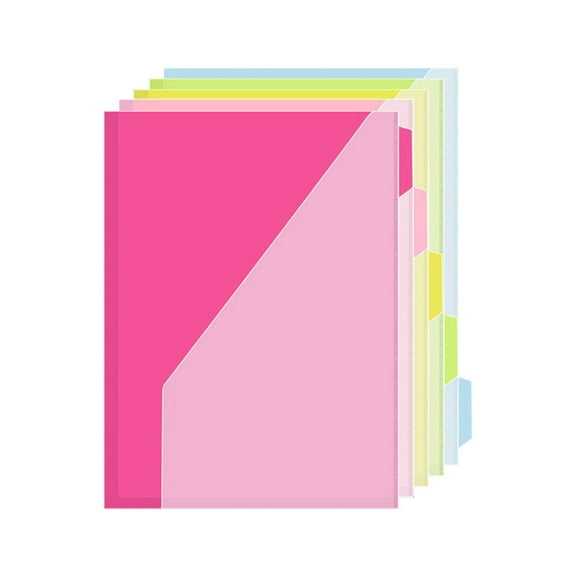
Heavy-duty pocket dividers help you hold loose handouts, receipts, or forms without hole punching every sheet first. You can separate active documents and tuck small papers into pockets for easy retrieval.
Choosing color style and pack size for your workflow
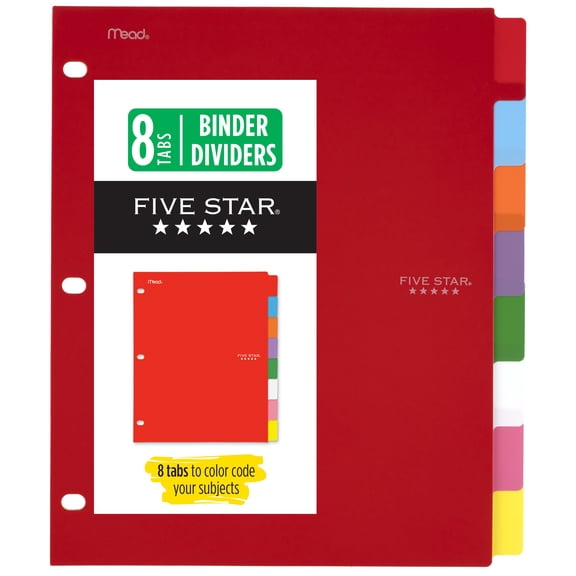
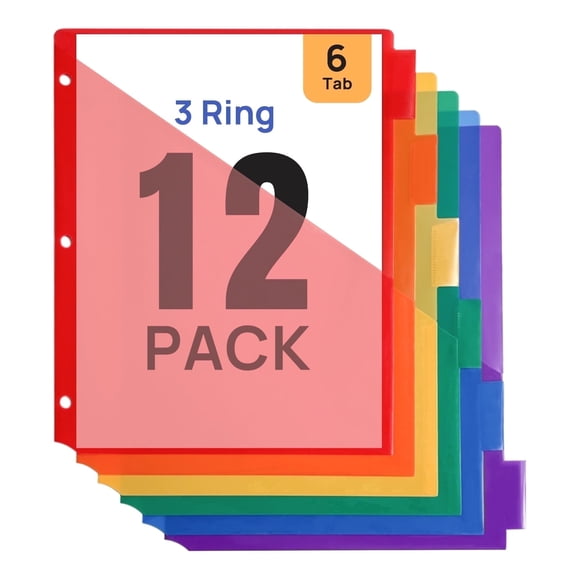
Color style helps you scan your binder faster when you manage several subjects or clients at once. You can choose pastel, multicolor, clear, or white dividers based on how bold or subtle you want your sections.
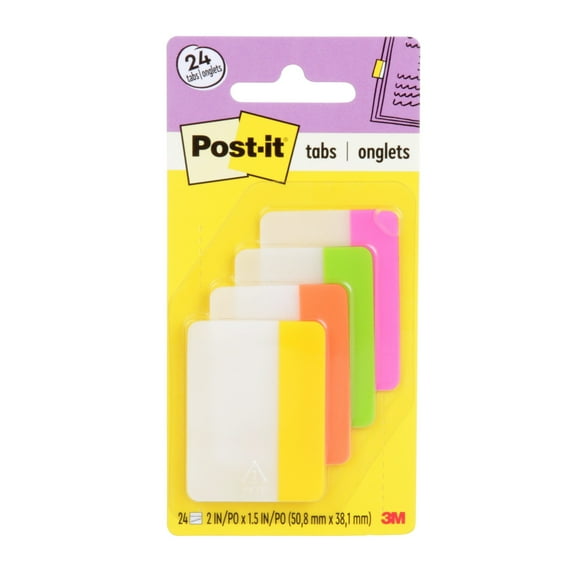
Multicolor tabs make busy school and office binders easier to scan during fast transitions. Clear and white styles support a clean look when you want labels and printed index pages to stand out.
Pack size matters because your filing system may need five sections, eight sections, or a full monthly set. You should compare a pack of dividers by tab count so your binder matches your actual project structure.
If you manage quarterly reports, you may want fewer tabs with broader categories and room for longer labels. If you track daily records, you may prefer numbered sets that separate dates with less rewriting.
How to match dividers for binders to school, office, and home filing
For school binders, you can use color-coded tabs to separate subjects, assignments, and reference pages in one place. You may also want extra-wide layouts if your class materials sit inside sheet protectors.
For office use, you can organize client packets, training manuals, onboarding forms, or meeting notes with insertable tabs. You get a professional presentation when section names change often across departments or projects.
At home, you can sort household records, tax documents, warranties, and instruction sheets into labeled sections. Pocket styles help you hold small papers, while plastic dividers support binders you open throughout the year.
When you compare materials, tab types, and compatibility together, you can build a filing system that stays easy to update. The right divider setup helps you find the exact section faster and keep every binder well-organized.