


Boat Dock Lines & Ropes | Nylon & Braided - Walmart





























About Boat Dock Lines & Ropes | Nylon & Braided - Walmart - Walmart.com
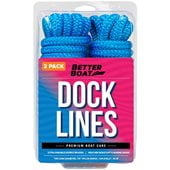
Dock lines help you secure your boat with confidence at the dock, and you can compare material, length, diameter, and end style in one place. You’ll find options built for everyday docking, changing water movement, and repeat tie-ups through the boating season.
When you choose dock lines, you’re picking more than rope length alone. You’re matching stretch, grip, and line thickness to your boat, your cleats, and your docking routine.
Choosing the right dock lines
You can start with boat length, because line length affects how easily you tie off at different dock layouts. A common guide is 1.5 to 2 times your boat length, which gives you useful reach.
If your boat is smaller, you may prefer 15 ft or 25 ft boat dock lines for short slips. If your setup needs wider spacing, you may look to 30 ft or 50 ft lengths.
You should also compare diameter to boat size, because thicker lines usually suit heavier boats and larger cleats. A common guide is 1/8 inch of line diameter for every nine feet of boat.
- You can use shorter lines when your cleats sit close to the dock.
- You can choose longer lines when your slip needs extra reach or spring lines.
- You can match thicker diameters to heavier boats for a steadier hold.
- You can compare eye construction to speed up tie-downs at the cleat.
With the right setup, you can reduce slack, improve handling, and make dockside tie-ups feel more predictable. You’ll also spend less time retying when your line length and diameter fit your boat.
How to compare boat dock lines by material
You should compare material first if you want the right mix of stretch, handling, and floating behavior. Nylon dock lines are a common choice when you want strength, flexibility, and dependable shock absorption.
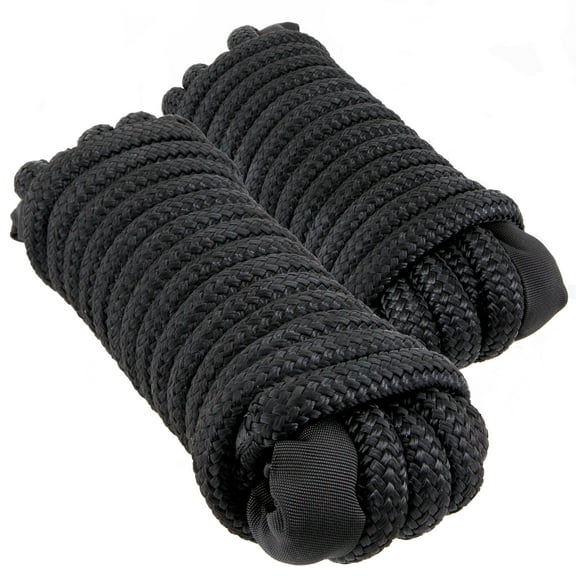
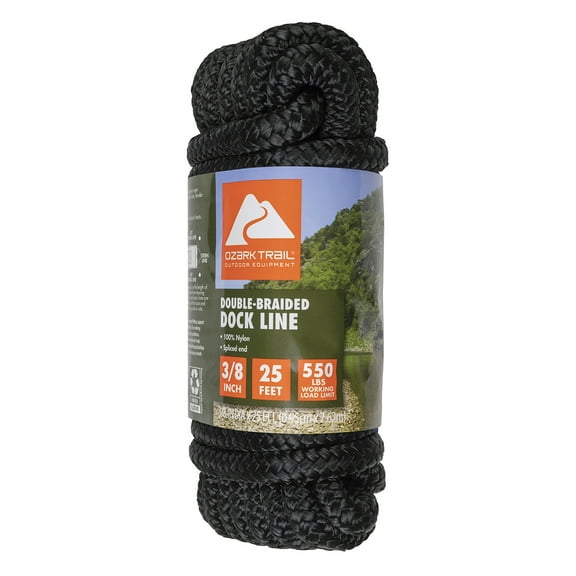
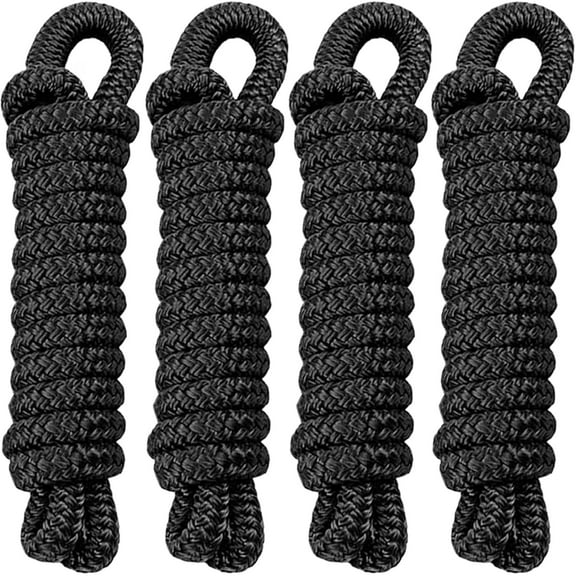
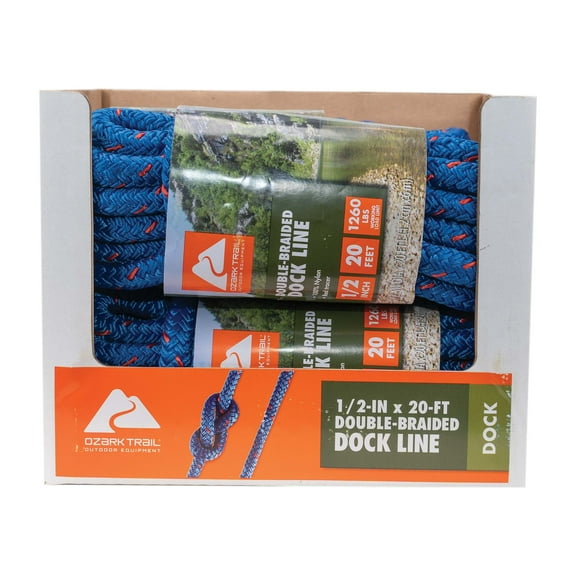
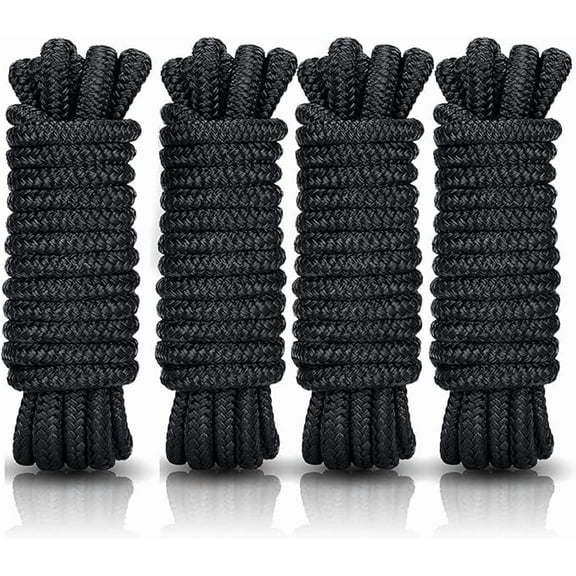
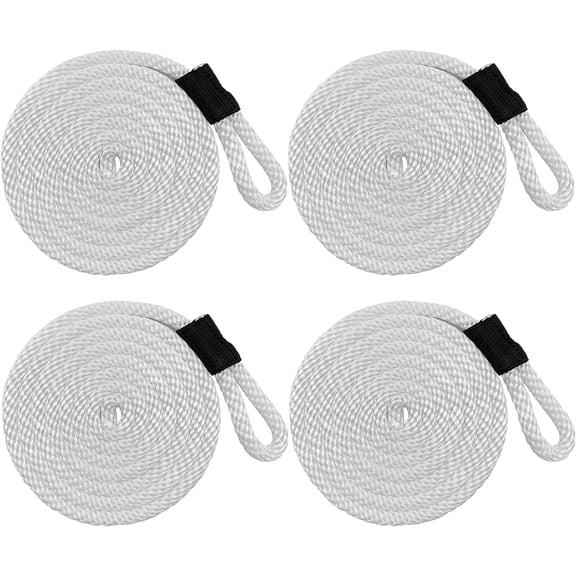
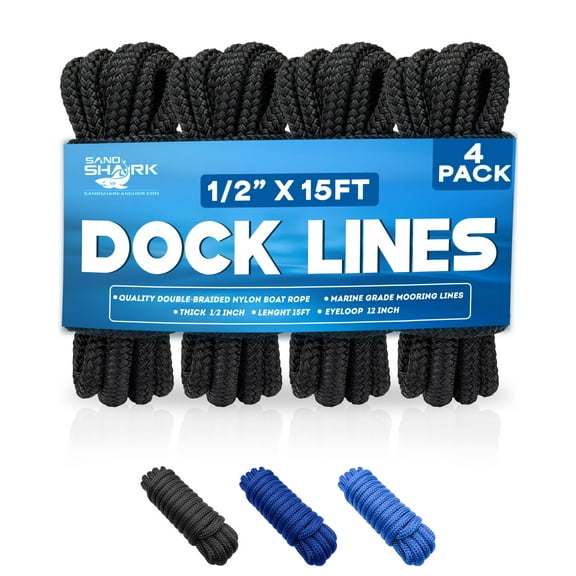
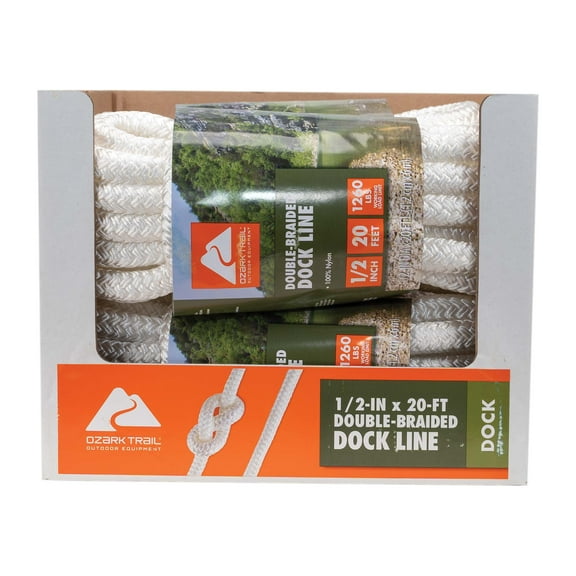
Double braided nylon dock lines give you a smooth feel and a round shape that’s easier to handle. You may prefer them when you want clean splices, steady strength, and a polished dock setup.
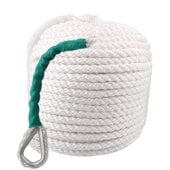
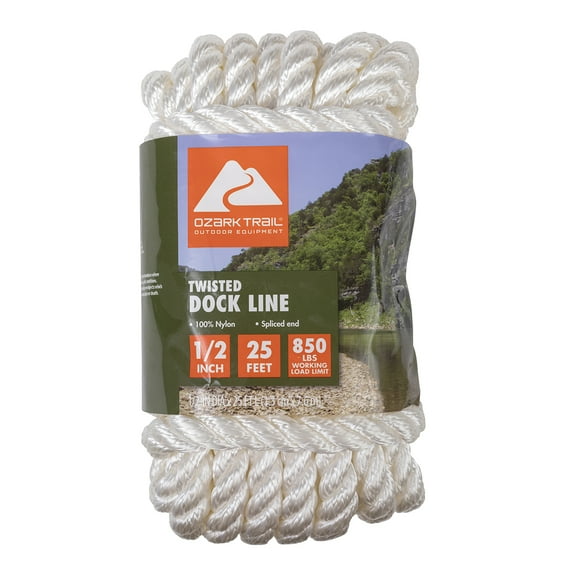
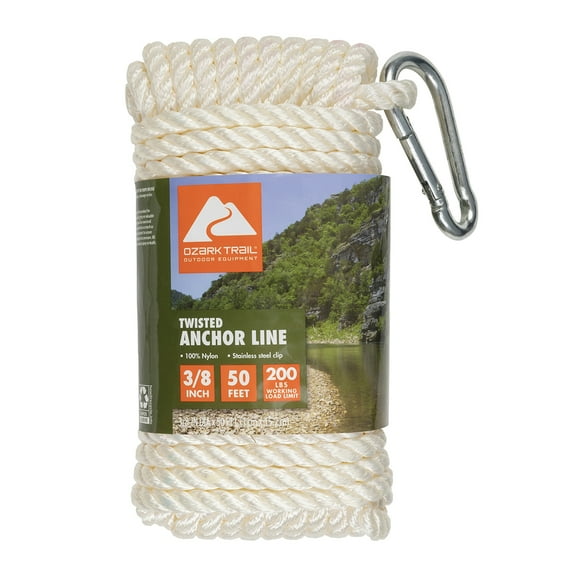
Three-strand twist nylon gives you a traditional rope style with visible lays and easy knot tying. You may choose it when you want a classic feel and straightforward line management.
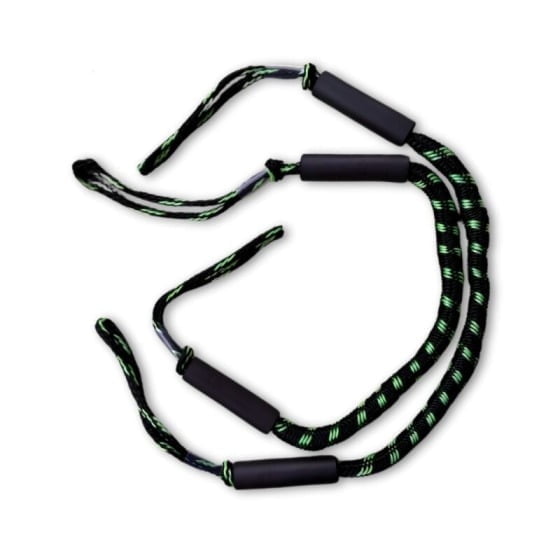
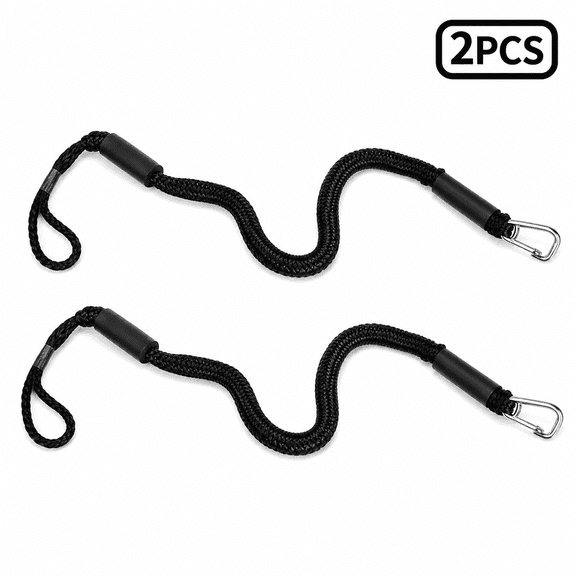
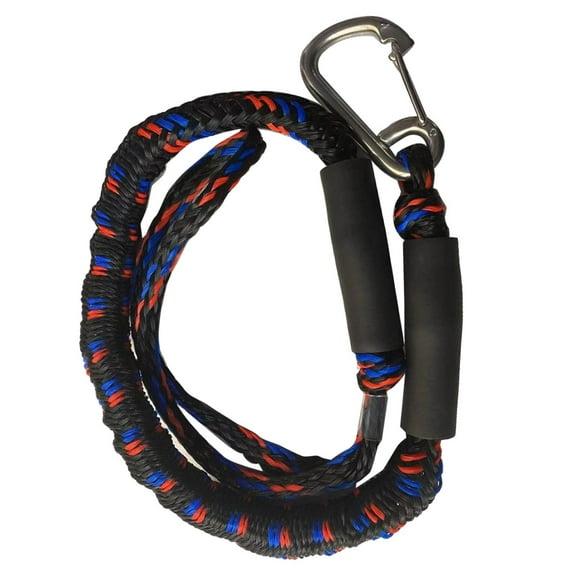
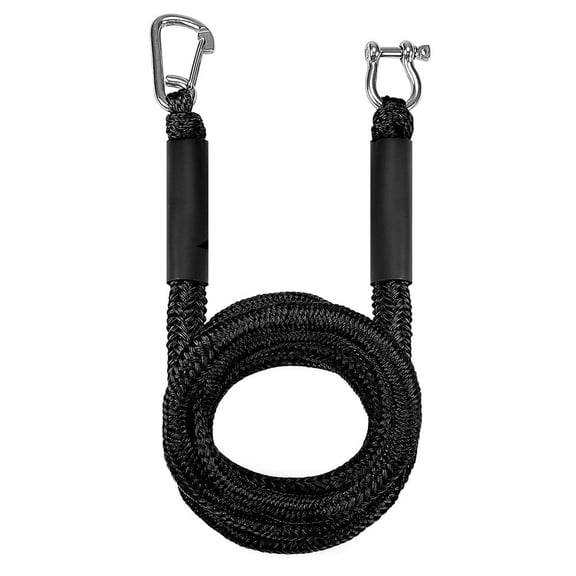
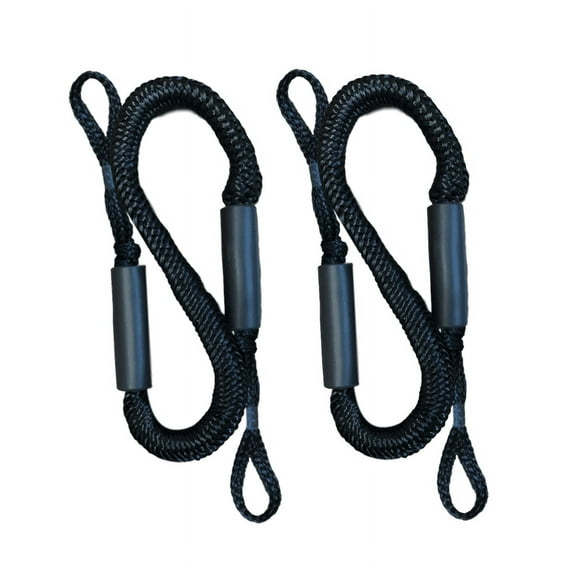
Bungee dock lines can suit quick temporary tie-ups where you want added stretch in changing water conditions. You should check fit and intended use, because elastic styles work differently from standard marine dock ropes.
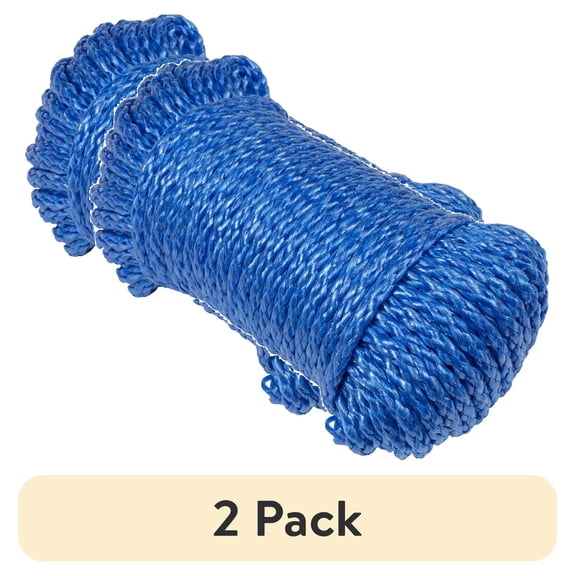
Polypropylene lines can be useful when you want a line that floats and feels lighter in hand. You may compare them carefully, because they handle differently than nylon during repeated docking.
What to look for in diameter and construction
You can narrow your options by checking common diameters like 3/8 inch, 1/2 inch, 5/8 inch, and 3/4 inch. You’ll want a size that fits your boat hardware without feeling too bulky or too thin.
If you’re shopping 1/2 inch dock lines, you may be balancing grip, flexibility, and handling comfort. If your boat is larger, you may move up in diameter for a fuller hand feel.
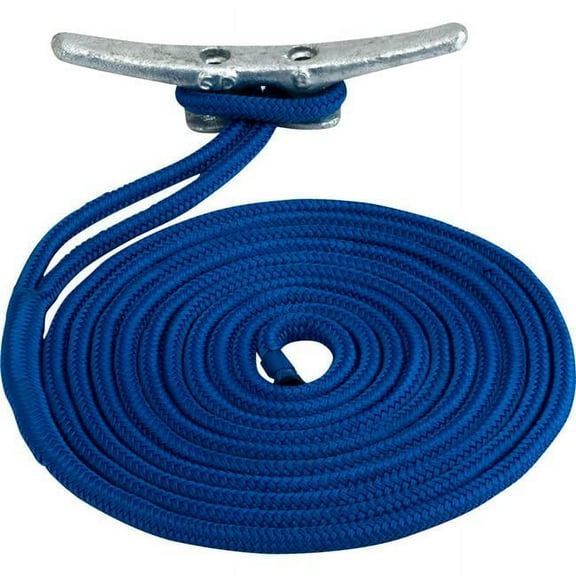
Eye construction also shapes how you use boat ropes for docking. You can choose a spliced eye when you want quick attachment to a cleat or piling.
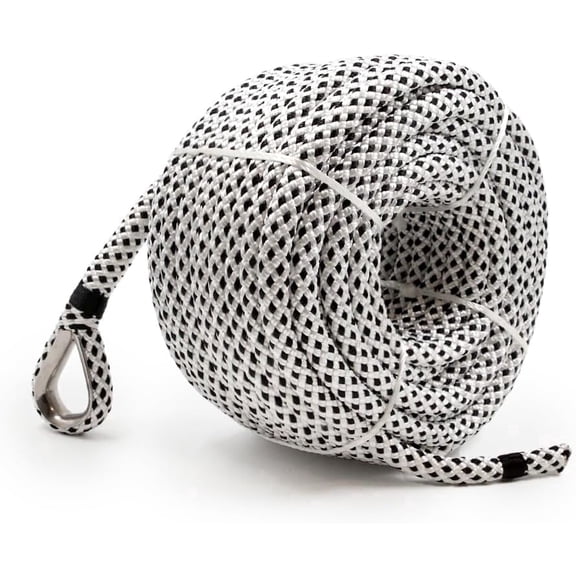
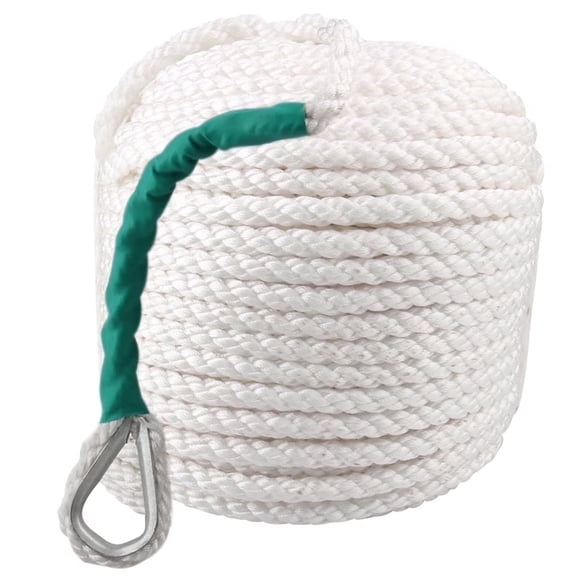
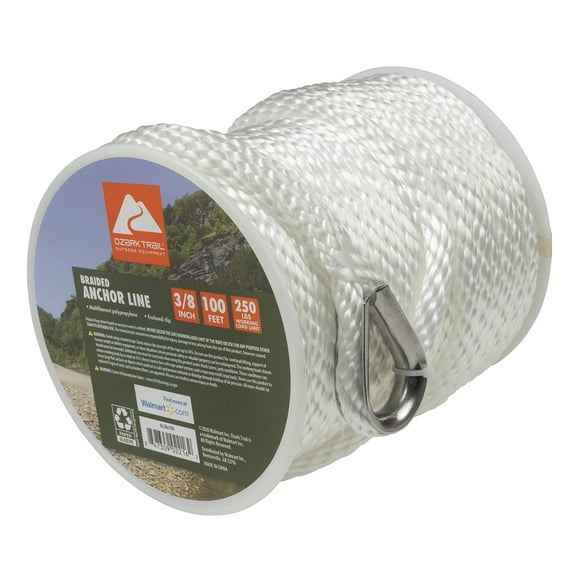
A thimble end can help you keep a defined loop shape where hardware contact matters. A plain end can work well when you want flexibility for custom knots or splicing.
You should also compare braid style, because construction changes how the line feels during coiling and storage. You’ll often notice double-braid feels smoother, while three-strand twist feels more traditional in hand.
Matching marine dock ropes to real docking needs
You can build a smart setup by matching line choices to where and how you dock. If you dock in a calm marina, you may want manageable lengths and smooth double-braided nylon.
When your boat shifts with wakes or tidal movement, you may look for mooring lines with more stretch. You can lean toward nylon options when you want your setup to absorb motion more smoothly.
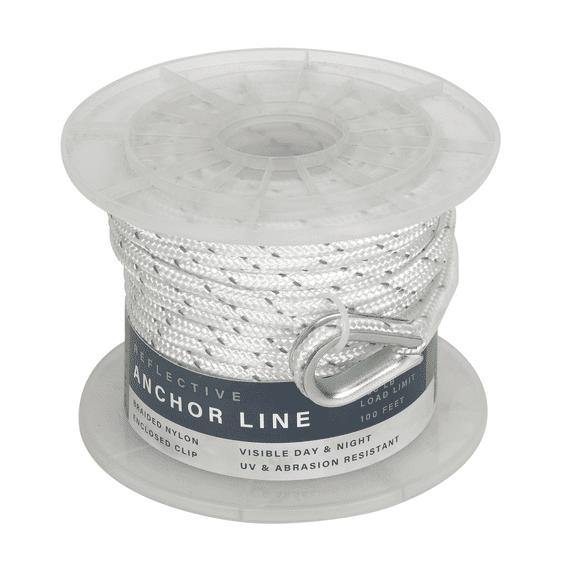
If you’re setting bow, stern, and spring lines, you’ll likely need different lengths for each position. You can mix 25 ft, 30 ft, and 50 ft lines to cover varied tie points.
For seasonal prep, you may compare snubber dock lines or bungee styles for quick convenience at short stops. You should still check your cleat size, dock spacing, and usual tie pattern.
You can also pair your docking setup with boat fenders, anchors and docking gear, and marine hardware. That approach helps you create a more complete system for arrival, tie-up, and storage.
When you compare dock lines by material, length, diameter, and eye style, you can choose with more clarity. You’ll end up with lines that fit your boat, your dock layout, and your everyday handling needs.