


Waterproof Dry Boxes & Kayak Dry Cases | Walmart





















About Waterproof Dry Boxes & Kayak Dry Cases | Walmart - Walmart.com
A waterproof dry box helps you protect phones, keys, maps, and small electronics during kayaking, paddle boarding, camping, and canoe trips. You can compare seal type, size, buoyancy, and attachment options quickly when you know what each feature means on the water.
If you carry gear through splashes, rain, or brief dunks, you’ll want a box built for outdoor movement. You can use this guide to sort through compact cases, seal tight box designs, and sport-focused options without guessing.
How to choose a waterproof dry box
You’ll make an informed choice when you start with the seal system. You should check whether you need water-resistant coverage for spray, or submersible coverage for deeper water exposure.
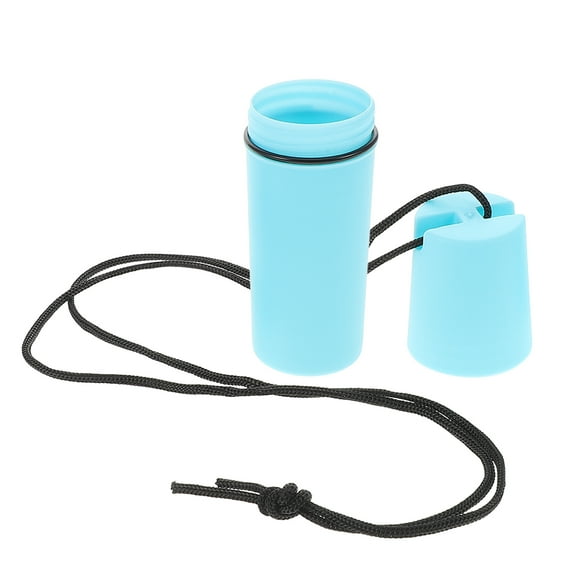
An O-ring sealed lid creates a tight barrier around the opening edge. You’ll often prefer that design when your route includes waves, wet launches, or gear storage inside a kayak hatch.
An airtight closure can also support float-friendly performance in many designs. You should still check whether your loaded box floats, because packed weight changes how buoyancy works.
- You can use water-resistant boxes for rain, boat spray, and campground storage.
- You can choose submersible boxes when your gear may face brief drops into water.
- You can look for O-ring sealed closures when you want a dependable gasket seal.
- You can compare latch styles when you want quick access with a secure close.
Choosing size and capacity for your gear
You should measure your phone, keys, cards, and battery packs before you choose a case. You’ll get an accurate fit when you compare interior dimensions instead of outside dimensions.
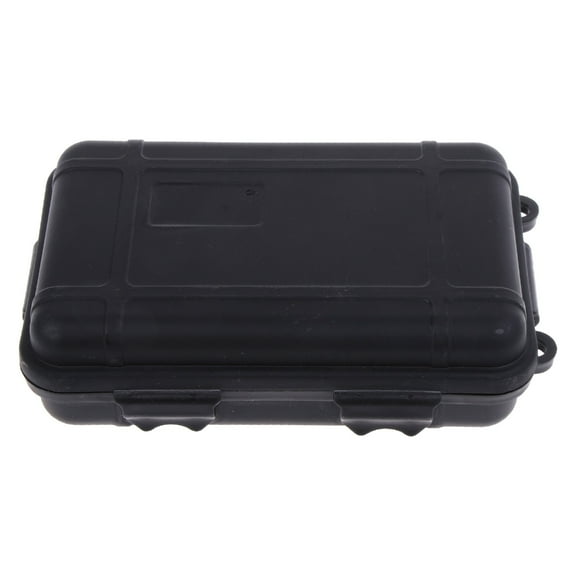
A small waterproof dry box works well when you carry essentials in a PFD pocket, deck bag, or day hatch. You can keep lighter items organized without giving up much room on a board or boat.
Medium and large boxes give you space for cameras, marine electronics accessories, first-aid basics, and paper maps. You should confirm interior length, width, and depth in inches or millimeters before you commit.
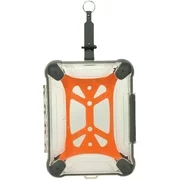
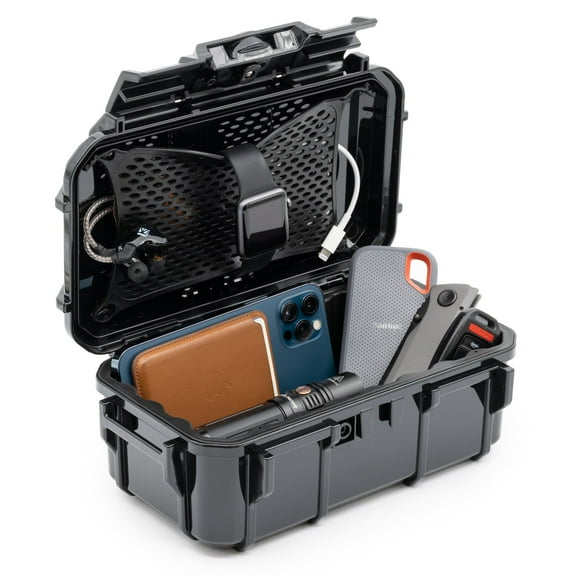
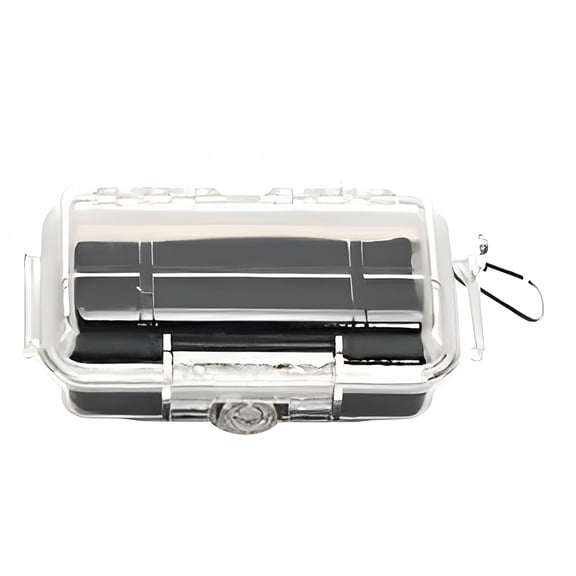
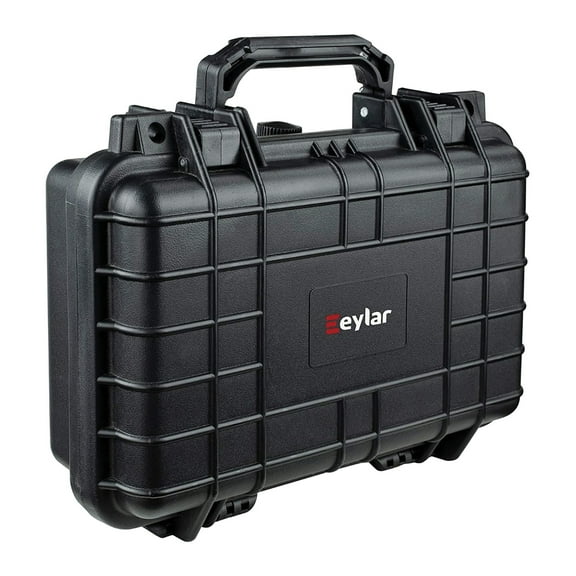
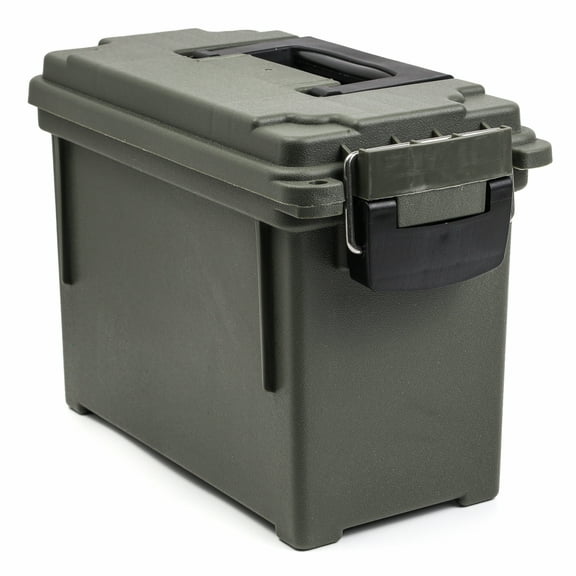
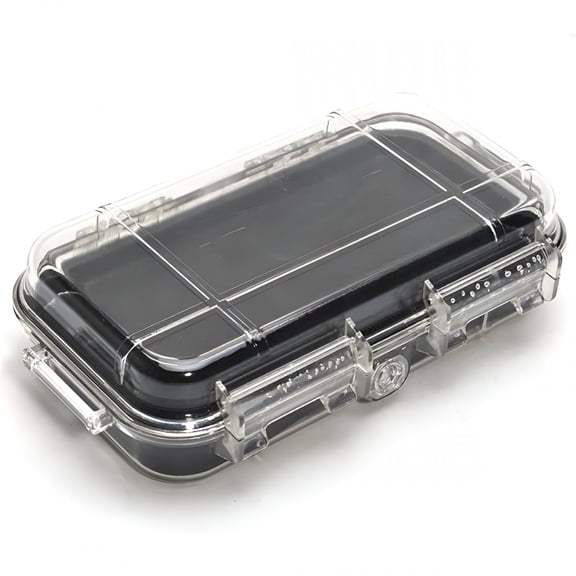
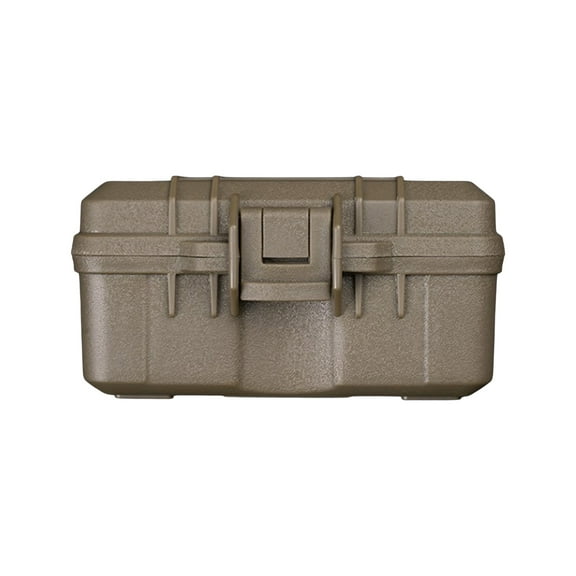
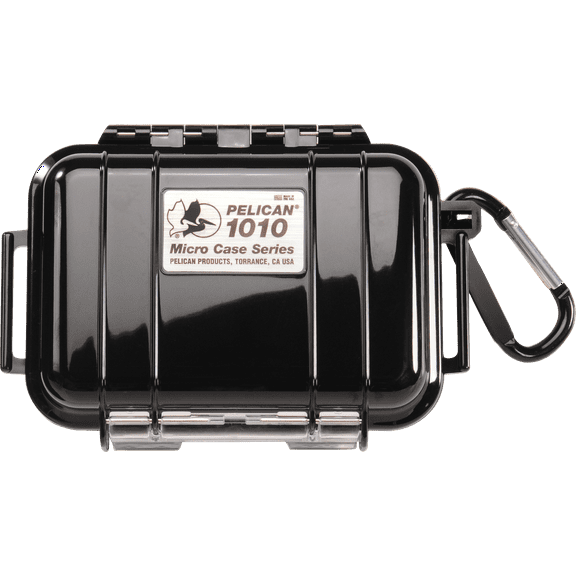
If you want a phone case alternative with rigid structure, a hard-shell box can help protect corners and screens. You’ll often find that rigid walls stack cleanly inside kayak storage areas.
Choosing activity compatibility for paddling and camping
You should match your box to the way you actually travel. A dry box for kayak use often needs compact dimensions, secure latches, and a shape that fits hatches or deck storage.
A kayak dry box can work well when you launch from rocky shorelines or paddle through chop. You’ll appreciate a secure lid when your gear shifts with each stroke and wake.
If you need a dry box for paddle board outings, you may want a lighter box with attachment points. You can clip it to deck rigging or store it in a larger bag setup.
Canoe trips often call for extra capacity and easy grab access. You might prefer an outdoor dry box with a hand strap when you move gear between camp, dock, and boat.
Camping use brings different priorities than paddling use. You can focus on weatherproof storage, dust control, and stackable shapes when your box stays in a tote or vehicle.
What to look for in seals, latches, and buoyancy
You should check how the latch closes and how the gasket sits around the lid. A loose hinge or uneven seal can affect confidence when your gear rides through rough water.
Some shoppers want a seal tight box that opens quickly with wet hands. You may also want a latch that resists accidental opening when the box bumps against paddles or hard gear.
IPX ratings can help you compare exposure levels in plain terms. You can think of lower ratings as splash-focused, while higher ratings withstand stronger water contact.
Buoyancy matters when your box could slip off a paddle board or dock. You should check whether it floats empty or loaded, because contents can change that result fast.
A floating design can simplify retrieval during paddle breaks and shoreline transfers. You may also like bright colors or lanyard loops when you want quick visual tracking on water.
Picking portability features that fit your trip
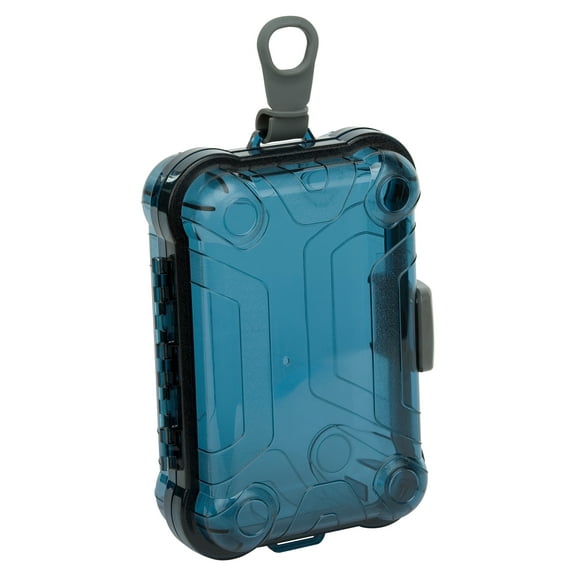
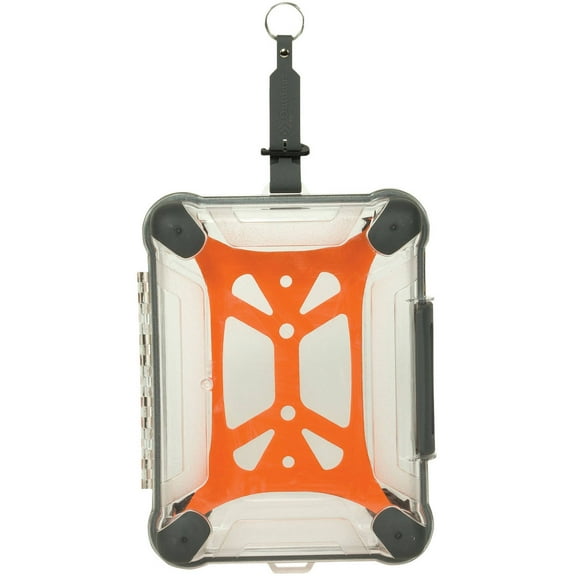
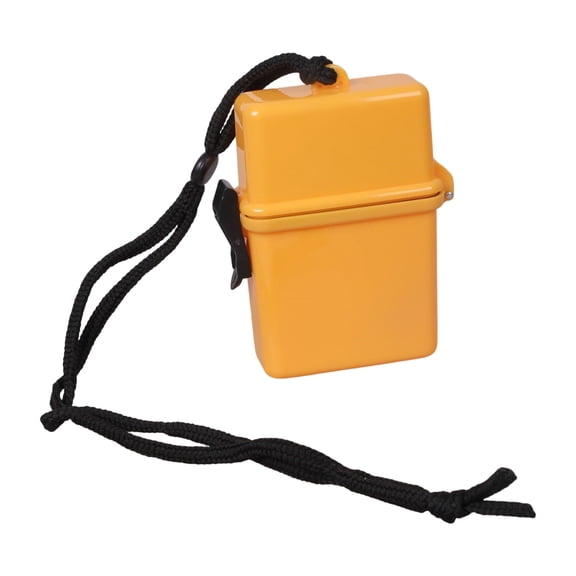
You’ll want attachment details that match how you carry gear between launch point and shoreline. A portable dry box may include a lanyard loop, carabiner clip, floating design, or hand strap.
If you move often between boat and camp, a hand strap can help with quick grabs. You can keep essentials close without digging through a larger duffel or bin.
A lanyard loop works well when you want to tether gear inside a canoe or clip it near your seat. You should make sure the loop placement doesn’t block the lid or latch.
Carabiner clip compatibility can simplify paddle board setups with deck rigging. You can secure smaller boxes to attachment points and reduce loose gear movement during turns.
Using a dry box for kayak and paddle board trips
You can use a dry box for kayak day trips to separate valuables from snacks, towels, and soft bags. You’ll keep small essentials easy to reach during launches, landings, and breaks.
On a paddle board, you may want compact storage for keys, cards, and a phone. You can choose a smaller case when you need low bulk and quick clipping options.
During canoe outings, you might pack maps, matches, lights, and batteries in one rigid container. You’ll gain a simple way to organize must-have items that shouldn’t shift loose.
For camping weekends, you can use the same box inside a tote, tent pocket, or vehicle organizer. You’ll get structured storage that handles damp mornings and dirty surfaces well.
If you rotate between water sports and campground use, flexible sizing becomes highly useful. You can keep one compact box for essentials and one larger case for shared gear.
When you compare dimensions, seal type, latch design, and float behavior, you can narrow options with confidence. You’ll end up with a waterproof dry box that fits your gear, your boat, and your routine.