

Face Primer in Face Makeup
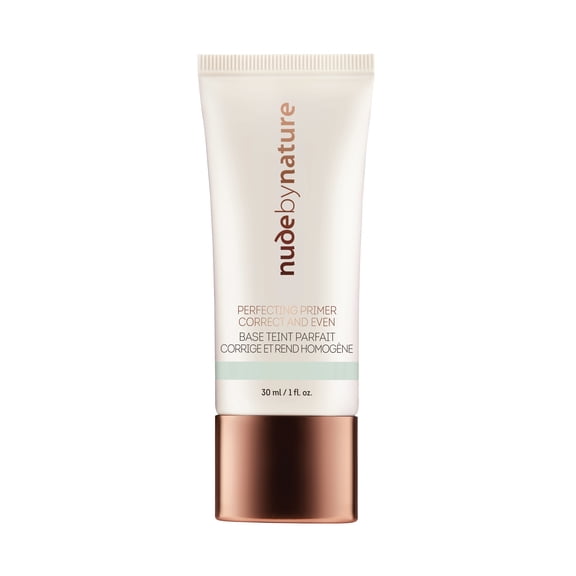


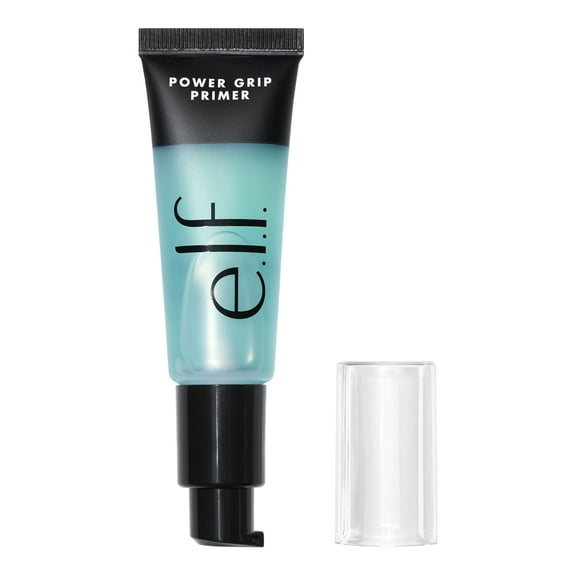
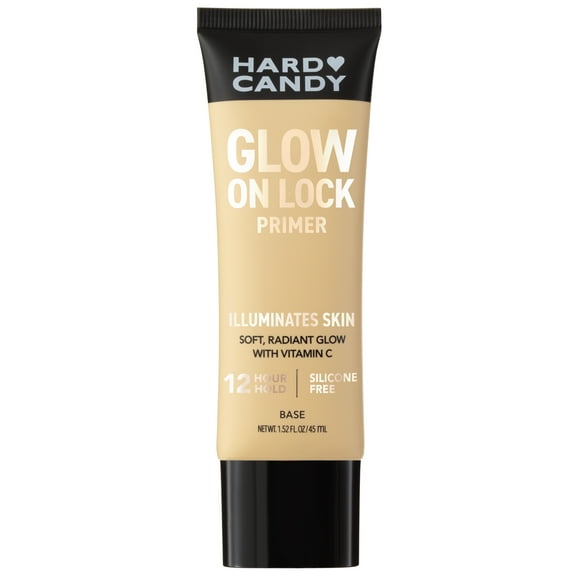


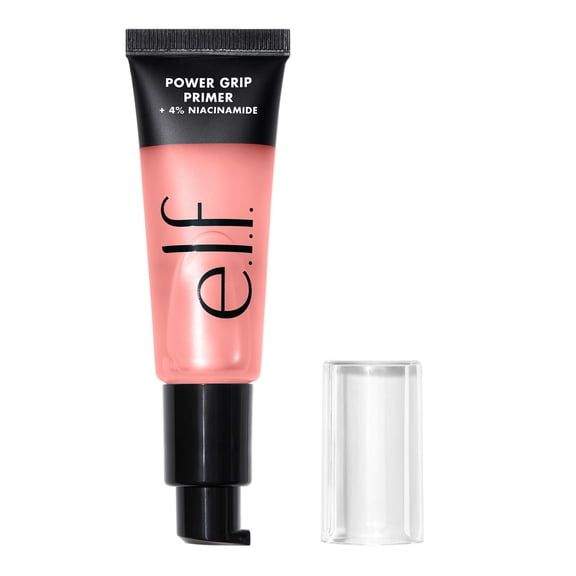





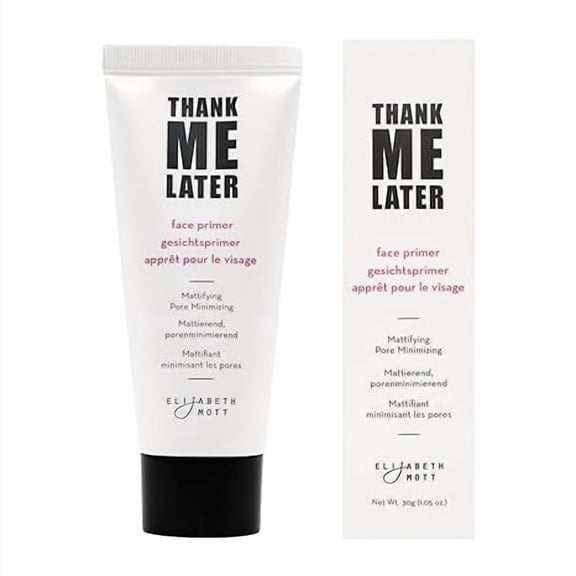

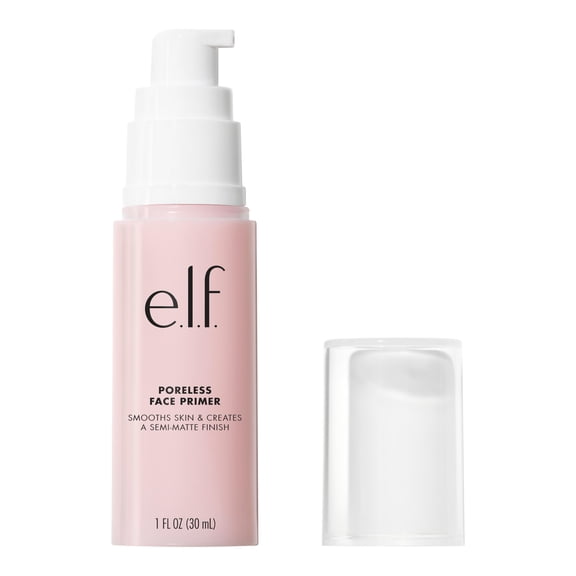

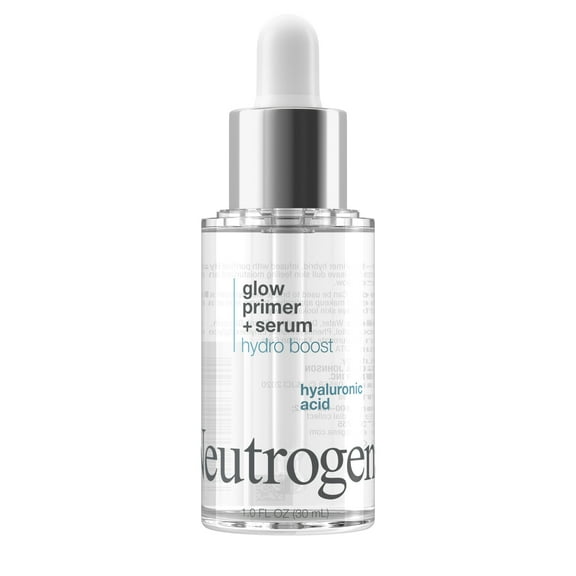
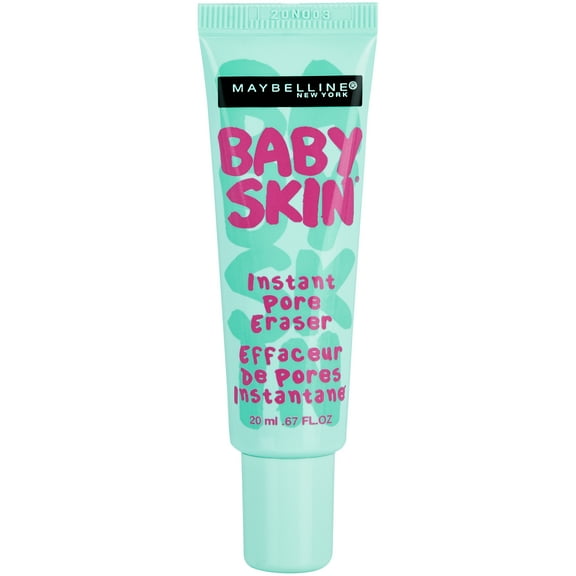


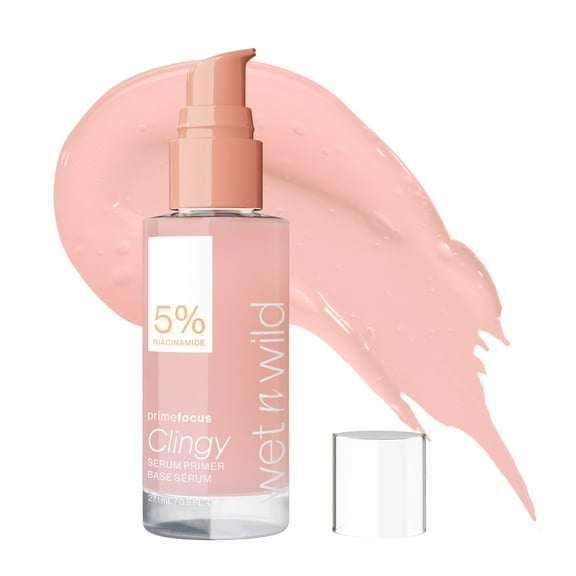
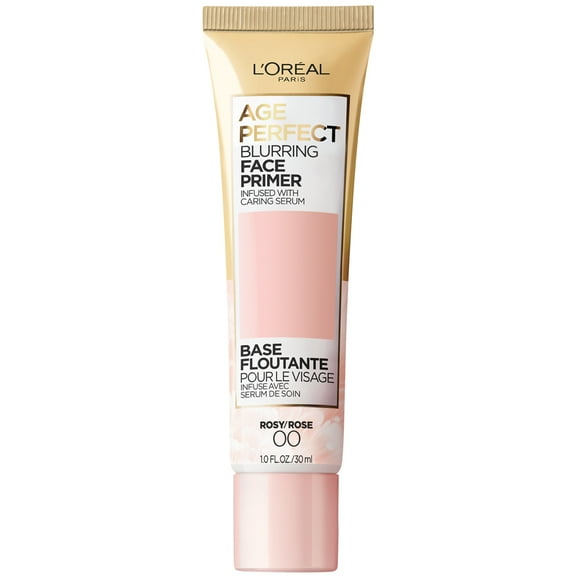
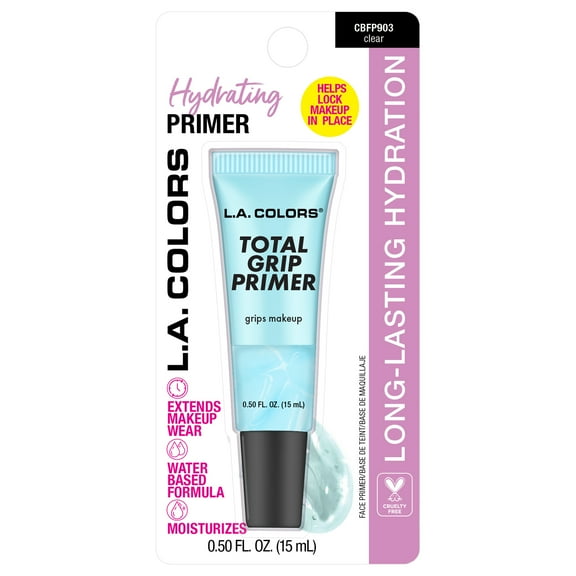
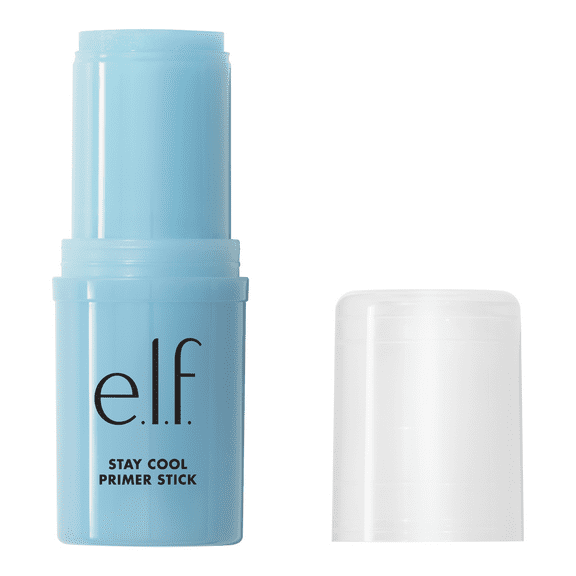
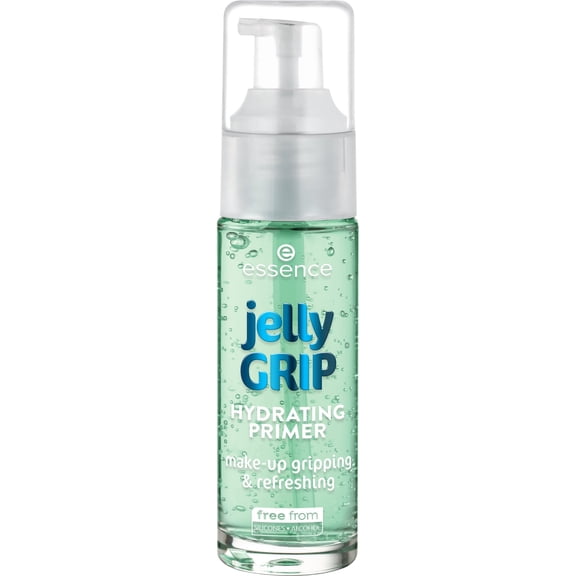
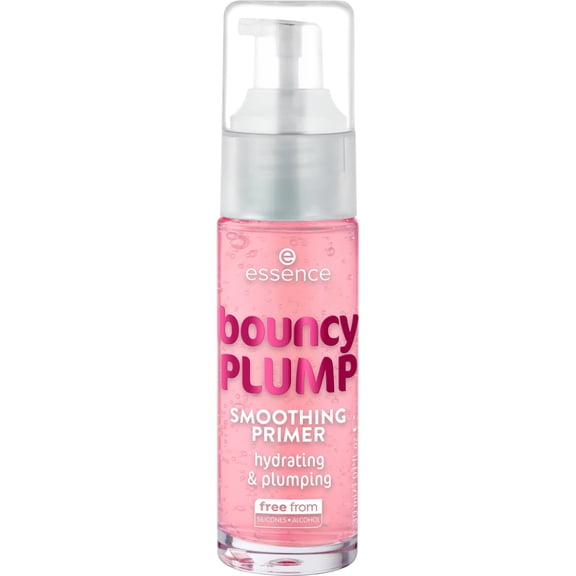
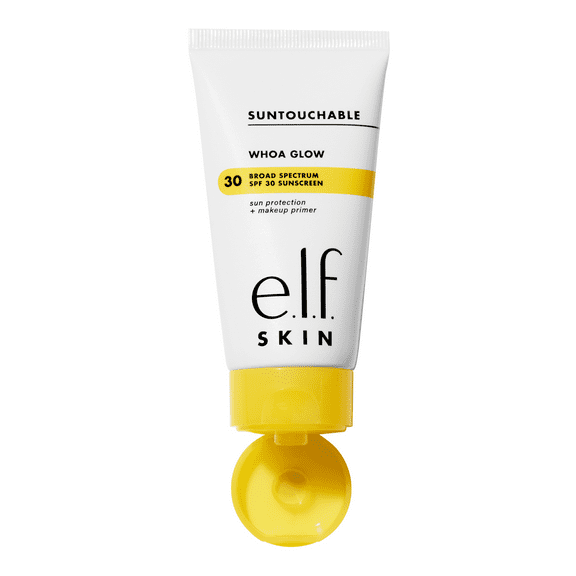


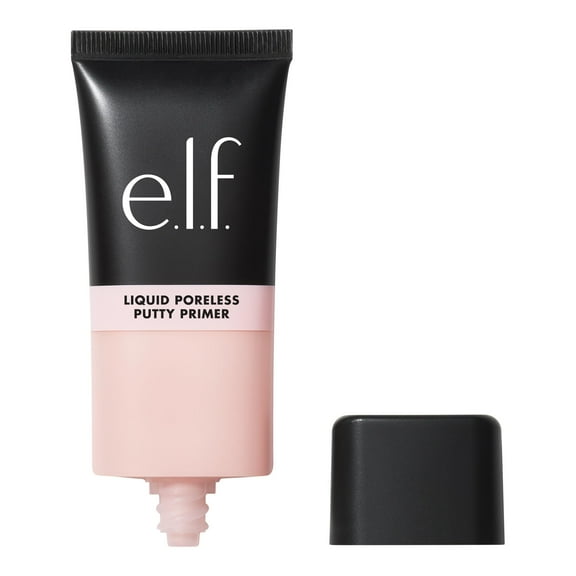














About Face Primer in Face Makeup - Walmart.com
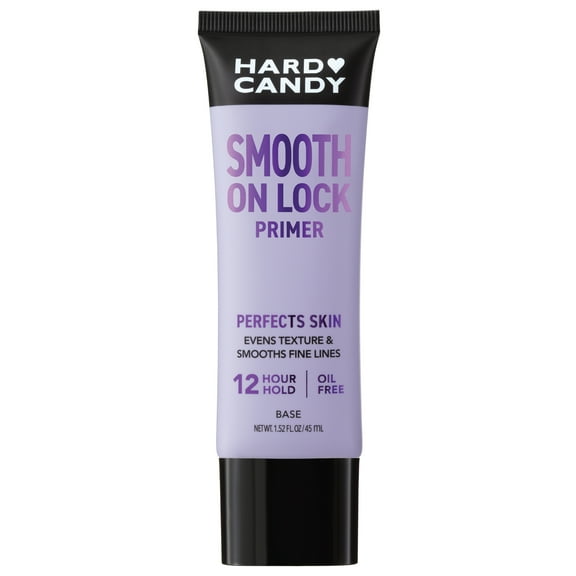
Face primer helps you create a smoother makeup base and a more even finish before foundation. You can compare skin type, finish, formula base, and wear goals to choose the right match.
How to choose face primer for your skin type
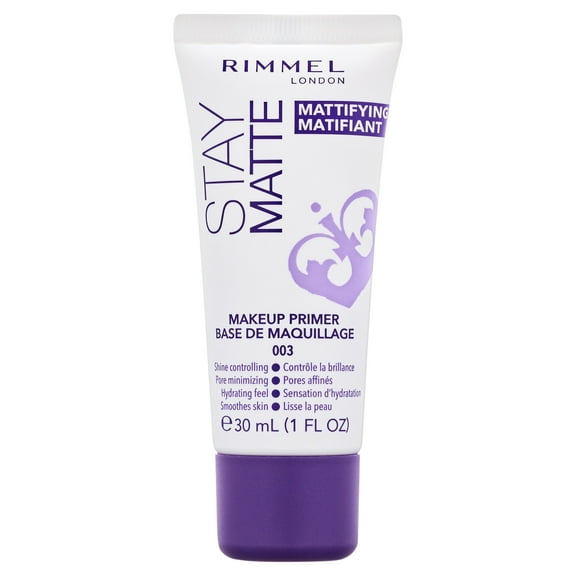
If you have oily skin, you may prefer a primer for oily skin with a shine-controlling feel. You can look for a matte finish that helps your makeup look more even through long days.
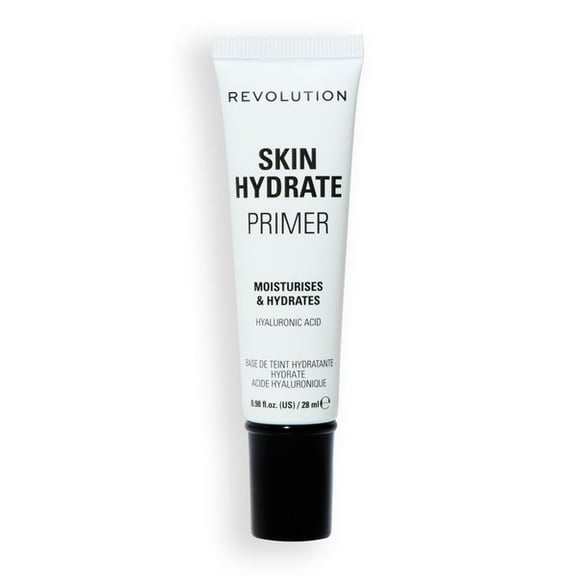
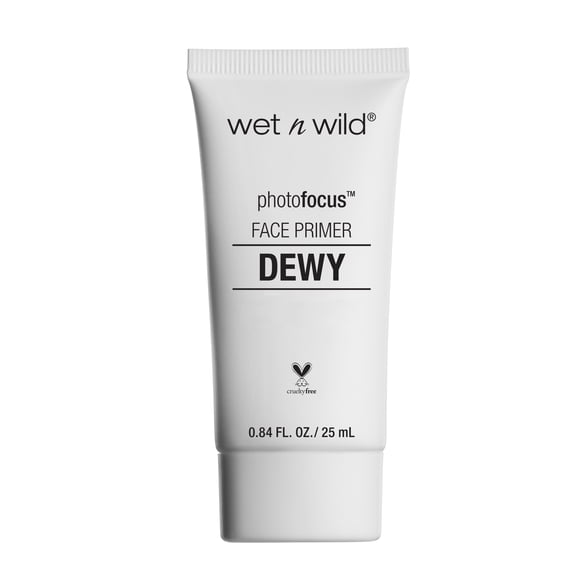
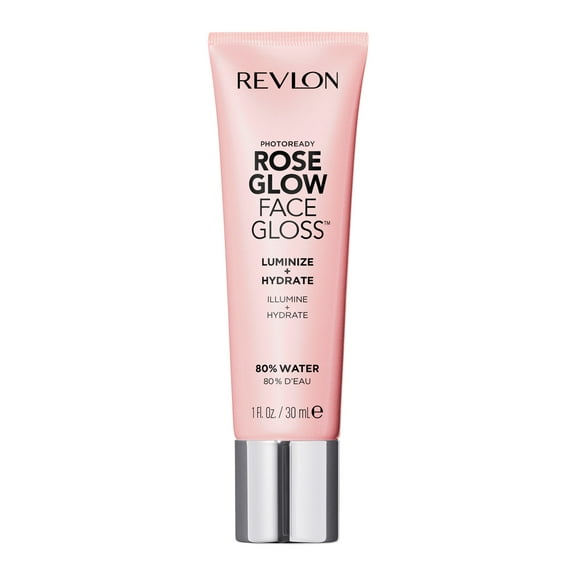
When your skin feels dry, a hydrating primer can help your base apply with less dragging. You can also compare dewy or radiant finishes if you want a fresher look.
Combination skin often needs balance across different areas of your face. You may want a formula that smooths your T-zone while keeping your cheeks comfortable.
If your skin feels reactive, you can focus on simple formulas and lightweight textures. You should also check product details carefully, so your routine stays easy to layer.
Key benefits you can compare in makeup primer
You can narrow your options faster when you start with the result you want most. A makeup primer can help you target texture, finish, grip, or added moisture before color products.
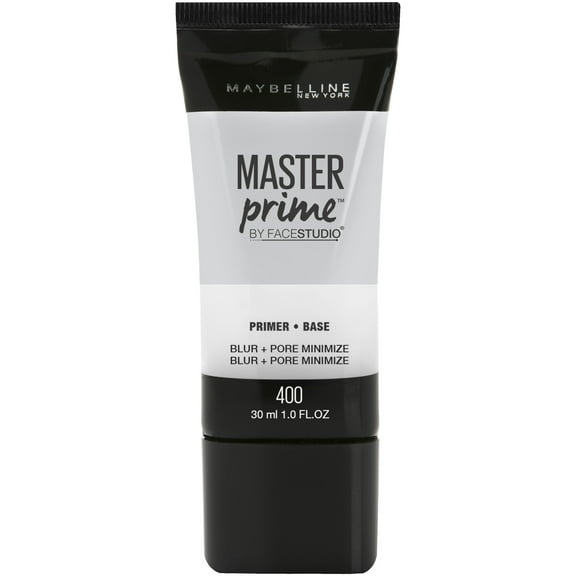
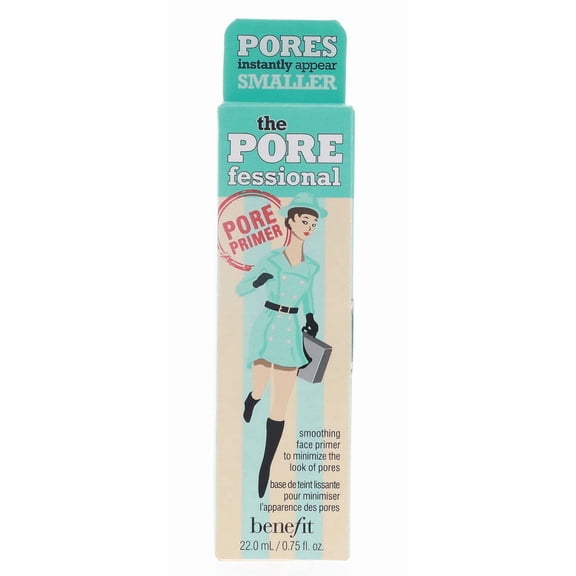
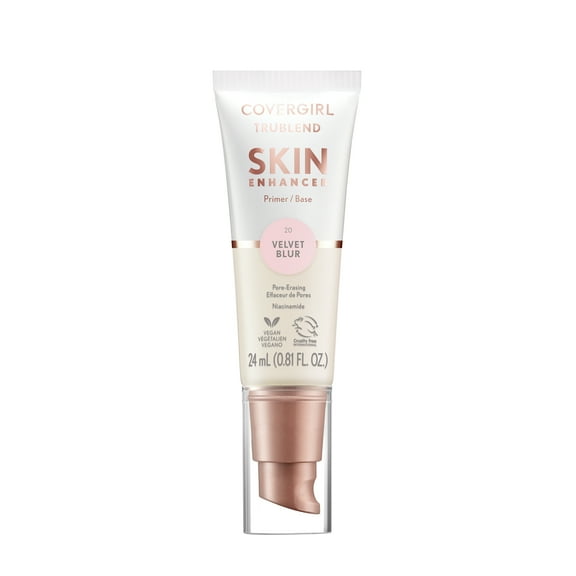
- You can choose a pore minimizing primer when you want a blurred look around the nose and inner cheeks.
- You can choose a hydrating primer when you want foundation to glide on more evenly.
- You can choose a gripping formula when you want your makeup to stay in place longer.
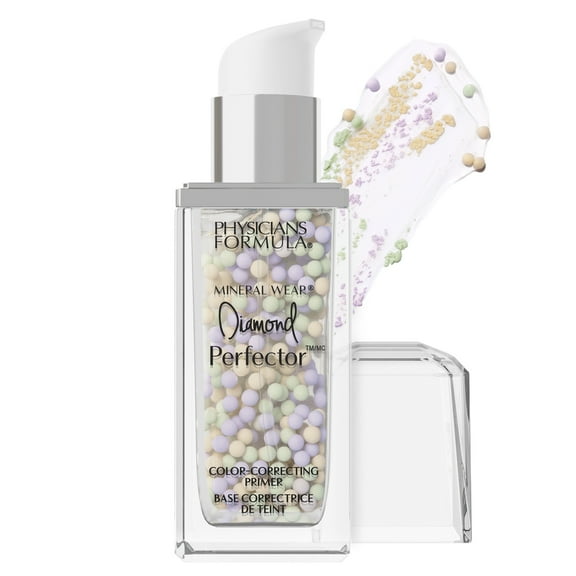
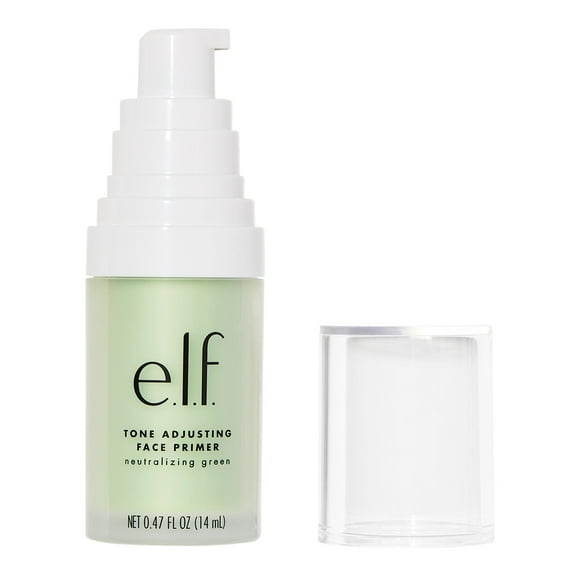
- You can choose a color correcting option when you want to balance visible uneven tones.
A matte face primer can help you create a soft-focus look that pairs well with fuller coverage. You may prefer this finish when you want less visible shine in photos.
A natural or radiant finish can keep your makeup from looking flat or heavy. You can compare these finishes when you want your skin to look fresh, not overly powdered.
Comparing matte face primer and hydrating primer
You should compare finish and feel together, because they shape how your makeup wears. A matte face primer usually suits shine control, while a hydrating primer supports smoother blending.
If you wear foundation for long shifts, events, or warm weather, you may prefer a matte option. You can use that route when your makeup tends to separate around the T-zone.
If your base looks patchy by midday, you may want extra moisture under your complexion products. You can use a hydrating option when your makeup tends to catch on dry areas.
You can also compare natural and dewy finishes if you want a flexible everyday look. Your final choice depends on how much glow, grip, or blur you want.
Choosing between water based face primer and silicone-based formulas
You should check whether your primer matches your foundation base before you commit. A water based face primer often layers smoothly with water-based foundation and can help reduce pilling.
If you prefer a lightweight feel, you may lean toward water-based formulas for daily wear. You can compare ingredient lists and product details to confirm how each option is built.
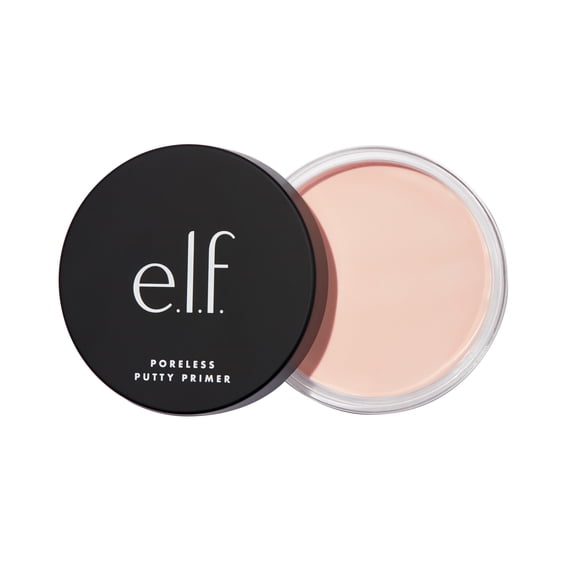
Silicone-based formulas often focus on slip and surface smoothing for a blurred finish. You may like that texture when you want pores and fine texture to look less noticeable.
You can improve application by matching similar bases across your routine. If your foundation is water-based, you should consider a similar base for a more even layer.
What to look for in pore minimizing primer and wear time
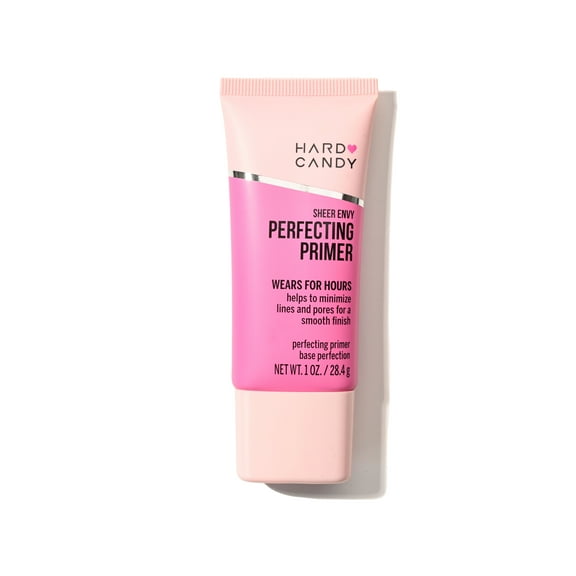
You should think about where your makeup usually breaks down first. A pore minimizing primer can help you focus on visible texture around the nose, chin, and forehead.
If long wear matters most, you can compare gripping textures and finish claims in the product details. You may want a formula that supports your makeup through workdays, events, and touchups.
You can also think about how your primer works with the rest of your routine. Your concealer, foundation, and setting spray may apply more evenly when your base feels balanced.
For quick routines, you may want a primer that smooths skin and supports makeup in one step. You can keep your routine simpler while still getting a more polished result.
How you can match face primer to real routines
If you build a full-glam look, you may want smoothing texture and strong grip under fuller coverage foundation. You can compare matte, pore-focused, and silicone-based options for that routine.
For everyday makeup, you may prefer a natural finish with light hydration and easy blending. You can look for water-based or lightweight formulas that layer well under skin tints.
If you get ready for work in a hurry, you may want a primer that supports quick, even application. You can pair it with foundation, concealer, and setting spray for a more cohesive finish.
When you switch between seasons, your skin may need a different finish or formula base. You can move from matte options in humid weather to hydrating textures in drier months.
You can choose face primer with more confidence when you compare skin type, finish, formula base, and main benefit together. Your makeup routine feels easier when your primer supports smoother application and longer-lasting wear.