


Fishing Flies & Fly Fishing Flies | Shop In-Store & Online












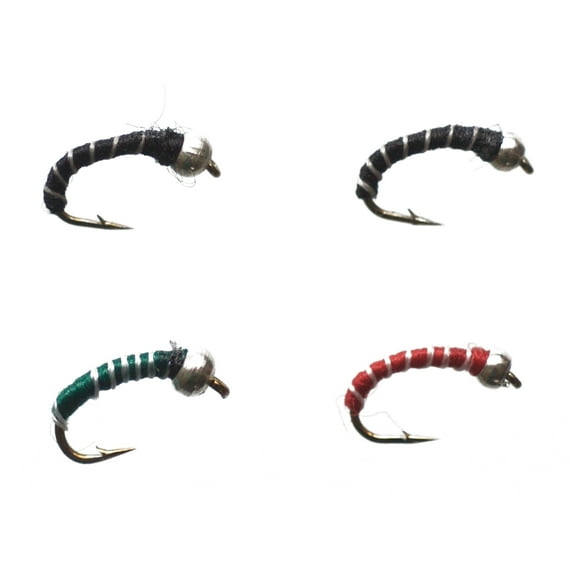
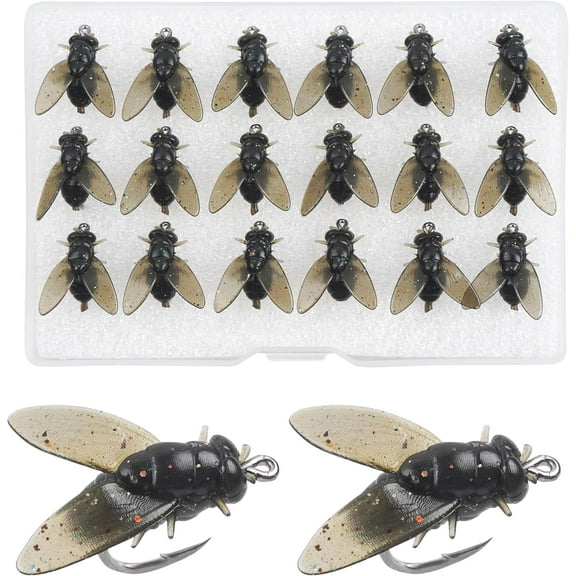


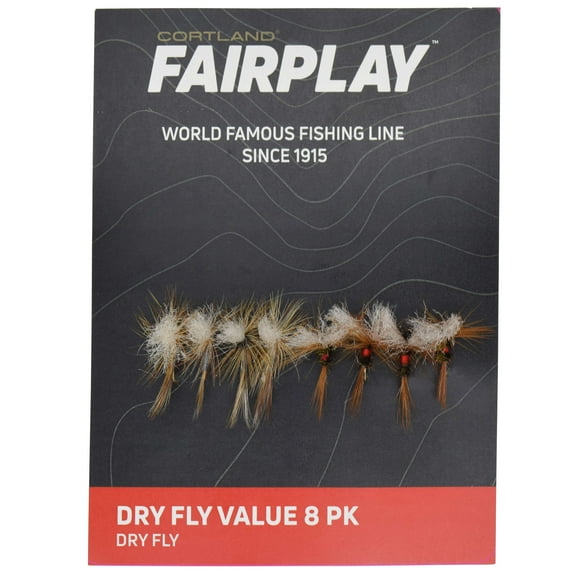


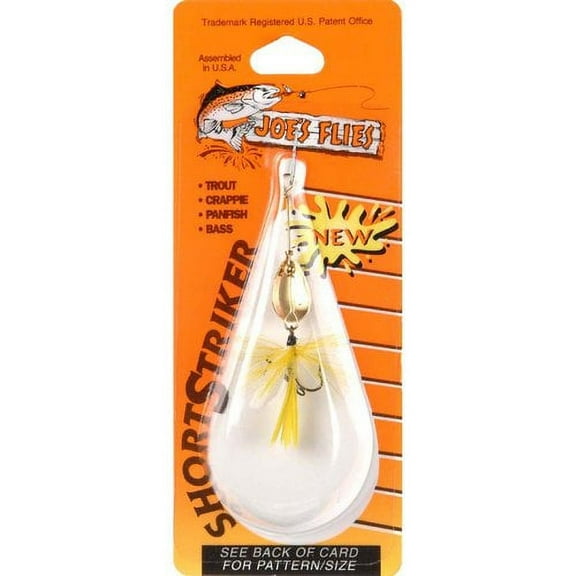



About Fishing Flies & Fly Fishing Flies | Shop In-Store & Online - Walmart.com
You can choose fishing flies more confidently when you compare fly type, target species, water conditions, and construction before your next cast. You’ll also find pickup and delivery options that help you get flies for fishing without guessing which patterns fit your water.
If you’re building a box for trout streams, bass ponds, or mixed freshwater outings, you’ll want category guidance that matches how fly fish flies actually perform. You’ll notice that fish flies vary by buoyancy, profile, weight, and hook size, so your selection matters on the water.
How to choose fishing flies by fly type
You should start with fly type because it affects where your presentation rides and what fish think they’re seeing. You can compare dry flies, wet flies, nymphs, and streamers by depth, motion, and imitation style.
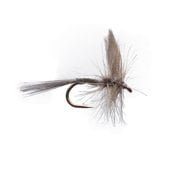
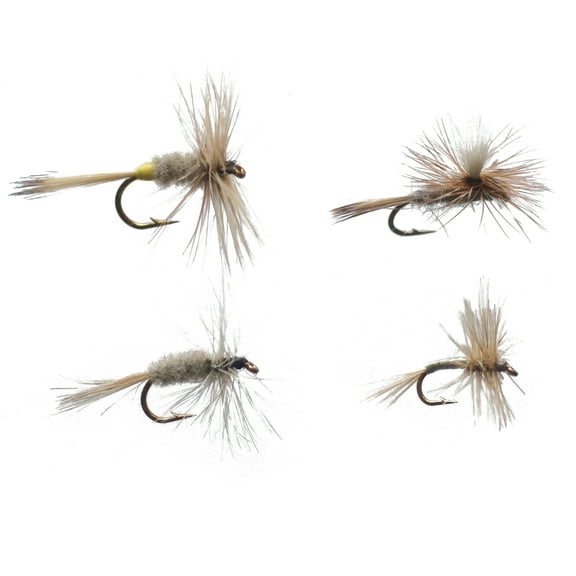
When you choose dry flies, you’re selecting patterns designed to float on the surface like emerging or landed insects. You’ll often use them when you can see surface feeding and want a visible drift.
If you choose wet flies, you’re picking patterns that fish below the surface with a softer, submerged look. You can use them when fish won’t rise but still respond to a moving, natural profile.
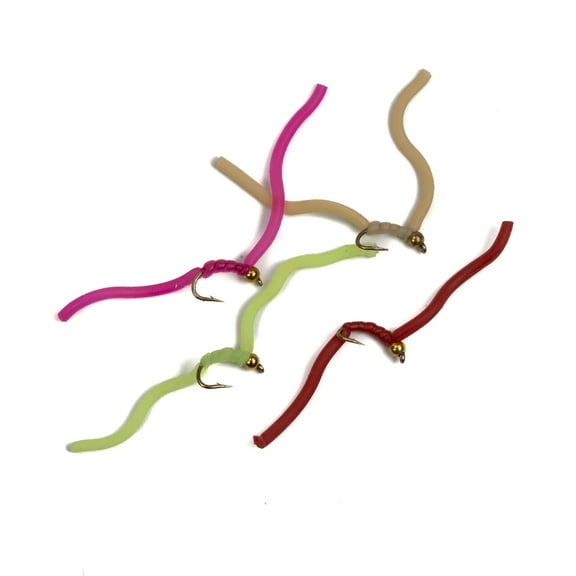
When you reach for nymphs, you’re matching underwater insect stages that trout and panfish often feed on steadily. You’ll usually pair nymphs with added weight or indicator setups when you need a deeper drift.
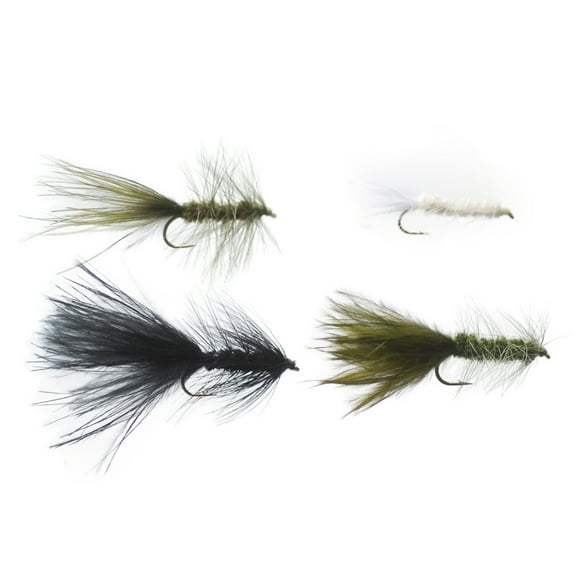
If you select streamers, you’re choosing larger profiles that suggest baitfish, leeches, or swimming prey. You can use them for aggressive strikes when bass, trout, or salmon are chasing movement.
- You can use dry flies when your target feeds on the surface.
- You can use nymphs when you need a natural drift below the surface.
- You can use streamers when you want a larger silhouette and active retrieve.
- You can use wet flies when you want a simple subsurface option across changing conditions.
Choosing artificial flies for fishing by species and hook size
You should match your pattern to the species you’re targeting because trout, bass, panfish, and salmon often key in on different prey. You’ll improve your choices when you compare hook size, profile, and imitation style together.
For trout flies, you may look for mayfly, caddis, midge, and stonefly patterns that match local insect life cycles. You can often narrow your choice by checking whether your water has surface activity, nymph movement, or baitfish.
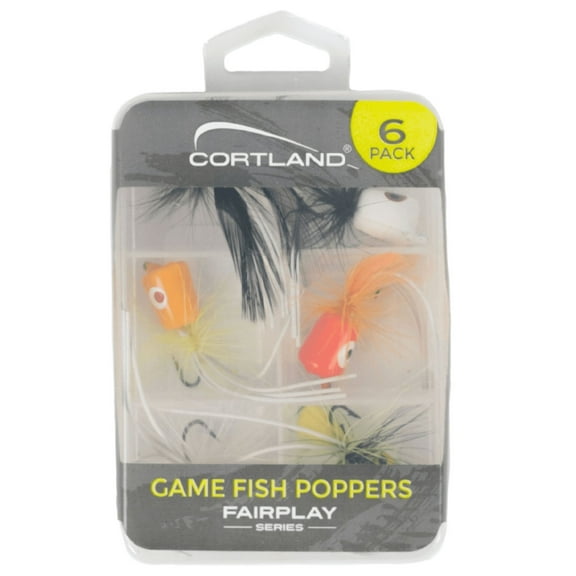
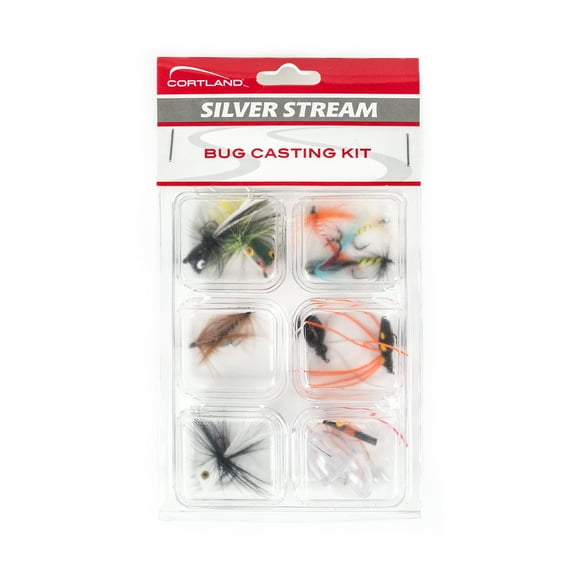
For flies for bass fishing, you may prefer larger streamers, poppers, or bug-style patterns with more push and flash. You’ll often compare hook size and body shape because bass usually respond to a stronger silhouette.
If you’re targeting panfish, you can often fish smaller nymphs, tiny streamers, or simple wet flies with steady action. You’ll usually want manageable hook sizes that suit smaller mouths and lighter presentations.
When you’re choosing salmon patterns, you may compare brighter colors, weighted options, and larger hooks for current and visibility. You can make more informed selections when you match pattern size to water speed and fish location.
What to look for in water type and depth
You should compare freshwater, saltwater, stillwater, and moving water because each setting changes how your fly rides. You’ll also want to consider depth and current before you choose between floating and sinking presentations.
In moving water, you may need nymphs or weighted flies that reach feeding lanes without drifting unnaturally. You can also use dry flies when fish are rising and current seams let you control the drift.
In stillwater, you’ll often compare retrieve speed, fly weight, and profile because the fly won’t drift itself. You can use streamers, wet flies, or balanced nymph styles when you want depth and motion control.
If you fish freshwater creeks, rivers, and ponds, you can build around insect imitations and baitfish patterns for local species. When you fish saltwater, you may look for corrosion-conscious materials and larger forage profiles.
You should also think about local hatch timing because fish often focus on one food source for a short window. You can match that behavior with mayfly-like dries, midge-style nymphs, or baitfish streamers that fit the season.
Comparing construction, materials, and assortment options
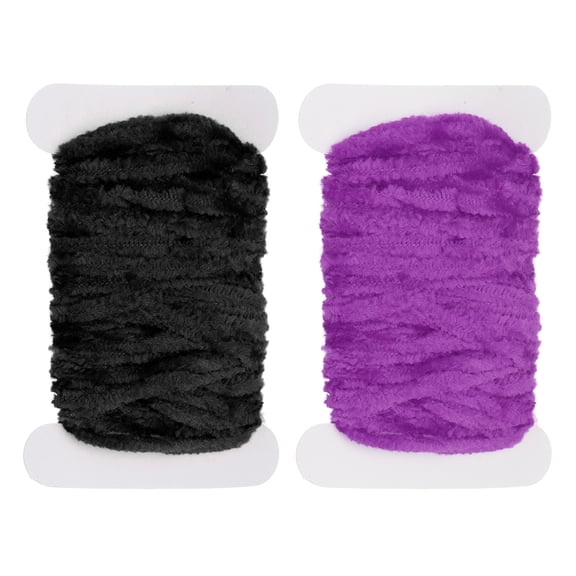
You can compare hand-tied, synthetic, natural feather, and weighted construction to understand how a pattern looks and fishes. You’ll notice these choices affect sink rate, movement, durability, and how closely a fly matches local forage.
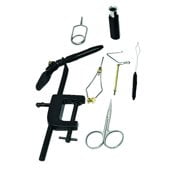
When you choose hand-tied patterns, you’re often focusing on detailed profiles and classic tying styles. If you choose synthetic materials, you may get crisper shapes, flash accents, and simplified maintenance after repeated trips.
If you prefer natural feather patterns, you’ll often get softer movement that can look lively in current. When you choose weighted flies, you can reach deeper holding zones without relying only on added terminal pieces.
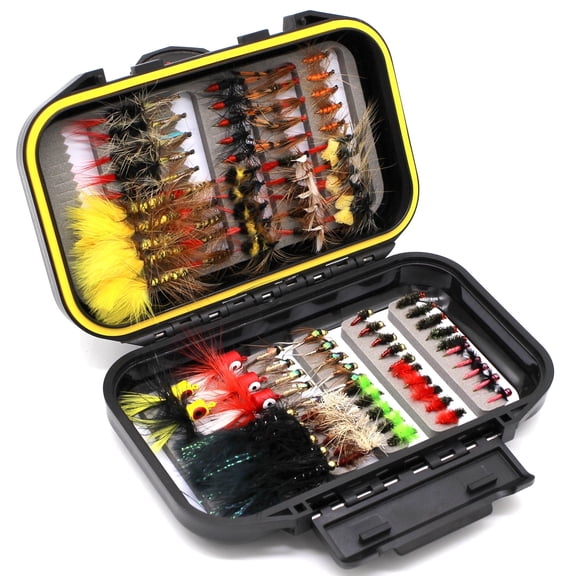
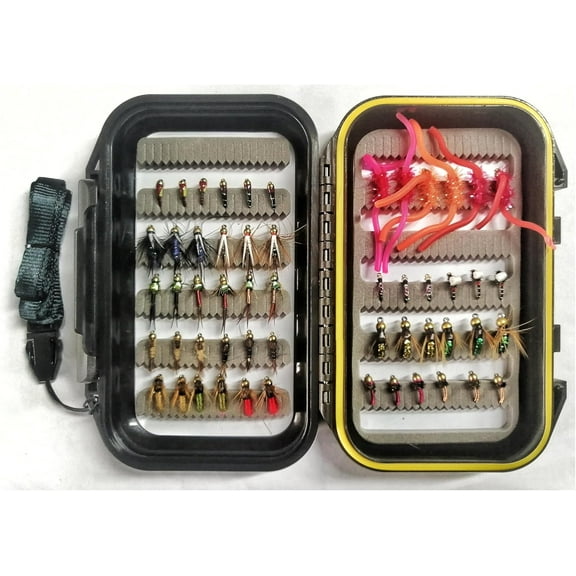
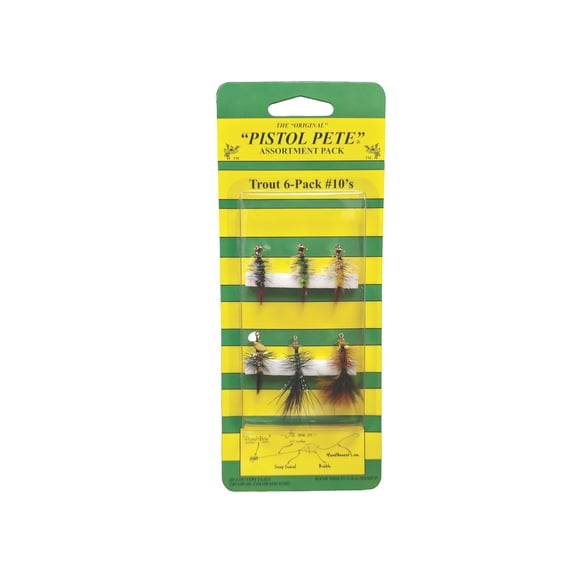
You should also compare pack assortments with individual selections based on how you fish and organize your box. You can use assortment packs to cover several hatch stages, or choose singles when you already know the pattern you need.
You may also want nearby fulfillment options when you’re replacing lost patterns before a trip or filling seasonal gaps. You’ll get more from your setup when your flies match your rod, reel, leader, tippet, and storage plan.
Using fishing flies for real fishing situations
You can build a practical trout setup by combining dry flies for surface feeding, nymphs for deeper drifts, and a few streamers for faster water. You’ll cover more conditions when your box includes multiple hook sizes and insect stages.
If you’re heading to a bass pond, you may choose larger flies for bass fishing with stronger profiles and active retrieves. You can work shallow edges with surface patterns or move deeper with weighted streamers.
When you fish panfish in neighborhood ponds or small lakes, you can keep your choices simple with small wet flies and nymphs. You’ll appreciate assortment packs when you want quick coverage without overbuilding your box.
If your local water changes with season, you can rotate between hatch-matching trout flies and broader attractor patterns. You’ll stay flexible when insect activity fades, current rises, or fish shift toward baitfish.
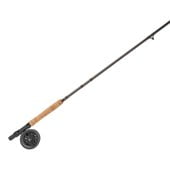
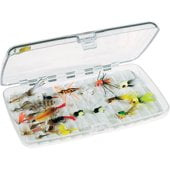
You can round out your fly fishing kit with fly rods, fly reels, tippet and leaders, plus tackle boxes that keep patterns sorted. You’ll make quick on-water adjustments when your gear and fly selection work together.
You’ll make more strategic fly choices when you compare species, water type, construction, and presentation instead of guessing by color alone. With the right fishing flies, you can approach each cast with a pattern that fits the water in front of you.