











Five Star College Notebooks & School Supplies



















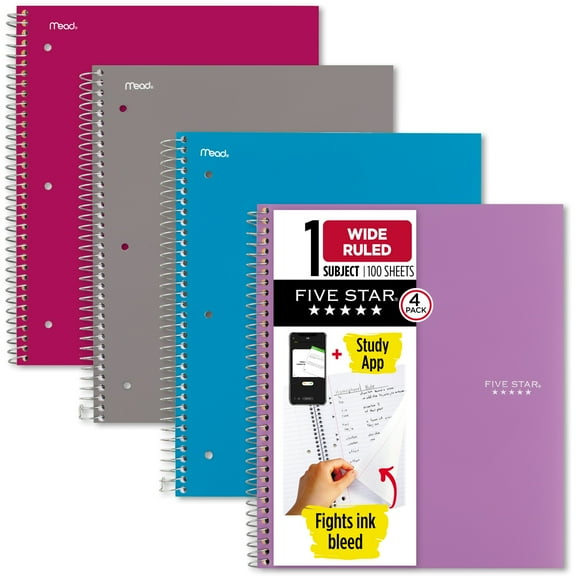
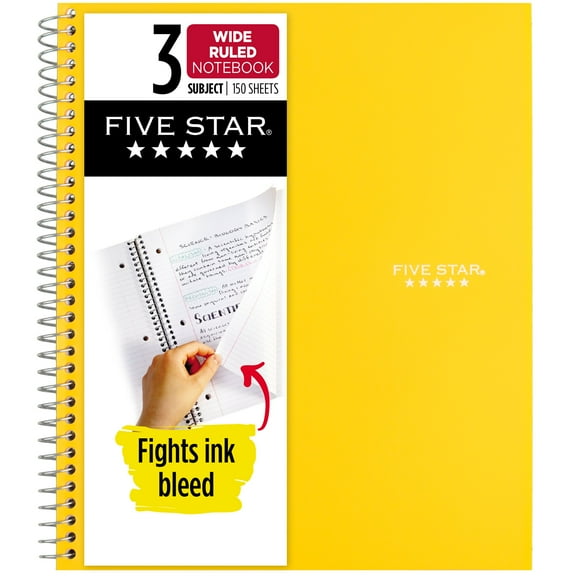

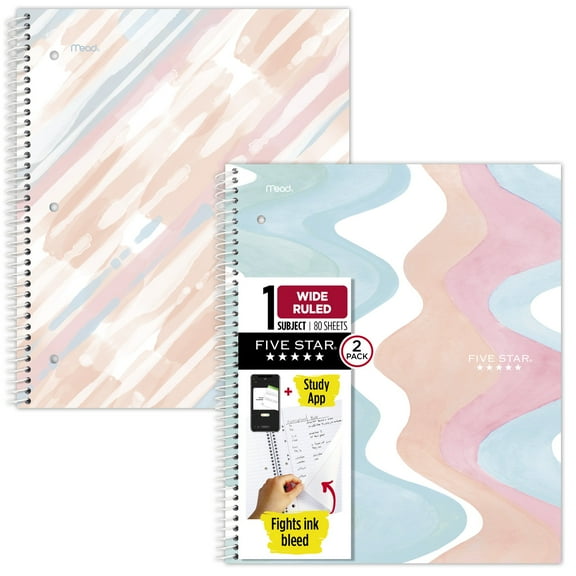
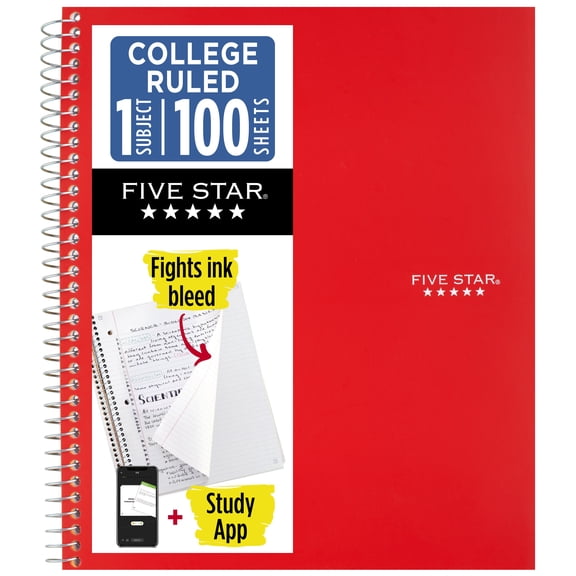
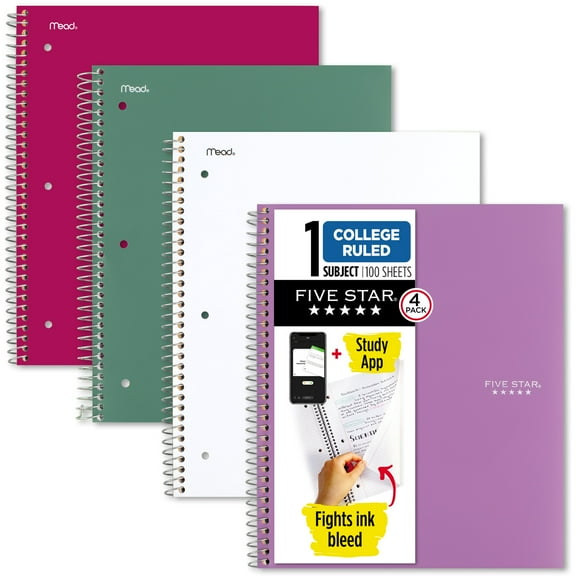
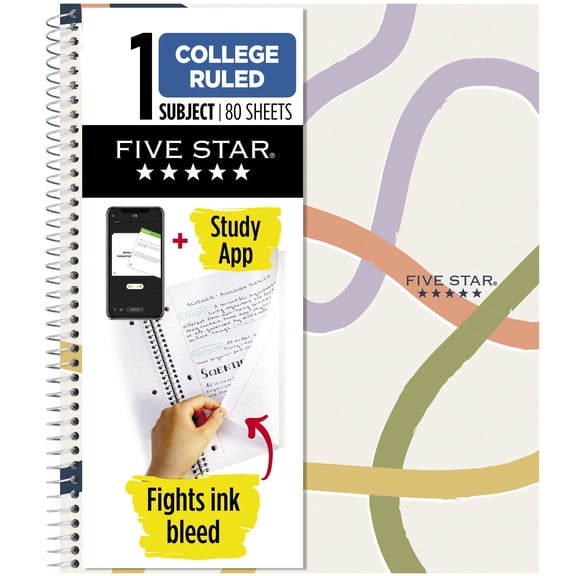
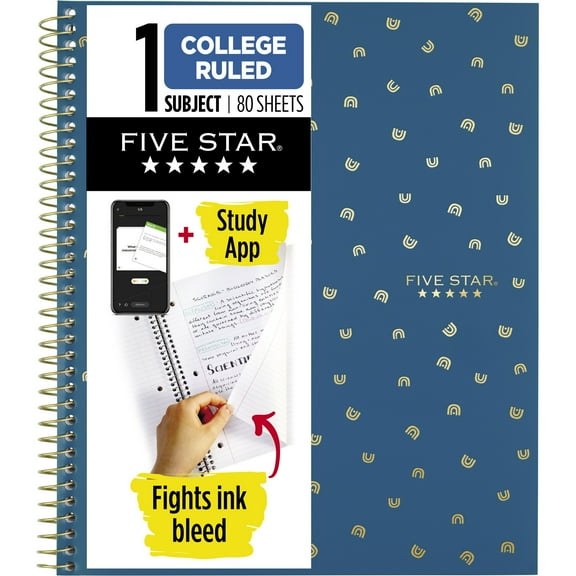
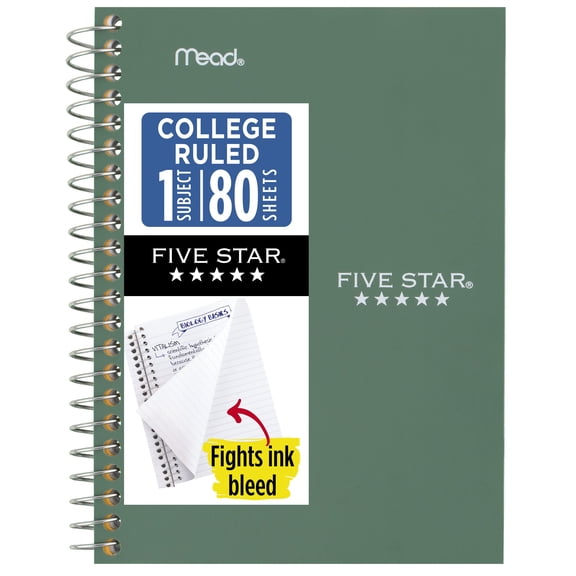


About Five Star College Notebooks & School Supplies - Walmart.com
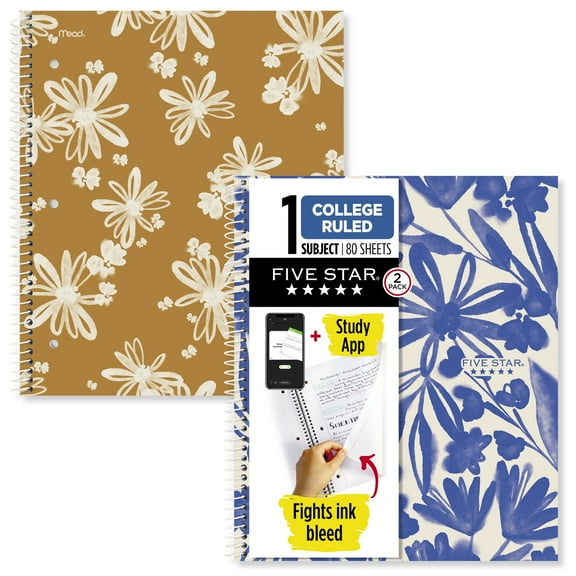
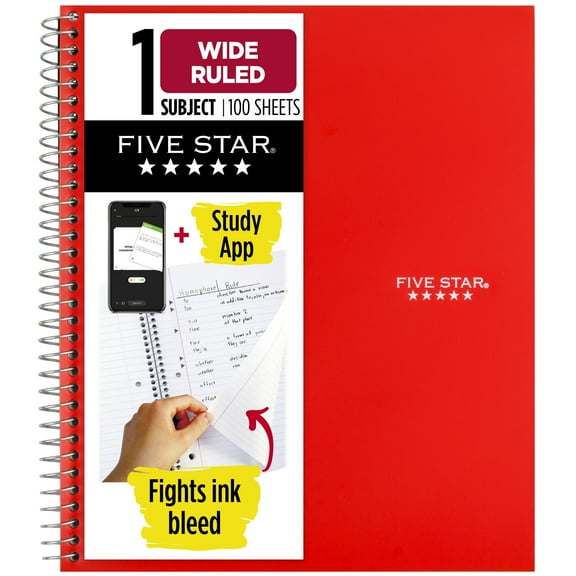
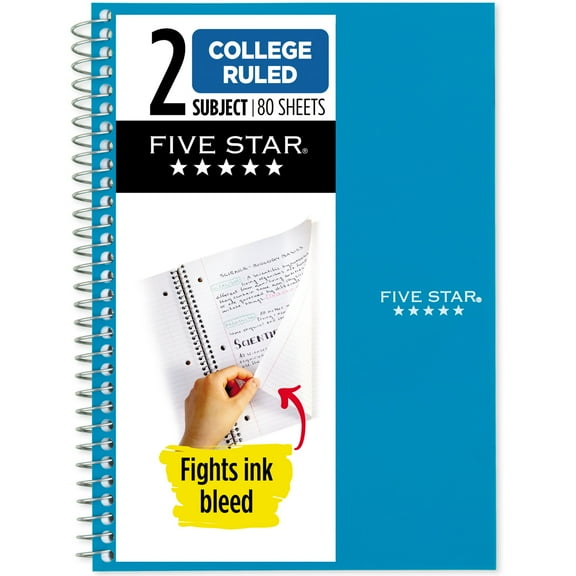
Five Star notebooks help you organize classes, projects, and daily notes with subject options, ruled pages, and durable covers built for repeated use. You can compare binding styles, sheet counts, and paper layouts, so your notebook matches your school list and writing habits.
How to choose Five Star notebooks by subject count
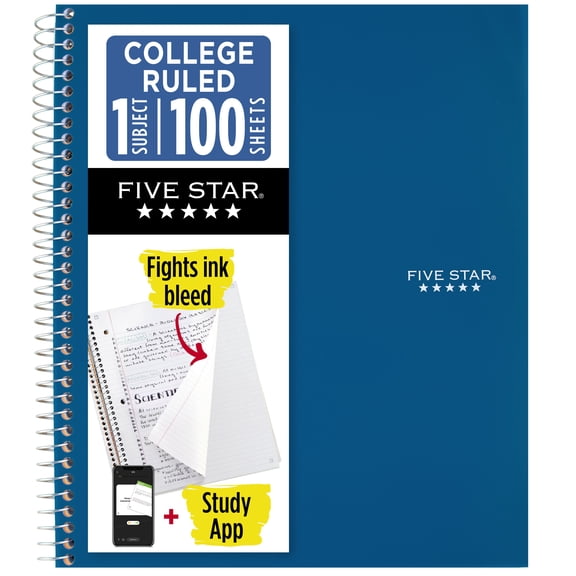
You should start with subject count because it shapes how you separate classes, projects, or meeting notes. You may prefer a one subject notebook for a single class, while larger schedules need more sections.
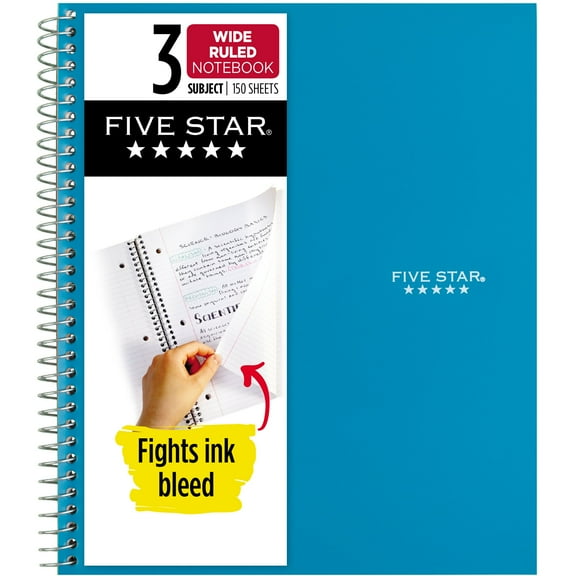
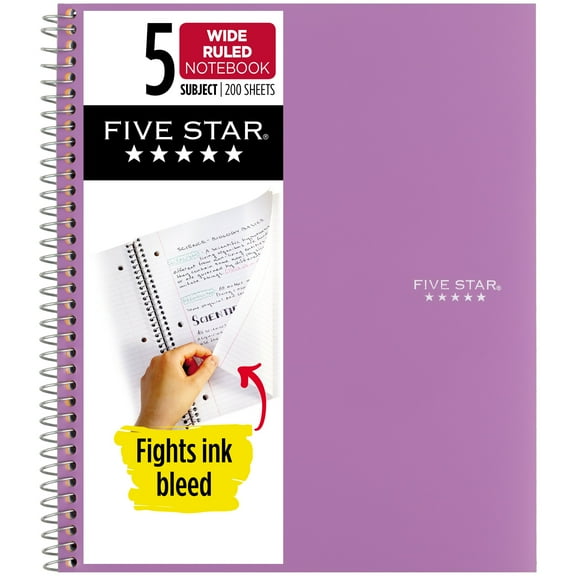
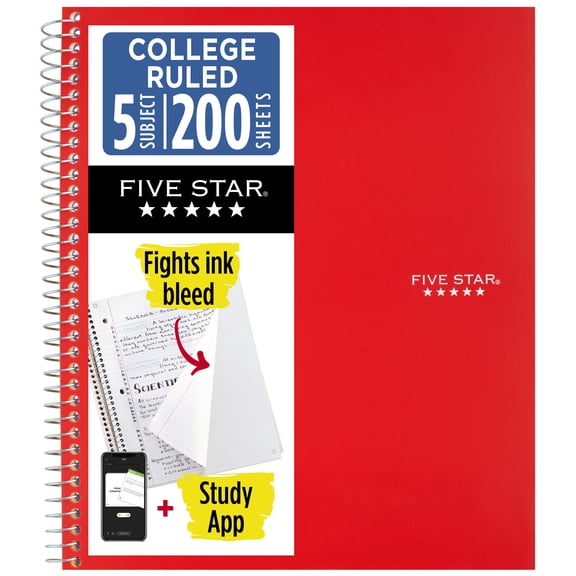
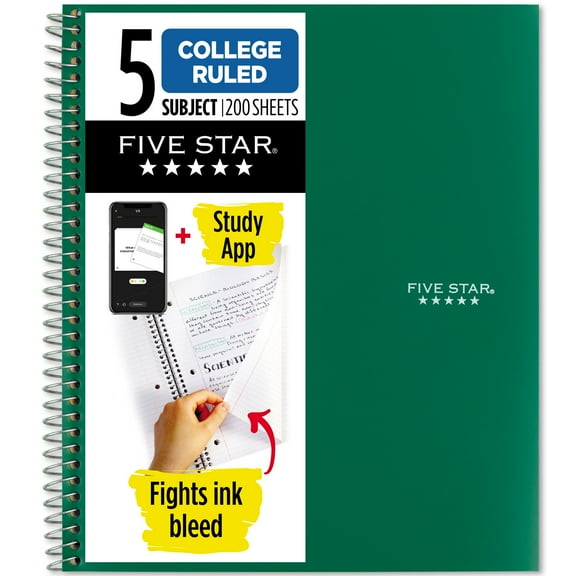
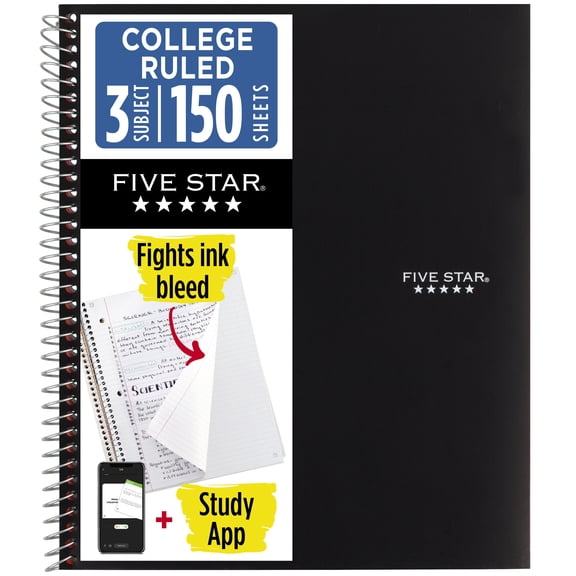
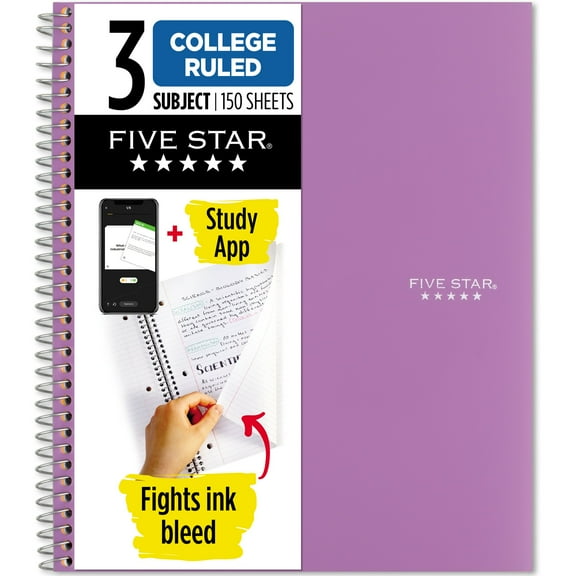
If you carry several courses, a five star 3 subject notebook can help you keep related work together without extra bulk. You can also choose a five star 5 subject notebook when you want built-in separation for a full school day.
Many shoppers compare dividers and pockets when they choose subject count. You’ll want enough sections for handouts, but you may not want extra weight in your backpack.
- You can keep class notes separated with one, three, or five subject layouts.
- You can store loose papers in pockets instead of folding them into your bag.
- You can match notebook size and section count to your daily class load.
- You can reduce clutter when your dividers keep each topic in one place.
Choosing binding type in Five Star notebooks
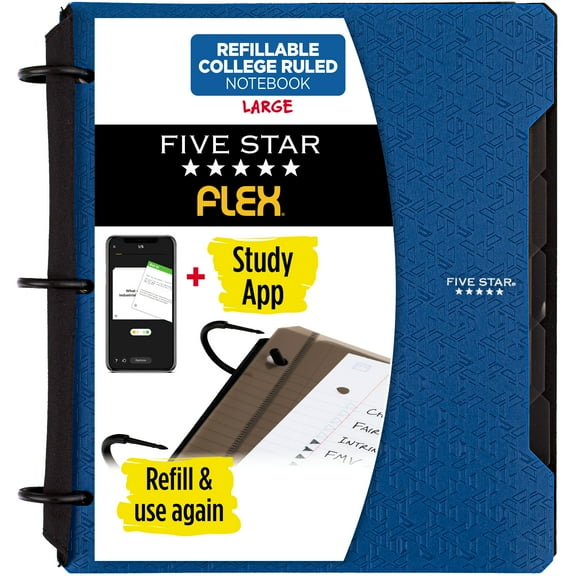
You should compare binding type next because it affects how your notebook feels in class and how it fits in your bag. You may lean toward spiral, wireless, or composition styles depending on how you write.
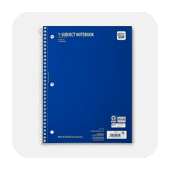
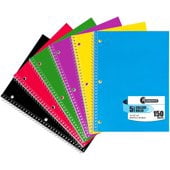
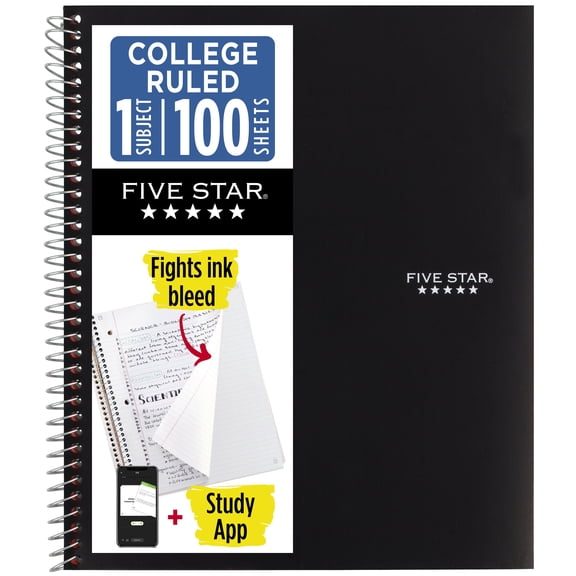
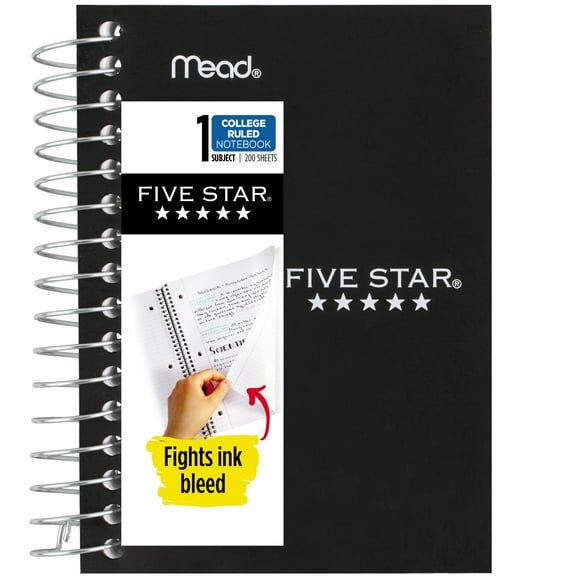
If you like pages that turn quickly, five star spiral notebooks can give you flexible movement and easy note-taking across a desk. You may also look for snag-resistant spiral details when you want smoother storage in crowded backpacks.
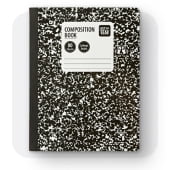
Composition styles can suit you when you want a flatter profile and a more contained shape for stacked school supplies. Wireless styles may appeal to you when you want a cleaner edge and a streamlined look.
What to look for in paper ruling and sheet count
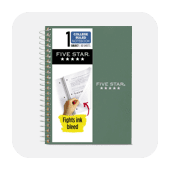
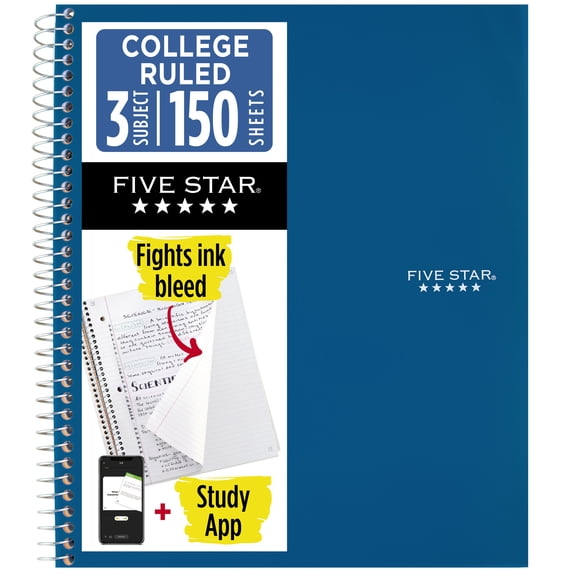
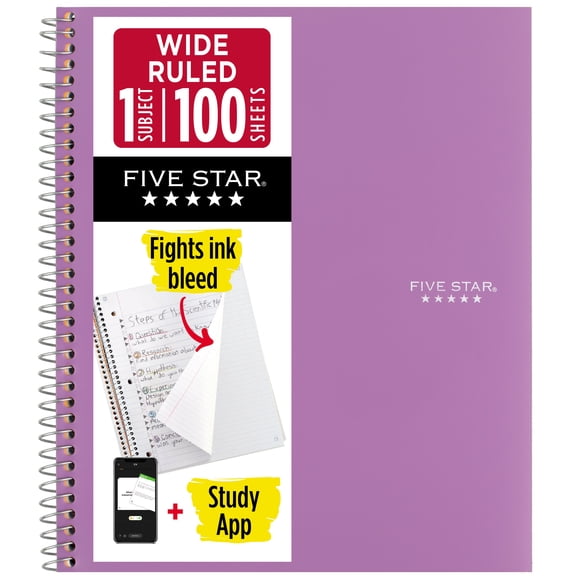
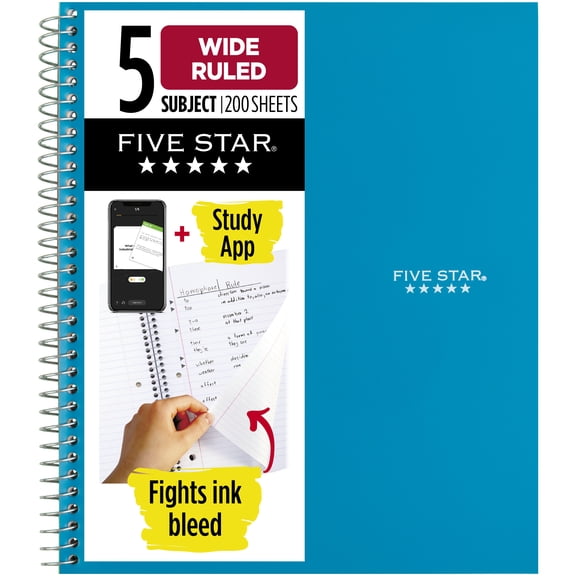
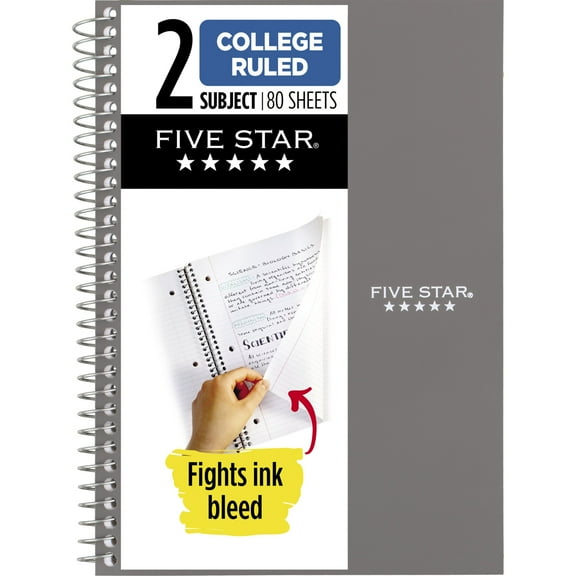
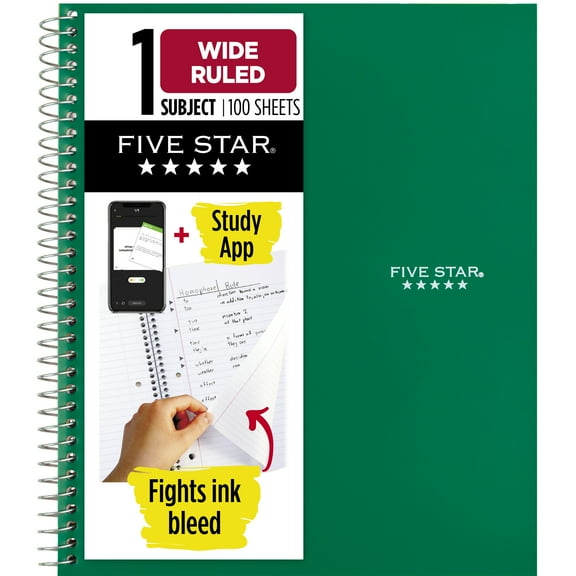
You should choose ruling based on how small you write and how much structure you want on each page. A five star college ruled notebook can give you narrower lines, while wide ruled pages leave more room between lines.
If you sketch charts, formulas, or diagrams, graph ruled pages can help you keep spacing consistent. You can also compare sheet count, because 100 sheets, 150 sheets, and 200 sheets each change how long a notebook lasts.
You may want 100 sheets for lighter use or shorter terms, while 200 sheets can support longer courses and larger projects. You should also check whether extra sheets add more weight than you want to carry each day.
How paper weight and pocket design affect daily use
You should look at paper quality if you write with gel pens, markers, or darker ink. Paper weight, often shown as GSM, helps you compare thickness and understand how pages may handle heavier writing.
If you use bold ink often, you may prefer pages designed to reduce show-through and keep both sides more usable. You can also compare smoother paper surfaces when you want cleaner handwriting and easier page turning.
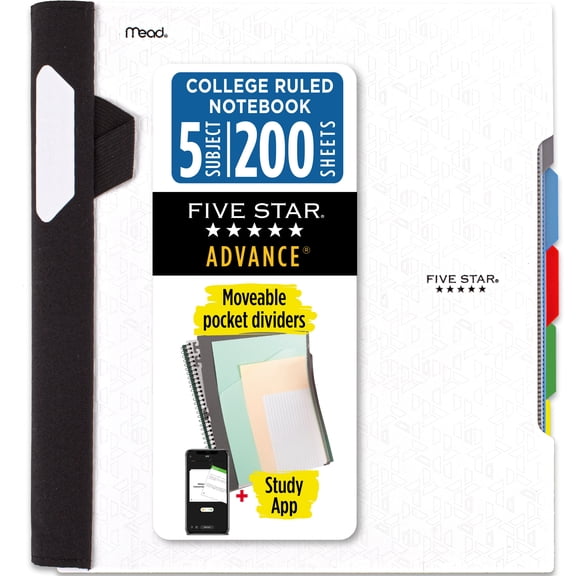
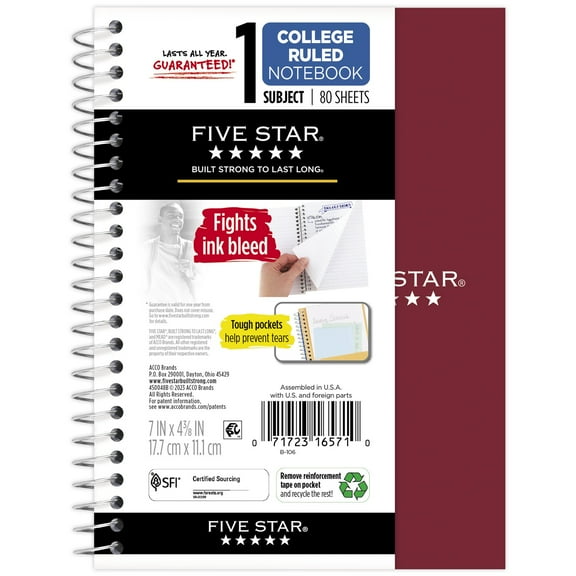
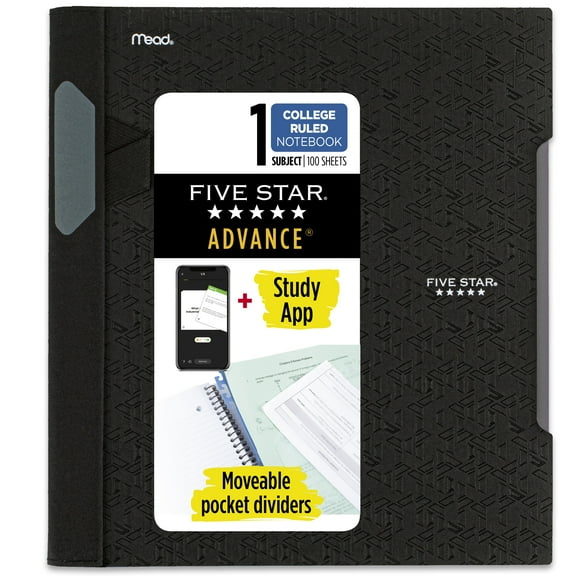
Pocket design matters too because you may store syllabi, worksheets, and permission slips inside your notebook. You should look for reinforced plastic pockets or sturdy paper pockets, depending on how often you pull papers in and out.
If your school day includes frequent movement, stronger pocket edges can help your handouts stay organized longer. You may also want durable covers that hold up through lockers, desks, and crowded backpacks.
Using Five Star notebooks for class, work, and planning
You can use five star notebooks for back-to-school lists, college lectures, office notes, or household planning. The right combination of subject count, ruling, and binding helps your notebook fit the way you capture information.
If you attend several classes, you might pair a five subject option with college ruled paper for dense lecture notes. If you prefer larger handwriting, you may choose wide ruled pages with fewer sections for simpler organization.
You can use spiral formats for quick page turns during fast lectures or meetings. You may choose composition styles for journaling, lab notes, or situations where you want a more fixed book format.
For long terms or heavier note loads, you should compare higher sheet counts before you commit. When you need room for handouts and dividers, you’ll likely focus on pocket strength and section layout first.
You can feel more prepared when your notebook matches your class schedule, writing style, and storage needs. With the right Five Star notebooks, you get organized pages, dependable sections, and a setup that keeps schoolwork easier to manage.