

Fly Fishing Line & Fly Line for Rods | Walmart




























About Fly Fishing Line & Fly Line for Rods | Walmart - Walmart.com
Fly lines help you match your cast to your rod, water depth, and target species. You can compare taper, density, and line weight to build cleaner loops and steadier presentations.
If you're replacing worn gear or tuning a new setup, this category helps you narrow the right fly fishing line. You can focus on rod matching first, then compare coating feel, sink profile, and species use.
Choosing fly lines by weight and rod match
You should start with the line weight printed on your rod, because matching ratings helps your rod load as intended. You can then compare 3wt, 4wt, 5wt, 6wt, and 8wt options for your usual water.
If you fish spring creeks or small trout water, you may prefer lighter ratings for delicate control. If you cast bigger flies or face wind, you may want heavier lines that turn over stronger leaders.
You should also check coating notes for coldwater or warmwater use before you choose. You may notice coldwater lines stay more manageable in chilly conditions, while warmwater coatings feel suited to hotter days.
How taper changes your fly fishing line
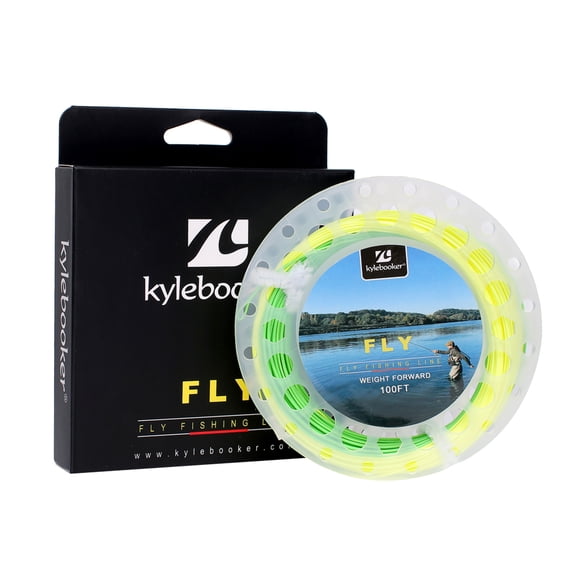
You can use taper to decide how your line carries energy during the cast. You may compare a weight forward fly line, a double taper fly line, or a shooting head setup.
If you want quicker loading and longer casts, you may lean toward weight forward designs. If you want roll casts and gentle presentations, you may prefer double taper options on smaller water.
You can look at shooting head styles when you need distance, heavier flies, or strong wind performance. You may pair that profile with larger rivers, lakes, or saltwater situations that demand fast line speed.
- You can match lighter line weights to smaller flies and more delicate presentations.
- You can choose weight forward tapers when you need distance and easier turnover.
- You can select double taper profiles when you want controlled mends and soft landings.
- You can compare coldwater and warmwater coatings for the temperatures you fish most often.
Floating fly line and sinking fly line decisions
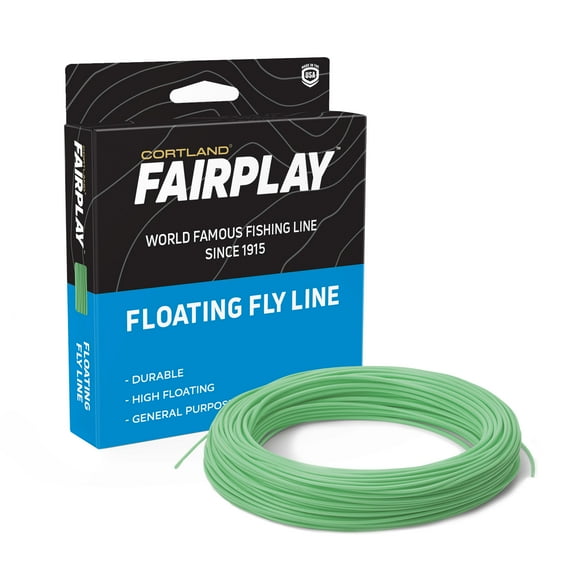
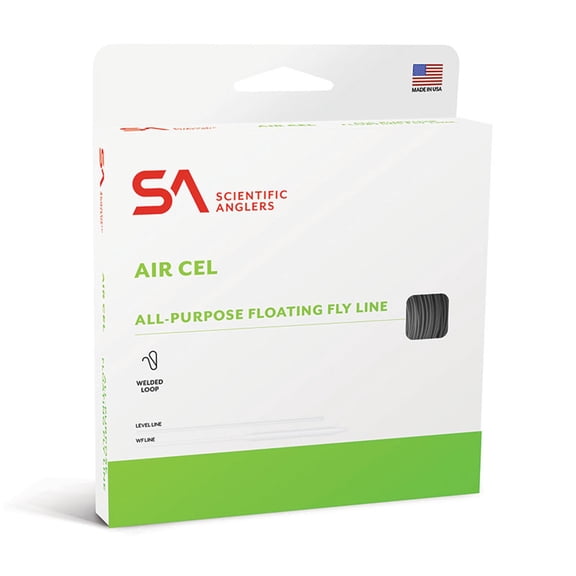
You should choose density based on where your flies need to travel in the water column. You can compare a floating fly line, sinking fly line, sink tip line, or intermediate line.
If you fish dry flies, indicators, or shallow nymph rigs, you may want floating lines for easy pickup and line control. If you strip streamers deeper, you may want sinking lines that keep your presentation down.
You can use sink tip styles when you want a floating rear section with a sinking front section. You may prefer intermediate lines when you need a slower, more even path below the surface.
You should think about current speed and retrieve style before choosing a density. You can often manage mending differently with floating options than with full sinking designs.
What to look for in line materials and setup details
You can compare coating feel, core style, and loop connections when narrowing your options. You may want slick coatings for shooting line, or textured finishes if you like extra grip.
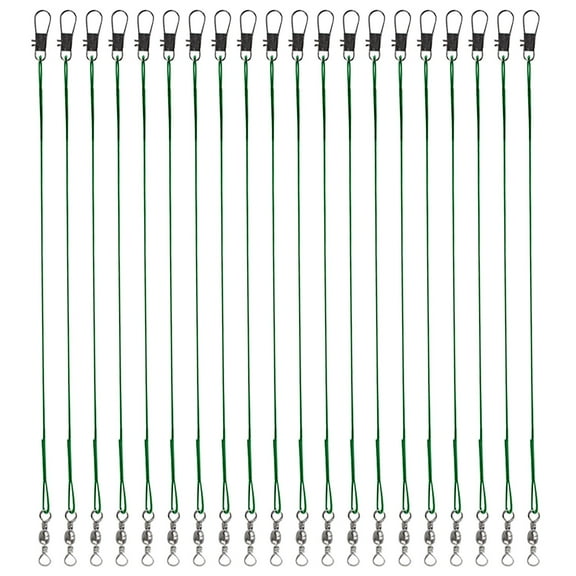
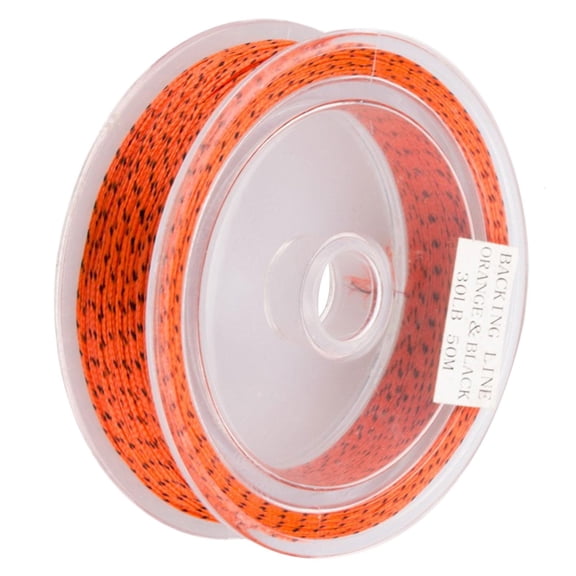
If you rig often, you may look for welded loops that simplify leader changes. You can also check fly line backing compatibility, because your reel capacity changes with line size.
You should review head length and total line length when you compare models. You may find shorter heads feel easier to cast, while longer heads support mending and line control.
You can also consider color visibility based on your water and light conditions. You may want brighter shades for tracking drifts, or muted tones for a subtler look.
Matching fly lines to trout, bass, panfish, and saltwater
You can narrow your choices faster when you match your line to the fish you chase. You may choose trout lines for finesse, bass lines for larger bugs, and panfish setups for light, simple casting.
If you target trout, you may want a floating line or light sink option with a smoother presentation. If you target bass, you may want stronger turnover for poppers, frogs, and bulky streamers.
You can look at panfish setups when you want lighter weights and easy loading on shorter casts. You may choose saltwater-focused lines when you need handling that fits heat, wind, and larger species.
You should also match your line to where you fish most often. You can pair floating lines with rivers and dry-fly days, or choose sinking and intermediate styles for lakes and deeper runs.
If you compare fly lines by weight, taper, density, and temperature use, you'll narrow your setup with less guesswork. You can build a more consistent cast and present flies where your fish are holding.