






Folders in Office Supplies



























About Folders in Office Supplies - Walmart.com
File folders help you keep paperwork sorted, labeled, and easy to reach through busy school, home, and office routines. You can compare folder types, materials, sizes, and tab cuts here, so your filing setup matches how you store and carry documents.
How to choose file folders
You’ll want to start with the filing method you use every day. If you store papers in drawers, hanging file folders support upright organization, while pocket folders help you carry pages between classes or meetings.
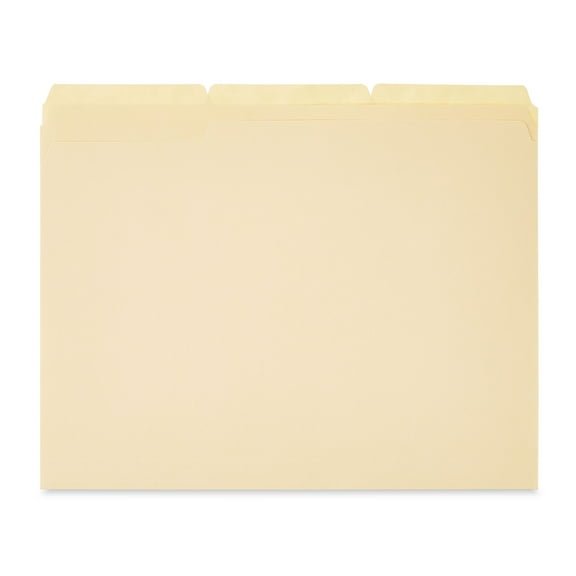
You can also narrow your choice by the kind of paperwork you handle. Manila folders work well for everyday sorting, while classification folders help you separate sections inside one file.
When you compare options, these decision points are key for daily use. You can use them to match your folder choice to your workspace and paper volume.
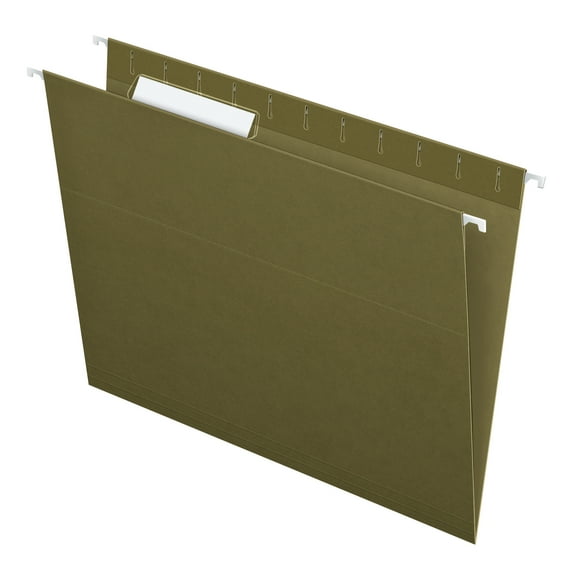
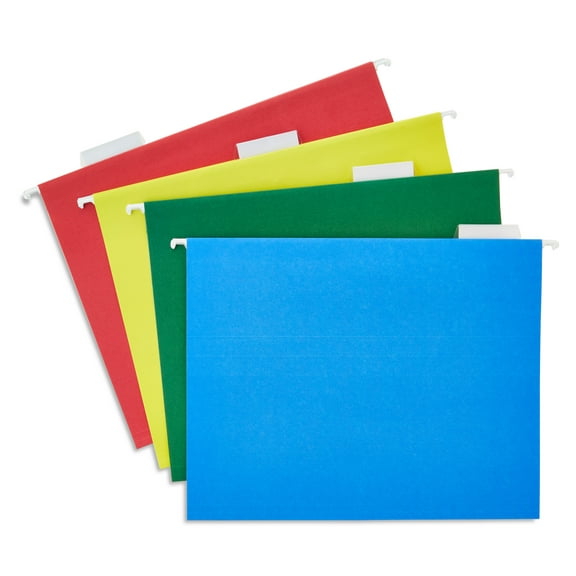
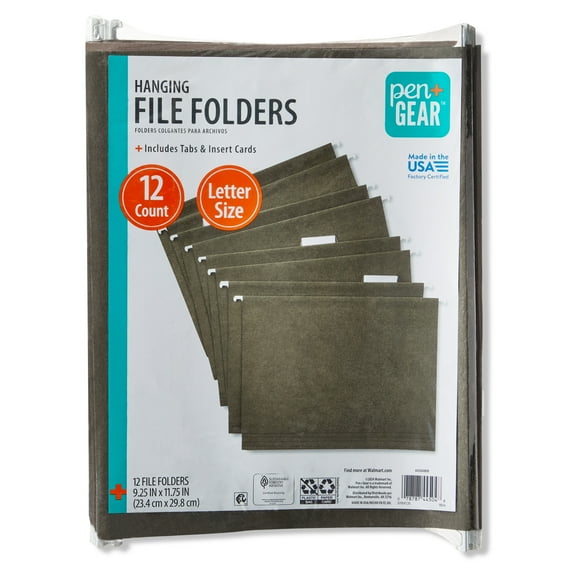
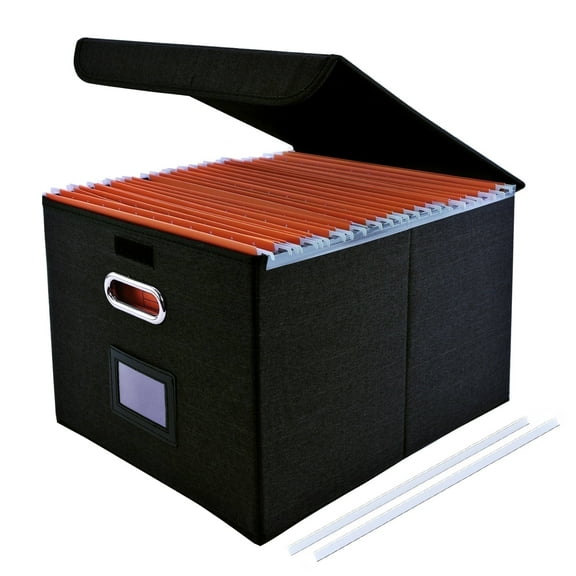
- You can choose hanging file folders when your cabinet needs visible tabs and easy access.
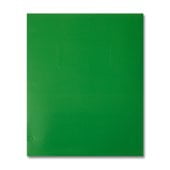
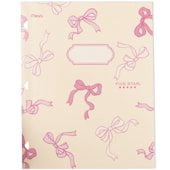
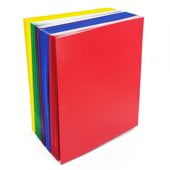
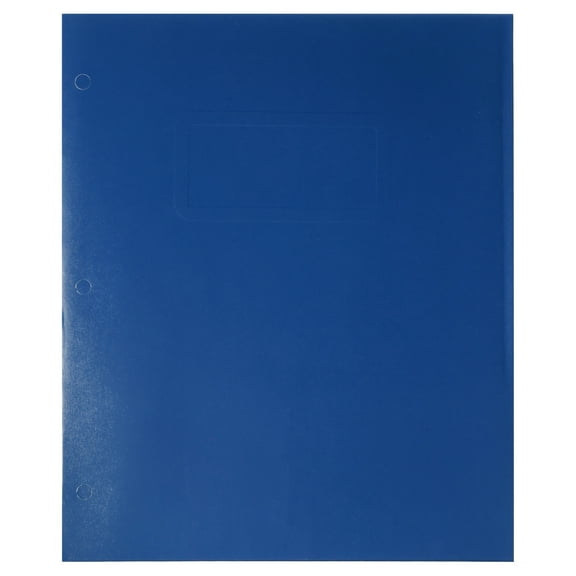
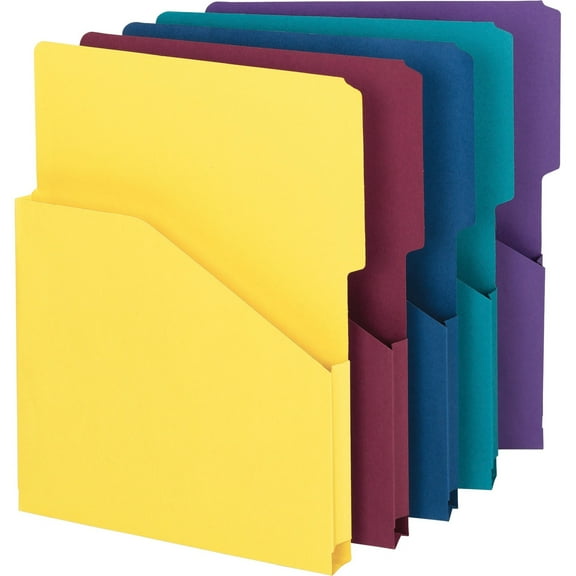
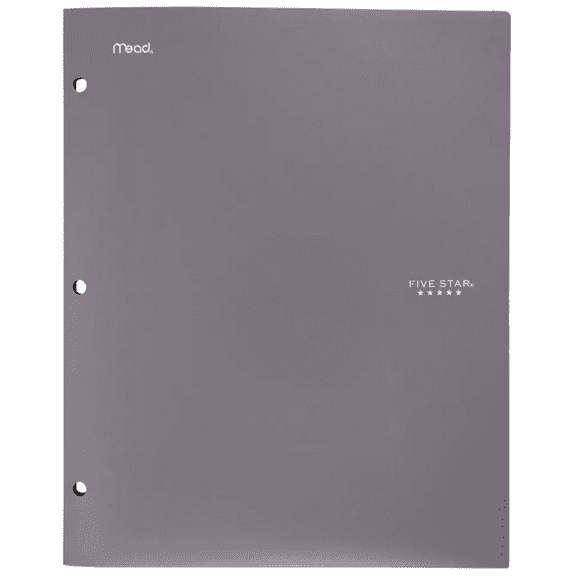
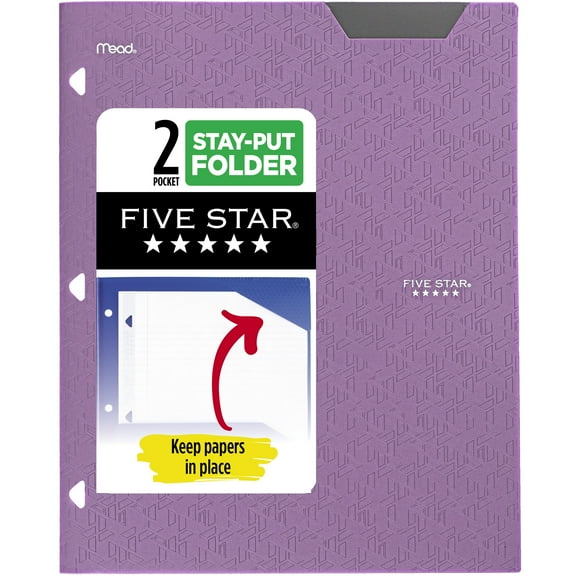
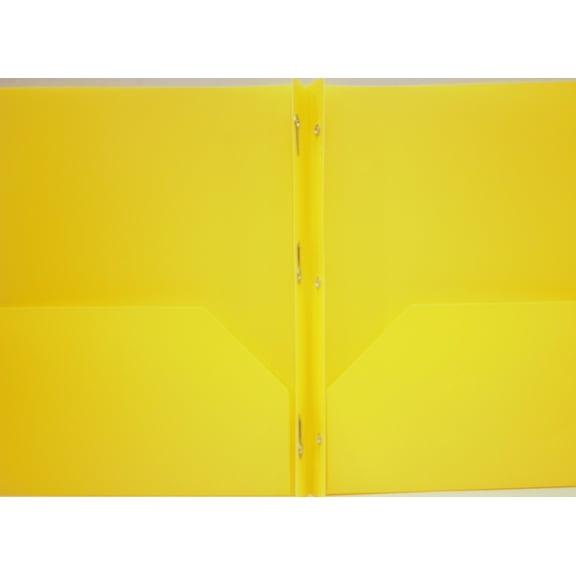
- You can pick pocket folders when your papers need coverage during transport.
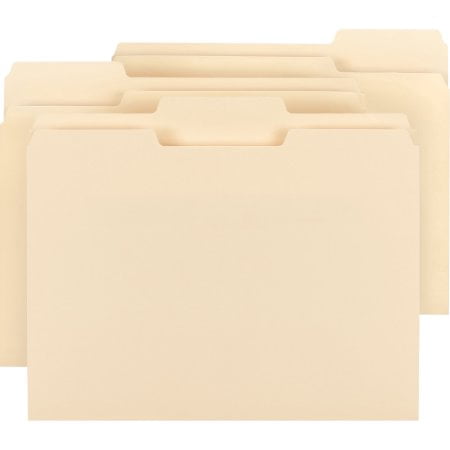
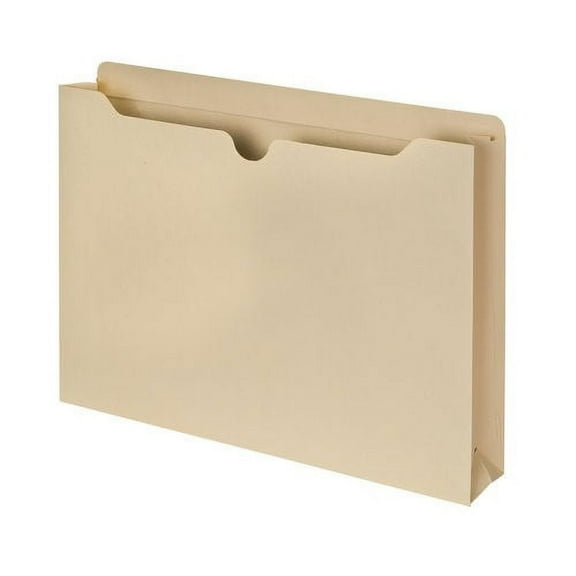
- You can select manila folders when your filing system needs simple labeling and quick sorting.
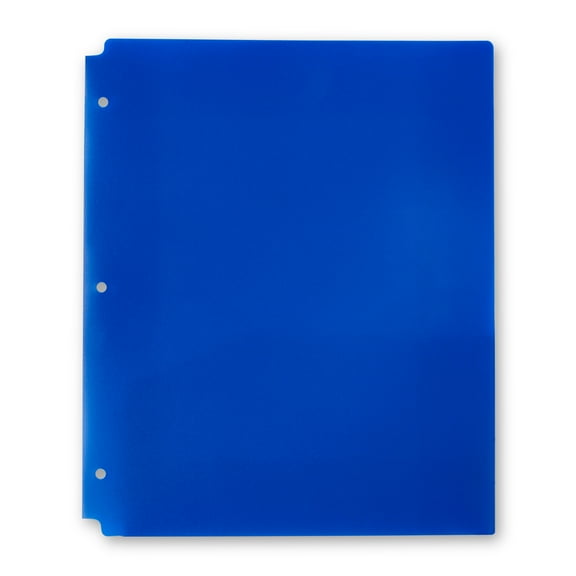
- You can compare plastic folders or pressboard styles when your files see repeated handling.
Choosing folder type and material
Your folder type affects how you file, carry, and retrieve papers. Pocket folders usually suit hand-carried packets, while standard file folders fit shelves, drawers, and desktop sorters.
If your paperwork moves through many hands, you may prefer plastic folders or pressboard construction. You’ll usually get added structure at the edges, plus strong resistance to bending during repeated use.
Paper and manila options keep everyday filing simple and familiar. You can write labels easily on tabs, and you can sort invoices, forms, or school handouts without extra bulk.
Classification styles help you divide related pages into sections inside one folder. You can keep contracts, notes, and reference sheets together while still separating each part clearly.
Comparing letter size folders and legal size folders
Your paper size should guide your folder choice before any color or tab decision. Letter size folders fit standard eight-and-a-half by 11 inch pages, while legal size folders fit longer documents.
If your forms, reports, or classroom handouts use standard printer paper, you’ll usually want letter size folders. If your paperwork runs longer, you’ll need legal size coverage to avoid overhang.
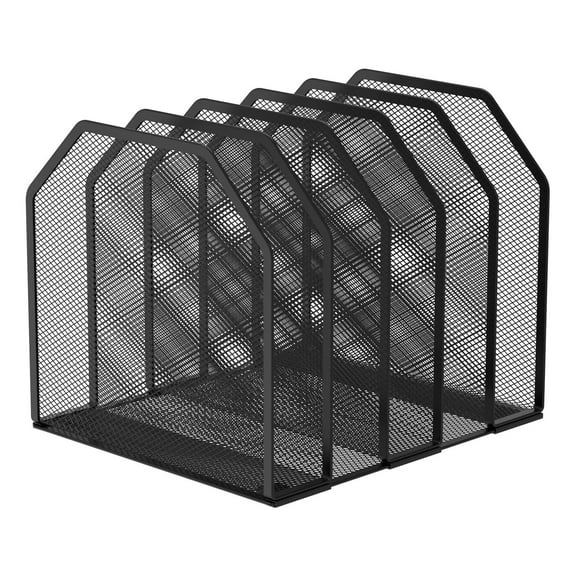
You can also match size to storage furniture and workflow. Hanging file folders for letter paper fit many home and office drawers, while legal size systems need longer filing space.
When you mix document sizes, you’ll want a clear filing plan from the start. You can separate letter and legal folders by drawer, project, or department for quick retrieval.
Understanding tab cut options
Your tab style changes how easily you scan labels in a full drawer. One-third-cut tabs create three label positions, while one-fifth-cut tabs give you additional staggered spots.
If you maintain a large alphabetized system, you may prefer one-fifth-cut tabs for tighter category separation. If you need straightforward labeling, one-third-cut designs often keep indexing simple.
Straight-cut tabs give you one continuous edge for broad labels or printed inserts. You can use that format when your files need larger titles that stay readable at a glance.
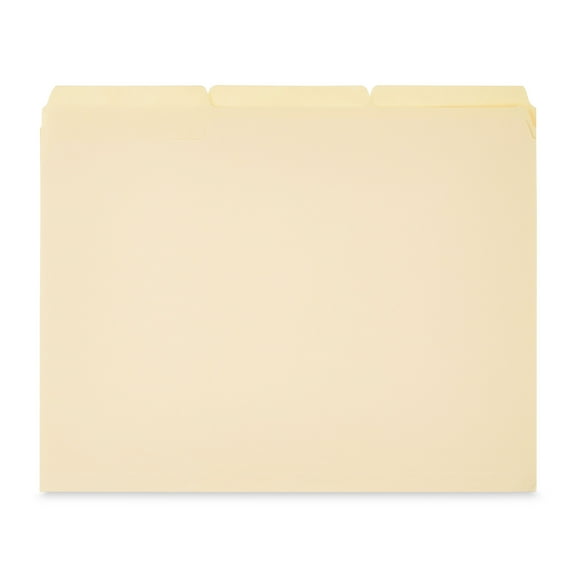
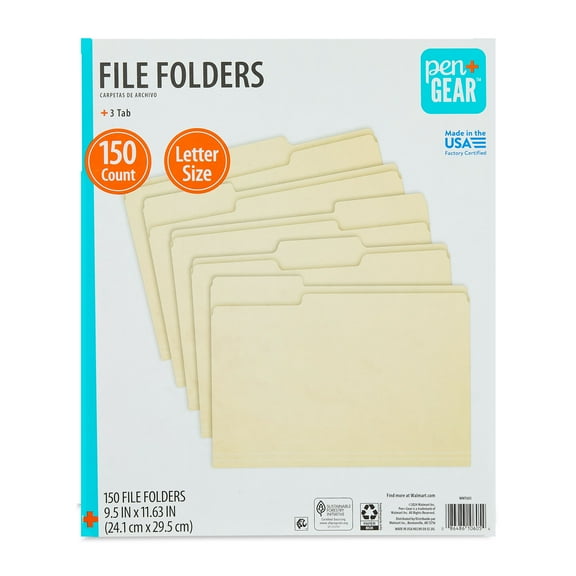
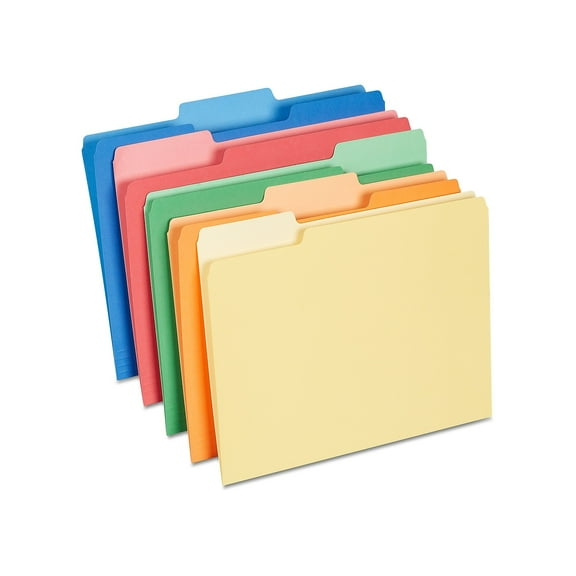
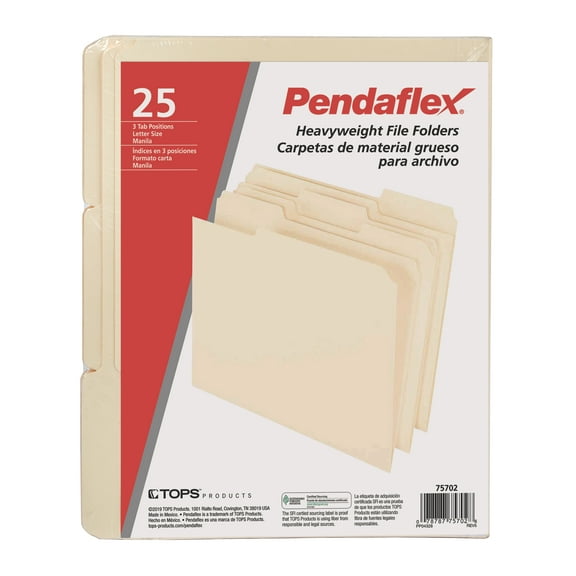
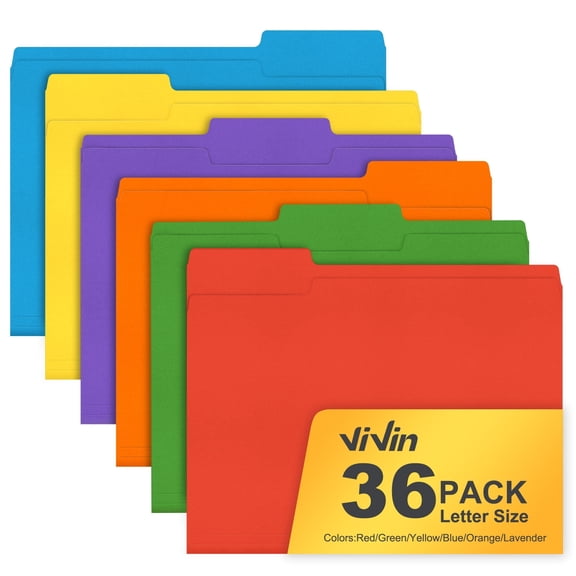
You may also see 3 tab folders for classroom, office, or home paperwork. You can use those staggered tabs to reduce overlap and make active files easy to identify.
Using file folders for school, office, and home records
Your daily setting can help you decide which combination makes sense. For school folders and back to school folders, you may want pocket storage, bright color coding, and a format that slips into backpacks.
In an office setup, you may need hanging file folders paired with manila folders inside each slot. You can separate clients, invoices, or project stages without stacking loose pages on desks.
At home, you might organize tax papers, warranties, medical forms, and household records by category. You can use letter size folders for standard mail and keep legal documents in longer files.
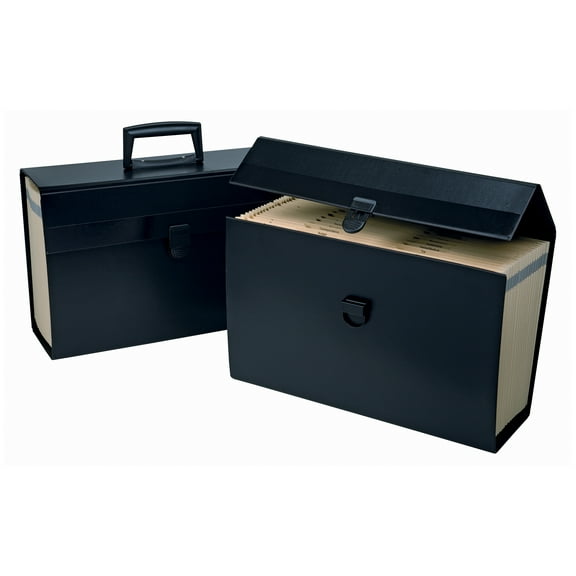
If your papers travel between rooms or buildings, pocket folders and plastic folders can support frequent handling. You’ll keep pages grouped together, and your documents stay easy to sort after meetings or class.
When your filing system matches your document size, material needs, and tab style, you’ll spend minimal time searching for paperwork. You can build a neat, readable organization system that keeps every page in its place.