

Hunting Calls & Game Callers for Wildlife | Walmart



















About Hunting Calls & Game Callers for Wildlife | Walmart - Walmart.com
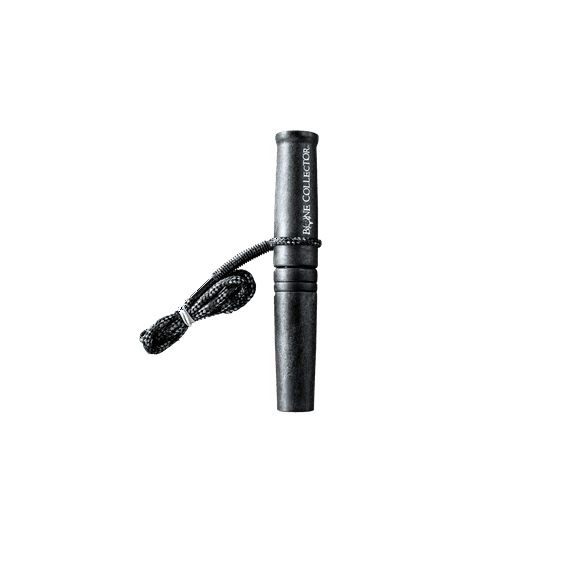
Turkey calls help you shape yelps, clucks, purrs, and cuts that fit changing woods conditions. You can compare mouth, box, pot, and push-button styles to match your setup and calling experience.
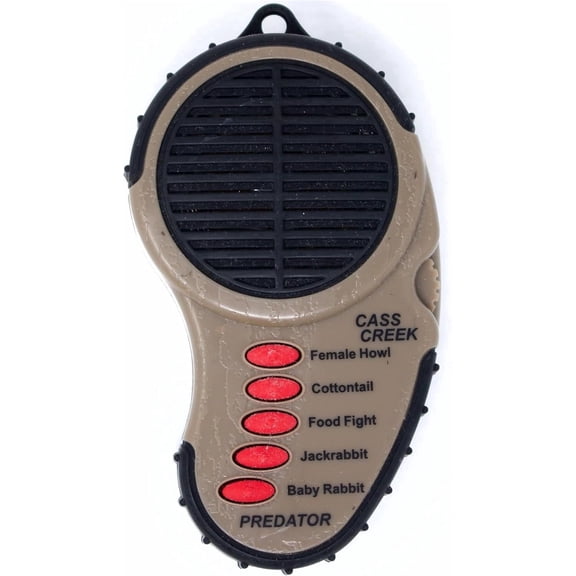
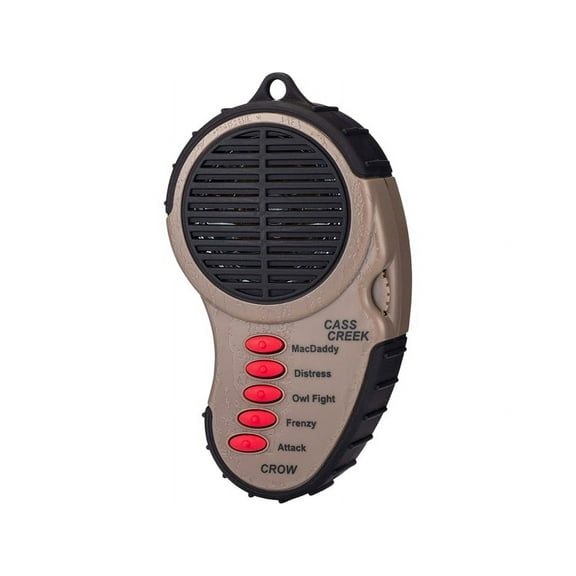
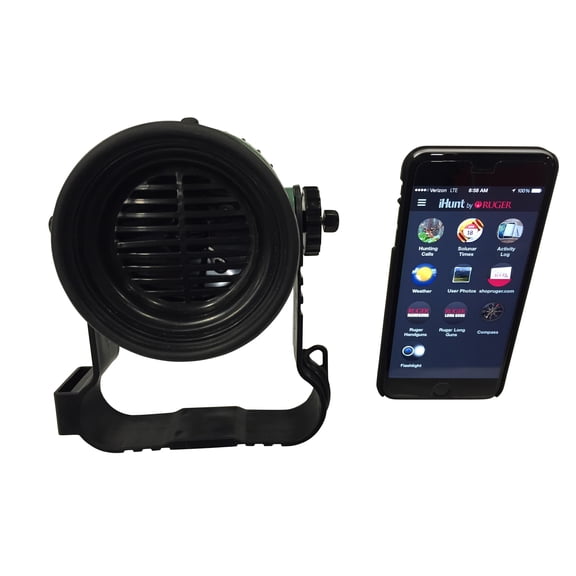
If you're building a flexible hunting kit, you should compare call type, material, and skill level first. You can narrow your choice by sound profile, weather performance, and whether you want hands-free operation.
Choosing the right turkey calls
When you compare turkey calls, you should start with how each style works in the field. You may want clear control, strong volume, or a hands-free option during close setups.
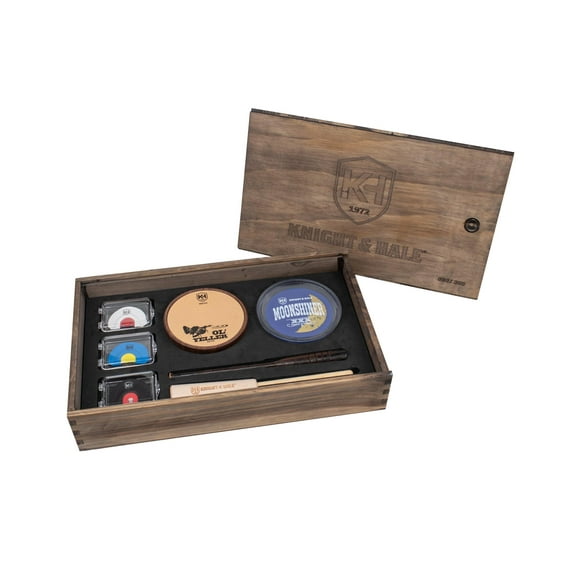
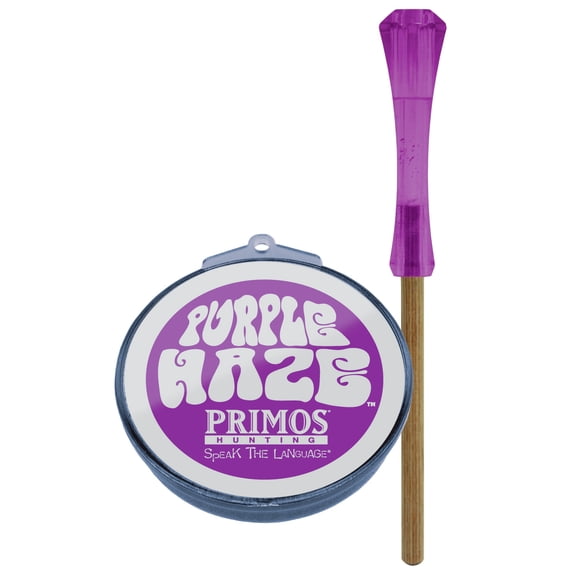
Friction turkey calls usually give you a simple learning curve and direct sound control. You can often start with box or pot styles if you want repeatable motion and quick feedback.
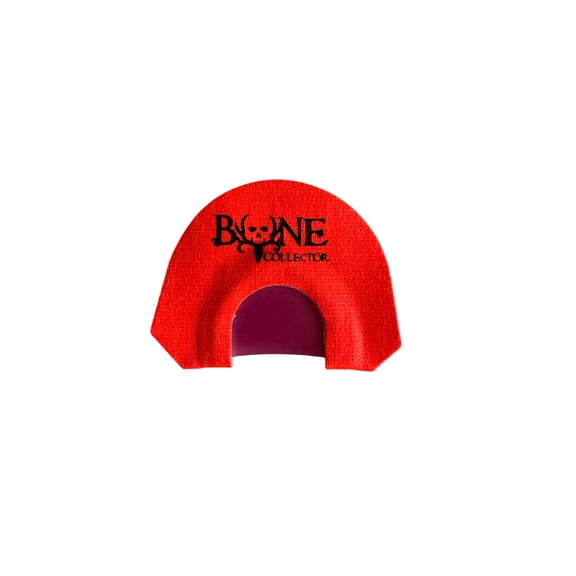
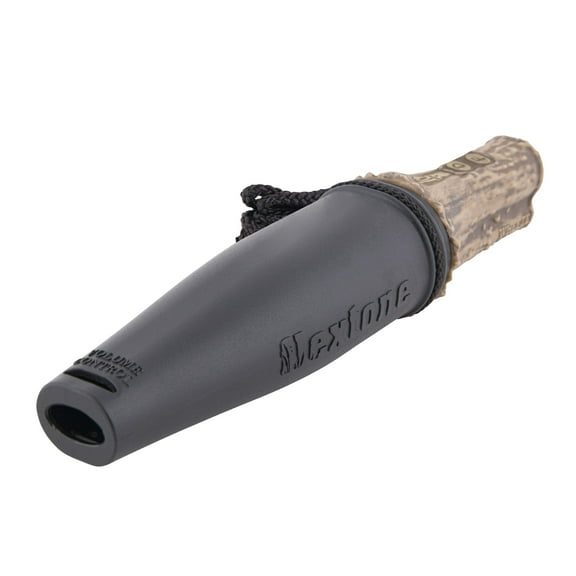
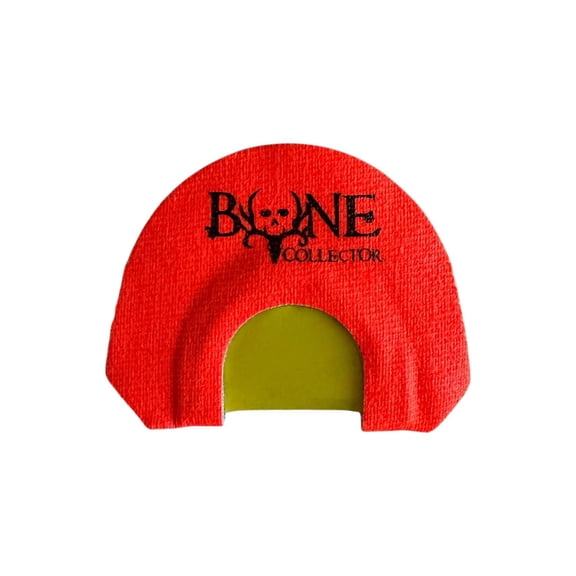
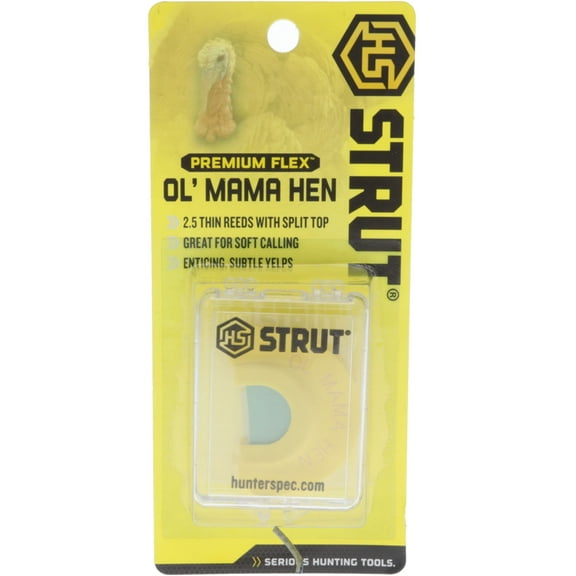
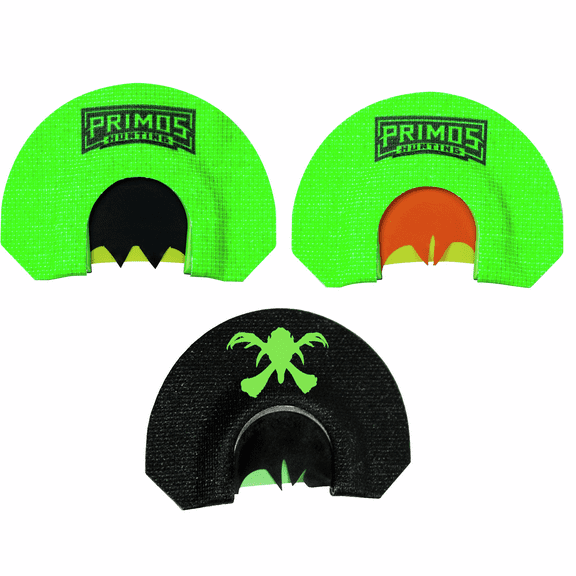
Diaphragm or turkey mouth calls fit inside your mouth, so you can keep your hands available. You should expect a practice period, but you can gain subtle sound changes as your air control improves.
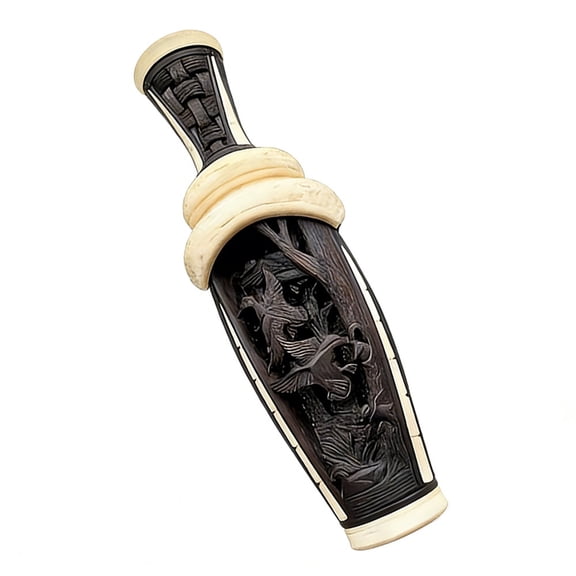
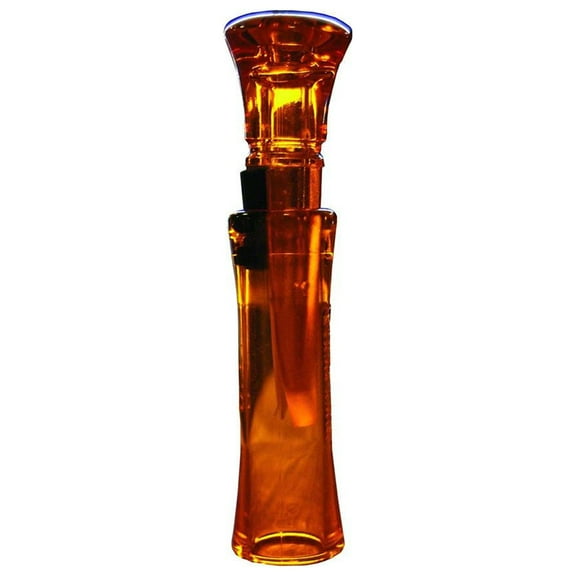
- You can use turkey box calls for loud yelps that carry across open woods and ridges.
- You can choose slate turkey calls for soft clucks and purrs during close-range setups.
- You can pick turkey mouth calls when you want hands-free calling and layered sound changes.
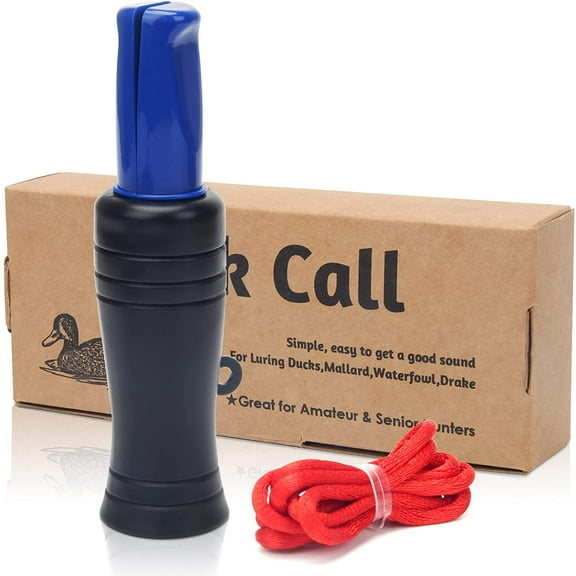
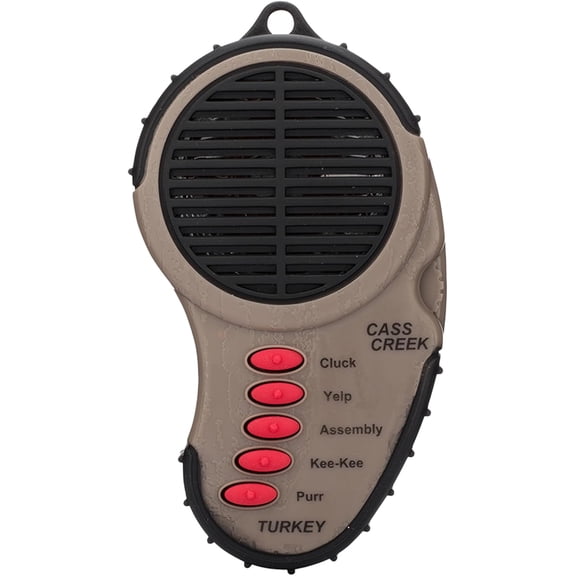
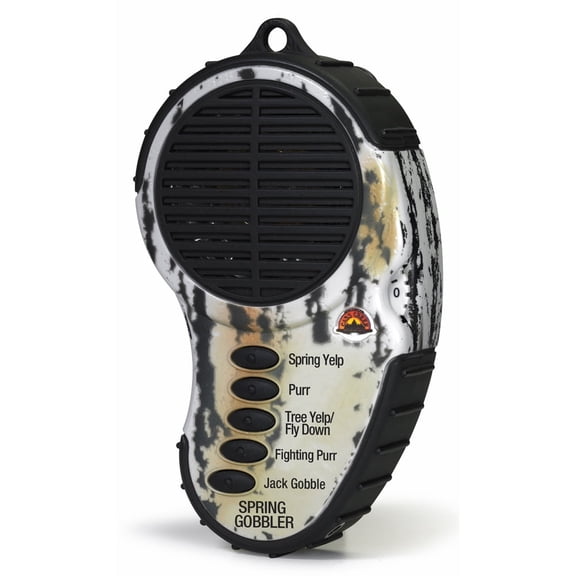
- You can try push-button styles when you want a beginner-friendly option with simple motion.
If you're new, you may prefer friction options because you can repeat sounds with less technique. If you've practiced cadence and pressure control, you may enjoy diaphragm models for versatility.
How to compare call type and material
You should match call type with the terrain, weather, and volume you expect. You can also compare materials because each surface shapes tone, pitch, and consistency.
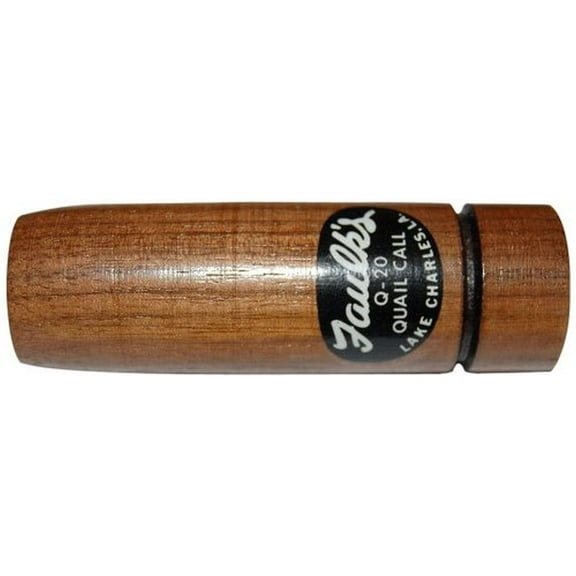
Wood box calls often give you classic yelps with reach, which helps when you want sound to travel. You should know wet weather can affect tone unless you choose a call built for moisture.
Pot and slate styles let you work softer notes with steady hand movement and pressure changes. You can produce gentle clucks and purrs that fit cautious birds in tighter cover.
Glass surfaces usually help you create brighter cuts that stand out in windy conditions. You may prefer that added edge when you need strong presence across larger spaces.
Latex matters when you compare diaphragm models because reed design affects feel and sound. You should check the number of reeds, since extra reeds can add rasp and need stronger air control.
If you want convenient use in changing weather, you can look for materials that hold sound with less fuss. If you hunt damp mornings, you may lean toward latex and synthetic parts.
Choosing by skill level and sound
You should choose a call that matches your experience instead of forcing advanced technique too soon. You can build confidence faster when the motion and sound response feel predictable.
As a beginner, you may like push-button or turkey box calls because the learning curve feels manageable. You can focus on cadence and timing without mastering mouth pressure first.
If you're at an intermediate level, you might compare slate turkey calls with simple diaphragm designs. You can expand your sound range while still keeping control over volume and rhythm.
As an expert, you may want diaphragm turkey calls with specific reed counts and cuts. You can fine-tune rasp, air pressure, and highly detailed calling sequences for changing field situations.
You should also think about how long you want to practice before opening day. You may prefer straightforward turkey hunting accessories and call styles when you want quicker readiness.
Matching calls to field conditions
You can choose your call by the sound you want to produce in the moment. You should think about whether you need soft purrs, clear clucks, rolling yelps, or sharp cuts.
For calm mornings and closer setups, you may reach for slate or pot styles to keep sounds subtle. You can work softer notes with controlled circles and light striker pressure.
For open ground or windy woods, you may prefer glass or turkey box calls for stronger reach. You can throw louder yelps and cuts when you need strong presence.
If you're moving less and waiting for a bird to close distance, you may favor turkey mouth calls. You can keep your hands available while changing volume and rhythm with air control.
During spring turkey calls season, you may want more than one style in your vest. You can switch between friction and diaphragm options as weather, cover, and bird response change.
You should also consider related turkey hunting accessories that support your setup in the field. You can pair calls with decoys, hunting apparel, and shotgun accessories for a more organized outing.
Why the right setup matters
The right turkey calls help you match your sound, skill level, and conditions with less guesswork. You can head into the woods with a setup that fits your calling style and season plans.
When you compare call type, material, and sound profile carefully, you can create highly realistic sequences. You also gain a setup that feels simpler to use when timing is critical.