



Golf Yardage Devices & Golf GPS
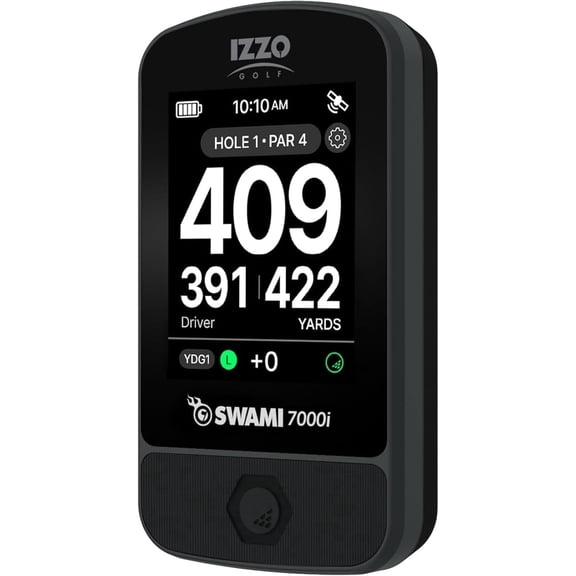

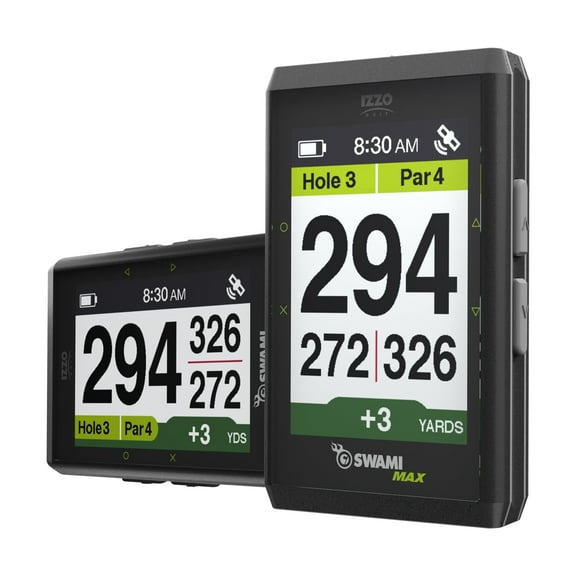

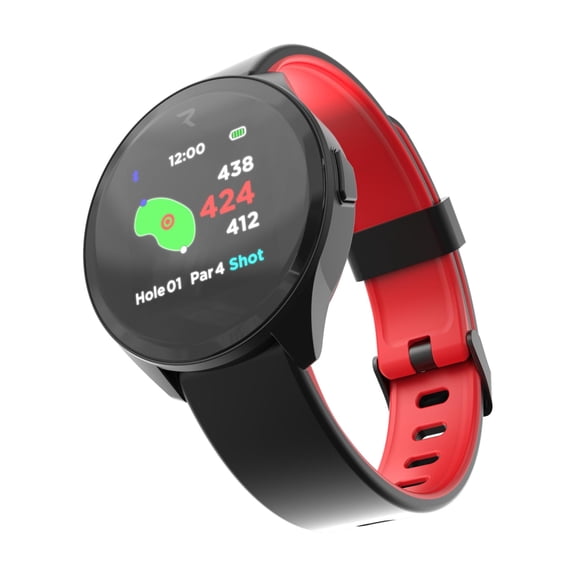




















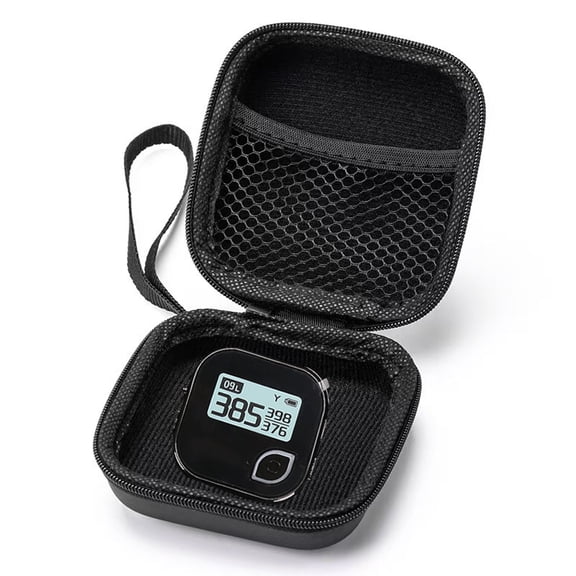


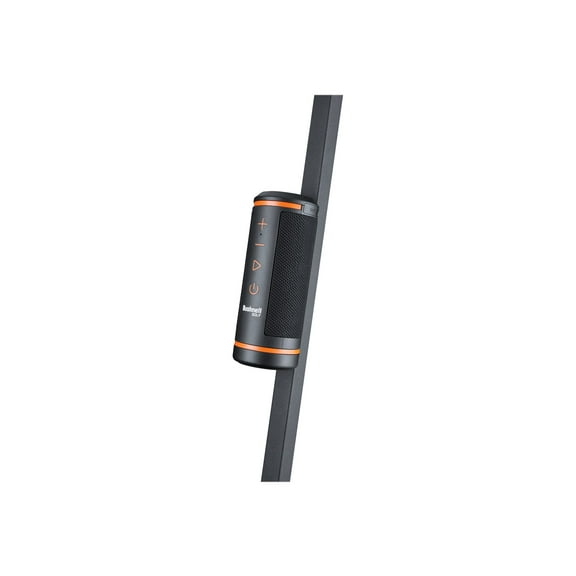
About Golf Yardage Devices & Golf GPS - Walmart.com
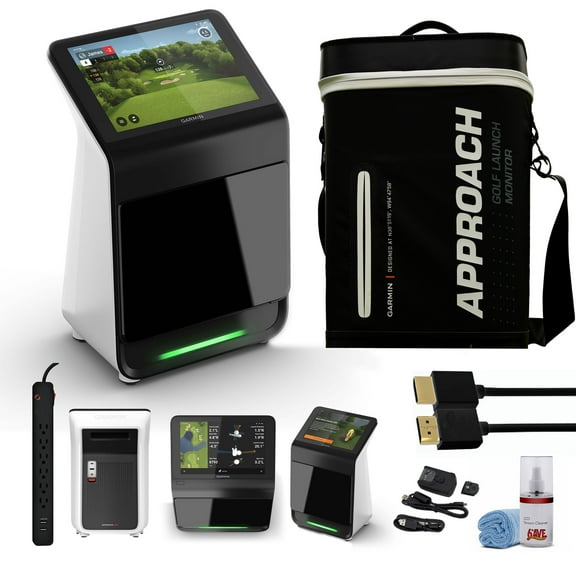
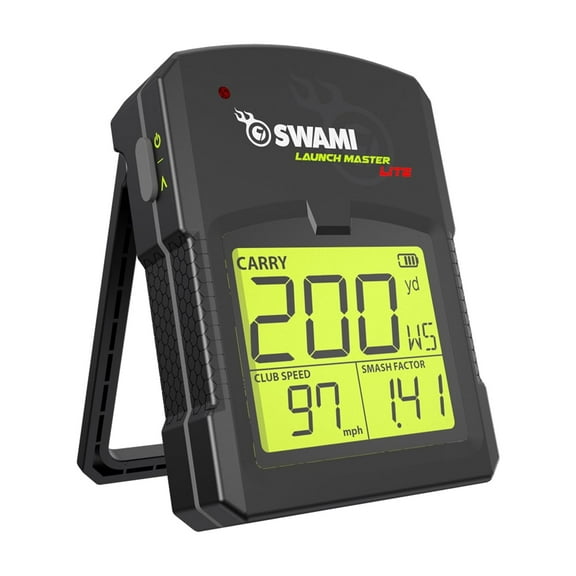
Golf gps devices help you plan each shot with quick yardages and course views. You can compare watches, handheld units, voice clips, and smart cart mounts in one place.
If you want quick decisions on the tee, fairway, and approach, this category gives you practical tools. You can focus on device type, display style, course coverage, and battery life.
Choosing the right golf gps for your round
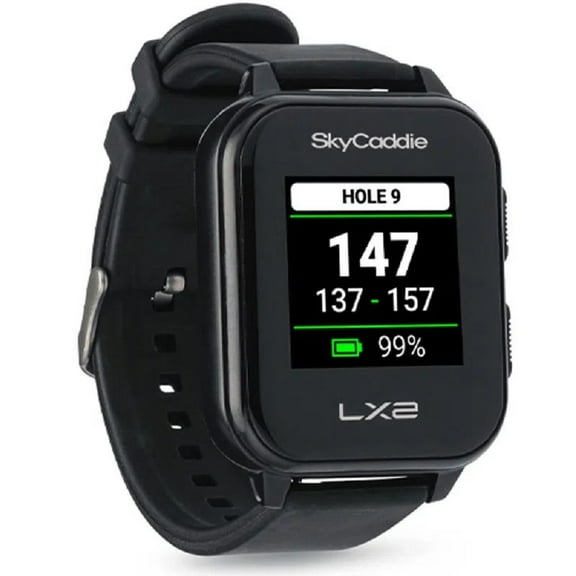
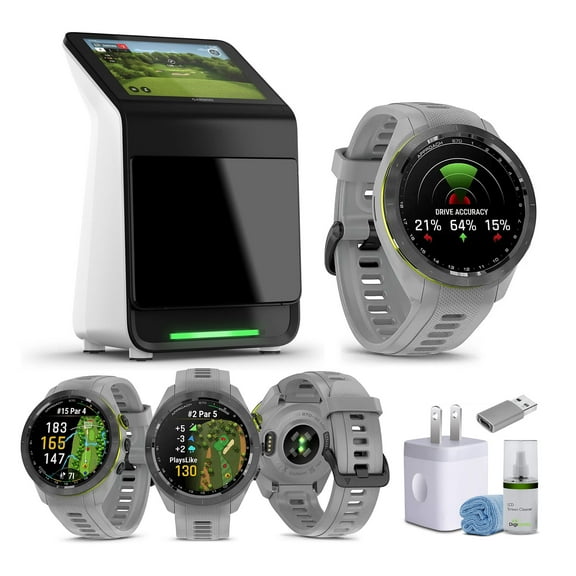
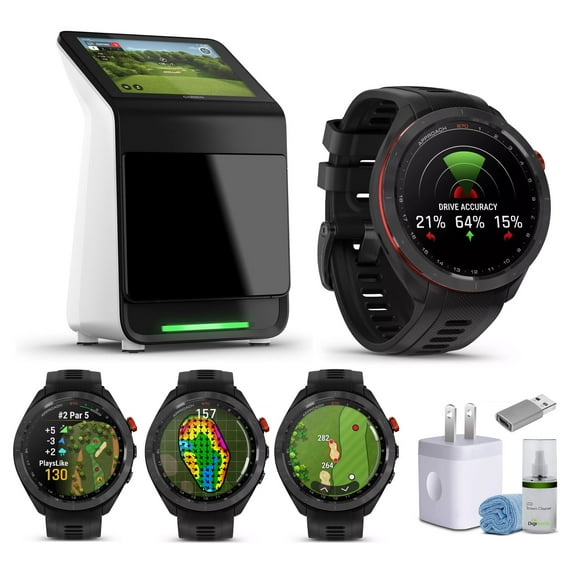
You should start with device type because it shapes how you check distance during play. A golf gps watch keeps yardage on your wrist, while a handheld golf gps gives you a wide view.
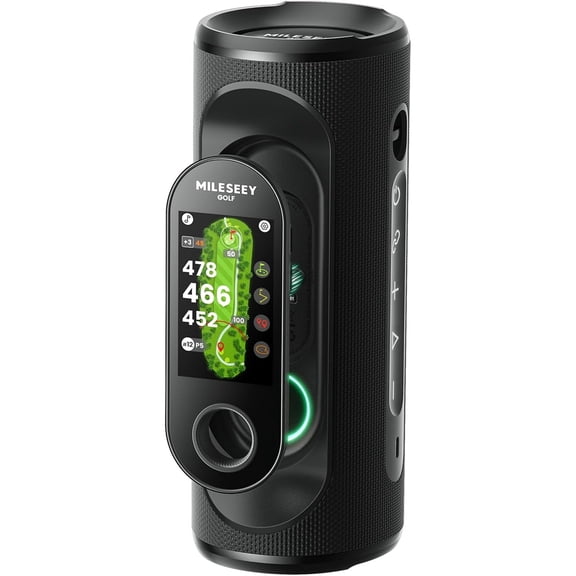
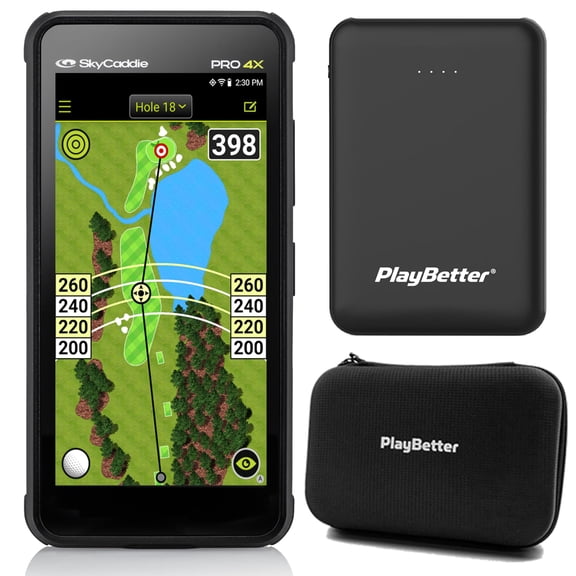
If you prefer quick glances before every shot, you may like a watch or golf yardage watch. If you want large hole maps, you may prefer a handheld unit with a color screen.
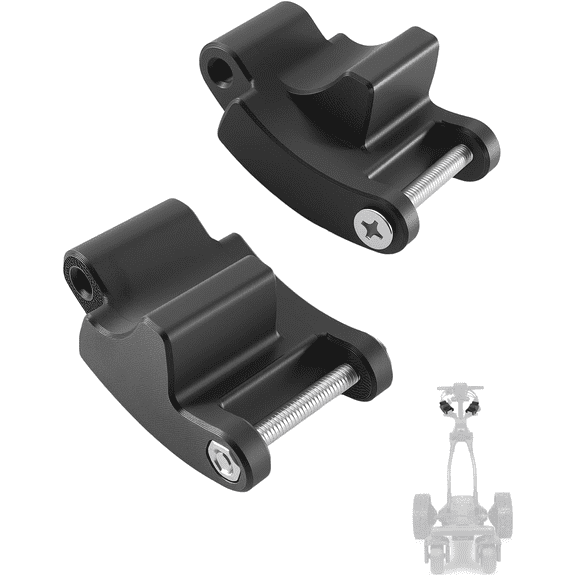
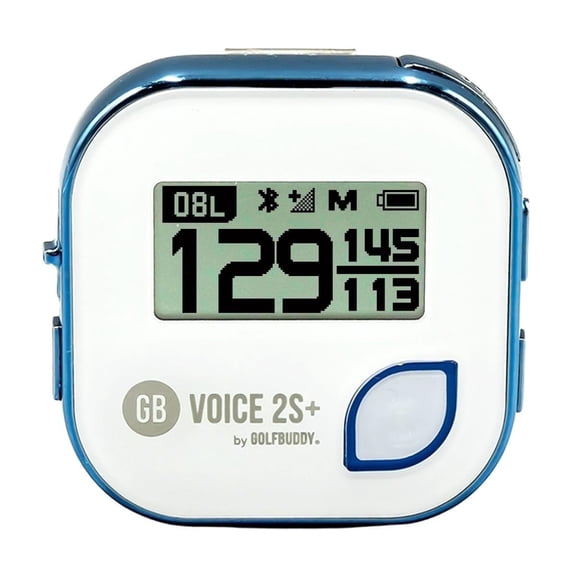
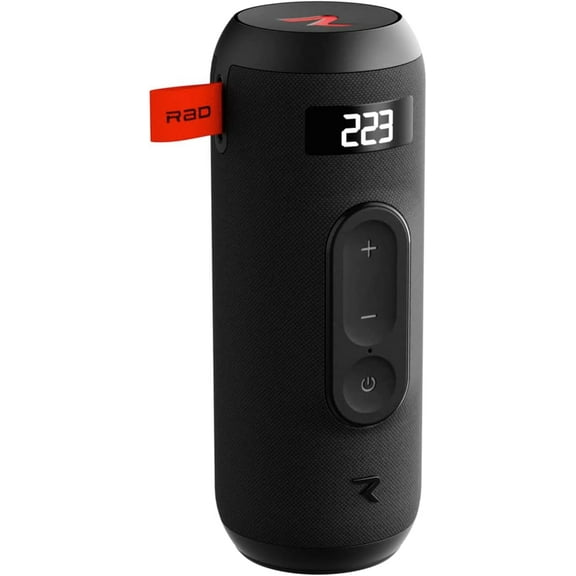
You can also consider a voice clip if you want spoken distances without holding a device. If you ride often, you may prefer a smart cart mount that stays visible beside your scorecard.
- You get front, center, and back yardages that help you choose clubs with confidence.
- You can view hazard distance and green layouts to plan layups, carries, and target lines.
- You may track shots and hole progress easily with wearable or screen-based formats.
- You can pick a form factor that matches walking rounds, cart rounds, or range practice.
What to look for in a golf gps watch or handheld golf gps
You should compare display type next because screen style affects readability in bright daylight. A sunlight-readable display helps you check numbers quickly without lingering over the device.
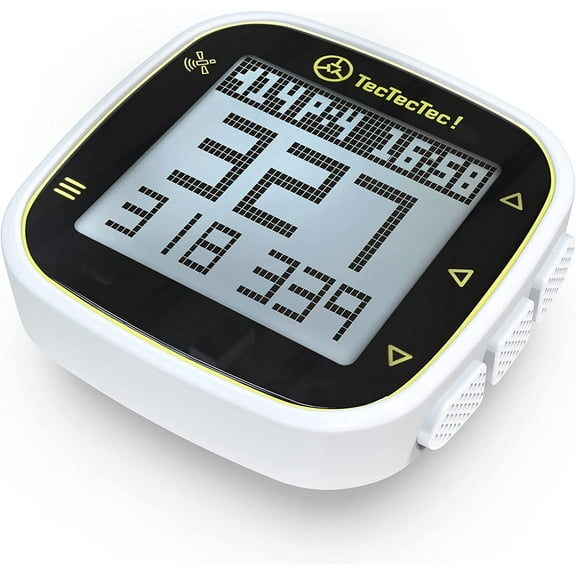
If you like touch controls and color hole maps, you can look for a color touchscreen. If you want a simple layout, you may prefer a monochrome screen with larger numbers.
You should also check preloaded courses because course coverage affects where you can play with confidence. Many devices include 30,000 plus courses, 40,000 plus courses, or worldwide coverage.
If you travel between courses, you may want broad course databases already loaded on the device. You should also check whether Bluetooth syncing updates maps through a companion phone app.
You may also want to confirm whether a device uses subscription-free course access. That detail matters if you want ongoing convenience without extra planning between rounds.
Accuracy matters, so you should look for clear front, center, and back yardage readings. High-sensitivity GPS tracking can help you see practical distances within one to three yards.
You can narrow choices by key metrics that appear on the screen during play. Useful options include hazard distance, green view, and shot tracking for a fuller picture of each hole.
Comparing battery life and round-to-round convenience
You should check battery life before choosing a device for regular play. Some units offer up to 15 hours, while others support multi-round capacity or smartwatch mode.
If you play 18 holes and head to the practice area, you may want extended runtime. If you wear your device daily, you may prefer smartwatch mode between rounds.
You should also think about charging habits because convenience affects whether you use the device often. A simple charging routine can fit easily into your weekly golf schedule.
During walking rounds, you may appreciate a watch that stays ready without adding pocket bulk. During cart rounds, you may prefer a mounted screen that stays visible from tee to green.
Matching golf gps features to how you play
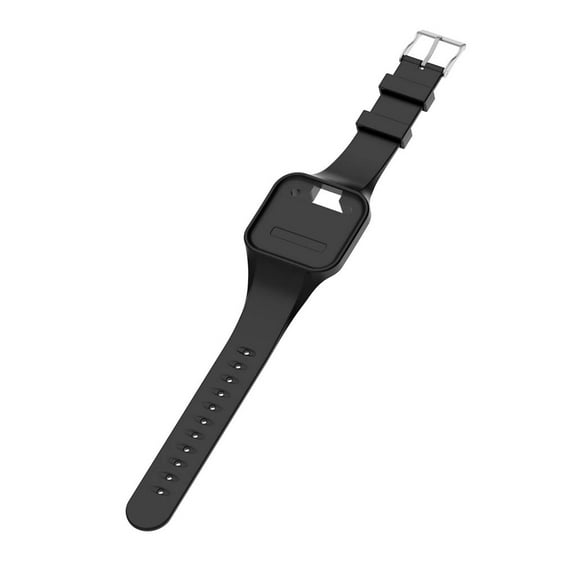
If you walk most rounds, you may want a golf gps watch with quick wrist access. You can check distance, green view, and hazards without stopping to reach into your bag.
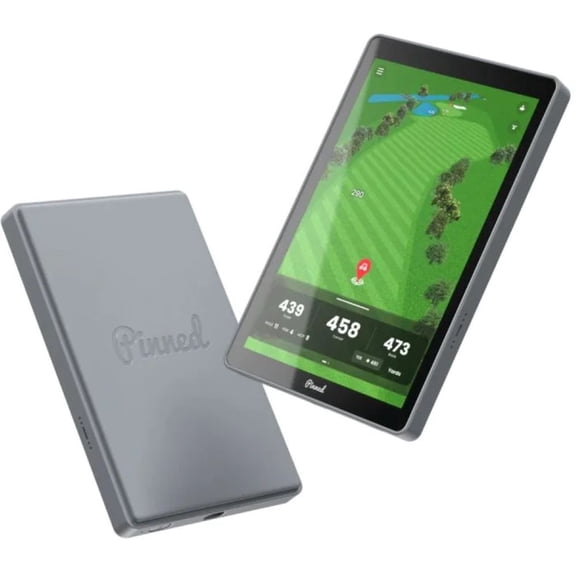
If you like a larger visual reference, you may prefer a handheld golf gps with hole mapping. You can review landing areas and green shapes before choosing your line.
When you play unfamiliar courses, you may benefit from worldwide coverage and automatic course updates. You can arrive with current maps already synced through your phone.
If you practice course management, you may want hazard distance and layup targets on screen. You can make strategic choices on doglegs, forced carries, and long approach shots.
If you track performance over time, you may look for shot tracking during full rounds. You can review distances and playing patterns with less guesswork after the round.
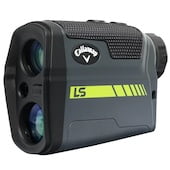
You may also compare whether a golf rangefinder gps style fits your routine. That format can suit golfers who want yardage guidance with easy-to-read course visuals.
Common decision points before you choose
You may wonder about fees, and many shoppers look for devices with preloaded courses included. You should check product details to confirm whether updates and mapping require any added plan.
You may also wonder how updates happen after purchase. Bluetooth syncing can feel simple when you pair your device with a compatible app.
If you want simple setup, you should look for clear menus and readable yardage screens. That way, you can spend less time adjusting settings and more time playing.
You can choose with more clarity when you compare screen style, metrics, and battery needs together. The right fit helps you get quick yardages, clear course planning, and smooth rounds.